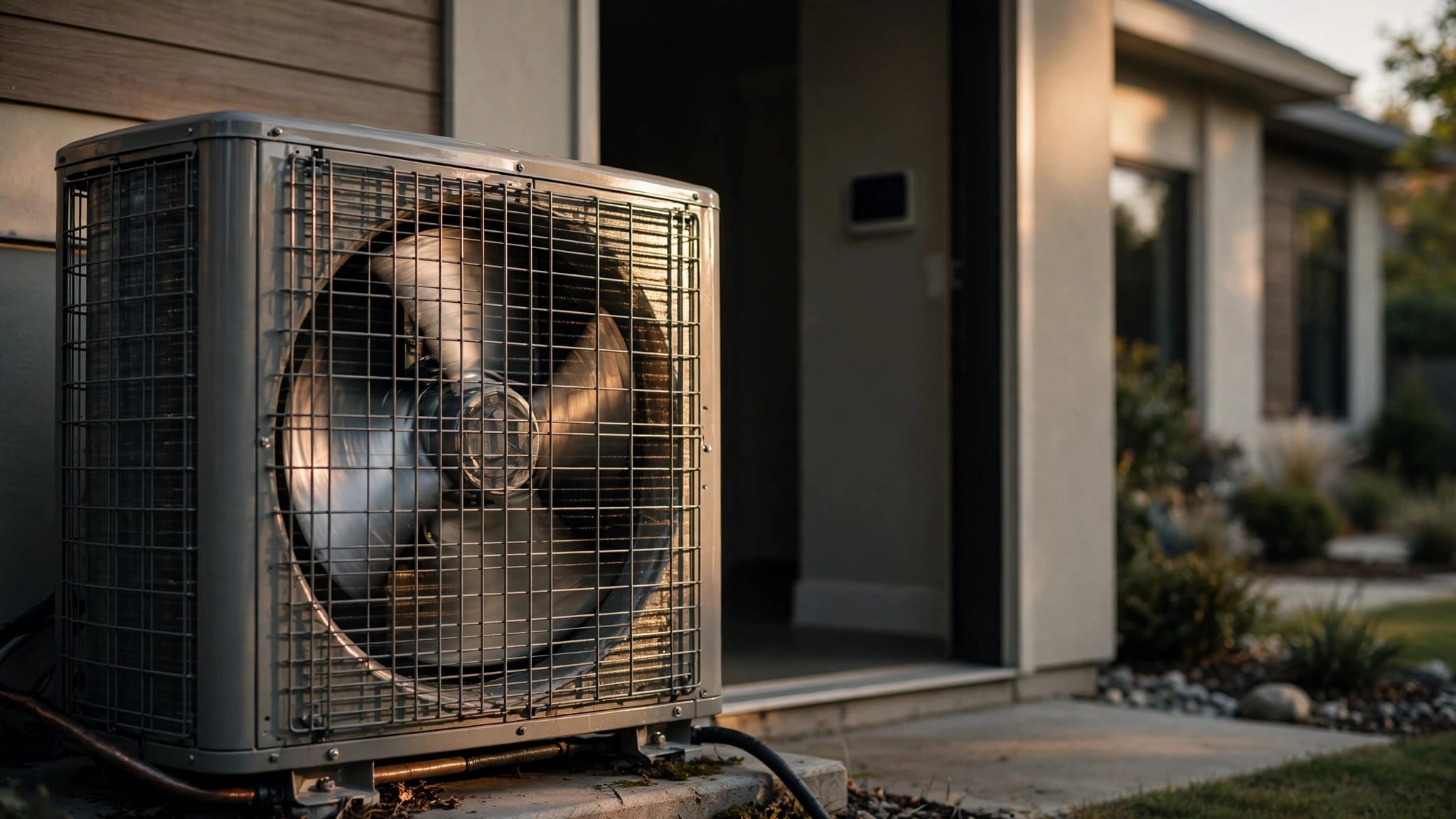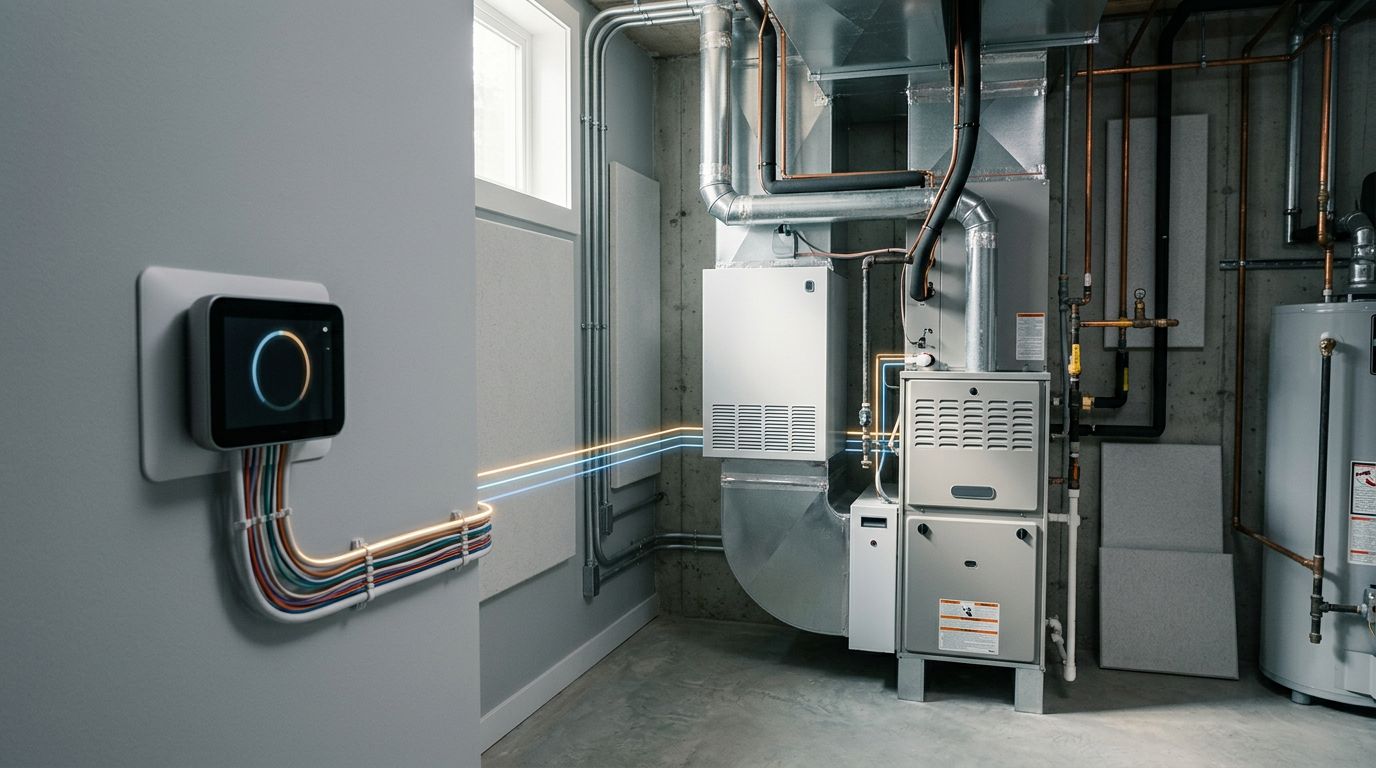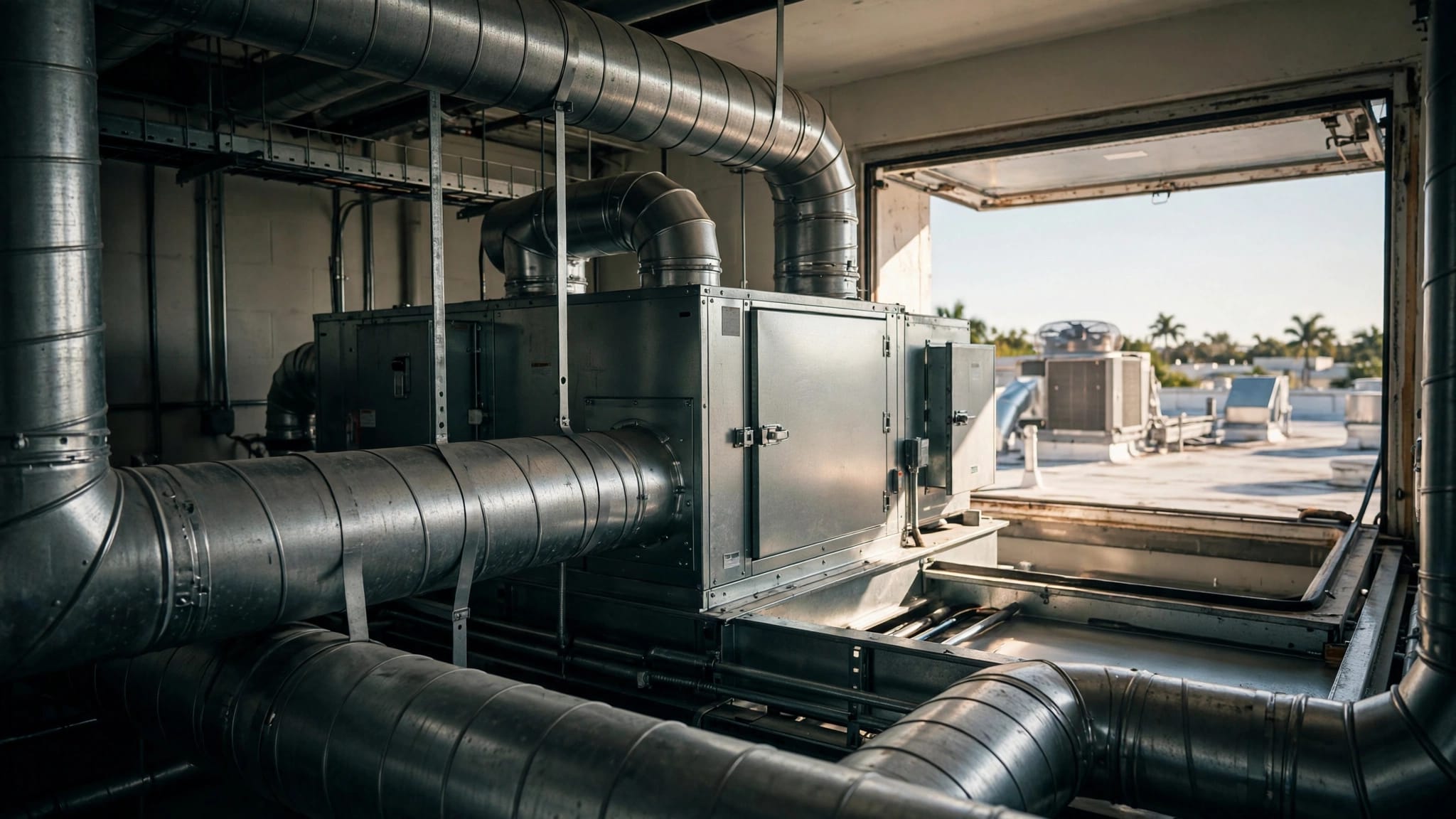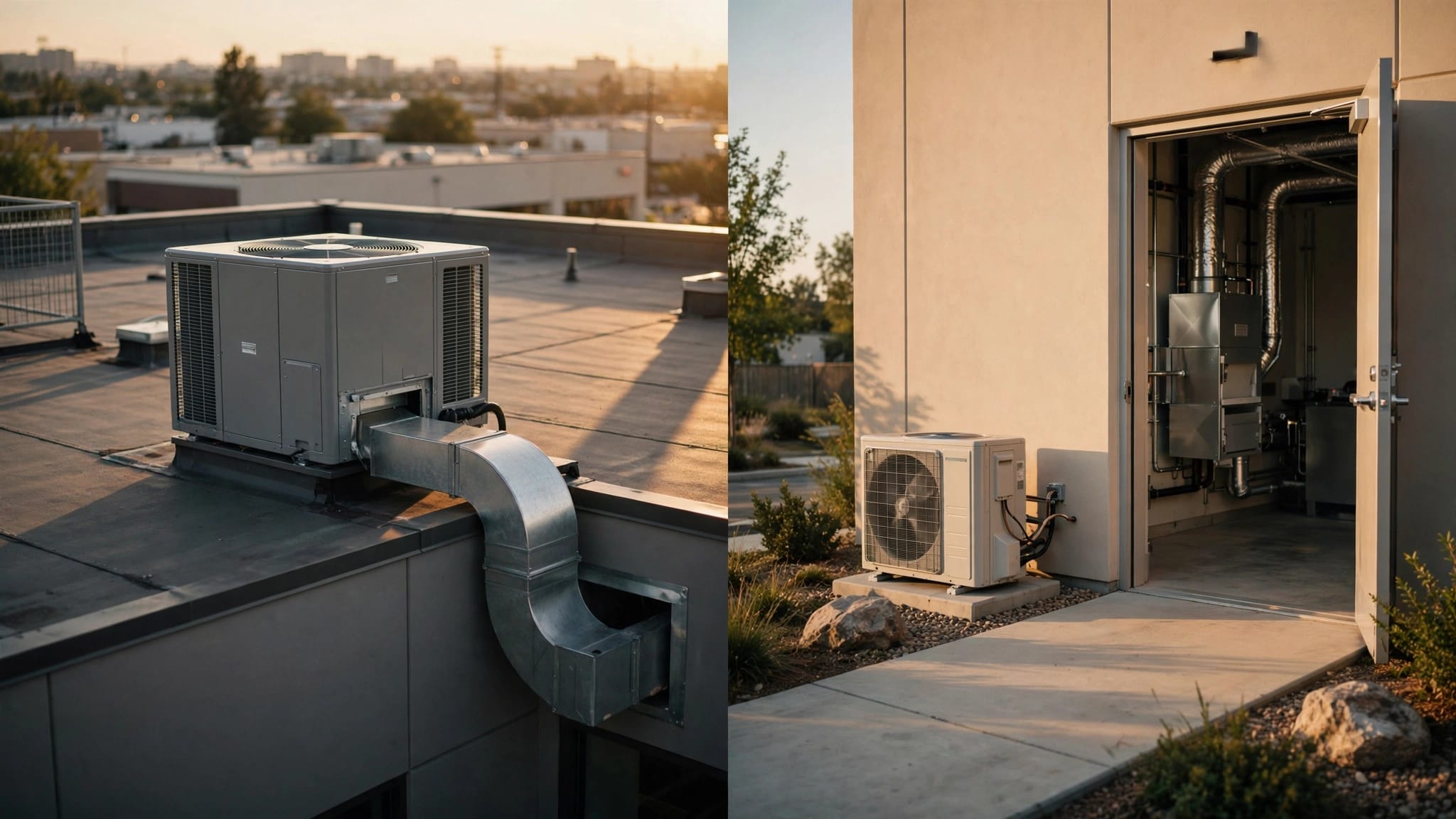
Florida's heat, humidity, heavy rain, and tropical storms make outdoor AC care different from winter preparation in northern states. For most Florida homeowners, the answer is no: leave your outdoor AC condenser uncovered during normal operation.
If you're deciding whether to cover outdoor AC unit equipment, remember that a sealed cover can trap moisture inside. That moisture may lead to corrosion, mold growth on damp debris, and pest activity. A breathable top-only cover can help with falling leaves, but it doesn't replace proper maintenance or hurricane preparation.
The Short Answer: Usually Leave the Condenser Uncovered
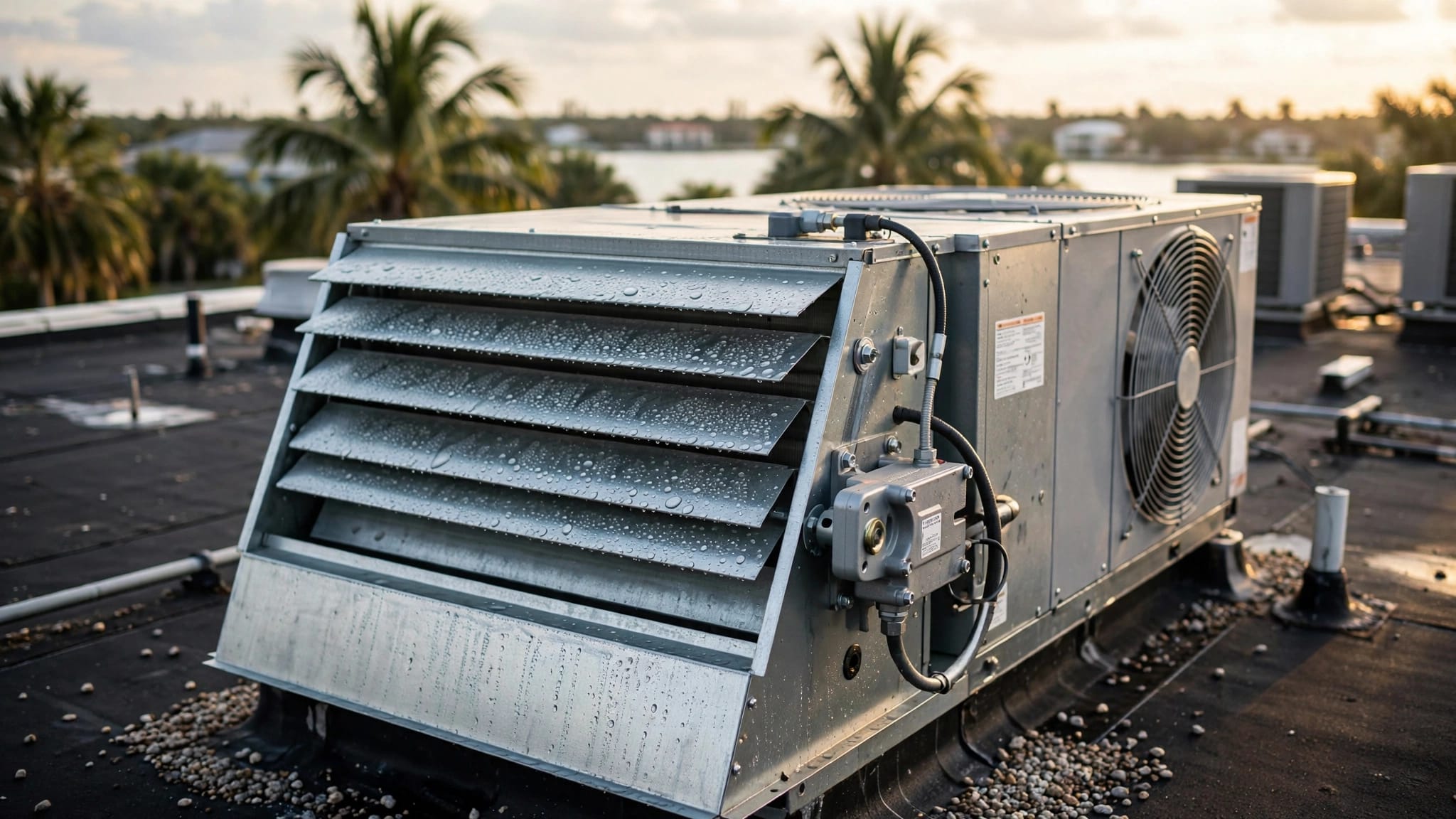
Most central air conditioners need open airflow around the cabinet and across the top discharge area. The outdoor condenser releases heat from your home, so covering the unit while it runs can restrict ventilation and make the system work harder.
A full cover also creates a warm, damp enclosure after rain. That condition can damage electrical components and metal parts faster than normal exposure to outdoor weather.
Florida Systems Often Run Year-Round
Air conditioners in Southwest Florida may operate during every month of the year. Even when outdoor temperatures drop briefly, indoor humidity can still require cooling.
Heat pump systems may also switch between cooling and heating modes. A cover left in place could block airflow when the equipment needs to operate. Therefore, never cover a running condenser unless the manufacturer clearly allows it.
Enclosed Moisture Causes Trouble
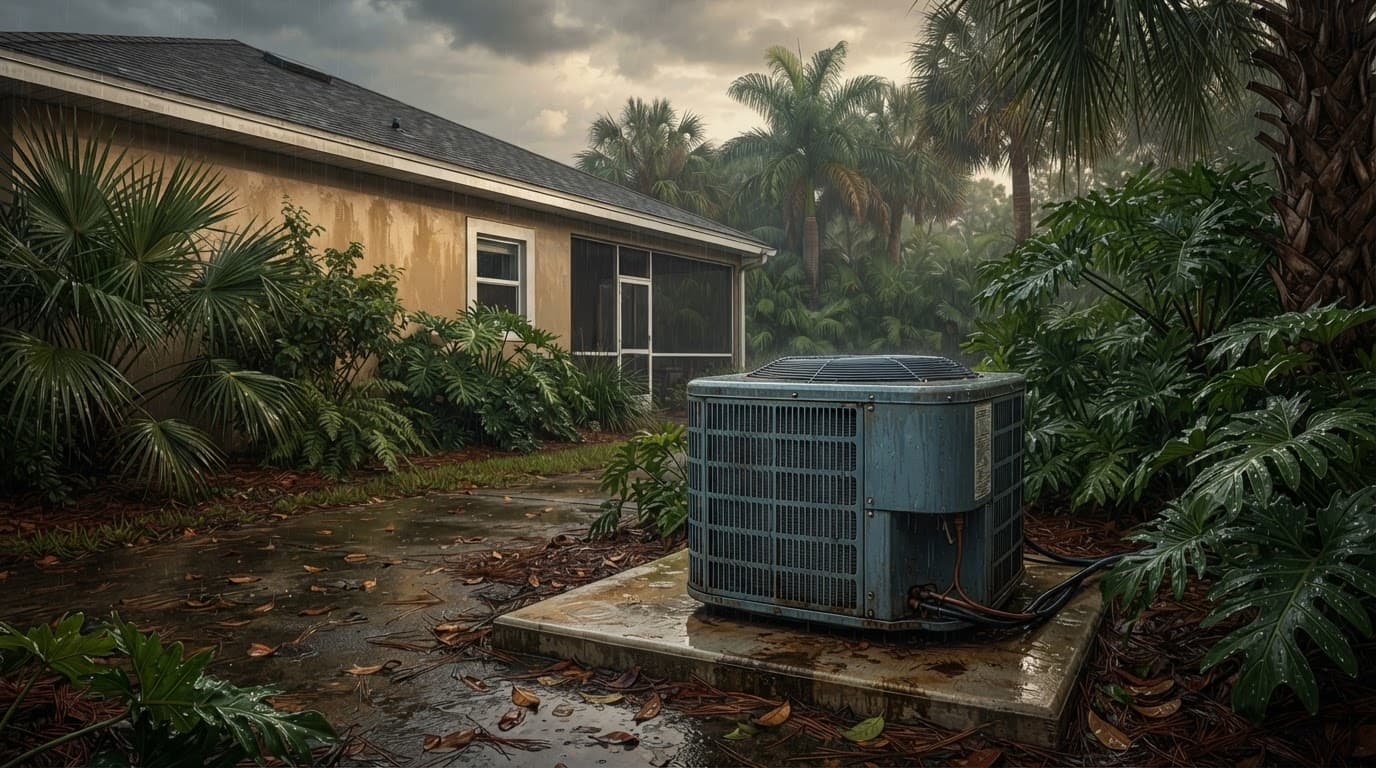
Rain itself usually isn't a reason to cover an outdoor AC unit. Condensers are designed for outdoor installation and can handle normal Florida weather when they remain properly maintained.
Problems start when a cover holds moisture against the cabinet. Damp leaves and organic debris can create conditions for mold. Persistent moisture can also accelerate rust and corrosion, especially near coastal areas where salt air already affects metal components.
A full cover may also give insects, rodents, and other pests a sheltered place to nest. Chewed wiring or blocked airflow can turn a small protection effort into an expensive repair.
When You Should Cover Outdoor AC Unit Components
There are limited situations where covering part of a condenser makes sense. The safest choice depends on the equipment design, the expected weather, and the manufacturer's instructions.
Choose a Breathable Top-Only Cover
A loose, breathable top cover may keep leaves, pine needles, and small debris from falling into the fan opening while the system is shut down. Choose a cover made for outdoor HVAC equipment, not a plastic tarp or tightly wrapped sheet.
The cover should protect the top without sealing the sides. Air needs to circulate around the cabinet so condensation can dry. Remove the cover before turning the system on, and check that no leaves, standing water, or animal nesting material entered the unit.
Before you cover outdoor AC unit components for an extended period, read the owner's manual. If the instructions don't address covers, ask a qualified HVAC professional before using one.
A Cover Doesn't Prepare the Unit for a Hurricane
A lightweight cover can blow away during high winds and become loose debris. It won't stop floodwater, flying objects, storm surge, or structural damage.
Before a named storm, follow your local emergency guidance and the equipment manufacturer's instructions. Turn off the AC at the disconnect or breaker when advised, especially if flooding or electrical damage is possible. Secure loose objects around the property, but don't tie tarps around the condenser.
Proper anchoring matters more than a fabric cover. Review these guidelines for hurricane tie-downs for outdoor AC units, and arrange an inspection if the unit shifts or the pad settles after a storm.
Protect the Condenser Without Sealing It
Florida homeowners can reduce outdoor AC damage without enclosing the equipment. Keep plants, fencing, stored items, and mulch away from the cabinet. Follow the clearance distances in your owner's manual, and keep the top discharge area open.
A simple care routine includes:
- Remove leaves and grass clippings from around the unit after yard work.
- Trim shrubs so they don't block the condenser's airflow.
- Rinse visible dirt from the outdoor coil with a gentle garden hose after turning off power.
- Check for rust, bent fins, loose panels, unusual sounds, or standing water.
- Keep the condenser on a stable, level pad with clear access for service.
Salt air adds another concern for homes near the Gulf Coast. Regular rinsing and professional coil cleaning can help limit buildup. These salt-air damage prevention tips can help you protect the cabinet and coil without trapping humidity.
If landscaping or a screen surrounds the condenser, review outdoor AC unit clearance requirements before moving anything. Restricted airflow can raise operating pressure and reduce cooling performance.
Safe Maintenance Before and After Storms
An open, clean condenser is easier to inspect and safer to service. It also gives technicians access to the electrical disconnect, panels, coil, fan, and refrigerant connections.
Shut Off Power Before Inspection
Turn off power at the outdoor disconnect or the home's appropriate breaker before cleaning near the condenser. Setting the thermostat to "off" doesn't remove electrical power from the outdoor equipment.
Keep hands away from wiring, capacitors, and electrical panels. Don't open sealed compartments or handle refrigerant lines. For safe homeowner tasks, use this Florida AC maintenance checklist.
Know When the Unit Needs Service
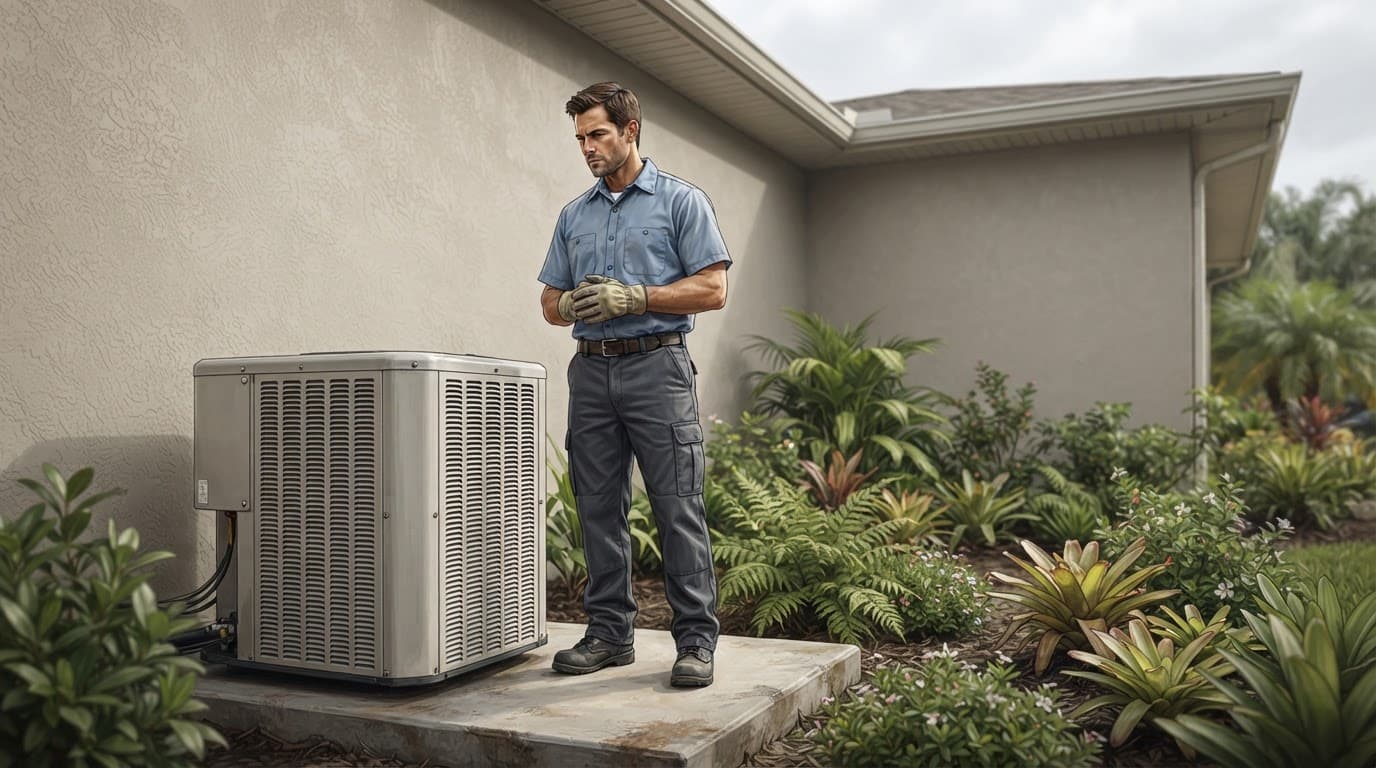
Call an HVAC technician if the condenser makes grinding or buzzing sounds, trips the breaker, leaks refrigerant, shows heavy corrosion, or fails to cool the home. After a storm, don't operate the system if water reached electrical parts, wiring is exposed, the cabinet shifted, or you smell burning.
A professional can check the pad, cabinet, coil, fan motor, electrical connections, and refrigerant system. If you need help deciding whether to repair or inspect the equipment, Contact Us to schedule service.
Conclusion
For most Florida homes, you shouldn't fully cover an outdoor AC unit. The condenser needs open airflow, and a sealed cover can trap moisture that encourages corrosion, mold, and pests.
Use a breathable top-only cover only when the manufacturer or an HVAC professional recommends it. Keep the unit clear, turn off power before inspection, and rely on proper maintenance and storm preparation instead of a tarp or full enclosure.