A new air conditioner can keep your home comfortable and still interrupt sleep, conversations, or work if you choose by efficiency alone. AC sound ratings give you a useful starting point, but the number only makes sense when you know whether it describes the indoor unit or outdoor condenser, the operating speed, and the test conditions.
Homeowners comparing systems should look at dBA, listen for startup and peak operating noise, and consider placement and vibration. The quietest published number isn't automatically the quietest installation. Start with what the rating measures and how to read it.
What AC Sound Ratings Actually Measure
An air conditioner's sound rating is a measurement of acoustic output under defined conditions. Manufacturers usually express it in decibels, often with an A-weighted scale called dBA.
That number describes the equipment during a test. It doesn't predict exactly what you'll hear in every room or at every property line. Walls, fences, windows, ductwork, distance, and operating speed all affect the final experience.
The difference between dB and dBA
A decibel, or dB, measures sound on a logarithmic scale. Sound doesn't increase in a simple one-to-one pattern. A 10 dB increase represents ten times more acoustic intensity, although people often perceive it as about twice as loud.
The "A" in dBA refers to an adjustment based on how human hearing responds to different frequencies. Since air conditioners produce a mix of low motor sounds, fan noise, and higher-frequency airflow, dBA often gives homeowners a more useful comparison than an unweighted decibel number.
A rating of 50 dBA isn't half as loud as one rated at 100 dBA. The scale requires careful comparison.
Check what the test number describes
Product literature may list sound power level, sound pressure level, or both. Sound power describes the acoustic energy produced by the equipment. Sound pressure describes what a microphone detects at a particular location.
Sound pressure changes with distance and surroundings. A condenser measured in an open test area may sound different beside a block wall or inside a narrow side yard. Therefore, compare numbers only when the equipment type, measurement method, distance, and operating condition are similar.
AC Sound Ratings: What Different dBA Levels Feel Like
The table below gives rough everyday references. These comparisons aren't a substitute for a manufacturer's test data because distance and background noise change what you hear.
| Approximate level | Everyday reference | What you may notice near an AC |
|---|---|---|
| 30 to 40 dBA | Quiet bedroom or library | A soft, low background hum |
| 40 to 50 dBA | Quiet office or refrigerator hum | Audible, but easy to ignore for many people |
| 50 to 60 dBA | Close conversation or a busier office | Clearly noticeable near the equipment |
| 60 to 70 dBA | Loud conversation or nearby traffic | May compete with conversation outdoors |
A 45 dBA indoor unit may blend into normal household sounds, while a 58 dBA condenser can be noticeable when you're standing beside it. That same condenser may seem much less intrusive several yards away.
Distance matters because sound spreads as it travels. Hard surfaces can reflect it, while landscaping and open space may reduce the direct path. A lower-rated unit can still seem louder at a bedroom window if the installation places it close to that wall.
When reviewing AC sound ratings, focus on the difference between comparable models. A six or eight dBA difference may be noticeable, but only when both manufacturers used similar measurement conditions.
Indoor Versus Outdoor AC Noise
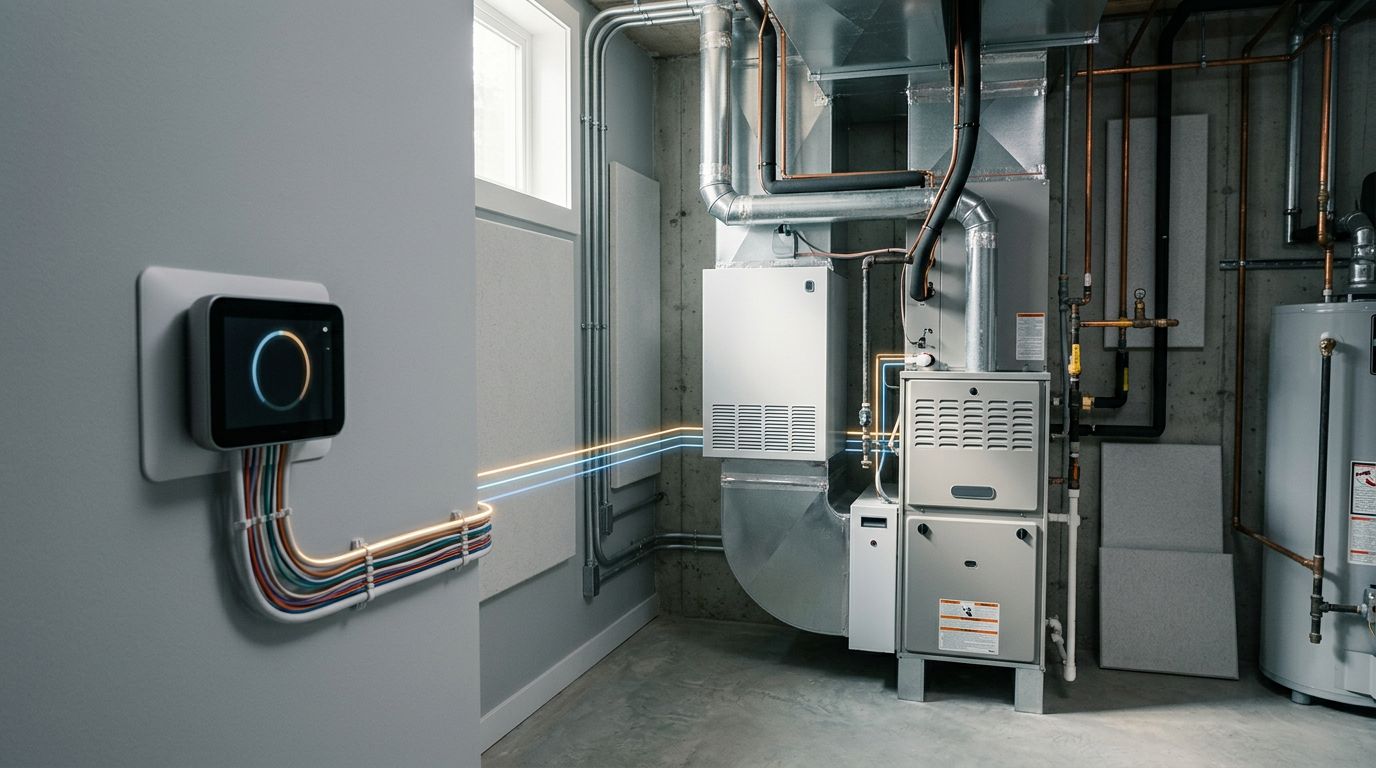
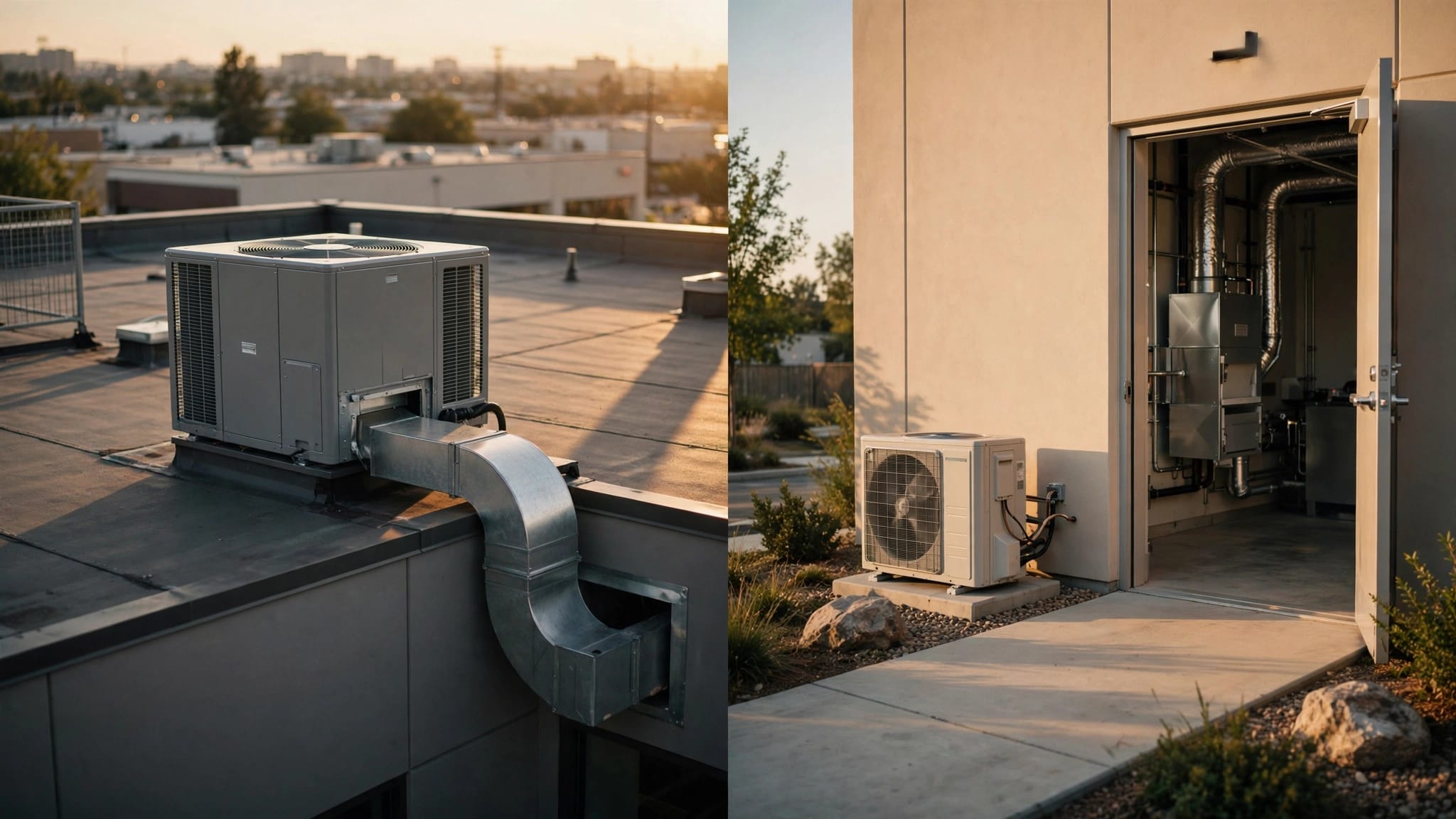
A split air-conditioning system produces noise in two main places. The outdoor condenser contains the compressor and condenser fan, while the indoor air handler contains the blower and moves air through the duct system.
The unit that bothers you most depends on where it sits and how your home carries sound.
Indoor air handler and duct noise
Indoor noise usually comes from the blower, return grille, supply registers, or vibration through the cabinet. An air handler can have a respectable published rating and still create a hiss or whistle if the return path is restricted.
A small return grille, undersized duct, sharp transition, or loose panel can make airflow sound louder. The blower may also transmit a low hum through framing when the cabinet or duct connections lack proper isolation.
If the air handler sits in a closet near a bedroom, office, or living area, ask the installer to review the return path and nearby wall construction. The indoor equipment rating matters, but so does the path between the unit and your ears.
Outdoor condenser sound
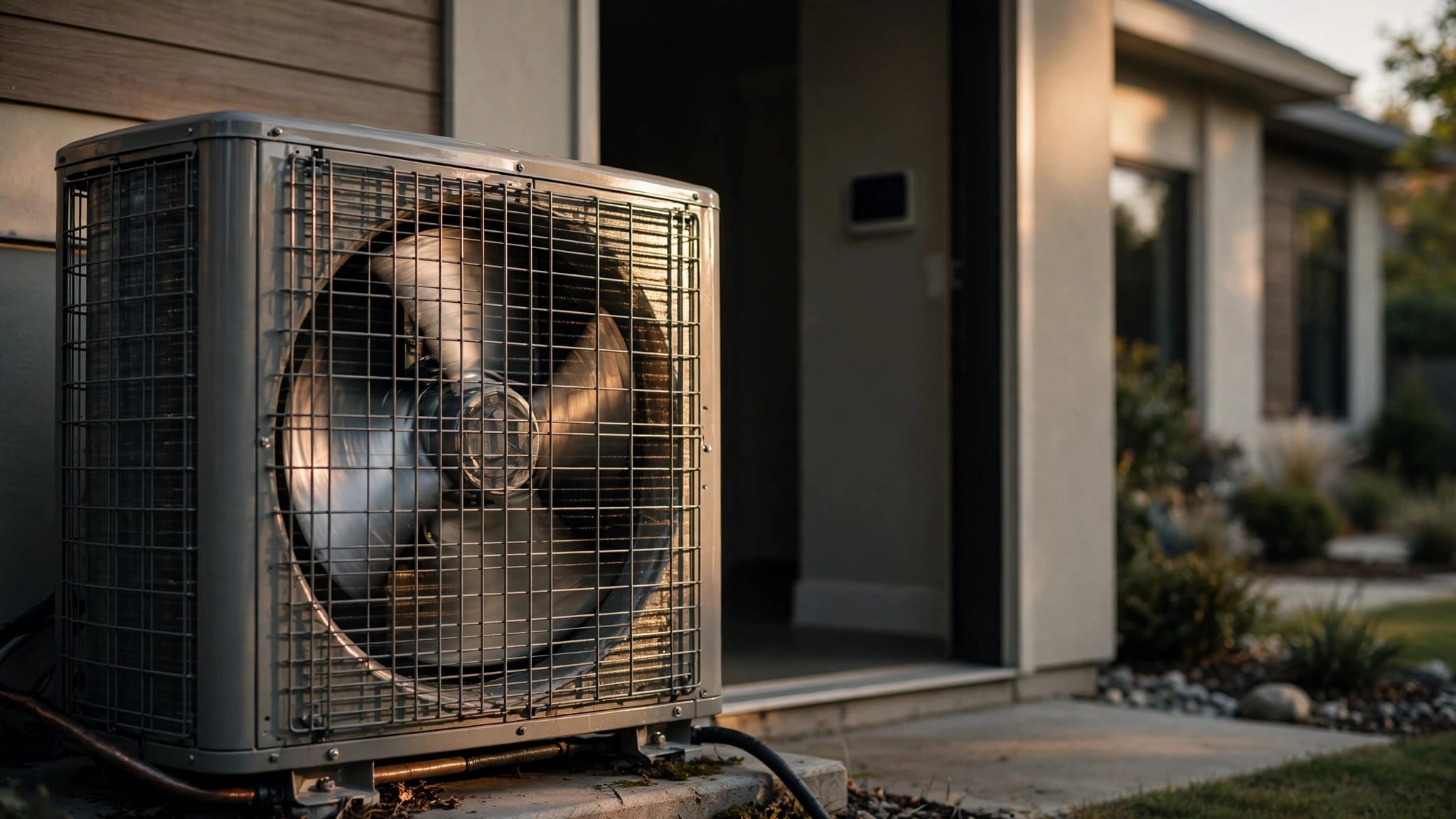
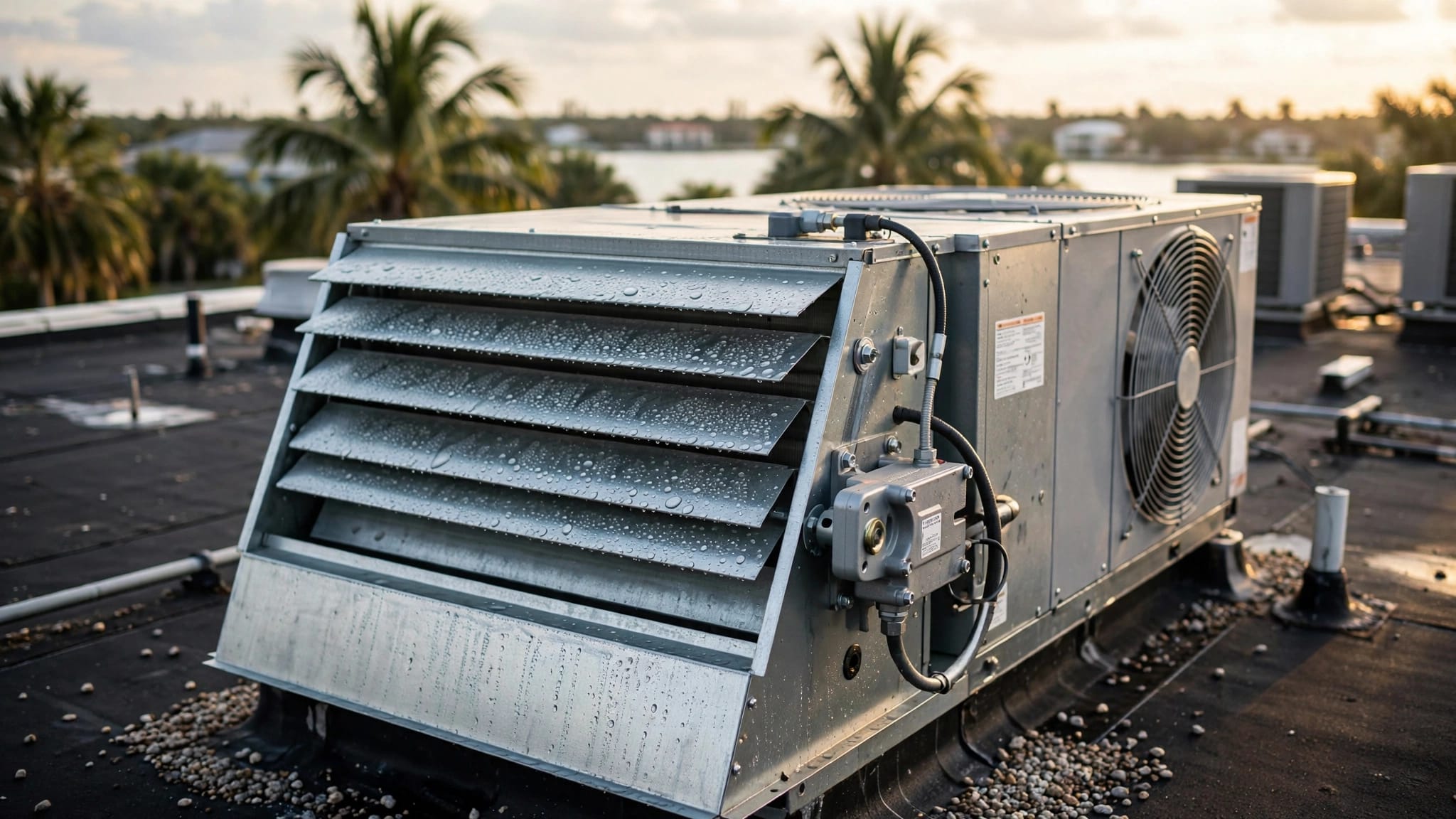
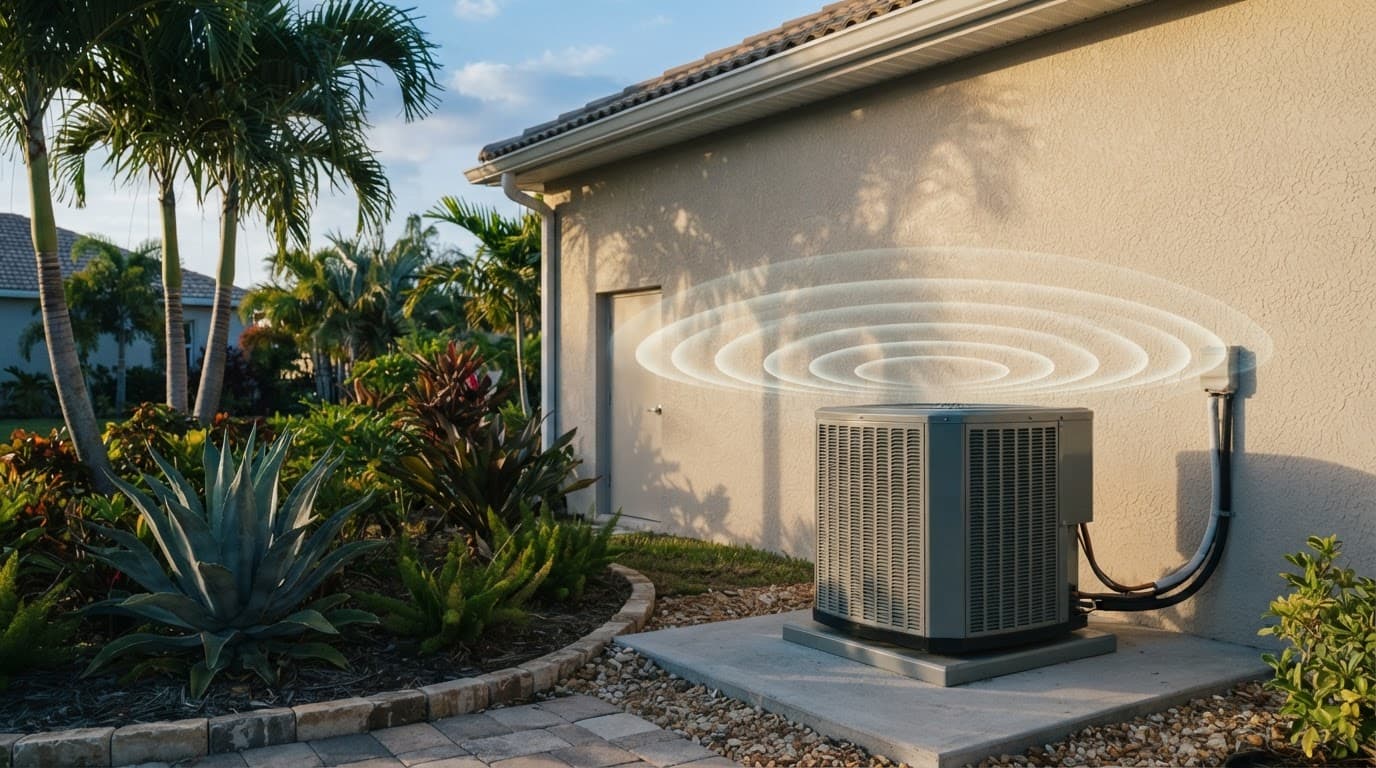
Outdoor sound usually comes from the compressor, condenser fan, and cabinet vibration. The condenser may sit beside a bedroom, lanai, patio, or neighboring property, so placement can affect how noticeable the sound becomes.
A system's outdoor rating should be reviewed with the installation location in mind. An open yard gives sound more room to spread. A tight alcove with masonry walls can reflect sound back toward the house.
Why Startup and Peak Operation Matter
Published ratings usually describe a defined operating condition. Your home, however, hears the system during startup, normal cycling, and demanding afternoon operation.
Startup noise is brief but noticeable
When cooling begins, you may hear a contactor click, a short compressor hum, or the outdoor fan ramping up. Some systems start more abruptly than others. A brief increase in sound may be normal, but a harsh bang, grinding noise, or repeated electrical buzz needs attention.
Startup events may not appear in a steady-state sound rating. Ask the installer what a normal startup should sound like and whether the proposed system uses staged or variable-speed operation.
A short sound that disappears within seconds is different from noise that continues throughout the cycle.
Peak cooling can change the sound level
Single-stage systems generally run at full output whenever they operate. Two-stage and variable-speed systems can adjust capacity, although they still may run at higher output when the outdoor temperature and indoor heat load rise.
The published rating may represent one tested speed rather than every possible operating condition. Ask whether the number reflects low-speed, high-speed, or nominal operation. If the home is in Southwest Florida, also ask what the outdoor unit sounds like during a long, high-capacity cooling cycle.
A rating can describe equipment at one test point, while your complaint comes from the first few seconds after startup or reflected sound near a bedroom wall.
Placement and Vibration Can Change the Experience
A quiet model needs a sound-conscious installation. The condenser pad, cabinet connections, ductwork, and surrounding surfaces can all affect what you hear.
Outdoor placement deserves careful planning
The installer should follow the manufacturer's clearance requirements and local installation rules. Those requirements protect airflow, service access, and equipment performance.
Whenever possible, avoid placing the condenser directly outside a bedroom window or against a wall that reflects sound toward the house. Stucco, concrete, and concrete block can send fan and compressor noise back into the living space.
The pad should be level and stable. A sinking pad can tilt the cabinet and increase vibration. The unit also needs enough open space for airflow, so enclosing it with a tight fence or decorative screen can create both sound and performance problems.
Local codes, property setbacks, permitted clearances, and product specifications should be verified before purchase.
Indoor installation affects vibration
An air handler that touches framing, rests unevenly, or connects to poorly supported ductwork can transfer vibration into the structure. The result may be a low-frequency hum that seems louder inside than the equipment itself.
Ask how the installer will support the unit, connect the ducts, and prevent refrigerant lines or panels from rubbing against framing. Proper airflow also matters because excessive static pressure can increase blower noise.
Quiet operation is partly an equipment choice and partly a workmanship issue. A good quote should address both.
How to Compare New Systems Fairly
Comparing two model numbers by dBA alone can produce the wrong conclusion. The ratings need to describe similar equipment and similar tests.
Compare matched equipment and test methods
Start with the complete indoor and outdoor system, not only the condenser brand or product family. The indoor blower, coil, cabinet, and outdoor compressor all contribute to the final sound profile.
Check whether each number is a sound power rating or a sound pressure rating. Then look for the measurement distance and operating condition. A 52 dBA sound pressure number at a stated distance isn't directly comparable with a 58 dBA sound power number.
Also compare systems at the same capacity. A larger unit may use a bigger fan or compressor, so sound ratings from different system sizes may not tell you which choice is quieter for your home.
Put sound details in the installation quote
A detailed estimate should identify the proposed indoor and outdoor model numbers. It should also state where the condenser and air handler will go, whether the pad is new, and whether duct adjustments or vibration control are included.
When comparing AC installation quotes in Cape Coral, ask each contractor to explain:
- Which dBA rating applies to the indoor unit and which applies to the outdoor unit?
- Was each rating measured under the same type of test?
- Does the published number reflect startup, low speed, or full-capacity operation?
- How will the proposed placement affect bedroom windows and nearby living areas?
- Who handles permits, required clearances, and code-related changes?
A written scope makes it easier to compare real installations instead of comparing isolated numbers.
Maintenance Helps Preserve Quiet Operation
Noise often changes as equipment ages. A clean, properly supported system has fewer reasons to strain, vibrate, or rattle.
What routine maintenance protects
Homeowners can replace or clean the filter according to the manufacturer's instructions and keep leaves, grass, and stored items away from the outdoor unit. Technicians can inspect the fan assembly, cabinet fasteners, electrical components, coil condition, duct connections, and mounting surface.
Restricted airflow can make the indoor blower louder. Dirt or debris near the outdoor fan can create imbalance. Loose panels and worn supports can turn a normal motor hum into a rattle.
A maintenance visit won't fix poor placement, but it can prevent small mechanical problems from changing the sound of a new system. These signs your AC needs maintenance in Cape Coral can help you decide when to schedule service.
Know which sounds need service
Call for an inspection when a system develops grinding, squealing, repeated rattling, a steady hiss, or a sudden increase in vibration. A new buzzing sound, burning odor, breaker trip, or metal-on-metal noise also deserves prompt attention.
Don't keep restarting the unit to test a harsh sound. Shut it off when the noise appears severe, then arrange professional service. If you need help reviewing a noisy system or planning a replacement, Contact Us to schedule a service call.
Conclusion
AC sound ratings are useful when you read them as test results rather than promises about every installation. Compare dBA numbers only when the measurement type, distance, capacity, and operating condition match.
Then look beyond the label. Indoor airflow, outdoor placement, vibration control, startup behavior, and maintenance all shape the sound your household experiences. The best choice is a properly matched system with a clear rating and an installation plan that keeps noise away from the places where you sleep, work, and relax.