A failed rooftop air conditioner can leave you facing both a repair bill and lost business. Your commercial HVAC repair cost depends on the failed component, equipment size, access, and how urgently you need service.
For 2026 budgeting, published commercial guides place some major component repairs around $1,000 to $5,000, but that isn't a confirmed Cape Coral quote. Smaller fixes and complex failures can fall outside that range.
Start with an on-site diagnosis , then compare estimates that cover the same work.
Key Takeaways
- Published repair ranges are planning estimates, not verified local commercial quotes.
- A diagnostic visit, emergency labor, and the completed repair may carry separate charges.
- Equipment size, refrigerant work, rooftop access, parts availability, and operating hours affect the total.
- Replacement pricing belongs in a separate comparison, especially when an older system has repeated failures.
If you're comparing these figures with a household repair bill, keep the equipment differences in mind. A storefront's rooftop unit can require different parts and more labor than a home's air conditioner.
What Commercial HVAC Repair Cost Estimates Cover
Commercial systems vary too much for one reliable average. A small office with a split system has different repair needs than a restaurant with several rooftop units.
These published figures offer context, provided you keep their limits in view.
| Work category | Published estimate | Important limitation |
|---|---|---|
| Blower motor replacement | $400 to $1,100 | General Cape Coral HVAC benchmark, not commercial-specific |
| Major repairs, including some compressor work | $1,500 to $3,500 | General Cape Coral HVAC benchmark, not a commercial quote |
| Commercial compressor, motor, or economizer component swaps | About $1,000 to $5,000 | Broad commercial category, not individual part prices or confirmed Cape Coral pricing |
HVACService.io's Cape Coral guides provide the general repair benchmarks. Budget Heating's 2026 commercial guide groups several component replacements within the broader commercial range.
The takeaway is that scope matters more than the category name . A motor replacement involving additional wiring or controls won't necessarily match a straightforward motor-only job.
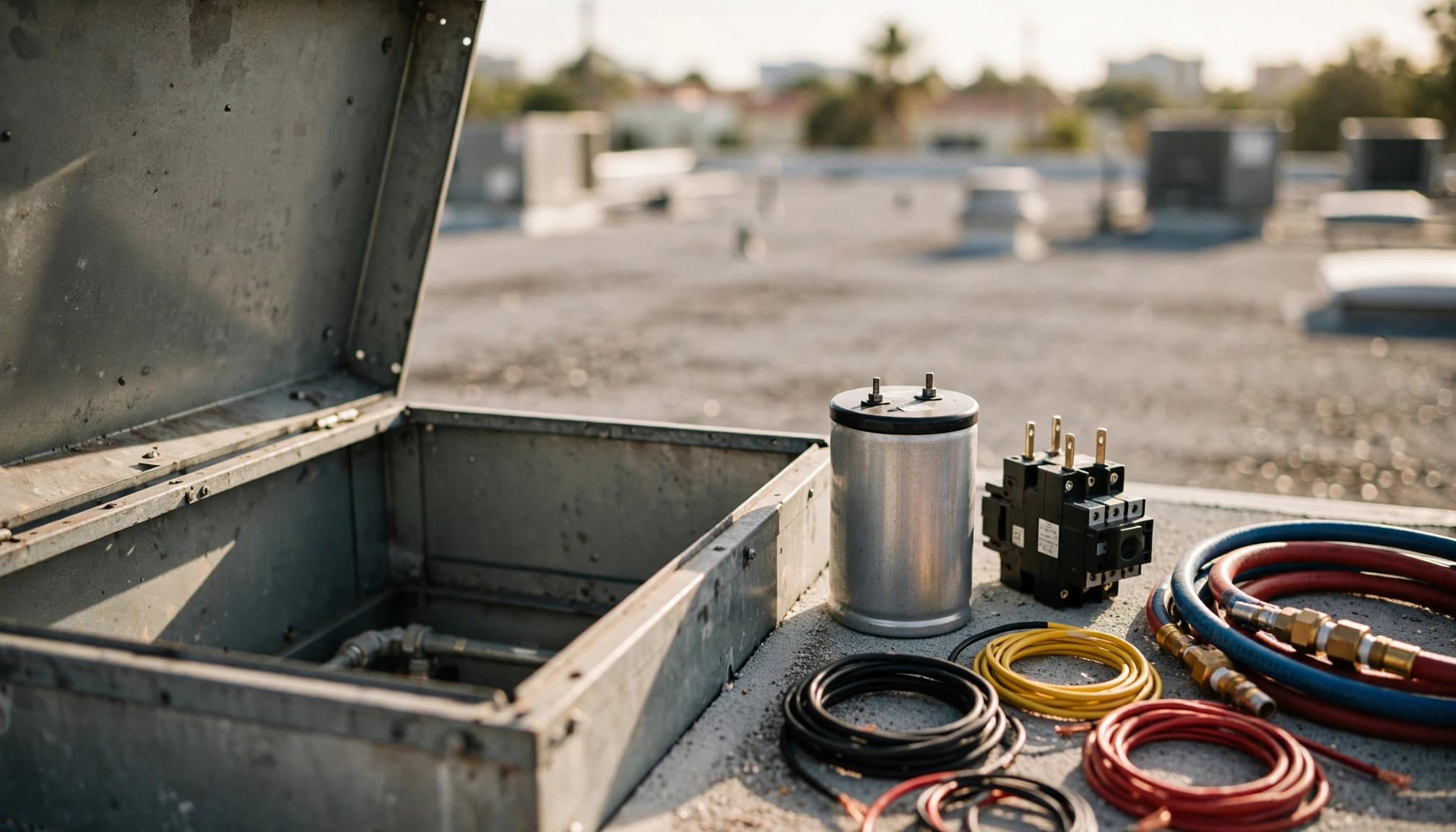
These figures also don't establish commercial capacitor, contactor, or refrigerant-repair prices. Those jobs need an equipment-specific estimate rather than a residential price applied to a larger system.
Separate the Service Visit From the Repair Bill
Before booking, ask what the initial visit covers. A service-call charge may pay for travel and evaluation without including replacement parts or completed repairs.
Diagnostic charges need their own explanation
Trinity Cooling publishes a $115 initial commercial HVAC evaluation fee on its commercial installation page. The company says it applies that fee toward installation when the project proceeds.
That is an installation-evaluation policy, not a published commercial repair price. It also doesn't establish what Back Bay Heating & Cooling charges.
Ask whether your contractor bills diagnosis separately, credits it toward approved work, or includes it in flat-rate pricing. Also confirm whether multiple units require additional diagnostic charges.
After-hours rates can change the total
Pipeline's commercial HVAC guide estimates emergency labor at $150 to $275 per hour, sometimes with two-hour to four-hour minimums. These are broad guide estimates, not confirmed Cape Coral bids or Back Bay rates.
Before dispatch, confirm the minimum charge and whether parts, travel, or return visits cost extra. Also ask whether the technician expects to restore cooling immediately or first assess the failure.
Back Bay offers 24/7 emergency HVAC service, but availability alone doesn't establish the price of a particular repair.
Why Cape Coral Repair Prices Vary
Local conditions affect equipment wear, while the building determines how technicians reach and repair the system. Neither creates a fixed surcharge that applies to every property.
Equipment size, controls, and parts
Larger commercial equipment may use higher-capacity motors, multiple compressors, or controls that differ from residential systems. Therefore, a household component price may offer little guidance for a commercial repair.
The exact model also matters. Carrier, Trane, Lennox, and other manufacturers use equipment-specific parts and control arrangements. Ask whether the replacement is an approved equivalent or a manufacturer-specific component.
Parts availability can affect both price and downtime. If a component requires ordering, confirm freight charges and whether the estimate includes the return visit.
Access, humidity, and salt exposure
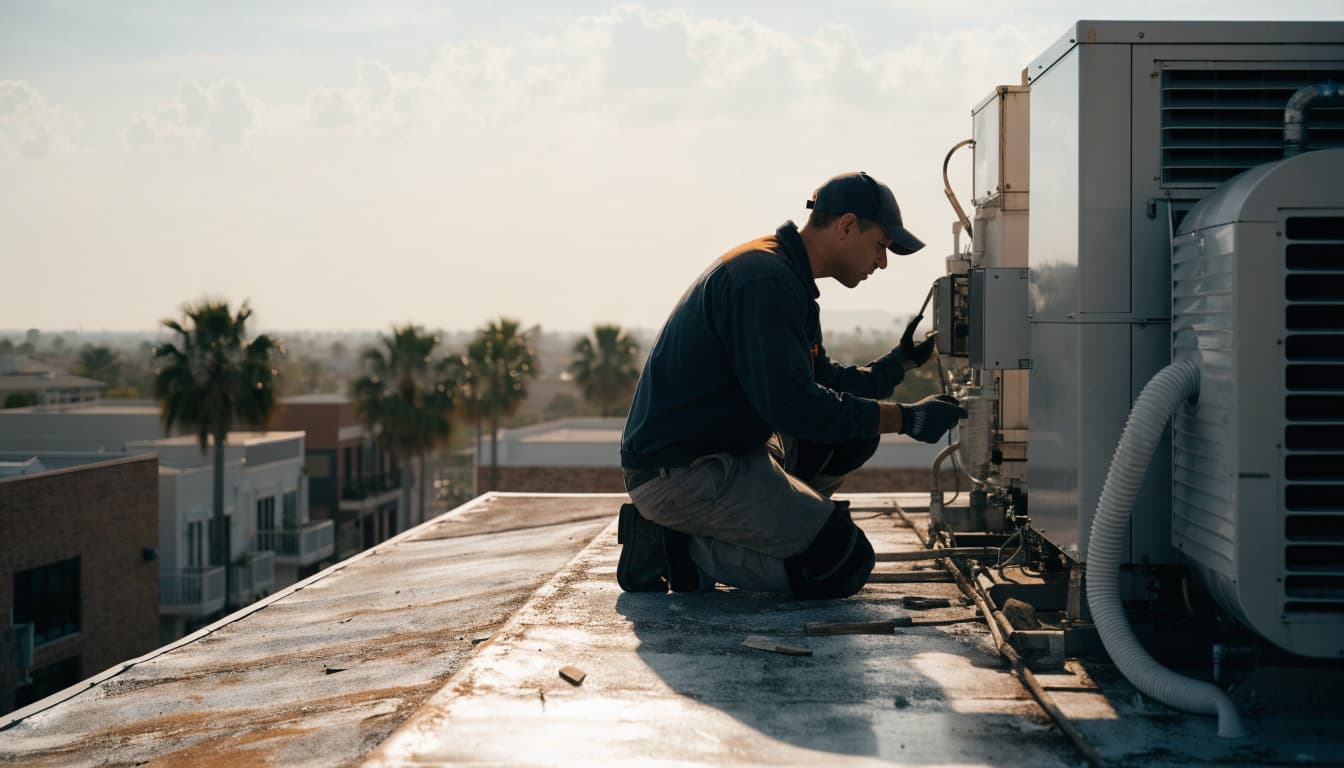
Rooftop equipment requires safe access. Locked roof hatches, restricted work hours, and difficult component handling can add labor or coordination.
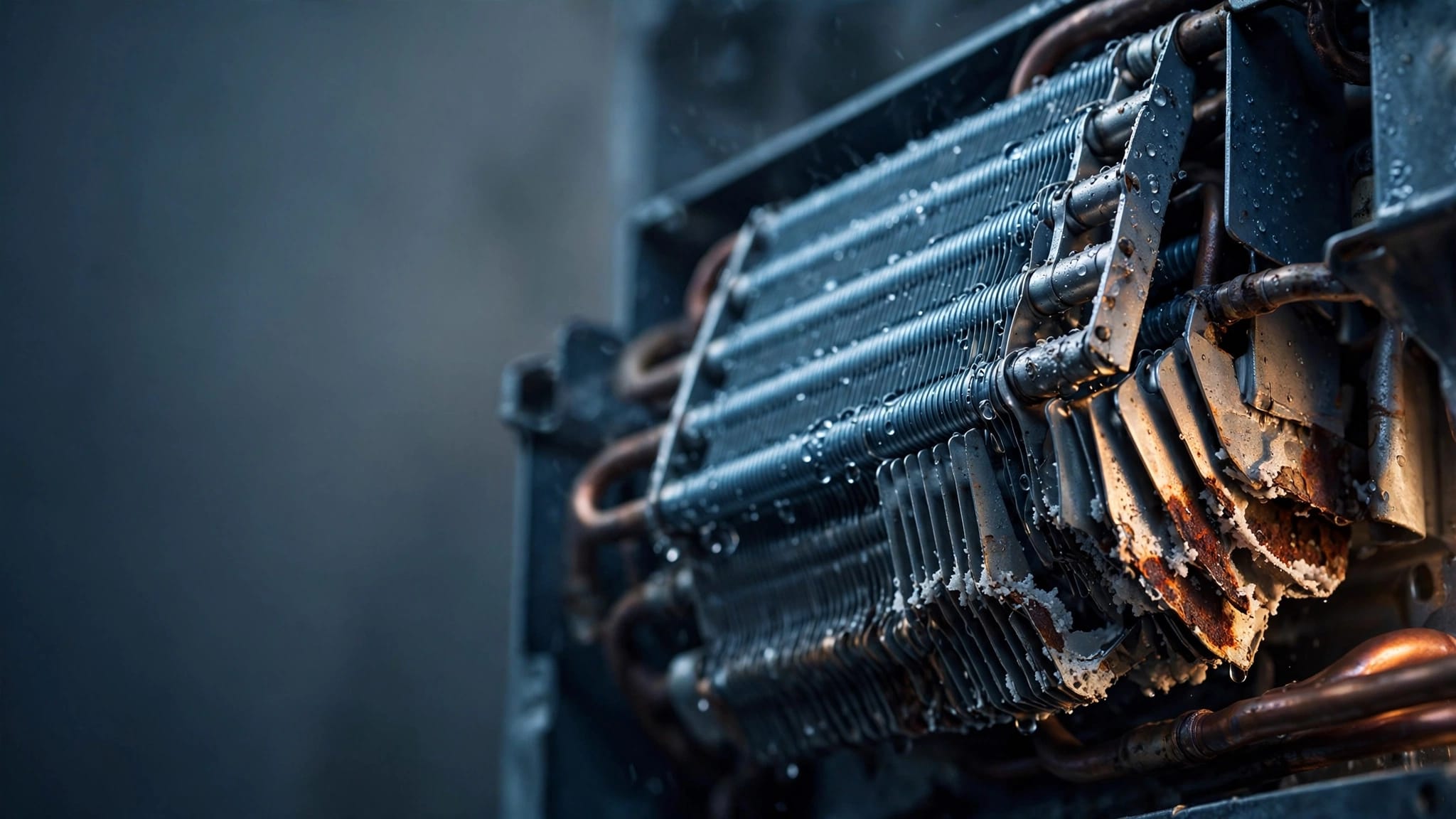
Cape Coral's long cooling season also keeps many systems running for extended periods. Meanwhile, humidity increases condensate-management demands, and salt exposure can contribute to corrosion.
A technician should identify actual damage before recommending work. Coastal exposure alone doesn't justify assuming every unit needs an expensive repair.
Also describe uneven temperatures or persistent indoor moisture. Duct leaks, airflow restrictions, and control problems can require work beyond the visibly failed component.
Refrigerant Repairs Need a Defined Scope
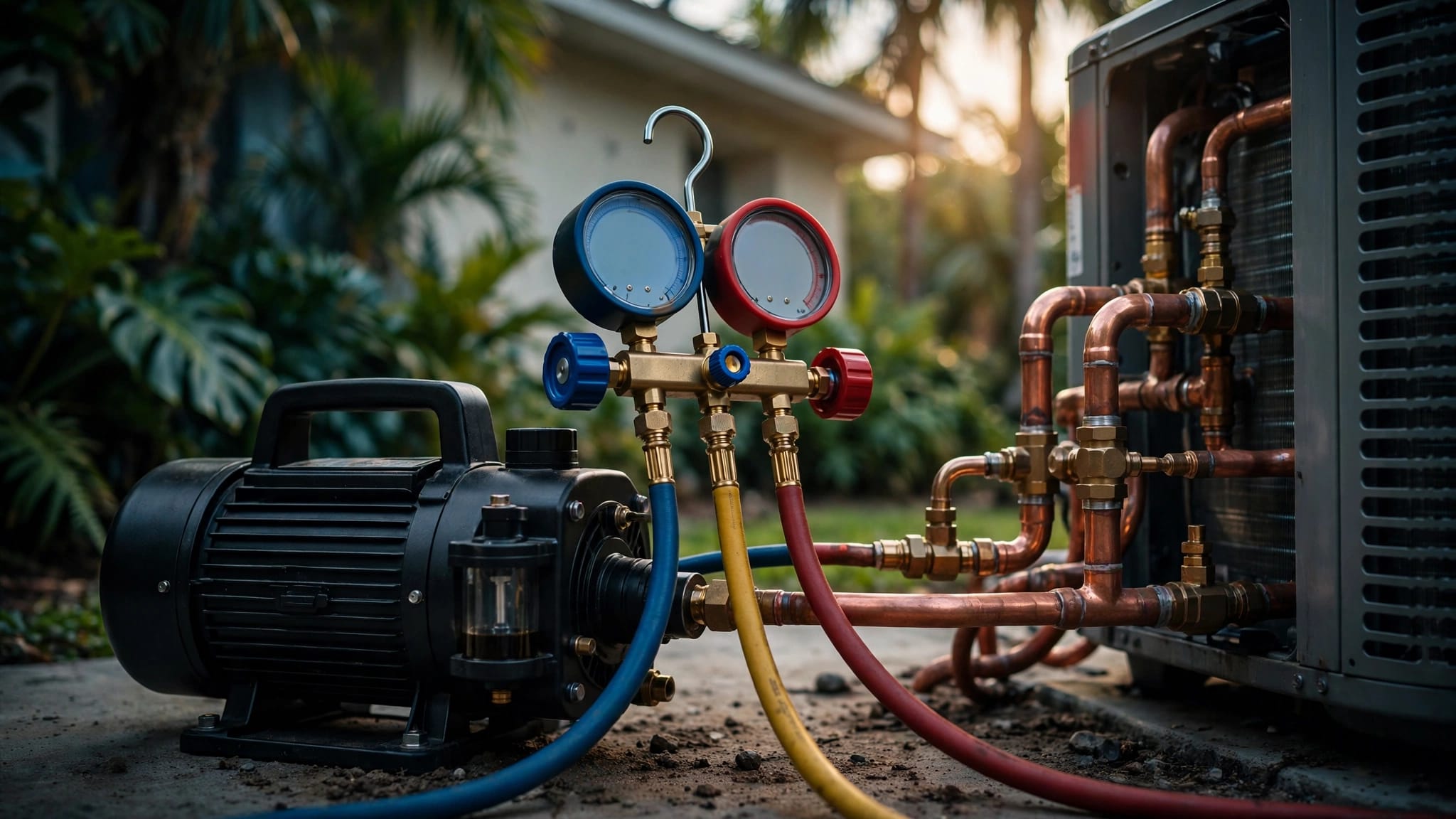
A commercial HVAC repair cost estimate involving refrigerant should explain more than the amount added. Refrigerant loss can require leak detection, component repair, recovery, evacuation, recharge, and performance testing.
The total depends on refrigerant type, system charge, leak location, and access. A leaking service connection and a damaged coil involve different work.
Ask whether the quote includes finding and repairing the leak. Also confirm whether the contractor charges refrigerant separately and how any additional quantity will affect the bill.
A refrigerant recharge price can exclude the leak repair. Compare the complete scope before approving either job.
Commercial leak-repair prices aren't established by the available component benchmarks. Back Bay's homeowner refrigerant-repair figures describe residential work, so they shouldn't become a commercial price promise.
After repairs, request confirmation that the technician checked operating conditions. Restored airflow and lower supply-air temperature alone don't describe every aspect of system performance.
Compare Repair With Replacement Carefully
Repair and replacement belong in separate budgets. A component repair keeps existing equipment operating; replacement introduces equipment, installation, and potentially substantial project extras.
When a repair deserves consideration
An isolated failure can support repair when the remaining equipment is in good condition. Warranty coverage, available parts, and a dependable service history also affect the decision.
Ask the technician to explain the failure and assess related components. A compressor problem, for example, deserves investigation into conditions that could damage its replacement.
Avoid treating a percentage rule as a universal answer. Building needs, downtime, equipment condition, and replacement scope matter alongside the repair price.
When replacement deserves a written proposal
Repeated breakdowns, severe corrosion, major coil damage, and unavailable parts justify comparing replacement options.
Pick Comfort's 2026 guide estimates $15,000 to $45,000 for replacement of certain 3-ton to 15-ton commercial units with standard controls and straightforward access. That's a broad replacement benchmark, not a Cape Coral quote or repair estimate.
Use Back Bay's guide to commercial HVAC replacement costs to consider equipment, installation, and project extras separately.
Then request a property-specific proposal. Crane work, electrical changes, ductwork, controls, and applicable permits can change the comparison substantially.
Request a Written Estimate You Can Compare
A useful quote connects the diagnosis to the proposed work. "Restore cooling" is too vague when you're deciding whether to authorize a costly repair.
Before approving work, review these items:
- Ask for the failed component, equipment model, and recommended repair scope.
- Confirm whether diagnosis, labor, parts, refrigerant, freight, and return visits are included.
- Request separate explanations of parts coverage and labor coverage.
- Establish how the contractor will obtain approval for additional work.
If the contractor uses flat-rate pricing, request an inclusion list even when labor isn't itemized. Otherwise, a low estimate may exclude work another contractor includes.
Prepare the model and serial numbers, recent service records, and a description of the symptoms. Roof-access instructions and acceptable shutdown hours also help the contractor plan the visit.
Back Bay's air conditioning repair services include local repair support, but an accurate estimate may require inspecting the equipment first.
Finally, verify the contractor's Florida license through the state licensing database. Keep equipment panels closed and leave electrical testing and refrigerant work to qualified technicians.
Use Maintenance to Improve Budget Predictability
Maintenance can't prevent every failure, but it can identify concerns before they cause an unexpected shutdown. It also creates service records that help explain recurring problems.
Filters, coils, condensate drains, electrical connections, and operating readings deserve attention appropriate to the equipment. Commercial schedules should reflect operating hours, occupancy, and the manufacturer's requirements.
Back Bay's HVAC maintenance agreements advertise emergency-service scheduling and a 10% discount on additional repairs. Confirm current terms, eligible equipment, and exclusions before counting that discount in your budget.
For properties with several units, keep records by equipment identifier. That makes it easier to distinguish one unreliable unit from unrelated repairs across the building.
Also clarify which tasks the agreement includes. Routine maintenance, detailed troubleshooting, and component replacement may carry separate charges.
Frequently Asked Questions
Can I use residential repair prices for commercial equipment?
Residential prices can provide limited context, but they don't establish a commercial quote. Commercial equipment may require different components, greater refrigerant quantities, or more difficult access.
Back Bay's published homeowner guide places standard Cape Coral AC repairs around $150 to $600. That residential range shouldn't become an advertised commercial minimum or maximum.
Even a small business using residential-style equipment needs a diagnosis. The system configuration and actual fault determine whether a household benchmark is relevant.
Does a free estimate mean the diagnostic visit is free?
No. A free new-system estimate and troubleshooting an existing system are different services.
Back Bay advertises free estimates on new systems, but you should confirm the charge for diagnosing an existing commercial unit before scheduling. Also ask whether approving the repair changes that charge.
For urgent problems, explain the symptoms when booking. The team can discuss service availability, access requirements, and the next step without treating a telephone conversation as a completed diagnosis.
Get a Clear Price Before Approving Repairs
Your commercial HVAC repair cost should reflect a diagnosed problem and a defined scope. Published estimates help with planning, but they can't replace an equipment-specific evaluation.
Compare complete repair quotes, keep replacement costs separate, and confirm emergency charges before dispatch. That makes an unexpected cooling failure easier to manage.
For 24/7 service availability or to schedule a service call with Back Bay Heating & Cooling, Contact Us and request an on-site evaluation .