If your AC runs all afternoon but the house still feels warm, a vent reading can give you a useful clue. The AC temperature split compares air entering the cooling system with air coming back into your rooms. It helps you describe a cooling problem, but one reading can't diagnose the equipment.
In a Florida home, humidity and duct conditions can change that reading. Start by measuring the right two places, then consider how the house actually feels.
What an AC temperature split measures
Your air conditioner draws indoor air through a return, cools it at the indoor coil, and sends it back through supply vents. The temperature split is the return-air temperature minus the supply-air temperature . Supply air should be cooler while the system is actively cooling.
This isn't the gap between your thermostat setting and the outdoor temperature. A thermostat set to 75°F on a 95°F day doesn't create a 20-degree AC temperature split. The outdoor temperature affects how hard the system works, but it isn't part of this measurement.
There isn't one vent reading that proves every system is healthy. The split is most useful when you measure it consistently and consider humidity, airflow, and cooling performance together.
How to measure an AC temperature split at home
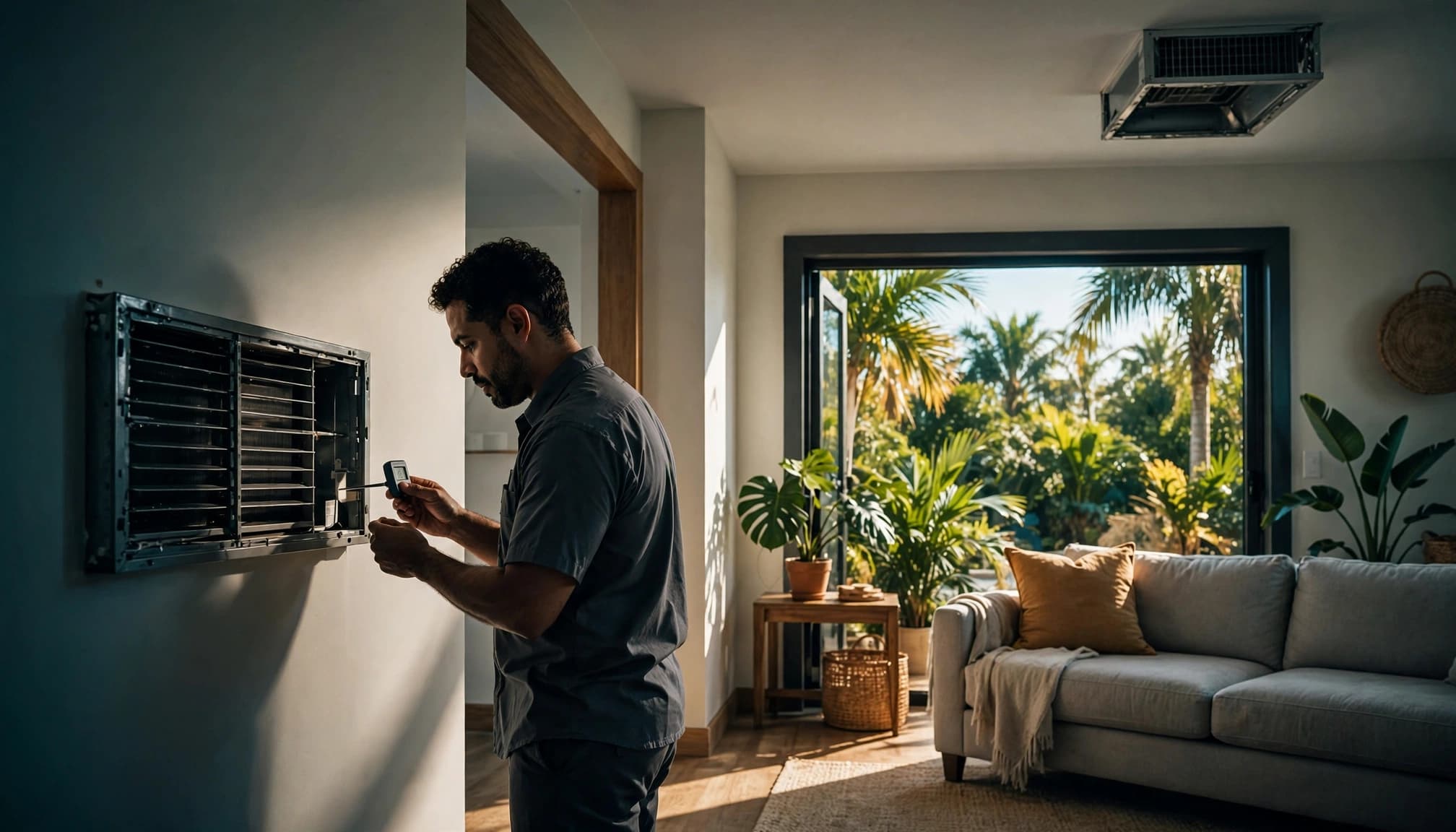
A simple digital thermometer can help you compare air temperatures without opening the air handler. Keep exterior doors and windows closed during the test, and use the same thermometer for both readings.
Let the system settle first
Set the thermostat so the AC runs continuously for at least 15 minutes before measuring. If the system shuts off during that period, wait for another full cooling cycle. A reading taken moments after startup may reflect air already sitting in the ducts.
Hold the thermometer in the moving air at a large return grille. Give the display time to stabilize, then record the temperature. Avoid pressing the probe against the grille, which may have a different temperature than the air.
Measure supply air and subtract
Next, check a supply vent near the air handler if one is accessible. Hold the thermometer in the airflow, away from the metal grille, and wait for a steady reading. Subtract the supply reading from the return reading.
Use the same locations if you repeat the test later. A bedroom vent at the end of a long attic duct may read warmer than a vent close to the equipment. For a precise equipment assessment, a technician measures closer to the air handler and checks other operating conditions.
Why Florida readings can vary
In Cape Coral and nearby communities, the AC also removes moisture as water condenses on the indoor coil. That moisture load can change the temperature drop you see on a thermometer. A damp house may feel uncomfortable even when supply air feels cool.
Humidity and system operation
A rainy afternoon, frequent door openings, or humid air entering through duct leaks can add moisture indoors. The system may spend more of its cooling effort removing that moisture. As a result, a dry-bulb temperature reading alone won't tell you how well it controls humidity.
Run time matters too. An AC that starts and stops quickly may cool the thermostat area without running long enough to dry the rest of the home. Notice whether rooms feel clammy or unevenly cooled, not only what the thermometer says.
Airflow and vent location
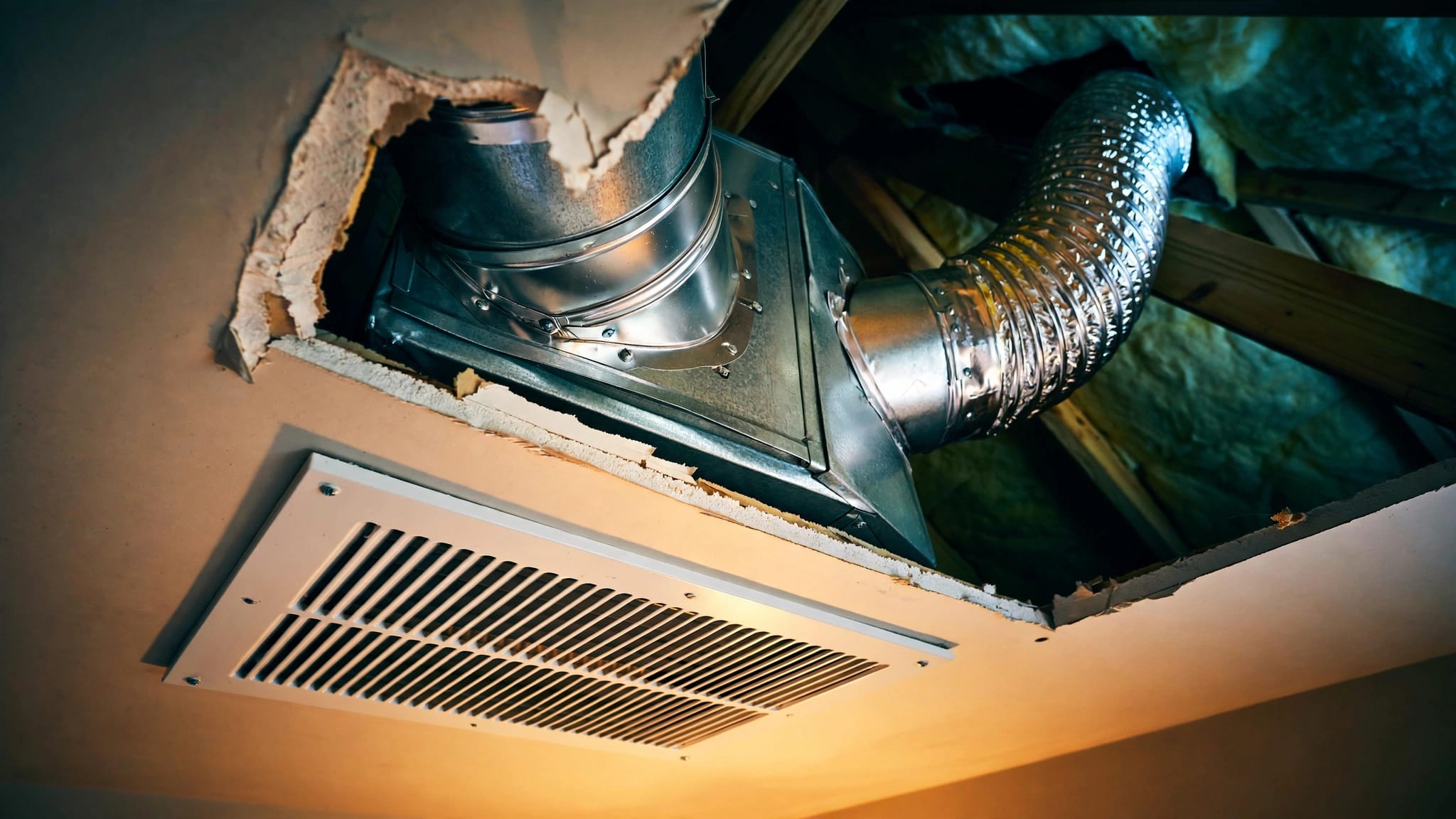
A dirty filter, blocked return, closed register, or duct restriction changes how much air passes over the indoor coil. Ducts in a hot Florida attic can also warm supply air before it reaches a distant vent. For a closer look at restrictions, AC static pressure testing for Florida homes explains what a technician can measure.
A lower or higher split doesn't identify the cause by itself. Restricted airflow, duct leakage, and refrigerant problems can produce overlapping symptoms. A technician needs more than two temperature readings to sort them out.
What to check when cooling seems weak
First, confirm the thermostat is set to cool and the indoor fan is set to auto. With the fan set to on , it may keep moving room-temperature air through the vents after the cooling cycle stops.
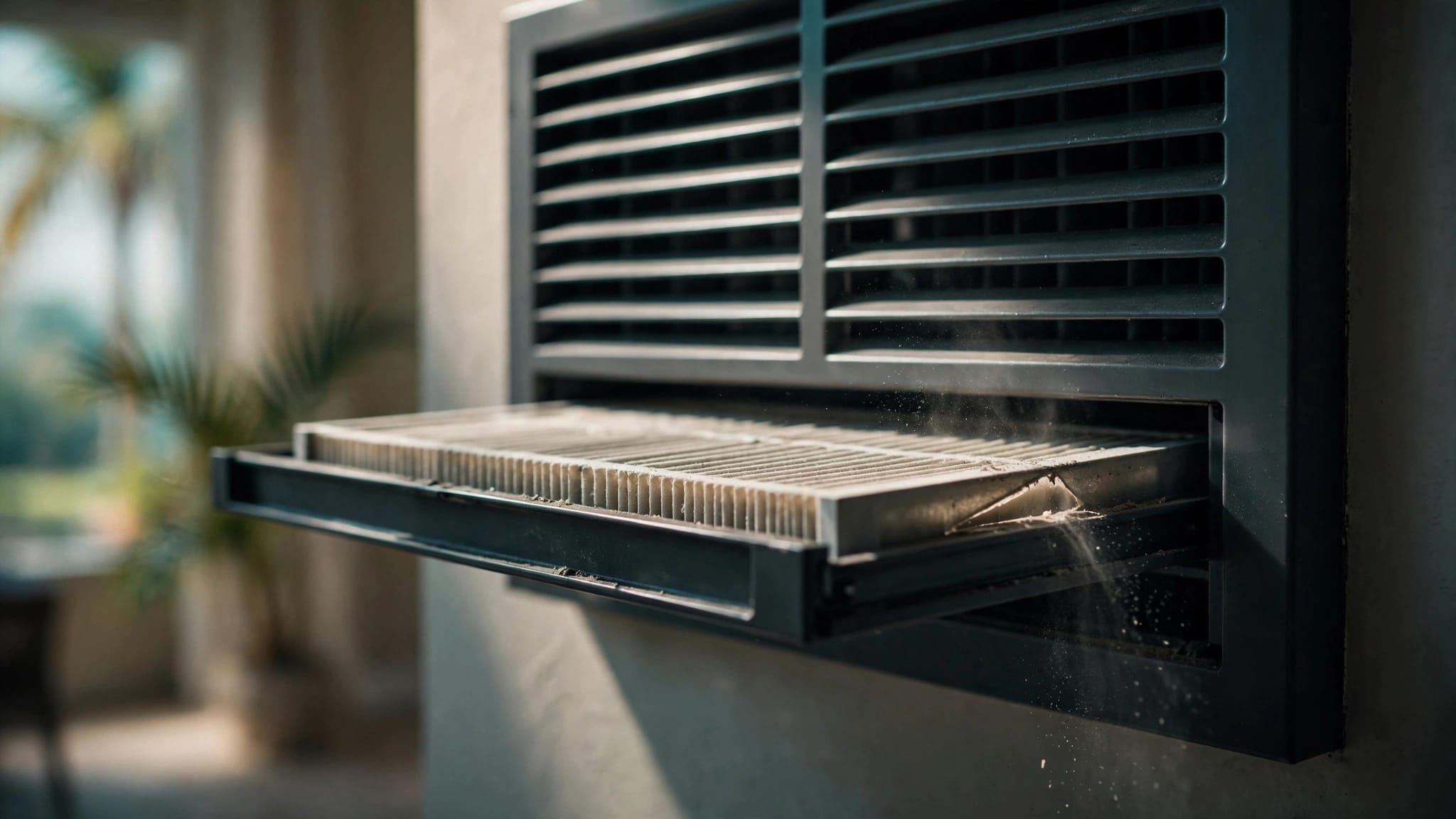
Then check the filter and make sure furniture or rugs aren't blocking returns and supply registers. Back Bay's safe AC maintenance tasks for Florida homeowners include checking filters, vents, the drain system, and the outdoor unit during the cooling season.
Repeat your measurements under similar conditions if the first result seems unusual. Record both temperatures, where you measured them, and whether the AC stayed on throughout the test. These details help an HVAC professional interpret the result.
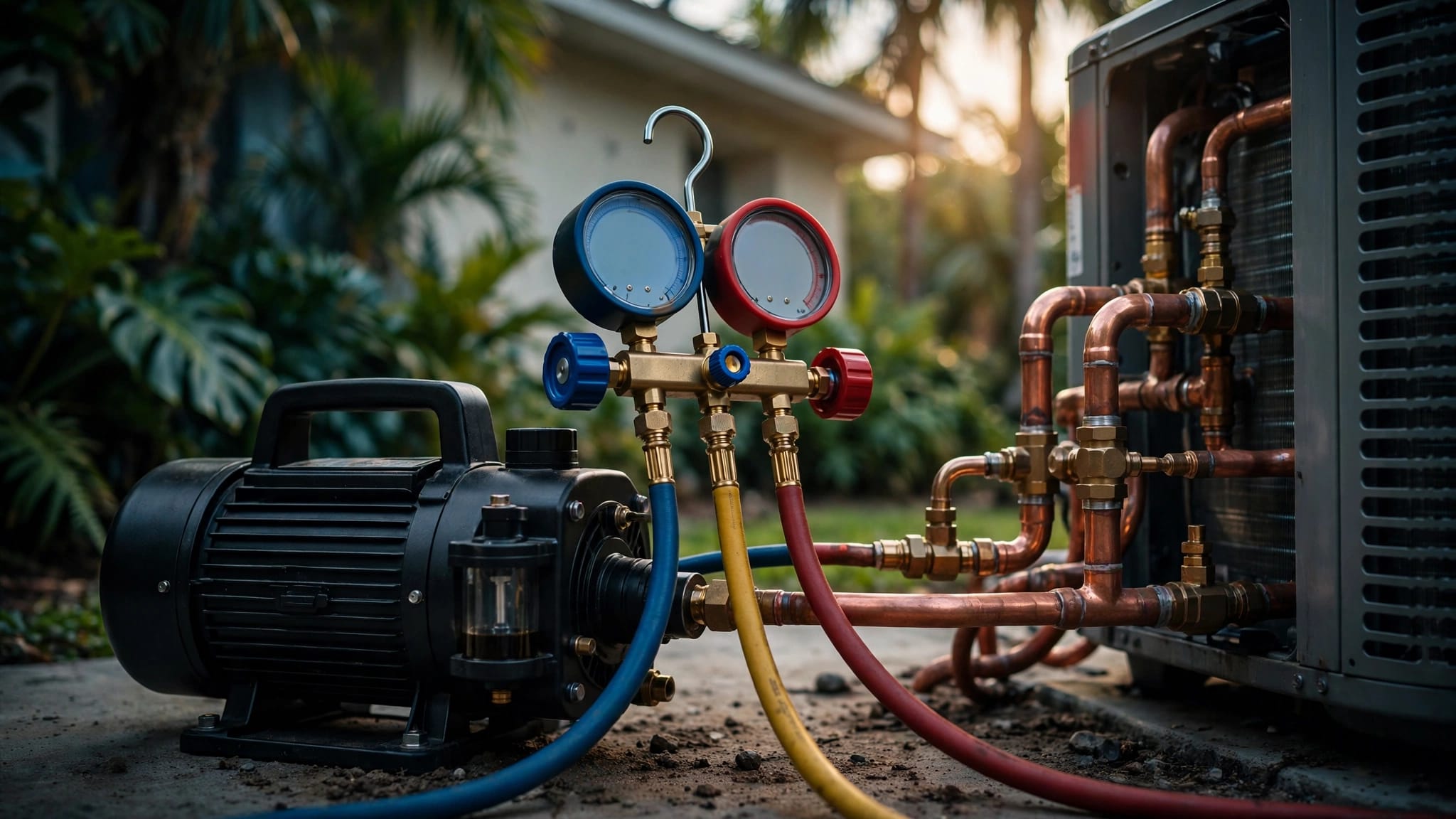
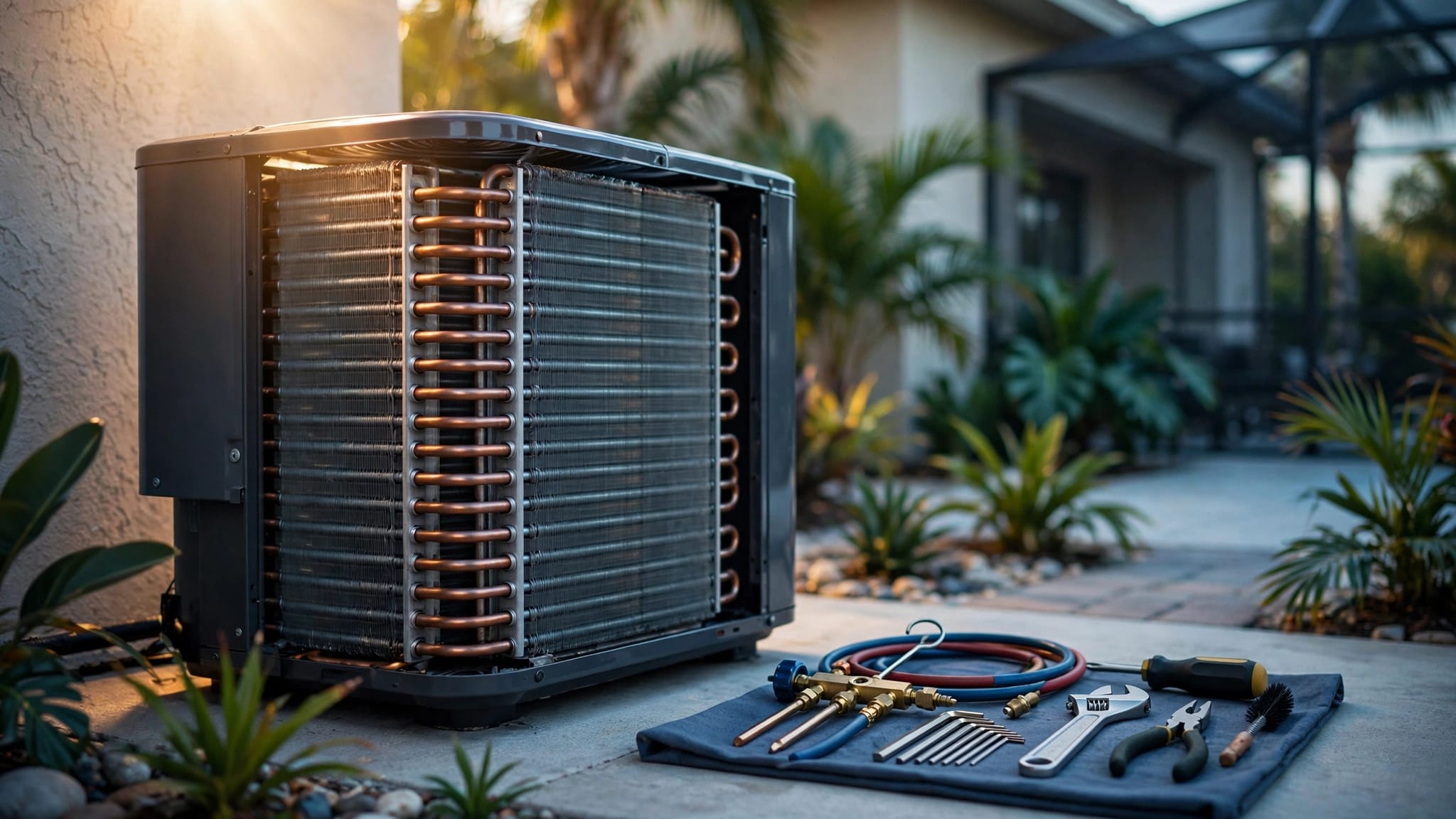
If the system keeps falling behind, what to check before calling for AC repair covers safe homeowner checks. Persistent abnormal readings or poor cooling deserve a service call , especially if you notice weak airflow, ice, water leaks, warm air, or short cycling. Leave sealed panels, wiring, and refrigerant lines to a professional.
Key takeaways
- Compare return air with supply air while the AC is actively cooling; don't compare the thermostat setting with outdoor air.
- Let the system run continuously for at least 15 minutes, and measure in consistent locations.
- Treat the result as a clue. Florida humidity, airflow, ducts, and operating conditions affect it.
Common questions about AC readings
Should supply air always feel cold at every vent?
Supply air should feel cooler than return air during a cooling cycle, but distant vents can read warmer than vents near the air handler. Duct location and airflow matter. One bedroom vent shouldn't stand in for the whole system.
Can a temperature split reveal a refrigerant leak?
No. A temperature difference alone can't confirm a leak. Poor airflow and duct problems can affect the reading too. If cooling remains weak after basic checks, an HVAC technician can test the system and identify the cause.
The bottom line
A return-to-supply comparison tells you more than an isolated vent temperature, provided you measure during a steady cooling cycle. Comfort still matters: persistent heat, clamminess, or weak airflow calls for a closer look.
When your Florida home isn't cooling well, use your readings to describe the problem rather than diagnose it. An HVAC professional can check the equipment and airflow together.