A filter can look clean while dust slips around its edges every time your AC runs. If you see a loose frame or dusty streaks near the filter opening, AC filter bypass may be the reason. The filter can only catch air that passes through it.
In a Southwest Florida home, frequent cooling cycles give a small gap plenty of chances to matter. Start by finding where your filter sits, then check its fit without opening sealed equipment.
What AC filter bypass means
Your air conditioner pulls indoor air through a return path, sends it across the indoor cooling coil, and supplies cooled air to your rooms. The filter belongs in that return path. Bypass happens when some air finds a route around the filter media instead of passing through it.
A narrow opening beside the frame can admit dust into parts of the system the filter should help protect. Still, dust near a grille doesn't prove bypass. A return grille normally pulls air inward, and a dirty filter may simply be catching particles as intended.
A clean-looking filter paired with heavy dust beyond its frame deserves a closer look, but the dust alone can't identify the leak.
The first useful question is where filtration occurs. Some homes have a filter behind a wall or ceiling return grille. Others have one in a rack or accessible compartment at the air handler.
A return-grille filter and an air-handler filter need different checks
Follow the return-air path before deciding where a gap might be. The large grille you see in a hallway isn't necessarily the filter location.
At a wall or ceiling return grille
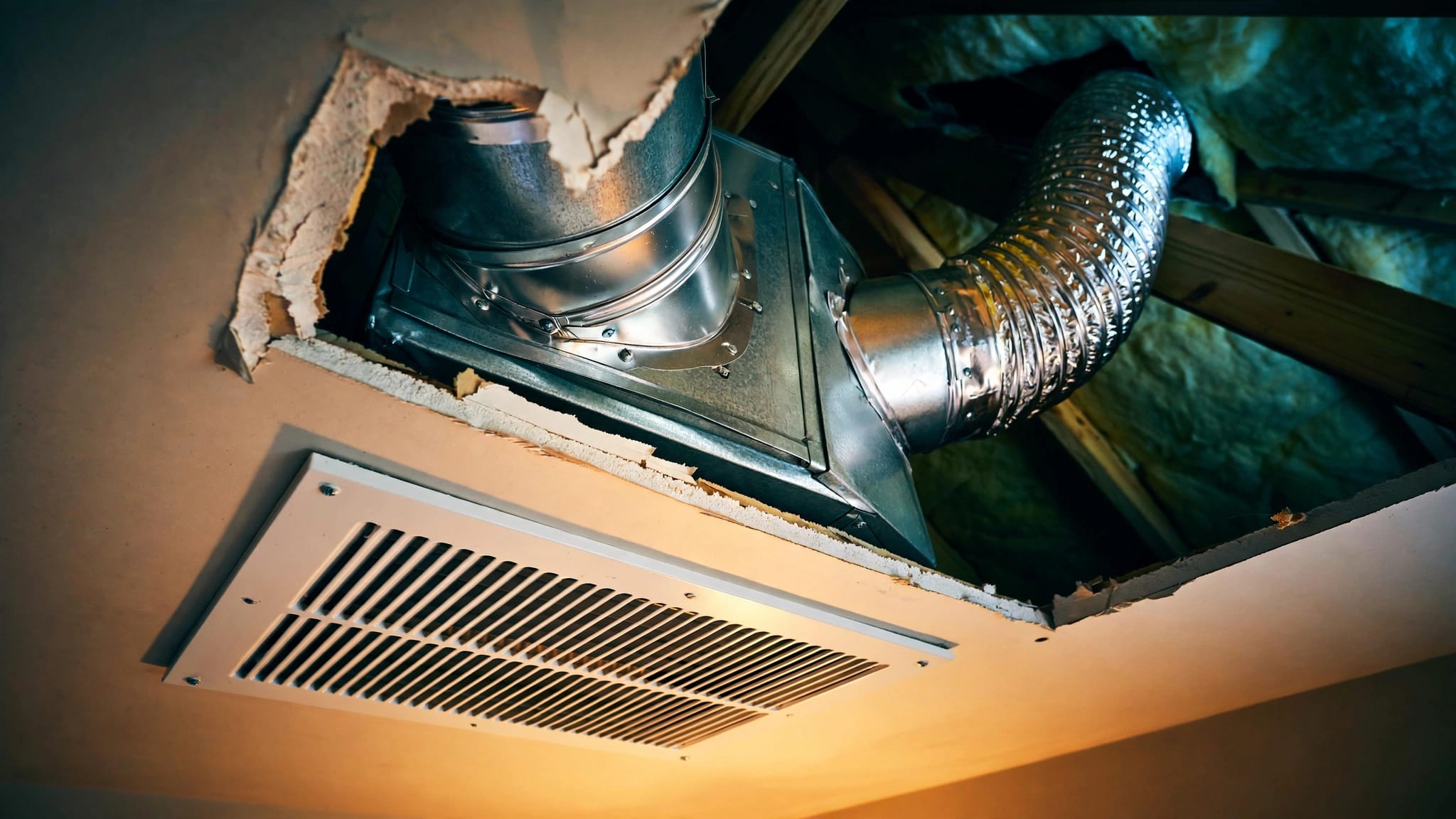
A grille-mounted filter sits directly behind the return cover. When the thermostat is off and the blower has stopped, you can usually open the grille to inspect it. The filter should lie flat in its intended holder, with no edge folded over or visibly outside the track.
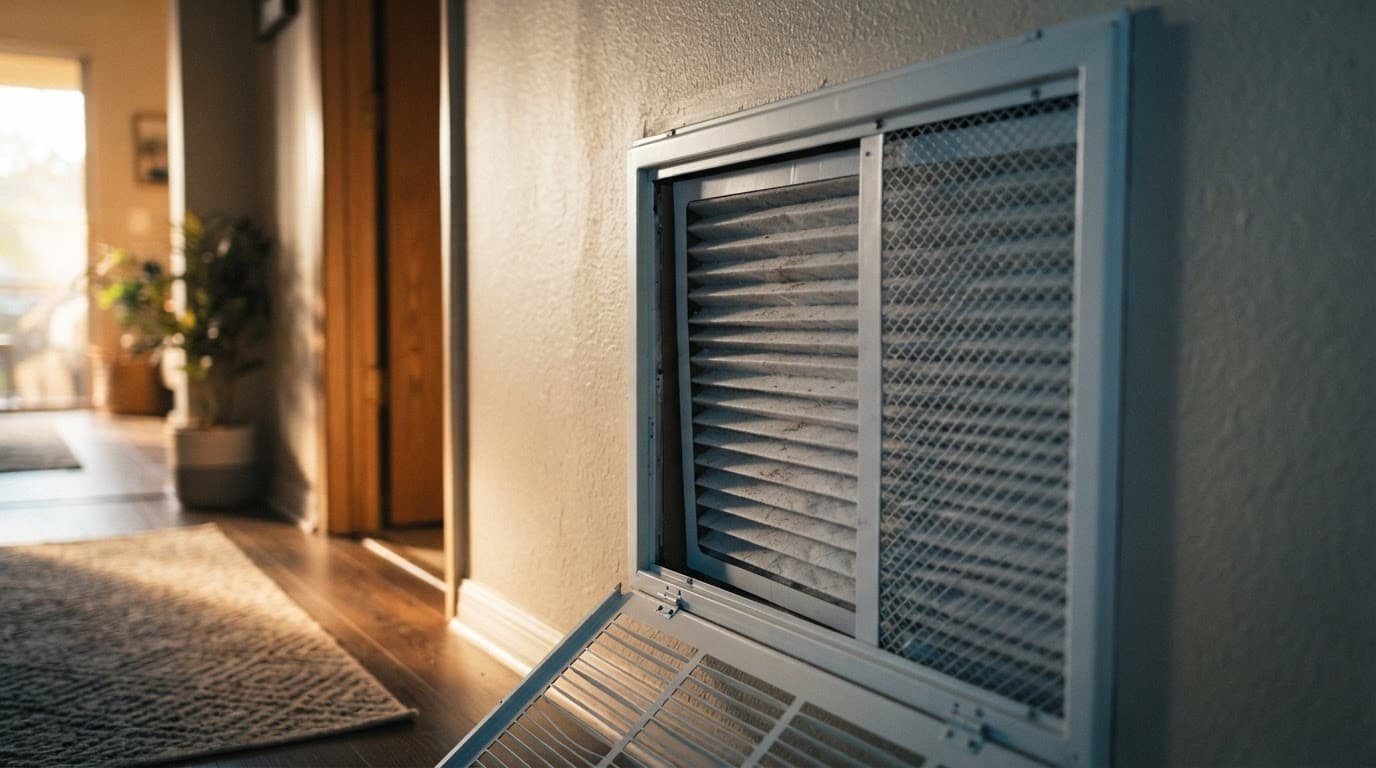
Don't judge the filter size by the grille's decorative outer face. The holder behind it is the part that matters. Also, air drawn through the grille's open louvers is normal. Look for a path around the filter frame , not movement through the grille itself.
At the indoor air handler
An air-handler filter may slide into a rack near the unit or sit behind an access point intended for routine filter changes. In that setup, a hallway return grille may have no filter at all. Adding one there without checking the system design can restrict airflow.
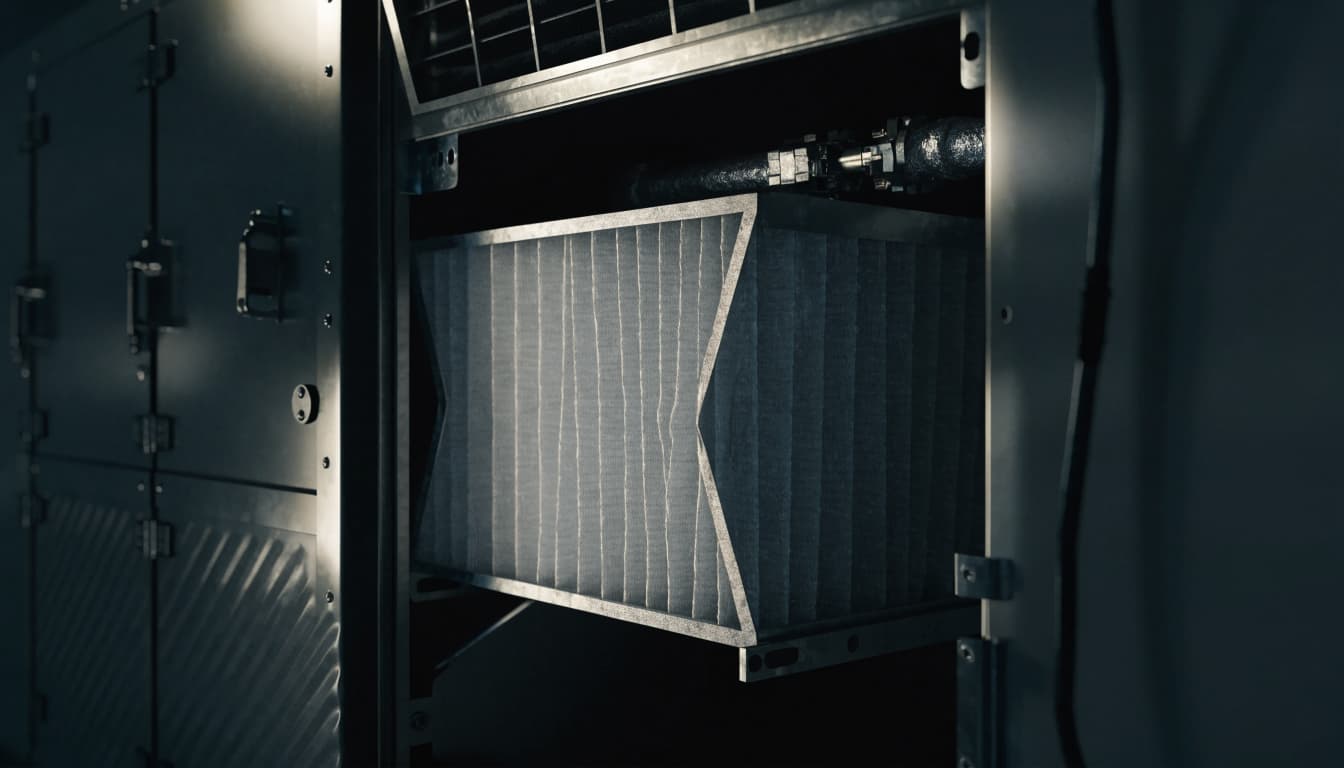
Check only the filter access your equipment provides for homeowners. Leave sealed cabinet panels in place. If you can't identify the filter rack without removing an internal cover, ask a technician to show you the correct access point.
Why air may slip around the filter
Filter bypass usually starts with a fit or seating problem, but the visible gap may have more than one explanation.
The replacement doesn't fit the holder
The size printed on a filter is often a nominal size , not its exact measurement. A filter labeled 16 x 20 x 1 inches, for example, may have smaller actual dimensions. Those differences are normal, but actual sizes can vary between manufacturers.
A replacement that sits loosely may leave an exposed edge. One that's too large or thick may buckle, catch in the track, or keep the grille from closing properly. Compare the old filter, the new filter's listed actual dimensions, and the opening when the fit changes after a brand switch. Don't force a bent filter into place.
The filter or its holder has shifted
A correctly sized filter can still sit crooked. Check for a corner outside the track, a crushed frame, or a grille that doesn't latch fully. At an air handler, a damaged or poorly fitting rack may need professional attention rather than another filter.
The airflow arrow matters too. It should point toward the air handler or blower. A backward filter isn't automatically the cause of a gap, so correct its direction and inspect the frame separately. If the filter repeatedly rattles or slips after careful installation, something about the holder needs a closer look.
How to locate the problem safely
You can learn a lot from a visual inspection. Keep your hands out of moving equipment, and never run the system with the filter removed.
Start with the system off
Set the thermostat to Off and wait for the blower to stop. Then open only the return grille or filter access intended for routine changes. Note how the existing filter sits before pulling it out, and photograph its size and airflow arrow if you need a reference.
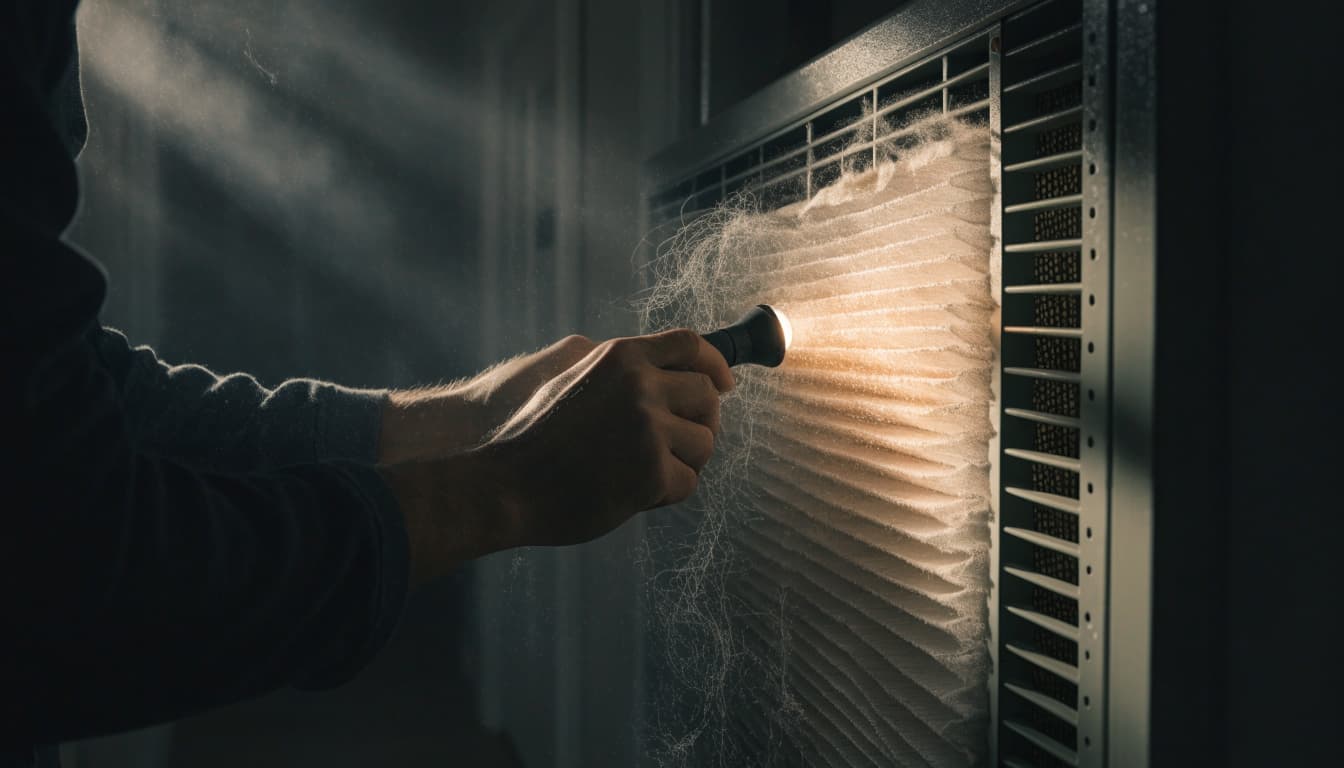
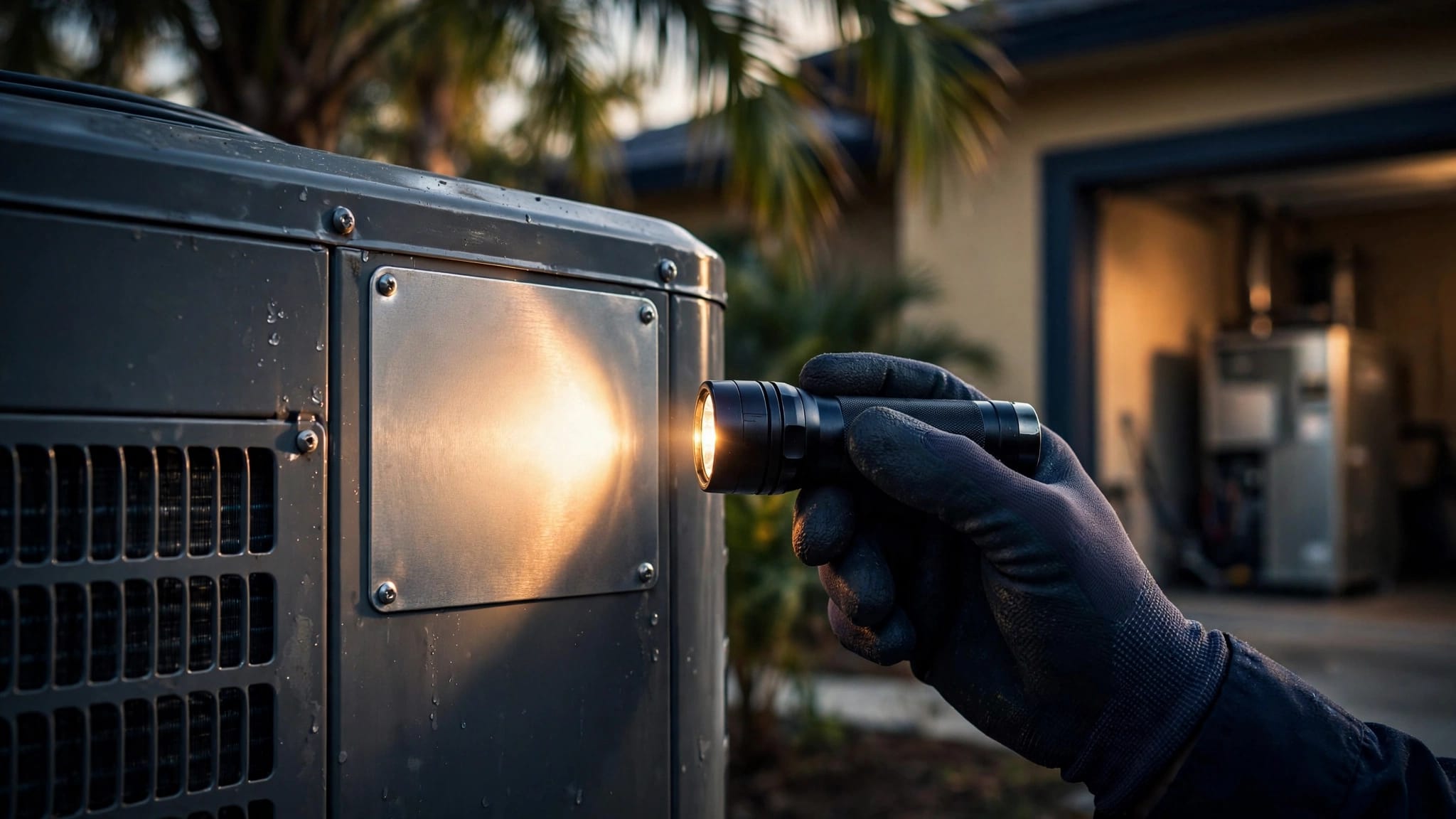
Use a flashlight to look for a visible opening around the frame, a bent edge, or dust collecting in a streak beyond one side. Check whether the filter covers the intended opening and stays straight when you put it back. Close the grille or filter access securely before turning the system on again.
Separate a filter gap from another airflow issue
A whistle, weak supply vents, or a dusty room doesn't identify the source by itself. A clogged filter, blocked return, blower problem, or duct issue can produce similar complaints. If the filter fits well but airflow remains weak, what to check before calling for AC repair can help you rule out simple obstructions.
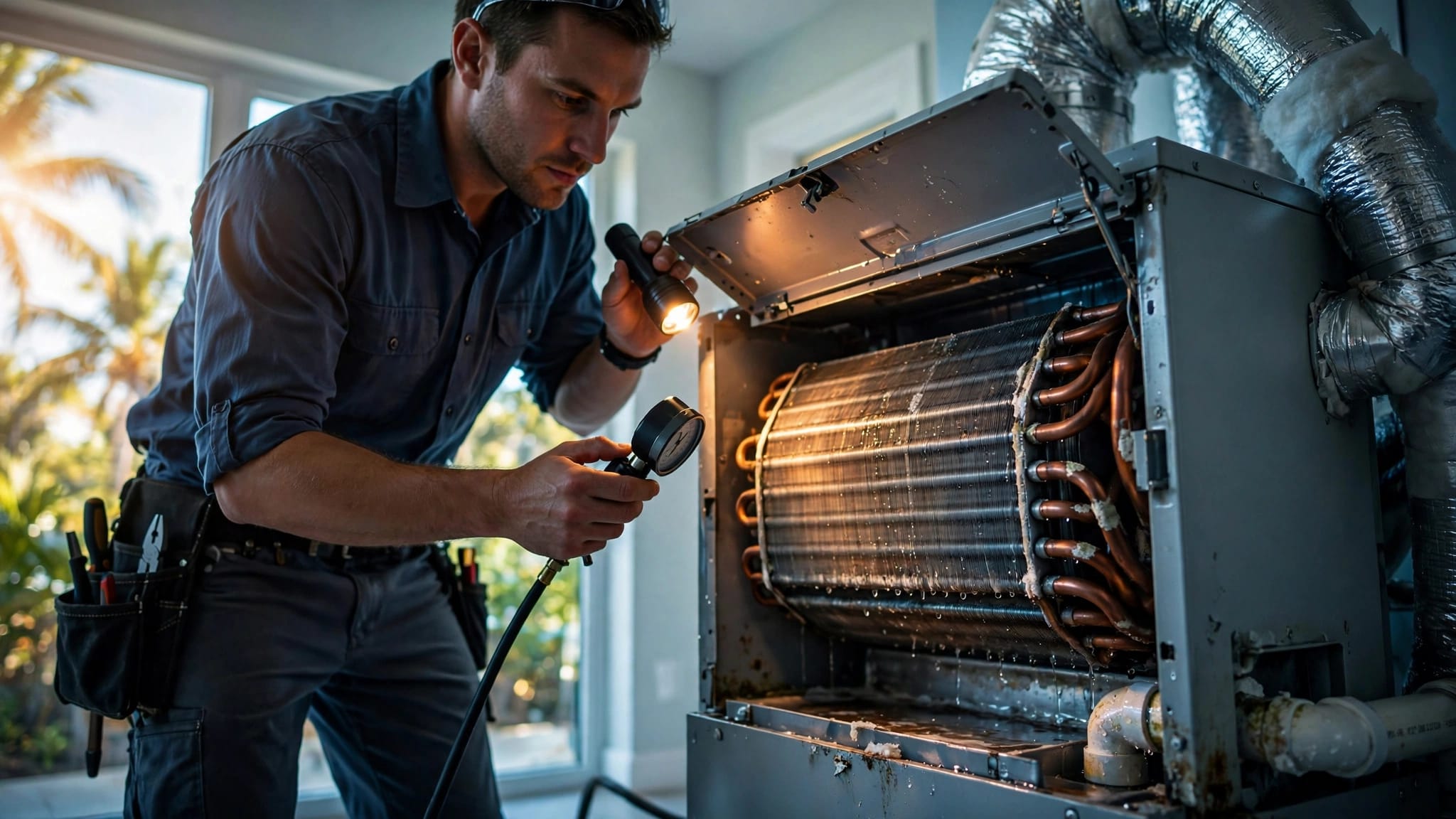
Don't open sealed panels to inspect the coil or blower. You also shouldn't reach into a filter slot while the system runs. A technician can inspect parts you can't safely see and measure airflow when the visual clues don't settle the question.
Why bypass deserves attention in Florida
Cape Coral air conditioners often run through long stretches of heat and humidity. More runtime means more air passing the filter location, along with more chances for dust to travel through an unintended opening. Pets, renovation dust, and frequently opened doors can add to the load.
Moisture makes the distinction between problems important. A clogged filter can restrict airflow across the cooling coil and affect cooling and moisture removal. A gap around the filter can let particles past the media. Both conditions can exist at once, but replacing a dirty filter won't necessarily close a gap in its holder.
Return-side duct leaks can complicate the picture. Depending on where a leak sits relative to the filter, it may draw hot, humid attic or utility-space air into the return path. If rooms stay clammy or dusty after you correct an obvious filter fit issue, check the signs your ductwork is leaking. A filter alone can't repair a leaky duct.
What you can fix without taking the system apart
A routine filter change is a reasonable first step when the existing filter is dirty, damaged, or plainly the wrong size. Take your time with the fit.
Seat the replacement carefully
With the system off, slide the compatible filter into its intended track. Check that it lies flat, covers the opening, and doesn't crease as you close the grille or filter access. Point the airflow arrow toward the air handler. If the old filter didn't fit, measure the holder rather than ordering another by its printed size alone.
Don't pack an unexplained opening with loose material or modify the rack. A makeshift fix may shift, obstruct airflow, or hide a problem that needs a proper repair. Never operate the AC without a filter while deciding what to do next.
Check it through the cooling season
Inspect the filter about every 30 days, especially during heavy summer use or after dusty work. A monthly check isn't a requirement to replace it every month. For a standard 1-inch pleated filter, a 30- to 60-day replacement interval may fit many Cape Coral homes, but visible dirt and equipment instructions should guide the decision.
Back Bay Heating & Cooling's safe AC maintenance tasks for Florida homeowners offer more routine checks you can make without touching refrigerant, wiring, or sealed components.
When a technician should inspect the filter path
Arrange service if the correct filter won't stay seated, the holder appears damaged, or dust keeps collecting past the filter. The same goes for persistent weak airflow, water near the indoor unit, musty odors, or rooms that remain humid after cooling. Those symptoms can point beyond the filter.
A technician can inspect the accessible return path, filter rack, blower, coil, and condensate area. Airflow and static-pressure measurements can help distinguish a restrictive filter from a duct or equipment problem. In a Florida home, checking drainage and moisture alongside airflow is important.
For help with a recurring gap or cooling problem, Contact Us to schedule a service call or request 24/7 service. Describe where the filter sits, what you noticed around its edges, and whether comfort has changed.
Key Takeaways
- AC filter bypass means air goes around the filter media through an unintended path.
- First identify whether your filter belongs at the return grille or the air handler.
- Turn the system off before checking fit, and never run it without a filter.
- A gap that persists with the correct filter, especially alongside humidity or weak airflow, calls for professional inspection.
Frequently Asked Questions
Is air movement around a return grille always a leak?
No. The grille's job is to draw room air into the return. Look behind it, with the system off, to see whether the filter covers its intended opening. Air slipping past an exposed filter edge is different from normal airflow through the grille's louvers.
Will a thicker or more restrictive filter stop bypass?
A thicker filter won't fix a holder designed for a different thickness. It may prevent the grille or access cover from closing, which could make the fit worse. Use a filter compatible with the rack and equipment. If you want to change filter type, ask a technician whether your system can handle the added airflow resistance.
Can a duct leak look like a filter problem?
Yes. Dust and humidity can enter through a return-side duct leak, while weak airflow can have several causes. The leak's location relative to the filter determines whether incoming air passes through the media. If your filter fits correctly but the house stays dusty, muggy, or unevenly cooled, the return path deserves an inspection.
A snug filter is the starting point
A clean filter can't do its job if air can travel around it. Check where your filter belongs, confirm that it sits flat, and keep up with monthly inspections during Florida's long cooling season.
If the gap returns or comfort problems remain, don't guess at a seal . Have the filter holder and return path checked so the repair addresses the actual opening.