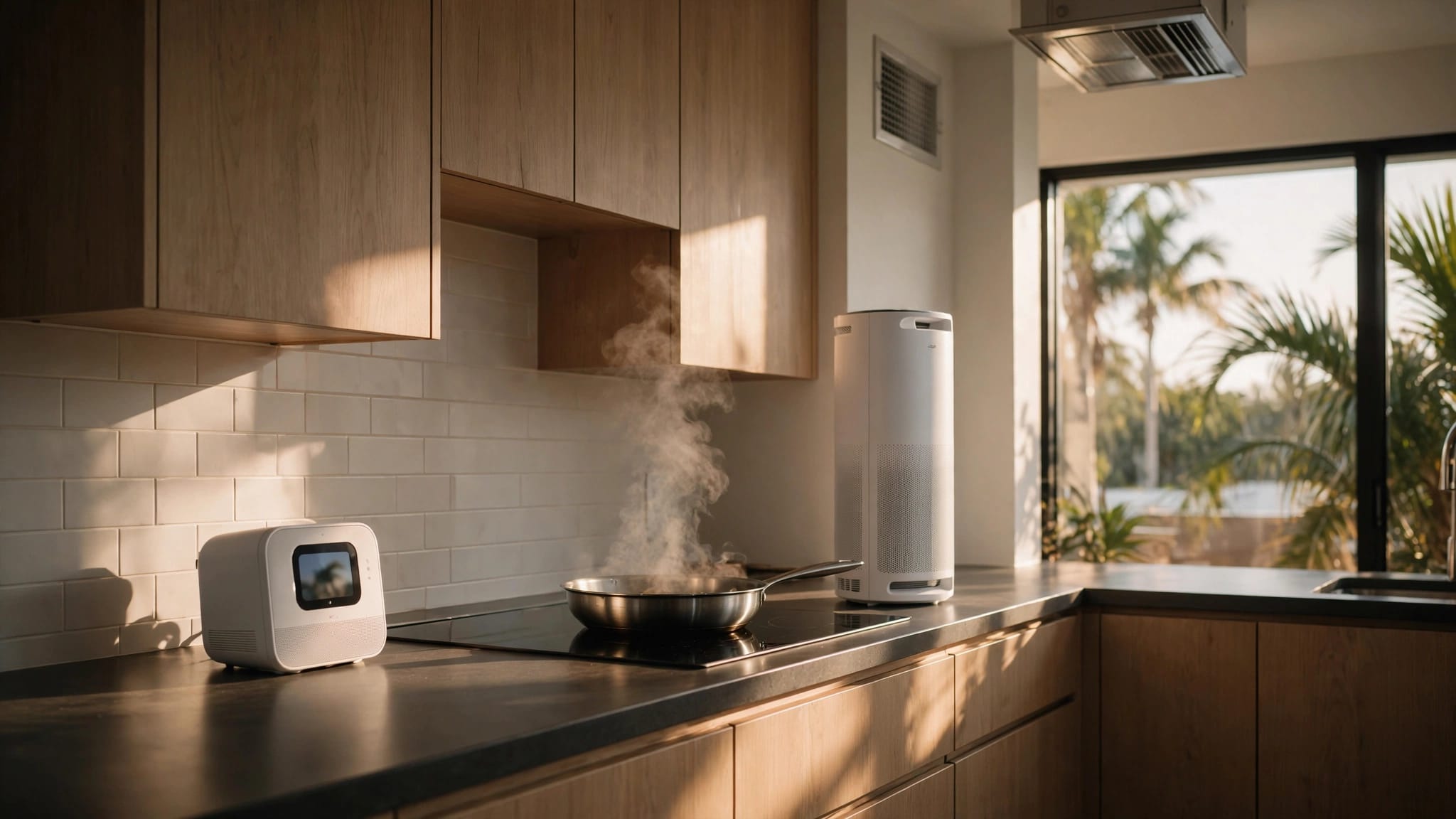
A guest can leave your Cape Coral rental spotless while the air conditioner hides a developing problem. An HVAC maintenance checklist helps you catch visible leaks, restricted airflow, and cooling complaints before the next arrival.
Cape Coral's heat, humidity, and salt air make consistent checks especially useful between stays. Start with safe observations, then leave internal cleaning, electrical work, and repairs to a licensed HVAC professional.
Key Takeaways for Rental Owners
- Check filters, airflow, thermostat settings, accessible drainage components, and the outdoor unit at every turnover.
- Treat water around the air handler, ice, burning odors, and persistent poor cooling as service issues, rather than cleaning tasks.
- Pair turnover inspections with scheduled professional maintenance, because visual checks can't reveal every refrigerant, electrical, or corrosion problem.
Keep the same checklist with your cleaning instructions. That way, different cleaners and property managers report problems consistently.
Start Your HVAC Maintenance Checklist at Checkout
Begin early enough to report a problem before check-in. First, review guest messages for mentions of warm bedrooms, unusual noises, or a thermostat that wouldn't respond.
Then follow the same sequence:
- Record the indoor temperature, thermostat mode, and any alerts before changing settings.
- Inspect the accessible filter and confirm that furniture or luggage hasn't blocked return grilles.
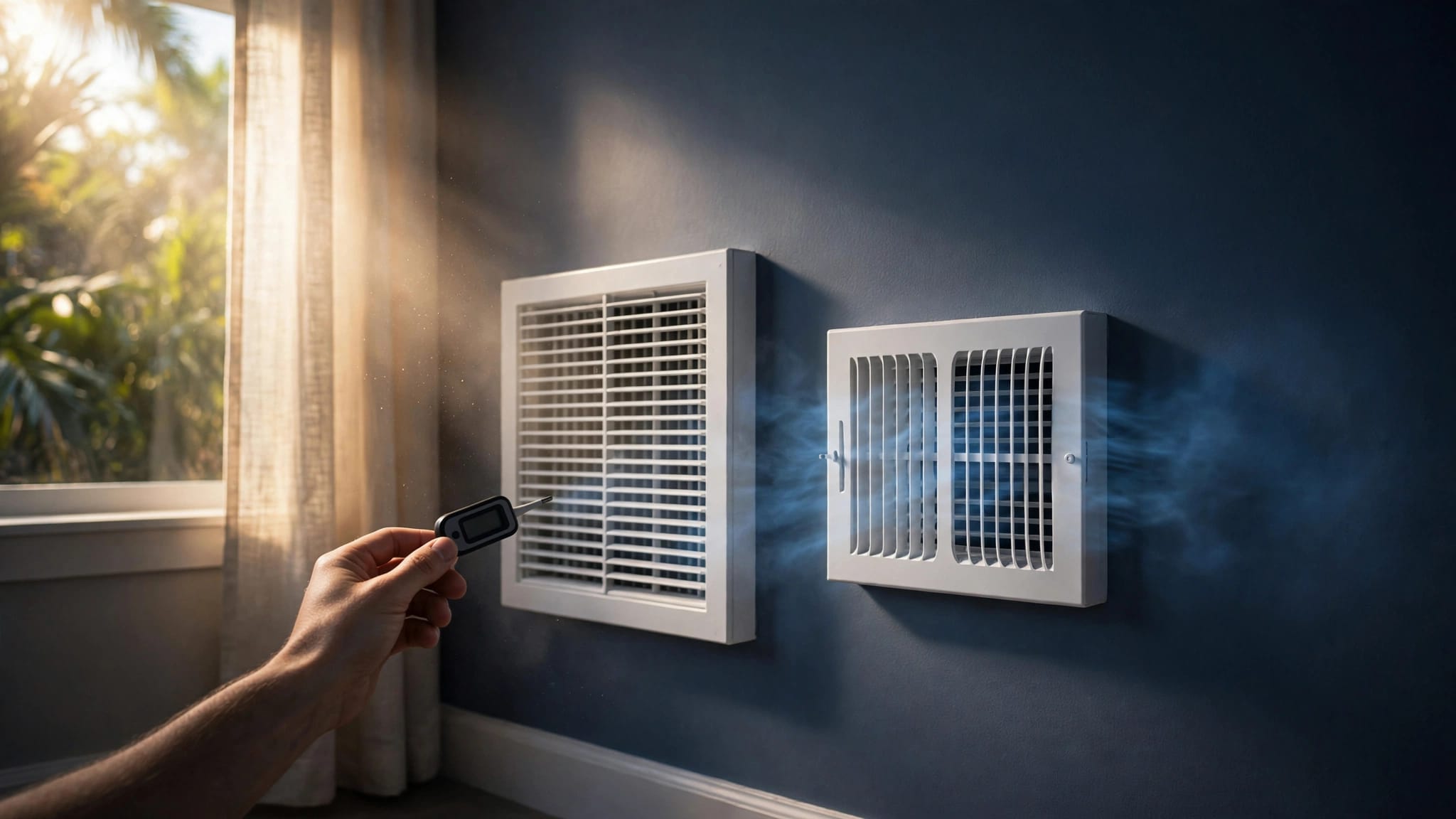
- Walk through the rooms while cooling operates, noting weak airflow or uneven comfort.
- Look for visible moisture around the air handler, accessible drain piping, and nearby ceilings.
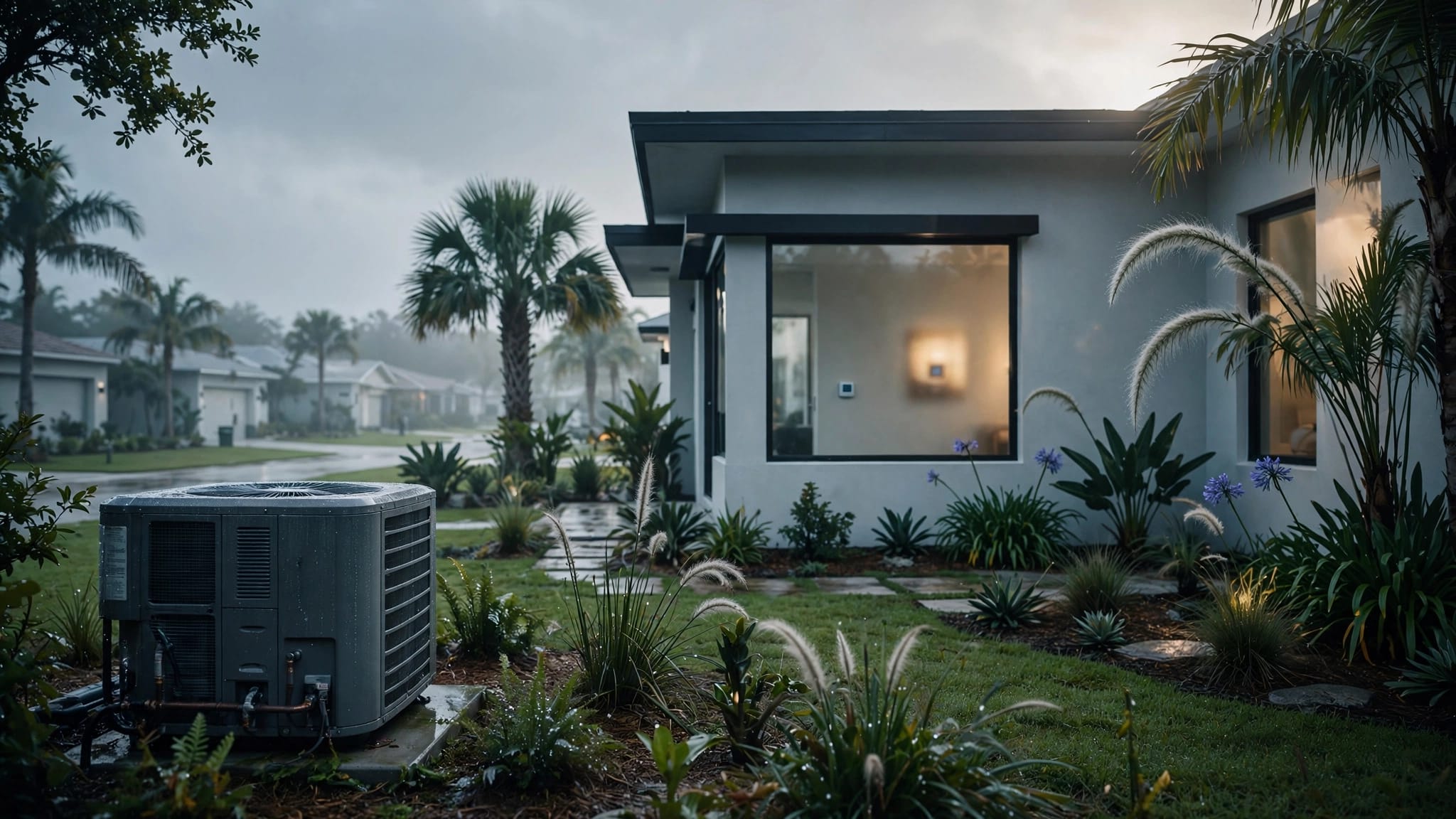
- Check the outdoor condenser from a safe distance for debris, damage, and corrosion.
- Restore approved settings and send any concerns to the owner or manager.
Close exterior doors after cleaning, then allow the system time to recover. Frequent trips through an open doorway add heat and moisture, which can distort your initial assessment.
However, don't delay reporting active leaks or electrical warning signs while waiting for the house to cool. Those problems need attention before the turnover continues.
Check Air Filters and Room Airflow
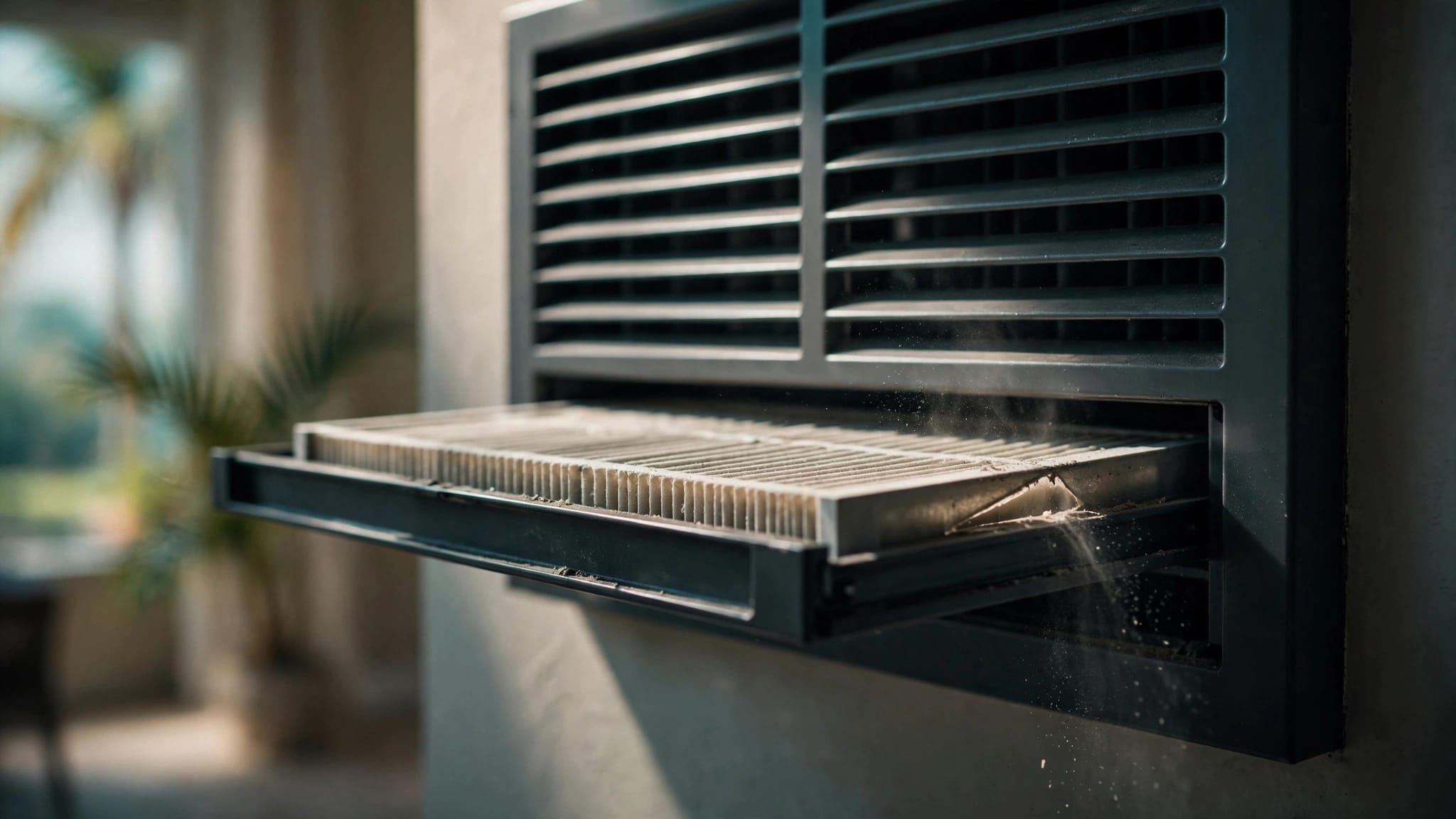
Inspect the filter, even when replacement isn't due
Vacation rentals can accumulate pet hair, lint, and cleaning dust quickly. Inspect the filter at each turnover, and follow the equipment manufacturer's replacement guidance.
Back Bay Heating & Cooling's local maintenance advice recommends monthly inspections and replacement every one to two months. Treat that as a starting point, since filter type and rental use affect timing.
Before replacing an accessible filter, stop normal operation at the thermostat. Use the approved size and rating, and follow the airflow arrow. Don't install a higher-rated filter without confirming that the system can handle its resistance.
Check vents without opening equipment
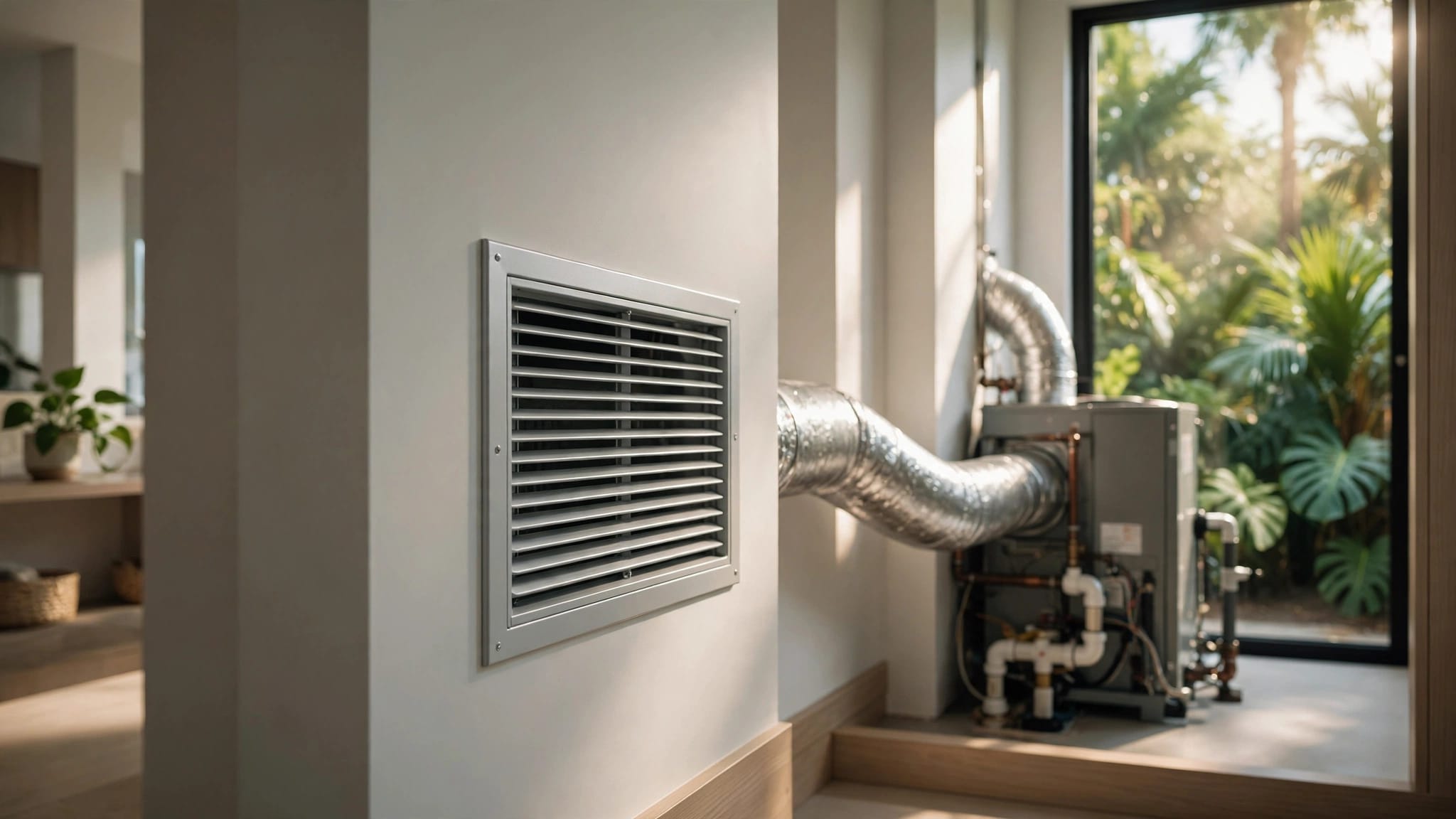
Move curtains, furniture, and stacked supplies away from supply vents and return grilles. Vacuum accessible grille surfaces without pushing tools into ductwork.
Keep supply vents open unless your HVAC professional has specified otherwise. Closing several vents can restrict airflow rather than fix a warm room.
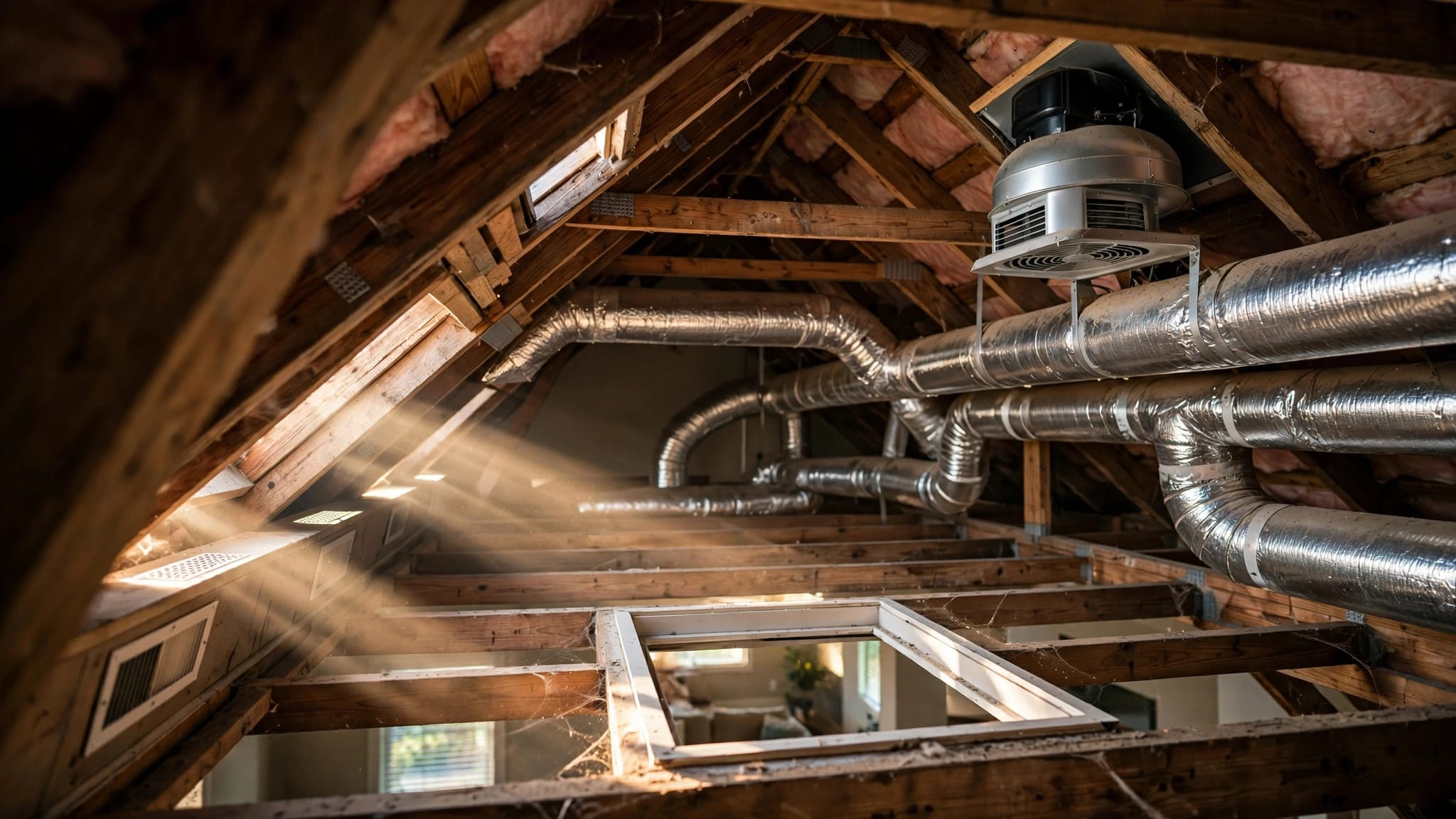
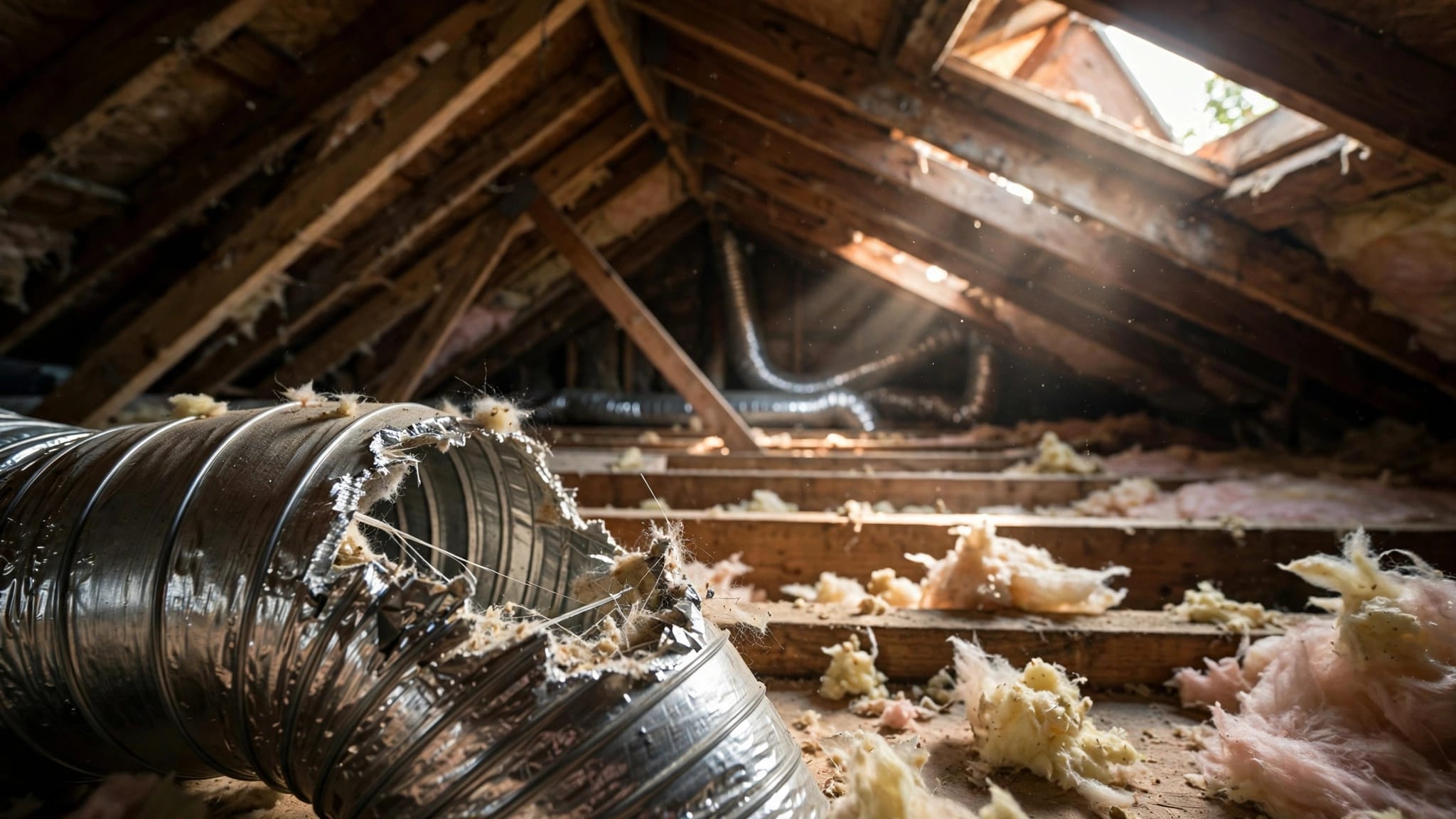
Compare airflow across occupied rooms while cooling runs. If one bedroom repeatedly stays warmer after obstructions are removed, arrange professional ductwork repair assessment.
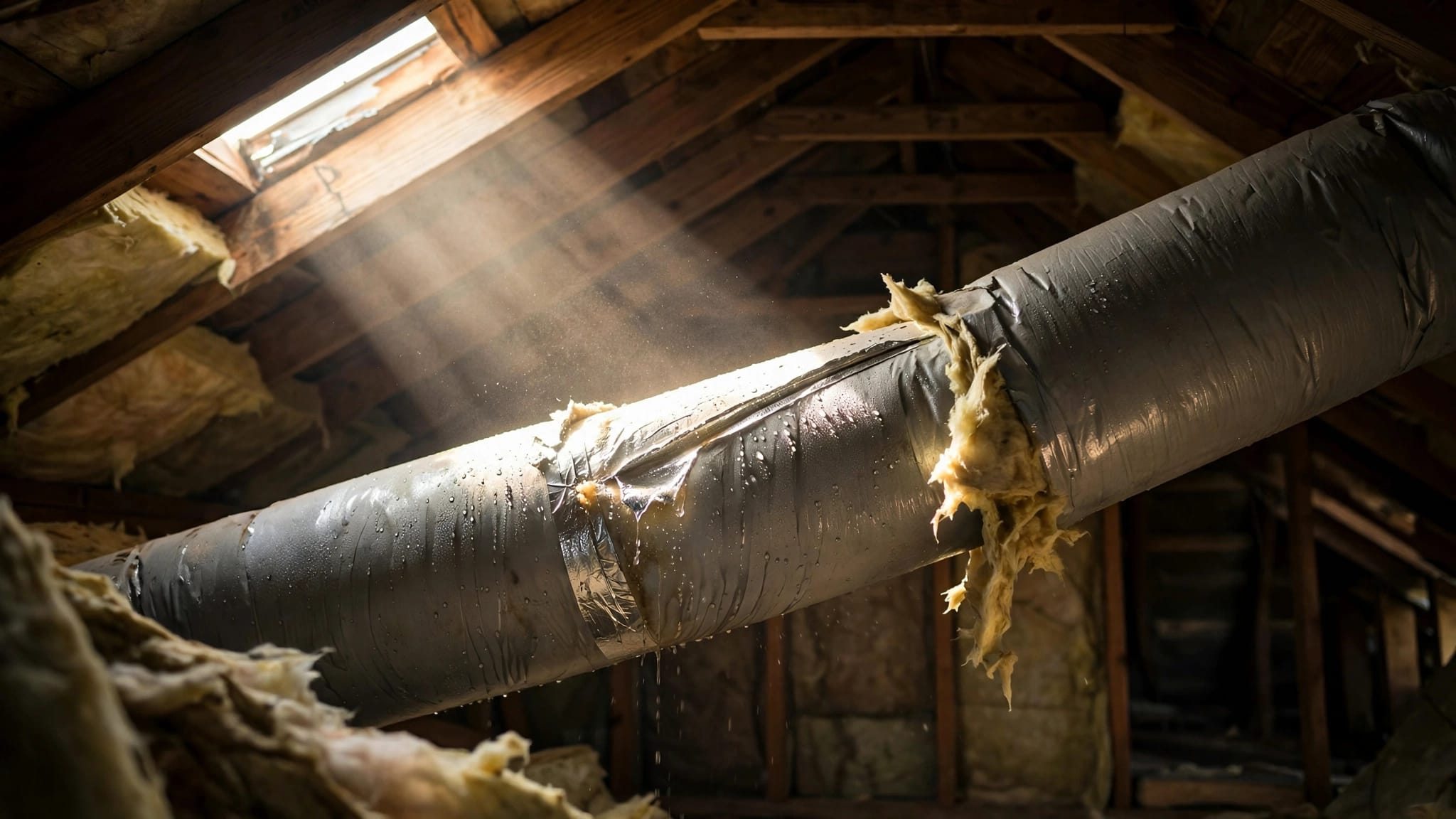
Don't enter a hot attic or remove air-handler panels to investigate during a turnover.
Inspect Condensate Drains and Accessible Pans
Cape Coral air conditioners remove moisture as they cool. That moisture needs a functioning drainage path, especially during long periods of cooling operation.
Look for water where it shouldn't be
Inspect accessible drain piping for drips, loose-looking connections, and water beneath the air handler. Also check nearby flooring, baseboards, and ceilings for fresh stains.
If an auxiliary drain pan is visible without opening equipment, look for standing water. That pan generally catches overflow, so water there deserves prompt attention.
The primary pan may be inside the cabinet. Leave it alone if inspection requires panel removal.
At the outdoor drain outlet, observe discharge when practical. However, a dry outlet during one brief visit doesn't prove a blockage. Moisture production varies with operating conditions.
Leave clearing and safety controls to trained personnel
Don't pour bleach, drain opener, or another chemical into the line without a system-specific maintenance procedure. Also avoid compressed air or improvised tools that could damage connections.
Never bypass a condensate safety switch to make cooling restart. A shutdown may be protecting the rental from water damage.
A blank thermostat accompanied by water around the air handler may indicate a drainage safety shutdown. Repeated resets can hide the reason cooling stopped.
If you find active leakage, stop cooling at the thermostat if safely accessible and contact the manager. Keep people away from wet electrical equipment.
Restore Thermostat Settings and Check Humidity
Use settings approved for this property
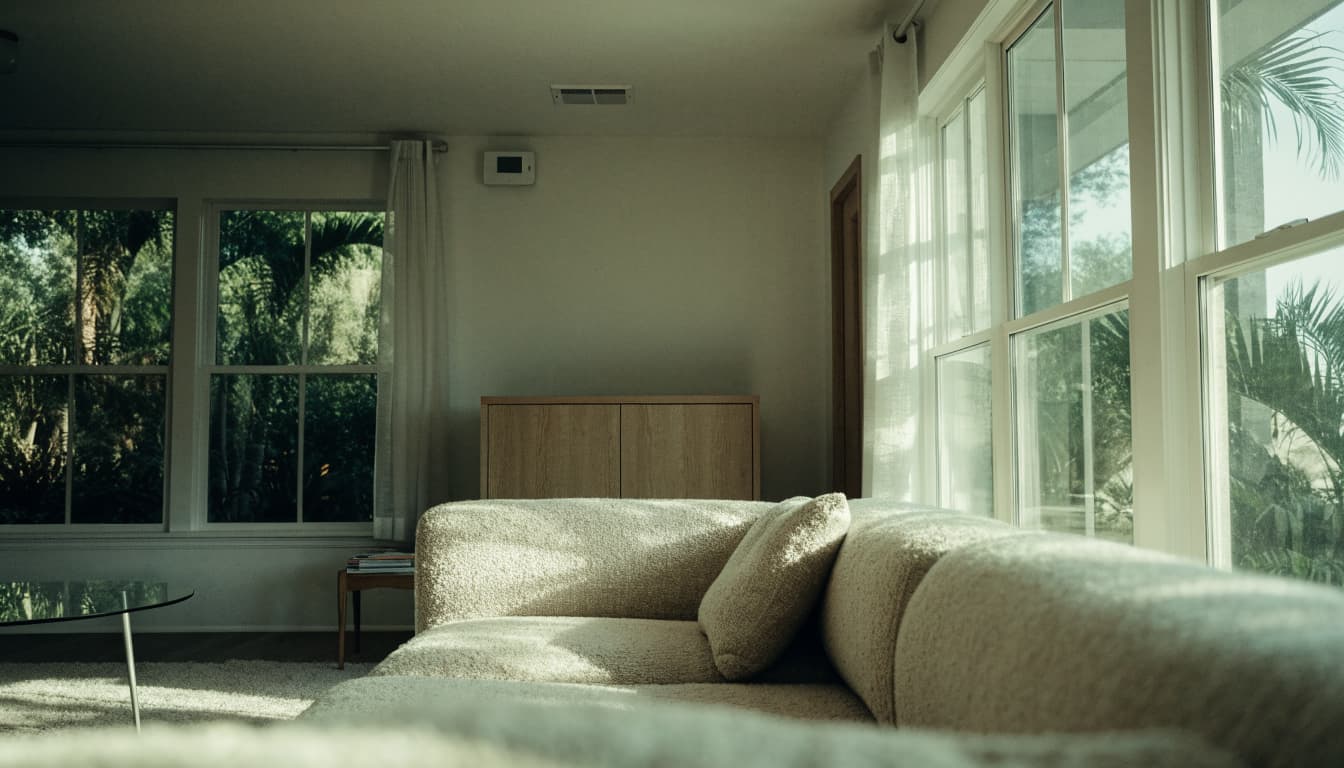
Guests may change cooling schedules, fan modes, or smart-thermostat holds. Restore the owner's approved configuration, including any remote monitoring alerts.
Don't assume one temperature fits every rental. Insulation, equipment capacity, sun exposure, and humidity control all affect the appropriate setting.
Likewise, avoid extreme setpoint changes to rush cooldown. Follow the property's operating instructions and confirm that cooling responds.
If the display is blank, check user-replaceable batteries only when the thermostat supports them. Otherwise, report the problem instead of opening wiring compartments.
Assess moisture separately from temperature
A cool room can still feel damp. If the property has a humidity sensor, record its reading and compare it with the target established by your HVAC professional.
Check for persistent window condensation, clammy bedding, or a musty smell that remains after cleaning. These observations warrant investigation; they don't identify a specific cause by themselves.
Fan behavior also matters. Some systems can return moisture from a wet coil to the indoor air during continuous fan operation. Confirm the recommended fan mode with the manufacturer or technician rather than making an automatic change.
Keep windows and sliding doors closed while cooling operates.
Check the Outdoor Unit for Salt and Storm Damage
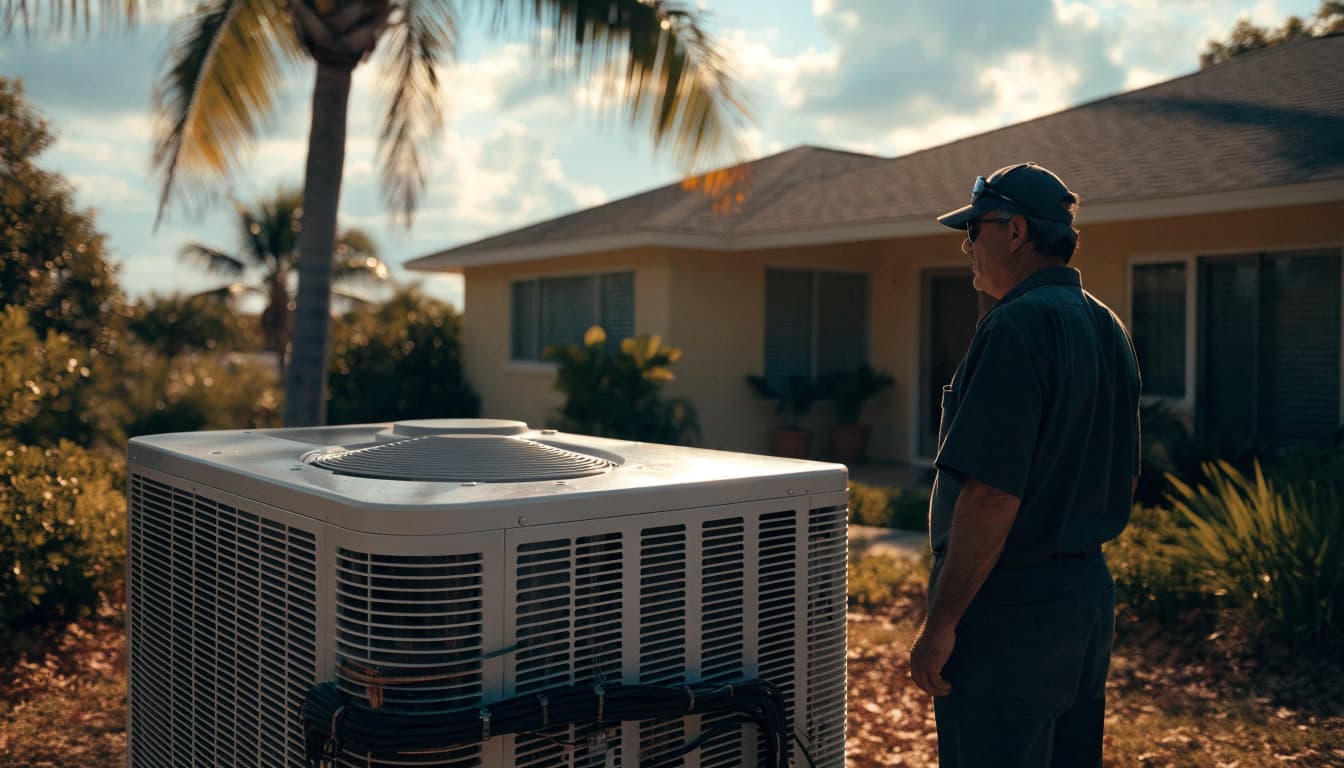
Salt-bearing air and humidity can accelerate metal corrosion. Between stays, inspect the condenser's exterior for visible rust, deteriorating cabinet edges, and damaged fins.
Take photographs when you notice changes. Comparing images over time helps the technician assess whether deterioration is progressing.
Also look for palm fronds, leaves, stored pool equipment, or vegetation crowding the unit. Remove loose debris from the surrounding ground without reaching through the grille. Follow the manufacturer's clearance requirements rather than guessing a universal distance.
After strong storms, check from a safe location for displaced equipment, impact damage, flooding, or exposed wiring. Don't operate visibly damaged or flooded equipment until a professional evaluates it.
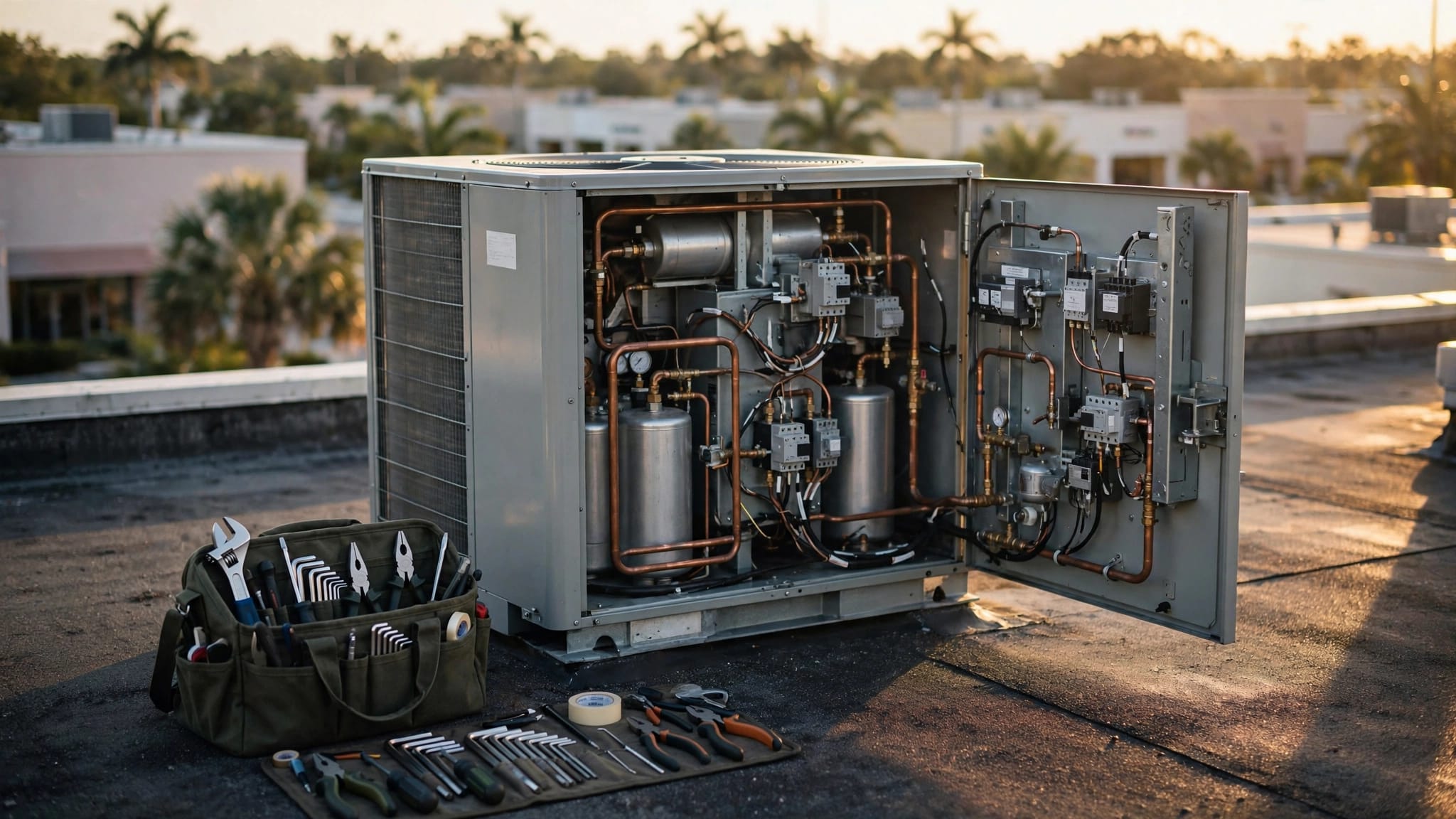
Coil rinsing requires the manufacturer's procedure and appropriate power isolation. A turnover cleaner shouldn't improvise this task, use a pressure washer, or spray electrical compartments.
Ask your technician whether a manufacturer-approved cleaning schedule or corrosion protection is appropriate. Coatings need product compatibility and proper application; ordinary paint or household sprays don't belong on condenser coils.
Know When to Call a Licensed HVAC Professional
Long cooling cycles can occur during Cape Coral's hottest weather. Still, persistent poor cooling after doors close and approved settings are restored needs evaluation.
Schedule service for repeated short cycling, weak airflow throughout the rental, new grinding noises, or humidity that remains difficult to control. Ice on visible tubing or equipment is another reason to stop cooling and request help.
Don't chip away ice, add refrigerant, tighten electrical connections, or repeatedly reset a tripping breaker. Refrigerant handling, internal repairs, and electrical diagnosis belong to qualified professionals.
For smoke, a burning smell, or sparking, keep everyone away from the equipment. Call emergency services if there's an immediate fire hazard. Never approach a disconnect through standing water.
Back Bay Heating & Cooling offers 24/7 AC repair services. Call (239) 771-9373 to arrange service, and tell the team about the next guest's arrival.
Photos, thermostat readings, and a description of the symptoms help explain the problem. However, they don't replace an on-site diagnosis.
Keep Service Records and Plan Beyond Turnovers
Create a useful handoff record
Record the inspection date, filter condition, settings restored, visible moisture, and any unresolved concern. Include photographs when something has changed.
Keep filter specifications and the equipment model information with the property instructions. Also identify the person authorized to approve repairs.
Before releasing the rental for check-in, confirm that reported problems have a clear resolution or service plan. A note saying "AC checked" leaves the next cleaner with little useful information.
Schedule professional maintenance around bookings
Back Bay Heating & Cooling recommends twice-yearly tune-ups for Cape Coral systems. Coordinate visits around reservations, then ask whether heavy occupancy or coastal exposure warrants additional attention.
Review what an AC maintenance plan includes before comparing agreements. Confirm whether service covers drainage checks, coil inspection, electrical testing, and performance evaluation.
Don't assume priority scheduling, repairs, or every cleaning task is included. Get the scope and exclusions in writing.
If a musty smell continues after moisture problems are addressed, discuss professional indoor air quality testing based on the specific concern.
Frequently Asked Questions
Should the filter be replaced after every guest?
Inspect it after every stay, but replacement depends on its condition and manufacturer guidance. Heavy dust or pet hair may shorten the interval.
Keep approved spare filters on-site so cleaners don't substitute the wrong size or rating. Record replacements in the turnover log rather than relying on memory.
Should the AC be turned off between bookings?
Ask your HVAC professional to establish a vacancy strategy for the property. Cape Coral rentals still need moisture control when nobody is staying there.
Use the approved setback, fan mode, and monitoring arrangement. Before guests arrive, confirm that indoor conditions have returned to the property's comfort target.
Make Cooling Part of Every Turnover
A clean rental also needs dependable cooling and controlled moisture. The strongest HVAC maintenance checklist combines repeatable observations with clear limits on DIY work .
Check accessible components, document changes, and escalate warning signs before check-in. Professional maintenance handles the internal work that a turnover inspection can't safely cover.
That routine gives the next guest a better-prepared home without asking your cleaning team to become HVAC technicians.