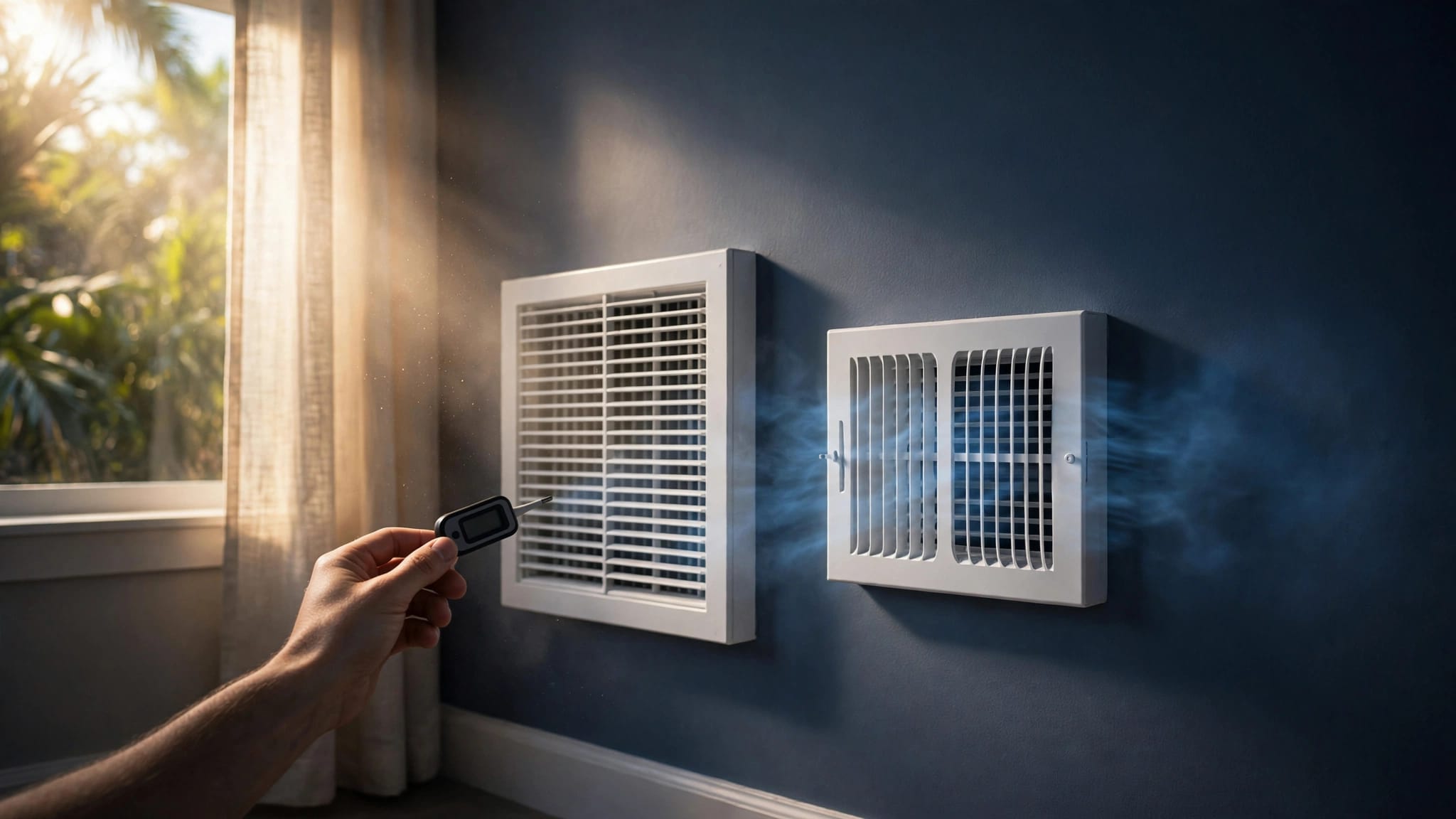
Your AC can keep your home comfortable while a carbon monoxide hazard goes unnoticed. Never rely on heating, cooling, or ordinary air filtration to clear carbon monoxide or make an unsafe home safe.
If a CO alarm sounds or you suspect exposure, leave immediately. Call 911 from outside, and don't re-enter until authorities say it's safe. Understanding the different jobs of filtration, ventilation, and CO detection helps you protect your household.
HVAC Filtration and Carbon Monoxide Safety
A standard HVAC system and its air filters aren't carbon monoxide safety equipment. Running the blower, changing the filter, or buying a household air purifier isn't an appropriate response to suspected CO exposure.
Air filters address particles
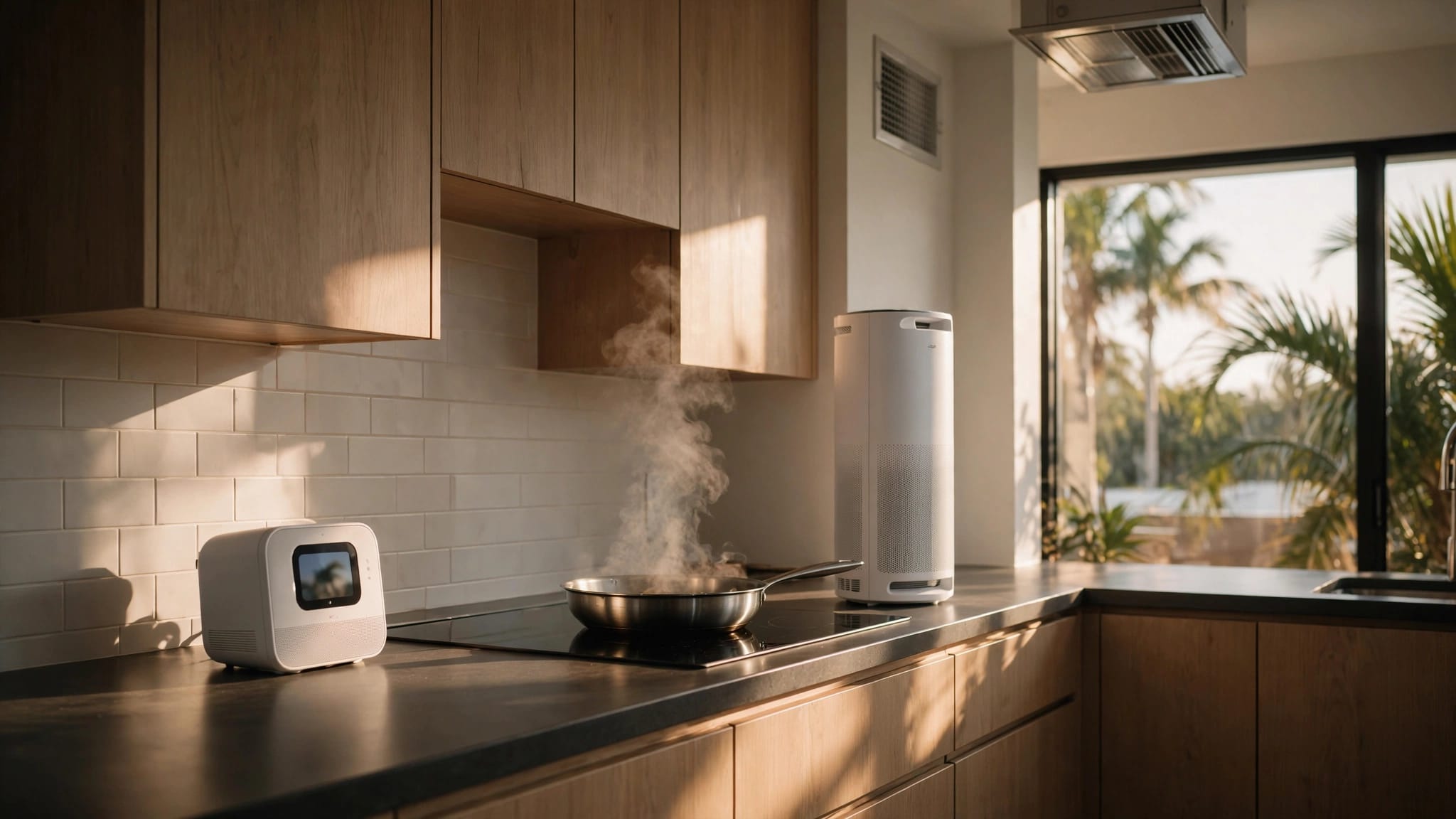
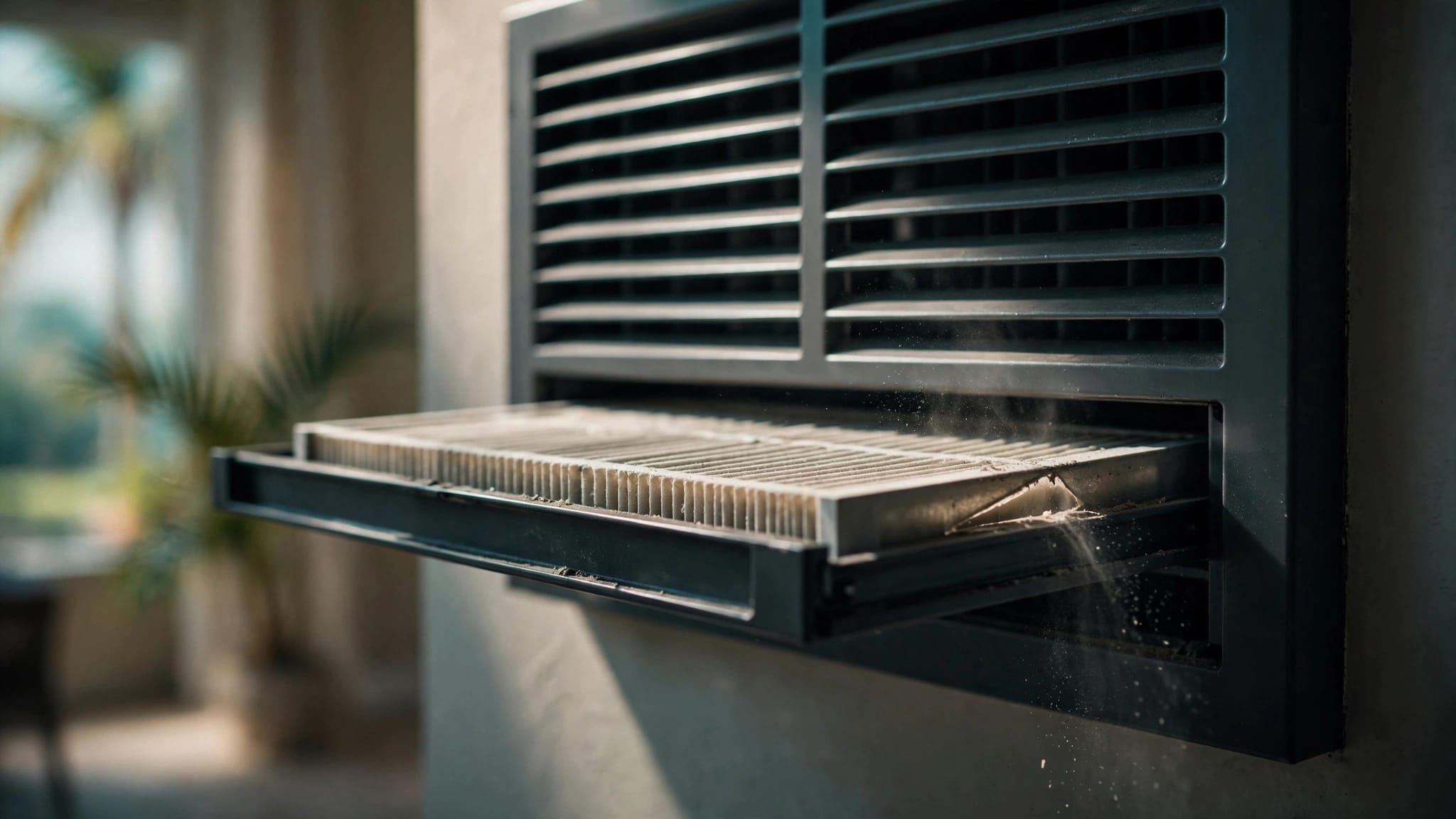
HVAC filters capture airborne particles, such as dust and pet dander. Carbon monoxide is a gas, so you shouldn't treat ordinary particle filtration as protection against it.
Likewise, an air cleaner's ability to address dust or allergens doesn't establish protection against combustion gases. UV equipment used for biological growth on HVAC surfaces also isn't a substitute for CO alarms or correcting a hazardous source.
Ventilation exchanges air
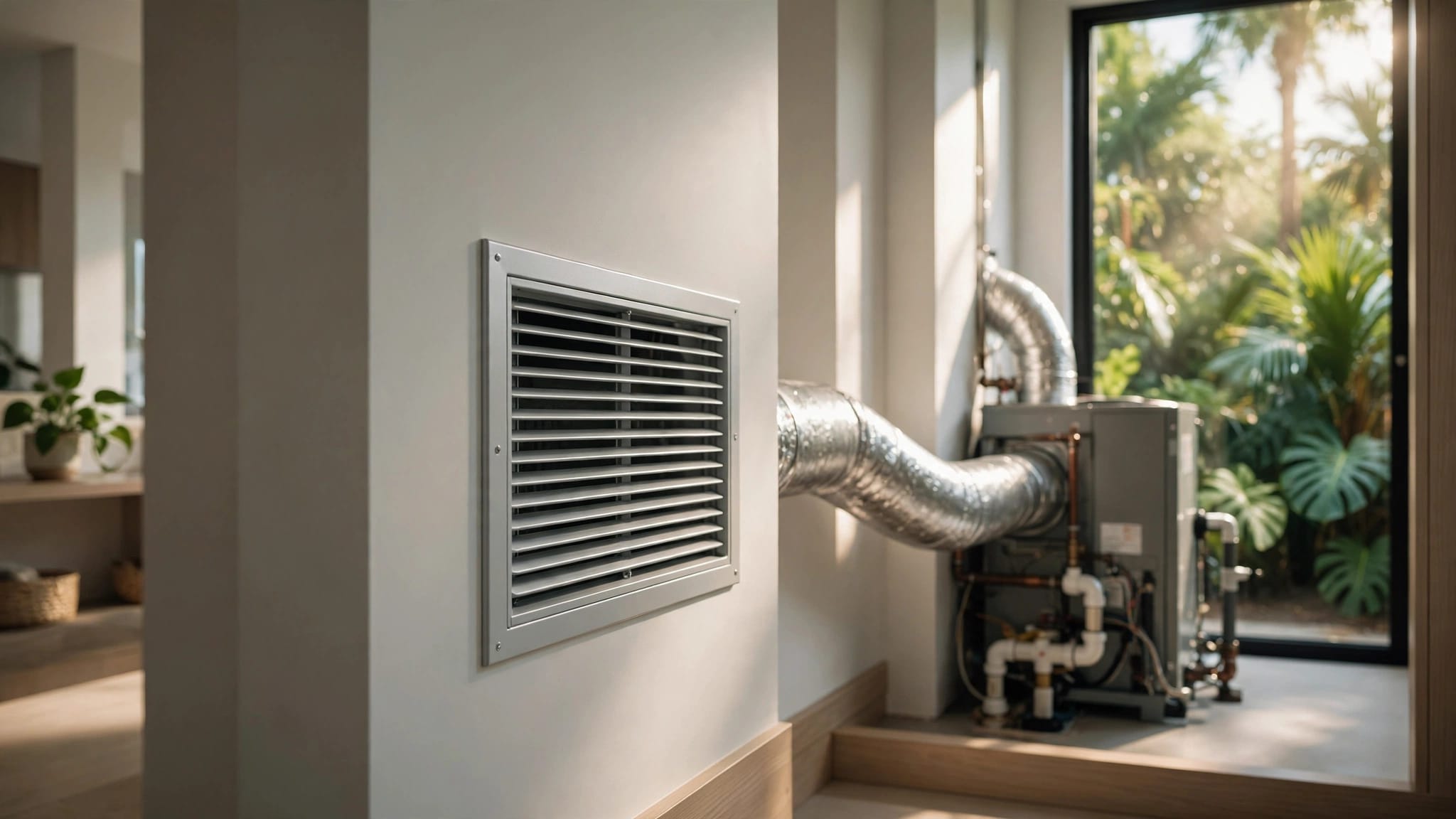
Ventilation introduces outdoor air and removes indoor air. Circulation moves air through your home, but it doesn't necessarily bring in fresh outdoor air.
These functions differ from detecting CO and correcting its source. Although planned ventilation supports indoor air quality, opening windows or running the HVAC fan doesn't establish that a home is safe.
In Southwest Florida, routine ventilation planning must also account for outdoor humidity. During a suspected CO emergency, however, evacuation comes first.
Where Carbon Monoxide Can Enter Your Home
Carbon monoxide is an odorless, invisible, poisonous gas associated with fuel combustion. Potential sources include gas furnaces, water heaters, ranges, fireplaces, portable generators, grills, and vehicles.
Malfunctioning equipment, obstructed exhaust paths, or exhaust entering through nearby openings can create dangerous conditions. Because you can't smell CO, the absence of an unusual odor offers no reassurance.
Electric heating and cooling don't eliminate every household risk. A home with an electric heat pump can still receive CO from an attached garage or a generator operating too close to doors, windows, or vents.
This matters during Southwest Florida storm outages, when homeowners may use portable generators. Never run a generator in a garage, even with the garage door open.
CO Alarms and CO2 Monitors Have Different Jobs
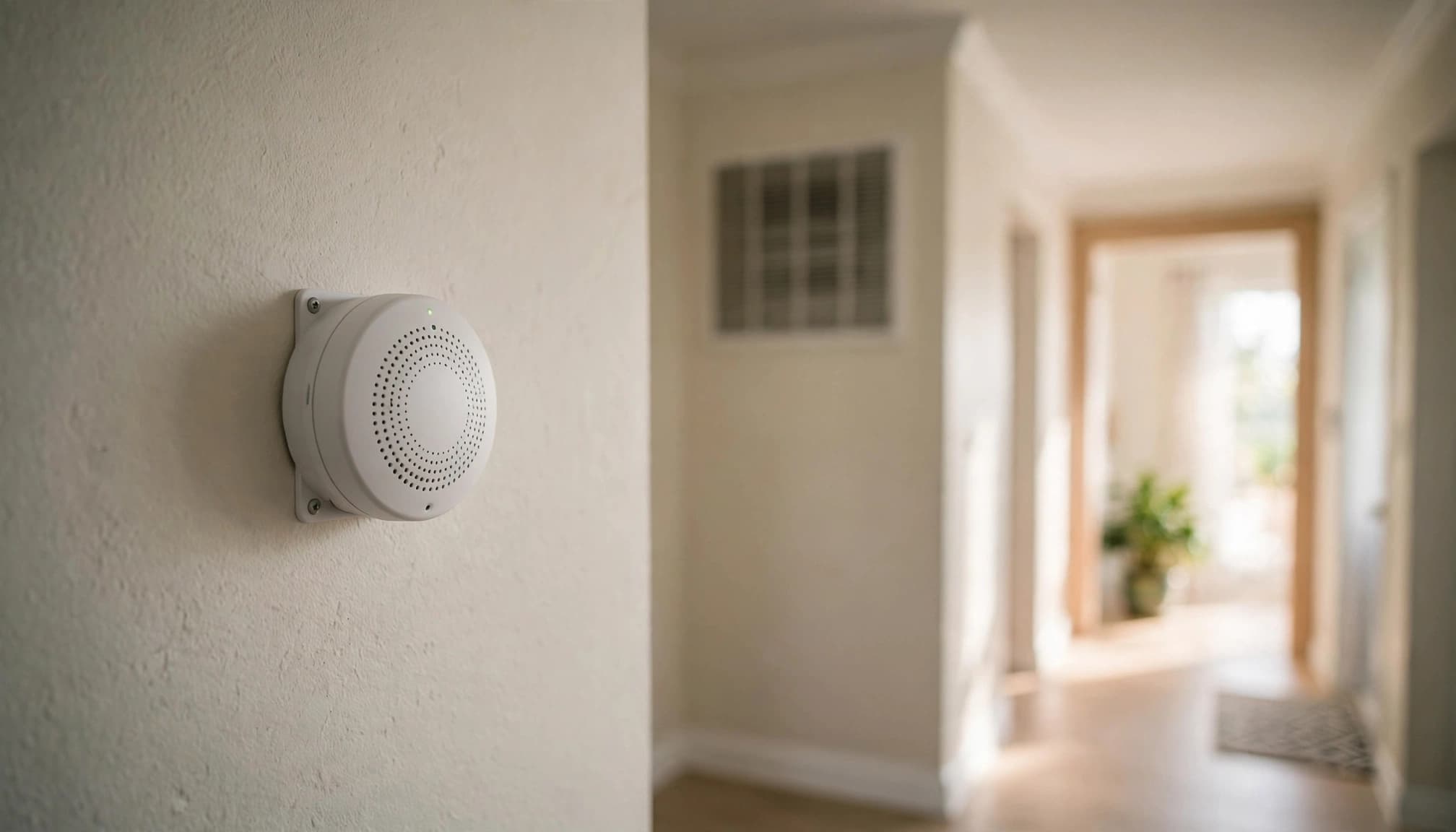
Working CO alarms provide warning
Install carbon monoxide alarms on every level and outside sleeping areas, following manufacturer instructions and local requirements. Test them regularly, maintain their power supply, and replace them according to their specified service life.
Homes with fuel-burning appliances, fireplaces, attached garages, or nearby generator use need particular attention. However, electric HVAC equipment alone isn't a reason to dismiss CO protection.
An alarm warns you about a possible hazard; it doesn't remove the gas or repair the source. Treat its emergency signal as a reason to leave, not an invitation to troubleshoot.
CO2 readings assess a different concern
Carbon dioxide, or CO2, comes from normal breathing as well as combustion. Indoor CO2 readings can help reveal ventilation patterns in occupied rooms.
Carbon monoxide, or CO, is a separate hazard. A CO2 monitor doesn't replace a CO alarm , and a reassuring CO2 reading doesn't establish CO safety.
Understanding CO2 readings versus carbon monoxide safety helps prevent confusion between routine ventilation concerns and emergencies. Neither a comfortable temperature nor a normal humidity reading rules out CO exposure.
What to Do When a CO Alarm Sounds
Take immediate action if a CO alarm sounds or exposure is suspected. Possible symptoms include headache, dizziness, weakness, nausea, and confusion, but you shouldn't wait for symptoms before leaving.
- Leave the building immediately and get everyone outside into fresh air.
- Call 911 or your local emergency services from outside. Report the alarm and any symptoms.
- Stay outside until authorities say it's safe to return.
Don't delay evacuation to open windows, adjust the thermostat, change a filter, or search for the source. Tell responders if someone remains inside; don't go back in yourself.
An alarm becoming silent doesn't establish that the home is safe to re-enter.
Prevent CO Problems Before They Start
Prevention combines safe equipment use, professional attention, and working alarms. No single HVAC accessory replaces those protections.
Have qualified professionals inspect fuel-burning heating equipment and other combustion appliances according to manufacturer recommendations. Ask them to check venting, exhaust connections, and equipment condition. Leave combustion adjustments and internal repairs to trained technicians.
For portable generators, the CDC recommends outdoor operation at least 20 feet from doors, windows, and vents . Direct exhaust away from the home. Never use charcoal grills indoors, and never leave a vehicle running in an attached garage.
For non-emergency concerns, indoor air quality testing can help identify which pollutants and building conditions need investigation. Tell the professional about gas appliances, fireplaces, garage connections, and generator use. Testing doesn't replace alarms or emergency evacuation.
Back Bay Heating & Cooling serves homeowners across Lee, Collier, Charlotte, and Hendry counties. For routine HVAC concerns, or service after authorities have cleared an emergency, Contact Us to schedule a service call or request 24/7 HVAC assistance. An HVAC appointment never replaces calling 911 for suspected CO exposure.
Keep Comfort Separate From CO Safety
A cool, comfortable home can still have a carbon monoxide hazard. Keep working CO alarms in place, use combustion equipment safely, and address potential sources with qualified professionals.
Filtration and ventilation have useful everyday roles, but neither gives you permission to remain during a suspected CO emergency. Leave immediately, call emergency services from outside, and return only when authorities say it's safe.