Cape Coral summers hit hard with heat and humidity that never quits. Your AC runs almost nonstop to keep things cool inside. But a dirty filter clogs up fast here, straining your system and spiking your bills.
You might notice weaker airflow or dust buildup around vents. Regular AC filter replacement in Cape Coral fixes that. It also boosts indoor air quality amid pollen and coastal dust. Let's break down the best schedule for your home.
Why AC Filters Matter More in Cape Coral Homes
Humidity in Cape Coral traps moisture in your AC filters. Dust, pollen, and salt air from the coast pile on quick. A clogged filter blocks airflow, so your unit works harder.
This leads to higher energy use. In fact, a dirty filter can raise bills by up to 15 percent. Plus, poor filtration lets allergens circulate, worsening allergies or asthma.
Clean filters protect your HVAC too. They prevent coil freezes and motor strain common in our year-round cooling needs. Check our HVAC FAQs for Cape Coral residents for more on filter checks.
Homeowners save money long-term with routine swaps. Your system lasts longer, and air stays fresh.
Standard Schedule for AC Filter Replacement in Cape Coral
Most homes here need filter checks every month. Replace a standard 1-inch pleated filter every 30 to 60 days. That's faster than drier climates because humidity loads filters heavy.
Thicker media filters, like 4- or 5-inch ones, last 3 to 6 months. Always confirm your model's specs in the HVAC manual. Heavy AC runtime in April through October speeds clogging.
Set a calendar reminder. For example, swap at the start of each month during peak season. This simple habit keeps costs down and comfort up.
Signs Your AC Filter Needs Replacement Sooner
Watch for weak airflow from vents. Air feels stuffy, or rooms stay warm despite the thermostat. Dust coats surfaces faster too.
Higher bills signal trouble. Your AC pulls more power against resistance. Listen for unusual strain on the blower motor.
Allergy flares hit harder with pollen trapped inside. In Cape Coral, coastal breezes bring extra irritants.
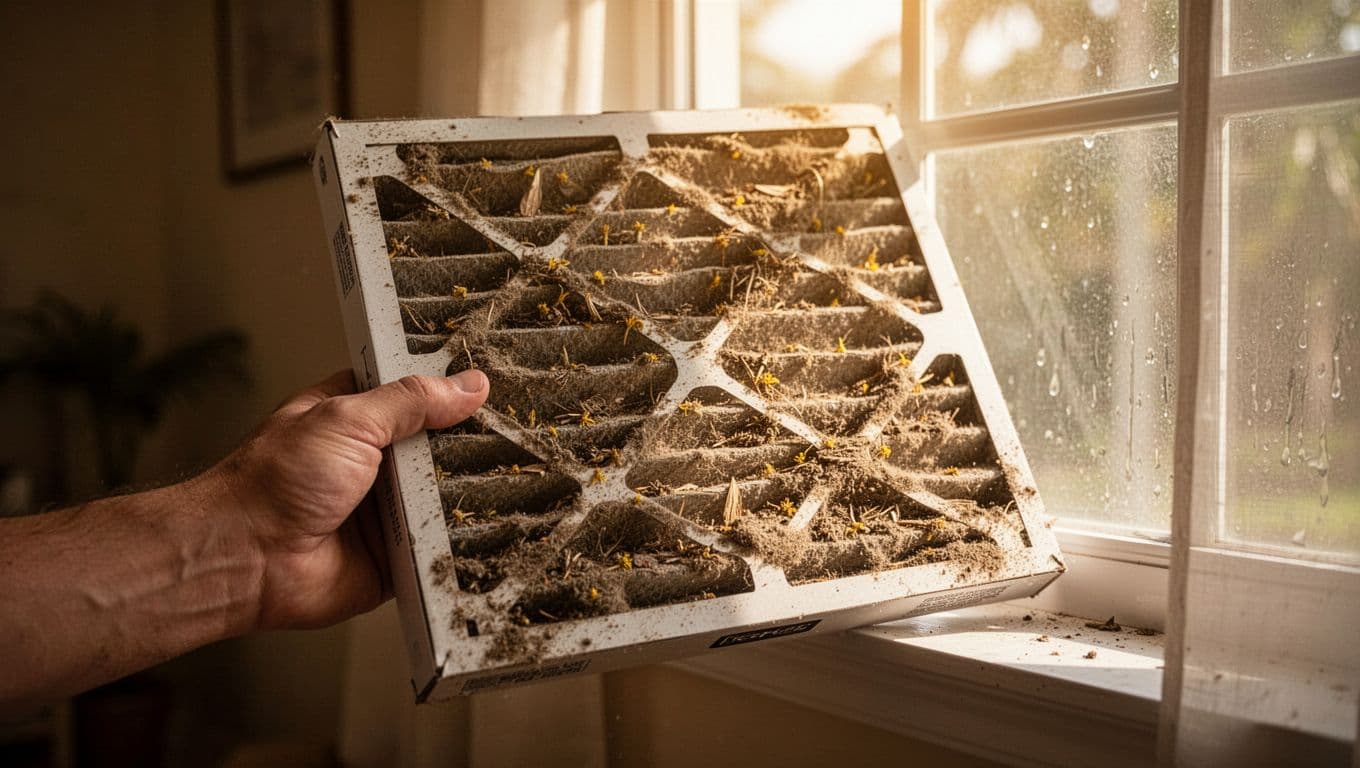
A visual like this clogged filter shows urgency. Hold yours to light; if you can't see through, replace it now. Dirty filters also tie into common air conditioner problems in Cape Coral homes.
Act fast to avoid repairs.
Factors That Speed Up Filter Clogs in Your Home
Pets shed fur that sticks in humid air. Replace filters every 30 days if you have furry friends. Allergy sufferers or kids need even cleaner air, so check weekly.
High occupancy means more dust and cooking particles. Homes near the water face salt buildup too. These cut replacement intervals in half.
Filter type matters. Basic fiberglass lasts shortest; pleated or HEPA grabs more but clogs sooner here.
Runtime counts most. Your AC hums 24/7 in summer, so filters in garages or attics dirty fastest.
Consider HVAC maintenance agreements in Cape Coral for pros to handle checks.
How to Check and Replace Your AC Filter Safely
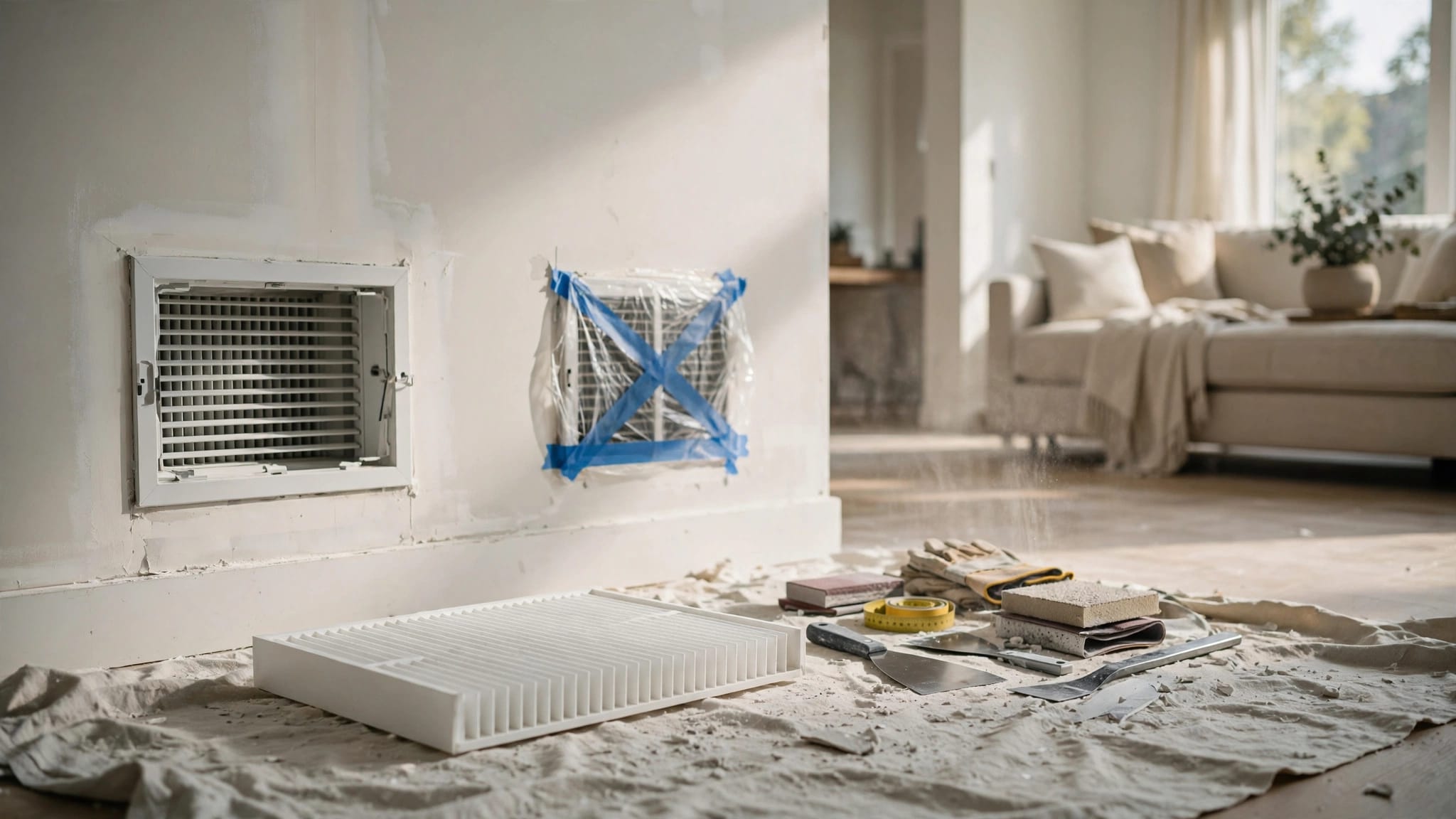
Turn off your AC at the thermostat first. Find the return vent, often a large grille in hallway or closet. Pop it open with a screwdriver if needed.
Slide out the old filter. Note the airflow arrow; it points toward the blower. Shine a light inside; gray or black means replace.
Grab a new one matching size from the side. Slide it in, arrow correct. Snap the grate back and test the system.
Do this monthly. It's quick, under five minutes.

If unsure, call a pro. Wrong fit hurts efficiency.
Choosing the Right Filter for Cape Coral Conditions
Match MERV rating to needs. MERV 8-11 suits most homes; higher traps pollen but restricts flow. Check your manual to avoid strain.
Thicker filters fit some slots better. They capture humidity-driven mold spores too.
Upgrade for indoor air quality. Pleated ones fight dust and allergens common here.
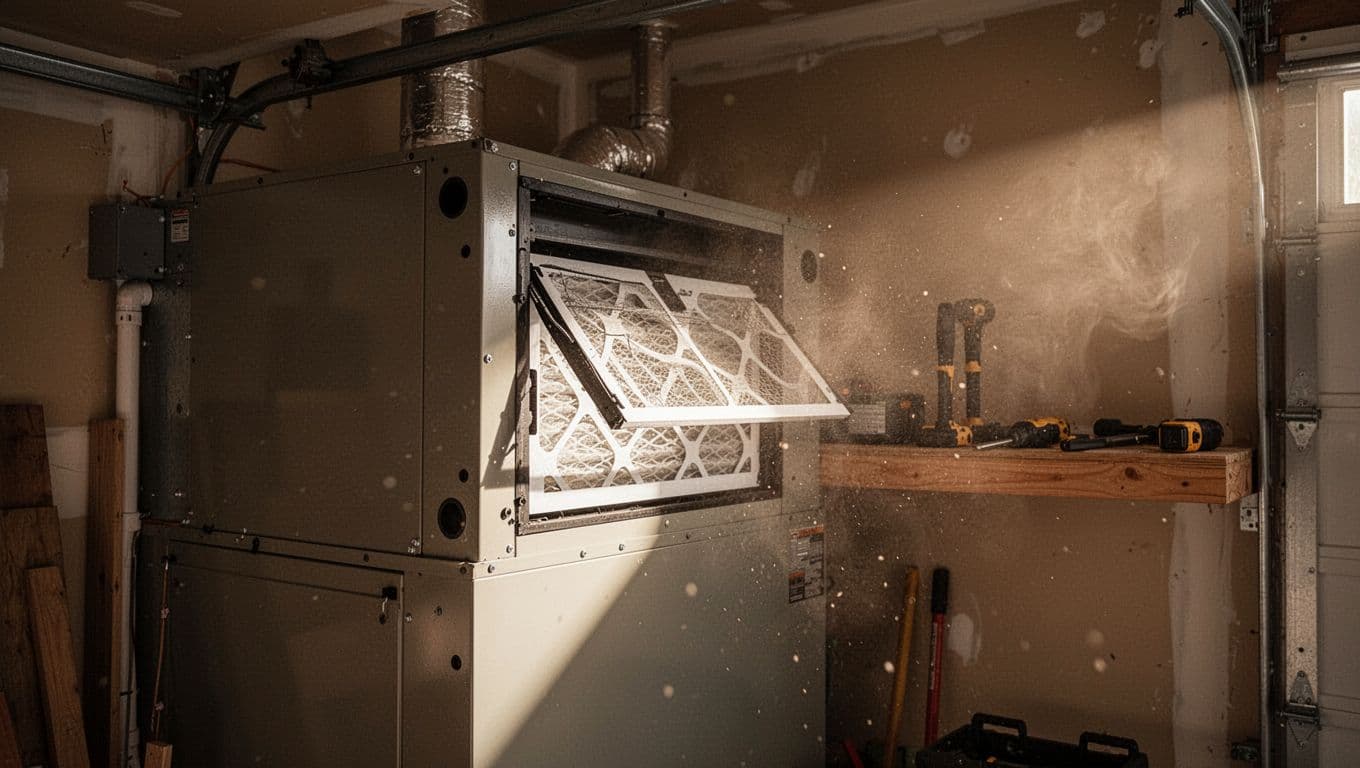
A fresh install like this breathes easy. Stock extras; buy in bulk for savings.
Consult an HVAC tech for custom advice.
Regular AC filter replacement in Cape Coral keeps your home cool and healthy. Check monthly, swap based on your setup, and watch for signs like dust or weak air.
This habit cuts bills, eases allergies, and extends your unit's life. Your family breathes easier amid humidity and pollen.
Need help? Contact us for a tune-up or check. Stay comfortable year-round.