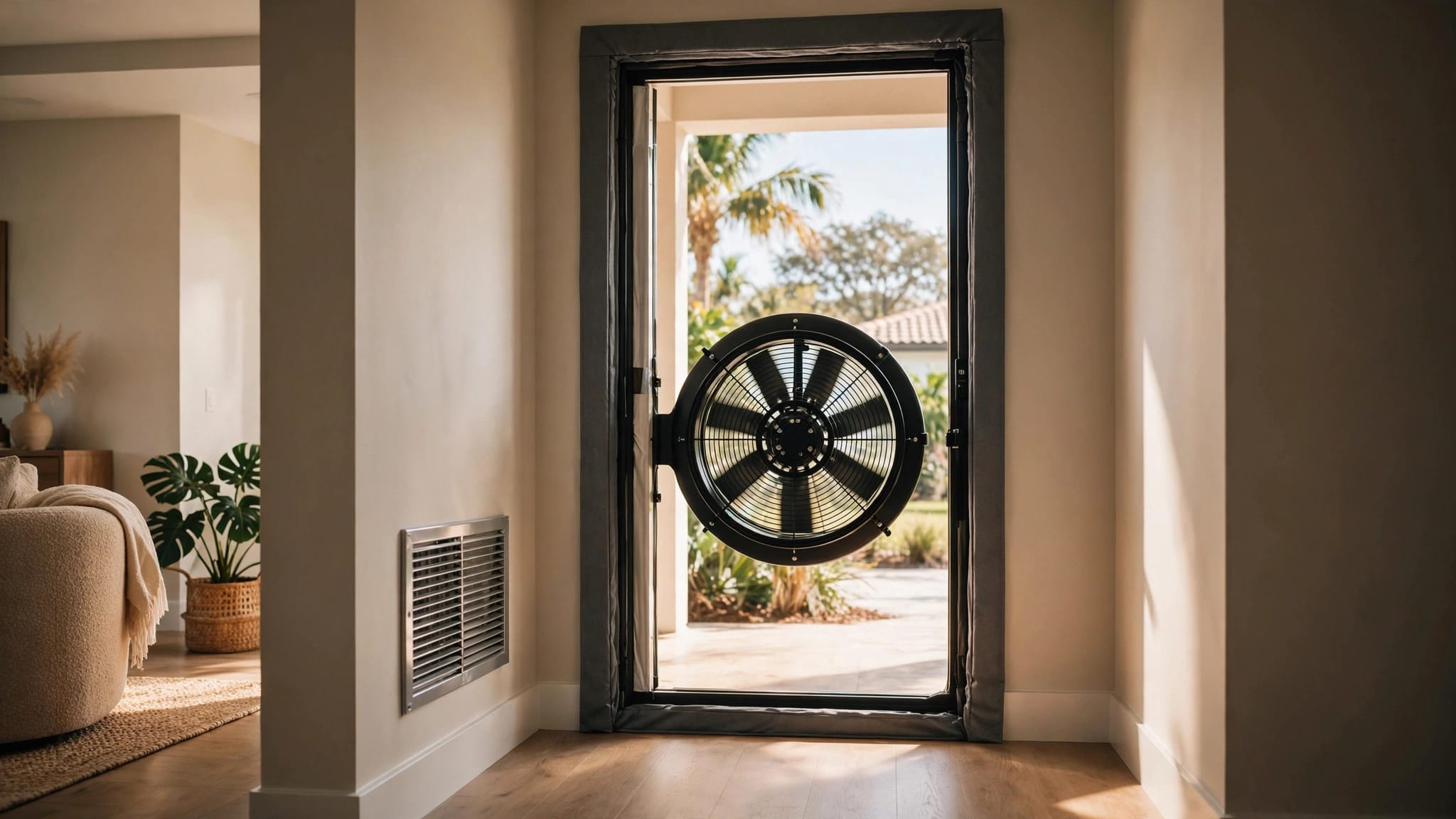
Picture this: It's a steamy afternoon in Cape Coral. Your AC kicks on, but seconds later, the breaker trips again. Sweat builds as the heat rolls in. AC breaker tripping frustrates homeowners here because Florida's humidity demands constant cooling.
You reset it once, maybe twice. But repeated trips signal trouble. They protect your home from overloads or shorts. Let's break down the reasons and safe fixes so you stay cool.
What Happens When Your AC Breaker Trips
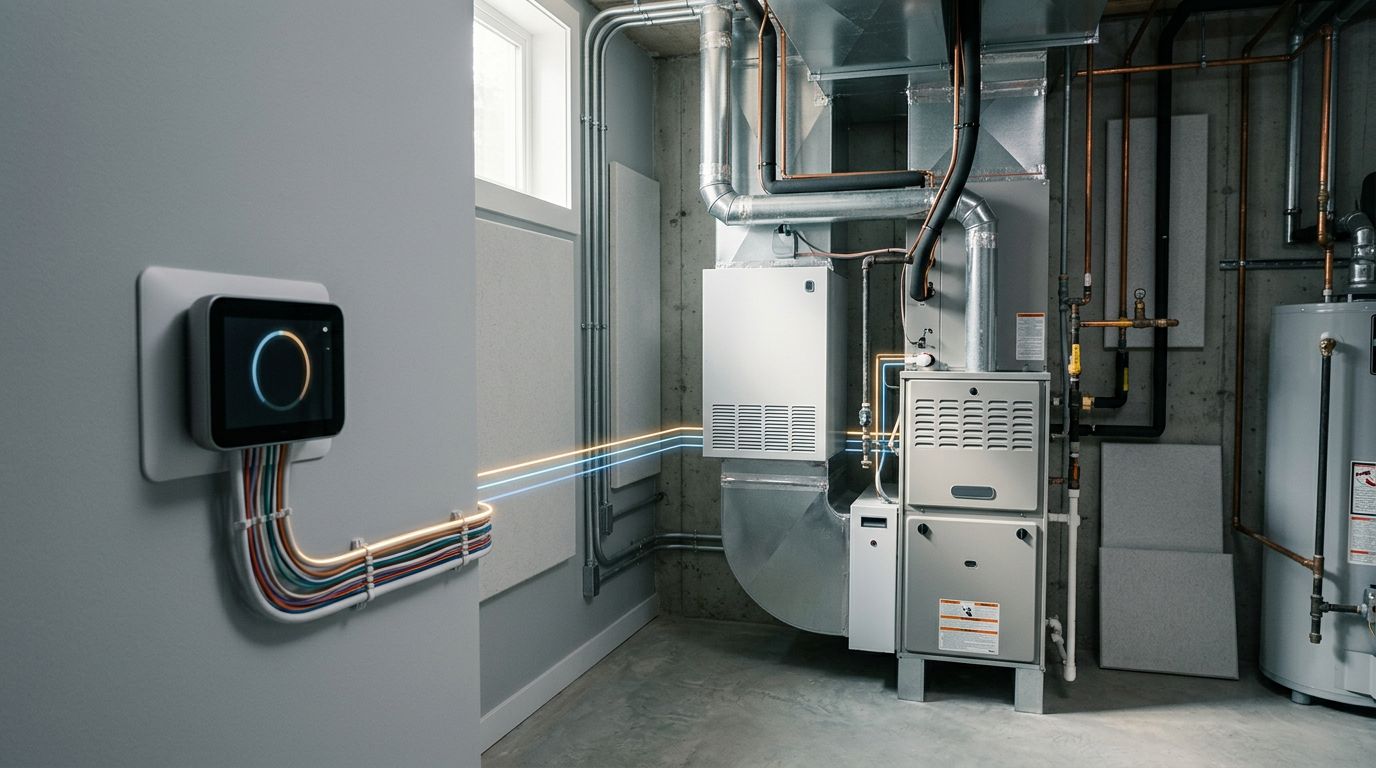
Your breaker acts like a safety switch in the electrical panel. It cuts power if the AC draws too much current. This prevents fires or damage.
In simple terms, the AC motor or fan pulls extra amps. The breaker senses this and flips off. You hear a click or see the switch move. Resetting works short-term, but ignore it and risks grow.
Cape Coral's power grid handles heavy loads from all the AC units running. Still, your system might overload first. Check your panel for a labeled breaker, often 20-30 amps for AC.
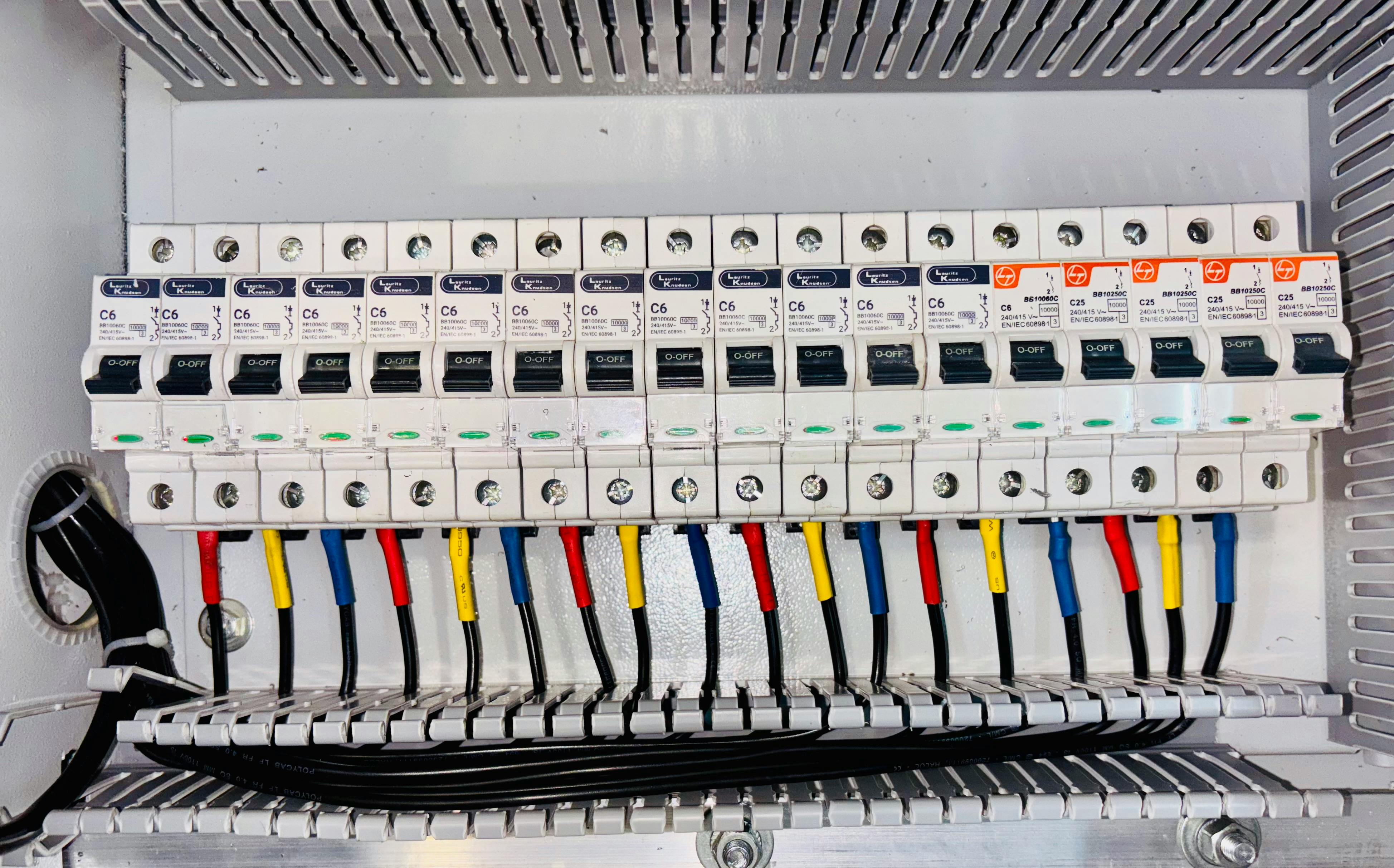
Photo by ranjeet .
Common signs include warm air from vents or the outdoor unit not humming. Note if it trips right away or after running. Immediate trips point to shorts. Delayed ones suggest overloads from heat buildup.
Safety first: Don't keep resetting. It hides hazards like frayed wires. Turn off the AC at the thermostat too.
Common Causes in Hot, Humid Cape Coral
Florida's climate stresses ACs nonstop. High heat and moisture make units work harder. This leads to AC breaker tripping more often.
Dirt buildup tops the list. Dust clogs coils, forcing the compressor to strain. In Cape Coral backyards, salt air adds corrosion.
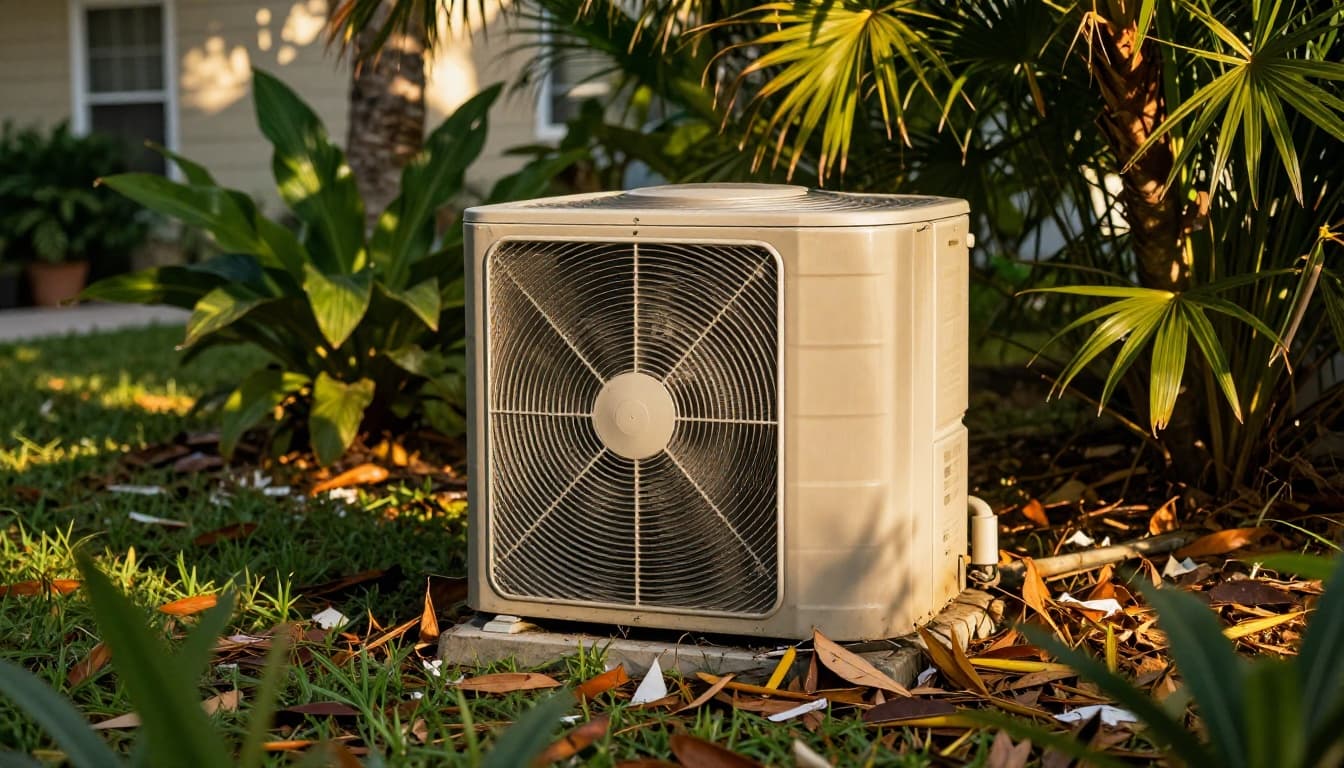
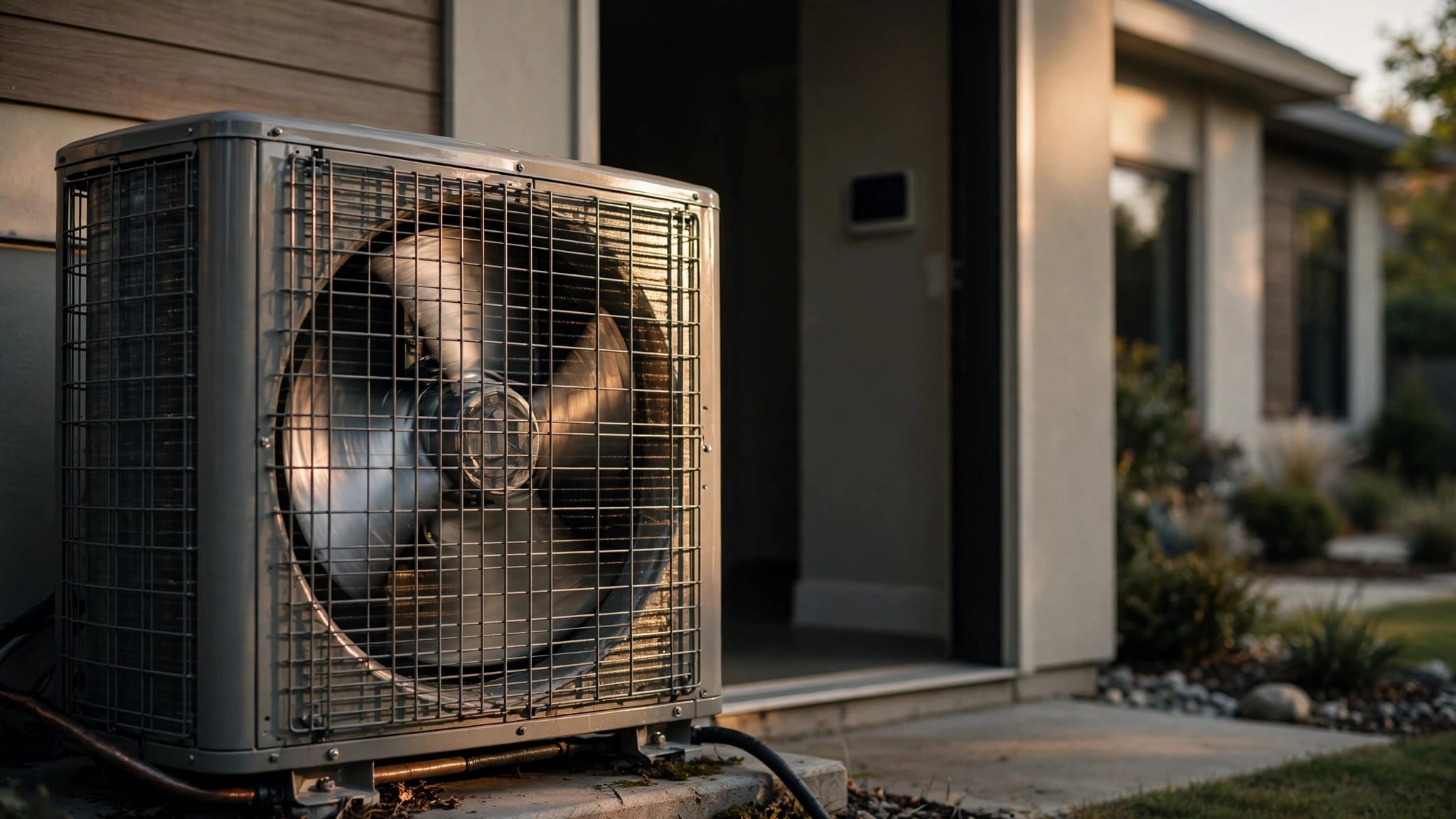
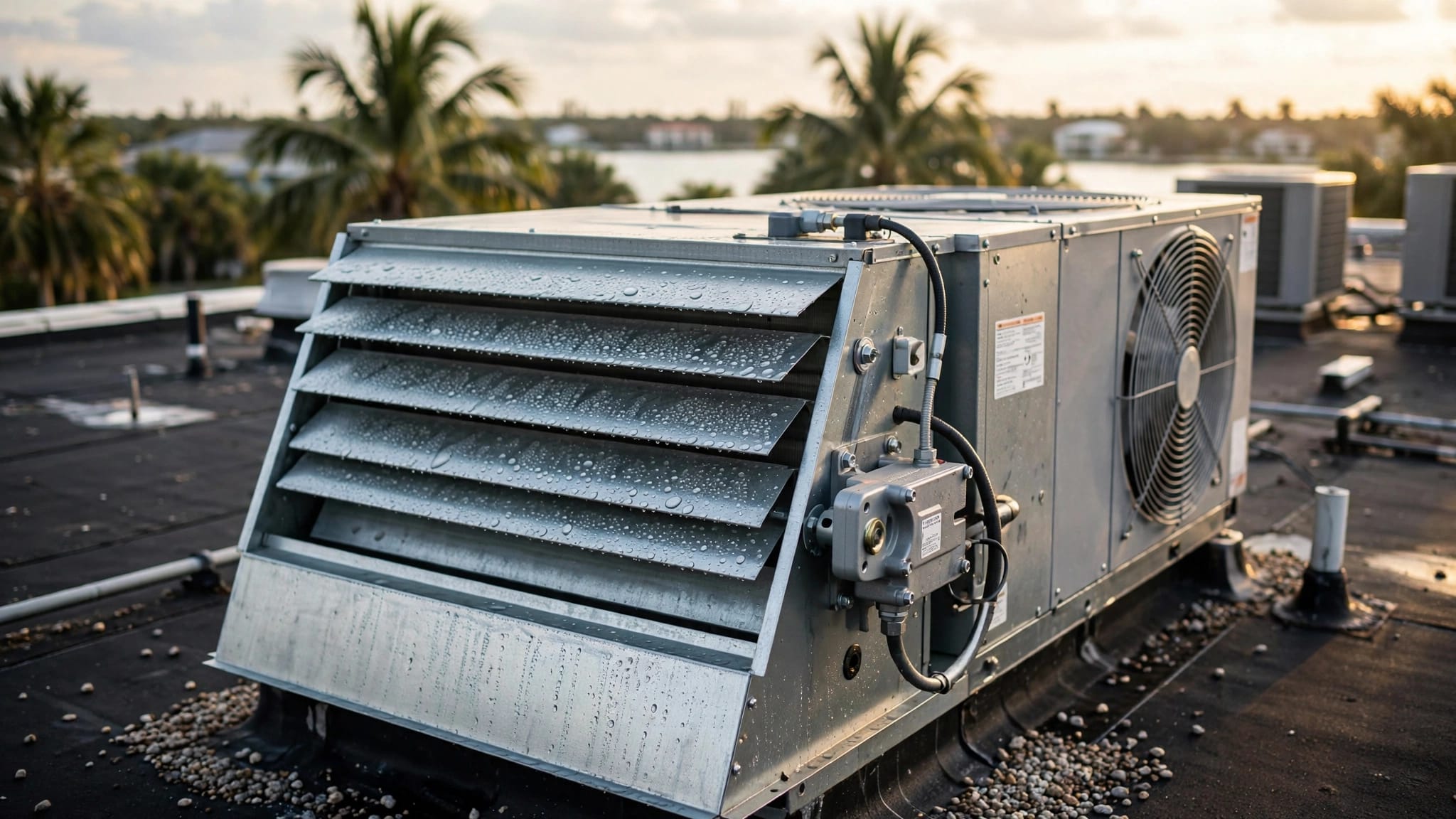
Debris around the outdoor condenser traps heat. Leaves, grass, or palm fronds block airflow. The unit overheats, draws more power, and trips the breaker.
Low refrigerant plays a role too. Leaks make the compressor overwork. Aging units from constant use lose efficiency fast here.
Faulty capacitors or motors cause shorts. These parts fail under humidity. As a result, current spikes happen.
Overloaded circuits from other appliances add pressure. Run the dryer or oven with AC, and it pushes limits.
Safe DIY Troubleshooting Steps
Start with easy checks before calling pros. These fix most AC breaker tripping issues. Always prioritize safety. Wear gloves and avoid water near electrics.
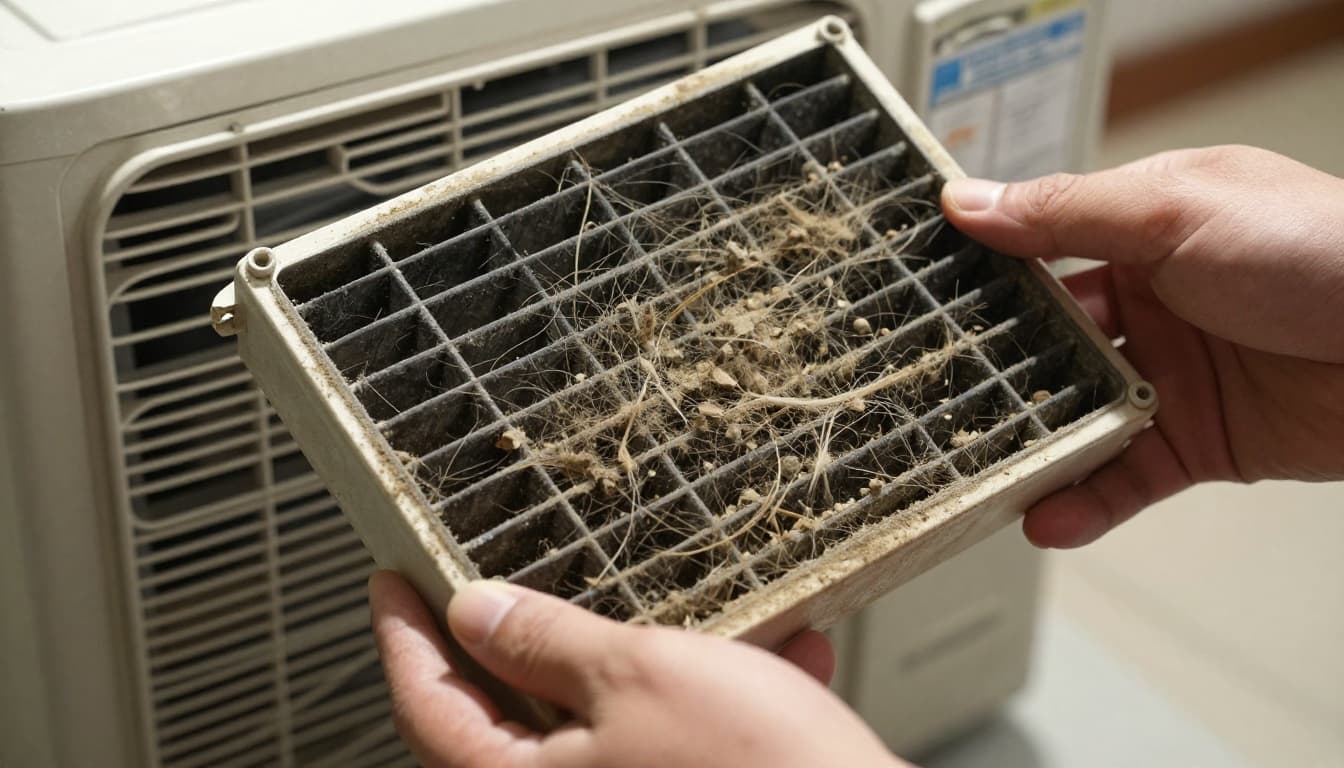
First, replace the air filter. A dirty one restricts flow, overworks the blower.
Next, inspect vents. Close doors or furniture block them? Open fully for better airflow.
Clear the outdoor unit. Rake away debris within two feet. Hose fins gently if dirty, but shut off power first.
Test timing. Does it trip on startup? That hints at a bad capacitor. Runs awhile then trips? Overheating likely.
Check thermostat settings. Set to "auto" fan, not "on." Constant fan pulls extra power.
If these don't help, stop. Repeated resets risk fire. For AC repair services Cape Coral handles the rest safely.
Signs of Serious Electrical Problems
Not all trips come from maintenance. Some signal dangers. Watch for burning smells or scorch marks at the unit. These mean wiring issues.
Breakers that feel hot or won't stay reset point to shorts. Ground faults from water intrusion happen in humid spots.
Old panels in Cape Coral homes struggle with modern AC loads. Upgrades from 100-amp to 200-amp service prevent this.
Never bypass breakers with tape. It invites disasters. Pros use tools to test continuity and amps.
For 24/7 emergency HVAC services, reach out fast. EPA-certified techs spot hazards quickly.
Prevention Tips to Avoid Future Trips
Keep your AC happy year-round. Change filters monthly in peak season. Humidity loads them fast.
Schedule tune-ups twice yearly. Clean coils and check refrigerant levels. This cuts overload risks.
Trim plants near the condenser. Good airflow keeps things cool.
Upgrade to a larger breaker if pros recommend. Match your unit's manual specs.
Monitor bills. Spikes mean inefficiency building. Early fixes save money. See HVAC FAQs Cape Coral for more tips.
Call Pros When Trips Persist
AC breaker tripping often stems from simple fixes, but don't gamble in Cape Coral's heat. Dirty filters or debris cause most issues. Serious ones need experts.
Safety trumps DIY every time. Pros diagnose fast with right tools. They prevent bigger bills too.
Contact Us for same-day checks. Stay cool without worry. Your home deserves reliable cooling.