A cheap AC can cost more than it looks like on the quote. In Cape Coral, long cooling seasons and sticky air can turn a low-efficiency system into an expensive houseguest.
That's why the best SEER2 rating Cape Coral homeowners choose is rarely the highest number on the page. It's the one that fits your budget, your home, and how hard your system runs.
What SEER2 means in a Cape Coral home
SEER2 is the updated way to rate cooling efficiency for air conditioners and heat pumps. A higher number means the system uses less energy for the same amount of cooling, at least under test conditions.
Think of it like miles per gallon for your car. It helps you compare options, but your real-world result still depends on how you drive, or in this case, how your home performs.
In Cape Coral, that matters a lot. Your system runs for long stretches, and it also has to pull moisture from the air. So efficiency is important, but comfort is tied to run time, fan speed, airflow, and humidity control too.
As of 2026, Florida follows Southeast regional minimums for new systems. For most homes, new central AC units and heat pumps must meet 14.3 SEER2 . Larger systems have a 13.8 SEER2 minimum. That legal minimum is a starting line, not always the smartest target.
In a hot, humid climate, the best value usually comes from going above minimum, but not always to the top tier.
A 14.3 SEER2 system can work fine if budget is tight and the home is small, shaded, and fairly efficient. Still, many Cape Coral homeowners notice that entry-level equipment gives them fewer comfort features and less room for lower operating costs over time.
That's why total cost of ownership matters more than sticker price alone. If you plan to stay in the home for years, a modest bump in efficiency can pay off better than repeated compromises on comfort.
The sweet spot for most Cape Coral homes
For most homes in Cape Coral, 16 to 18 SEER2 is the best balance. That range usually gives you better operating cost, better humidity control options, and stronger comfort without the steep jump that often comes with premium systems.
This quick comparison shows how the ranges usually shake out:
| SEER2 range | Best fit for | What to expect |
|---|---|---|
| 14.3 minimum | Tight budgets, shorter ownership plans | Meets code, basic efficiency |
| 15 to 16 | Budget-conscious upgrades | Better value than minimum for many homes |
| 16 to 18 | Most Cape Coral homes | Strong balance of cost, comfort, and payback |
| 18 to 20+ | Long-term owners, larger homes, comfort-focused buyers | Quieter operation, more comfort features, higher upfront cost |
The takeaway is simple: 16 to 18 SEER2 is often the smartest middle ground.
Why not buy 20+ SEER2 and be done with it? Because high-end systems can cost a lot more upfront, and the payback isn't always fast enough to justify the jump. That extra money may work harder if you put part of it into duct repairs, insulation, or better installation.
On the other hand, minimum efficiency can be shortsighted in Southwest Florida. Your AC doesn't get much rest here. If it runs day after day, small efficiency gains can matter more than they would in a cooler climate.
Higher SEER2 can make more sense when a few things are true. You plan to stay put for a long time. Your house is large or gets a lot of sun. You want quieter operation. Or you care a lot about steady indoor comfort and better moisture removal.
If you're weighing equipment tiers, it also helps to understand local AC installation cost in Cape Coral, because the best value comes from the full project price, not the rating alone.
Why sizing and installation matter as much as SEER2
A high rating won't save a poorly planned job. In many homes, the gap between great comfort and daily frustration comes down to sizing, setup, and airflow.
First, make sure the system is sized correctly. An oversized unit may cool the house fast, but it can shut off before removing enough humidity. Then the home feels cold and clammy, which is common in Florida. An undersized unit has the opposite problem, it may run too long and struggle on the hottest days.
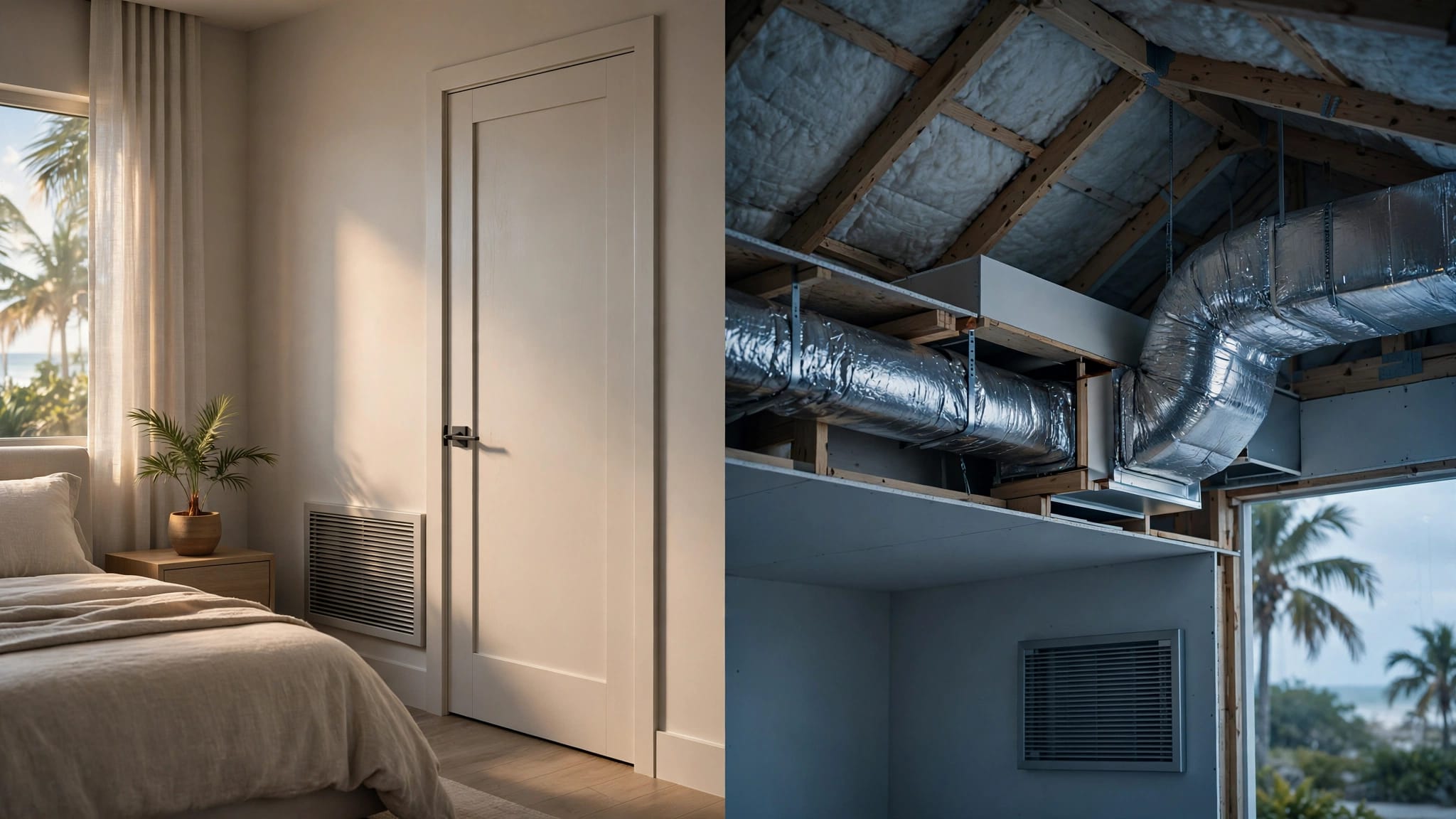
Next, look at the ductwork. Leaky, crushed, or badly designed ducts can waste a surprising amount of cooled air. In that case, paying more for SEER2 while ignoring ducts is like buying expensive running shoes and tying them together.
Installation quality matters just as much. Refrigerant charge, airflow, thermostat setup, drain design, and return sizing all affect real performance. That's why a properly installed mid-range unit can beat a badly installed high-efficiency one.
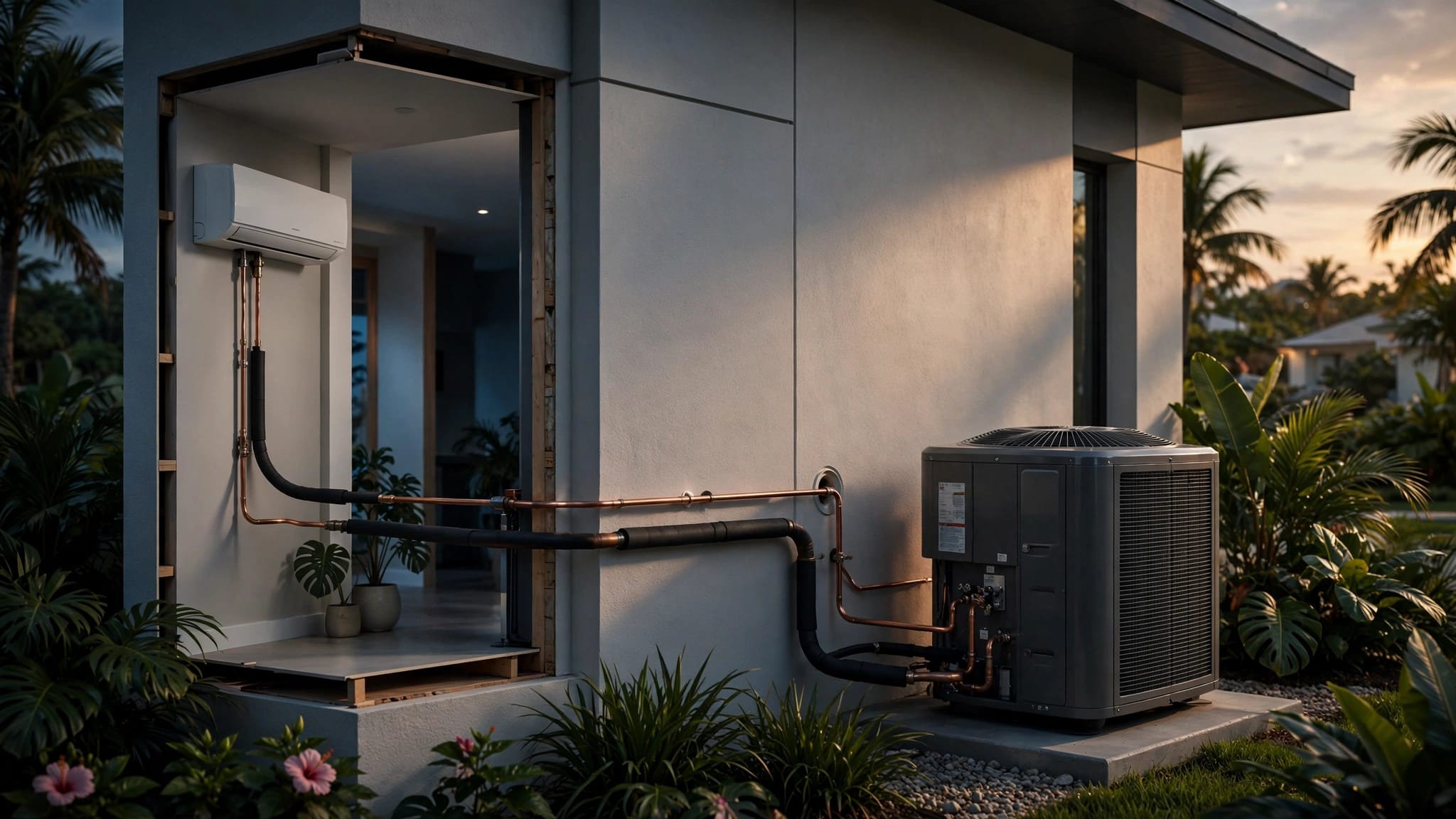
If you're planning a replacement, good air conditioning installation Cape Coral work should include load calculations, duct inspection, and a clear explanation of the equipment options. That's where payback becomes real instead of theoretical.
Maintenance also protects your investment. Dirty coils, clogged filters, and low airflow can drag down performance fast in a coastal climate. So even the best-rated system needs regular service to keep doing its job.
Cape Coral homes usually do best when these pieces work together:
- the right size for the home
- solid duct condition and airflow
- a quality install
- steady maintenance
- an efficiency level that matches how long you'll own the home
The best system isn't always the flashiest one. It's the one that cools well, controls humidity, and makes sense on day one and five years later.
A Cape Coral homeowner usually won't regret choosing a bit above minimum. Still, most people don't need the highest SEER2 on the market either.
For many homes, 16 to 18 SEER2 hits the sweet spot. It keeps total cost of ownership in check while giving you stronger comfort in a hot, damp climate.
If you want help comparing options for your house, your ducts, and your budget, Contact Us and get a recommendation that fits the way your home actually runs.