When your AC starts pushing warm air in Cape Coral, the problem may not be the thermostat or the refrigerant. A weak AC condenser fan motor can make the outdoor unit lose its ability to dump heat, and that can snowball fast in Southwest Florida weather.
Cape Coral homes put a lot of strain on cooling systems. Long run times, heavy humidity, salt in the air, and hot afternoons all make a tired fan motor show its age sooner.
The warning signs are usually easy to spot if you know what to look for. A few of them need quick attention before the compressor starts paying the price.
Why the condenser fan motor works so hard in Cape Coral
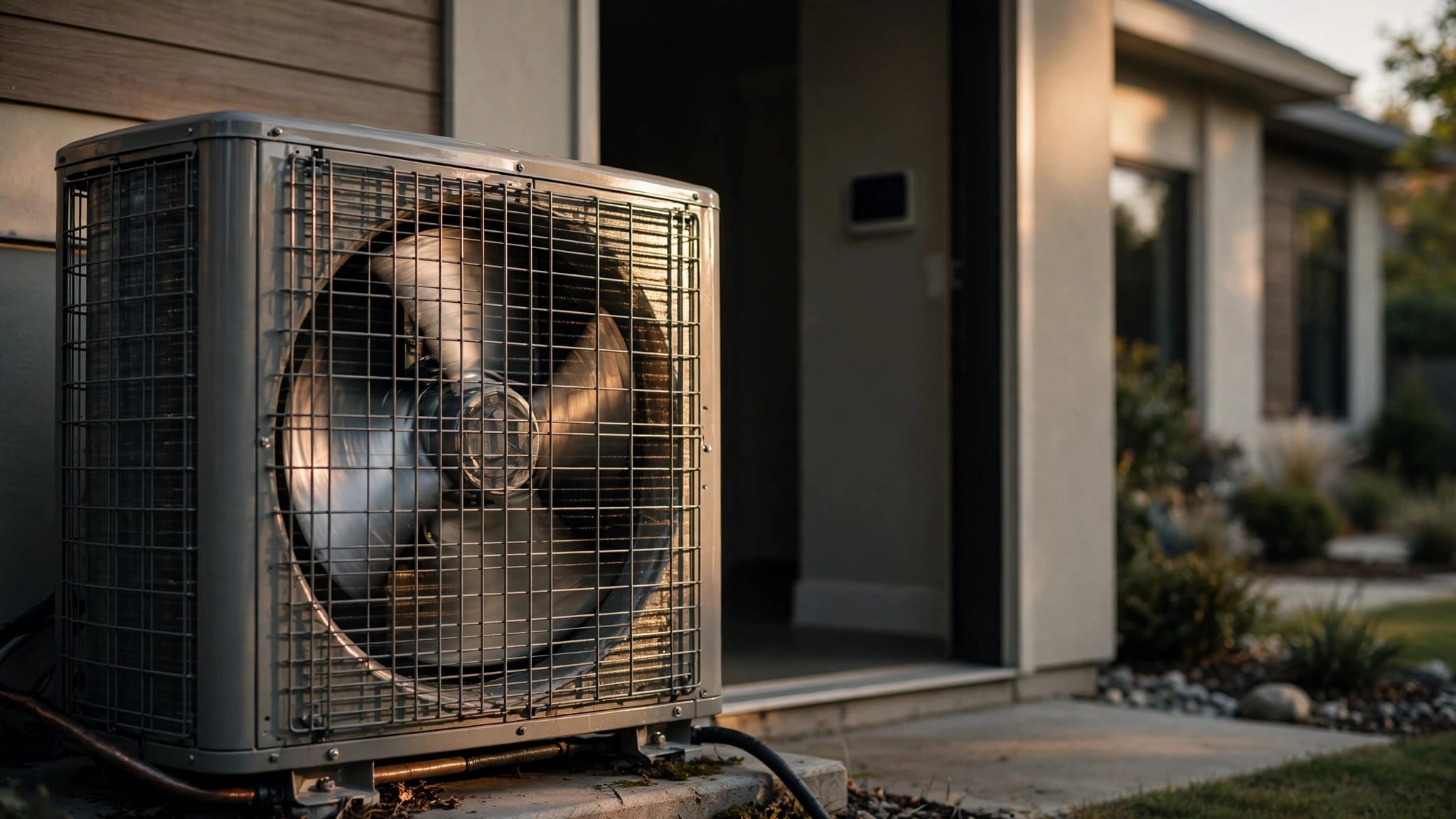
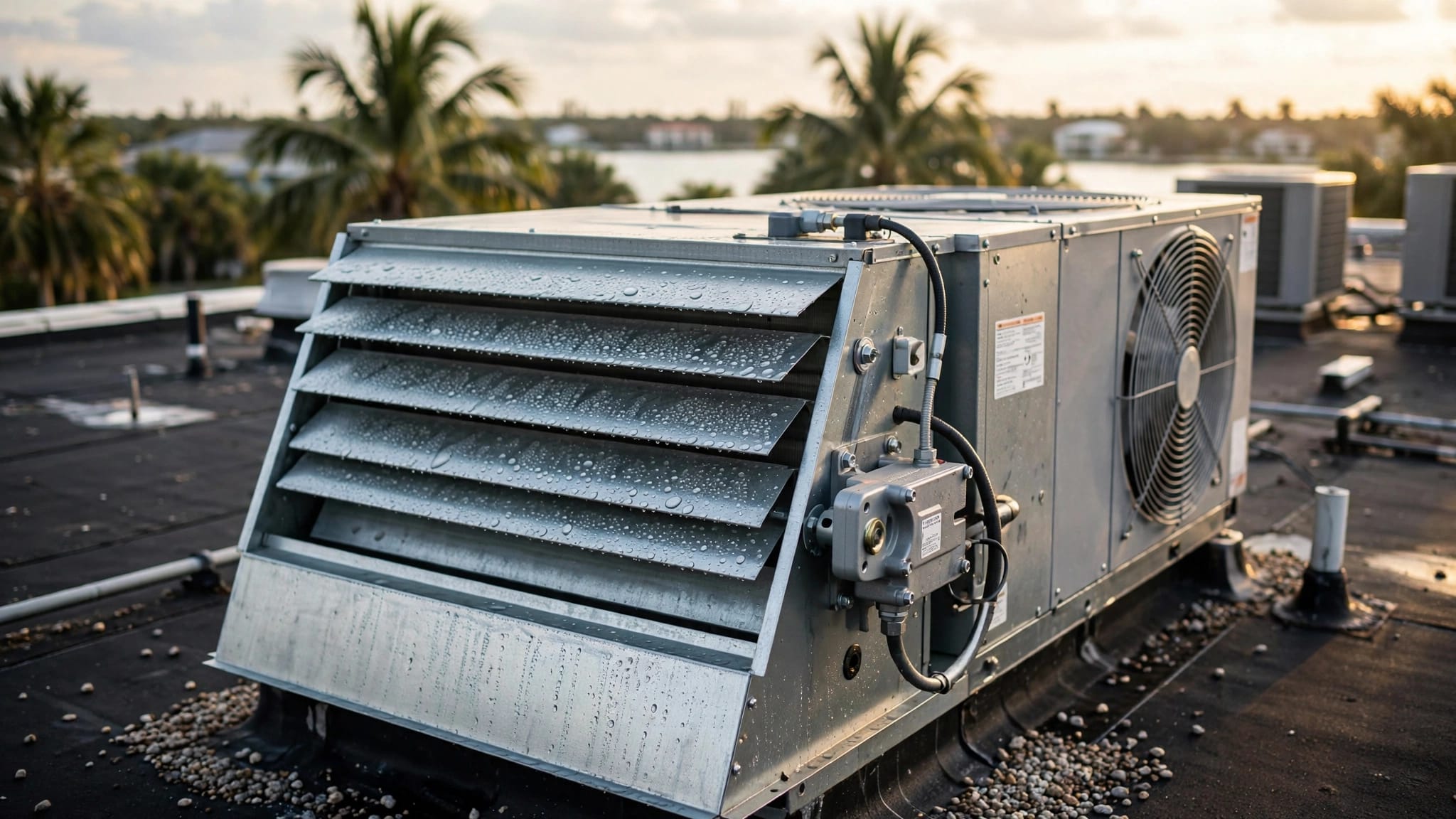
The outdoor unit does one main job, it gets rid of heat pulled from inside your house. The condenser fan motor keeps air moving across the coil so that heat can leave the system.
In Cape Coral, that motor rarely gets a break. Air conditioners run for long stretches through hot months, and the mix of heat, humidity, and salt air can wear on the motor bearings, wiring, and start-up parts.
When the fan slows down, the outdoor coil holds more heat. As a result, the whole system struggles. Your AC may still run, but it works harder and cools less.
That extra strain can show up as noisy operation, weak cooling, or short cycling. If the fan keeps slipping, the problem can move from a small motor issue to a much bigger repair.
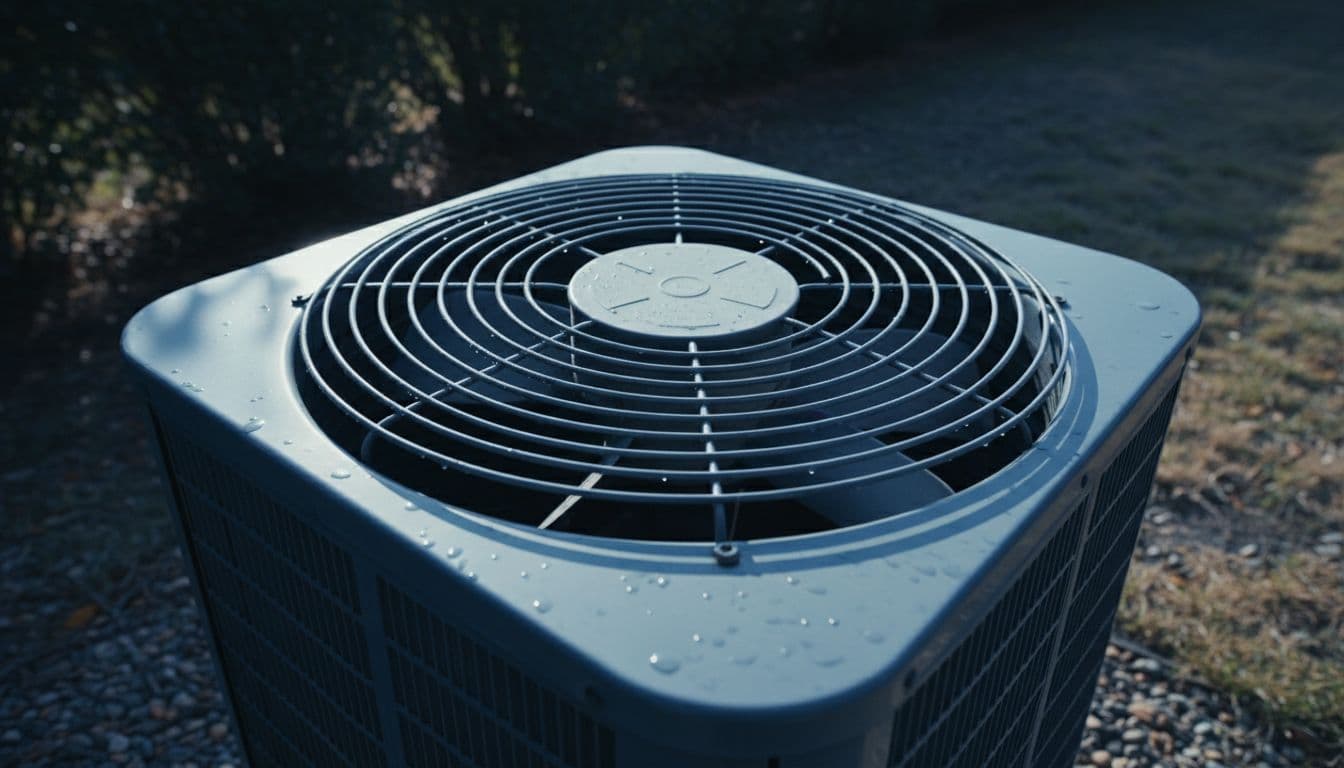
Warning signs that point to a failing condenser fan motor
Weak airflow and warm air indoors
One of the first clues is simple, the air from your vents feels weaker or less cool than usual. The indoor unit may still be running, but the house never quite reaches the set temperature.
Before you blame the fan motor, check the air filter and thermostat. If those look fine, the outdoor fan may not be moving enough air across the condenser coil.
That matters because the AC needs steady heat release to keep cooling properly. Without it, the system can run and run while the house stays sticky and uncomfortable.
Strange noises from the outdoor unit
A healthy condenser unit has a steady sound. Grinding, squealing, rattling, or loud humming are different story.
Those noises can point to worn bearings, a loose fan blade, or a motor that's struggling to start. A humming sound with no spinning fan is a common warning sign.
If the sound changes when the unit starts up, pay attention. A motor that sounds rough today often gets worse tomorrow.
The fan starts and stops
Intermittent fan operation is easy to miss because the AC may still cool for a while. Then the fan stops, the outdoor unit warms up, and cooling fades again.
This stop-and-start pattern often means the motor is overheating or failing internally. It may work for a few minutes, then shut down as heat builds in the motor.
Over time, those heat spikes can shorten the life of nearby parts too. The compressor takes a hit every time the fan doesn't keep up.
The outdoor fan won't spin
This is one of the clearest signs of trouble. The indoor blower might still move air through the house, but the outdoor unit can't get rid of heat without that spinning fan.
Sometimes the blades never move at all. Sometimes they try to start, then stall.
Either way, the system is in trouble. If the outdoor fan is still and the house keeps getting warmer, shut the system down and get help.
Rising bills, overheating, and a burning smell
A failing motor often pulls more power than it should. That can make your electric bill climb even when your cooling habits stay the same.
You may also notice the cabinet feels hotter than normal. In some cases, a sharp burning smell near the outdoor unit appears before the fan fails completely.
That smell can come from overheating windings or stressed wiring. It needs fast attention, especially in Cape Coral where the AC may already be running most of the day.
If you smell burning or hear the fan straining, turn the system off if it's safe to do so. Do not open the cabinet or test parts inside.
Why a failing fan motor can hurt the compressor
The condenser fan is the outdoor unit's radiator. When it works, heat leaves the system. When it fails, heat stays trapped around the compressor.
That extra heat and pressure make the compressor work harder. At first, the system may just shut down on a safety limit. After repeated stress, the compressor can wear out too.
A compressor repair is a much bigger job than a fan motor replacement. In a Cape Coral summer, waiting too long can turn a manageable fix into a major expense.
If the outdoor unit is humming, getting hot, or refusing to spin, don't keep forcing it to run. Every extra cycle adds more stress.
Safe checks before you call for help
A few simple checks can rule out easy issues before a technician arrives, and what to check before requesting AC repair gives a safe starting point.
- Make sure the thermostat is set to cool and the temperature is low enough to call for cooling.
- Replace a dirty air filter if it's clogged.
- Look around the outdoor unit and clear away leaves, grass, or other debris that might block airflow.
- Listen from a safe distance. If the fan is silent, buzzing, or stopping on its own, shut the system off.
Do not remove panels, touch wiring, or try to test the capacitor. Those parts can hold a charge even after the unit is off.
The safest homeowner checks are the simple ones. After that, it's time for a technician.
When to bring in a Cape Coral HVAC technician
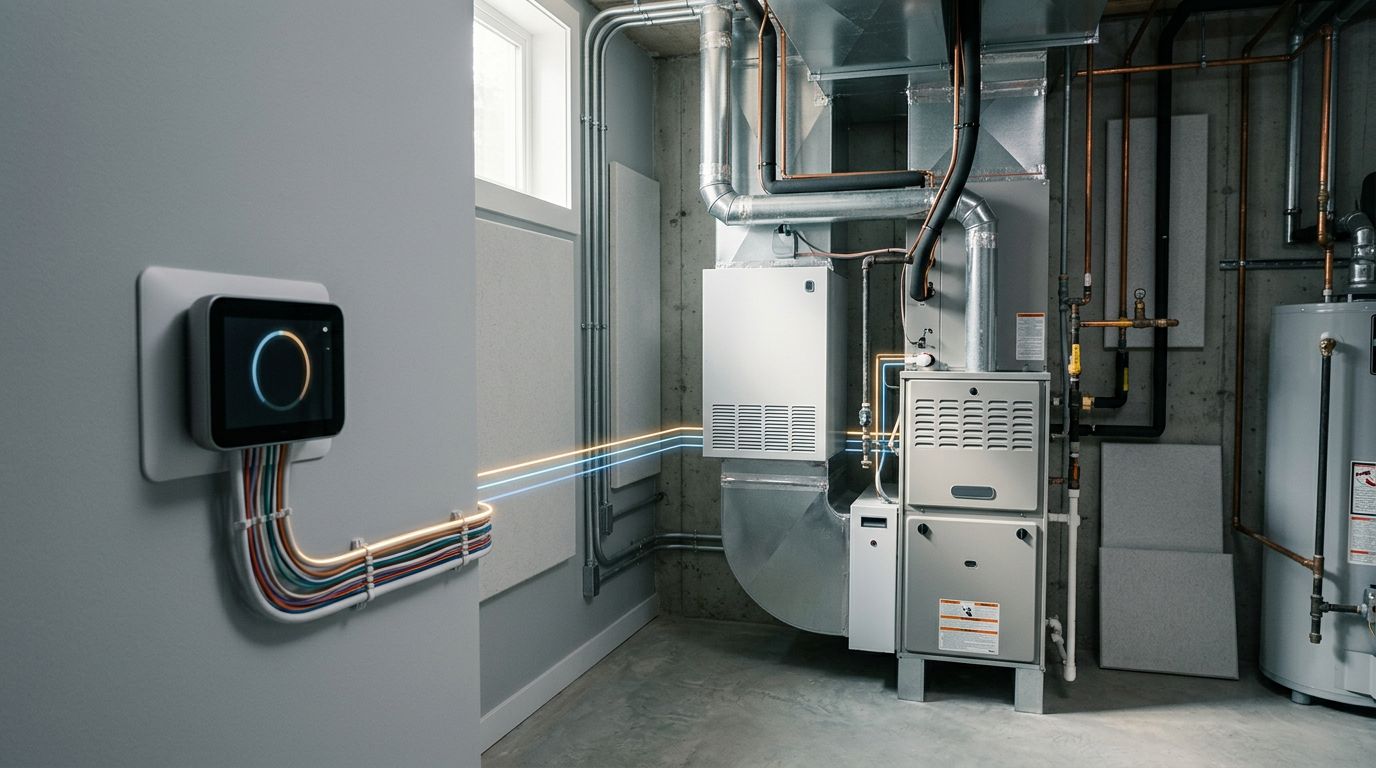
If the fan will not spin, starts and stops, or makes harsh noises, the motor may need to be replaced. A technician can test the motor, capacitor, wiring, and amperage safely.
That kind of diagnosis matters because a condenser fan problem can look like several other AC issues. A trained tech can tell the difference quickly and prevent guesswork.
For homeowners in Southwest Florida, fast service is important. Heavy AC use, humidity, and long run times can turn a small outdoor unit problem into a compressor issue before long.
If the symptoms point to a failed motor, professional air conditioning repair in Cape Coral is the right next step.
Conclusion
A weak airflow complaint, warm air from the vents, strange outdoor noises, stop-and-start fan behavior, higher bills, overheating, and a burning smell all point to trouble at the condenser fan motor.
In Cape Coral, that warning matters more because the AC works so hard for so many months. When the fan can't move heat out of the system, the compressor carries more stress than it should.
If the outdoor fan is not doing its job, don't wait for the next hot afternoon to make things worse. Contact Us to schedule a local HVAC diagnosis and repair.