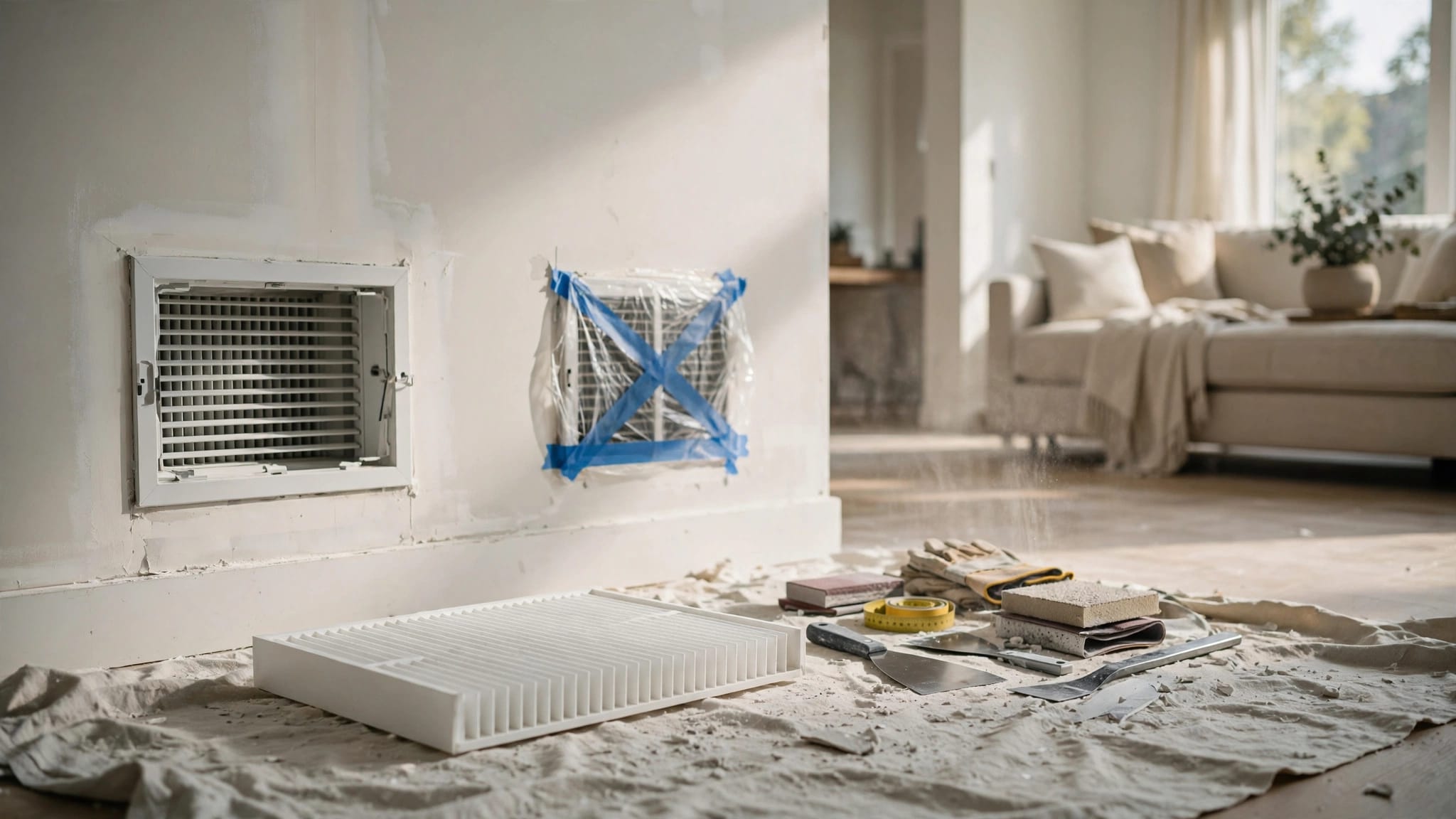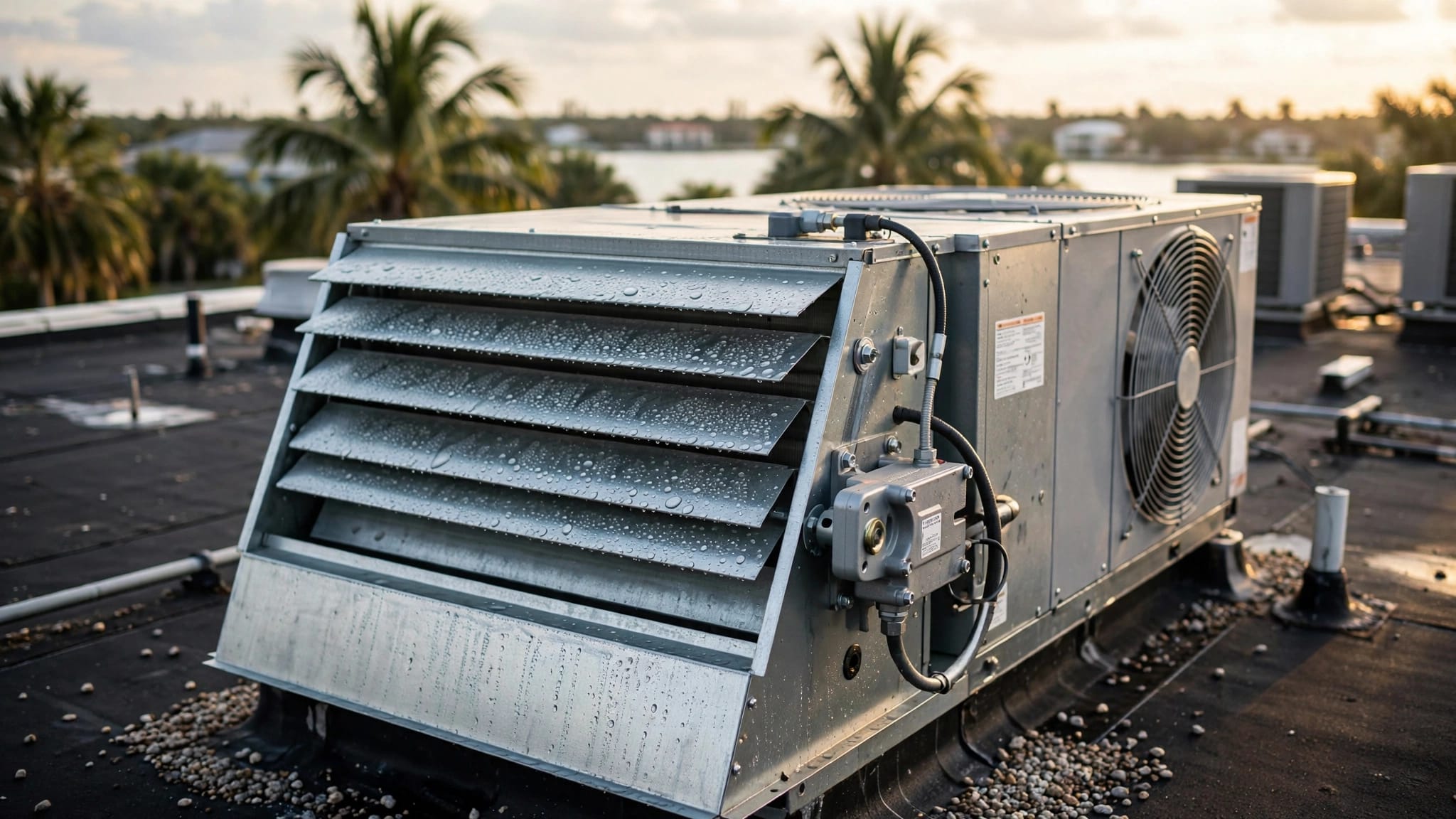
A mold problem can move from annoying to expensive faster than most homeowners expect. The mold remediation cost in Cape Coral for 2026 depends on more than the stain you can see, because moisture, hidden damage, and repairs all shape the final bill.
That matters in Cape Coral. High humidity, summer storms, roof leaks, and AC issues all give mold a place to grow. A small patch in one room may stay manageable, while a wet wall or duct problem can push the job much higher.
What Cape Coral homeowners can expect to pay in 2026
For a normal home in Cape Coral, many mold jobs land in the $3,000 to $6,000 range. Smaller cleanup jobs may cost far less, while large or widespread problems can climb past $10,000.
Here is a simple way to think about the numbers.
| Job size | Typical 2026 cost | What it often includes |
|---|---|---|
| Small contained area | $500 to $2,000 | A bathroom, closet, or small wall section |
| Medium job | $2,000 to $6,000 | A few rooms, limited hidden growth, some demo |
| Large or whole-home job | $6,000 to $12,000+ | Wider spread, more labor, drying, and repairs |
| Area-based pricing | $10 to $30 per sq. ft. | Used when the affected space is easy to measure |
That table gives a starting point, not a fixed quote. A bathroom ceiling with surface growth is a different job from mold behind drywall in a humid attic. The first may stay on the low end. The second can climb fast because it takes more labor, more containment, and more repair work.
A quote that ignores the moisture source often leaves you paying twice.
Why moisture control comes first
Mold cleanup is only part of the job. If water keeps coming in, the problem can come back after the first crew leaves. That is why the source matters as much as the visible growth.
In Cape Coral, the usual causes include roof leaks, storm-driven water intrusion, plumbing leaks, and air conditioning problems. Humid air can also condense on cold surfaces, then feed growth inside walls, closets, and air handlers.

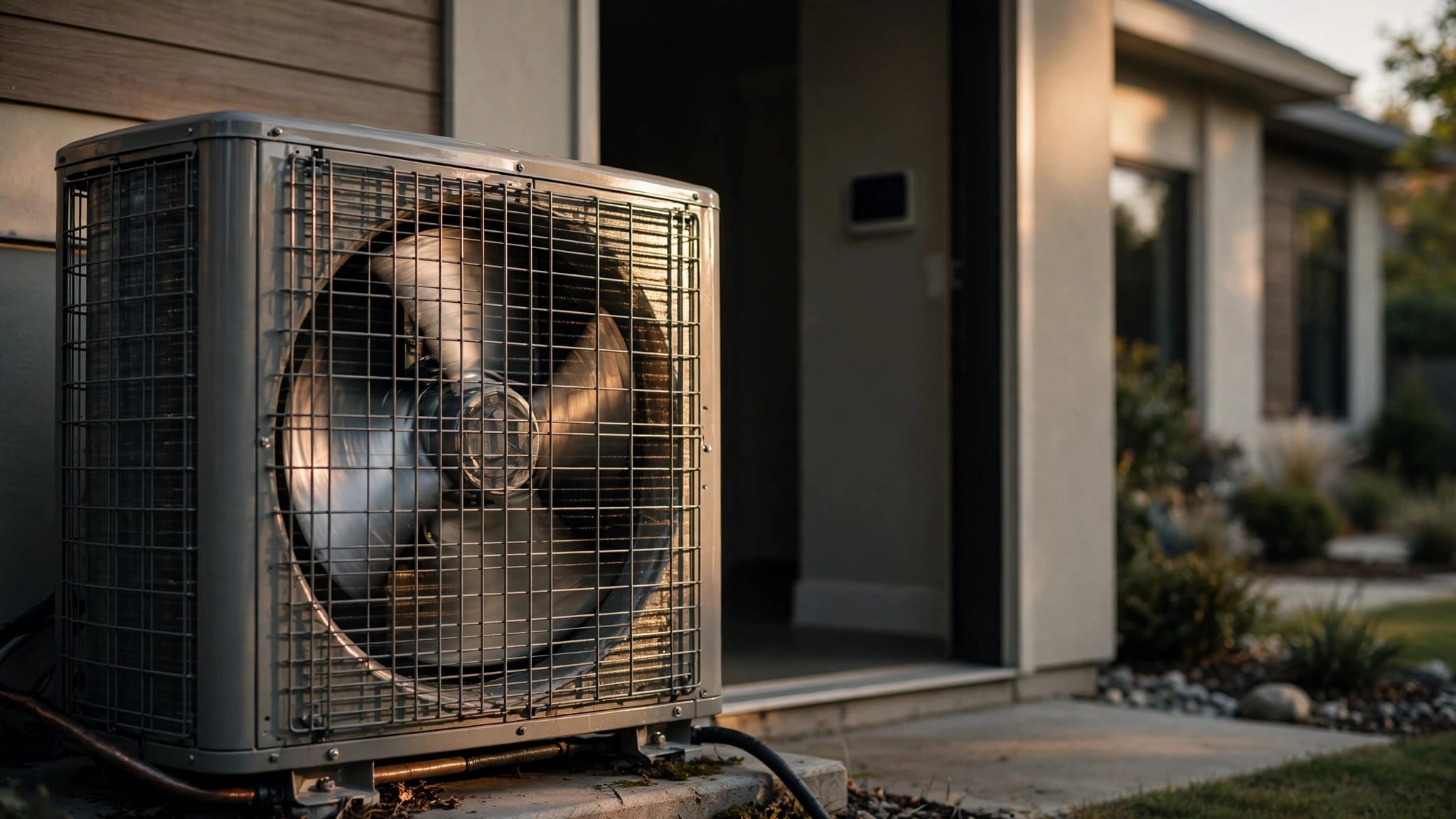
An AC system can be part of the problem, even when the rest of the house looks fine. A clogged drain line, dirty coil, or leaking duct can keep a space damp. Once that happens, mold has a steady food source and a place to spread.
That is why a low bid is not always the best deal. If the moisture source is still active, the home may need another cleanup later.
What changes the price most during inspection
The first inspection tells the story. A small visible patch may hide a larger problem behind drywall or under flooring. On the other hand, a stained wall might only need a limited cleanup if the area stayed dry after the leak was fixed.
If you are still trying to figure out what you are dealing with, professional mold testing and assessment can help show how far the issue has spread and what the next step should be.
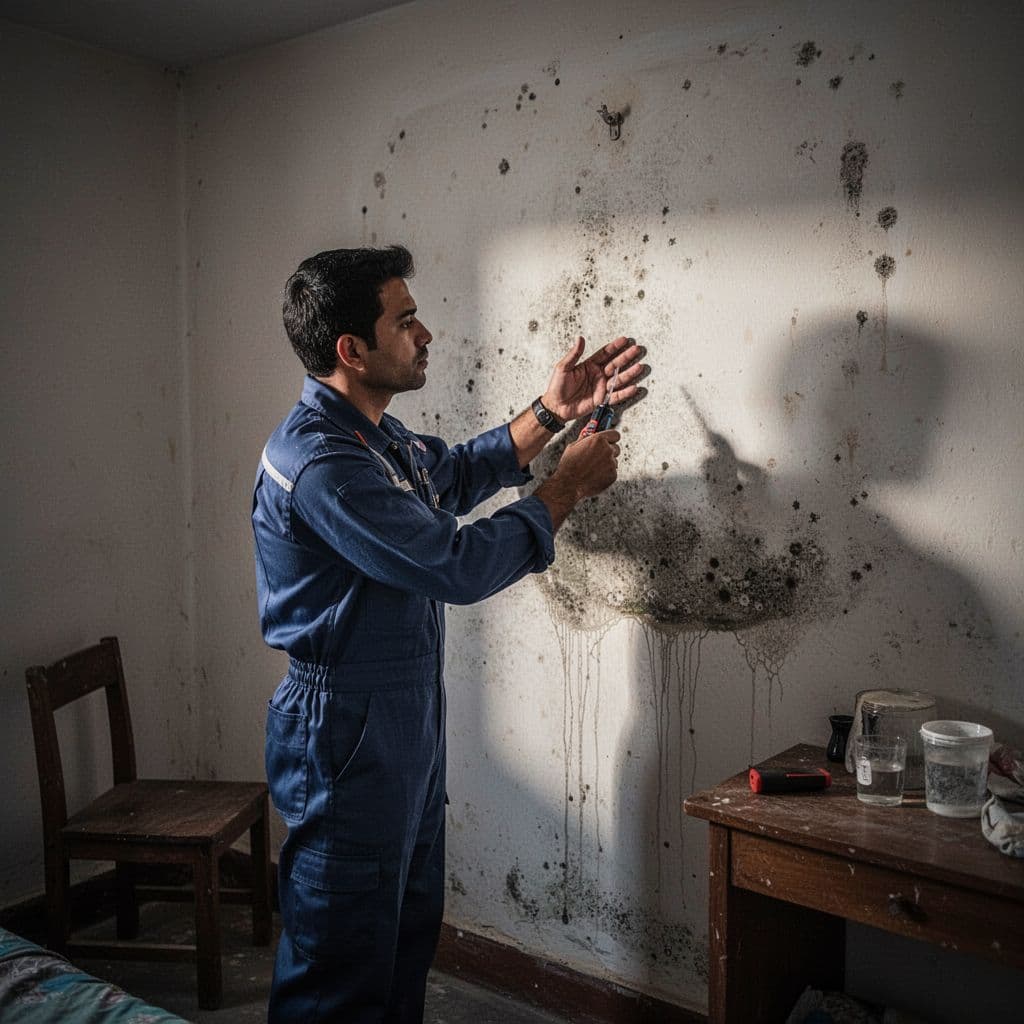
These factors usually move the price the most:
- How far the mold spread : Surface growth costs less than mold inside wall cavities or insulation.
- What materials are affected : Drywall, carpet, and insulation often cost more to remove than hard, nonporous surfaces.
- How easy the area is to reach : Tight attics, crawl spaces, and crowded closets take more time.
- Whether demolition is needed : Once materials are porous and saturated, removal is often the safest option.
- How much containment is required : Larger jobs need barriers, filtration, and careful cleanup to keep spores from moving through the house.
A homeowner may see one damaged corner and expect a small bill. The inspection can reveal a larger affected area, and that is where the price starts to climb. The more hidden the damage, the more work the crew has to do before the space is clean again.
How HVAC and duct problems raise the bill
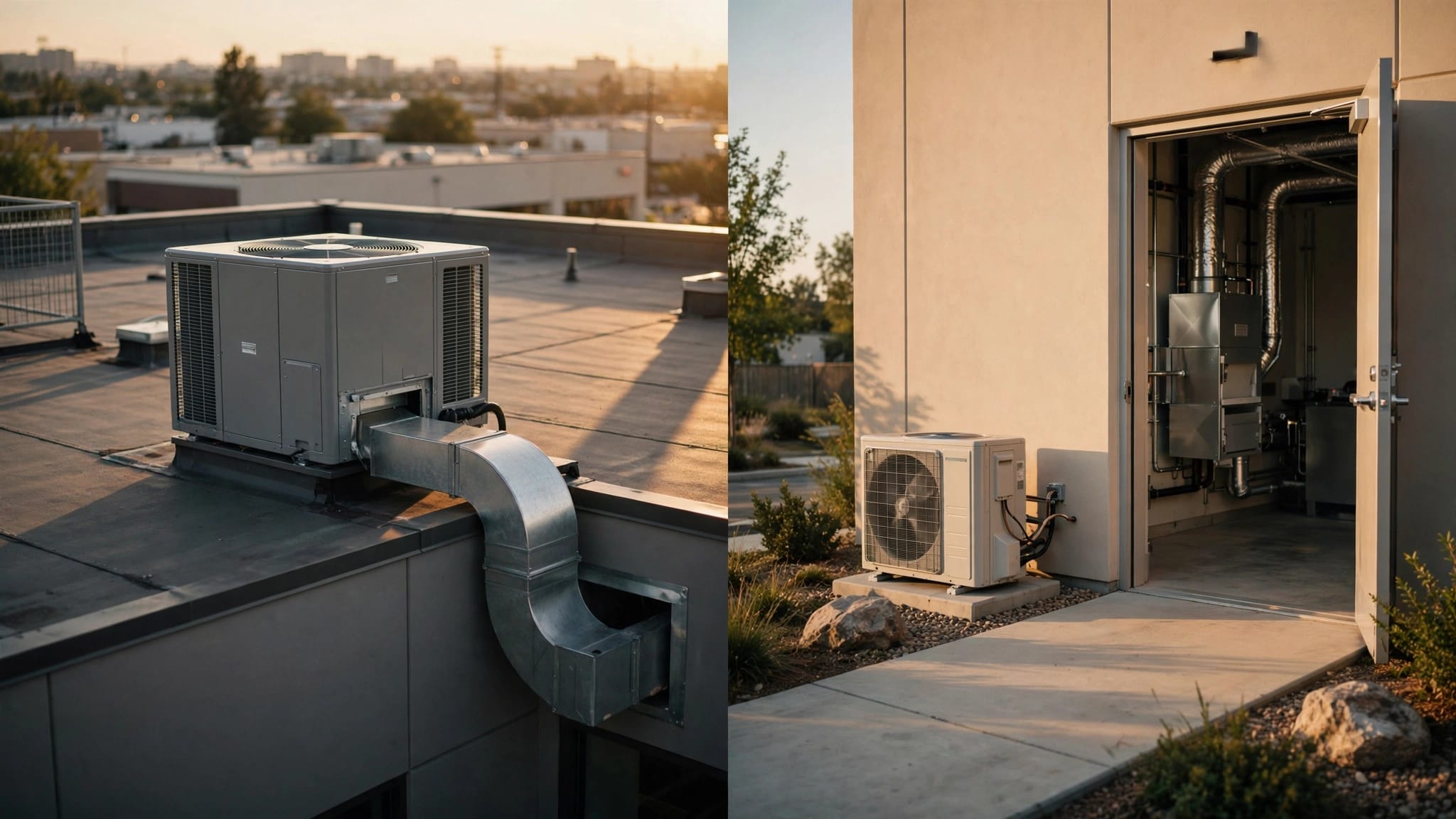
Cape Coral homes depend on cooling systems for comfort, so AC problems often show up as mold problems too. Condensation on coils, blocked drain pans, or wet duct insulation can all create the same result, damp surfaces and musty air.
A system issue can also spread odor through the whole house. If your vents smell stale or wet, why your AC smells musty in Cape Coral is worth a look, because those warning signs often point to hidden moisture in the system.
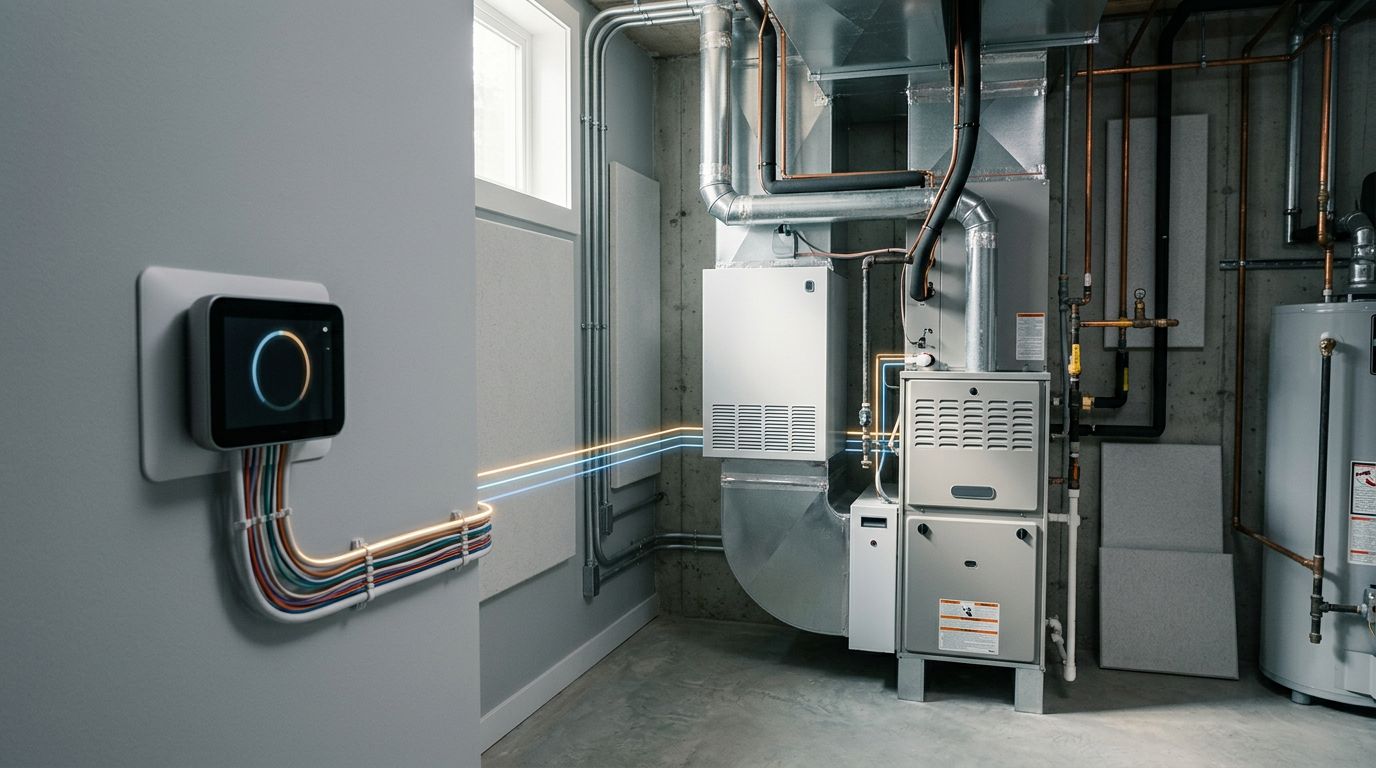
When HVAC equipment is part of the problem, the bill may include more than cleanup. The job could call for coil cleaning, drain repair, duct work, insulation replacement, or air handler service. Each extra step adds labor and materials.
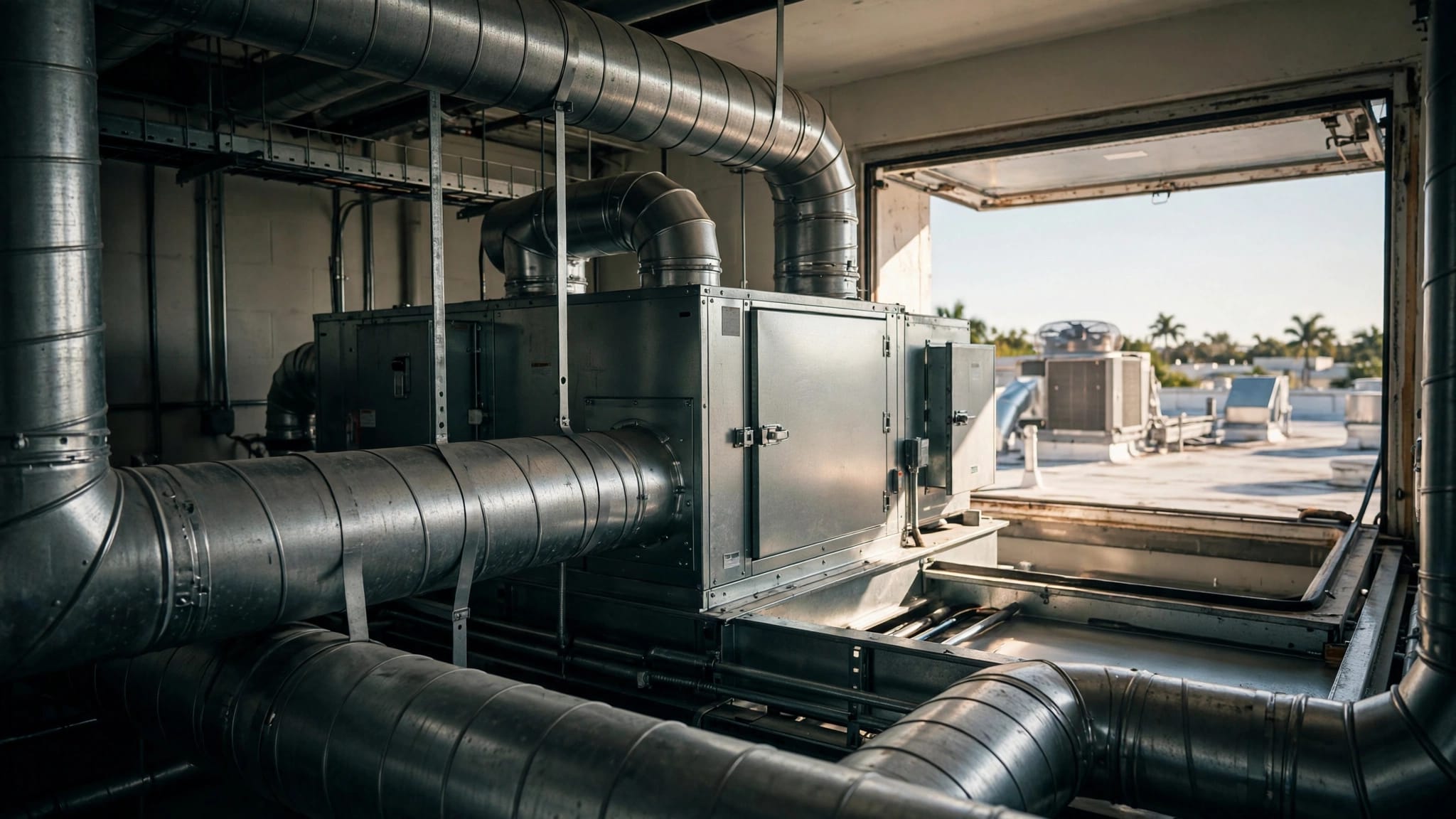
That does not mean every musty system needs a major repair. Sometimes the fix is simple, like clearing a drain line or replacing a wet filter. Still, if mold has reached ducts or the air handler, the cost usually rises because the work has to cover both the contamination and the cause.
Comparing estimates without guessing
A good estimate should explain the whole plan, not just the cleanup price. If the quote only covers visible mold removal, ask what happens to the leak, the damp drywall, and any damaged insulation. Those items often drive the final total just as much as the cleanup crew.
If the damage is active or spreading, professional mold remediation services in Cape Coral should include containment, removal, drying, and a clear path for repairs. That matters because mold work is not complete until the moisture problem is handled.
A fair estimate usually tells you:
- what area is affected,
- how the crew will contain the job,
- what materials need removal,
- whether drying or dehumidifying is part of the work,
- and what repairs are separate from remediation.
If a quote sounds cheap but leaves out those details, it may not be the better deal. You could end up paying again for drywall, insulation, duct sealing, or another visit if the source was missed.
If you see fresh growth, a wet wall, or a musty AC system, Contact Us to schedule a service call and get the issue looked at before it spreads.
Conclusion
The typical mold job in Cape Coral often falls around $3,000 to $6,000 , but that number only helps when you know what it includes. A small, contained cleanup may stay close to the low end, while hidden growth, HVAC issues, and repairs can push the cost much higher.
The strongest takeaway is simple, fix the moisture source first . In a place with heavy humidity and storm risk, that step protects the home and keeps the cleanup from turning into a repeat problem.
A clear estimate should show the scope, the drying plan, and the repair work that comes after removal. When those pieces are spelled out, the price makes more sense, and the job is easier to compare.