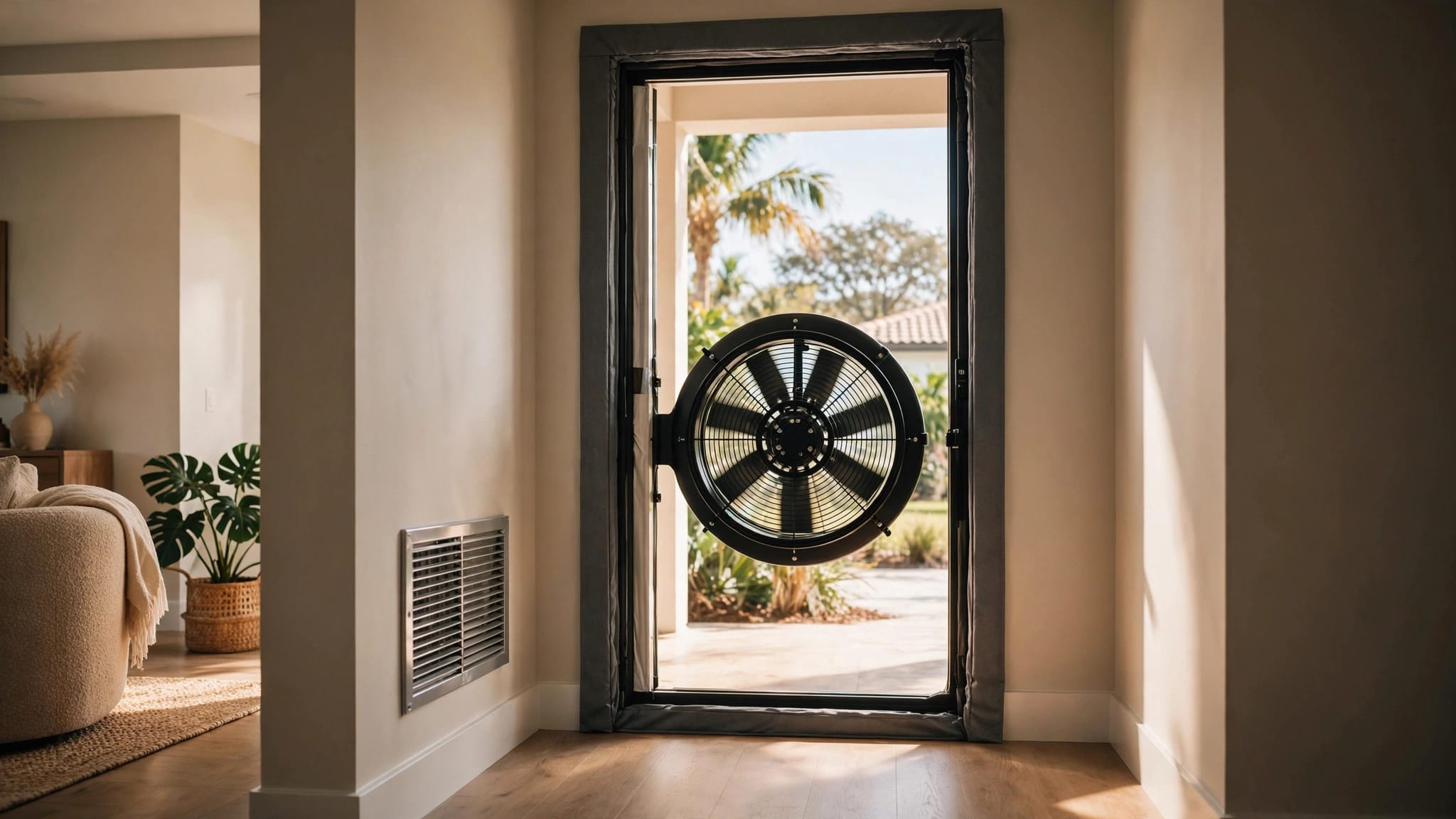
A bad AC contactor can leave your home warm fast, and the repair bill usually isn't huge compared with bigger AC fixes. Still, AC contactor replacement cost in Cape Coral can shift more than many homeowners expect.
For 2026, most local repairs land in a fairly modest range, but labor, service fees, and related electrical issues can push the total higher. If your AC is clicking, humming, or failing to start, the smartest move is to get a real diagnosis before you pay for the wrong part.
What Cape Coral homeowners usually pay in 2026
In Florida, a typical AC contactor replacement often falls around $100 to $250 for the repair itself. When part and labor are bundled, many homeowners see totals closer to $200 to $450. In Cape Coral, that range is a useful starting point, especially if the call happens during normal business hours.
Here's a simple breakdown of common pricing situations.
| Repair situation | Typical 2026 price |
|---|---|
| Part only | $15 to $100+ |
| Standard labor for a contactor swap | $100 to $350 |
| Normal full repair, part and labor | $200 to $450 |
| Fair local quote for a simple job | $150 to $300 |
| Service call or diagnostic fee | $75 to $200 |
A lower quote usually means the issue was caught early and the unit is easy to access. A higher quote often means the technician has to diagnose the problem first, replace more than one part, or work outside normal hours.
A contactor replacement is often a small repair, but the final bill depends on what the technician finds once the panel is open.
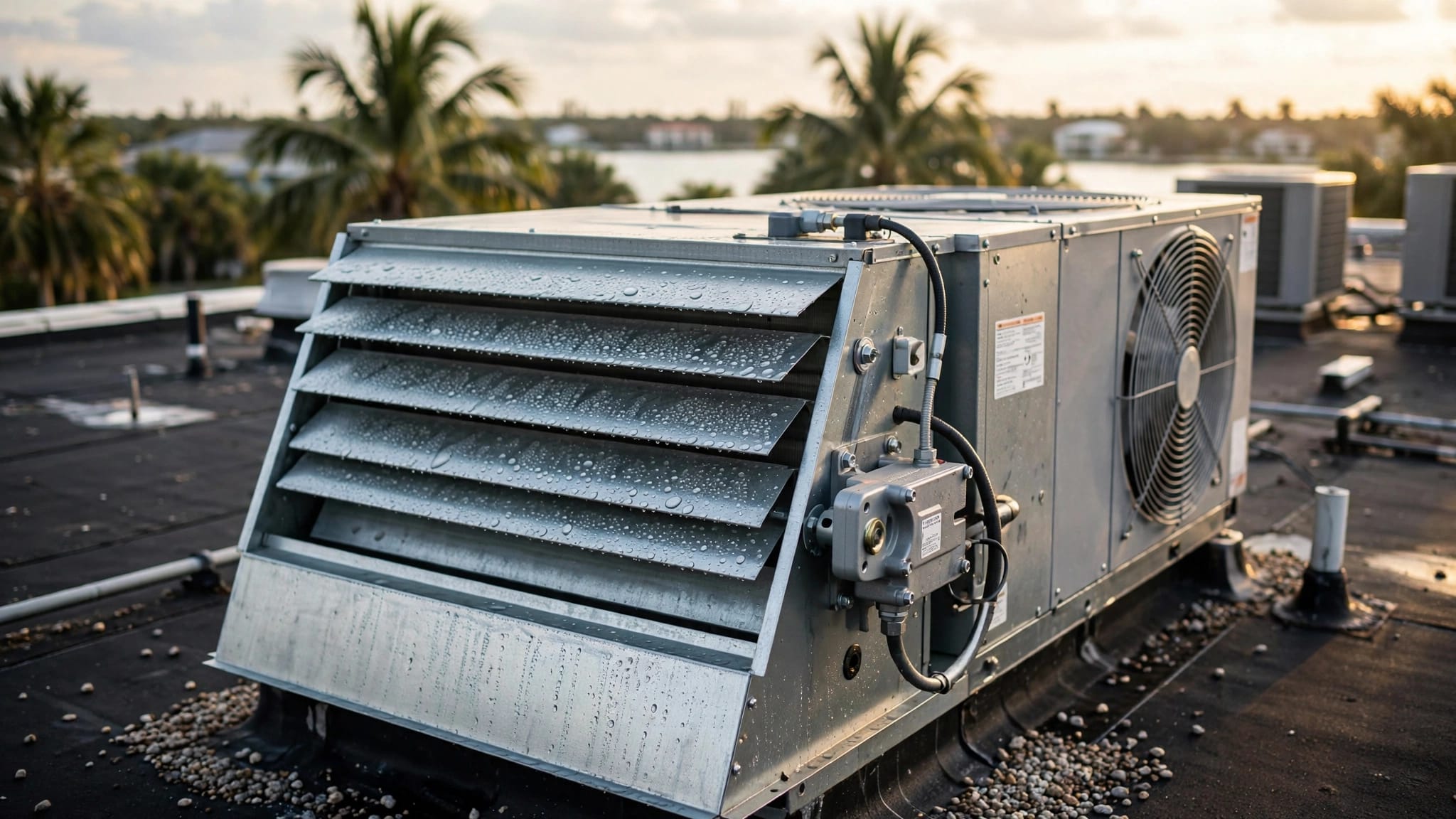
Cape Coral homes also deal with heat, humidity, and salt air. Those conditions can wear outdoor electrical parts faster, so a contactor may fail sooner than you'd expect in a drier area. Even then, the fix is often straightforward if the problem stays limited to that part.
What pushes the final bill up or down
Several details can change the price more than the part itself. The contactor is a relatively inexpensive piece, but the visit around it is what shapes the invoice.
A few common cost drivers are easy to spot:
- Service call fees can add $75 to $200 before any repair starts.
- After-hours or emergency visits usually cost more than a weekday appointment.
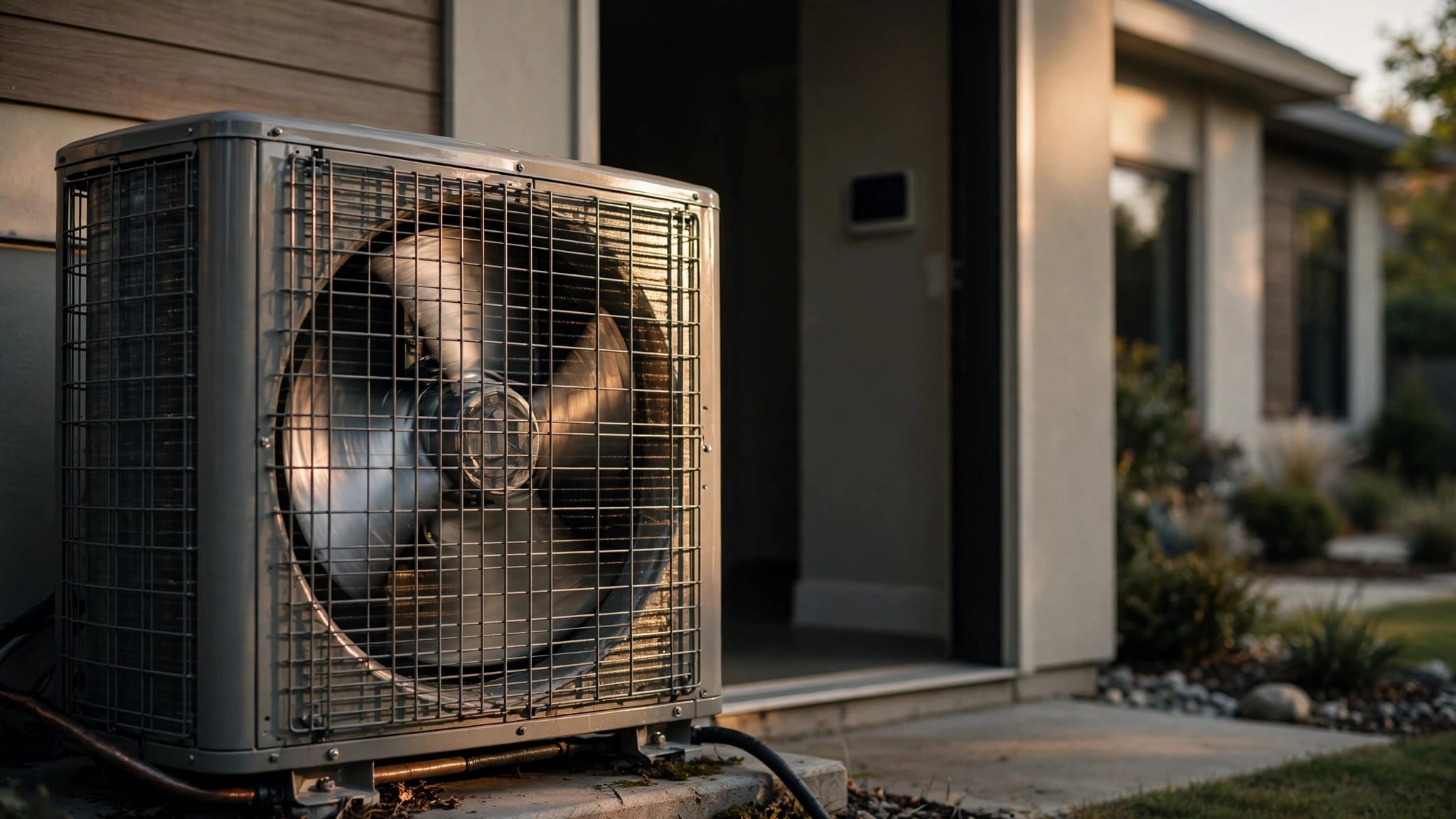
- Access to the outdoor unit matters, especially if the panel is cramped or corroded.
- Part quality can vary, and some contractors install a better-rated replacement.
- Related damage can turn a simple swap into a larger electrical repair.
One more factor matters in Cape Coral homes: corrosion. Moisture and salt exposure can affect terminals, wiring, and nearby parts. If the technician finds burnt connections or loose wires, the bill goes up because the repair is no longer just a part swap.
If you want a better sense of whether the issue starts with the thermostat, the power supply, or the unit itself, troubleshooting AC issues before calling a pro can help you rule out a few simple causes first.
The main point is simple. A cheap part does not always mean a cheap repair. The diagnosis matters as much as the contactor.
Why contactor problems often look like capacitor or thermostat trouble
A failed contactor can look a lot like a bad capacitor or a thermostat problem. That overlap is where many homeowners get frustrated. The outdoor unit may click, hum, or stay silent, and each of those symptoms can point to a different cause.
That is why guessing can waste money. A contactor, capacitor, and thermostat all play different roles in starting the system. When one of them acts up, the AC may fail in a way that looks almost the same from the hallway.
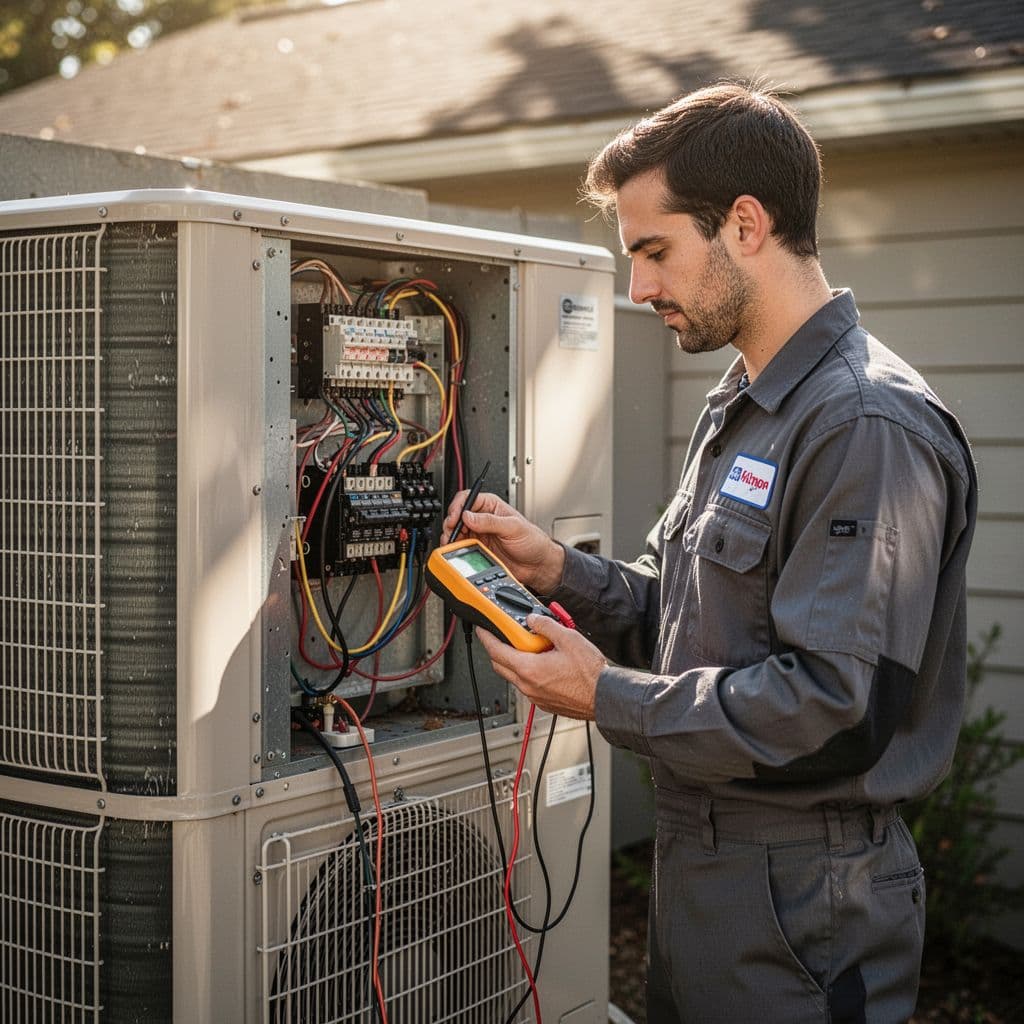
If you want to compare symptoms, signs of a failing AC capacitor are worth reviewing. A weak capacitor can cause humming, hard starts, or a fan that never gets going. A bad contactor can create similar start-up trouble, which is why a technician tests both parts instead of replacing one at random.
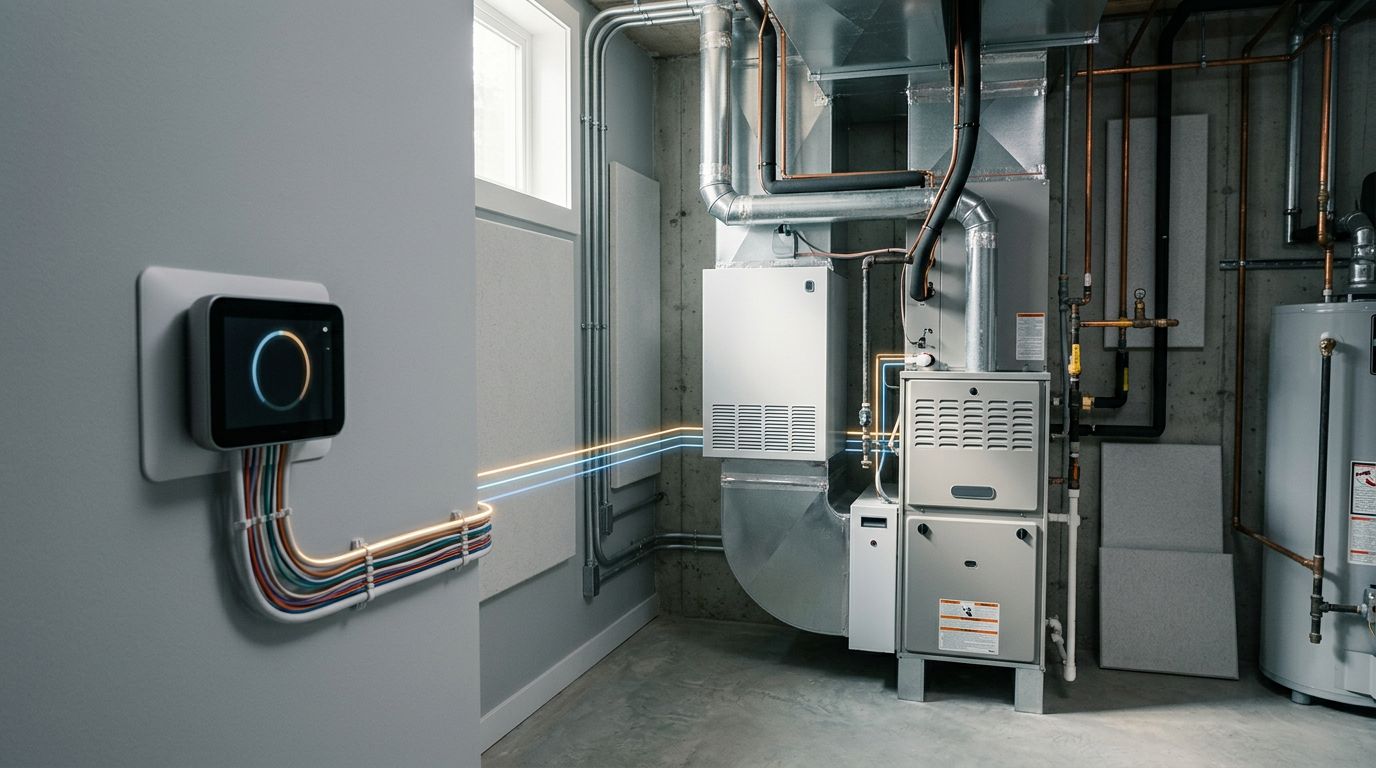
The thermostat can muddy the picture too. A blank screen, dead batteries, bad settings, or a wiring issue can keep the outdoor unit from getting the call to start. For that reason, diagnosing AC startup problems takes a careful check of the whole chain, not just the part that looks tired.
That's also why professional diagnosis matters. A contactor replacement is easy to price once the tech knows it's the real problem. Before that, the cost is only a guess.
When the repair is simple, and when it points to a bigger problem
A straightforward contactor replacement usually looks like a system that won't start, but the rest of the equipment is still in decent shape. The technician opens the outdoor unit, finds a worn or pitted contactor, swaps it, and tests the system. That kind of repair often stays in the lower price range.
The bill gets bigger when the symptoms point elsewhere. Burnt wiring, a weak capacitor, a failing fan motor, or a refrigerant issue can all sit beside a bad contactor. If more than one part has been stressed, the repair changes from a quick fix into a broader service call.
A good technician will check for:
- burnt terminals or melted insulation
- weak pull-in from the contactor coil
- capacitor trouble that keeps the compressor from starting
- thermostat or low-voltage issues
- signs that the compressor is not responding as it should
Here's the key point. The contactor is often the visible failure, but it may not be the only failure. If the outdoor unit was already struggling, the bad part may be a symptom, not the whole story.
Why DIY electrical repair isn't a good idea
HVAC electrical parts carry dangerous voltage, even when the thermostat is off. A contactor sits in a live circuit, and the surrounding components can store energy after shutdown.
That means DIY replacement is not a safe weekend project for most homeowners. A wrong connection can damage the compressor, trip the breaker, or create a shock risk. In Cape Coral, where AC use is heavy for much of the year, that kind of mistake can turn a small repair into a much larger one.
How to compare AC repair quotes in Cape Coral
A fair quote is more useful than a cheap one. When you compare estimates for a contactor repair, look for what the technician is actually including.
A solid quote should spell out the diagnostic fee, the part price, the labor charge, and any added service call cost. It should also say whether the technician found related damage. If a quote is vague, ask what happens if the capacitor or wiring also needs repair.
You should also ask whether the replacement part is standard grade or higher rated for outdoor use. In a coastal area like Cape Coral, a little more attention to durability can make sense if the unit has already seen corrosion.
When you call for help, clear communication saves time and money. Tell the office whether the system hums, clicks, trips the breaker, or refuses to start at all. That helps the technician arrive with a better sense of the likely problem, which can shorten the visit and reduce guesswork. If the system is dead and you need service soon, Contact Us to schedule a service call.
A good repair quote should make you feel informed, not pressured. If the number is low but the diagnosis is thin, that is a red flag. If the price is higher but the tech explains the cause clearly, that often reflects a more honest repair.
Conclusion
A Cape Coral homeowner in 2026 can usually expect a contactor replacement to stay in a manageable range, often around a few hundred dollars with labor. The part itself is affordable, but service fees, access, and related electrical problems can change the final bill.
The most important thing is diagnosis. A contactor issue can look like a capacitor or thermostat problem, so a careful check protects you from paying for the wrong fix. If your AC is clicking, humming, or refusing to start, the right repair starts with finding the real cause, not the most obvious part.