In Cape Coral, your AC does most of the heavy lifting, so the wrong system can feel expensive fast. When homeowners compare heat pump vs straight cool AC , the real question is simple: which one keeps the house cool, dry, and affordable through long humid summers?
The answer depends on how you use your home, how often you need heat, and how much you want to spend up front. Cooling is still the main priority here, because Southwest Florida spends far more time in heat than in cold. The best choice is the one that fits that reality.
How each system handles cooling and heat
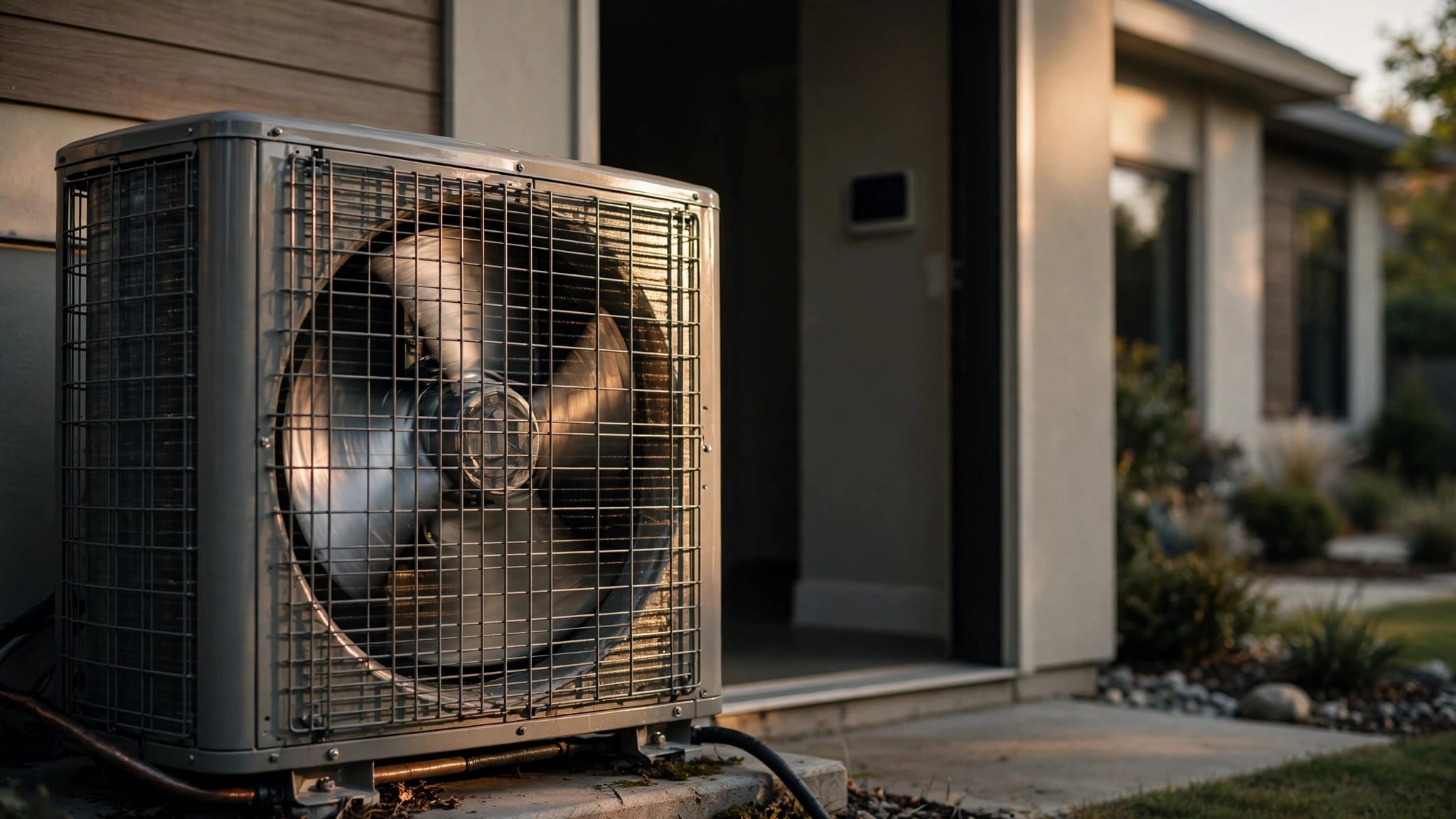
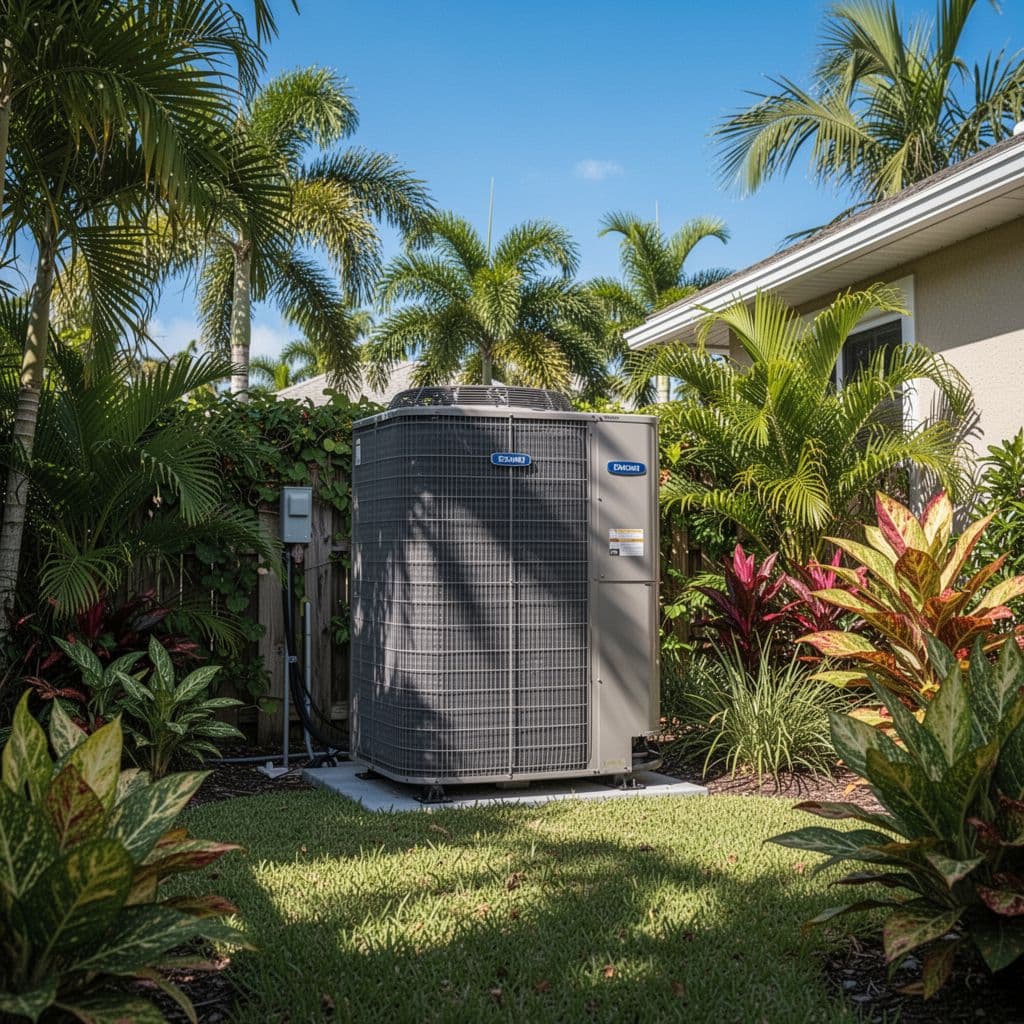
A heat pump and a straight cool AC look similar on the outside, but they do different jobs. A heat pump cools your home in summer, then reverses itself in cooler weather to bring heat inside. It uses the same basic refrigeration cycle in both directions.
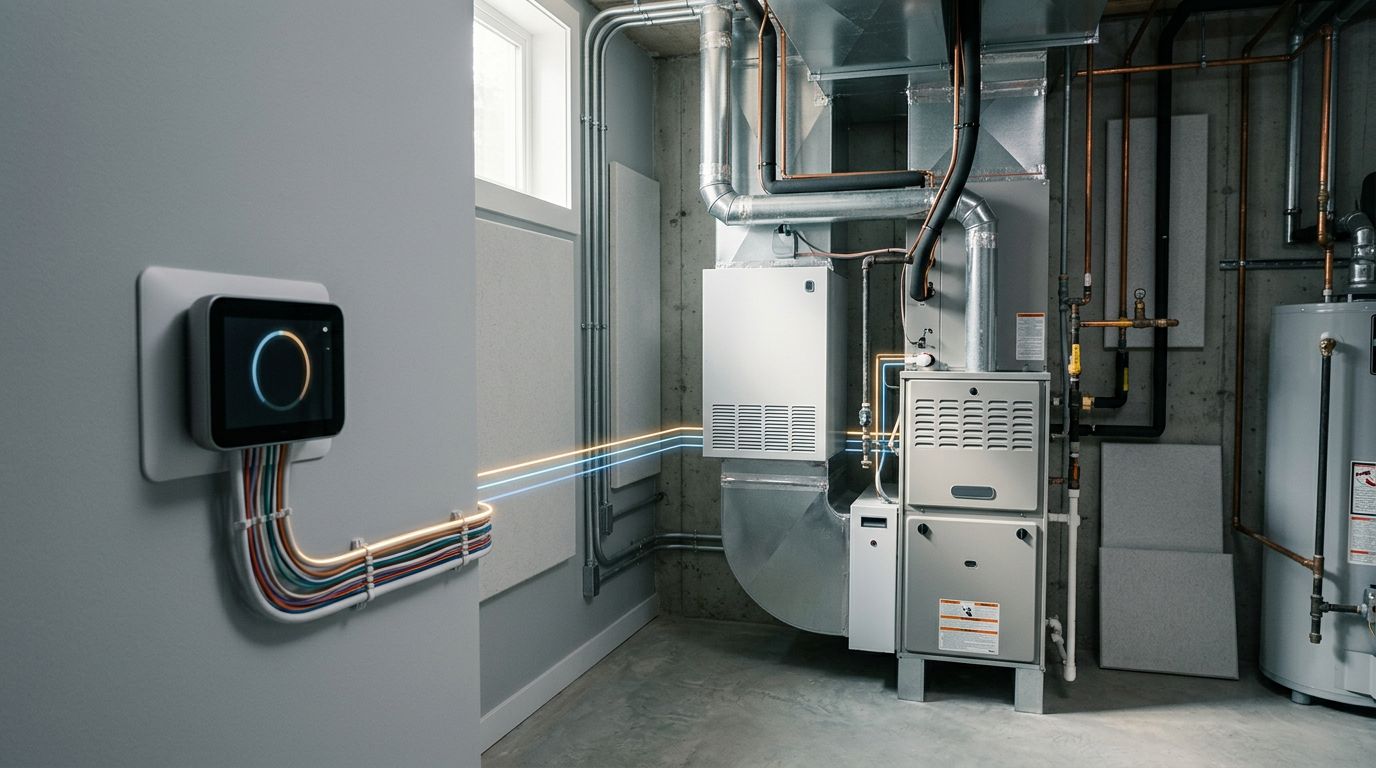
A straight cool AC is simpler. It cools the house, and that is its main job. If you want heat, the system usually pairs with an air handler and electric heat strips inside the home. Those strips make heat with electricity when the thermostat calls for it.
That setup works fine for Cape Coral because winter is mild. Most homes here spend far more time cooling than heating. So when you compare equipment, the cooling side should lead the conversation, not the heating side.
If you're already comparing replacement options, air conditioning installation in Cape Coral matters because sizing, ductwork, and setup affect comfort more than the name on the equipment.
Heat pump vs straight cool AC: a side-by-side look
A simple comparison helps cut through the sales talk. Here is how the two options usually stack up for a Cape Coral home.
| Feature | Heat Pump | Straight Cool AC with Electric Heat |
|---|---|---|
| Upfront cost | Usually a bit higher | Usually lower |
| Summer cooling | Very similar when sized well | Very similar when sized well |
| Winter heating | Efficient for mild weather | Uses electric heat strips, which cost more to run |
| Dehumidification | Depends on system size and run time | Depends on system size and run time |
| Maintenance | More moving parts to inspect | Simpler outside, but heat strips still need checks |
| Repair complexity | Can be more complex | Often simpler on the cooling side |
| Best fit | Homes that want efficient mild-season heat | Homes that care most about lower purchase price |
The table tells the real story. Cooling is close to a tie if the system is installed right. The difference shows up in heating and in the cost to make that heat.
A heat pump can save money during the few cool months we get. A straight cool system usually wins on purchase price, which matters if you want the lowest upfront bill. For many Cape Coral homeowners, that tradeoff is the whole decision.
Why Cape Coral weather changes the answer
Southwest Florida is hot, humid, and long on cooling season. That changes the weight of every HVAC choice. A system that feels great in a northern state may not make sense here.
In Cape Coral, a comfortable home feels dry first and cold second.
That is why dehumidification matters so much. An AC that is too large can cool the air fast and shut off too soon. When that happens, the house may still feel sticky. A properly sized system runs long enough to pull moisture from the air.
Heat pumps and straight cool systems both remove humidity when they are sized and installed well. So the label on the unit matters less than the setup. Good ductwork, correct sizing, and proper airflow make the bigger difference.
Another local factor is our mild winter. Cape Coral gets cool snaps, but not long cold seasons. That means the heat side of the system is a backup for most homes, not the main event. Because of that, cooling comfort, humidity control, and monthly electric use should guide the decision more than heating features.
Maintenance, repairs, and long-term ownership
Every HVAC system needs care, but the service points are a little different. A heat pump has extra parts that a straight cool system does not use in the same way. The reversing valve and defrost controls add complexity, so there is more to inspect during a tune-up.
Straight cool AC systems are simpler on the outdoor side. Still, the indoor heat strips need attention if you use them. If those strips fail, you can lose your backup heat on a cool morning.
Cape Coral weather can be hard on equipment. Humidity, rain, and salt air can dirty coils and clog drain lines faster than many homeowners expect. That is why regular maintenance matters. A dirty coil or weak airflow can hurt comfort, raise bills, and shorten equipment life.
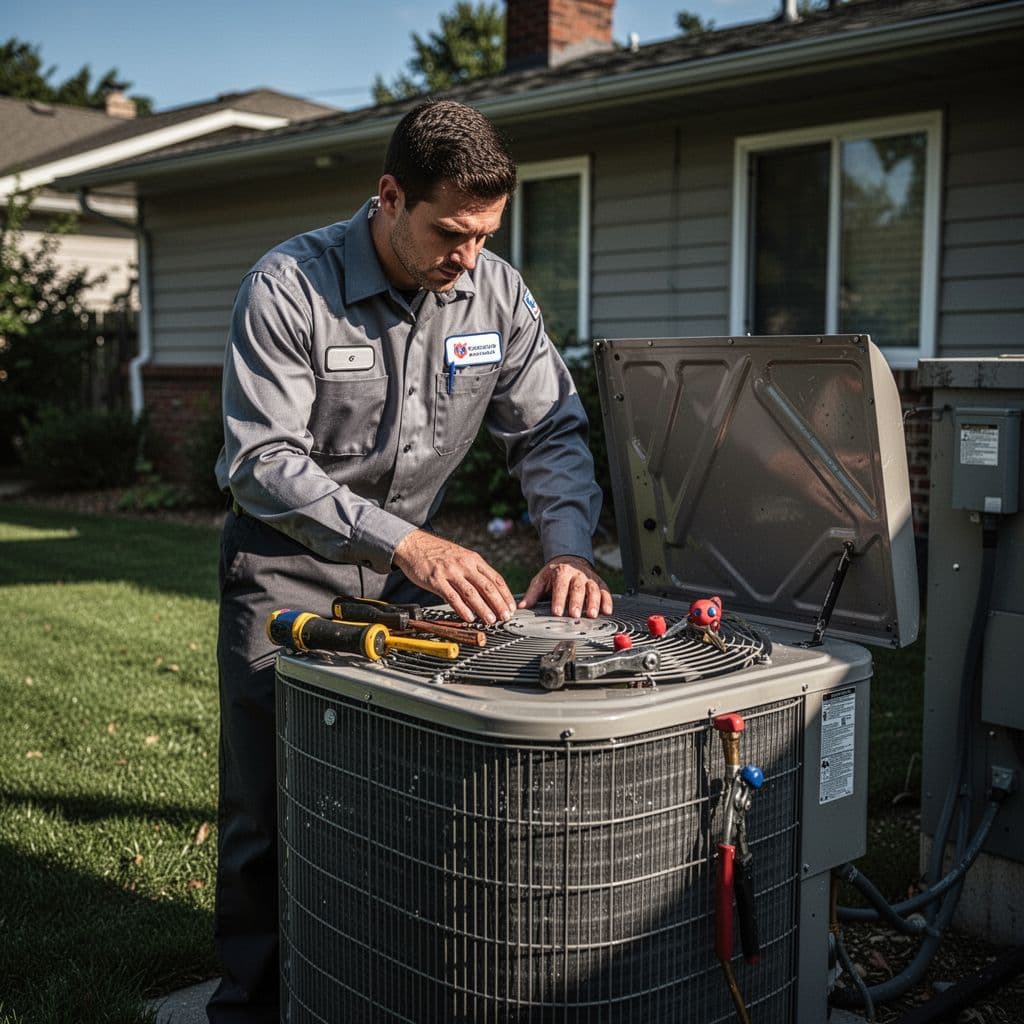
If you want a local team to check the whole system, Cape Coral HVAC services can cover the outdoor unit, drain line, ductwork, and heat strips in one visit. That kind of service matters because small problems often show up as higher bills before they become a full breakdown.
Repair costs can also differ over time. Heat pumps may cost a little more to fix because they have more parts. Straight cool systems may be simpler to repair, but electric heat strip issues can still surprise people during the few times they need heat. Either way, routine service lowers the odds of a sudden failure.
Which option fits your home best
For most Cape Coral homeowners, the choice comes down to three questions: how much you want to spend now, how often you use heat, and how much you care about winter efficiency.
- Choose a heat pump if you want one system for both cooling and mild-weather heating, and you do not mind paying a little more up front.
- Choose a straight cool AC with electric heat if you want the lower purchase price and only need heat as a backup.
- Focus on a well-sized system if your top priority is summer comfort, lower humidity, and fewer hot spots in the house.
If your home is occupied year-round, a heat pump can make sense because it handles both seasons with one piece of equipment. If your family rarely uses heat, straight cool AC is often the practical choice. For many buyers, that lower upfront cost is easy to justify.
The best time to compare both options is before your old system fails. That gives you room to look at equipment, installation quality, and long-term operating cost instead of rushing through a hot afternoon decision. If you want help weighing both options for your home, Contact Us to schedule a service call or replacement quote.
Conclusion
In Cape Coral, cooling performance comes first. A heat pump and a straight cool AC can both do that job well, but they pay off in different ways.
A heat pump makes more sense if you want efficient mild-season heat. A straight cool AC usually makes sense if you want the lower upfront price and heat is only a backup. Either way, the right installation is what keeps your home comfortable when the humidity climbs.