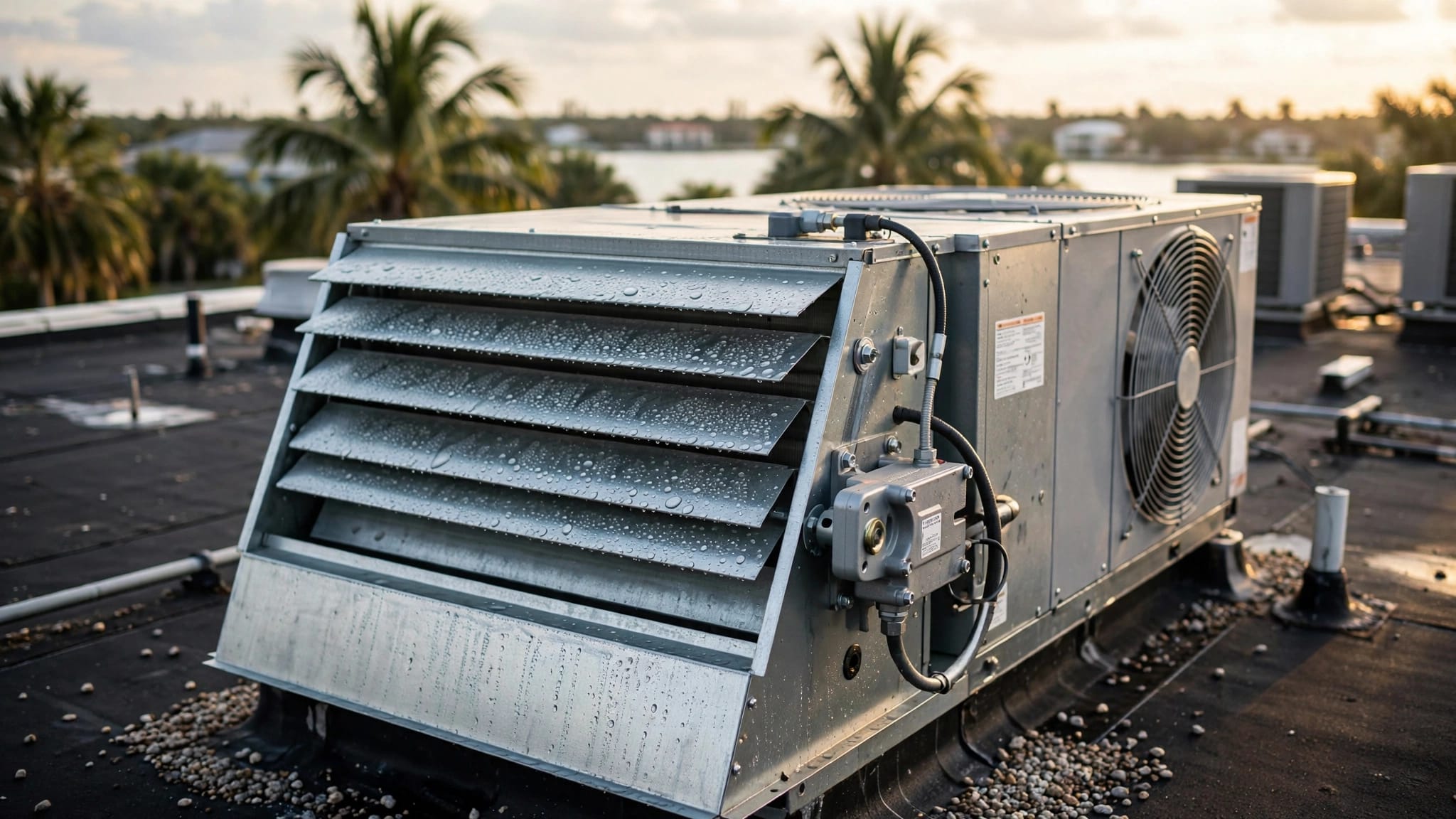
If you spot water on your AC vents, the problem is not the vent itself. In Cape Coral, warm, sticky air can hit cold duct metal and turn into condensation fast. That moisture can stain ceilings, feed mildew, and point to a bigger airflow issue.
A wet vent is common in Florida, but it should not be ignored. Humidity, insulation gaps, air leaks, dirty filters, restricted airflow, and short-cycling systems all play a part. The next few sections show why it happens and what you can do before it turns into a larger repair.
Why Florida humidity makes vents sweat
Cape Coral homes fight moisture almost year-round. When humid air touches a surface cold enough, water forms on it. That can happen on vent covers, metal collars, and the first few feet of ductwork. The problem gets worse when the AC has to move cold air through a hot attic.
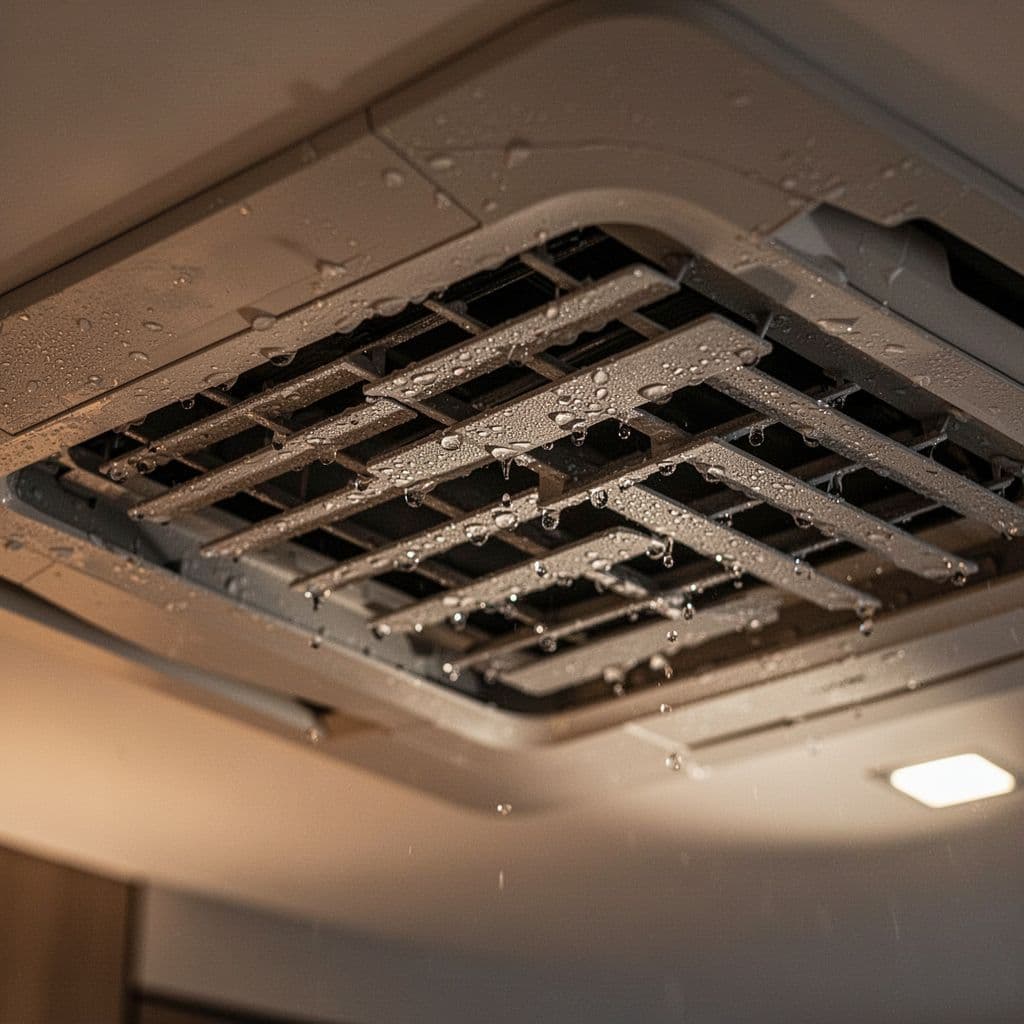
Duct insulation matters here. If the wrap is thin, loose, or damaged, the duct surface cools faster than it should. Then the outside of the metal can sit below the dew point, which means water starts to form even though the room itself feels normal. Mold likes that kind of damp surface.
Even small leaks around a ceiling register can make the problem show up at the vent. A gap lets damp room air reach the cold metal, and condensation begins the same way it does on a cold glass on a summer day. Add low supply-air temperatures, and the vent has even less room to stay dry.
What usually causes sweating AC vents
Humidity sets the stage, but the equipment and ductwork decide how bad the problem gets. In many Cape Coral homes, the issue comes from more than one weak spot at once.
Dirty filters and blocked airflow
A dirty filter cuts the amount of air moving through the system. Less air across the coil can make the supply air colder than normal, and the vent surface gets colder too. Then humid room air hits that cold metal and moisture shows up fast. Closed registers, dusty returns, and furniture pushed too close to vents can do the same thing. When airflow is choked off, the AC has a harder time drying the house.
Leaky ducts and weak insulation
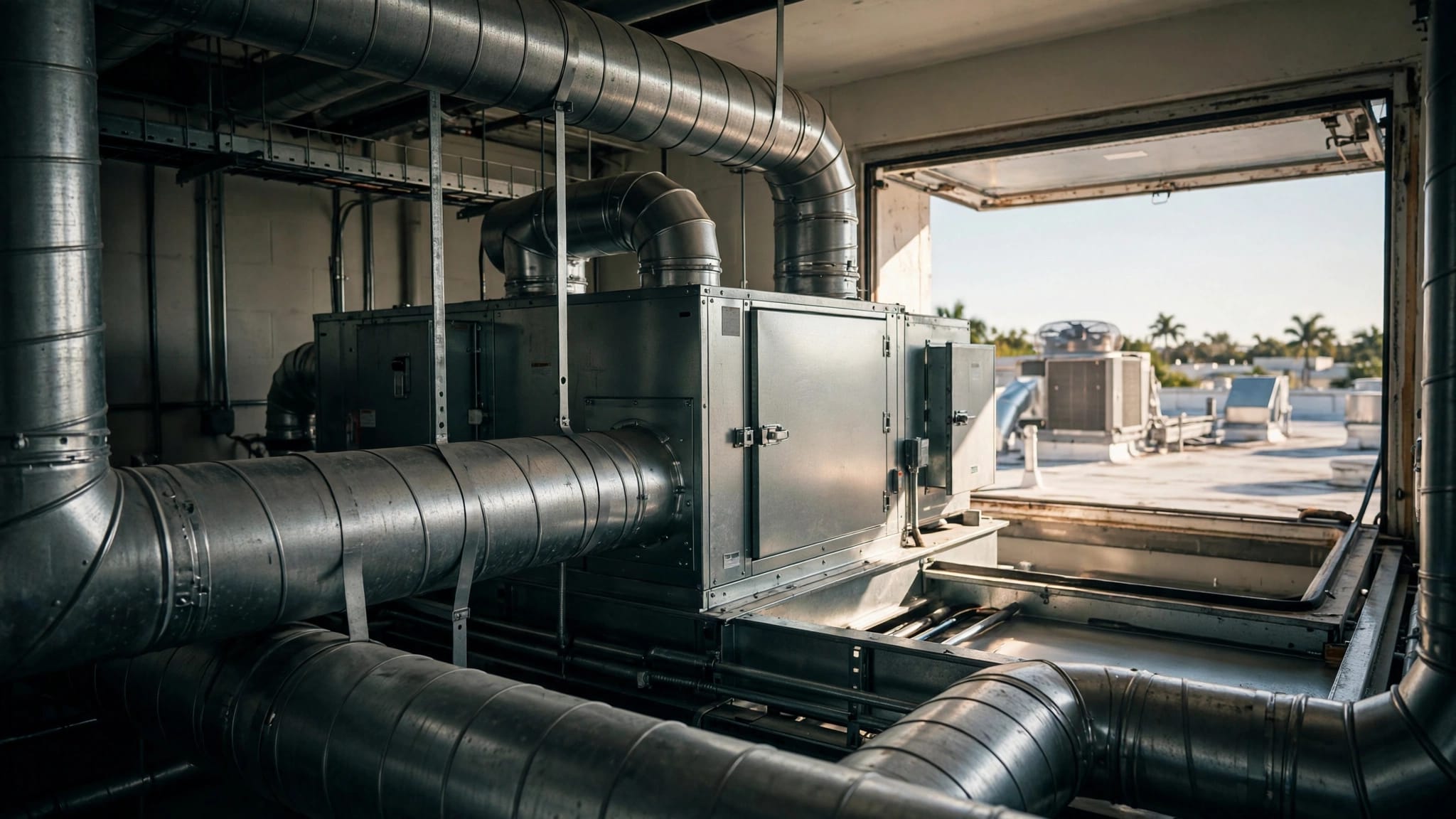
Ducts in a Cape Coral attic take a beating. If the insulation is torn, thin, or missing, the duct skin can cool down enough for moisture to form on the outside. Leaky seams make it worse because warm, damp attic air reaches the cold surface. In that case, the vent is only the place where the problem becomes easy to see. You may also notice a ceiling spot or a damp smell near the grille.
Oversized systems that short-cycle
An oversized AC cools the house quickly, then shuts off before it pulls enough moisture out of the air. The rooms may feel cool, but they still feel sticky. Because the unit turns on and off in short bursts, the air never stays moving long enough to dry the space well. That kind of short-cycling leaves vents, ducts, and nearby surfaces wet more often. It also wears the system out faster.
When those problems stack up, the vent is not the cause. It is the warning light.
Warning signs that the problem is getting worse
One damp register on a muggy afternoon is one thing. Repeated wet spots, stains, or a musty smell are different. Water usually leaves clues before it causes damage.
- The vent drips instead of just feeling cool.
- The ceiling paint around it turns yellow, bubbles, or peels.
- The room smells musty after the AC runs.
- Airflow feels weak in part of the house.
- You notice wet dust, rust, or mildew near the grille.
- The vent looks darker than the others after the AC shuts off.
If two or more of those show up at once, the issue is usually more than normal Florida humidity. The system may be pulling too little air, losing cold air in the attic, or cooling in short bursts.
A vent that sweats once is a nuisance. A vent that keeps sweating is a warning.
That is the point where cleanup stops helping.
What to check first before you call for help
A few quick checks can narrow the cause. They do not replace a repair, but they can show whether the issue is simple or system-wide.
- Replace the air filter if it looks dirty or gray. A fresh filter helps restore airflow fast.
- Walk from room to room and compare vents. If only one or two sweat, the problem may be local. If many do, the ductwork or system may be at fault.
- Make sure supply and return vents are open and clear. A closed vent or blocked return can throw off the balance.
- Look at the attic side of the system, if it's safe to do so. Loose insulation, wet duct wrap, or obvious gaps around ducts point to a moisture leak.
If the vents dry out after a filter change and a clear path for air, the fix may be simple. If they stay wet, the AC needs a closer look. That comparison tells you whether the moisture is tied to one room or the whole air system.
How to prevent vent condensation
Start with the easy fixes. Change dirty filters on schedule, keep supply and return vents open, and make sure furniture, rugs, or curtains are not blocking airflow. Those simple steps help the system move enough air to stay balanced.
Next, check the attic side of the system. Duct insulation should be snug, dry, and intact. If you see loose wrap, torn seams, or gaps around the metal, the duct may be losing cold air before it reaches the room. Sealing air leaks and fixing damaged insulation can make a big difference in a humid home.
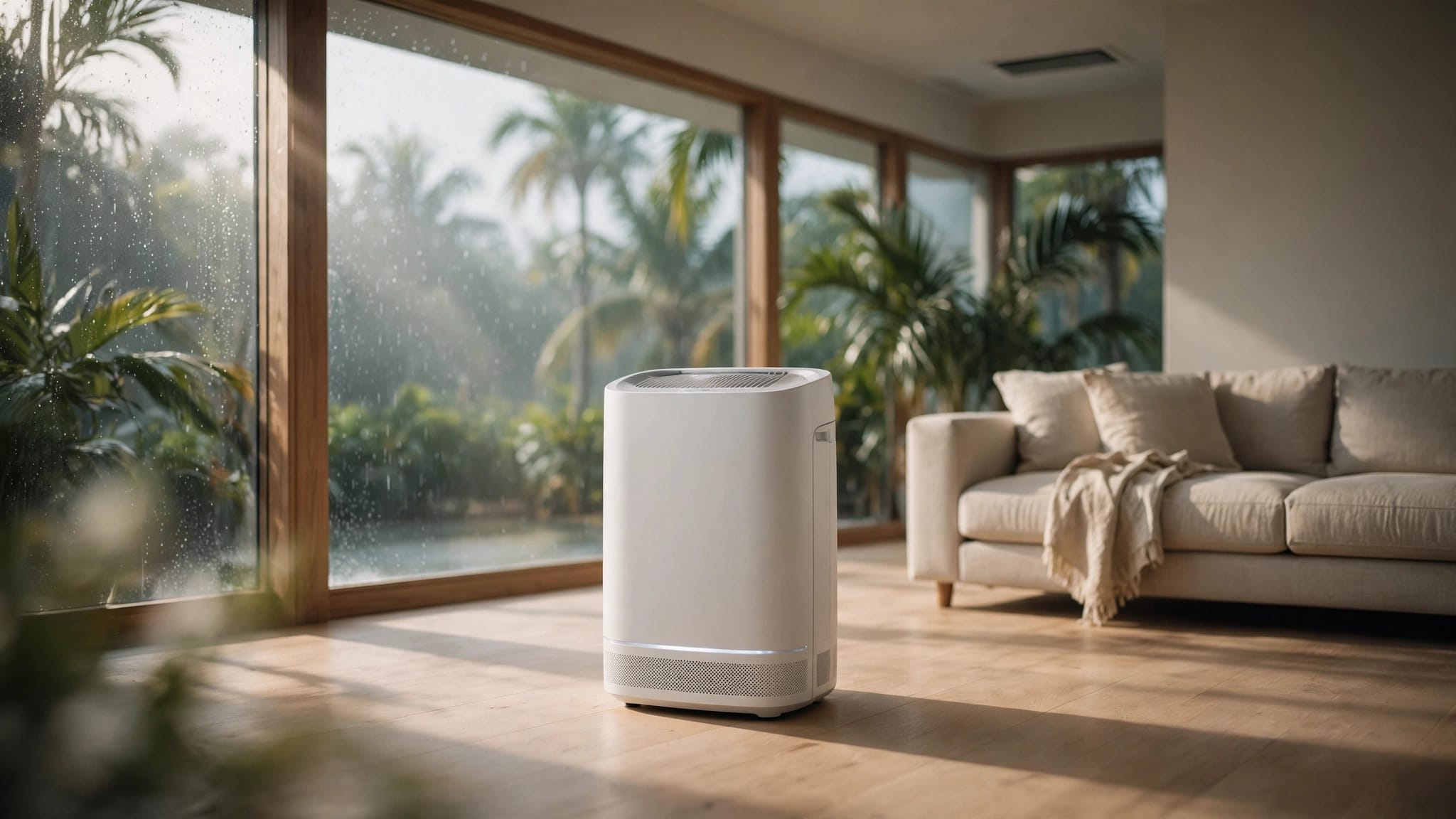
A seasonal tune-up helps too. A visit for professional HVAC maintenance in Cape Coral can catch low airflow, dirty coils, and duct issues before they turn into water on the ceiling. If the house still feels sticky after those basics, ask about humidity control or a dehumidifier. In Cape Coral, that extra step can keep the AC from fighting moisture all day. That keeps the vents dry and the comfort level steadier.
When sweating vents points to a bigger HVAC problem
If the same vent keeps sweating after a filter change, the problem may sit deeper in the system. A weak blower, dirty evaporator coil, damaged ductwork, or a unit that short-cycles can leave the home damp and the vents cold enough to sweat. Multiple wet vents are a stronger sign that the whole system needs a look.
Watch for whole-house patterns. Rooms that never dry out, repeated musty smells, or uneven temperatures point to more than a surface issue. In those cases, professional AC repair services can help track down the source before the moisture spreads. If water keeps coming back, or if you see stains, rust, or mold near the grille, Contact Us to schedule a service call.
The longer moisture sits, the more likely it is to stain drywall or affect indoor air quality.
Conclusion
Sweating vents look small, but they usually point to a real comfort problem. In Cape Coral, the usual causes are humid attic air, weak insulation, air leaks, dirty filters, restricted airflow, and systems that cool too hard or cycle too fast.
Catch it early, and the fix is often simple. If the vent keeps beading water, pay attention before the ceiling stains, rust, or musty odors show up. A dry vent usually means the system is moving air the way it should.