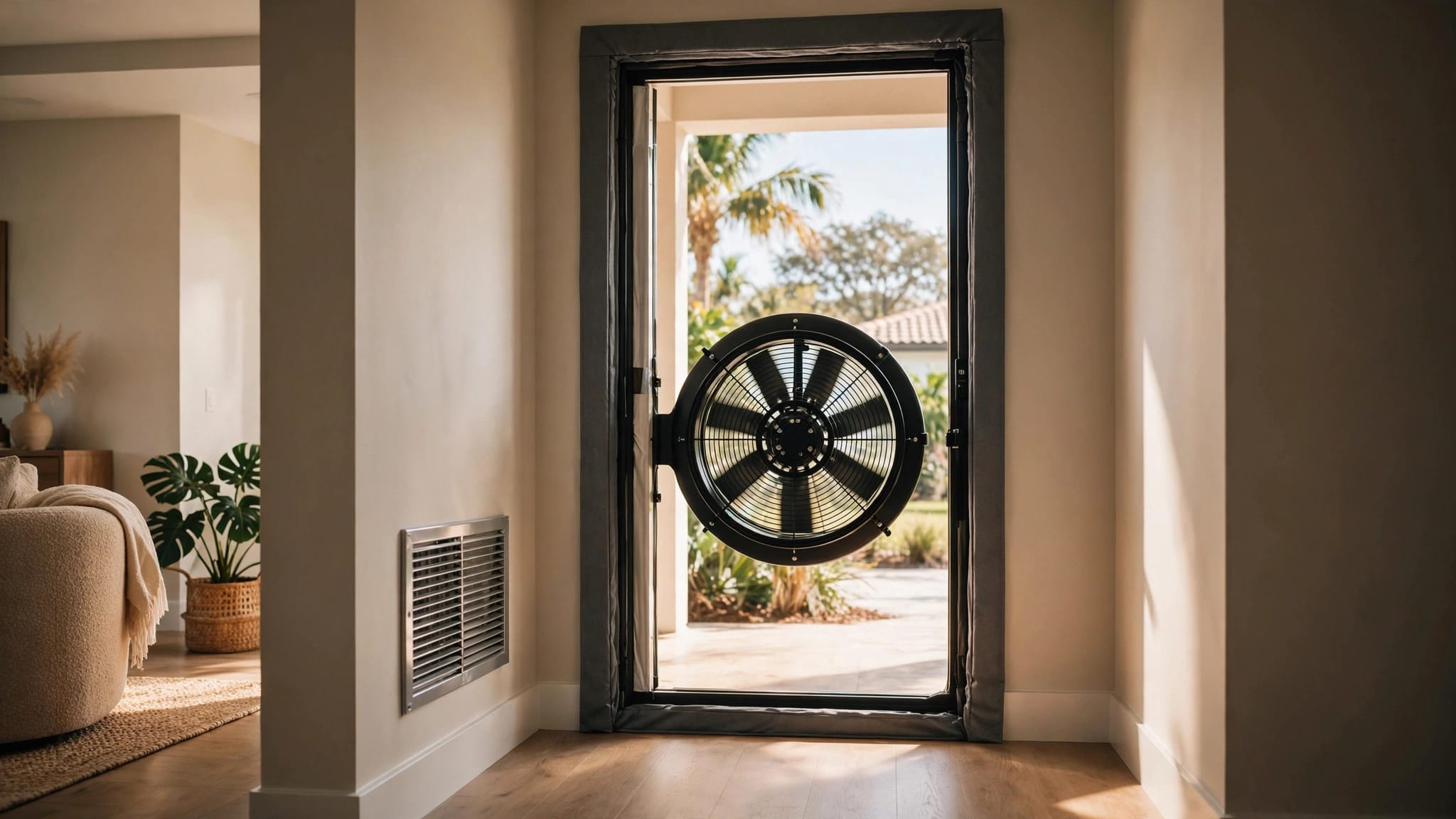
In Cape Coral, the cheapest AC system on paper can become the most expensive one to live with. Heat, humidity, and long run times change the math fast.
When homeowners compare AC systems in Cape Coral , the best choice is rarely about brand names alone. It's about how well the system handles sticky air, salty outdoor conditions, and the fact that your AC works hard for much of the year.
Why Cape Coral changes the AC conversation
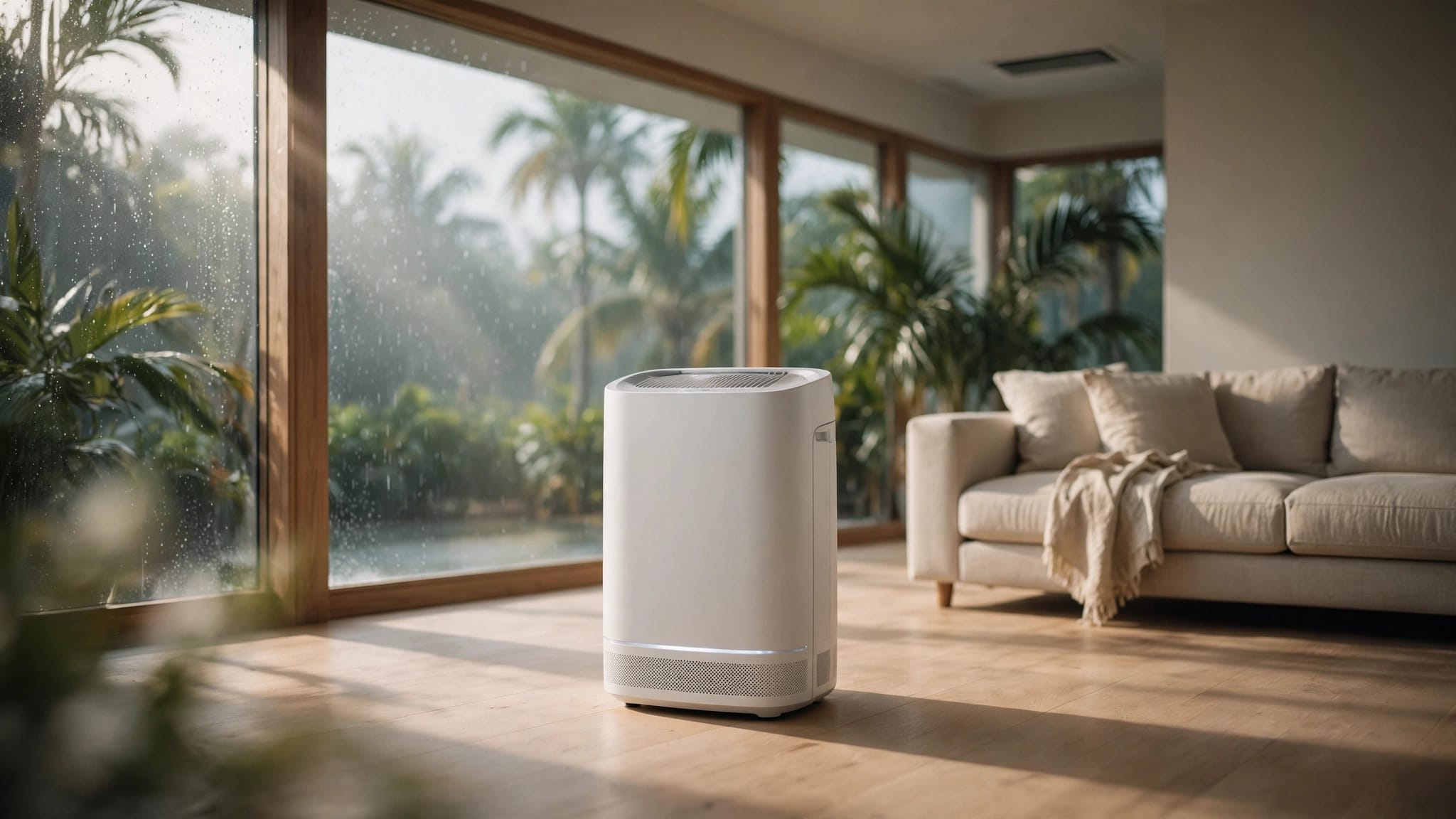
Cape Coral weather asks a lot from a cooling system. Summer heat is one thing, but humidity is what makes a home feel heavy and hard to cool. A system that drops the temperature but leaves moisture behind can still leave you uncomfortable.
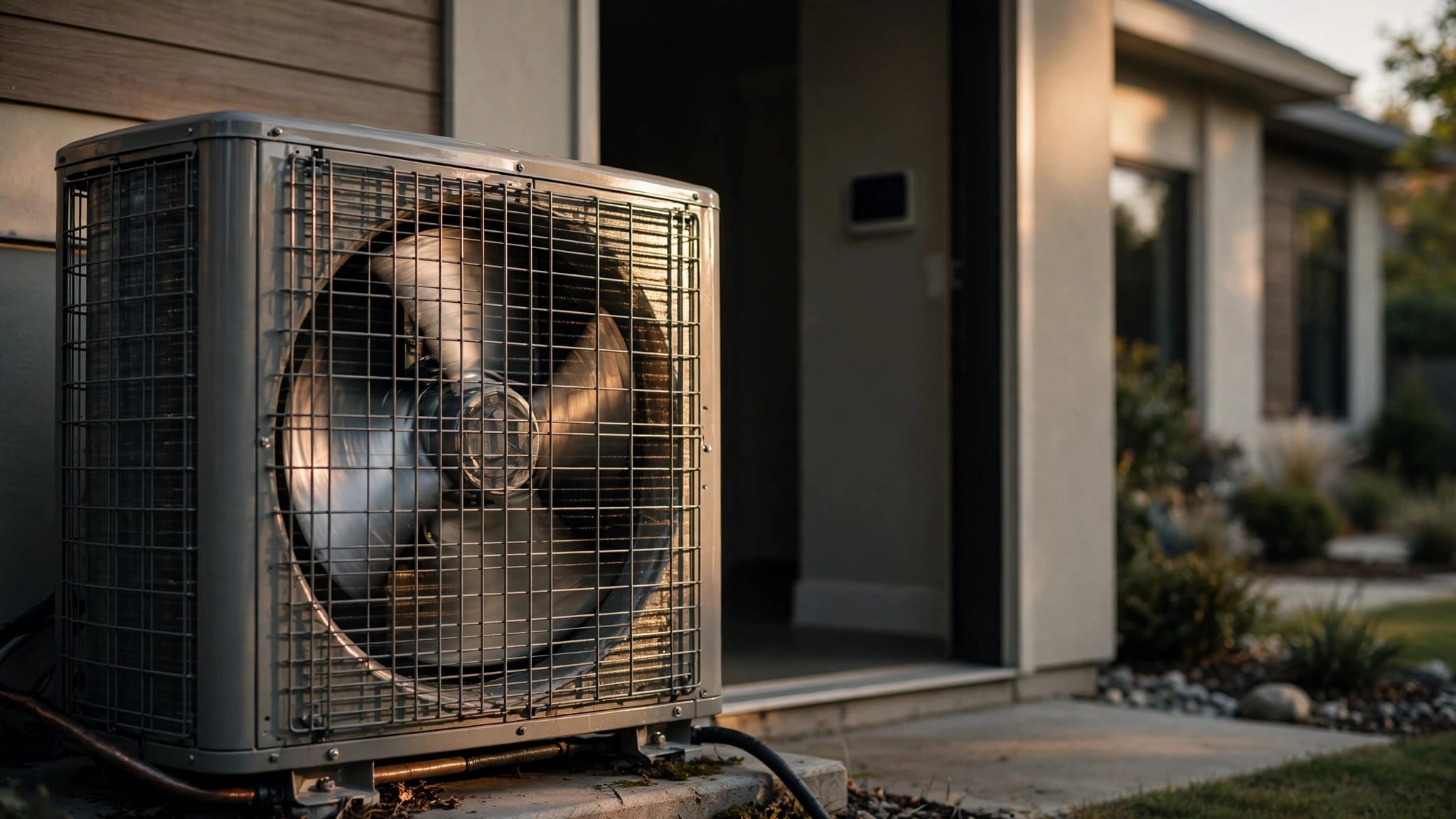
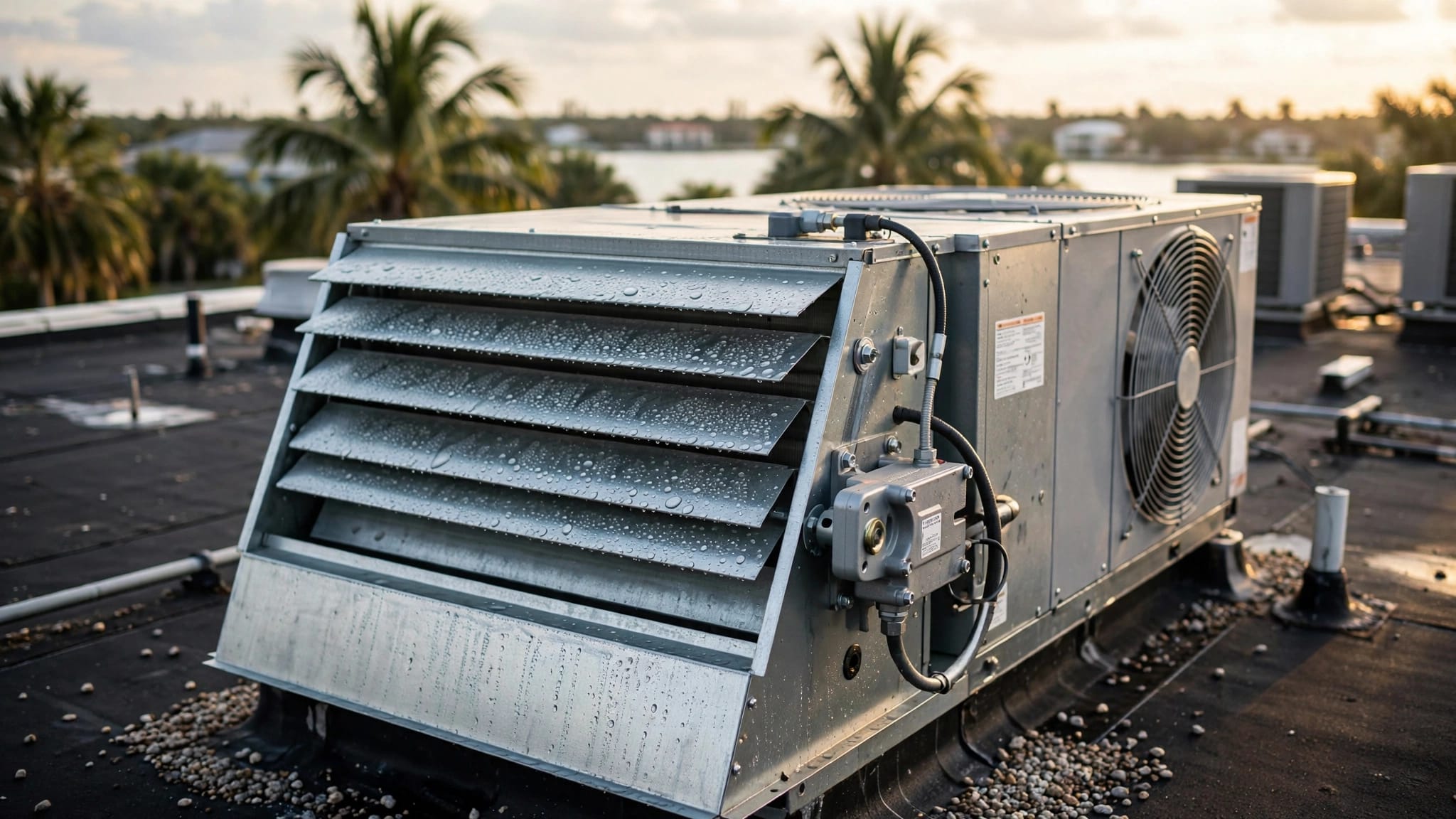
Salt air matters too. If you live near the coast, the outdoor unit faces more wear from the environment. That doesn't mean you need a special science project for a system, but it does mean build quality and regular care matter more here than they might inland.
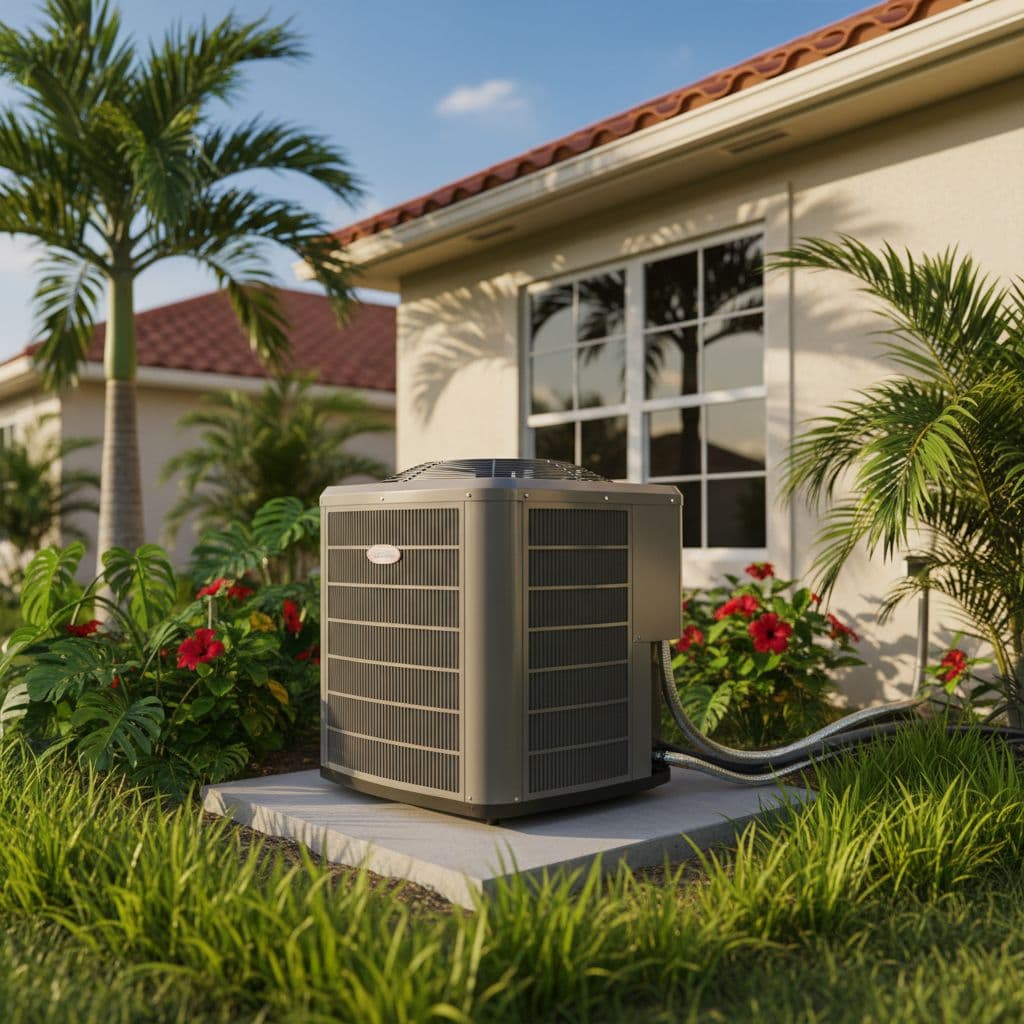
Because AC runs for so many months, utility costs add up quickly. That's why the "best" system is often the one that balances upfront price, moisture control, and monthly efficiency. In other words, the right unit should fit both your home and your habits.
Single-stage, two-stage, and variable-speed at a glance
Here's a quick side-by-side view before we get into the details.
| System type | Best fit | Main strengths | Main tradeoffs |
|---|---|---|---|
| Single-stage | Tight budgets, smaller homes, simpler cooling needs | Lowest upfront cost, simple operation, easier to understand | Less even temperatures, weaker humidity control, more on-and-off cycling |
| Two-stage | Homes that want better comfort without top-tier pricing | Better moisture control, steadier operation, quieter than single-stage | Higher upfront cost, savings depend on good setup and use |
| Variable-speed | Homes used year-round, humidity-sensitive families, comfort-first buyers | Best temperature control, strongest dehumidifying, very quiet, efficient at low speeds | Highest purchase price, needs proper installation to pay off |
The main takeaway is simple. If your priority is price, single-stage still has a place. If you want the smoothest comfort and lower humidity, variable-speed leads the pack.
In Cape Coral, the best system often is the one that controls humidity well, not the one with the biggest nameplate.
Single-stage AC: the simple route
Single-stage systems run at one output level. They turn on, cool hard, then shut off. That makes them easy to understand and usually easier on the budget.
What it does well: it gives you straightforward cooling at the lowest purchase price. For a smaller home, a guest house, or a buyer who wants to keep upfront spending under control, that can make sense. It's also a familiar setup for many homeowners, so there are fewer surprises.
Where it falls short: the temperature can swing more, and the system may feel louder when it starts. Because it runs at full strength each time, it can also leave more humidity in the air if the cycles are short. In Cape Coral, that can make a home feel cooler than it really is.
Single-stage is a decent fit when your budget matters most and you don't spend much time fine-tuning comfort. It's less appealing if you want a smoother feel across the house or if you're already frustrated by sticky rooms.
Two-stage AC: the middle ground
Two-stage systems can run at a lower setting most of the time, then step up when the house needs more cooling. That gives them a more measured feel than single-stage units.
What it does well: two-stage equipment usually handles humidity better, because it tends to run longer at a lower level. That longer run time can help the air feel drier and more even. It's also quieter and more comfortable than a basic single-stage system.
Where it falls short: it costs more than single-stage, and the payoff depends on the home. If ducts leak or the system is oversized, you won't get the full benefit. The comfort improvement is real, but it won't fix problems elsewhere in the house.
For many Cape Coral homes, two-stage is the sweet spot. It gives a clear upgrade in comfort without pushing all the way into premium pricing. If you want something better than basic cooling, but you don't need the most advanced system available, this is often the best value.
Variable-speed AC: the comfort-focused pick
Variable-speed systems are the most flexible option. They don't just switch between on and off, or low and high. They adjust in small steps, which lets them match the home's needs more closely.
What it does well: this type shines in humid climates. It can run longer at a low output, which helps remove moisture and hold steadier indoor temperatures. It also tends to be the quietest choice. If your family is home a lot, or if you notice every small change in comfort, that smooth operation stands out.
The upside is strongest in homes that run AC for long hours. Since Cape Coral cooling seasons are so long, a variable-speed system has more time to show its value. You may not only feel better, you may also see less stress on the system during normal operation.
Where it falls short: the price tag is higher, and the system only earns that cost when the rest of the setup is right. Poor ductwork, bad insulation, or a sloppy install can erase much of the benefit. It can also be more than you need if the home is used lightly or if budget is the main concern.
Variable-speed is worth the extra cost when you plan to stay in the home for years, care about quiet operation, and want the best humidity control possible. It is also a strong pick if you've dealt with rooms that never feel quite right.
How to choose the right system for your home and budget
Start with how you live. If you want the lowest upfront cost and your home is fairly simple, single-stage can make sense. If you want a noticeable jump in comfort without paying for the top tier, two-stage is often the practical choice. If you want the best indoor feel and you run the AC almost constantly, variable-speed is the one to look at first.
Budget matters, but so does time. A homeowner who plans to sell soon may not recover the extra cost of a premium system. A family that plans to stay put in Cape Coral for the long haul often gets more value from better humidity control and lower monthly strain.
If you're not sure where your home fits, ask a few direct questions before you buy:
- How long do you expect to live in the home?
- Does humidity bother you more than temperature?
- Are some rooms harder to cool than others?
- Is your utility bill already high in summer?
- Are you replacing a failing unit or building a new setup?
If you want help narrowing the field, Contact Us for 24/7 service and to schedule a service call.
Installation and sizing matter as much as the unit
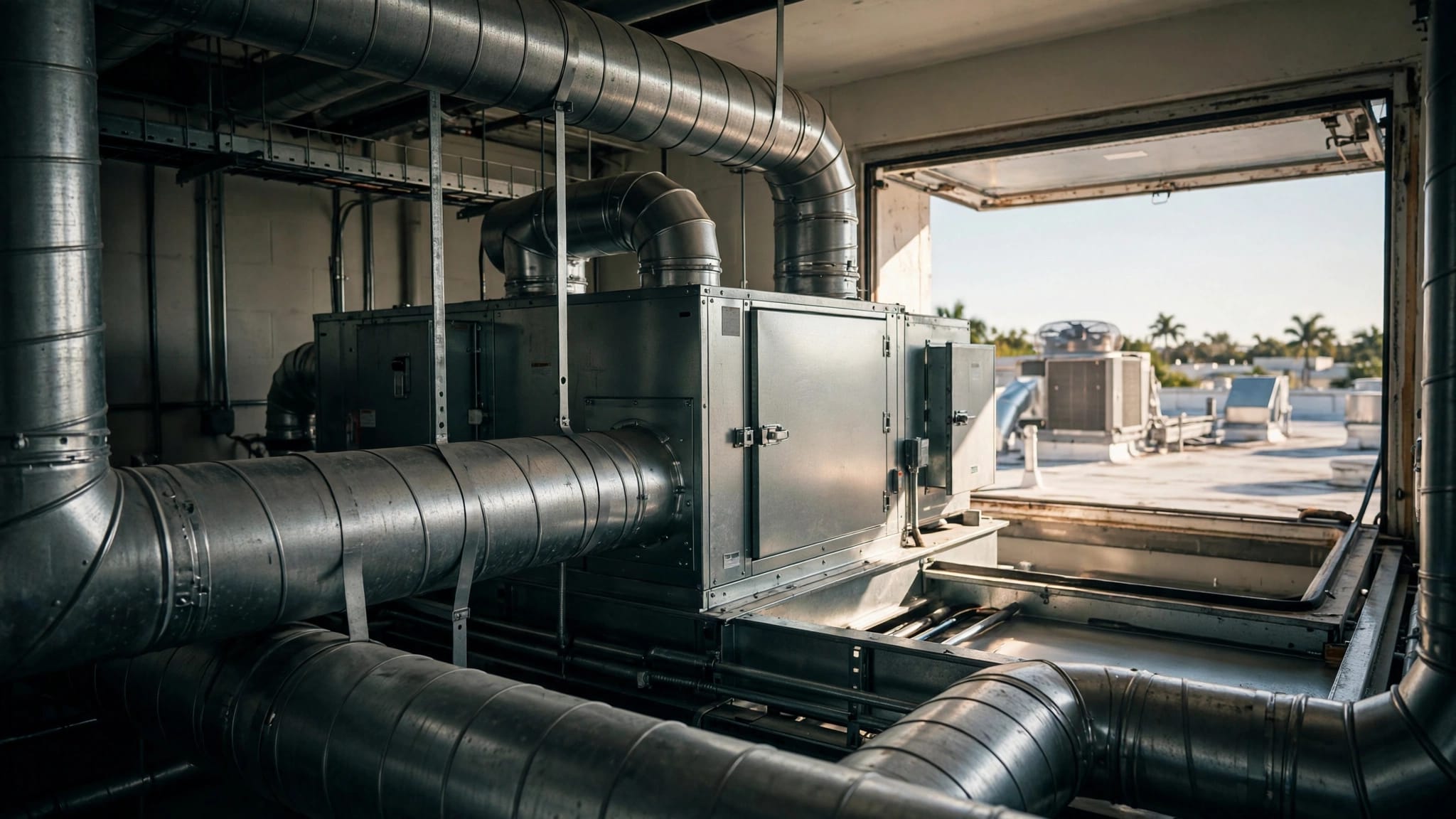
Even the best AC system can disappoint if it's the wrong size or tied to weak ductwork. An oversized unit may cool fast but fail to dry the air well. An undersized one may run too long and still struggle on the hottest afternoons.
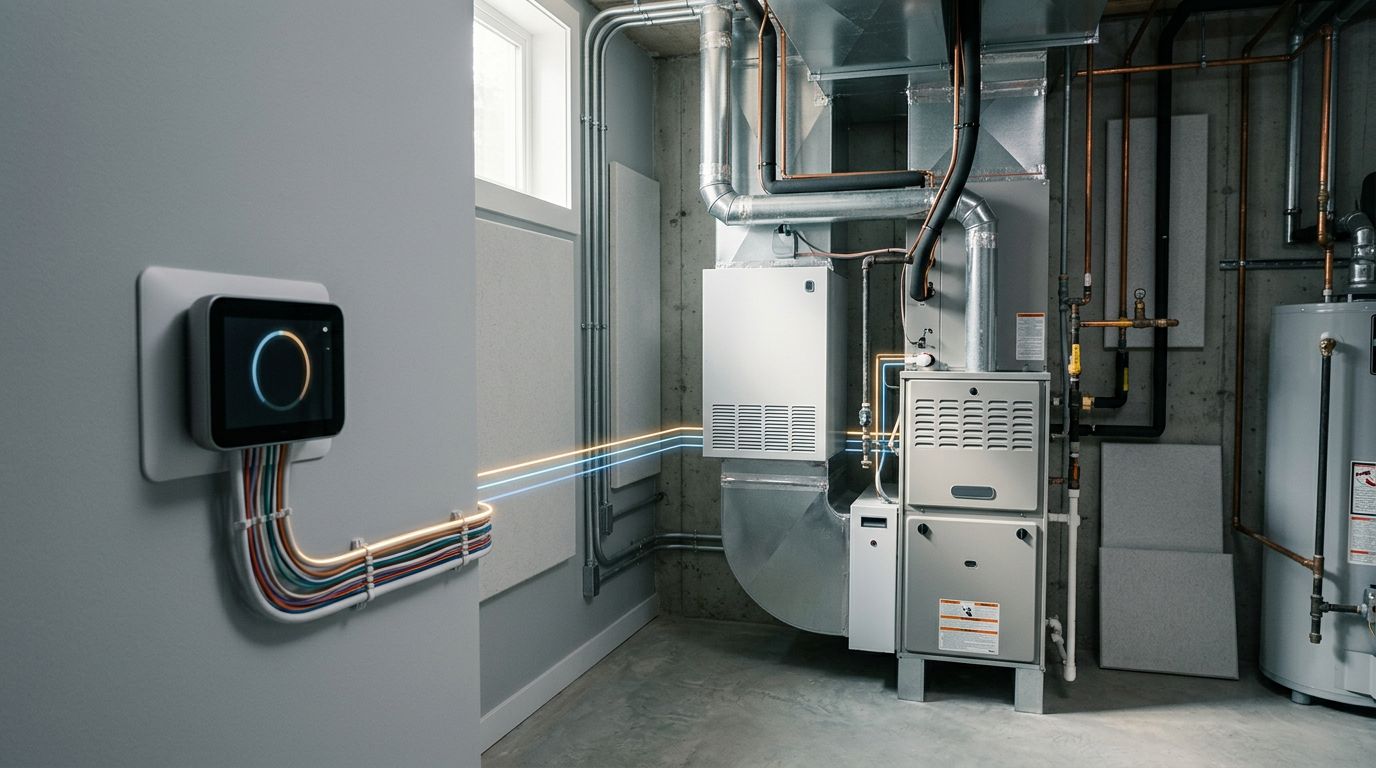
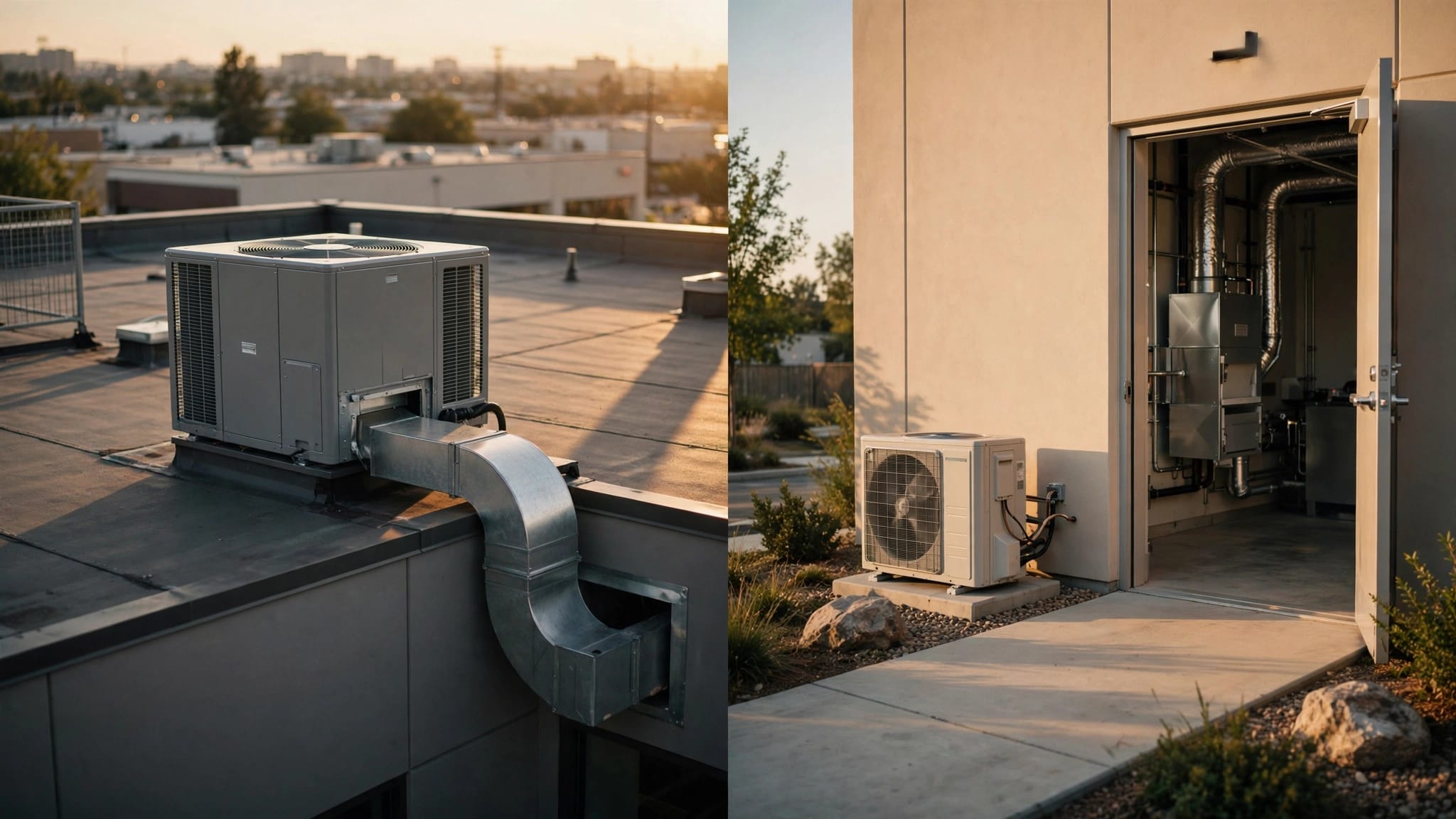
That's why a proper replacement should start with a real look at the home, not a guess. If you're planning a new setup, professional air conditioning installation in Cape Coral should include sizing, airflow checks, and a review of how the house actually gains heat.
The outdoor unit also needs attention in a coastal area. Salt air, yard debris, and constant weather exposure can shorten the life of neglected equipment. Regular cleaning and maintenance help protect your investment.
If your current system still has some life left, expert air conditioning repair services may buy you time before a full replacement. That can be the smarter move when the issue is small and the unit is otherwise in good shape.
A premium system in a bad setup still feels average. A well-matched system in a well-prepared home feels far better than most people expect.
The right AC choice for your home
Cape Coral homes need cooling that can handle more than hot air. They need a system that keeps humidity down, stays reliable in salty conditions, and runs efficiently through a long season.
Single-stage works when price leads the decision. Two-stage gives you a stronger comfort upgrade without the highest cost. Variable-speed is the best pick when you want the most even, quiet, and dry indoor air.
The smartest choice is the one that fits your home, your budget, and how long you plan to stay there. In this climate, that balance matters more than any glossy brochure.