Cape Coral homes deal with heat, humidity, and sudden water issues all year. That means mold questions show up fast after a leak, a storm, or a musty AC smell. The mold testing cost in Cape Coral for 2026 usually lands between $250 and $700 , but the final price depends on samples, access, lab fees, and how urgent the job is.
That range matters because one home may need a quick inspection, while another needs air samples, surface swabs, and a closer look at the HVAC system. Buyers, sellers, homeowners, and property managers all face different needs, so the right price depends on the problem in front of you.
What mold testing costs in Cape Coral in 2026
A local quote should always be treated as an estimate. In Cape Coral, a basic mold inspection and testing visit often starts around $249 to $599 , while a standard test with one or two samples usually runs $300 to $700 . Extra samples often add $70 to $120 each , and rush lab work can cost more.
Here's a simple cost snapshot for 2026.
| Service | Approx. 2026 Cape Coral cost | Best for |
|---|---|---|
| Visual inspection only | $150 to $300 | A quick screen when the source is obvious |
| Basic inspection with one sample | $249 to $599 | A small issue or one room of concern |
| Standard home test | $300 to $700 | Air or surface samples with lab analysis |
| Extra sample | $70 to $120 each | More rooms, ducts, or suspect areas |
| Rush turnaround | $75 to $200 extra | Real estate deadlines or urgent complaints |
Most jobs fall in the middle of the range. The price climbs when the technician has to sample more areas or wait for faster results.
What a mold test usually includes
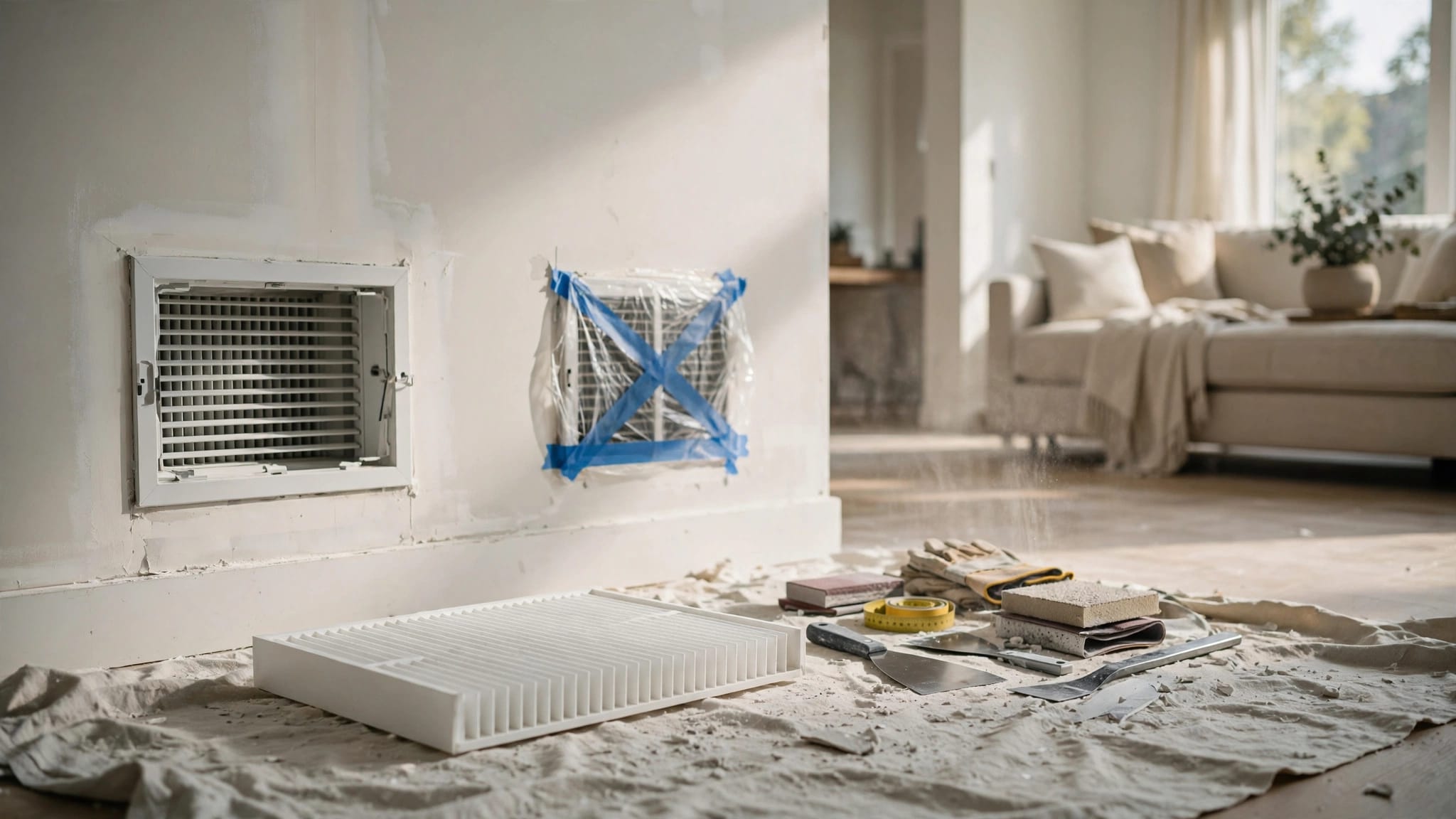
A good test starts with a visual inspection and a moisture check. After that, the technician may collect air samples, take surface swabs, or test a damp area around drywall, trim, or ductwork.
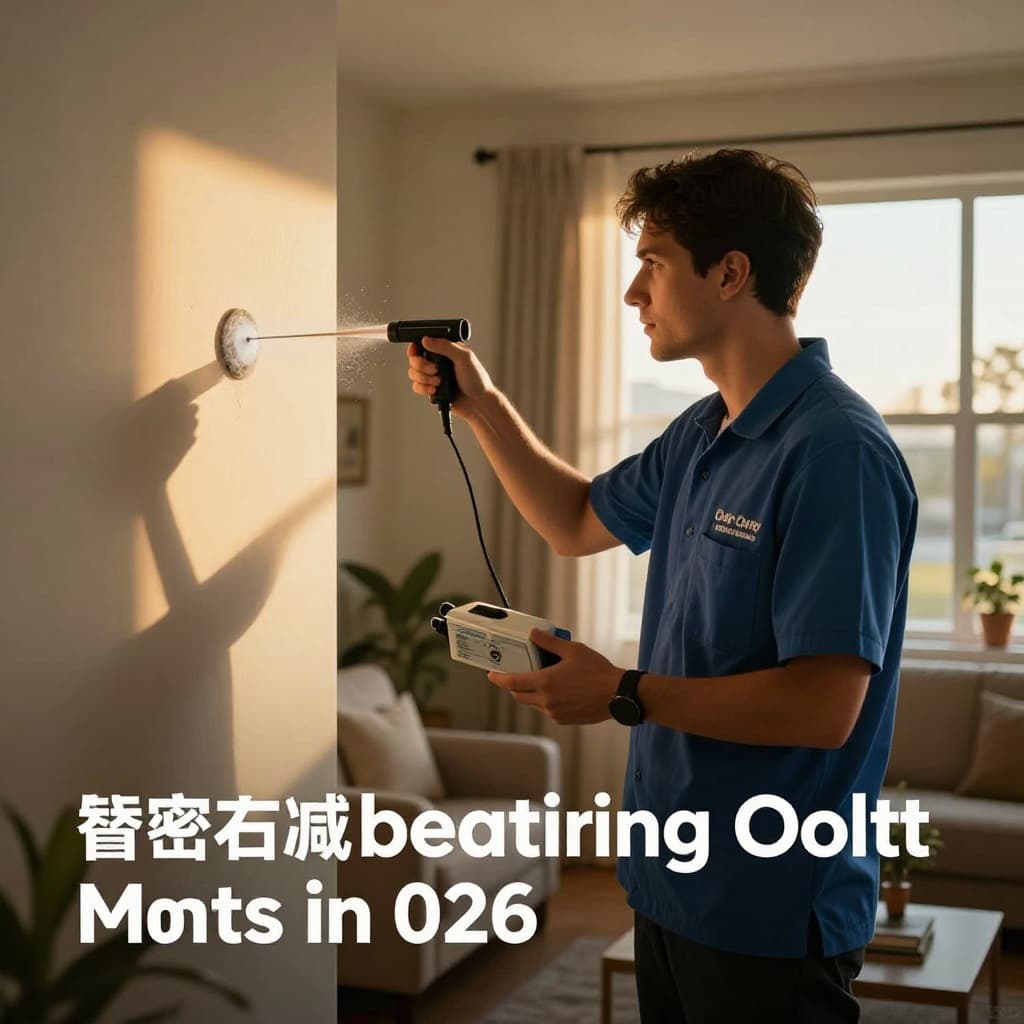
The process often includes:
- A visual review of stains, odors, and water marks
- Moisture readings in walls, ceilings, and around windows
- Air samples from living areas and suspect rooms
- Surface swabs or tape lifts from visible growth
- HVAC checks when the smell seems to move through vents
If the smell seems tied to the system, the issue may be in the air handler or ducts. That is where why your AC smells musty in Cape Coral becomes relevant. In a humid city, a musty odor often follows condensation, a clogged drain, or hidden moisture near the coil.
Why Cape Coral homes pay different prices
Cape Coral pricing shifts for a few simple reasons. Home size matters, because larger homes need more time and often more samples. Accessibility matters too. A crawl space, tight attic, or hard-to-reach closet takes longer to inspect.
Humidity also changes the job. After a summer storm, a roof leak, or a long power outage, moisture can hide in drywall, baseboards, and duct runs. Waterfront homes and older homes can have more of those trouble spots, especially if the AC has been running hard for months.
The biggest price drivers are usually these:
- Sample count : More rooms mean more lab work.
- Access : Tight spaces take longer and often need special tools.
- HVAC concerns : Ducts, coils, and air handlers can add steps.
- Urgency : Faster results often mean a higher fee.
- Documentation needs : Real estate deals and insurance claims may need a formal report.
A low price is only a good deal if it answers the real question. If the moisture source is hidden, a few extra samples can save money later.
If you need help after a leak or a strong odor, Contact Us for service and scheduling support.
When mold testing is worth paying for
Testing is worth the money when the result changes your next move. That is the simple rule.
A formal test makes sense after a roof leak, plumbing leak, storm intrusion, or AC overflow. It also helps when allergy symptoms keep coming back, because hidden mold can irritate the same rooms again and again. Buyers often want a report before closing. Sellers may need one after a stain or repair. Property managers use testing when tenants report a smell that keeps returning.
For a written report with lab-backed results, professional mold testing services are a smart step when you need proof, not guesswork.
Testing is also helpful after cleanup. If remediation has already happened, a follow-up test can confirm that the space is dry and the readings look normal. That matters when you need a clean record for a sale, a claim, or a tenant file.
When an inspection alone may be enough
An inspection alone can save money when the problem is obvious. If you already see a small patch of growth and know where the water came from, a lab test may not add much. In that case, the priority is fixing the leak and drying the area.
Inspection alone often works well when:
- The problem area is small and visible
- The water source is clear
- You only need a repair plan
- The odor stops once the moisture issue is fixed
On the other hand, testing is better when the source is hidden, the smell keeps returning, or the problem spreads into more than one room. That is common in Cape Coral homes with long AC runtimes, older ductwork, or repeated humidity swings.
If the issue keeps pointing back to the cooling system, testing and HVAC service should work together. Mold often follows moisture, and moisture often follows airflow problems.
Mold testing cost vs mold remediation cost
Testing and remediation solve different problems. Testing finds the issue. Remediation removes it and helps stop it from coming back.
That difference shows up in the price. Testing in Cape Coral usually stays in the $250 to $700 range. Mold remediation usually costs more because it includes containment, removal, cleaning, and moisture control. A small contained job may start around $500 to $1,500 . A larger room, attic, or duct-related project can run $2,000 to $6,000 or more , depending on the damage.
If testing shows active growth in ducts or around the air handler, professional mold remediation services are the next step. That work costs more because the crew has to clean the contaminated area and address the damp conditions behind it.
The main thing to remember is this: testing is the diagnosis, remediation is the fix. Skipping the fix usually means paying again later.
Conclusion
Cape Coral humidity makes mold questions part of normal home care. In 2026, most homeowners can expect to pay $250 to $700 for professional testing, with the price moving up when access is hard or more samples are needed.
The smartest choice is simple. Test when the problem is hidden, the stakes are high, or you need documentation. Stick with an inspection when the source is clear and the repair is obvious. That keeps the bill tied to the real issue, which is the point from the start.