When your AC starts acting off in Cape Coral, the blower motor is one of the first parts to suspect. It pushes cooled air through your ducts, so even a small problem can make the whole house feel less comfortable.
The trouble is that blower issues often begin in a quiet way. You may notice weaker airflow, longer cooling cycles, or a fan sound that feels a little different than usual. In Florida heat, those small changes add up fast.
What the blower motor does, and why small problems spread fast
The blower motor is the part that moves air across the indoor coil and into your rooms. If it slows down, struggles to start, or shuts off at the wrong time, the air conditioner can still run without cooling your home well.
That can leave you with a house that feels sticky, uneven, or warmer than the thermostat says it should be. It can also make the system work harder than needed. Over time, that extra strain can affect other parts, too.
A weak blower often looks like a comfort problem first, then turns into a bigger repair later.
In Cape Coral, that matters even more. The cooling system runs for long stretches during much of the year, so a blower motor that is slipping has less room to recover. A problem that might feel mild in another season can become obvious by the end of one hot afternoon here.
If you catch it early, you may avoid a full system shutdown. If you wait, the motor can overheat, the indoor coil can freeze, or the air handler can stop moving air altogether.
Early warning signs you can spot at home
The first clues are often easy to miss. You might think the house is just a little warmer than normal, or that the AC is taking longer than it used to. Then the pattern keeps showing up.
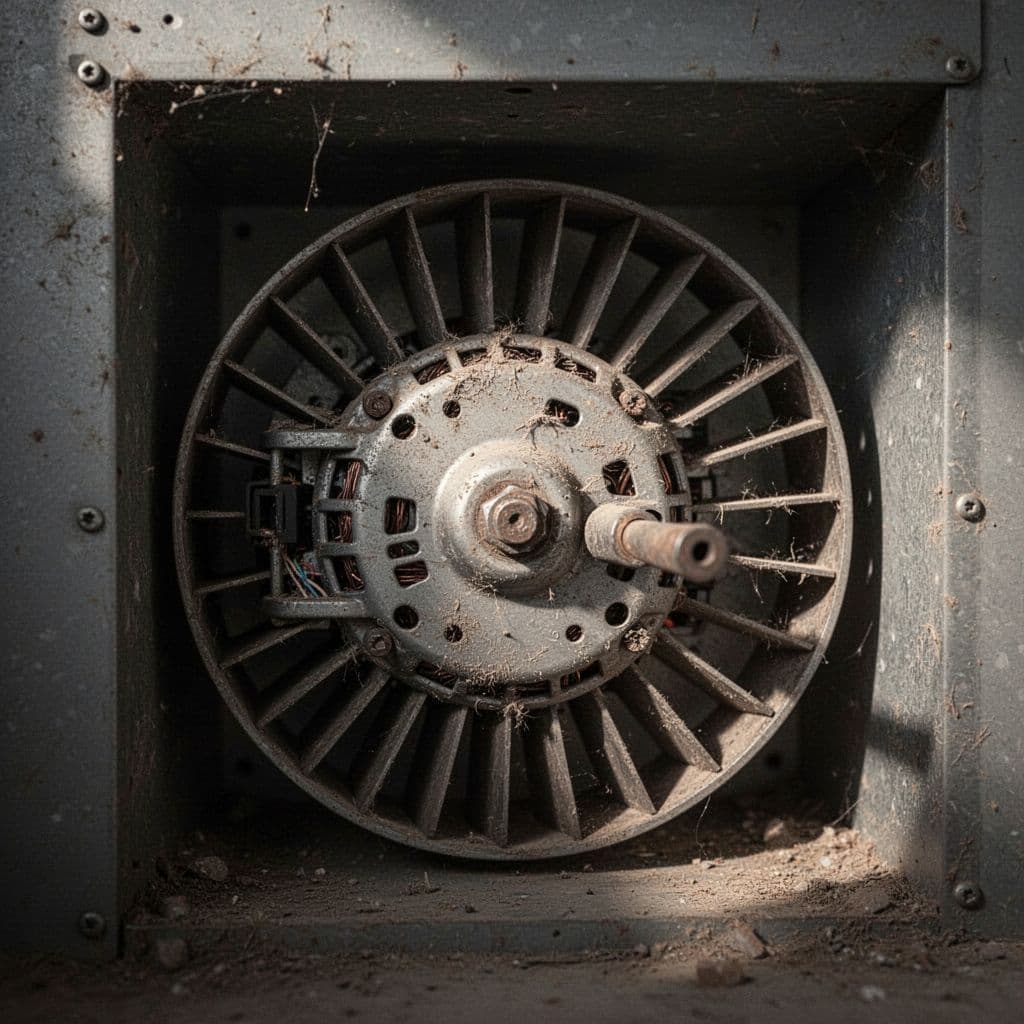
Here are the signs that deserve attention right away:
| Sign | What it may mean | Why it matters |
|---|---|---|
| Weak air from vents | The motor may be slowing down or losing power | Rooms cool unevenly and the system runs longer |
| Loud humming or buzzing | The motor may be struggling to start | The part can fail sooner if it keeps fighting |
| Grinding, squealing, or rattling | Bearings or internal parts may be worn | This can turn into a full stop without warning |
| Burning smell near the indoor unit | The motor may be overheating or wiring may be stressed | Heat and electrical issues can get worse quickly |
These signs do not always mean the motor is dead. They do mean the system needs attention soon. A blower motor often gives hints before it quits, and those hints are your chance to act before the house gets miserable.
A good rule is simple, if the sound, smell, or airflow changes and stays that way, don't brush it off. One odd cycle can happen. A repeating pattern usually means something is slipping.
Weak airflow, hot rooms, and odd fan behavior
Weak airflow is one of the clearest signs of blower trouble. If your vents feel soft instead of steady, the motor may not be pushing enough air. For a deeper look at this symptom, see causes of weak AC airflow.
You may notice the bedrooms stay warm while the main living area cools faster. You may also feel that the air coming from the vents is cool, but not strong enough to reach the whole room. That kind of uneven comfort often points to an airflow problem, not just a thermostat setting.
Sometimes the fan keeps running after the cooling cycle should stop. If that happens, the issue may be tied to the blower controls, the relay, or the motor itself. A related read, troubleshoot an AC fan that runs continuously, can help you understand the difference between normal fan use and a problem.
You might also hear the fan start and stop in a rough, uneven way. That can feel like a motor that is trying, failing, then trying again. The system may still cool a little, but the comfort drops.
Another clue is humidity. If your home feels damp even when the AC is on, weak airflow may be part of the reason. The system needs enough air movement to pull moisture out of the home. When the blower motor falls behind, humidity can climb.
Why Cape Coral homes notice blower trouble sooner
Cape Coral weather puts steady pressure on cooling equipment. Long stretches of heat mean the AC works often, and that leaves less margin for a weak motor. Even a small loss in airflow can show up as a warm room or a sticky indoor feel before you see a bigger breakdown.
Humidity also makes the problem easier to notice. When the blower motor can't move air the way it should, the system has a harder time removing moisture. The home may still feel cold in one room and muggy in another. That uneven comfort is more than an annoyance. It is a sign the system is not moving air well.
Local conditions can also wear down parts over time. Dust, salt air, and daily use all add stress. None of that means every blower issue is severe. It does mean a small problem can grow faster here than it might in a milder climate.
If you are already wondering whether the issue is the filter, the ducts, or the motor, start with a few simple checks. This guide on what to check before requesting blower motor repair can help you rule out basic causes before you schedule service.
The main point is simple. In Cape Coral, a blower motor problem is not something to watch for weeks. It can affect comfort and put stress on the rest of the system much faster than many homeowners expect.
What to check before the AC stops working
A few quick homeowner checks can help you spot a simple issue and avoid guessing. They won't fix a failing motor, but they can tell you whether the problem is minor or moving toward a repair.
Start with these basics:
- Check the air filter. A clogged filter can make airflow feel weak and can make the blower work harder.
- Look at the thermostat settings. Make sure the fan is set the way you want and the temperature is correct.
- Listen near the indoor unit. New buzzing, grinding, or humming sounds matter.
- Watch how long the system runs. If it takes much longer than usual, the blower may not be moving enough air.
If the filter is clean, the thermostat is set correctly, and the airflow still feels poor, the issue is likely deeper in the system. That is the point where a blower motor, capacitor, relay, or control problem may be involved. Those parts sit inside the equipment, so they need a trained eye.
Don't keep running the AC if you smell something burning or hear a metal-on-metal noise. Shut the system off and get help. Pushing it through another hot day can turn a repairable issue into a bigger one.
If your fan keeps running, the airflow keeps dropping, or the indoor unit sounds wrong, it makes sense to schedule help through Contact Us. Fast service matters when the house is already fighting Cape Coral heat.
Conclusion
A failing AC blower motor usually gives off warning signs before it quits. Weak airflow, odd noises, uneven cooling, and fan problems all point to trouble that should not wait.
In Cape Coral, those signs matter even more because the AC works hard for much of the year. Catching the problem early can help protect comfort, reduce strain on the system, and keep a small repair from turning into a no-cool day. When the airflow changes, the safe move is to pay attention and act before the motor gives out completely.