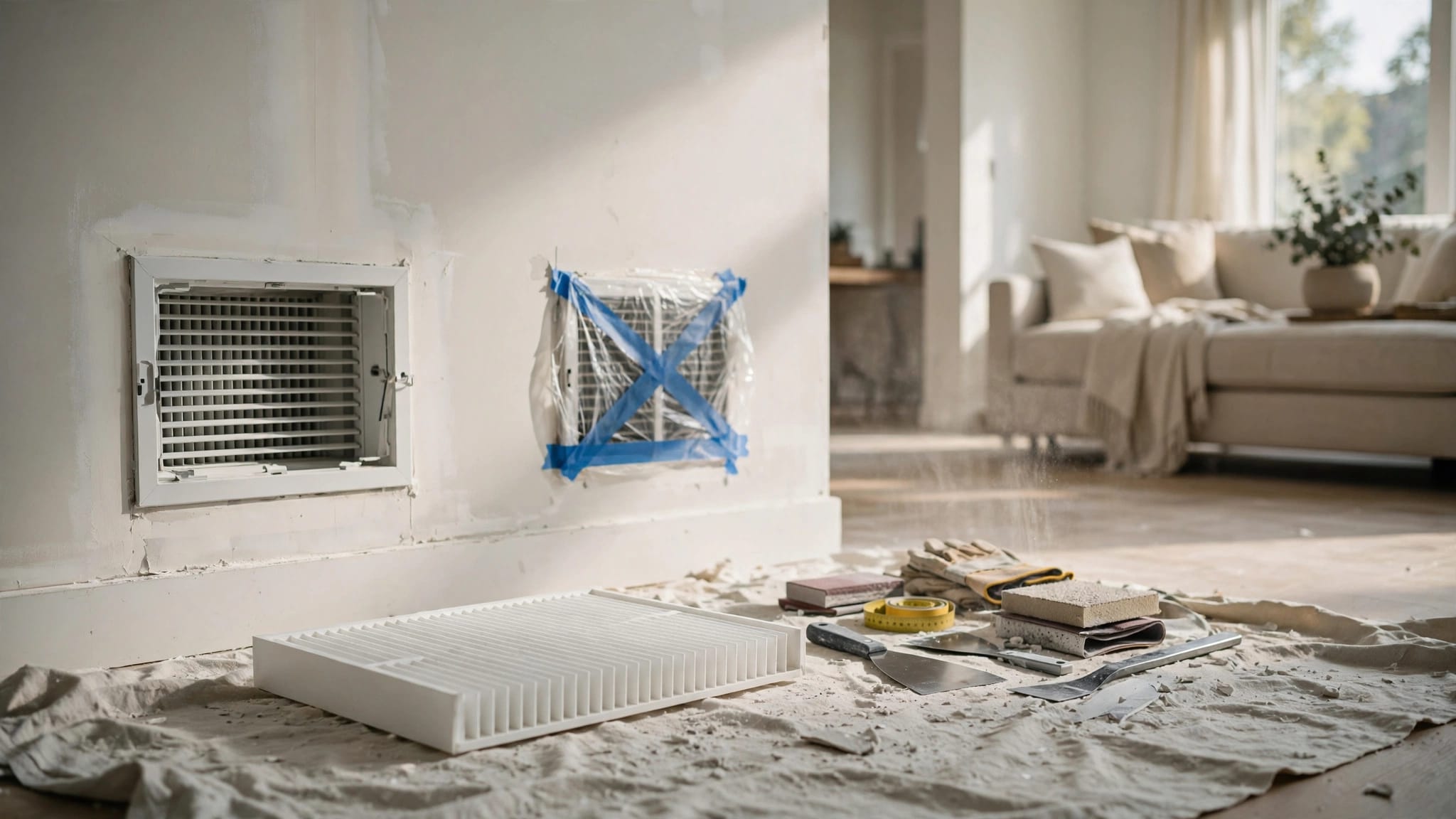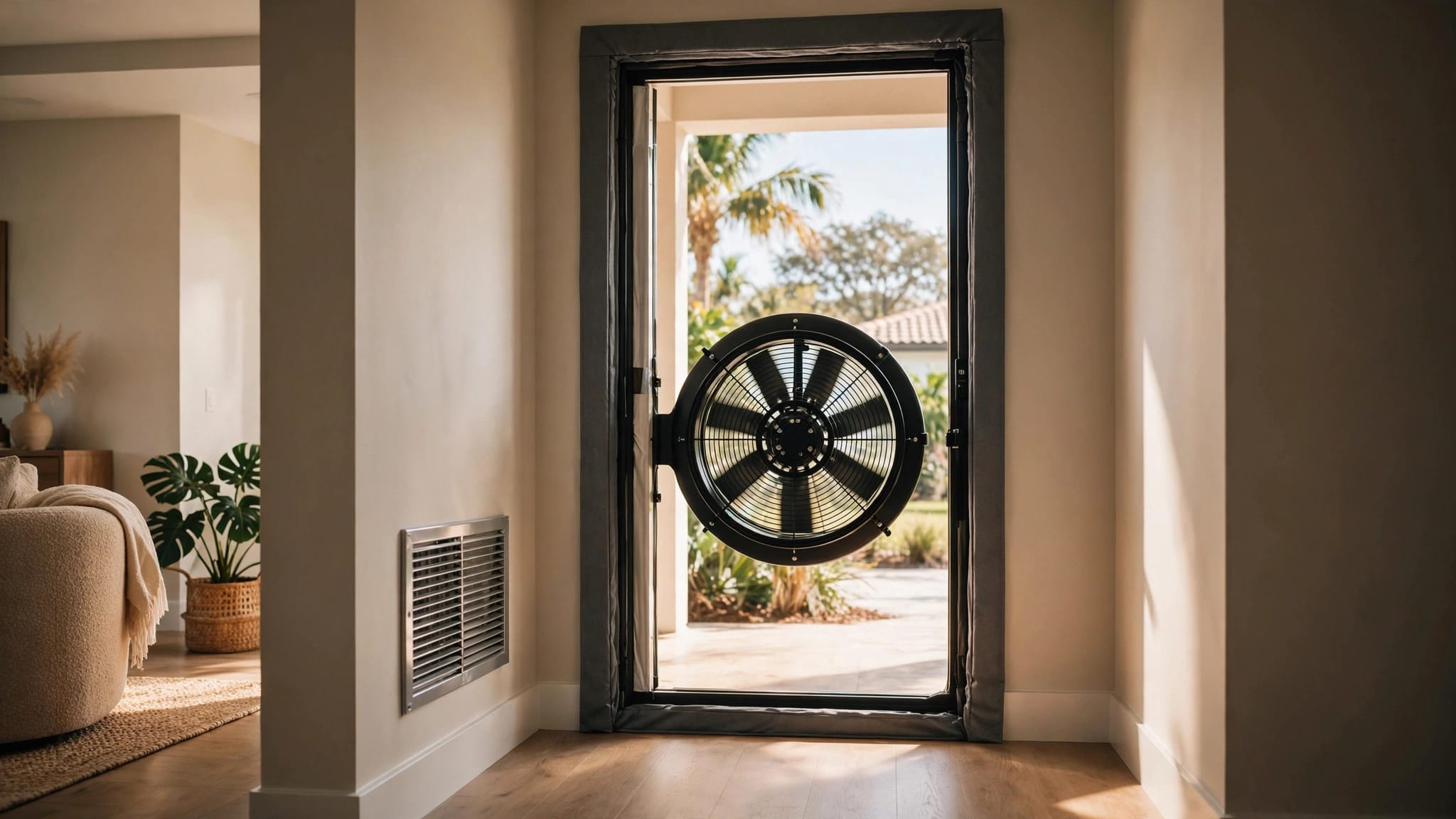
If your AC runs all day and some rooms still feel warm, leaking ducts may be part of the bill. In Cape Coral, duct sealing cost depends less on a single flat rate and more on what the system looks like behind the scenes.
That matters because two homes can have very different price tags even when the problem sounds the same. Duct access, leak size, duct material, and whether repairs come first all shape the final number.
What Cape Coral homeowners can expect to pay in 2026
Most duct sealing jobs in Cape Coral fall into a few price bands. The best way to read them is as working ranges, not promises.
| Service or scenario | Typical 2026 price range | What it usually covers |
|---|---|---|
| Duct inspection | $150 to $500 | A look at leaks, gaps, and system layout |
| Pressure test | $200 to $450 | Measures how much air the ducts lose |
| Residential duct sealing job | $1,000 to $6,000 | Most full-home sealing projects |
| Aeroseal-style sealing | $1,500 to $6,900 | Seals hidden leaks inside the duct system |
| Per-square-foot pricing | About $1 to $2 | Common way to estimate larger jobs |
For many homeowners, the middle of that range is where the real conversation starts. A simple job with easy access may stay near the lower end. A larger home with attic runs, hidden leaks, or damaged sections usually moves higher.
The cheapest quote is only a good deal if it covers testing, sealing, and any needed repairs.
A fair estimate should also explain whether the job needs repair work before sealing starts. If a technician finds crushed flex duct or disconnected joints, the project changes fast.
What pushes the price up or down
Two houses on the same block can get very different quotes. That happens because duct sealing is a labor job, and labor follows access.
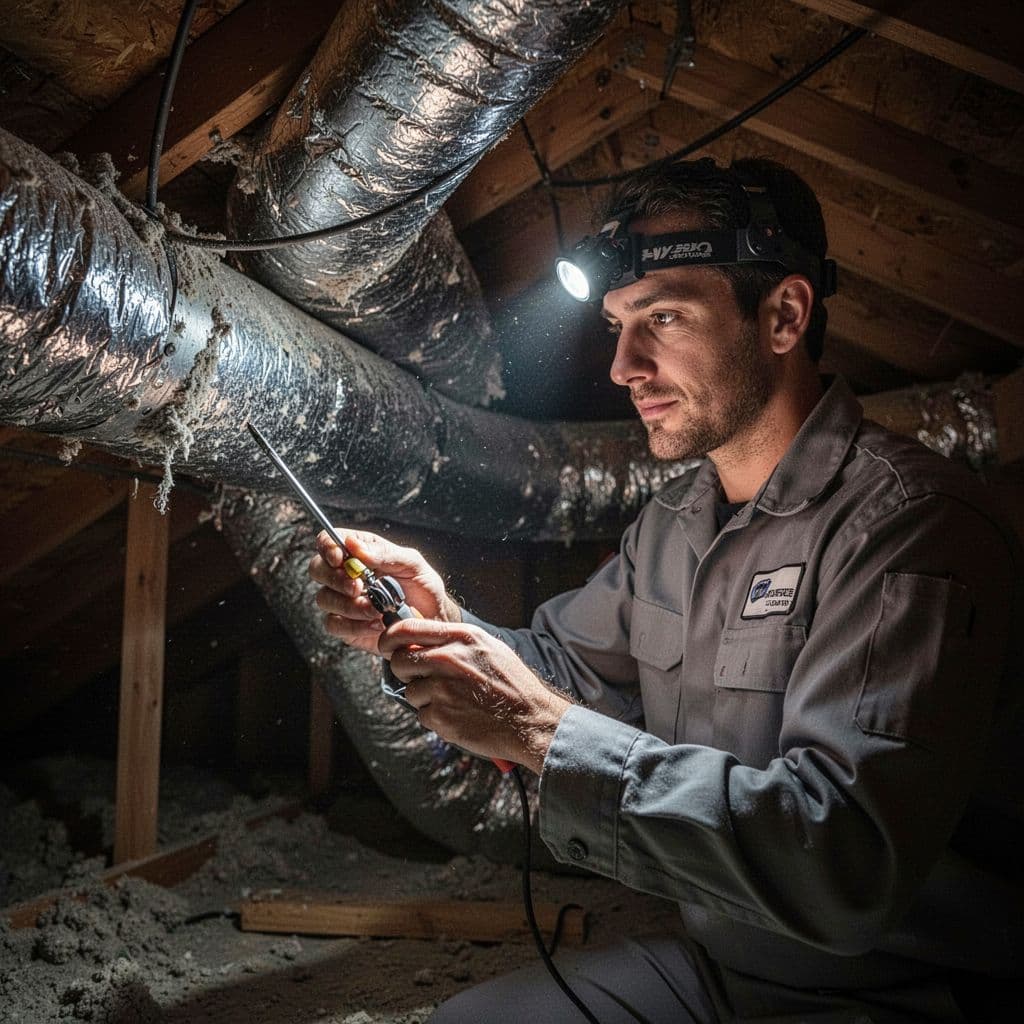
Cape Coral homes often have ducts in hot attics, tight spaces, or behind finished walls. When a technician has to crawl farther, move more insulation, or work around obstacles, the labor time goes up.
Here are the main cost drivers to watch:
- Home size : Bigger homes usually have more supply and return runs, so there is more to seal.
- Leak severity : Small gaps are easier and cheaper to fix than major air loss.
- Duct access : Easy attic access costs less than cramped or hidden runs.
- Duct material : Metal, flex duct, and older mixed systems do not all seal the same way.
- Needed repairs : If ducts are crushed, loose, or damaged, sealing alone may not solve the problem.
- Testing and diagnostics : A pressure test or leak check adds cost, but it also prevents guesswork.
If the ductwork itself is in poor shape, sealing may not be enough. In that case, ductwork repair and replacement can be the smarter first step.
The key point is simple. A quote should match the real condition of the system, not just the square footage of the house.
Why sealing method changes the bill
The method matters because not every leak gets fixed the same way. Some jobs need careful hand sealing. Others need equipment that can reach leaks inside the duct runs.
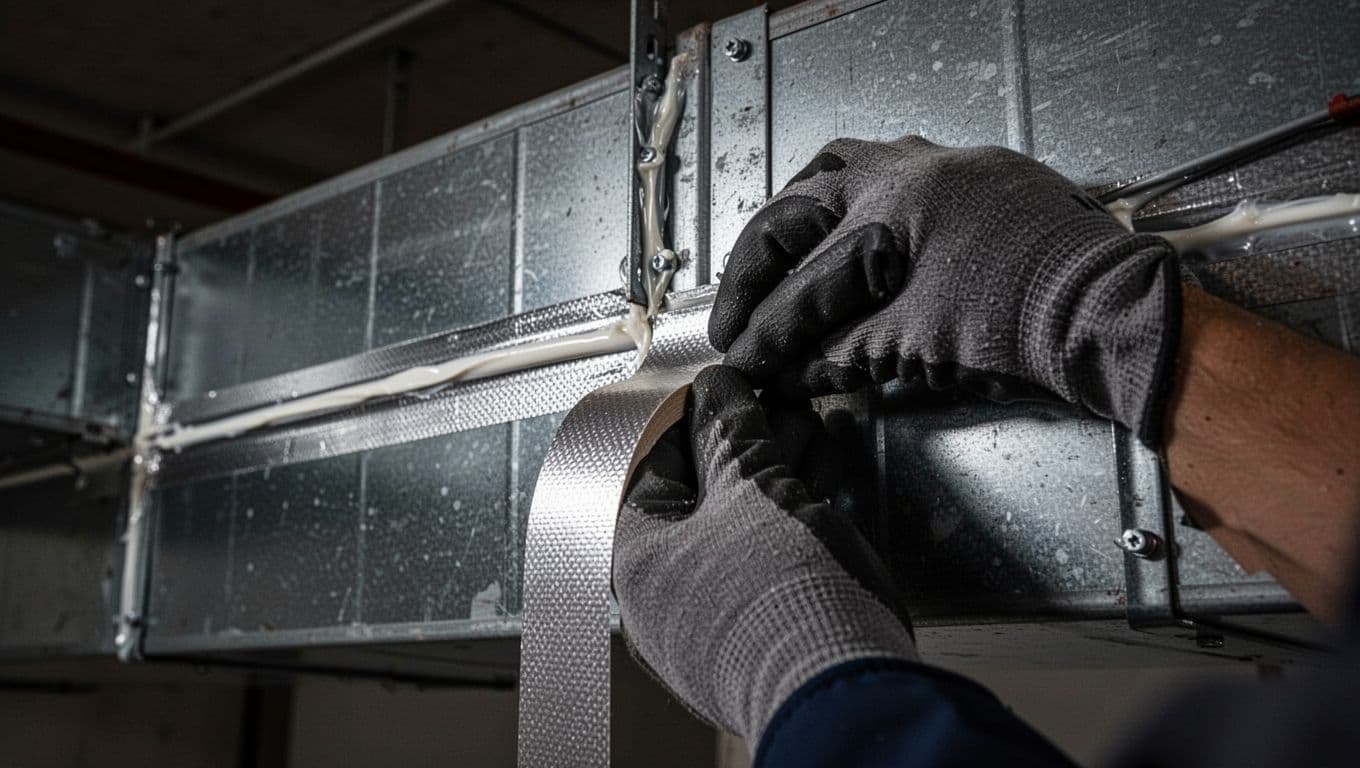
Manual sealing usually uses mastic or approved tape on visible joints and seams. It works well when the leaks are easy to reach. It also tends to cost less because the process is straightforward.
Aerosol sealing is different. It sends sealant through the duct system to close smaller leaks that are hard to reach by hand. That process often costs more, but it can make sense when the leaks are hidden inside the system.
The right method depends on the layout and the type of loss. A simple attic run with a few open joints does not need the same approach as a whole home with scattered leaks.
If your cooling system has been working harder than usual, duct sealing can also help the rest of the system do its job better. Pairing it with reliable AC repair and maintenance can make sense when airflow problems keep coming back.
Why testing matters before you pay to seal ducts
A good quote starts with a test, not a guess. Without one, you may pay to seal the wrong spots or miss a bigger issue.
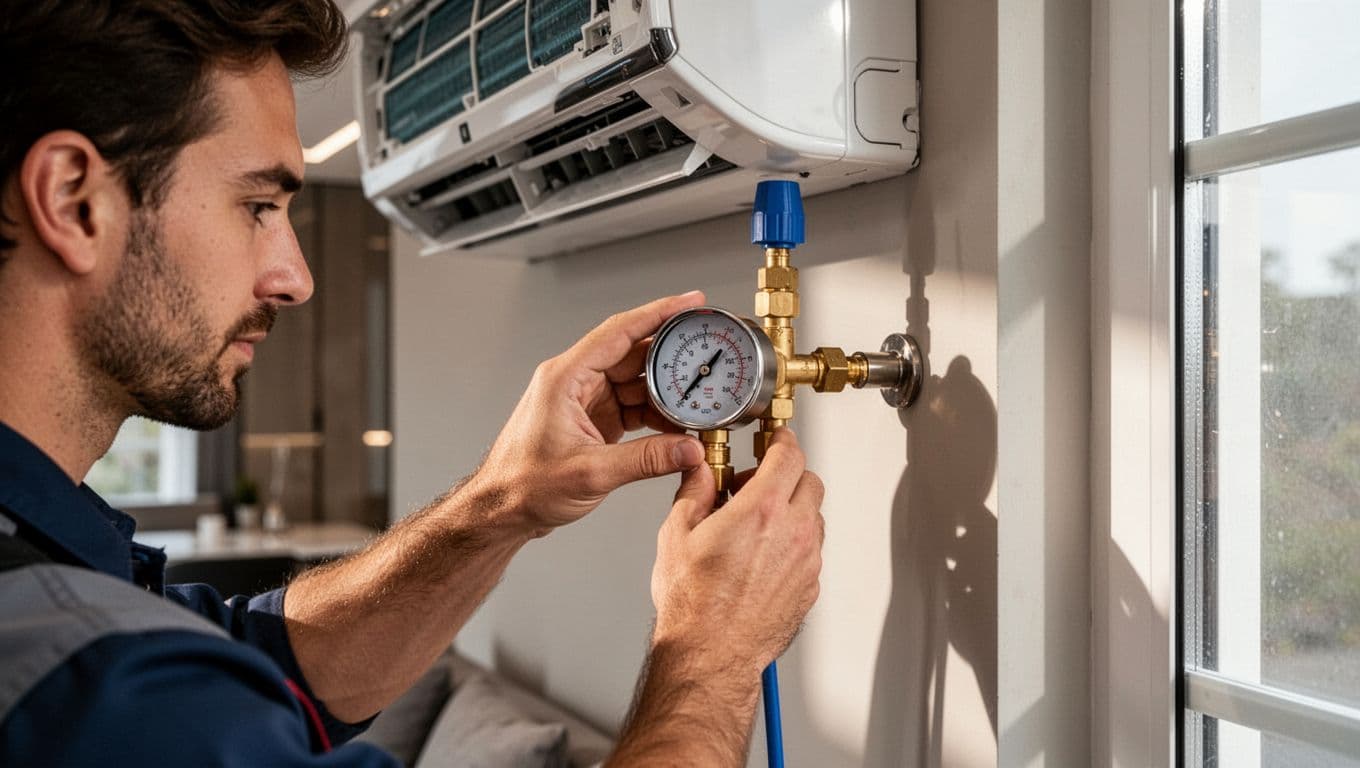
Inspection and pressure testing add to the upfront bill, but they give you a clearer picture of the job. That matters in Cape Coral, where attic heat and long duct runs can hide leaks that are not obvious from a quick look.
Testing helps answer three questions:
- Where is air escaping?
- How much leakage is there?
- Does the duct system need repair before sealing starts?
That last question is the one many homeowners miss. A sealed duct with a broken branch line is still a broken system. Fixing the structure first can save money over time.
Testing also helps compare estimates fairly. One contractor may quote a lower number because the quote skips testing. Another may charge more because it includes diagnostics and post-seal verification.
A low price without testing can turn into a higher bill later.
When the work is planned well, the result is cleaner airflow, less waste, and fewer surprises on the final invoice.
How to compare quotes without overpaying
The easiest mistake is to compare total price only. A better comparison looks at what each quote includes.
Before you approve a job, ask these things:
- Does the estimate include an inspection or pressure test?
- Which sealing method will be used?
- Are repairs included if ducts are damaged?
- Is the price based on square footage, labor, or a flat project scope?
- Will the technician explain what was sealed and what still needs attention?
Those questions matter because the cheapest quote may leave out work you need later. A clear estimate should spell out the testing, the sealing method, and any repairs before the first seam gets taped.
It also helps to ask how the job is priced. For example, a simple, reachable system might be billed differently from a larger home with attic-only access. That difference is normal, and it should be explained before work begins.
If you want a local estimate that lays out the scope clearly, Contact Us to schedule a service call. A good estimate should make the numbers easy to understand.
Conclusion
Cape Coral duct sealing prices in 2026 are shaped by the home itself, not by one fixed rate. Easy access, light leakage, and simple repairs keep costs lower. Tight attics, hidden leaks, and damaged ducts push the bill higher.
The best quote is the one that includes testing, explains the method, and tells you if repairs come first. That is the cleanest way to judge duct sealing cost without paying for guesswork.
A fair price should make sense once the system is inspected. When it does, you know you are paying for the job your home actually needs.