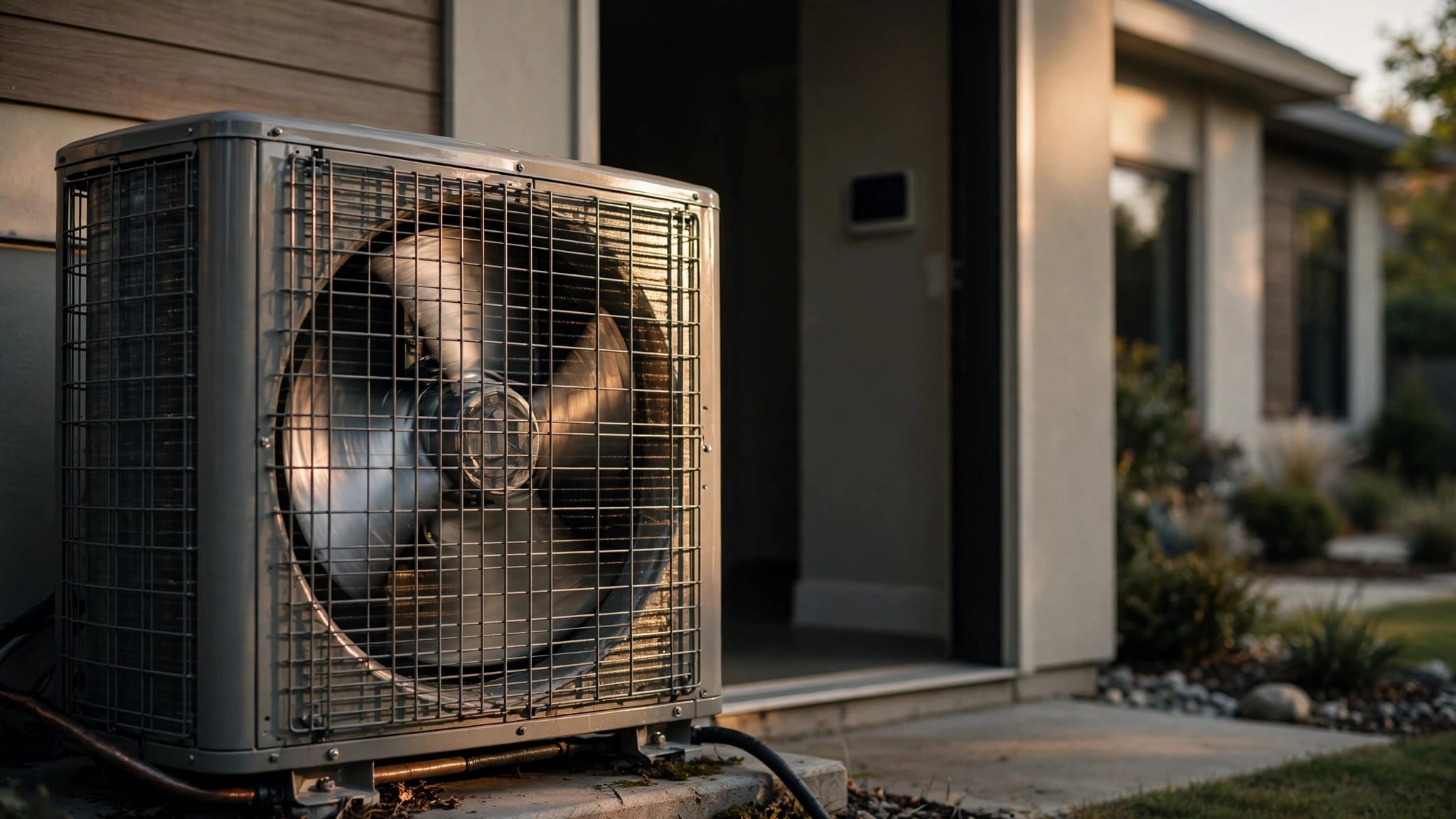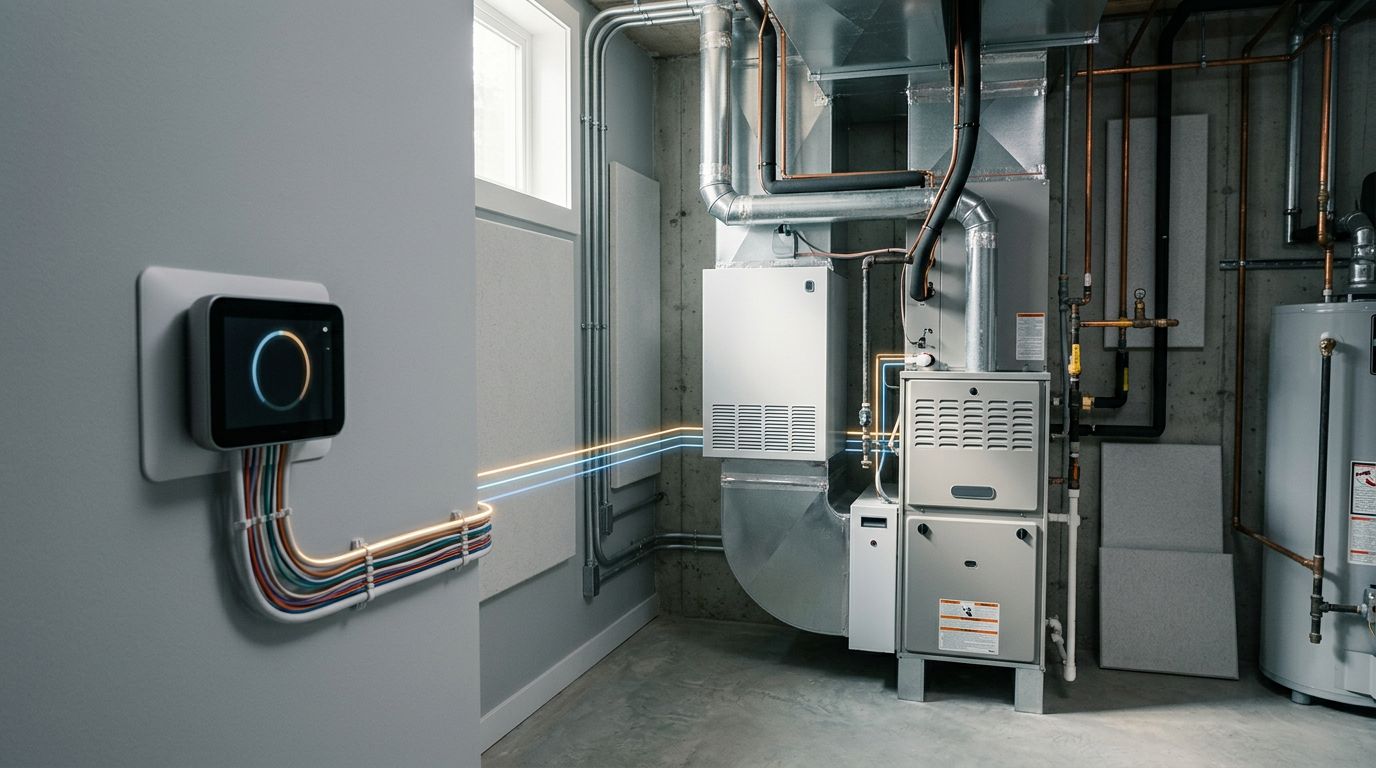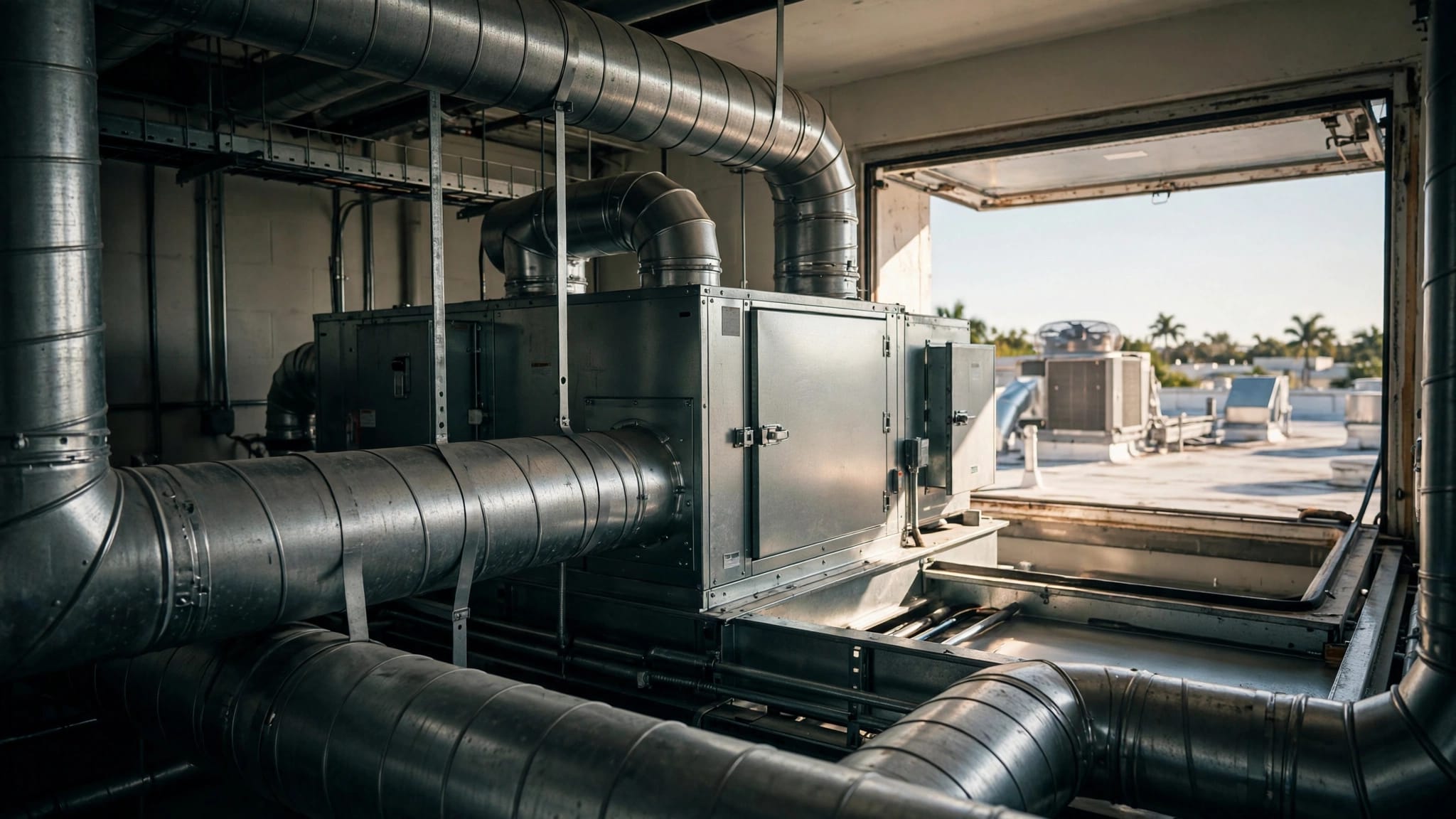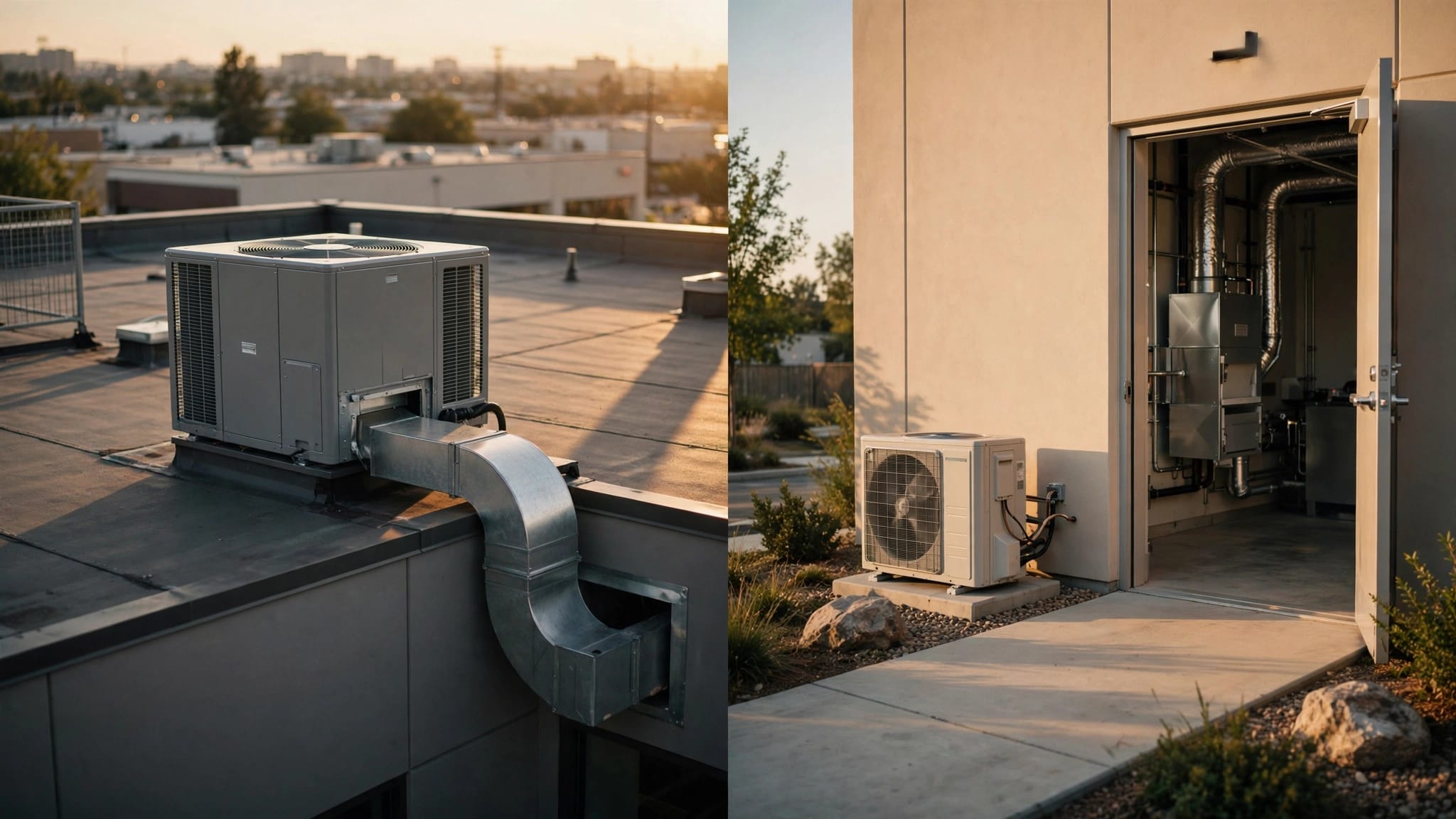
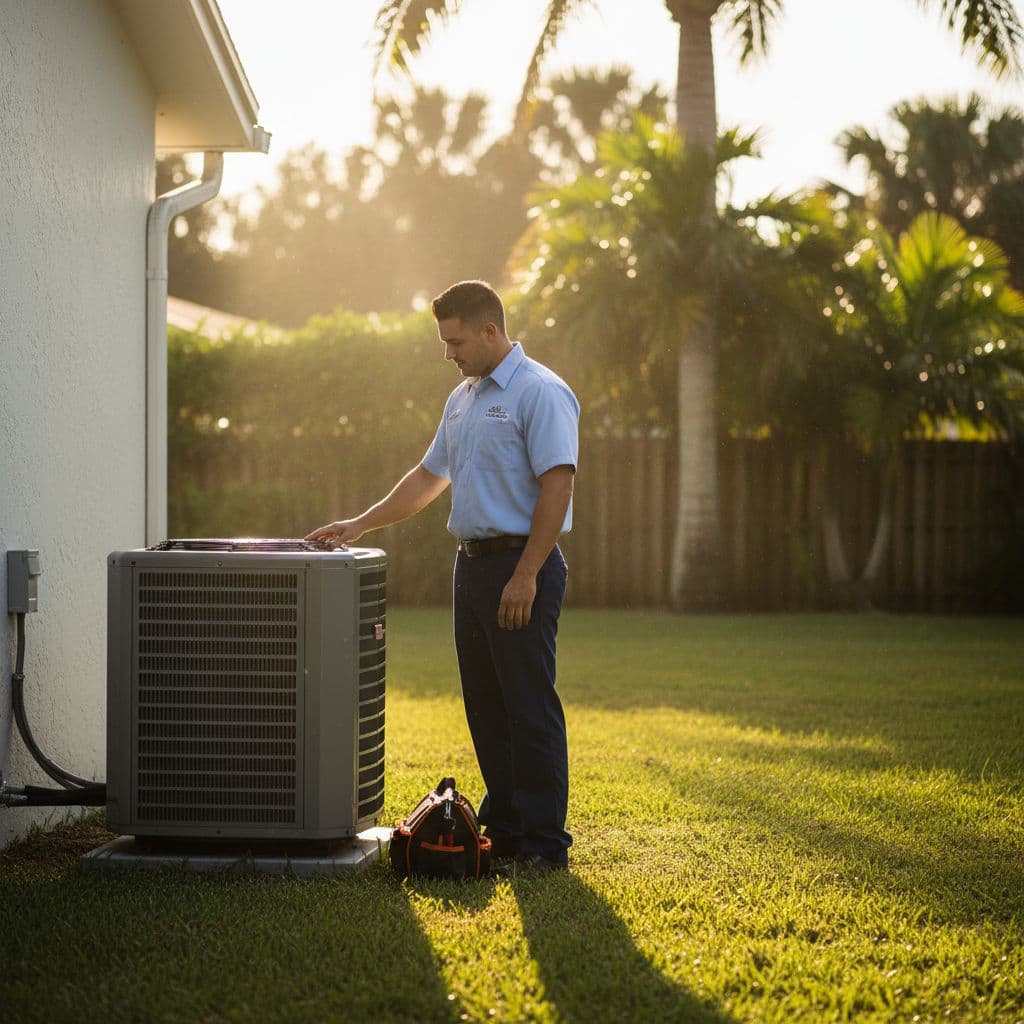
Cape Coral heat does not give your air conditioner much of a break. Between long cooling seasons, heavy humidity, and storm season, an aging system can wear out faster than you expect. If your AC has been struggling, the best time to replace your AC in Cape Coral is usually before peak summer demand pushes prices, wait times, and stress even higher.
That does not mean every replacement should wait for a mild month on the calendar. Some systems fail at the worst possible time, and waiting can turn a manageable upgrade into an emergency. The smart move is to balance weather, budget, and the condition of your equipment.
The right timing saves time and makes the process smoother. It also gives you more room to compare options and plan the job without rushing.
Why Cape Coral weather changes the replacement timeline
Cape Coral homes put air conditioners through a long work season. Even when the temperature drops a little, humidity keeps the system running. That constant use matters because it shortens the life of parts and makes older units lose efficiency faster.
Summer is the hardest season for replacement scheduling. Demand rises, service calendars fill up, and the hottest days can make a breakdown feel urgent. In addition, hurricane season can disrupt deliveries, labor schedules, and installation plans if a storm comes through.
Shoulder seasons, especially late fall, winter, and early spring, usually give you more flexibility. The weather is milder, so your home stays comfortable during a replacement. Contractors often have more open schedules, and you may have a better shot at a smooth installation date that works for you.
If you can replace an aging AC before peak heat arrives, you usually get more choices and less pressure.
That said, the calendar only helps if your system can keep going. A unit that is failing now should not wait for a perfect month.
The sweet spot for a new AC installation
The best months for many Cape Coral homeowners are often October through April. These months sit between the worst heat and the heaviest storm activity. That makes it easier to plan inspections, compare quotes, and schedule installation without scrambling.
Seasonal timing at a glance
A quick comparison helps when you are deciding whether to plan now or wait a little longer.
| Season | Demand | Best part | Watch for |
|---|---|---|---|
| Late fall | Lower | Easier scheduling and less heat stress | Holiday timing can slow decisions |
| Winter | Low to moderate | Good pricing discussions and flexible installs | Cooler days may hide comfort problems |
| Early spring | Moderate | Time to replace before summer | Books fill fast as heat returns |
| Summer | High | Fast action if the system fails | Longer waits and more pressure |
The takeaway is simple. If your AC is aging but still running, the shoulder seasons usually give you the cleanest path to a replacement. If the unit fails in July, you may not have the luxury of waiting.
Planning ahead also gives you time to think about comfort, not just emergency cooling. That matters in Cape Coral, where a new system should handle humidity as well as temperature.
When waiting makes sense, and when it doesn't
A replacement does not always need to happen the moment a problem appears. Small repairs can buy time if the system is fairly new, the fix is minor, and the unit is still cooling well. That can make sense when the compressor, coil, or controls are not showing wider signs of failure.
Still, some problems point straight toward replacement. If you notice any of these issues, waiting often costs more later:
- Frequent breakdowns that keep coming back
- Rising electric bills without a clear reason
- Uneven cooling from room to room
- Weak airflow or longer run times
- Loud startup noises, rattling, or grinding
- Moisture, rust, or refrigerant trouble
- A system that is 10 to 15 years old, or older
A unit that needs one expensive repair after another can drain money fast. If the repair bill starts creeping close to half the cost of a new system, replacement often makes more sense.
For homeowners in that spot, a same-day diagnosis can help clarify the next step. If the system is failing during a heat wave, Contact Us to schedule a service call and get a clear answer before the problem gets worse.
Planning the budget without rushing the job
Cost plays a big part in timing. Most homeowners prefer to replace an AC before an emergency forces a rushed decision. That gives you room to compare the system size, efficiency level, and total install price.
A helpful place to start is budgeting for a new air conditioner. A written estimate should cover the equipment, labor, needed materials, and any work tied to the home itself. Duct changes, electrical updates, or thermostat upgrades can affect the final number.
When you compare replacement costs, look at more than the sticker price. These details matter:
- System size matched to your home
- Energy efficiency and long-term power use
- Warranty coverage on parts and labor
- Ductwork condition and needed repairs
- Removal of old equipment
- Financing options, if you want to spread out payments
A cheaper unit can cost more later if it runs too hard or cools unevenly. On the other hand, the highest-efficiency system is not always the right answer either. The best fit is the one that matches your house, your comfort goals, and your budget.
What a smooth replacement appointment looks like
Once you pick a window for replacement, the next step is a clean installation plan. A good contractor should inspect the current system, check the ductwork, and confirm the new equipment size before install day. That reduces surprises and helps the new unit work the way it should.
If you want a clearer comparison between bids, how to compare HVAC quotes is a useful starting point. The strongest quote is the one that explains what is included in plain language. It should spell out the equipment model, labor, permits, startup, cleanup, and haul-away.
The installation itself usually goes faster when the weather cooperates and the team can work without emergency pressure. That is another reason shoulder seasons help. Your home stays comfortable during the swap, and the crew can focus on the job instead of fighting the heat.
If you are replacing an older unit, it also helps to ask about professional AC installation services. A careful installation matters as much as the equipment. Even a strong system can underperform if the setup is rushed or the ductwork is ignored.
A good replacement plan should leave you with three things: the right unit, a clear install date, and a system that cools evenly without wasting energy.
Conclusion
Cape Coral heat puts real pressure on an air conditioner, so timing matters. The most comfortable path is usually to plan a replacement during the shoulder seasons, before summer demand peaks and before a small problem turns into a full breakdown.
If your system is older, noisy, inefficient, or repair-prone, waiting for the "perfect" month can backfire. The best choice is the one that keeps your home cool, your costs under control, and your schedule out of emergency mode.