A failed AC coil can turn a normal day into an expensive one fast. In Cape Coral, a fair evaporator coil replacement cost in 2026 usually falls between $1,800 and $4,300 , with many homeowners landing near $3,000 once labor and refrigerant are included.
That range matters more in Southwest Florida than in milder places. Heavy AC use, high humidity, and salt air all put extra stress on coils and the parts around them.
The good news is that a coil problem does not always mean a full system replacement. The details below will help you read estimates with more confidence and spot a quote that leaves out too much.
What Cape Coral homeowners usually pay in 2026
The price depends on system size, brand, access, and whether the coil is still under warranty. A small system can cost a lot less than a large one, but the job still includes several steps beyond swapping one part.
Here is a practical planning range for 2026:
| Situation | Typical 2026 cost | What it usually includes |
|---|---|---|
| 1.5 to 2 ton system | $1,800 to $2,500 | Coil, labor, refrigerant recharge |
| 3 to 4 ton system | $2,500 to $3,500 | Coil, labor, evacuation, recharge |
| 5 ton or larger system | $3,500 to $4,300+ | Larger coil, more refrigerant, longer labor |
| Under parts warranty | $1,000 to $2,500 | Labor, refrigerant, misc. materials |
| Out of warranty | $2,500 to $4,500 | Parts and labor at current market rates |
That table gives you a working budget, not a hard quote. The final number can move if the unit is hard to access, if the refrigerant charge is large, or if the replacement coil has to match a specific brand and model.
A parts-only price can look harmless, but that is rarely the full story. The installed job may include recovery of old refrigerant, brazing, vacuuming, leak testing, and start-up checks.
If you want a broader look at AC service options, the air conditioning services in Cape Coral page is a useful starting point.
Why local conditions can push the price up
Cape Coral's climate is rough on cooling equipment. Your AC may run longer, start more often, and face more moisture than systems in cooler parts of the country. That wear adds up.
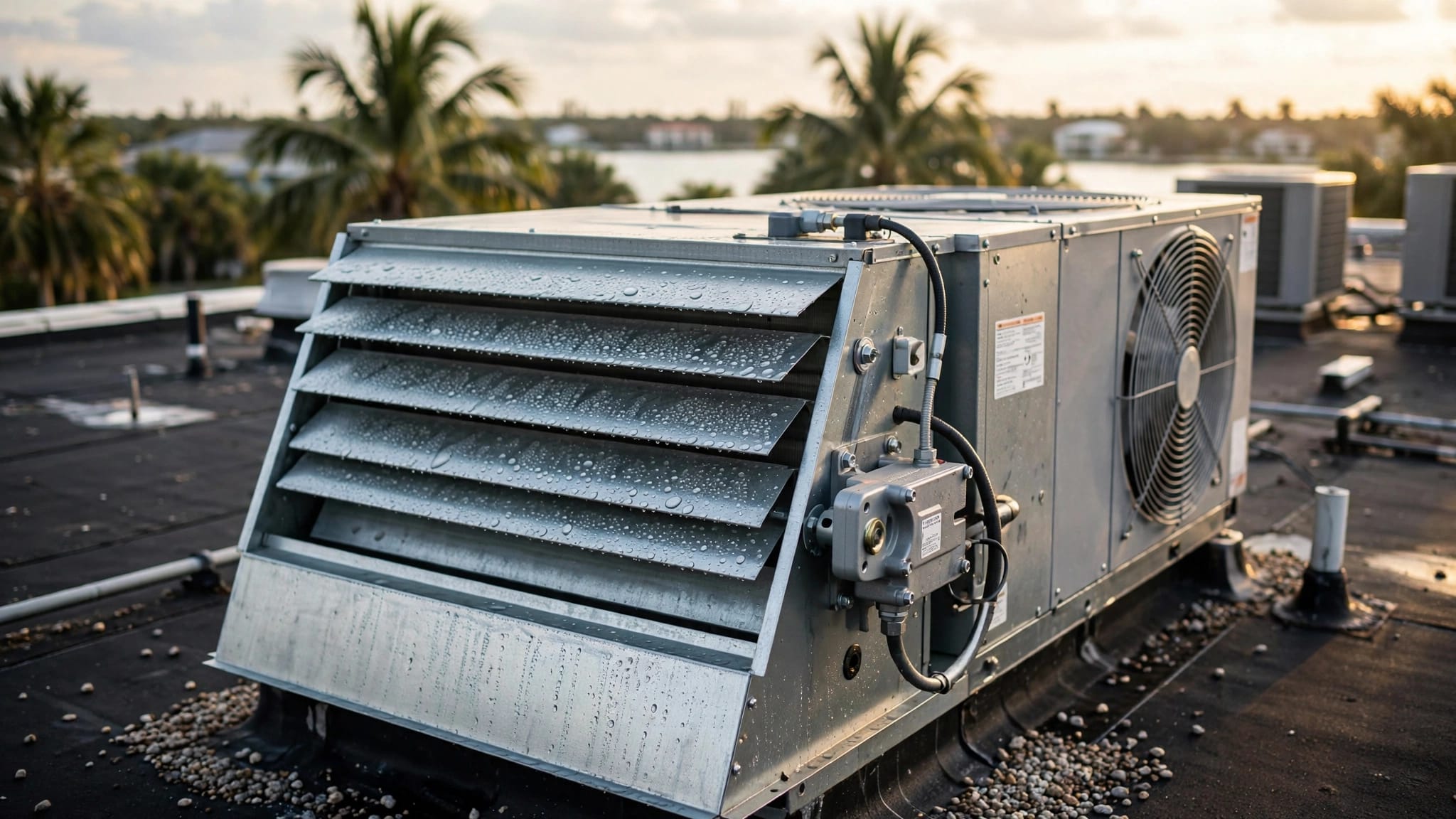
Humidity is a big reason coils fail early. Moist air condenses on cold metal, and over time that moisture can speed corrosion. Salt in the air makes things worse near the coast, because it attacks metal surfaces and fasteners.
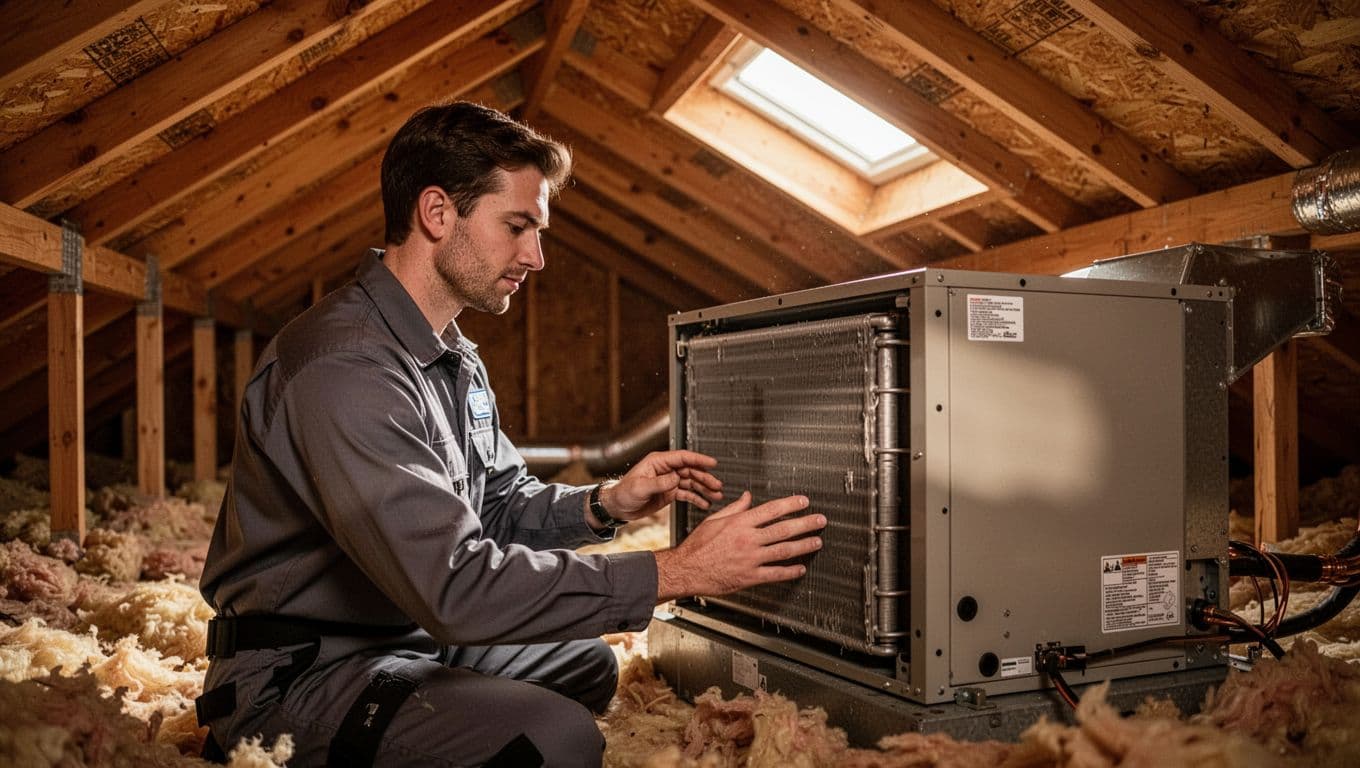
Access also matters. Some indoor coils sit in tight attic spaces, cramped closets, or crowded air handlers. When a technician has to work around limited space, labor time goes up.
Refrigerant type can change the bill too. Older systems may use parts that are harder to match, and some older refrigerants are more expensive to service. Brand-specific coils can also cost more than common replacement parts.
In short, two Cape Coral homes can have the same size unit and still get very different quotes. One simple attic job may be straightforward. Another may need extra cleanup, more refrigerant, and more time.
Repair or replace, how to make the call
A coil replacement makes sense when the rest of the system is in solid shape. It also makes sense when the unit is still fairly new and the coil is the only major failure.
A full AC replacement starts to look better when the system is older, the compressor is tired, or the repair list keeps growing. That decision gets easier when you look at the whole system instead of one broken part.
| Replace the coil | Replace the whole AC system |
|---|---|
| System is under 10 years old | System is 12 to 15 years old or more |
| Compressor and blower are in good shape | Multiple major repairs in the last 2 years |
| Warranty covers the coil | Warranty is expired or limited |
| Home is cooling well otherwise | Cooling is uneven or weak in several rooms |
| You want the lowest short-term cost | You want better efficiency and fewer surprise repairs |
The best choice often comes down to age and condition. If the AC is still dependable and the coil is the only problem, replacing the coil can be the smarter move. If the system is already near the end of its life, the coil quote may be the first of several expensive bills.
A low coil quote can look good on paper, then climb fast once refrigerant, labor, and leak checks are added.
If your system has more than one issue, a broader look from trusted Cape Coral HVAC contractors can help you compare repair and replacement without guessing.
What to ask before you approve the estimate
A clear estimate should explain what you're paying for and why. If it does not, ask more questions before you sign.
Ask these questions before you move forward:
- Is this price for the part only, or for the full installed job?
- Does the quote include refrigerant, labor, and startup testing?
- Will the technician check for leaks in the line set or other hidden damage?
- Is the coil an OEM match for my system, or a generic alternative?
- What warranty covers the part, and what warranty covers the labor?
- Will any extra charges apply if the refrigerant type needs special handling?
Those answers tell you whether the quote is complete or padded with later add-ons. They also help you compare two bids that may look similar at first glance.
It helps to ask about the drain pan, the metering device, and the condition of the blower. A bad coil sometimes comes with other worn parts, and you do not want to replace one piece only to miss another problem.
Warranty details that can change the final bill
Warranty coverage can lower the pain, but it rarely wipes out the whole cost. Many manufacturer warranties cover the coil part, yet labor is still on you. That alone can leave a meaningful bill.
Registration matters too. Some brands only offer full parts coverage when the system is registered within the required time window. If the paperwork was never filed, the warranty may be reduced.
Labor warranties are different from parts warranties. A labor warranty usually comes from the contractor, not the manufacturer. Ask how long it lasts and what it covers, because a short labor warranty can matter if another issue appears soon after the repair.
Also ask whether the quote includes disposal of the old coil, refrigerant recovery, and any permit-related work if it applies. Small extras can add up when the job is more complex than it first seemed.
When a fast second opinion is worth it
A second estimate makes sense when the quote jumps outside the normal Cape Coral range, when the diagnosis sounds vague, or when the contractor pushes a full replacement without explaining why. It also helps if one company says the coil is bad and another says the leak may be somewhere else.
This is especially useful for systems with long run times, coastal wear, or older refrigerant setups. In those cases, the problem may be clear, but the best fix is not always obvious.
If you need a service call, or you want a clear repair-versus-replace opinion, Contact Us to schedule service and talk through the options.
What Cape Coral homeowners should remember
Cape Coral's climate can shorten coil life, so the repair often shows up sooner than expected. A realistic 2026 plan is to budget around $1,800 to $4,300 , then adjust for system size, access, warranty coverage, and refrigerant needs.
The smartest move is to compare the coil quote against the age and health of the whole system. If the rest of the AC is solid, replacement can be a clean fix. If the system is old and already failing in other ways, a bigger decision may save money in the long run.
A good estimate should make sense before the work begins. When it does, the repair feels less like a surprise and more like a clear choice.