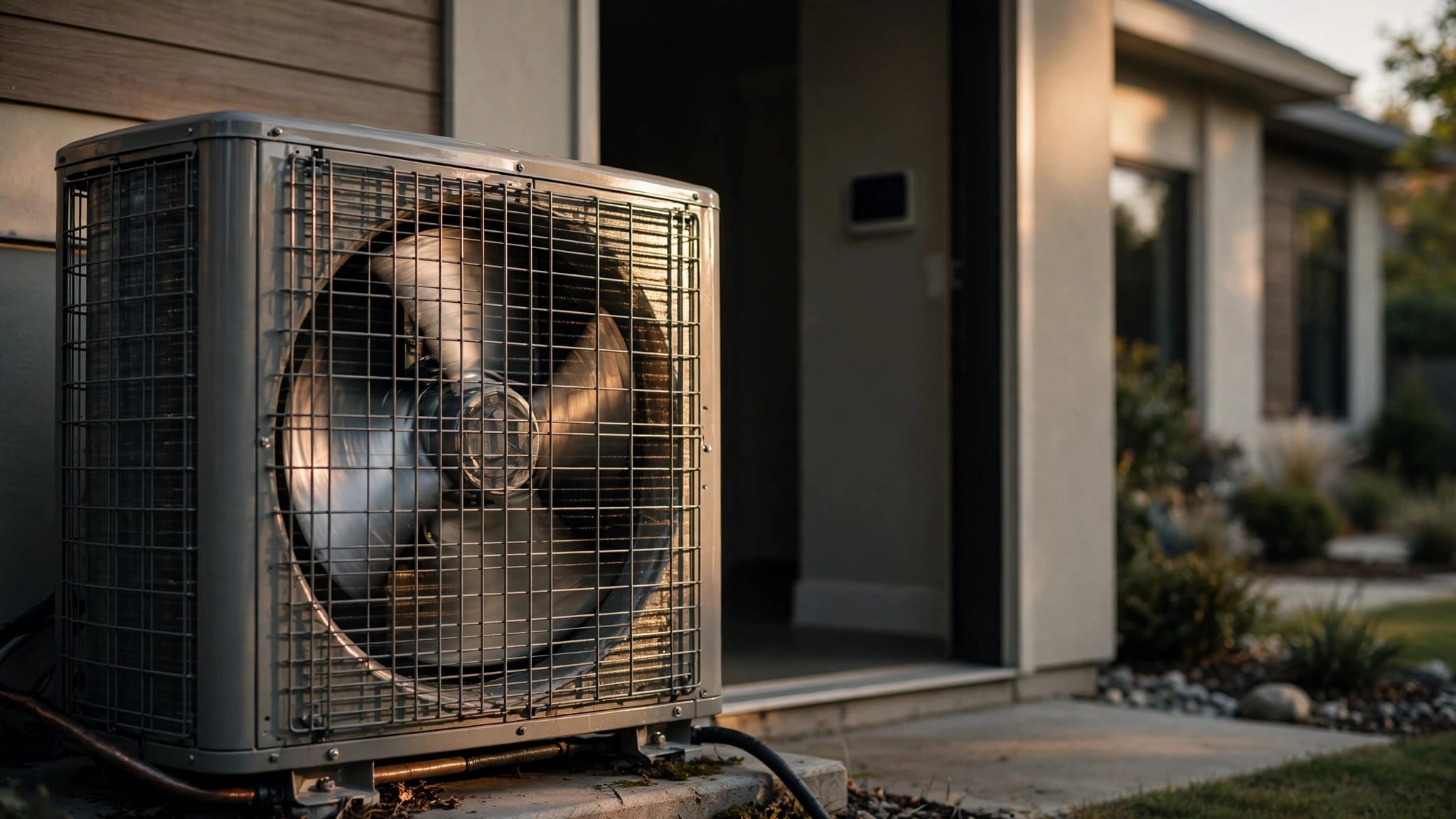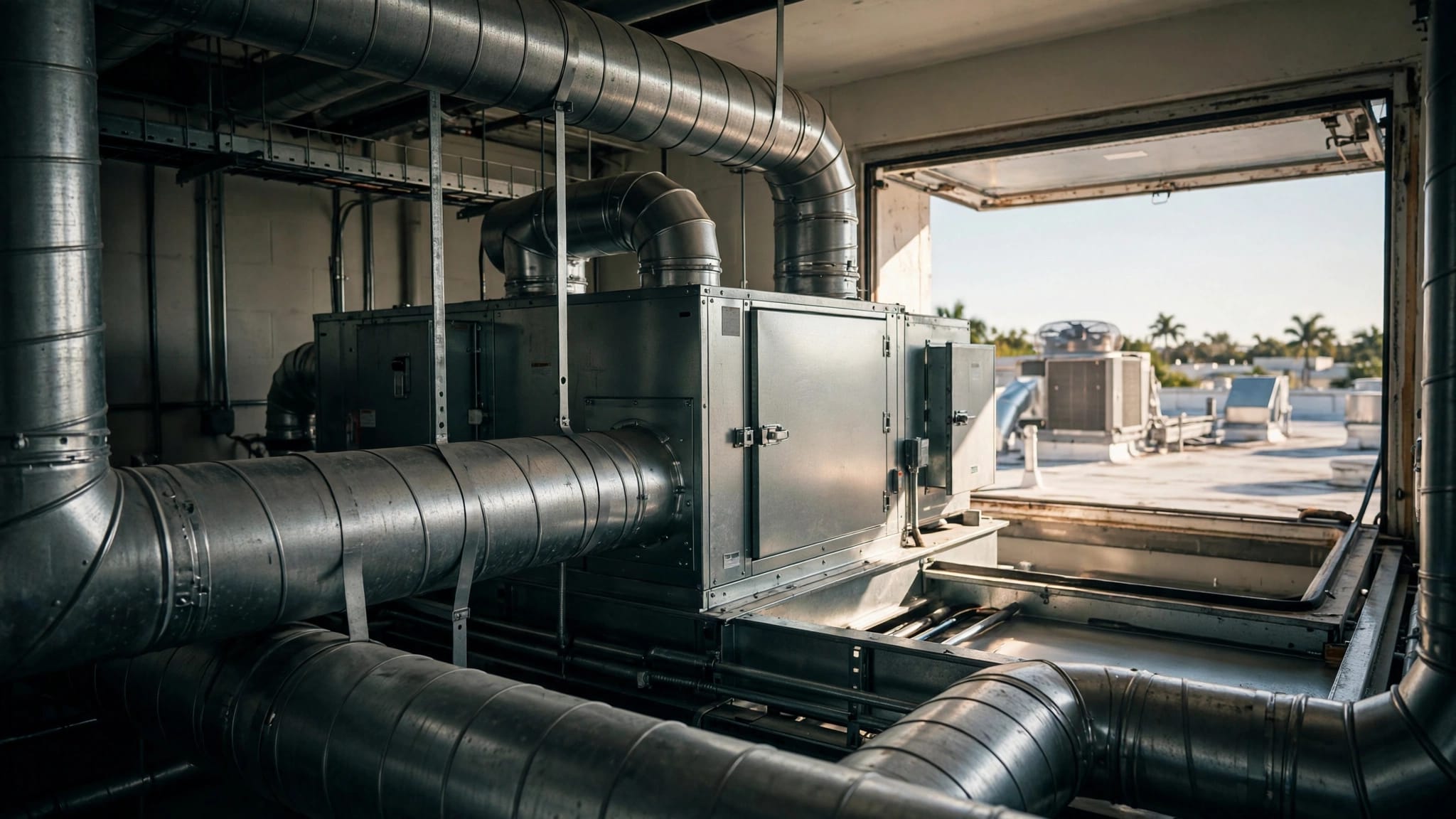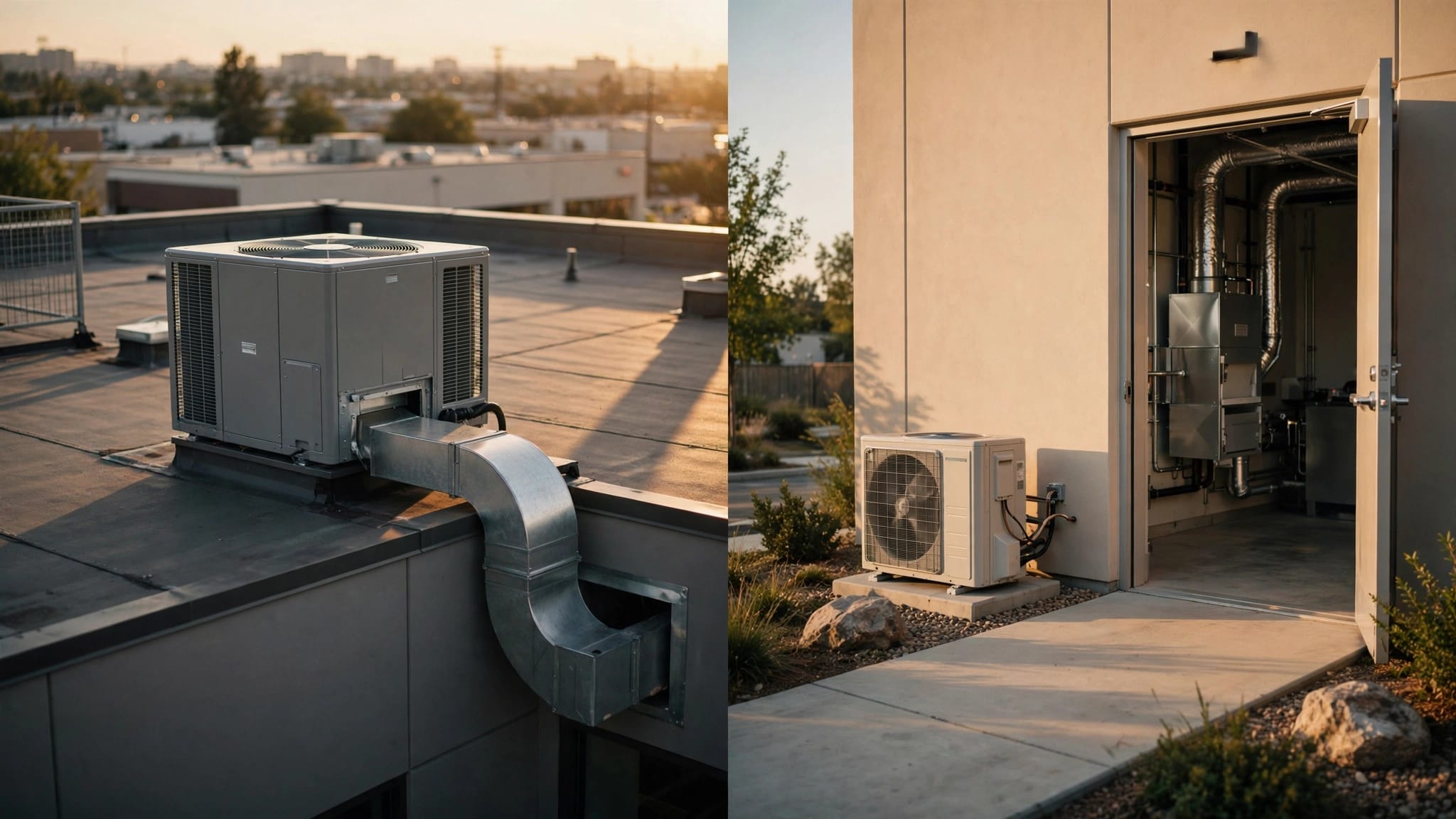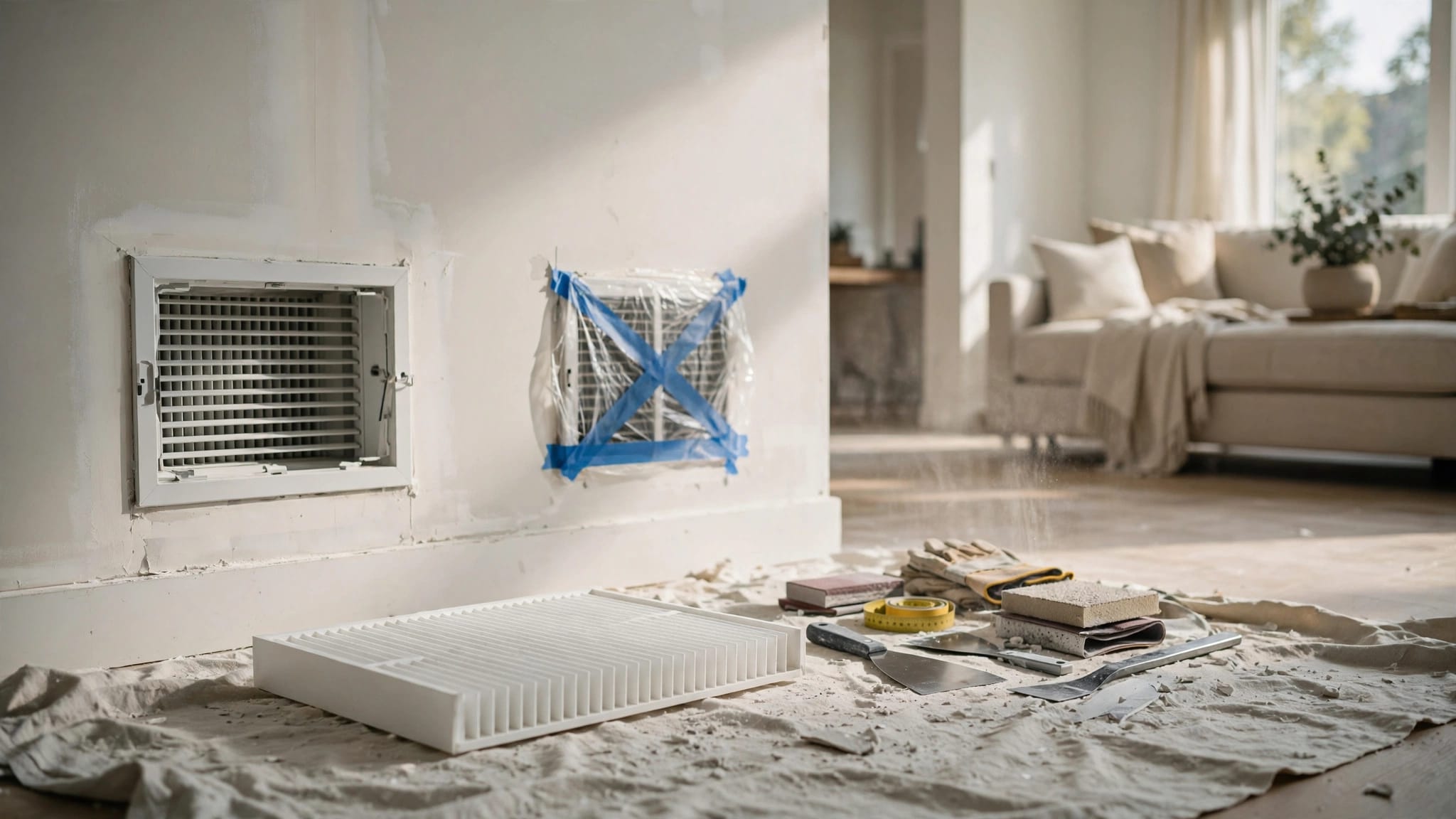
A new AC does not always mean new ductwork. In many Cape Coral homes, existing ductwork can stay with a new AC if it is properly sized, sealed, insulated, and in good condition.
That said, the duct system matters more than many homeowners expect. Cape Coral heat, humidity, and attic temperatures can expose weak ducts fast. If the ducts are leaky or worn out, a brand-new unit may cool unevenly, work harder, and leave the house feeling sticky.
The good news is that a careful inspection can usually tell you which path makes sense. Here's how to sort out the difference.
When existing ductwork can stay in place
Reusing ducts can be a smart move when the layout still matches the home and the duct runs are in solid shape. If the new AC has similar airflow needs and the duct system is clean and tight, there's no reason to tear it out just because the equipment changed.
A good installer will look beyond the age of the ducts. The question is whether the system can carry air the way the new unit needs it to.
| Duct condition | What it usually means |
|---|---|
| Tight joints, intact insulation, clean returns | Reuse may be fine after a full inspection |
| Small leaks at seams or boots | Seal and balance before the new unit goes in |
| Crushed flex, missing insulation, or weak supports | Repair is needed first |
| Mold, rust, or repeated moisture | Replacement may be the safer choice |
| Rooms with weak airflow or hot spots | The duct design may not match the new AC |
A quick look at the vents is not enough. Some duct problems hide in attics, crawl spaces, and wall cavities. That is why the best answer is usually found during the installation estimate, not after the first hot day.
Why Cape Coral homes need a closer look
Cape Coral homes deal with more than just heat. They also deal with heavy humidity, salt air, and long stretches of hot weather. Those conditions put stress on duct systems, especially when the ducts run through a hot attic.
If ductwork leaks, it can pull in warm, damp air before that air reaches your living space. As a result, the AC has to work harder to remove moisture and cool the rooms. That can lead to a house that feels cold in one room and muggy in the next.
A new AC can only perform as well as the airways that feed it.
Poorly matched ducts can also waste energy. A high-efficiency unit cannot do its job if the air cannot move freely. In some homes, the problem is not the equipment at all. The issue is that the ducts are too small, too damaged, or too poorly insulated for the system above them.
Hot attic runs are a common trouble spot in Southwest Florida. Air loses cooling before it reaches the registers. Insulation that has fallen apart or absorbed moisture only makes that worse. In a coastal climate, that lost performance shows up fast on your comfort and your bill.
What an HVAC contractor should inspect before reusing ducts
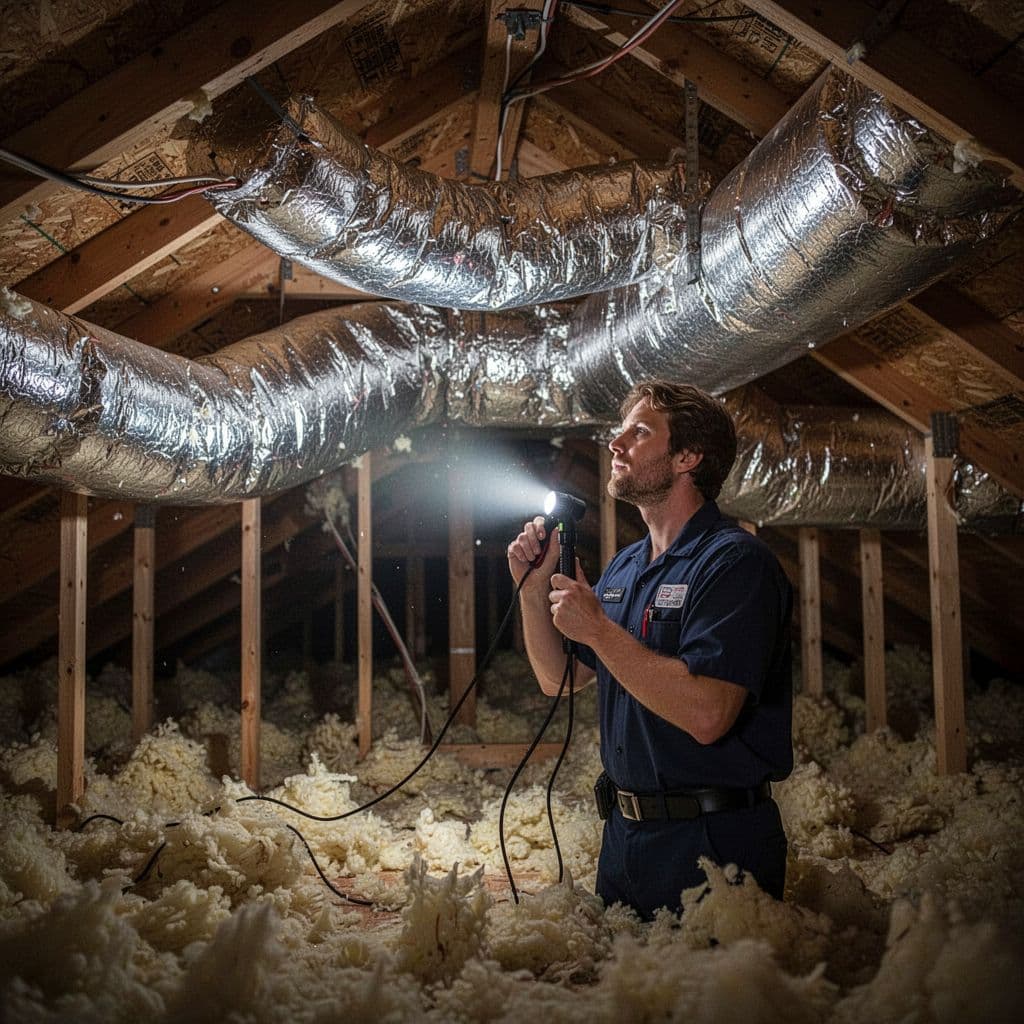
Before any replacement goes ahead, the contractor should inspect the ducts, not guess about them. A faceplate check at the registers is not enough for a Cape Coral home.
Here's the practical checklist that matters most:
- Duct sizing and layout : The ducts need to match the airflow needs of the new AC. If the layout was marginal before, the new unit may expose the weakness.
- Leaks at joints and connections : Seams, boots, plenums, and tape joints should be checked for air loss. Small leaks add up fast.
- Insulation condition : Look for crushed, missing, wet, or torn insulation. Damaged insulation can raise heat gain and reduce comfort.
- Mold or moisture : Any sign of mold, mildew, or past water intrusion needs attention. Moist ducts can spread musty odors through the house.
- Collapsed or sagging flex duct : Flexible duct should be supported correctly and should not kink or flatten.
- Return-air capacity : The return side matters as much as supply. Weak returns can strain the system and hurt airflow.
- Air balance and static pressure : The contractor should confirm that the system can move air without being choked off.
- Condition of registers and boots : Damaged boots or loose register connections can waste conditioned air before it reaches the room.
- Attic exposure : Long runs through a hot attic may need extra sealing or insulation, even if the ducts themselves are still usable.
If a contractor skips these checks, the new AC may never reach its full comfort level. That is why a duct inspection should be part of the replacement conversation, not an afterthought.
If you are comparing estimates, make sure the duct plan is spelled out. How to evaluate air conditioning quotes for your home can help you ask better questions before you choose a contractor.
When ductwork should be repaired or replaced
Some ducts can be cleaned up and sealed. Others are too far gone. If the system has several problem spots, patching one leak at a time usually turns into a temporary fix.
That is especially true when you see more than one of these issues at the same time:
- repeated hot or cold rooms
- visible tears, gaps, or disconnected runs
- mold smell or damp insulation
- noisy airflow or whistling
- crushed flex duct or sagging sections
- ductboard or old tape that is breaking apart
- a duct design that never fit the home well
When the damage is spread out, replacement may make more sense than repeated repairs. That is where professional ductwork support helps. Professional ductwork repair and replacement in Cape Coral can solve the root problem instead of hiding it.
Budget also matters. Duct replacement is a real project, especially when it involves attic access, sealing, or rerouting. If you want a better sense of the price factors, cost factors for replacing air ducts in Cape Coral homes explains what tends to move the total up or down.
If the inspection shows major damage, ask for a repair plan before the new AC is installed. That way, you avoid paying for a strong system that feeds on weak ductwork.
Getting the best performance from a new AC
A new AC should cool the home evenly and help with humidity control. That only happens when the airflow path is clean and balanced. In Cape Coral, that matters even more because sticky air can make a house feel warmer than the thermostat says.
Keep in mind that comfort problems are not always equipment problems. Sometimes the system is fine, but the ducts are leaking cooled air into the attic or pulling humid air into the return side. Sometimes the ducts are simply the wrong size for the new unit. Either way, the fix starts with a proper inspection.
If you want a second opinion before you replace equipment, Contact Us to schedule a service call and ask for a duct check with your AC estimate.
Conclusion
You can keep existing ductwork with a new AC in Cape Coral, but only when the ducts are in good shape and sized for the new system. The key signs are simple: tight seams, solid insulation, clean airflow, and no mold or moisture issues.
Because Cape Coral homes deal with heat, humidity, and hot attic runs, duct condition matters just as much as the equipment itself. A new AC should make the home more comfortable, not mask an old duct problem.
When the ducts pass inspection, you may save money and keep the project simpler. When they do not, fixing them first is the smarter long-term move.