A mini-split can cool one room or several without ductwork, but the price can swing fast. In Cape Coral, the mini split installation cost in 2026 usually lands in a practical range, yet the final number depends on your home more than the brochure.
Hot weather, sticky humidity, and older electrical systems can all push the price up. So can long line runs, extra zones, and permit work. If you want a quote that makes sense, you need to look at the whole job, not just the unit.
What Cape Coral homeowners can expect to pay in 2026
For a basic single-zone mini-split, many Cape Coral homes fall around $3,000 to $5,000 installed . Larger homes, multi-room setups, or jobs that need electrical updates can move into a much higher range.
Here's a simple way to think about typical installed pricing in 2026:
| Mini-split setup | Typical installed range |
|---|---|
| One zone, one room | $3,000 to $5,000 |
| Two zones | $5,000 to $8,500 |
| Three or more zones | $8,000 to $13,000+ |
| Large or complex layout | Often higher than $13,000 |
These are realistic planning numbers, not fixed quotes. A bedroom system is easier to price than a setup that cools a living room, office, and bonus space at the same time.
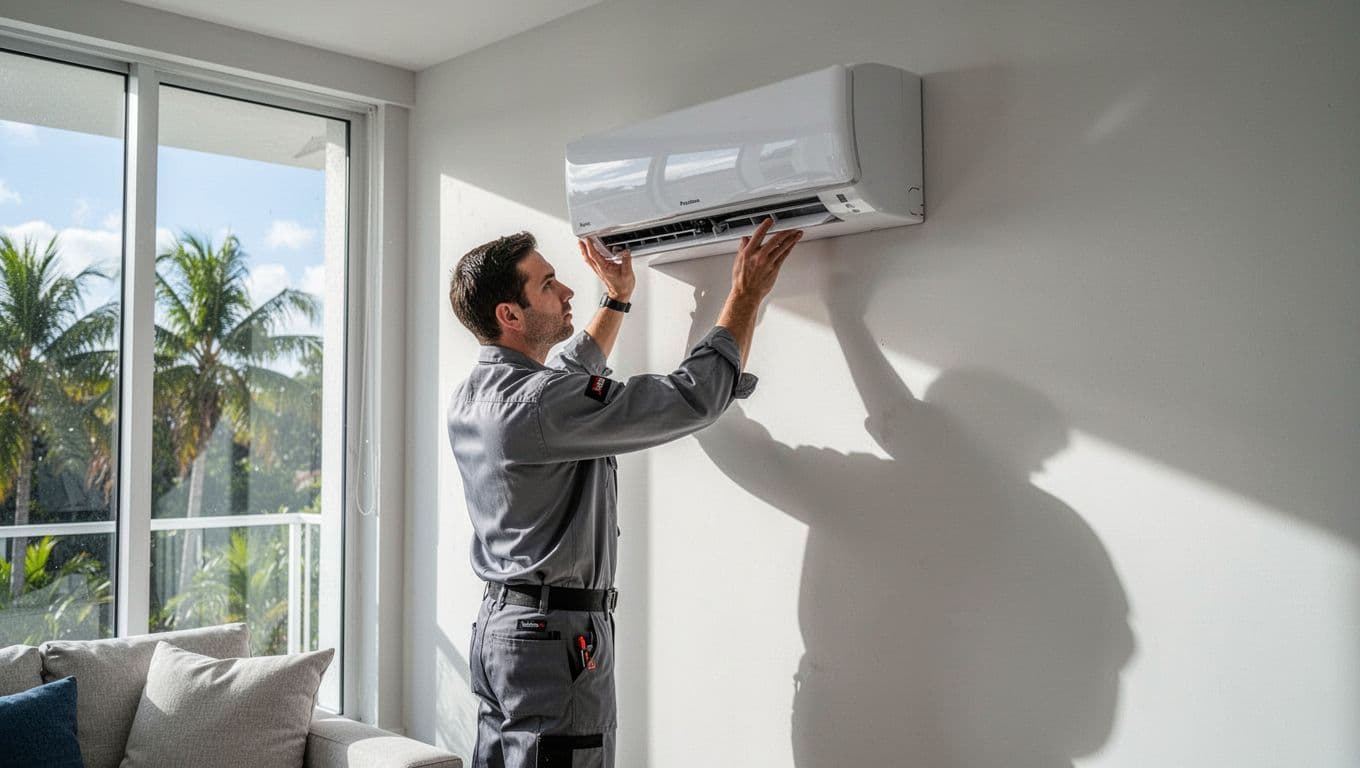
The takeaway is simple. A small system may look affordable at first, but the total rises once the scope grows. That's why a clear site visit matters more than an online estimate.
What changes your final price
A mini-split system is not priced like a box on a shelf. The equipment matters, but the home itself often drives the final bill.
System size and number of zones
The more space you need to cool, the more capacity you need. A 9,000 BTU unit for a small bedroom costs less than a 24,000 BTU system for a large open room. Add a second or third indoor head, and the price moves up again because the installer is adding parts, labor, and controls.
A single-zone system is usually the cheapest option. Multi-zone systems cost more because each indoor unit needs its own line set, mounting work, and setup time. That is why a three-room project can cost several thousand dollars more than one room alone.
Layout, humidity, and insulation
Cape Coral homes deal with heavy humidity most of the year. That matters because a mini-split must do more than lower the temperature. It also has to pull moisture out of the air.
Poor insulation makes that job harder. So does a layout with vaulted ceilings, lots of glass, or rooms that stay open to the rest of the house. When a system has to run longer to keep up, the contractor may recommend more capacity or a different placement, and both choices can change the price.
Existing electrical service
Some homes already have the electrical support a mini-split needs. Others need a panel update, a new circuit, or extra disconnect work. That can add real cost.
If your home has older wiring or a crowded electrical panel, ask about it early. It's much better to hear about that on the estimate than after the installer opens the job.
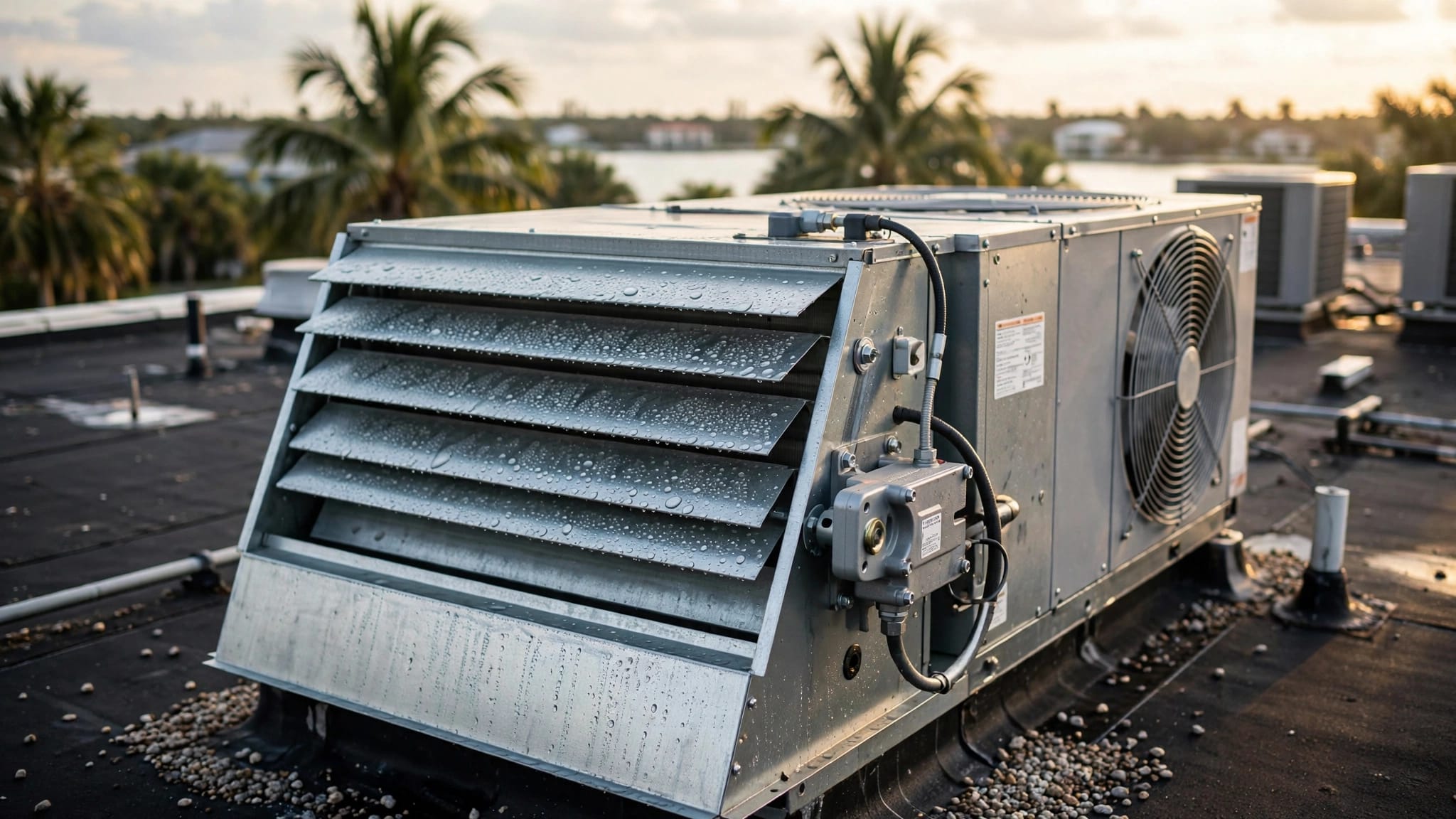
The outdoor setup can add cost too. In coastal Florida, mounting and support hardware may need to handle wind and weather better than a standard install elsewhere.
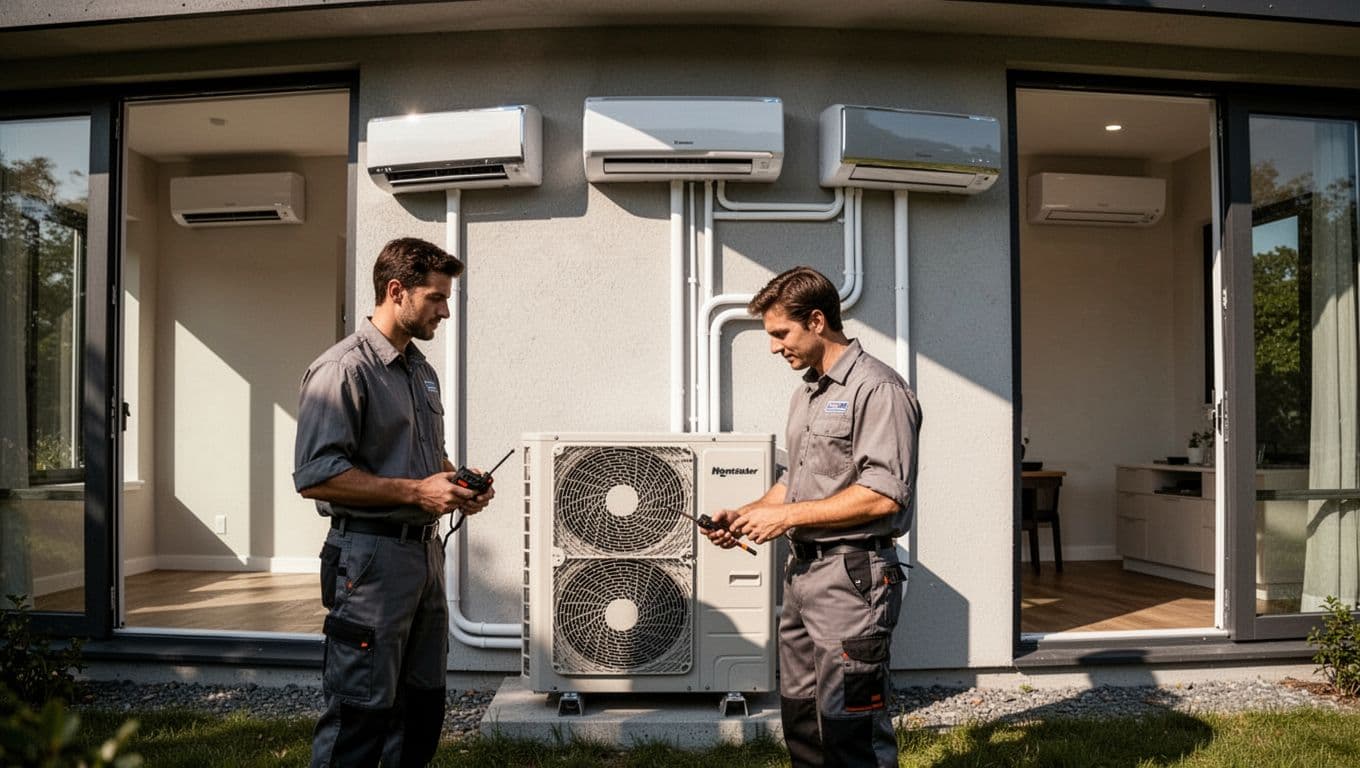
What a normal installation quote should include
A fair quote should spell out what you are paying for. If it does not, the final bill can grow in small steps that add up fast.
A solid mini-split installation quote usually includes:
- The indoor and outdoor units
- Mounting hardware and basic line-set materials
- Refrigerant connection and startup work
- Drain line setup
- Basic testing and system commissioning
- Cleanup of the work area
- Standard labor for the agreed scope
Some jobs also include permit handling, but not every quote does. If it's missing, ask who is responsible for it before the work starts.
A few items often cost extra:
- Electrical panel or circuit upgrades
- Longer refrigerant line runs
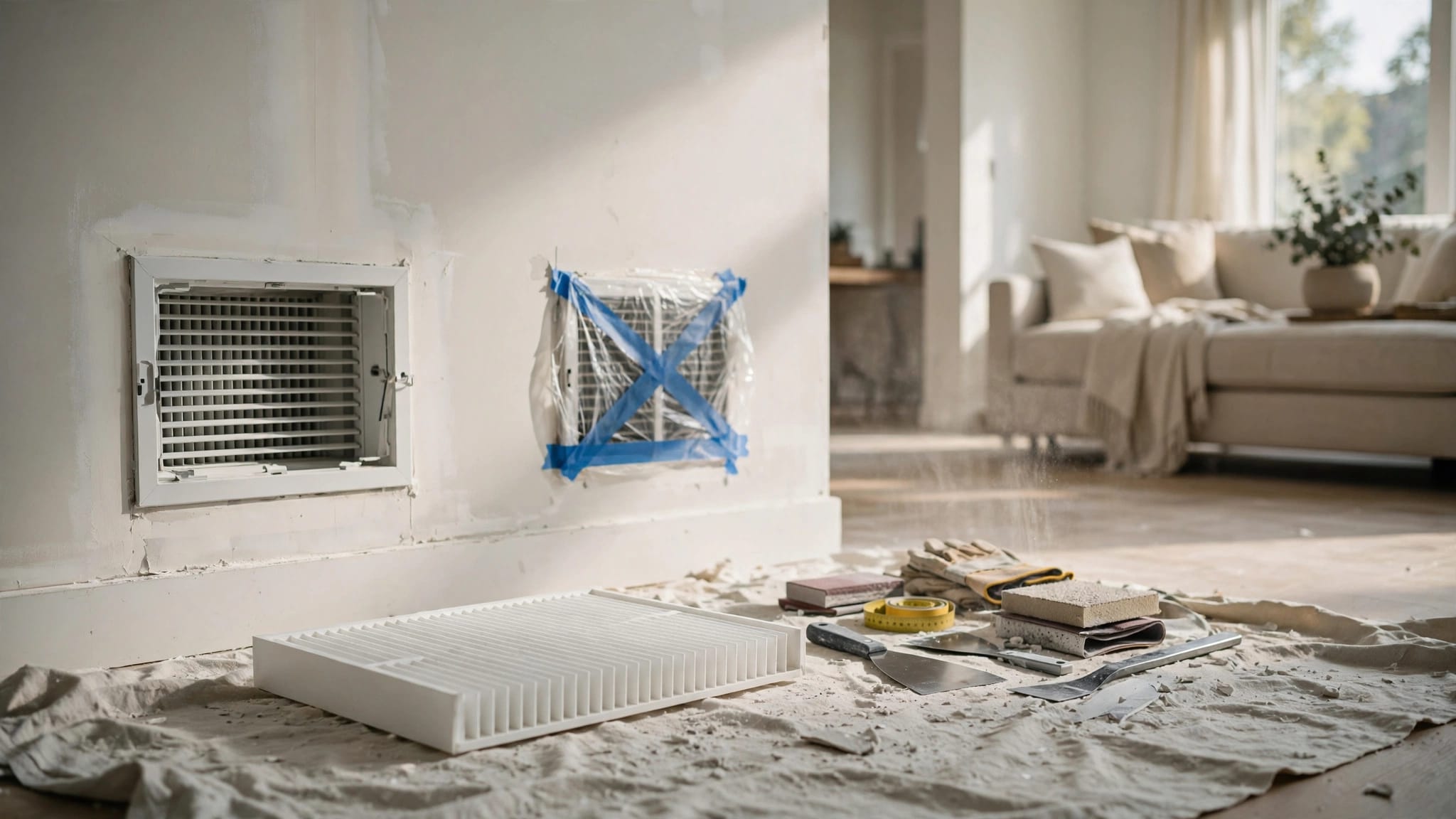
- Wall repairs after access holes
- Condensate pump installation
- Special mounting or support hardware
- Extra labor for hard-to-reach areas
If you are comparing bids, understanding air conditioning installation pricing can help you spot what is included and what isn't. That matters because the lowest quote is not always the best value.
Permits and code issues can affect the total
Permitting is part of the real cost of a mini-split, even when homeowners forget to budget for it. Most new HVAC installs, and many equipment changes, need some level of local approval and inspection.
That does not mean the process has to be difficult. It does mean your contractor should know how to handle the work safely and in line with local code requirements. Electrical work, refrigerant handling, mounting, and equipment placement all need to be done correctly.
A quote that skips permit and inspection details can look cheaper than it really is.
This is where a home visit helps. A contractor can see whether the panel has enough capacity, whether the wall location works, and whether the outdoor unit needs a better base or support. Those details shape the final price more than most people expect.
If a contractor glosses over code questions, that is a red flag. Good pricing should come with clear answers.
How to get a quote that fits your home
The best way to estimate a mini-split is to match the system to the space. That means looking at room size, sun exposure, ceiling height, insulation, and how the home is used day to day.
A bedroom that stays shut most of the time is different from a kitchen and living room combo. A garage conversion is different from a primary suite. The more clearly you describe the space, the better the quote will be.
It also helps to ask what happens if the installer finds hidden issues. Old wiring, damaged drywall, or a poor mounting spot can change the job. A good contractor explains those possibilities before the work begins.
If you want a quote tailored to your home, use Contact Us to schedule a service call and get a custom estimate. That is the fastest way to find out what your project should cost in Cape Coral.
Conclusion
Mini-split pricing in Cape Coral is shaped by more than the unit itself. Size, number of zones, humidity, insulation, electrical work, and permits all play a part in the final number.
For 2026, many single-zone jobs still land in a manageable range, while larger multi-zone systems climb quickly. The real key is a quote that matches your home instead of guessing from a chart.
A careful estimate gives you a clearer view of the mini split installation cost and helps you avoid surprise charges later.