Yes, you can sometimes replace just the outdoor AC unit in Cape Coral. However, that choice only makes sense when the indoor coil, air handler, and refrigerant setup still fit the new condenser.
That matters more here than in many places. Cape Coral homes run AC for long stretches, and the heat, humidity, and salt air put a lot of stress on cooling equipment. If the indoor parts are old or mismatched, swapping only the outdoor unit can create more problems than it solves.
What the outdoor AC unit does, and why it fails first
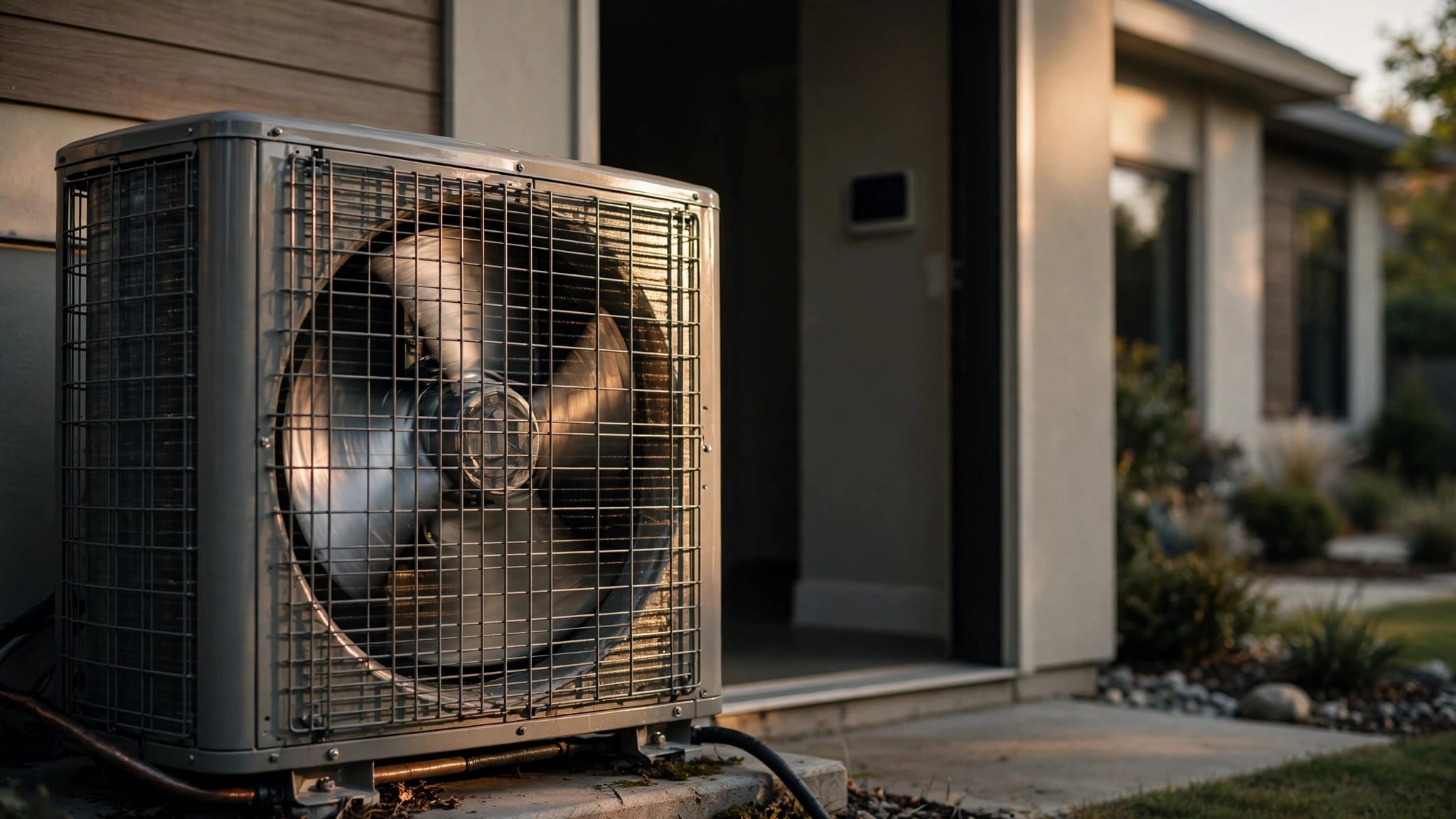
The outdoor unit, also called the condenser, does the heavy lifting outside your home. It releases heat pulled from inside, so your house can stay cool. When it starts to fail, you may notice weak cooling, rising electric bills, loud noises, or short cycling.
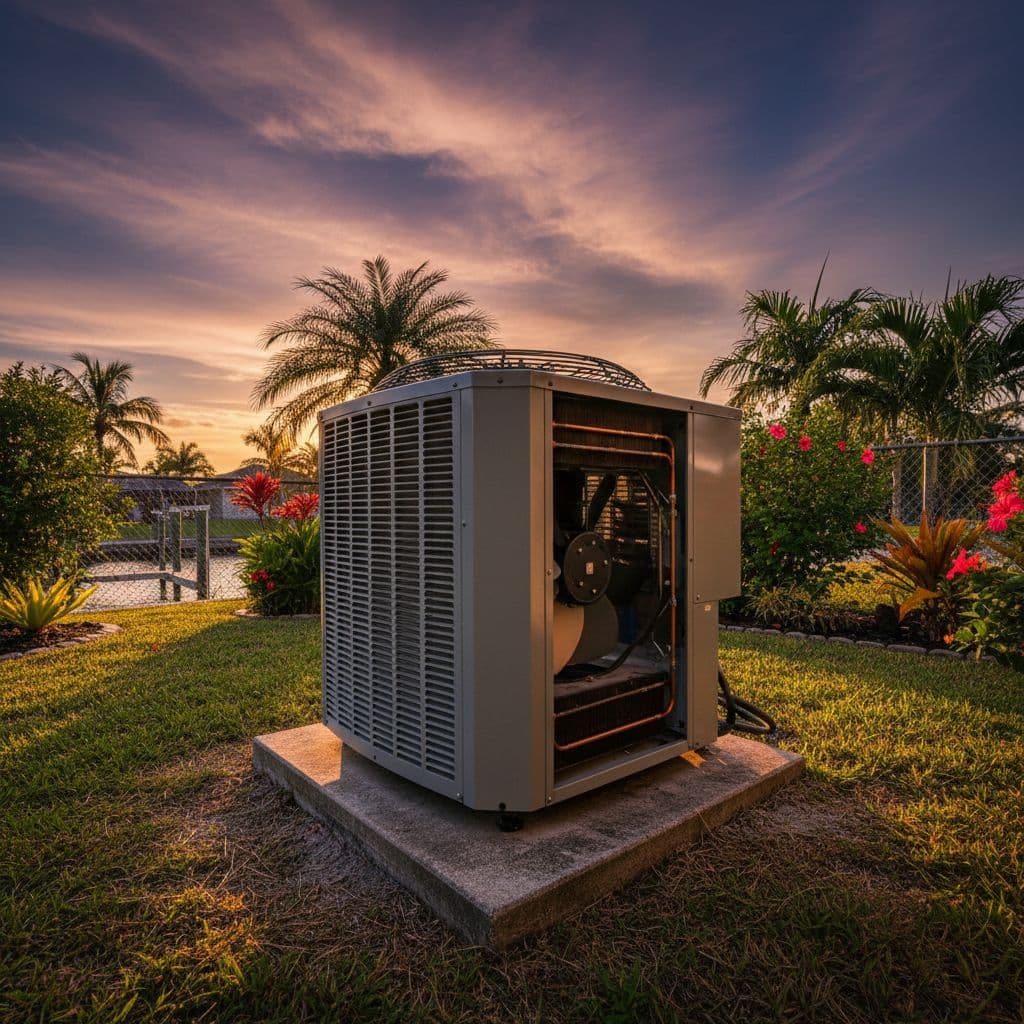
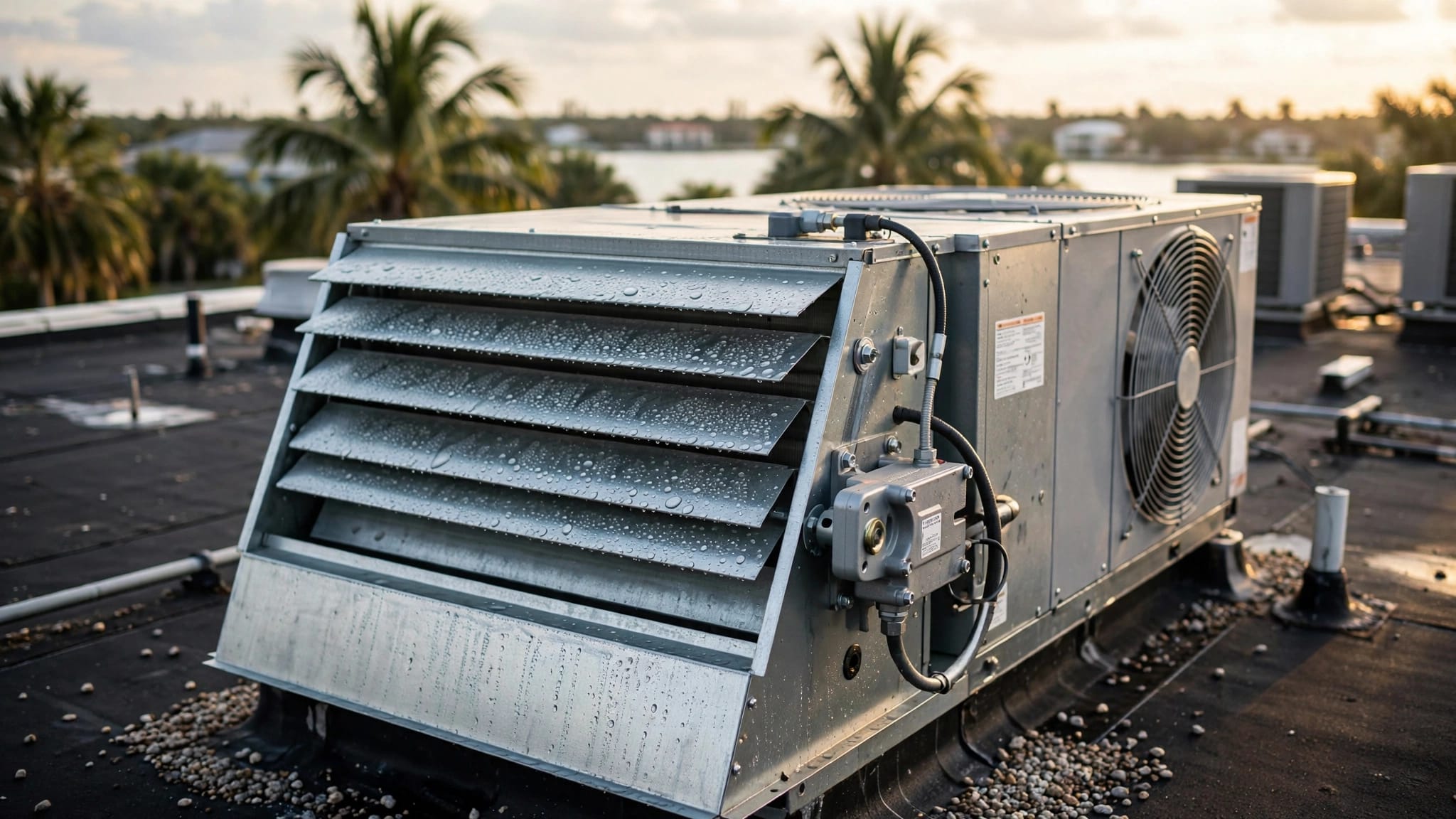
Cape Coral weather is hard on that part of the system. The outdoor cabinet sits in hot sun, high humidity, and salty air. Corrosion builds faster near the coast, and that can damage coils, wiring, and fan parts.
That is why some homeowners hope for a simple condenser swap. It sounds cheaper, and sometimes it is. Still, the outdoor unit is only one piece of a larger cooling system. If the other pieces are worn out, the new part may not perform the way you expect.
When replacing only the outdoor unit can work
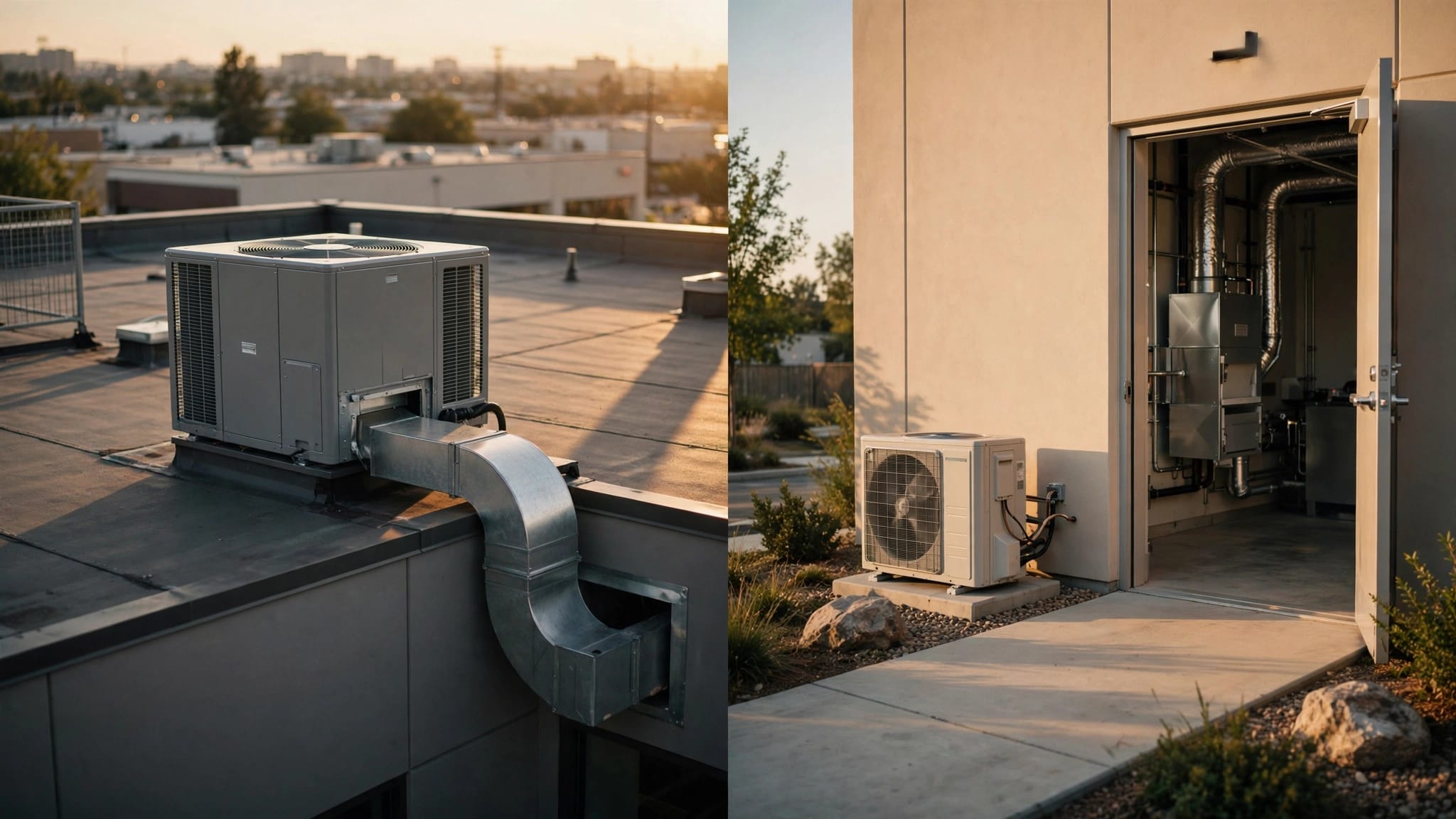
Replacing just the outdoor AC unit can work when the rest of the system is in good shape. The indoor coil must match the new condenser, and the air handler needs enough life left in it to make the upgrade worthwhile.
A few signs point toward a possible condenser-only replacement:
- The indoor coil is clean and not corroded.
- The air handler runs well and fits the new equipment.
- The refrigerant type is compatible with the replacement unit.
- The system is not already near the end of its service life.
Even then, the match has to be exact enough for the system to run as designed. A condenser is not a universal part. It has to work with the indoor coil, metering device, and blower settings.
If those parts do not line up, efficiency drops. Comfort can suffer too. You may get uneven temperatures, longer run times, or higher humidity indoors. In a Cape Coral summer, that gets old fast.
A condenser-only swap can look simple on paper, but compatibility decides whether it works well in real life.
Why mixed systems can cost more later
A new outdoor unit paired with old indoor equipment can create hidden costs. The biggest issue is performance. The system might cool, but it may not cool well.
Manufacturers test and rate equipment as matched systems. That matters for SEER2 efficiency , airflow, and refrigerant balance. When parts are mixed, the rated efficiency can slip. So can comfort.
The warranty is another concern. Some manufacturers limit coverage when a new condenser is tied to older indoor components. Others require approved matches. If the indoor coil or air handler is too old, you may lose part of the protection you thought you had.
The table below shows the difference in simple terms.
| Option | Good fit when | Main risk |
|---|---|---|
| Replace only the outdoor unit | Indoor coil and air handler are in good condition and fully compatible | Lower efficiency, shorter warranty, weaker comfort |
| Replace the full matched system | The indoor and outdoor parts are old, mismatched, or worn | Higher upfront cost |
| Repair the current system | The issue is small, like a capacitor or contactor | Repeat breakdowns if the system is aging |
The best quote is not always the cheapest one. If you are comparing estimates, look closely at what each contractor includes. A helpful starting point is how to compare AC installation quotes in Cape Coral, because the details matter more than the headline price.
A new condenser can save money up front. Still, if it is forced to work with tired indoor parts, the savings can disappear through higher bills and future repairs.
How Cape Coral weather changes the decision
Cape Coral homes do not get a long break from cooling season. The AC works for much of the year, so small weaknesses show up fast. A unit that might limp along in a milder climate can struggle here.
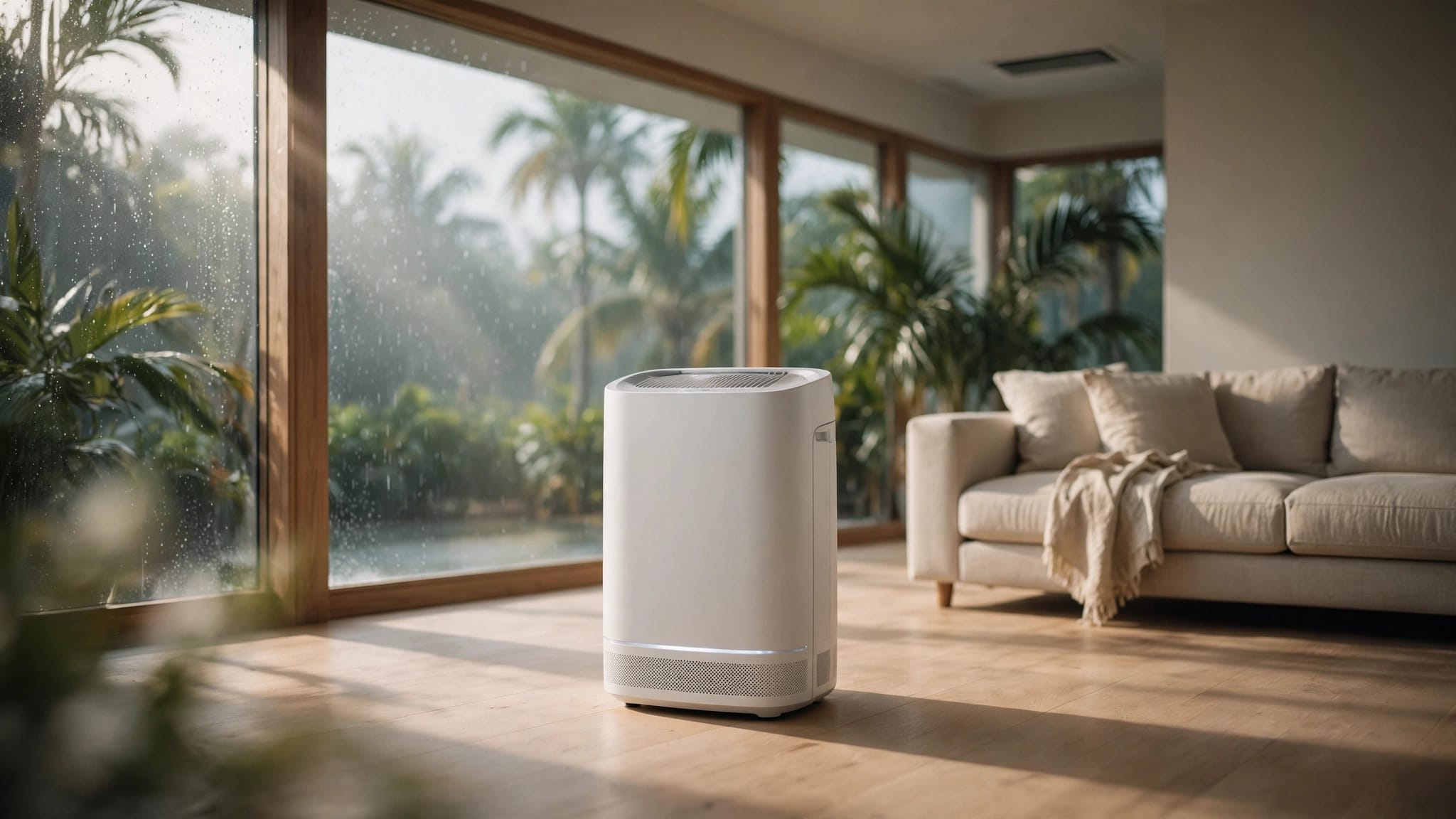
Humidity is a big part of that. Your system does more than cool air. It also has to pull moisture out of the house. When the indoor and outdoor parts are not matched well, dehumidification can slip. The house may feel sticky even when the thermostat says the temperature is fine.
Salt air also changes the equation. Coastal corrosion can shorten the life of outdoor coils and electrical parts. If the condenser failed early because of corrosion, the indoor section may still have life left. On the other hand, if the system has been exposed for years, the indoor coil may not be far behind.
A good maintenance history helps here. If you have kept up with Cape Coral AC maintenance and inspection, a contractor can tell whether the indoor components still have enough value to keep. If maintenance has been spotty, a full replacement may make more sense than trying to save part of an aging system.
Think of the outdoor unit as the face of the system. It gets the sun, rain, and salt. The indoor parts may look fine, but they still need to be tested, not guessed at.
What a professional should check before you decide
A professional inspection should do more than confirm that the condenser is broken. It should answer whether the whole system can work together.
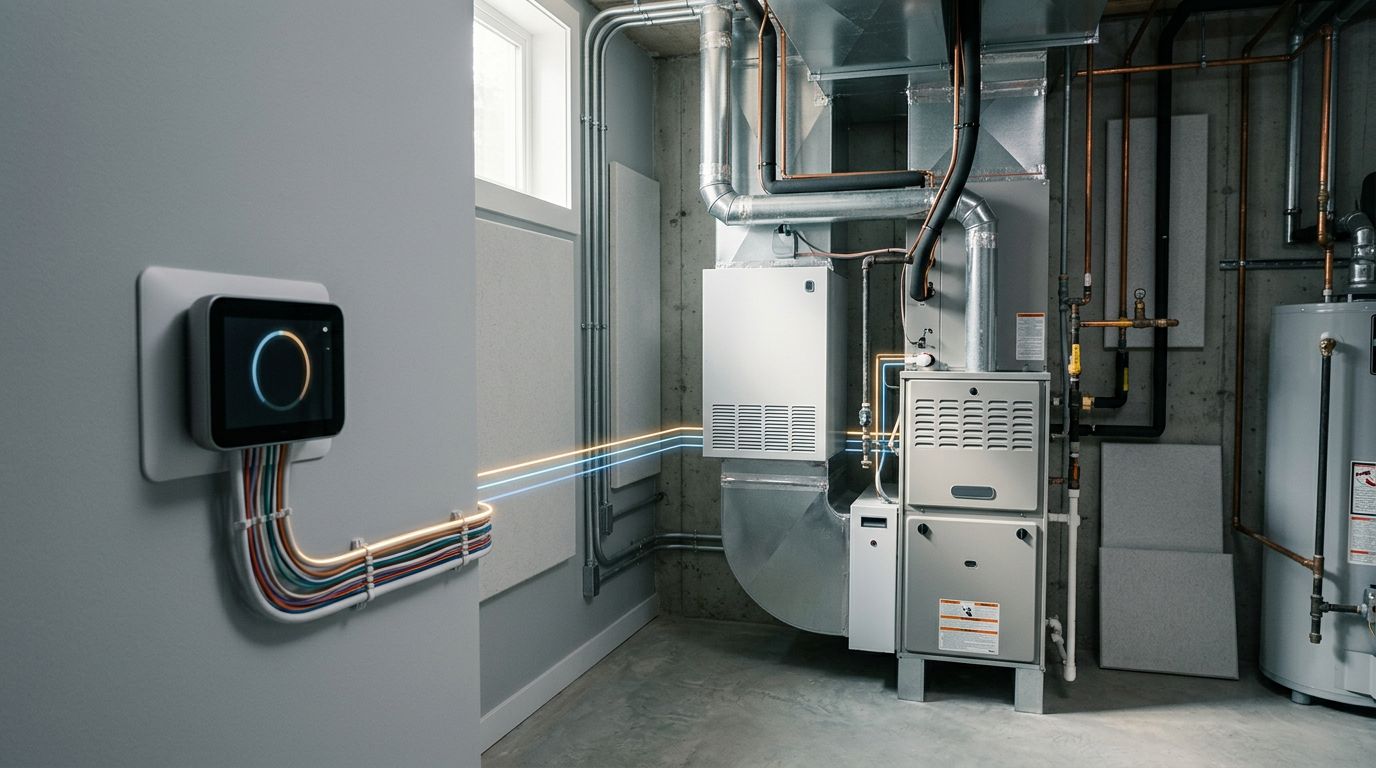
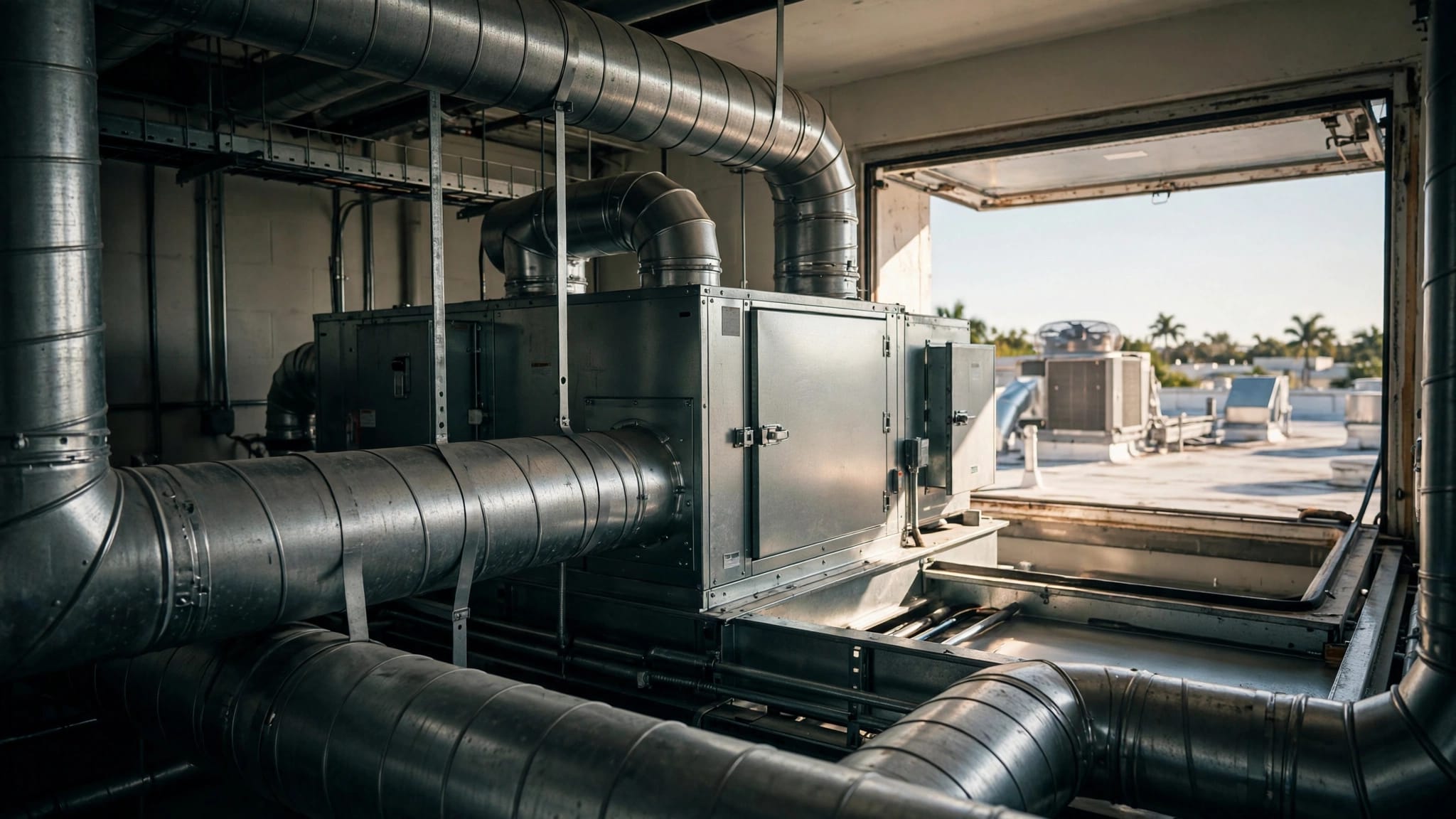
A solid evaluation usually includes a load calculation, refrigerant compatibility check, coil inspection, and airflow review. The contractor should also look at the air handler, ductwork, electrical components, and drain line. If the home has weak airflow or duct leaks, a new outdoor unit will not fix those issues.
The right contractor should also explain the system match in plain language. If the indoor coil is too old, corroded, or poorly sized for the new condenser, that should be clear before any work starts. The same goes for warranty coverage. You want to know what is protected and what is not.
If you need professional HVAC services in Cape Coral, ask for a full opinion, not a quick guess. A good inspection should help you choose between repair, condenser replacement, and full system replacement with confidence.
Conclusion
You can replace just the outdoor AC unit in Cape Coral, but only when the rest of the system is a strong match. If the indoor coil, air handler, refrigerant setup, and airflow all line up, a condenser-only swap can be a fair option.
Still, mixed systems often cost more over time. They can lose efficiency, weaken comfort, and create warranty headaches, especially in Cape Coral's hot, humid, coastal climate.
Before you decide, get the system checked by a pro who can inspect the indoor and outdoor parts together. If you are weighing your options now, Contact Us to schedule a service call and get a clear recommendation before you buy the wrong fix.