Your AC clicks on for a few minutes, then shuts off. It repeats this cycle all day. In Cape Coral's sticky heat, this AC short cycling feels like torture. You stay uncomfortable, and your energy bills climb.
Short cycling means your air conditioner runs in brief bursts instead of steady operation. This common issue wastes power and stresses your system. Homeowners here face it often because of our humidity and constant use. Let's break down the reasons and fixes so you can act fast.
What Is AC Short Cycling?
AC short cycling happens when your unit turns on and off too quickly. Normal cycles last 10 to 15 minutes. Short ones cut that time short, often under five minutes. You hear constant clicking from the thermostat or outdoor unit.
In Cape Coral, watch for signs like warm rooms despite the AC running. Frost on coils signals trouble too. High humidity makes it worse because your system can't dehumidify properly.
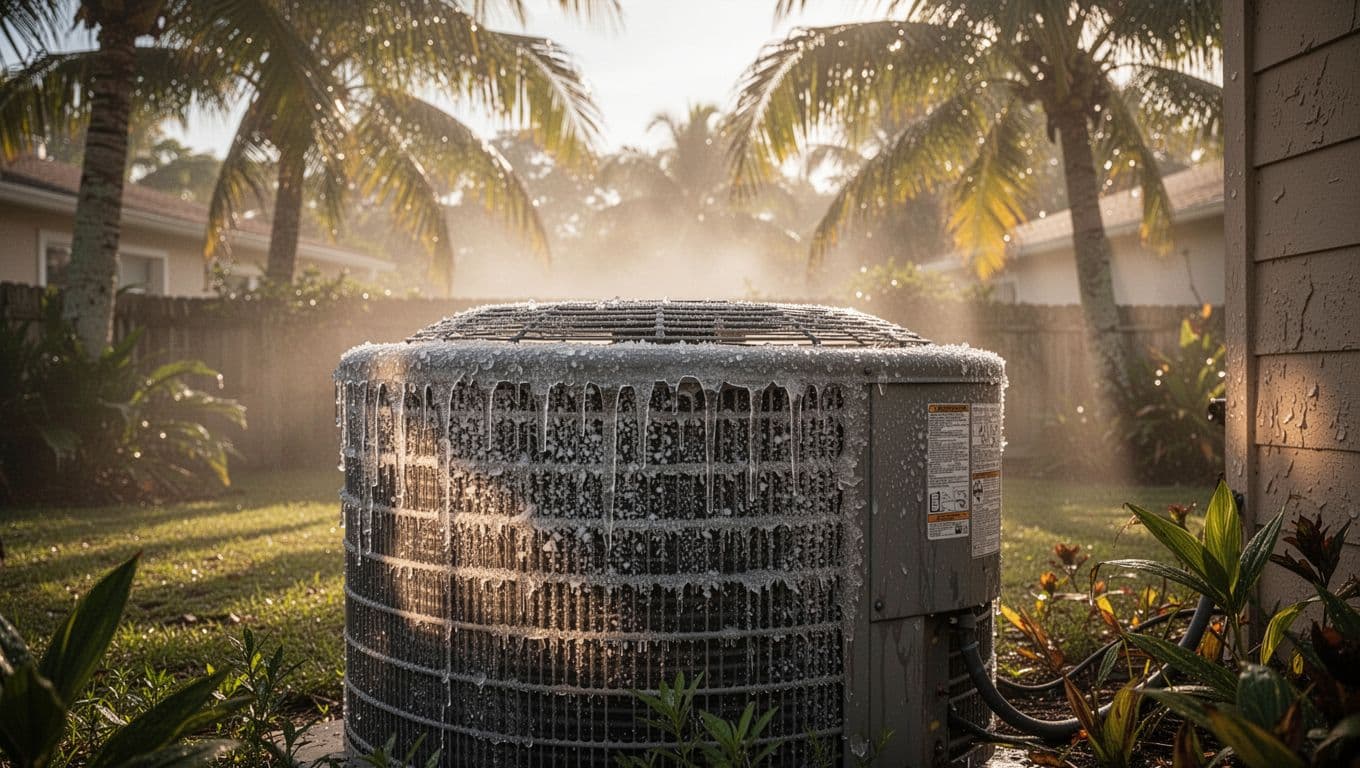
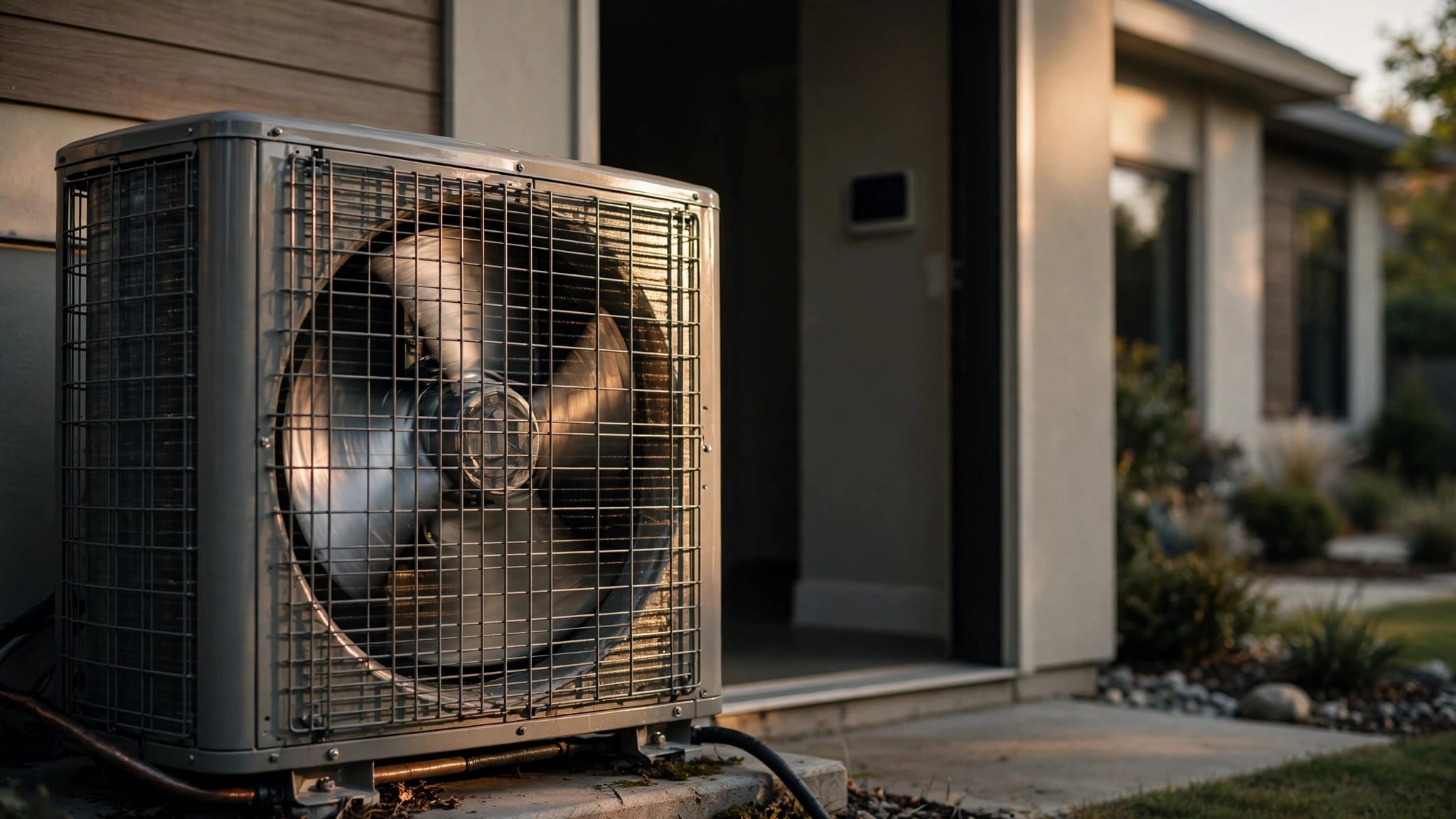
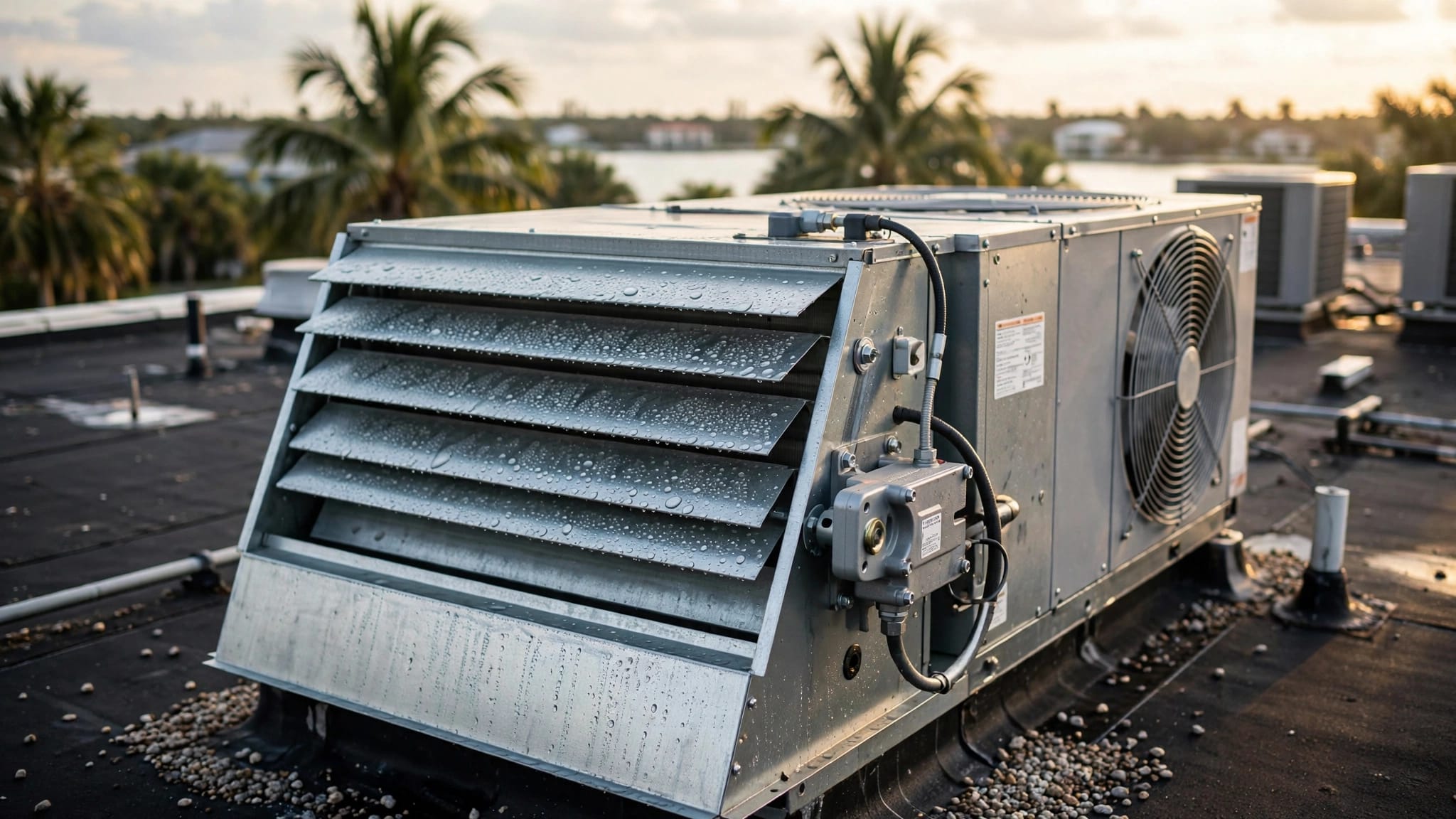
This photo shows frost on an outdoor unit, a classic short cycling clue. It blocks airflow and forces early shutoffs. Therefore, your home feels muggy even when cool. Quick diagnosis prevents bigger damage in our coastal air.
Common Causes Behind AC Short Cycling in Cape Coral
Dirty air filters top the list. They restrict airflow, so the unit overheats fast. In our dusty, salty environment, filters clog quicker. Check yours monthly.
Low refrigerant levels cause another problem. Leaks happen from corrosion here in Southwest Florida. The system senses low pressure and shuts down to protect itself. However, this spikes humidity indoors.
Oversized units cycle short because they cool too fast. Many older Cape Coral homes have mismatched systems from past installs. As a result, they don't run long enough to pull moisture.
Thermostat issues play a role too. Faulty sensors or bad placement near vents trick the unit into thinking the home is cool. Meanwhile, electrical problems like bad capacitors force quick trips.
For more on common AC problems Cape Coral faces, see our related post. These factors add up in our heat.
Why Short Cycling Damages Your System and Raises Costs
Short cycling wears out parts fast. Compressors and fans start and stop abruptly. This friction leads to early failure. In Florida's heat, it shortens your AC's life by years.
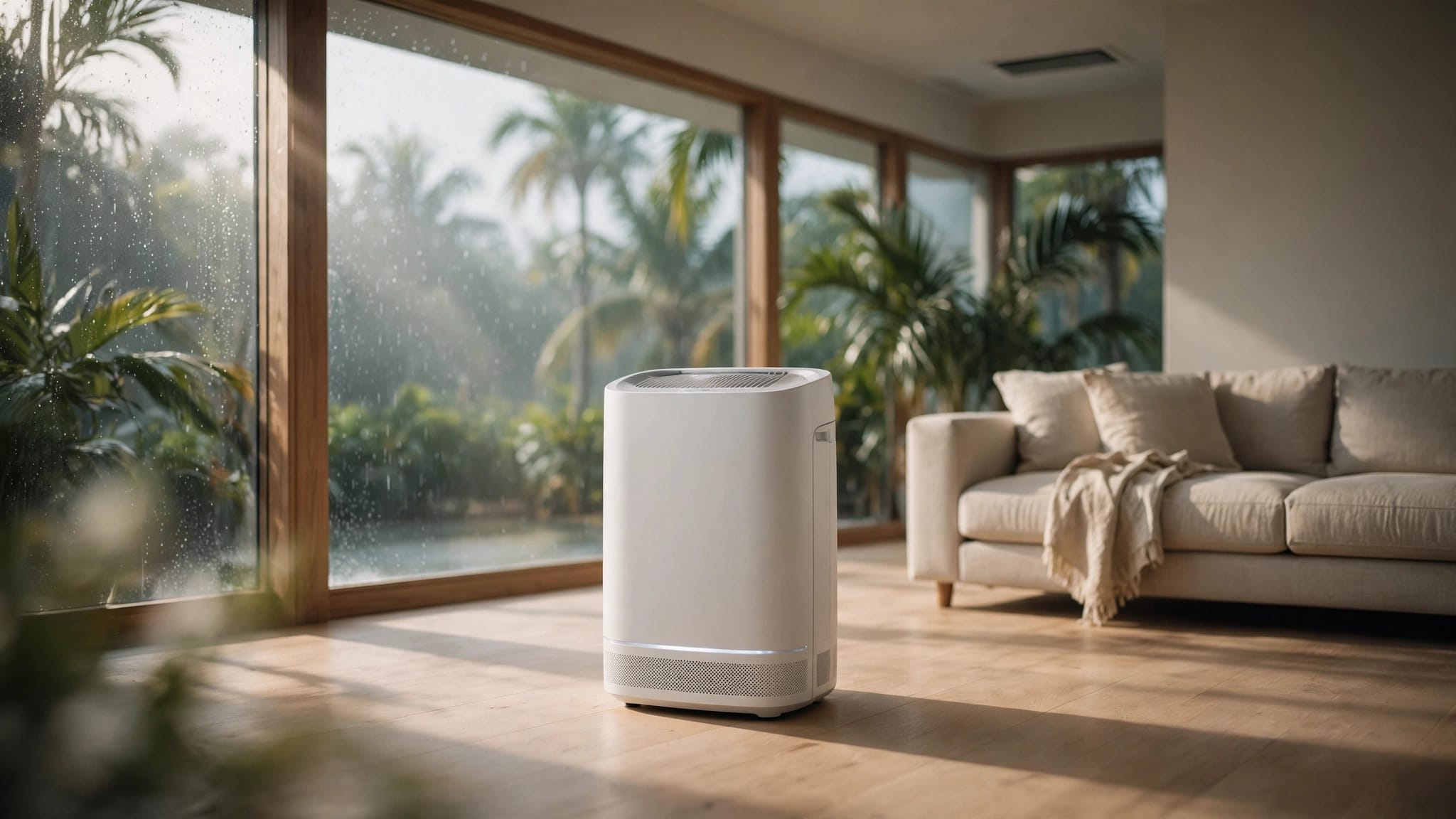
Humidity control suffers most. Steady runs remove moisture. Quick cycles leave air damp, so you feel clammy. Mold risks grow in our wet climate.
Bills jump because frequent starts use extra energy. Each cycle pulls peak power. Over a summer, you pay more for less comfort.
Fast fixes save money. Regular checks catch issues early. Otherwise, small problems turn costly. Our local techs see this daily.
Safe Troubleshooting Steps Homeowners Can Try
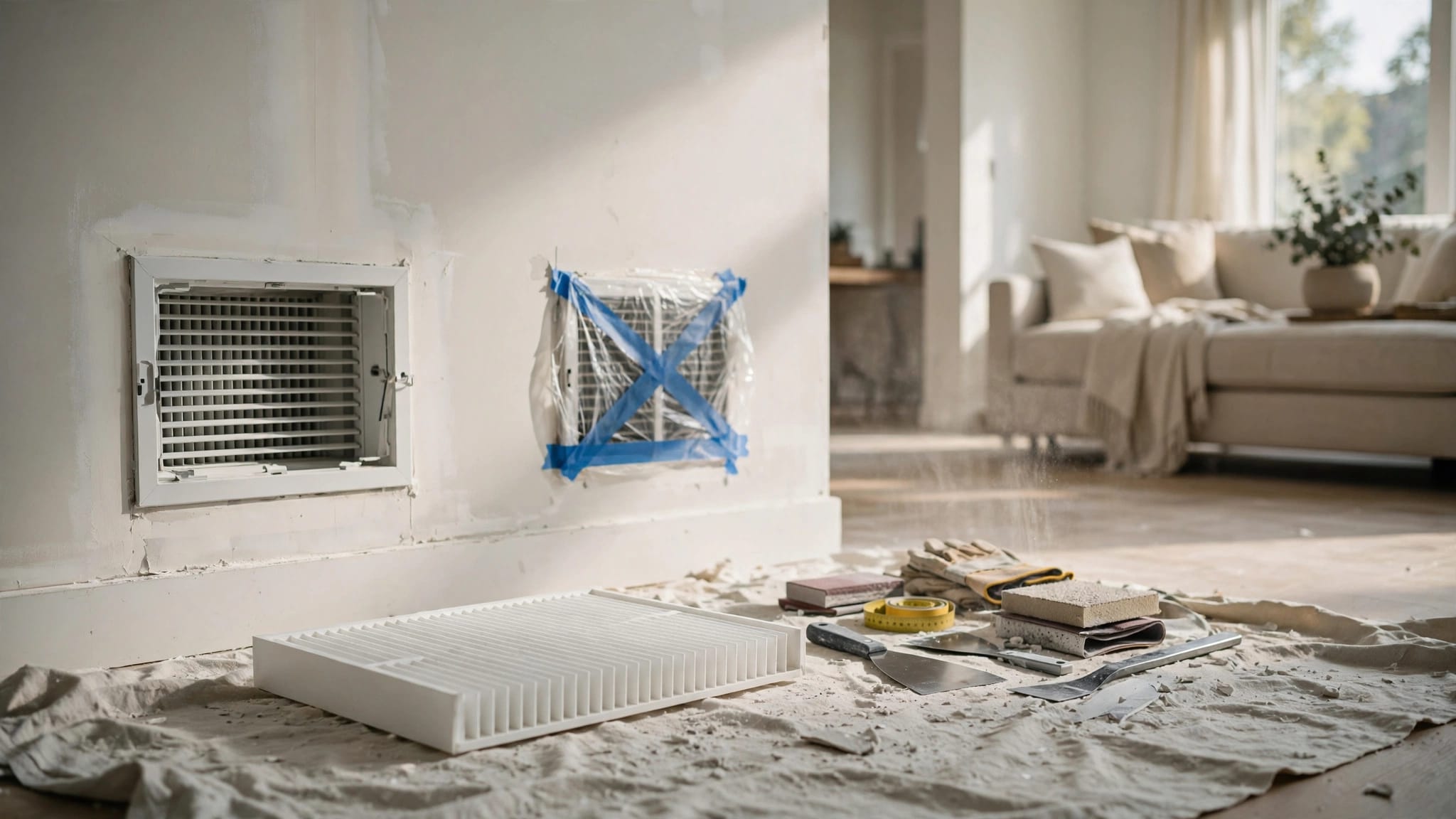
Start with the air filter. Turn off the AC at the thermostat. Find the filter in your return vent or air handler. Pull it out and hold it to light. If you can't see through, replace it.
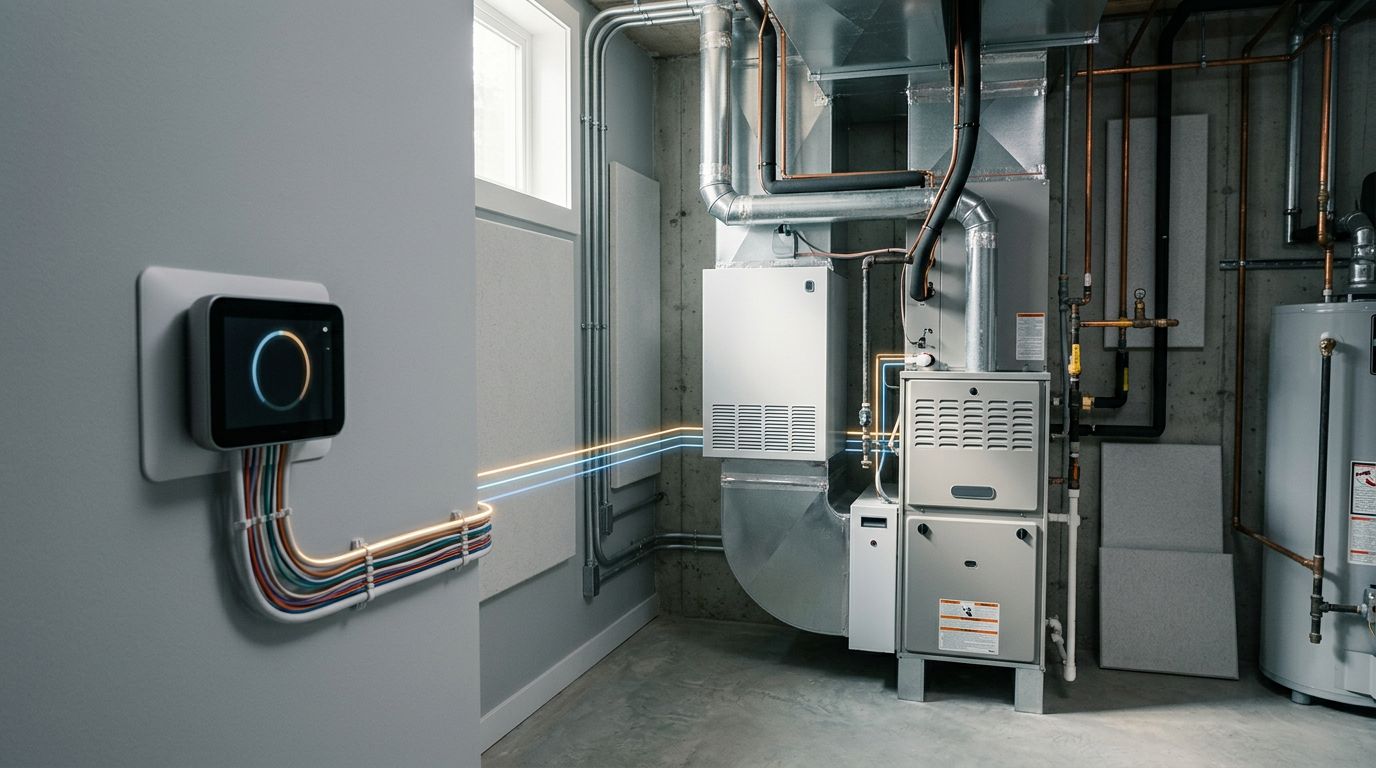
Next, check the thermostat. Set it a few degrees below room temp. Ensure batteries work if it's battery-powered. Clean dust from sensors gently.
Look outside at the condenser. Clear grass, leaves, or debris around it. Keep two feet clear for airflow. However, skip coil cleaning yourself, salt buildup needs pros.
Inspect drain lines for clogs. Pour vinegar down the line near the indoor unit. Water should flow freely outdoors. Stop if you see backup.
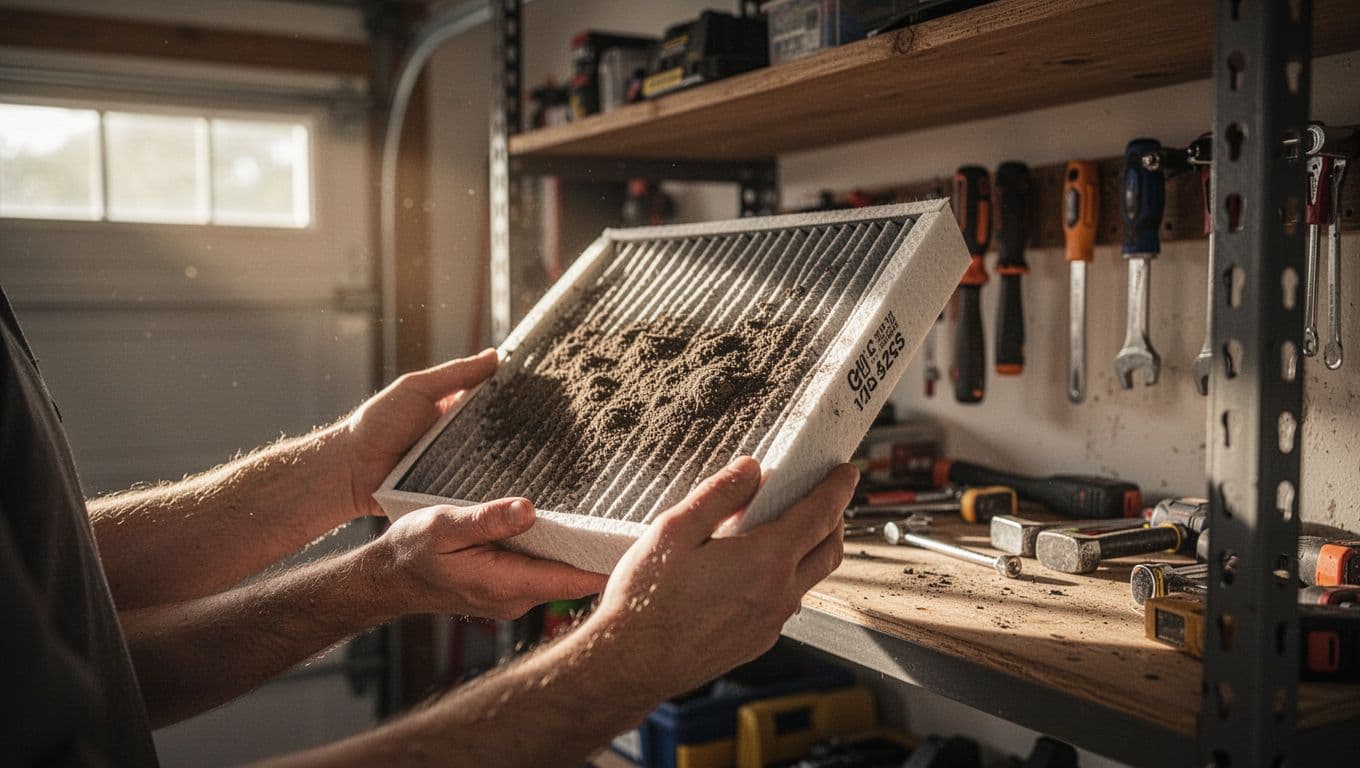
These steps show a simple filter check. They often fix minor short cycling. But never touch refrigerant or wiring. Those demand certified techs.
When to Call Pros for AC Short Cycling in Cape Coral
If basics don't help, stop troubleshooting. Short cycling signals deeper issues like leaks or electrical faults. DIY risks safety and voids warranties.
Call experts for AC repair services Cape Coral trusts. They diagnose fast with tools you lack. In our area, same-day service keeps you cool.
Wondering about AC repair costs Cape Coral homeowners face? Expect fair quotes upfront. Also, check Cape Coral AC services for maintenance plans.
Our 24/7 team handles emergencies. EPA-certified techs fix root causes right.
Short cycling steals comfort and cash in Cape Coral's heat. Act on signs like quick cycles or frost. Simple checks help, but pros ensure lasting fixes.
Skip the sweat. Contact Us today for quick service. Your AC will thank you with steady, efficient cooling. What's your next step?