Your AC safety switch is supposed to trip. That part surprises a lot of homeowners. In a Cape Coral home, though, frequent tripping usually means your system is warning you about water, drainage, or airflow trouble.
That matters because the switch is a protector, not the real problem. If it keeps shutting the system down, the cause is usually hiding somewhere else in the unit. Heavy humidity, long cooling seasons, and slow drain lines all make the problem show up more often here.
What the AC safety switch is really doing
The safety switch is built to stop water damage. Most systems use it to detect a backed-up drain pan, a clogged condensate line, or an overflow near the air handler. When water rises too high, the switch cuts power or stops cooling.
That shutdown can feel annoying, but it is a smart move. Without it, water could spill into ceilings, walls, floors, or insulation. One small clog can turn into a much bigger mess.
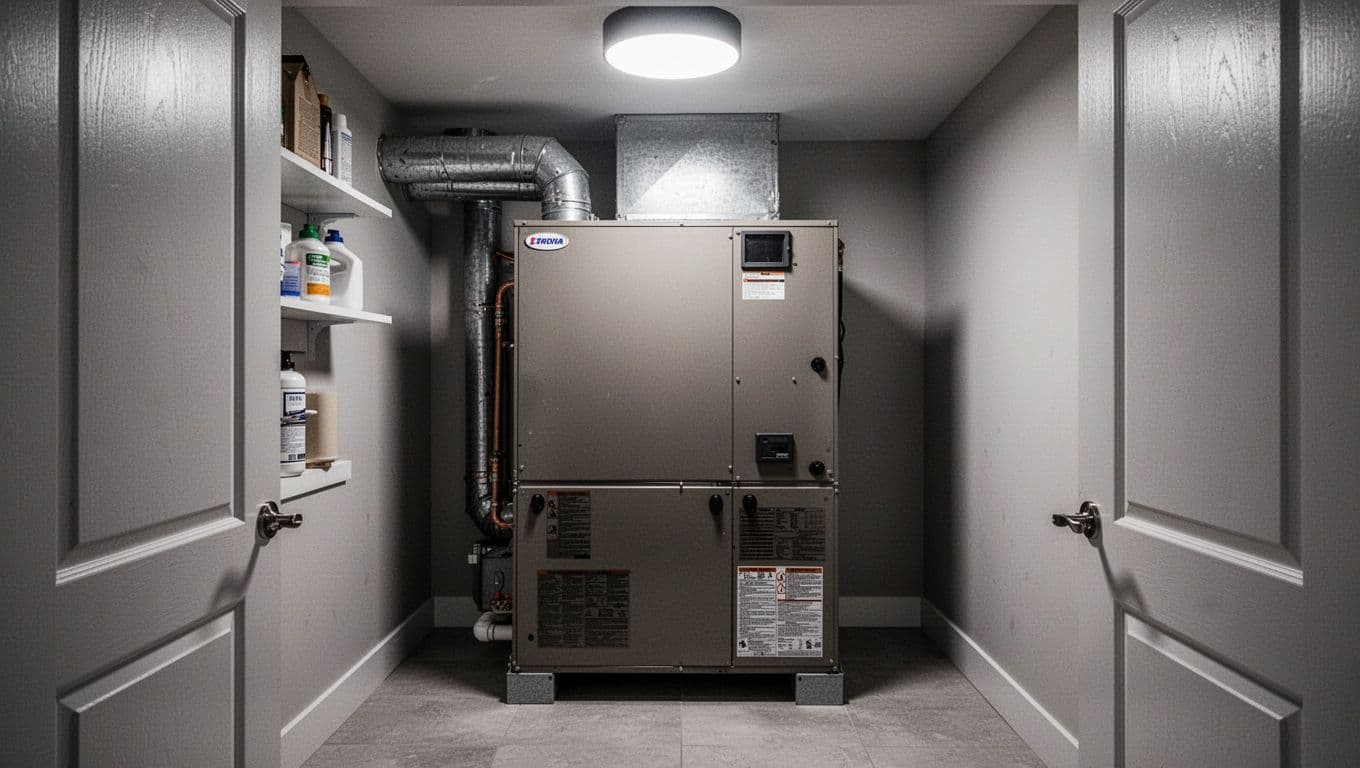
In many Florida homes, the switch sits in the condensate drain path. That means it reacts to problems with drainage, not the AC itself. A tripping switch often points to a blocked line, a dirty coil, or water that has nowhere to go.
Sometimes the issue starts small. A little algae forms in the line. Dust sticks to the drain opening. Condensation slows down, then backs up. The switch sees the water and does its job.
Why Cape Coral humidity makes tripping more common
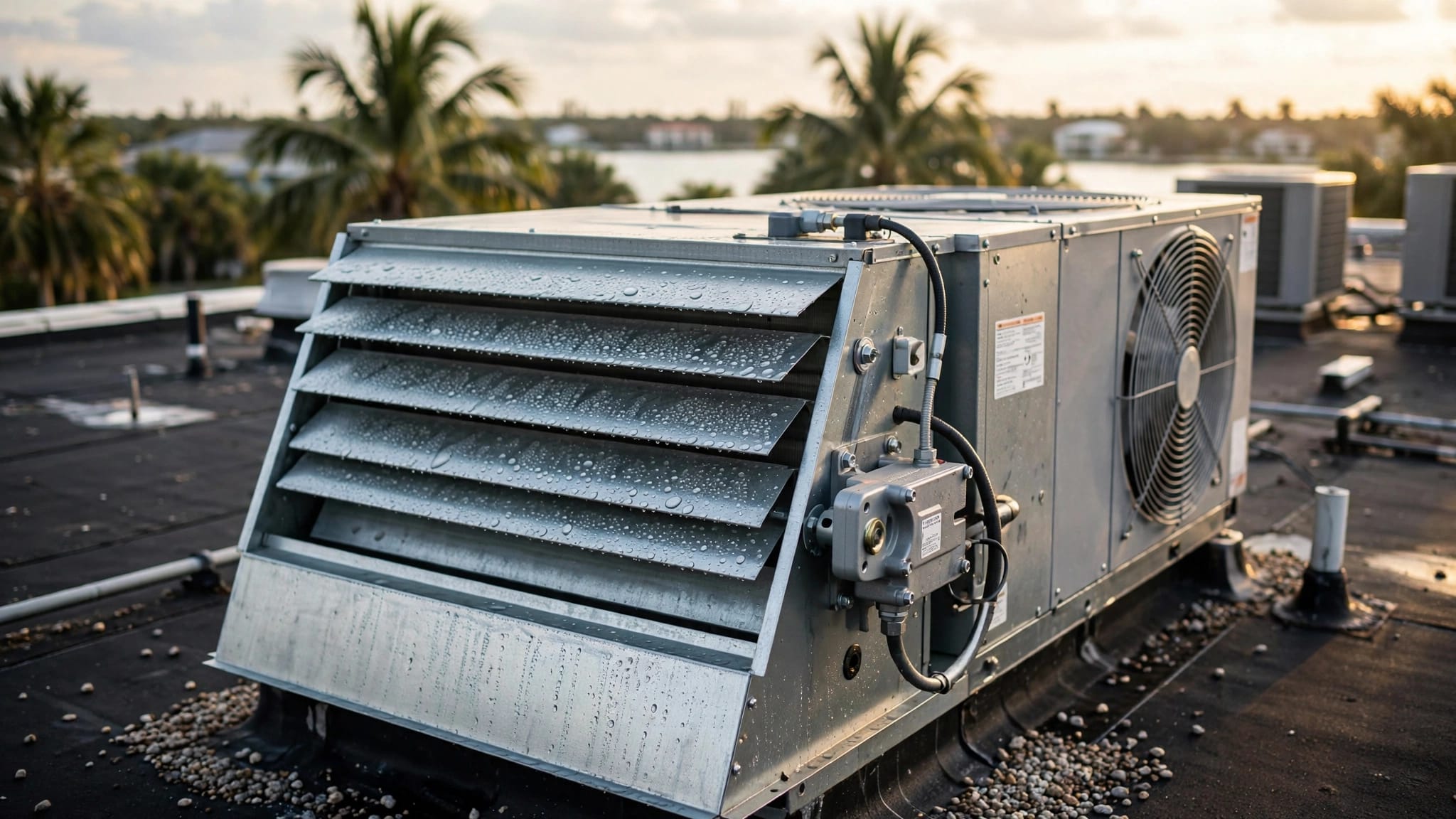
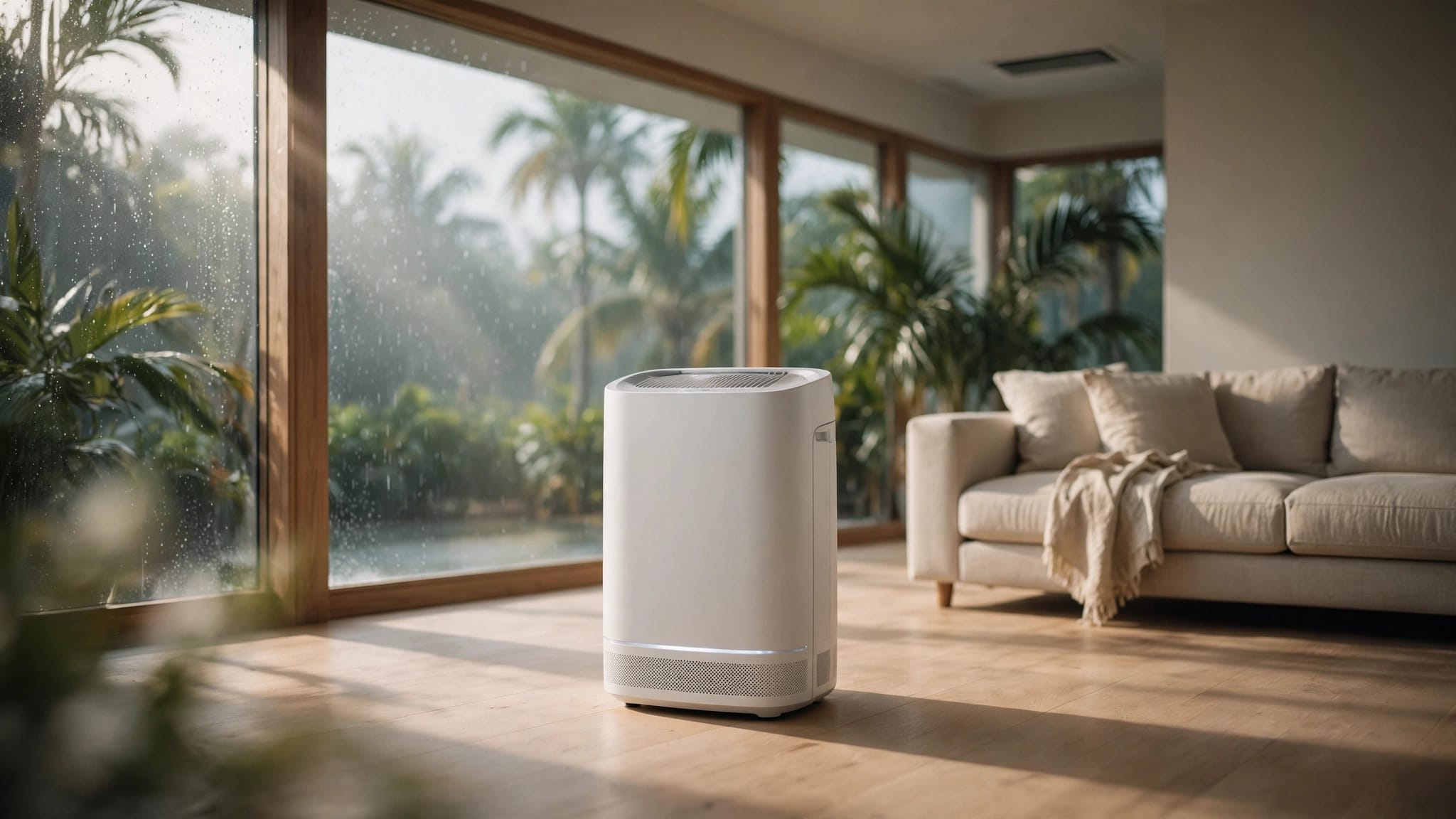
Cape Coral weather puts extra stress on air conditioners. The system runs for long stretches, then runs again. That creates a steady flow of condensation inside the air handler. More moisture means more chances for a drain problem.
Humidity also helps algae grow in condensate lines. That slimy buildup is common in Florida HVAC systems. Once it starts, the line can narrow fast. Water backs up, the pan fills, and the safety switch trips.
Drainage issues can show up even when the AC is otherwise working fine. A line with a poor slope, a loose connection, or a weak trap can drain slowly. In attics and closets, that slow drain can become a steady drip. Over time, the pan may stay wet long enough to shut the unit down.
Dust and dirty filters make things worse. When airflow drops, the evaporator coil can get too cold. Then it may freeze. When it melts, the water load spikes. That extra water can overwhelm a weak drain system.
If you want to catch that kind of issue early, routine air conditioning maintenance and inspection helps spot drain trouble before the safety switch starts interrupting your day.
Safe checks you can make at home
A few simple checks can tell you whether the problem is minor or a sign of something bigger. These are safe steps. They do not involve opening electrical parts or taking apart the unit.
Start with the thermostat. Make sure it's set to cool and the temperature is below the room temperature. Sometimes a simple setting change is all that went wrong after a power flicker or a quick adjustment.
Next, look at the air filter. A dirty filter can choke airflow and push the system toward freezing. If the filter looks clogged or gray, replace it.
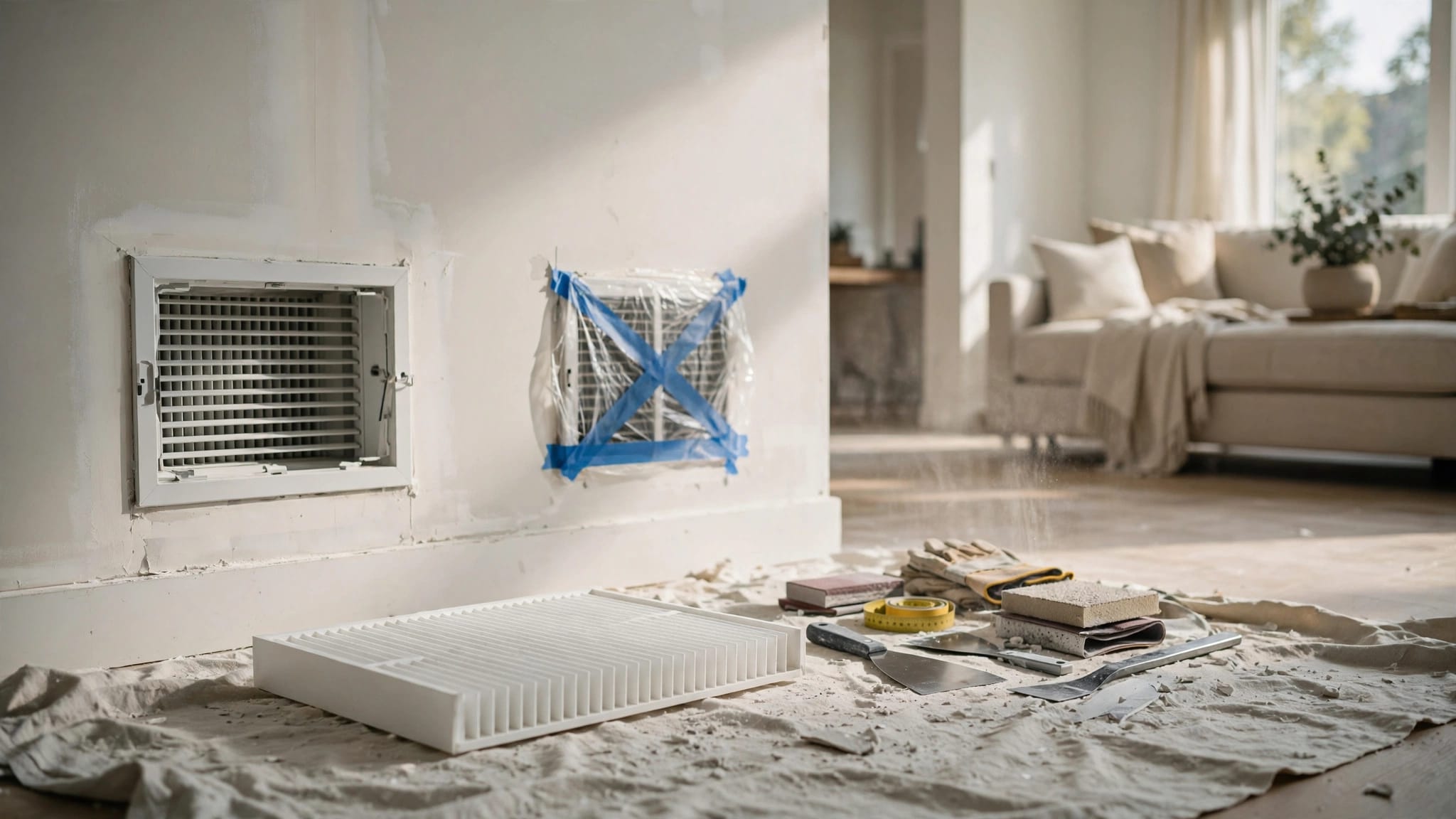
Then check for visible water around the air handler. Water on the floor, a wet pan, or damp insulation near the unit is a clue. The safety switch may be reacting to that moisture.
A few other signs matter too:
- Ice on the indoor coil or refrigerant lines means the system needs attention.
- Water stains near the ceiling or closet base call for fast action.
- A drain pan that looks full points to a blockage or overflow.
- A switch that trips again soon after reset means the cause is still there.
If the switch keeps tripping, treat it as a warning sign. Resetting it over and over won't fix the cause.
If you only find a dirty filter, replace it and watch the system. If water is present, shut the unit off and let it dry until help arrives. That lowers the risk of damage while the real problem is found.
When the switch keeps tripping, the problem is deeper
Repeated tripping usually means the AC is trying to protect itself from a larger issue. A clogged condensate line is common, but it is not the only cause. A failed float switch, a weak condensate pump, a frozen coil, or an electrical fault can all trigger the same shutdown.
That is why repeated resets are a bad idea. The switch is only telling you that something is unsafe. It is not clearing the blockage or fixing the wiring. If the unit starts again, then stops again, the problem is still active.
Water damage risk matters here. Even a small leak can spread into drywall, flooring, or ceiling material. In Cape Coral, where systems work hard for months at a time, a small drainage issue can become a repeat problem fast.
This is the point where professional air conditioning repair in Cape Coral makes sense. A technician can check the drain path, coil condition, switch location, and any signs of freeze-up or electrical trouble.
If the unit is off after hours, or if water is pooling near the air handler, Contact Us for 24/7 service and to schedule a service call.
How to keep the drain line and pan clear
Preventing tripped switches starts with keeping moisture under control. That means better airflow, cleaner parts, and a drain system that can move water out as fast as the AC creates it.
A clean filter is the easiest place to start. Replace it on time, especially during long cooling seasons. When air moves freely, the coil is less likely to freeze and melt into a big water load.
The condensate line also needs attention. Algae buildup is common in humid Southwest Florida, so a slow line should never be ignored. If the drain looks dirty, smells musty, or keeps clogging, the system may need a proper cleaning.
It also helps to keep the area around the air handler dry and easy to inspect. If the pan, line, or cabinet stays damp, the safety switch will keep doing its job. That is a clue, not a nuisance.
Regular tune-ups help too. A technician can check the drain slope, clear buildup, inspect the float switch, and catch signs of trouble before the AC stops again. That kind of maintenance is especially useful in homes that run cooling almost year-round.
If you prefer scheduled upkeep, a maintenance plan can make those checkups easier to keep up with. It also gives you a better shot at catching small drainage issues before they turn into a wet floor or a shutdown.
Conclusion
When an AC safety switch keeps tripping in Cape Coral, the switch is usually telling you about moisture, drainage, or airflow trouble. It is doing its job by protecting your home from water damage.
Simple checks, like the thermostat, filter, and any visible water near the air handler, can help you rule out the easy stuff. If the problem keeps coming back, the cause is usually deeper and needs professional attention.
Cape Coral humidity puts extra pressure on AC drain systems. A little algae or a slow drip can turn into a repeated shutdown fast, so the warning should never be ignored.