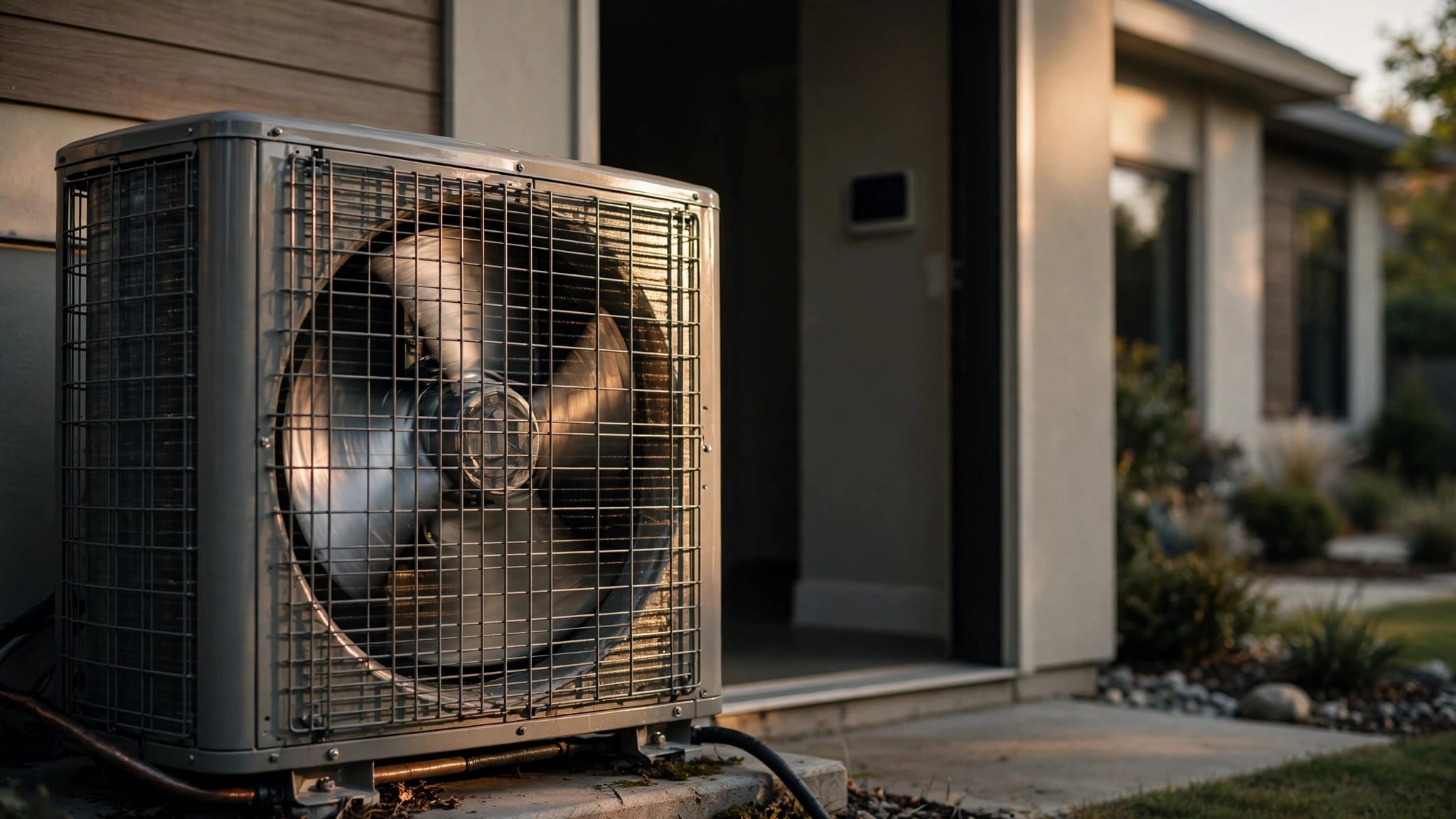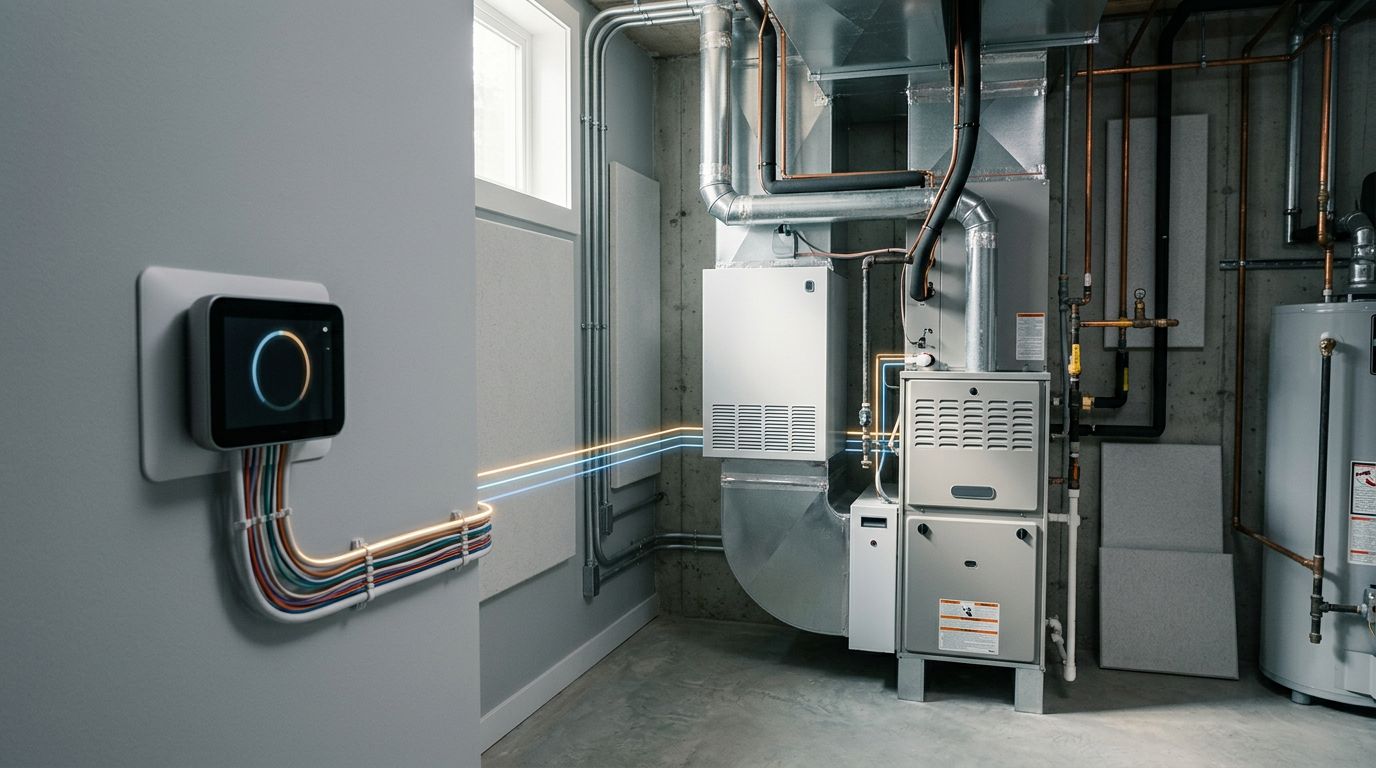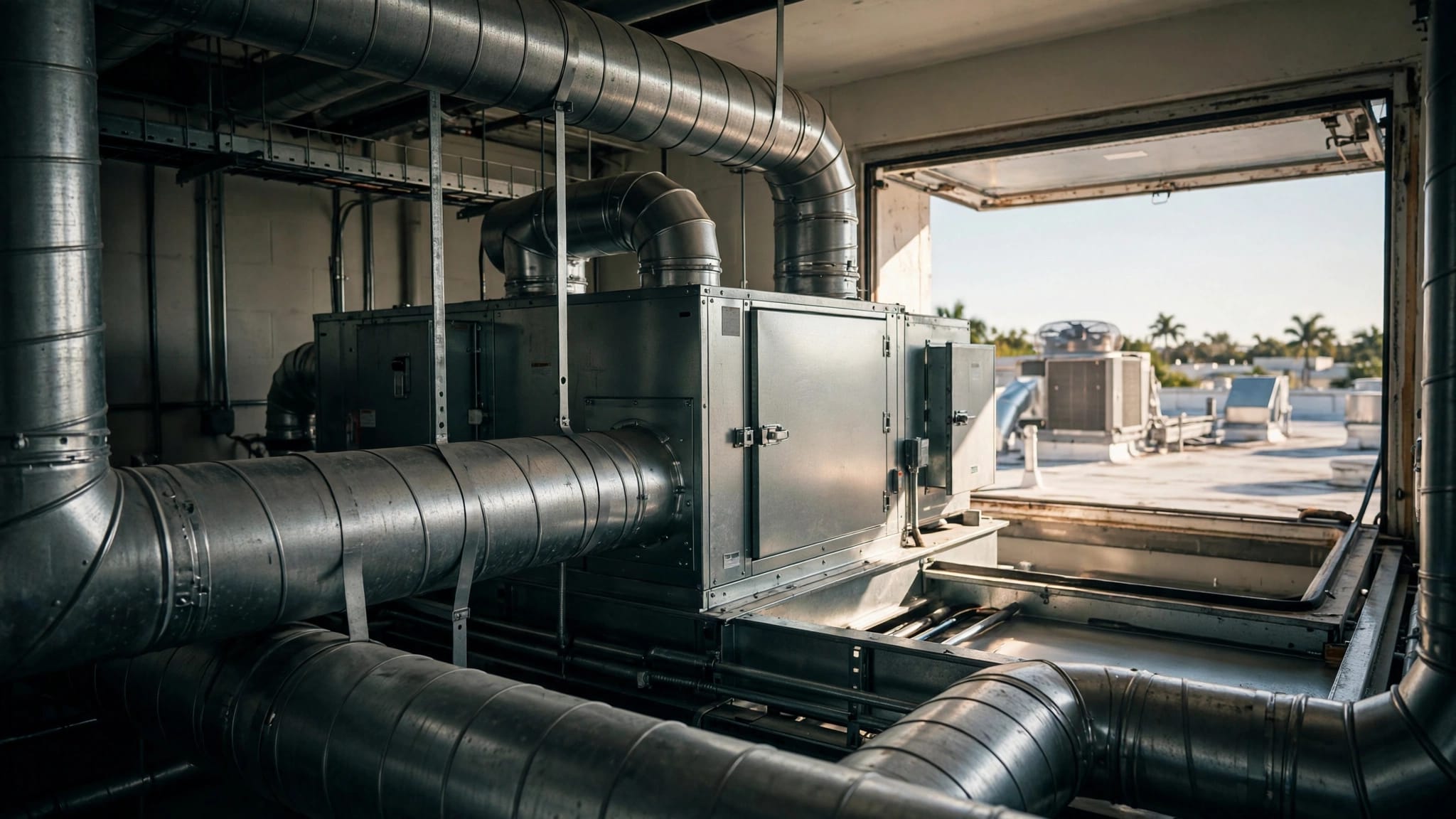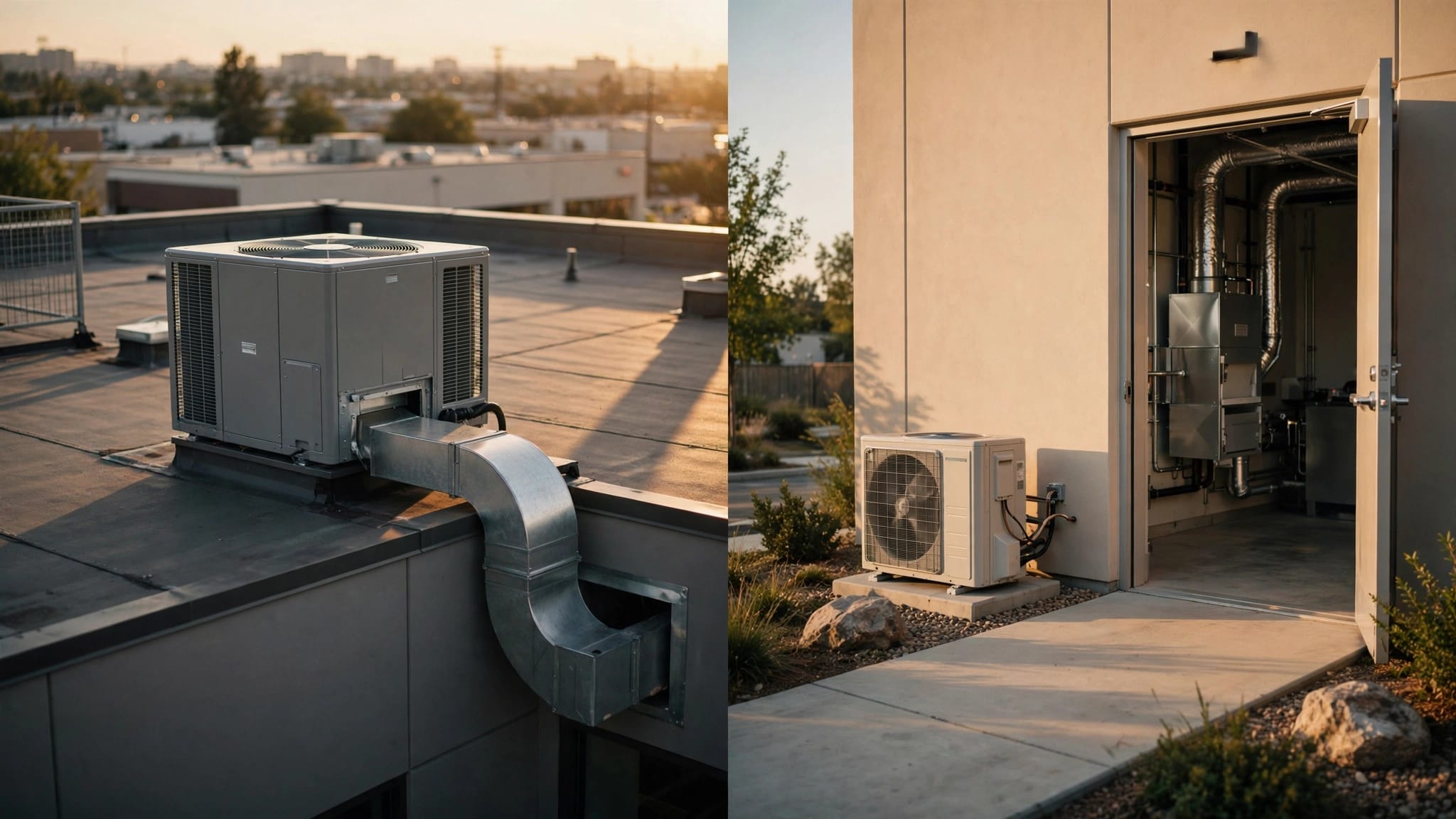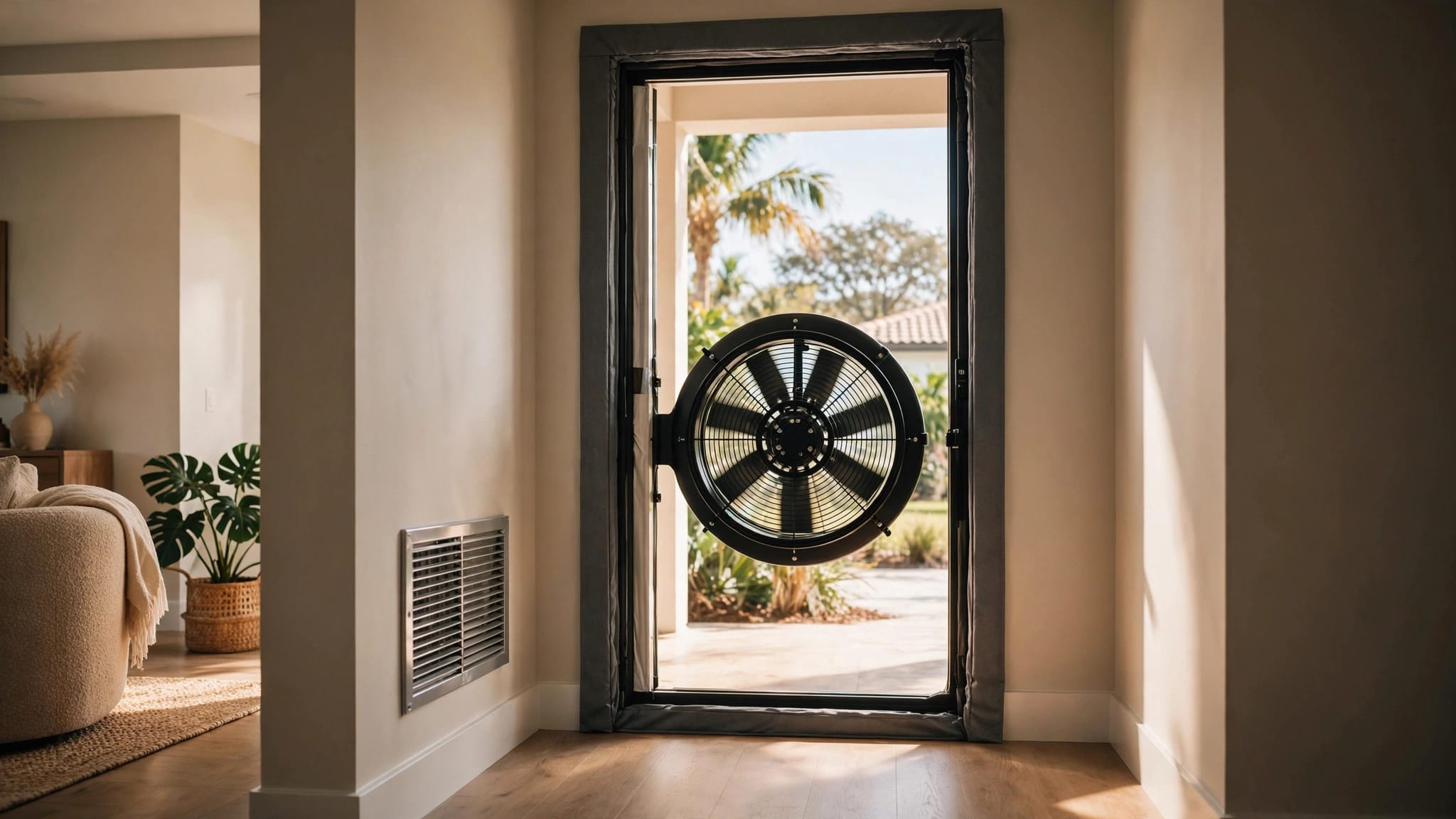
Your AC quits on a sticky 95-degree afternoon in Cape Coral. Sweat beads up fast because high humidity makes every moment miserable. You wonder if a quick fix will do or if it's time for something new.
Southwest Florida's endless cooling demands push systems hard. Salt air corrodes parts quicker, storms add stress, and energy bills climb with inefficiency. AC repair vs replacement boils down to smart choices that save money and keep comfort steady.
Let's spot the warning signs first. Then we'll weigh your options.
Signs Your AC Needs Attention
Warm air blasts from vents instead of cool relief. That's a clear signal something's off. Weak airflow follows close behind. It strains the unit and hikes your bills.
Strange noises echo too. Grinding or banging means loose parts or motor trouble. Hiss or gurgle points to refrigerant issues. Ignore these, and problems grow.
Higher energy use hits your wallet. Check bills from last summer. A spike often ties to dirty coils or failing compressors. Musty smells signal mold from clogged drains, common in our humid air.
Water leaks around the indoor unit spell trouble. Frozen coils block flow in high-moisture homes. Act fast to avoid damage.
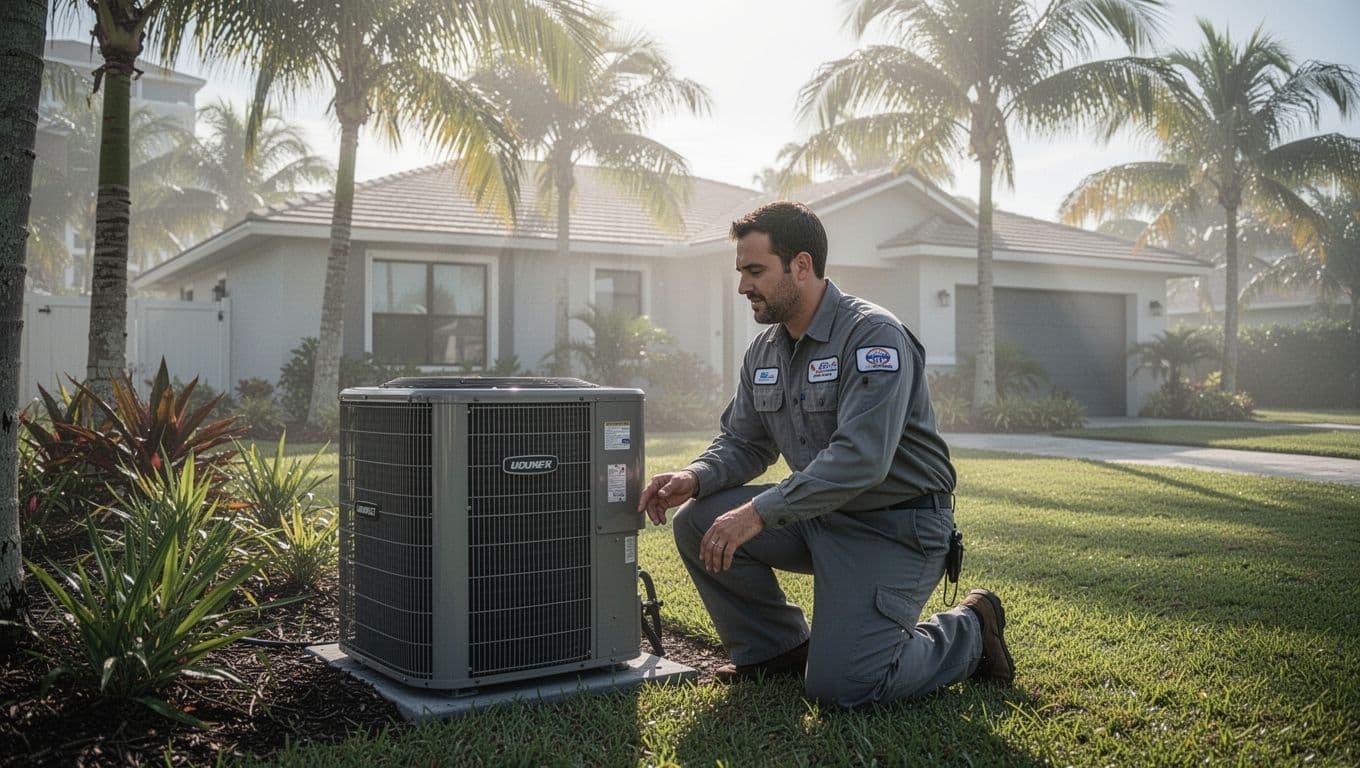
A technician spots these during a check. For example, common air conditioner problems in Cape Coral homes like frozen coils or leaks show up often. Early detection prevents bigger headaches.
What Drives AC Repair Costs Here
Repairs run $150 to $600 for basics like capacitors or drain clears. That's typical in Cape Coral. However, compressor swaps or refrigerant work push toward $1,000 to $2,000. Costs depend on unit size, parts availability, and labor.
Florida heat means frequent calls. Peak summer adds premiums for emergencies. Technicians charge extra after hours because demand surges.
See AC repair costs in Cape Coral for local breakdowns. Factors like home layout and duct condition shift prices too. Get quotes upfront. Flat rates build trust.
Minor fixes stay affordable. Yet repeated trips add up. Track repair history. If it tops half a new unit's price, rethink the plan.
Key Factors Unique to Southwest Florida
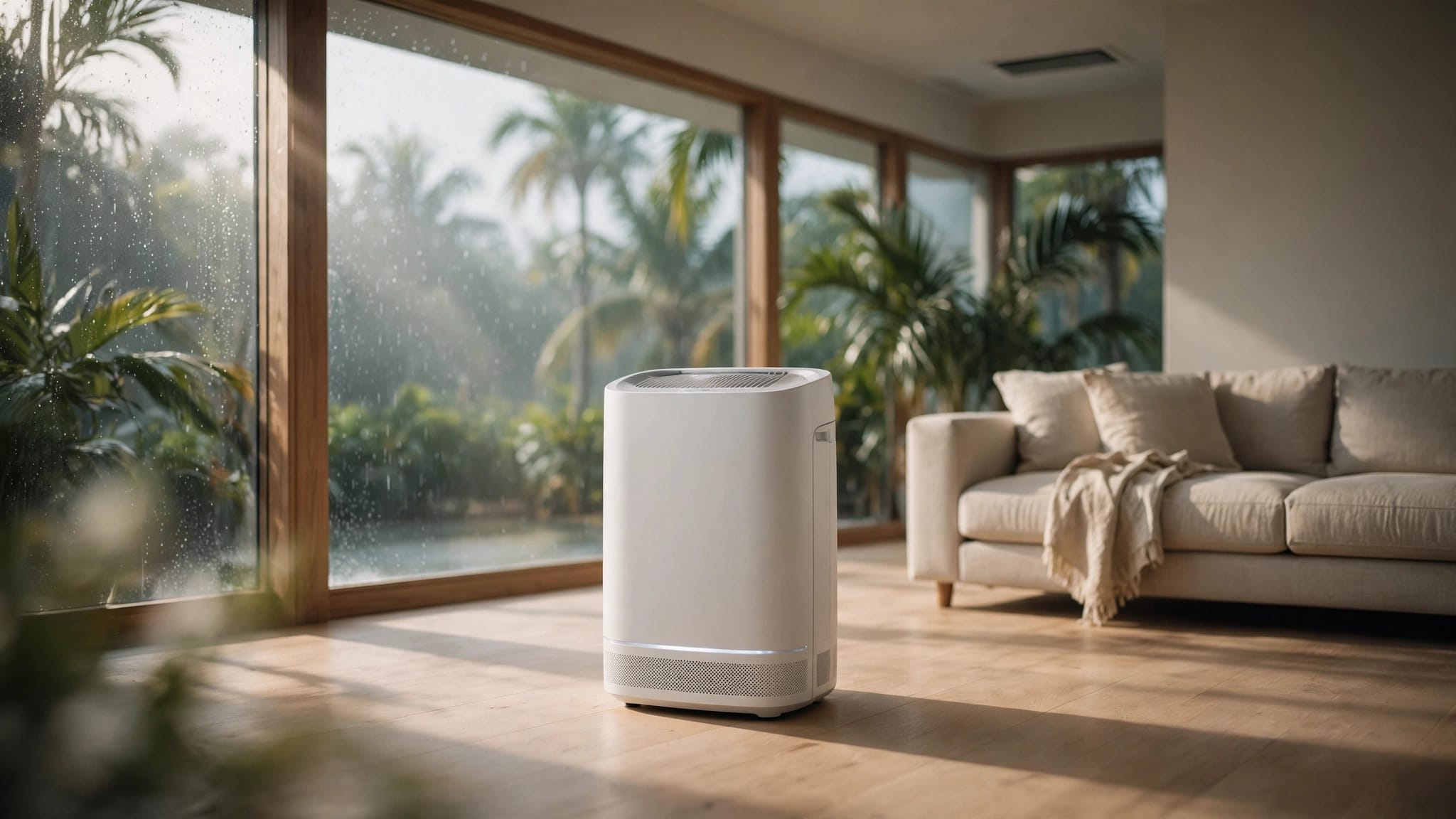
Our long cooling season runs eight months plus. Units cycle nonstop, wearing compressors fast. High humidity demands strong dehumidification. Weak systems leave homes clammy.
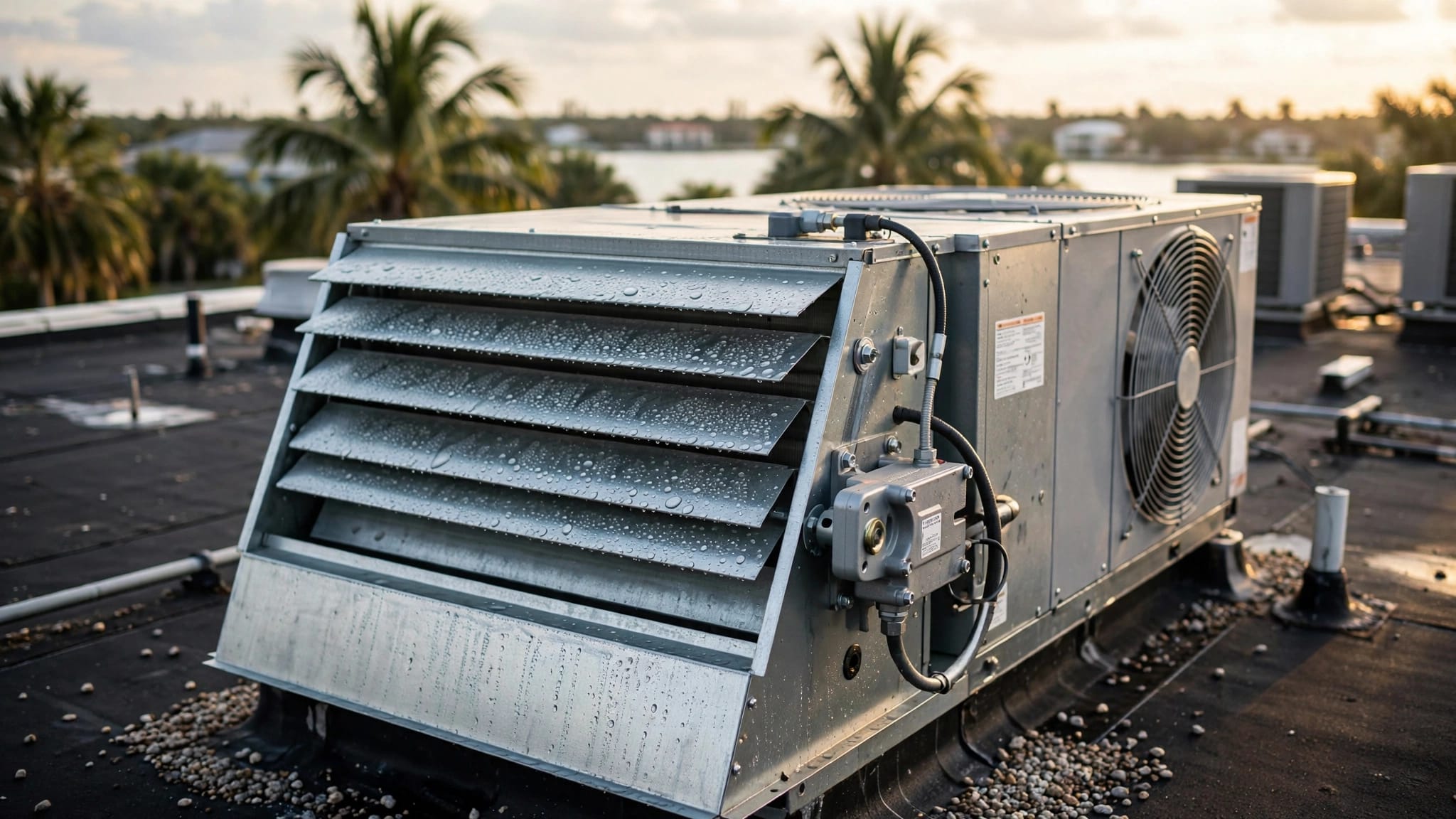
Coastal salt air corrodes coils and fins quickest. It shortens life by years compared to inland spots. Storms like hurricanes strain electrics and flood pads.

Energy use soars here. Inefficient older models guzzle power amid 90-degree days. Newer ones cut bills 30% or more. Duct leaks worsen it all in slab homes.
These push AC repair vs replacement decisions. Pros recommend checks twice yearly. It catches corrosion early.
When Repair Makes Sense
Your unit's under 10 years old. One fix like a fan motor revives it fine. Costs stay low, around $300 to $500. Efficiency holds steady too.
Recent maintenance logs show few issues. A tune-up clears minor clogs. It extends life without big spends.
Budget matters most. If repair's under 10% of replacement value, go for it. That's the simple rule here.
Hire experts for safety. Professional AC repair services handle refrigerants right. EPA-certified techs avoid fines or leaks.
Repair shines for isolated problems. It keeps cash flow smooth during slow seasons.
When Replacement Makes More Sense
Age hits 12 years or more. Frequent breakdowns signal end times. Repairs exceed $2,000 yearly. That's your cue.
Efficiency drops below 10 SEER. Bills climb as the unit fights humidity. New models hit 20 SEER, slashing costs.
Post-storm damage totals coils. Salt corrosion spreads fast. Patching won't last.
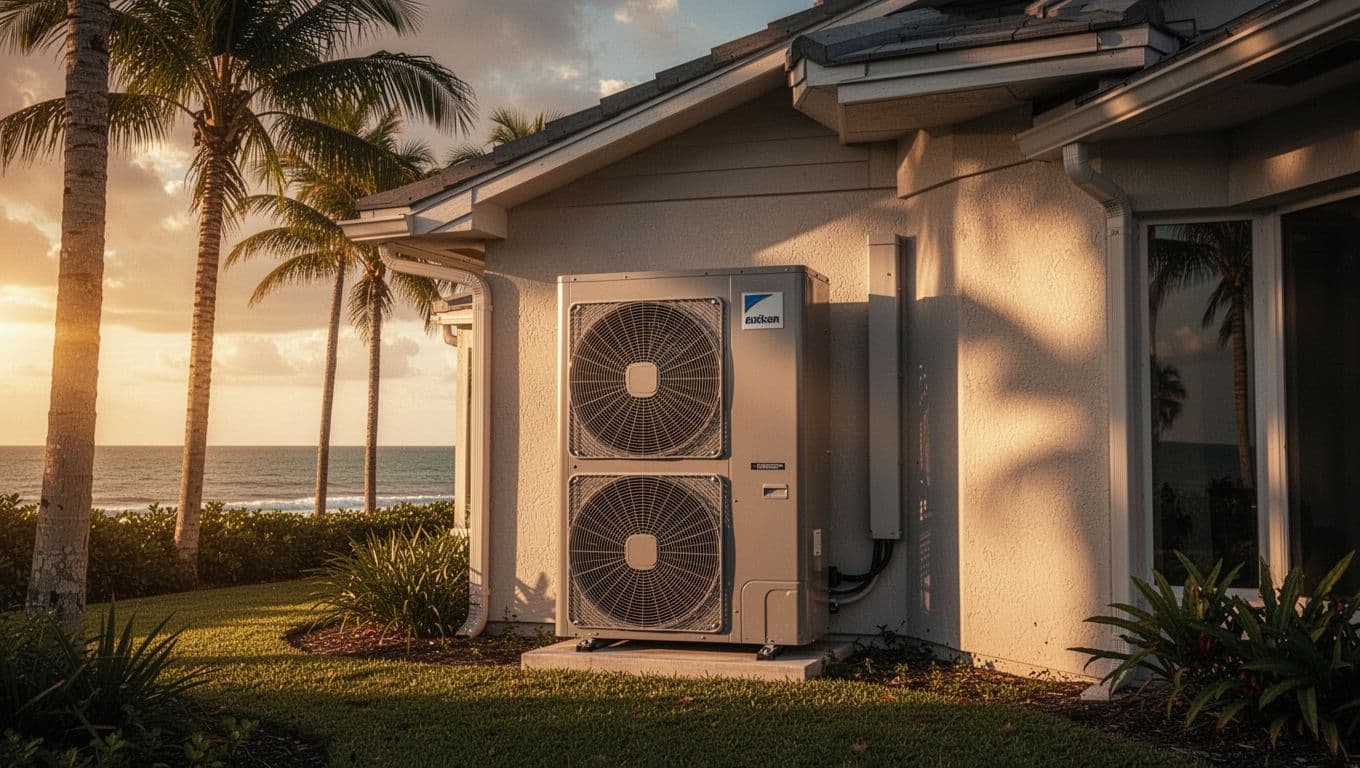
Replacement costs $4,000 to $8,000 installed. Varies by size and ducts. Yet rebates and financing ease it. Check air conditioning installation for free estimates.
Long-term wins big. Lower bills pay back in five years. Reliability soars too.
Making Your Final Call
Cape Coral's climate tips scales toward proactive choices. Spot signs early. Weigh costs against age and efficiency.
Repair suits young, simple issues. Replacement builds future savings amid salt and storms.
Ready for clarity? Contact Us for a no-obligation check. Stay cool year-round. What's your AC telling you today?