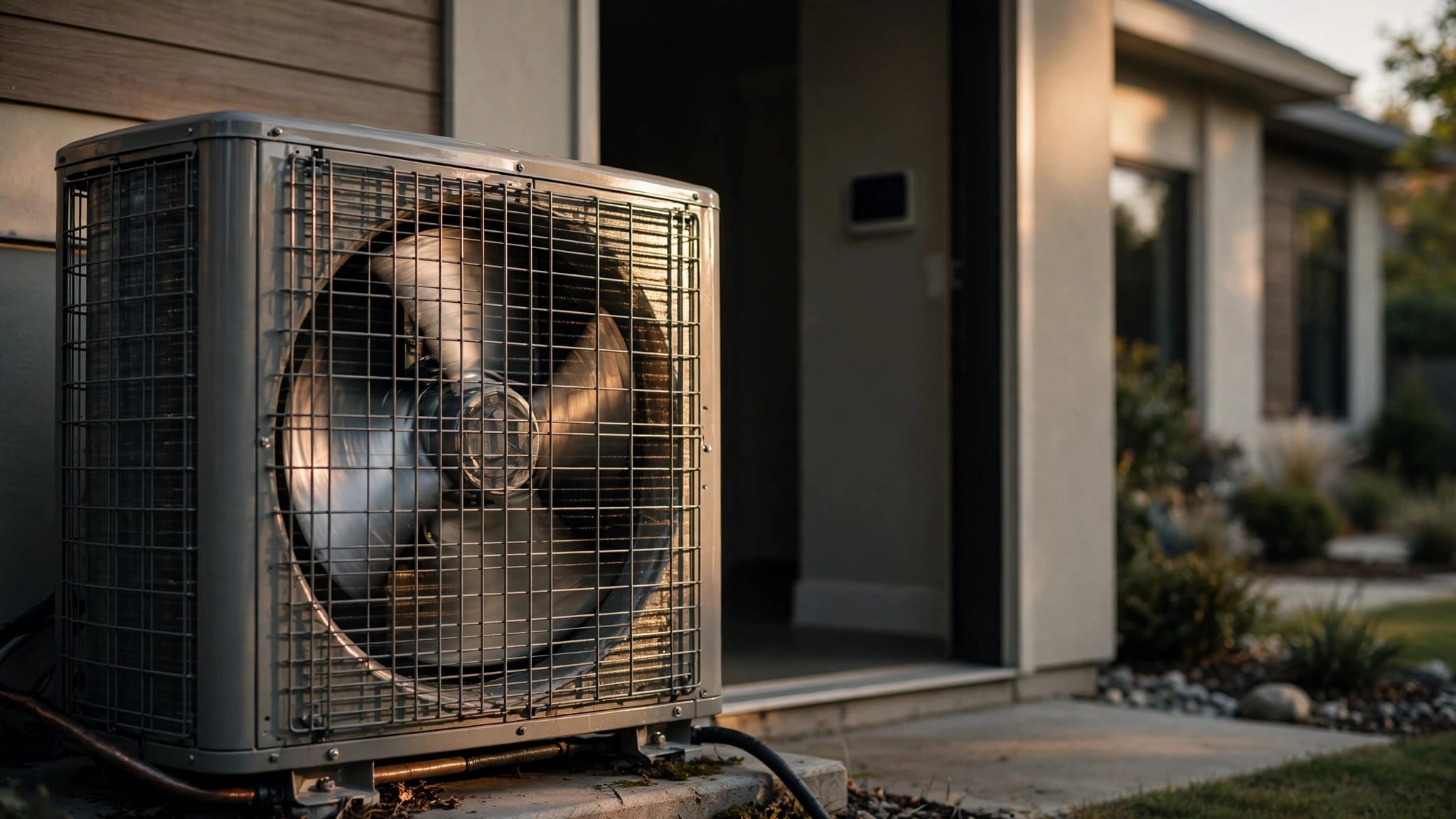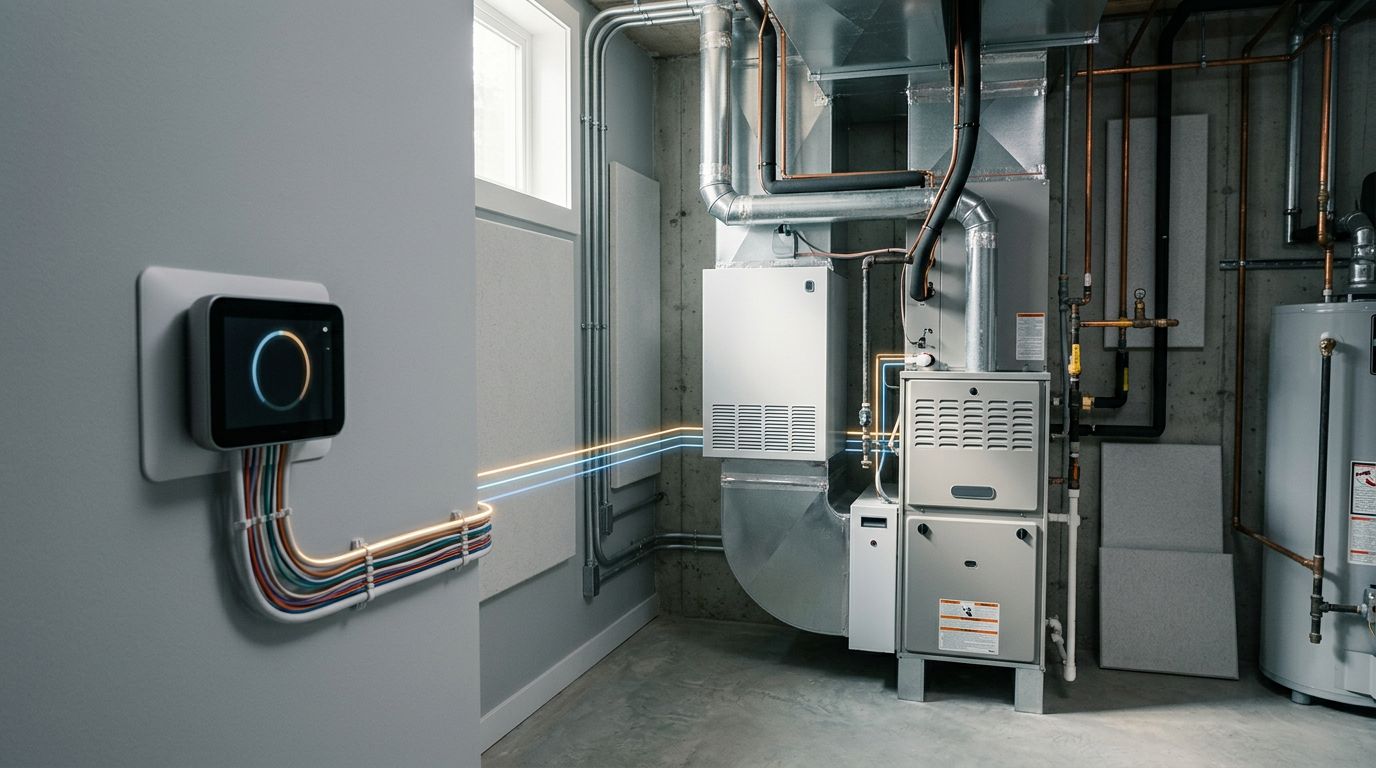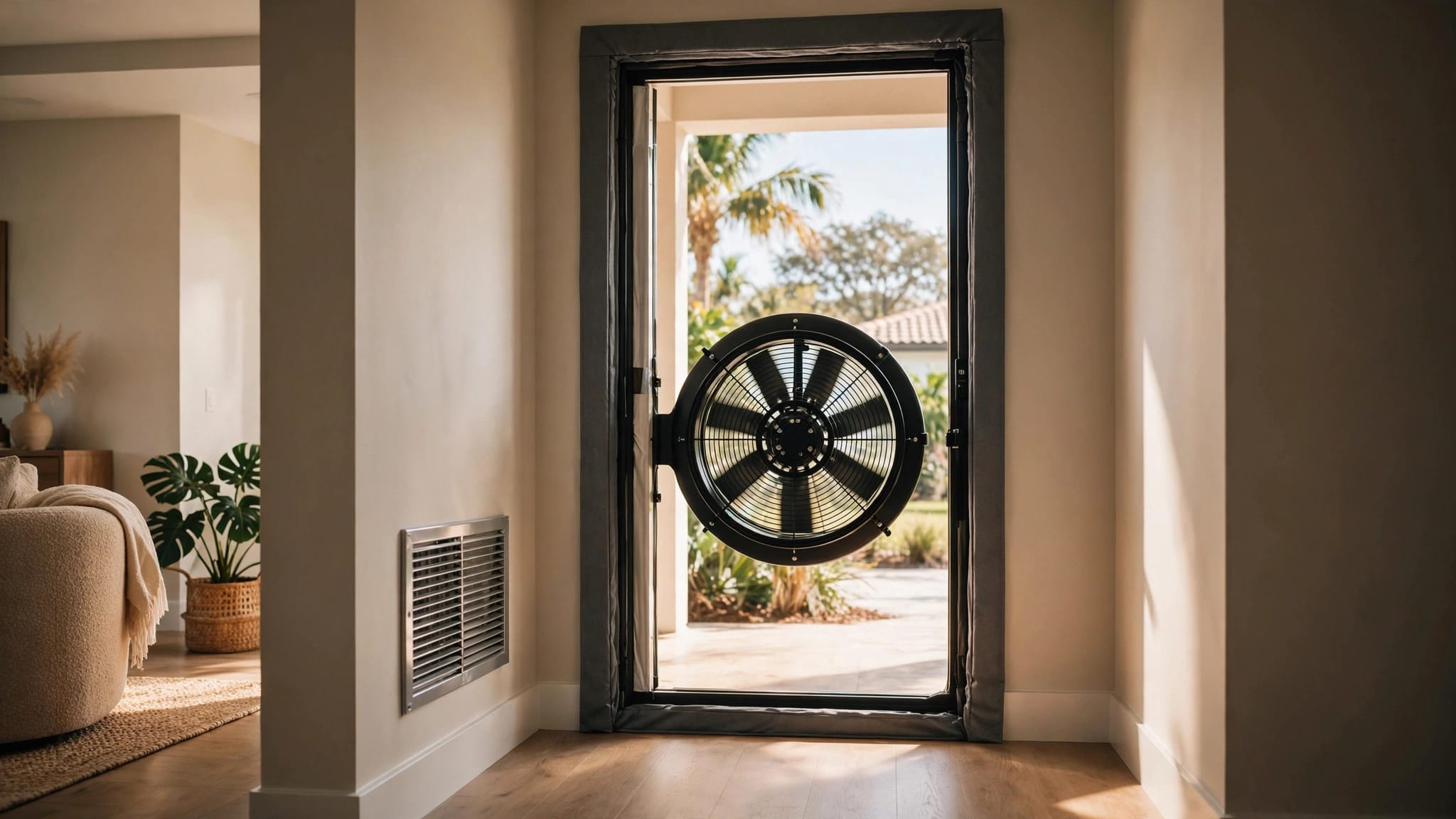
Picture this: It's a steamy afternoon in Cape Coral. You crank up the AC, but instead of cool air, you find ice on the vents. AC freezing up hits hard in Southwest Florida's heat and humidity. This isn't just annoying. It signals a deeper issue that can damage your system if ignored.
Ice buildup means your unit struggles. It stops cooling properly and risks bigger breakdowns. You need quick action to avoid compressor failure or worse. Let's break down the signs, causes, and fixes so you stay comfortable.
Spot the Early Signs of AC Freezing Up
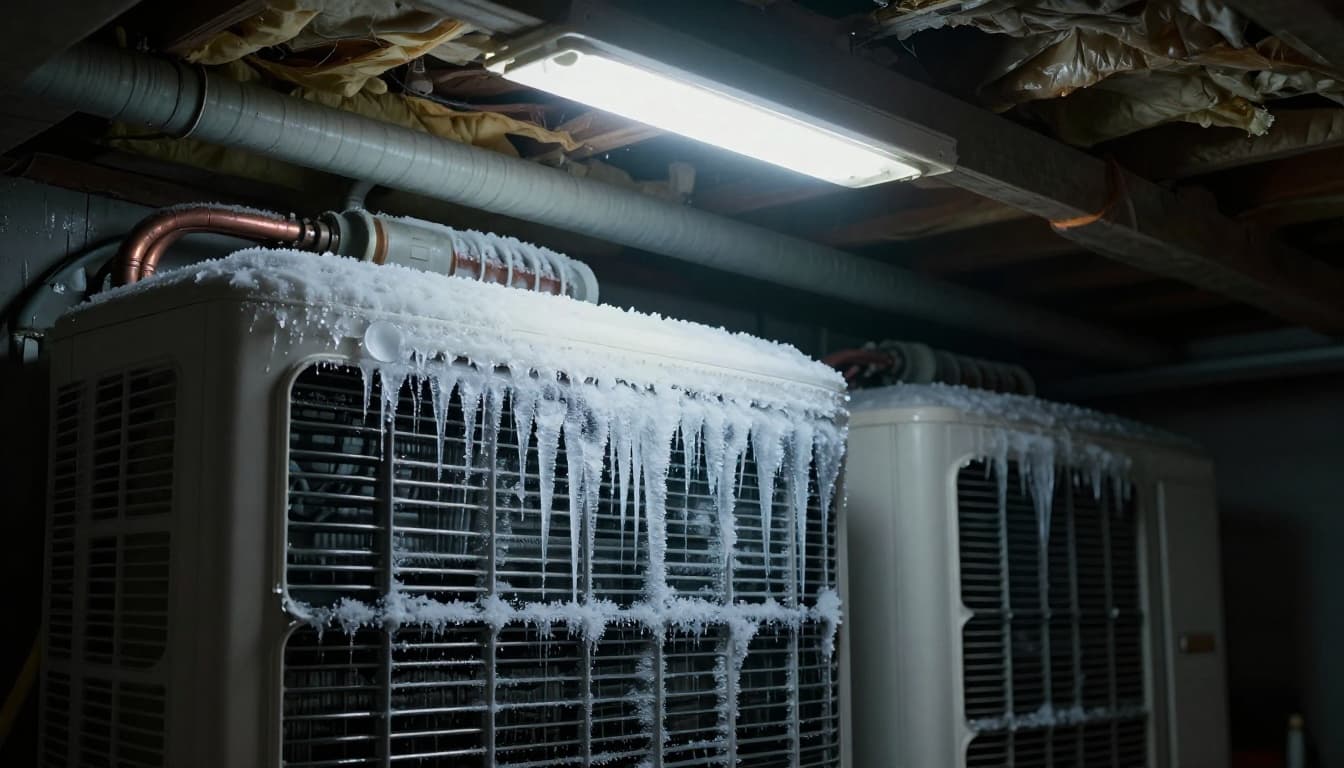
Warm air from vents often comes first. Then you notice reduced airflow. Frost or ice appears on the indoor coils or refrigerant lines. In Cape Coral homes, these clues show up fast during humid spells.
Your thermostat might read cool, but rooms feel stuffy. Listen for unusual humming or straining noises too. These symptoms stem from poor operation, not the heat outside.
Check your utility room or attic. Ice on the evaporator coils confirms the problem. Don't run the system like this. It strains components and hikes energy bills.
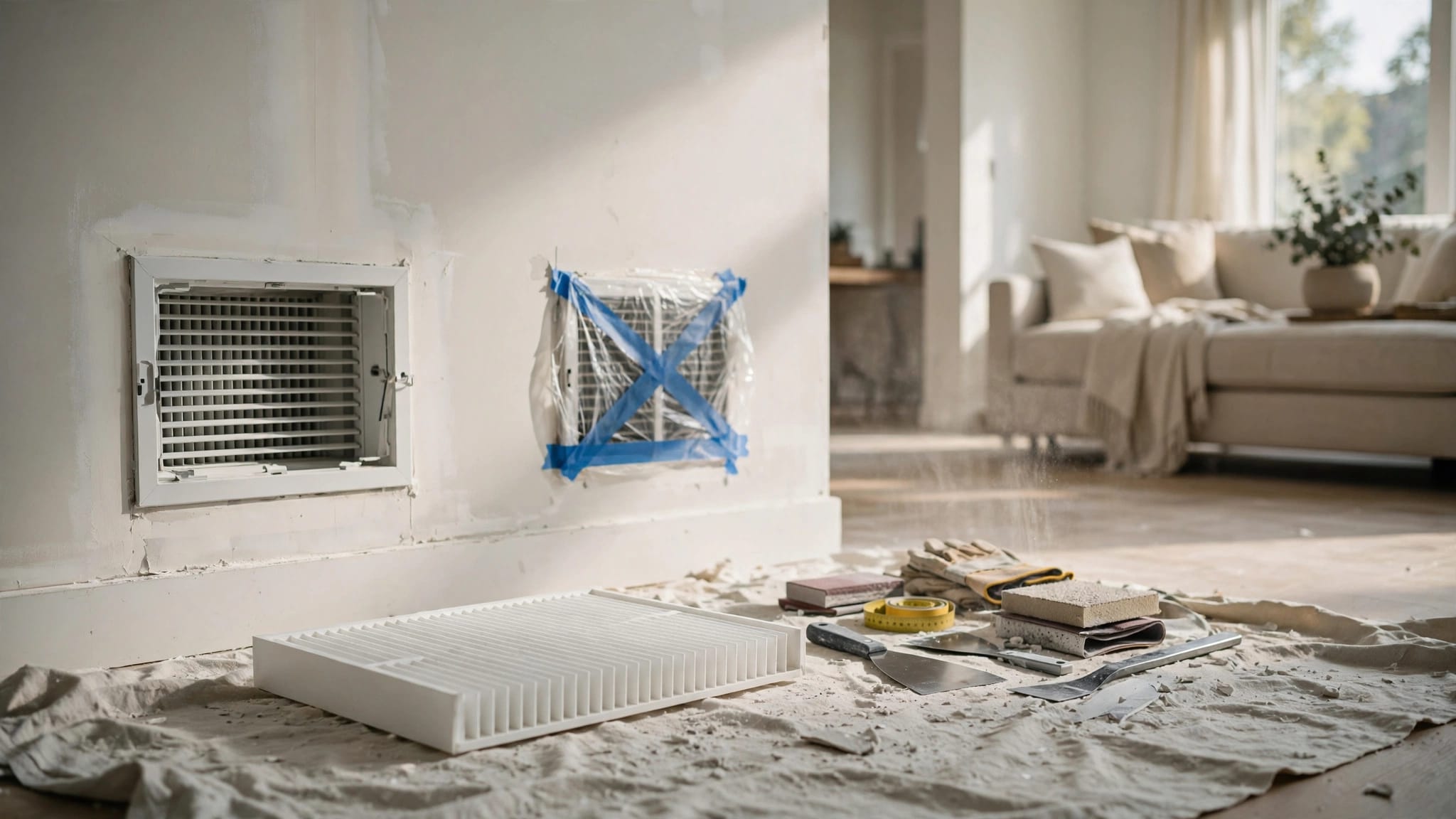
A dirty air filter blocks airflow and triggers freezing. Here's a common sight:
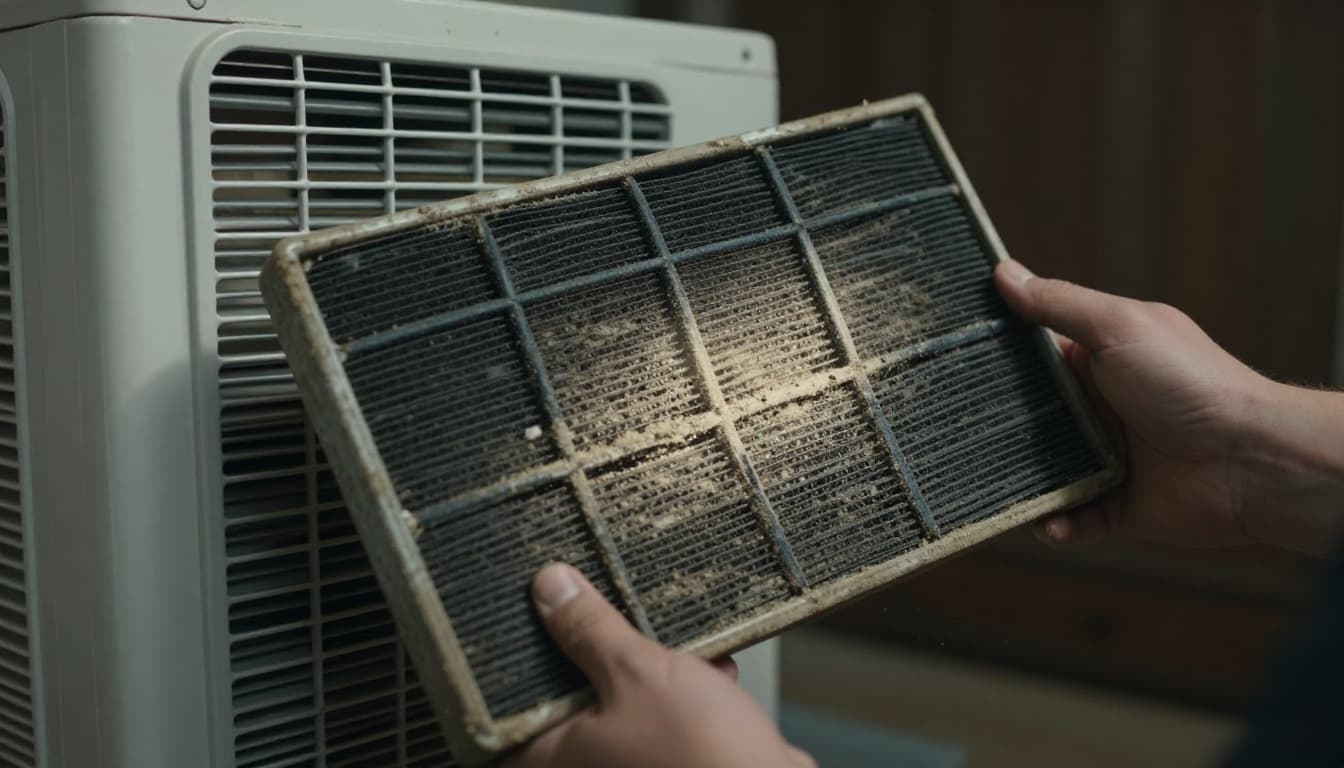
Humidity makes dust clog filters quicker here. Swap them monthly to catch issues early.
Common Causes of AC Freezing Up in Our Climate
Low refrigerant tops the list. Leaks let pressure drop, causing coils to freeze. Southwest Florida's salt air speeds corrosion on lines too.
Restricted airflow ranks next. Dirty filters, blocked vents, or failing blower fans starve coils of warm air. Without heat exchange, moisture freezes instead.
Evaporator coils gather dirt over time. Grime insulates them, dropping temperatures below freezing. Cape Coral's high humidity worsens this by promoting mold growth on coils.
Thermostat problems mislead the system sometimes. Faulty sensors or low batteries make it overcool parts. For more on common AC problems in Cape Coral homes, see our guide.
These causes link together. A clogged filter leads to low airflow, then frozen coils. Address the root to stop repeats.
Immediate Steps to Take If Ice Builds Up
Turn off the AC first. Running it frozen damages the compressor fast. Switch to fan-only mode if you have it. This thaws coils safely.
Let ice melt naturally. Open windows or use fans to circulate air. Avoid heat sources near the unit. It takes a few hours usually.
Inspect the air filter once thawed. Replace if dirty. Clear vents and coils of debris gently. Never chip at ice; it bends fins.
Restart after thawing. Monitor for warm air or weak flow. If issues persist, shut down again. These steps prevent short-term damage.
Safety matters most. Standing water from melt risks slips or electrical hazards. Dry areas thoroughly before reuse.
Prevention Strategies Tailored to Cape Coral
Schedule tune-ups twice yearly. Techs clean coils and check refrigerant in our humid climate. Maintenance catches leaks early.
Use high-MERV filters for better dust capture. Change them every 1-2 months. Seal ducts to improve airflow too.
Run the fan continuously during peak humidity. It helps dehumidify without overcooling. Keep outdoor unit clear of plants and salt buildup.
Consider a maintenance plan for priority service. It saves on air conditioning repairs in Cape Coral. Proper sizing matters; check our AC sizing guide for Cape Coral homes.
These habits extend unit life amid Florida's demands. They lower bills and avoid emergencies.
When to Call a Professional HVAC Service
DIY works for filters, but refrigerant needs experts. Low levels require EPA-certified handling. Leaks demand precise detection tools.
Call if freezing recurs after thawing. Or if you hear grinding noises. Pros diagnose blower issues or coil damage quickly.
In Cape Coral, salt air accelerates wear. Don't delay; it leads to full failures. Our HVAC services in Cape Coral offer same-day help.
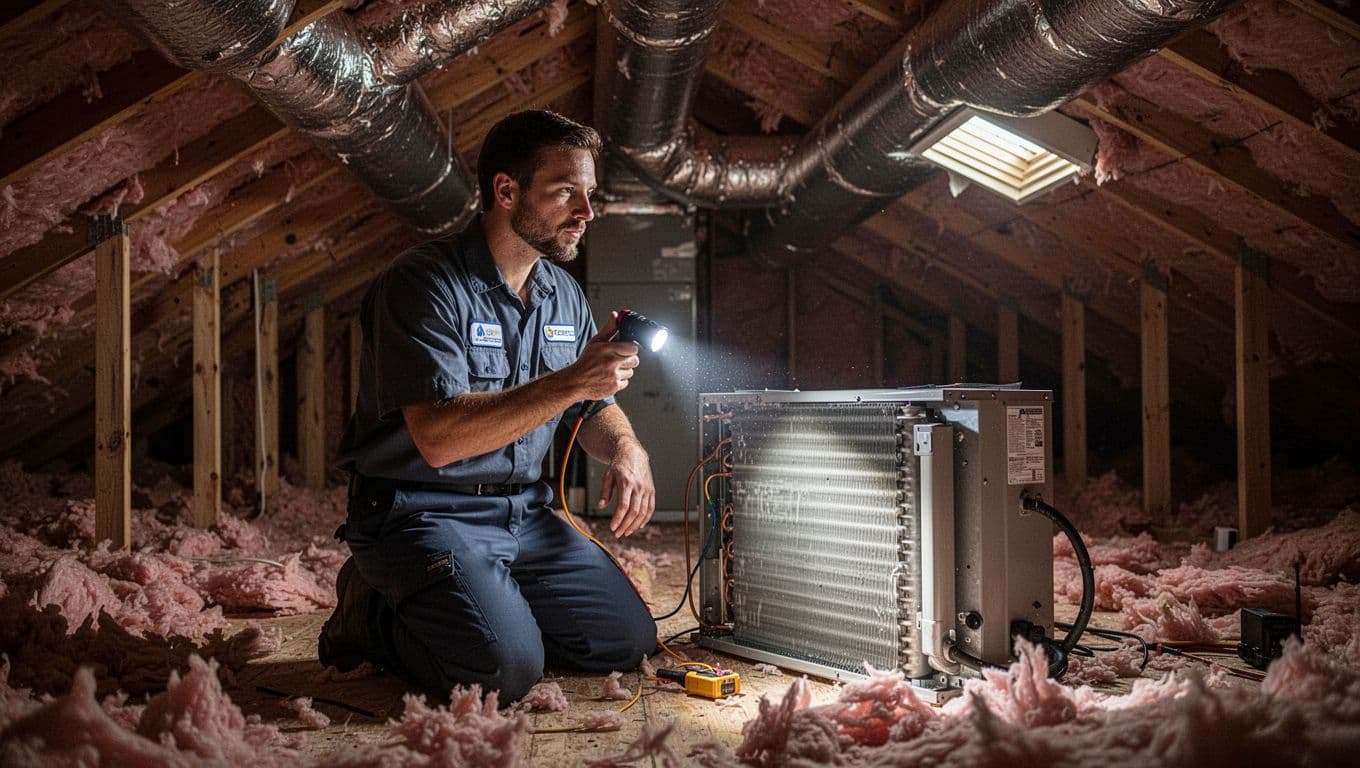
Technicians spot hidden problems like faulty valves. They fix safely and restore efficiency.
Stay Cool Year-Round in Southwest Florida
AC freezing up stems from airflow blocks, low refrigerant, or dirty coils, not the heat itself. Quick shutdowns and maintenance keep damage low. Act fast in our humid air.
Prioritize prevention with regular checks. It saves money and stress. For reliable fixes, contact us anytime. Our team handles Cape Coral calls 24/7.
What's your next step? Thaw and tune up today. Comfort awaits.