When you search for AC replacement Cape Coral , you probably want one clear answer: will your home be cool again today? Most straightforward residential replacements take about four to eight hours, but the job can stretch to a full day when the crew must modify ductwork, upgrade electrical connections, or work around difficult attic access.
The safest schedule comes from an in-home assessment, not a guess based only on your old unit. Equipment size, permit requirements, indoor humidity, and the condition of the air handler all affect the clock. Knowing the steps helps you plan the day and spot an estimate that leaves out important work.
AC replacement Cape Coral: A realistic timeline
For most AC replacement Cape Coral projects, the crew can complete the physical work in one visit. A basic split-system installation often takes four to eight hours when the new equipment fits the existing space and the ductwork, electrical service, and refrigerant lines are usable.
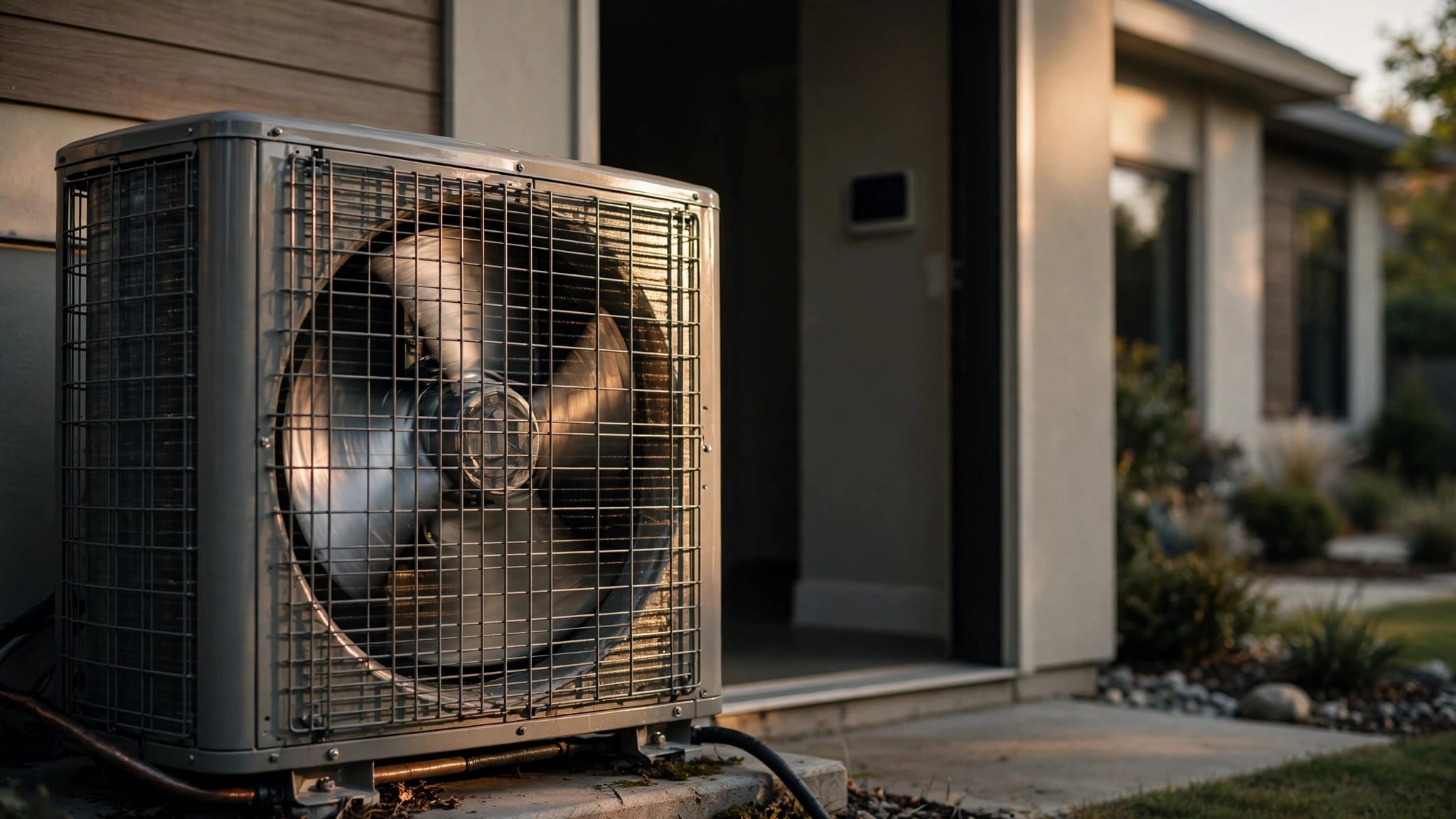
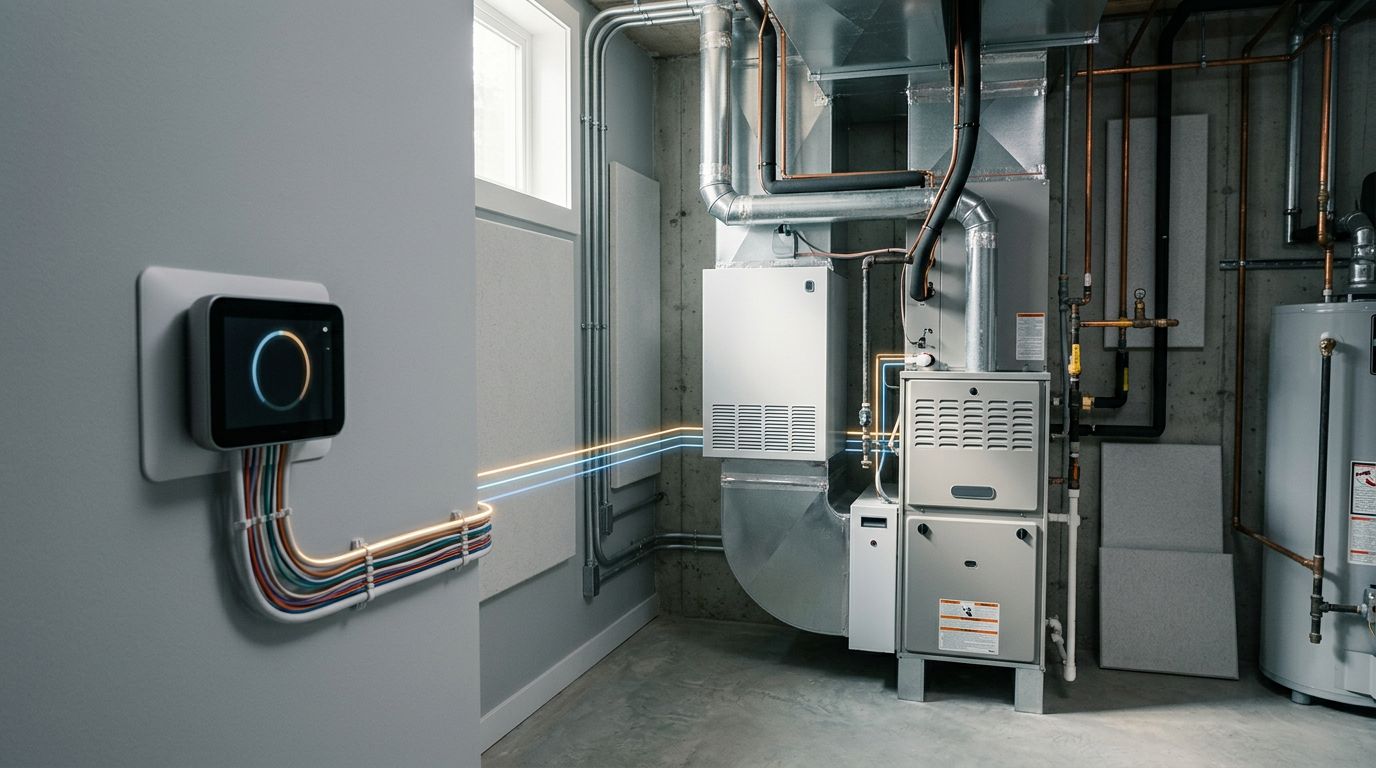
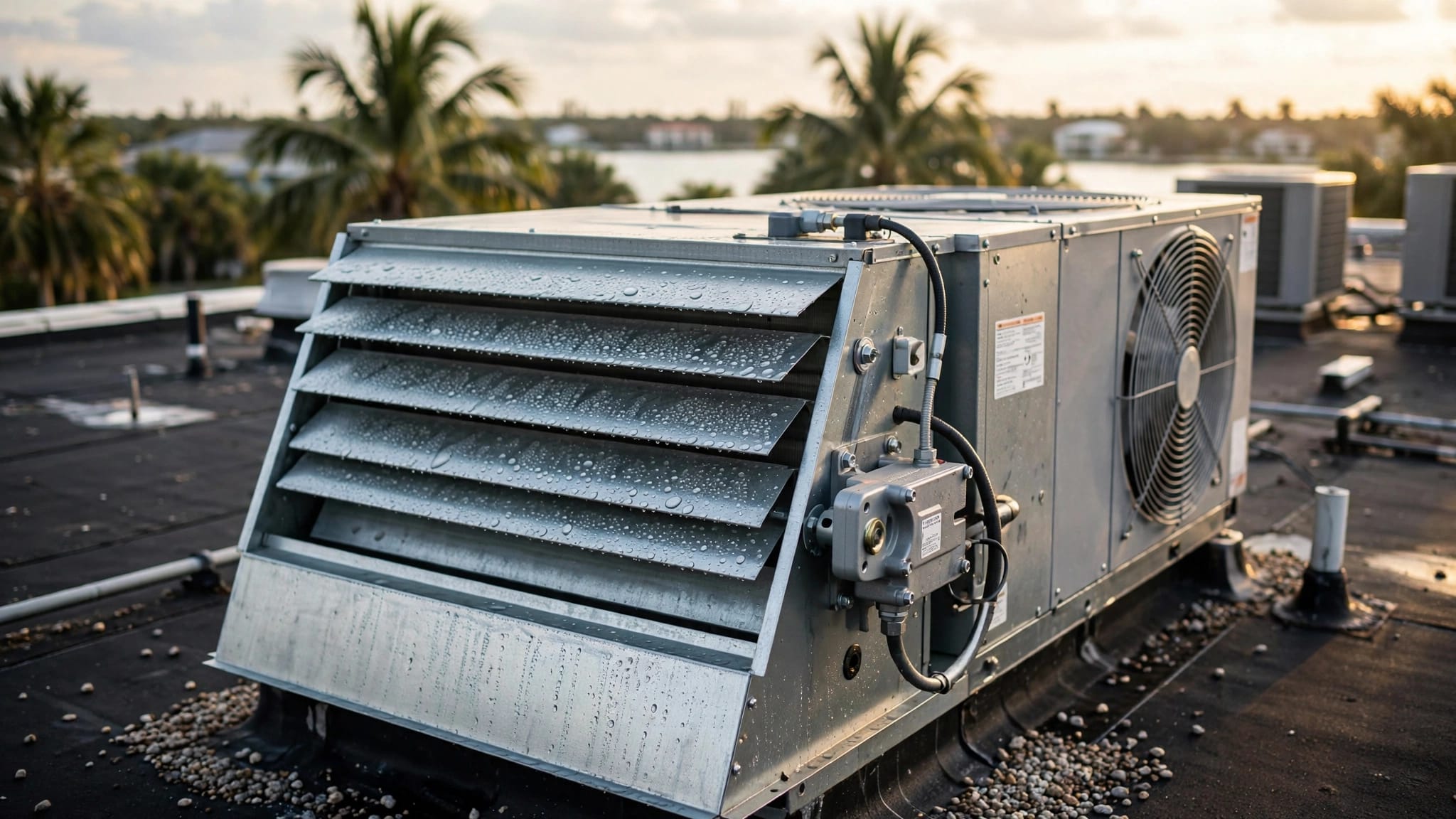
The technician usually replaces both major parts of the system: the outdoor condenser and the indoor evaporator coil or air handler. The work also includes connecting the thermostat, condensate drain, refrigerant lines, wiring, and disconnect. Afterward, the crew tests the system before leaving.
These are common on-site timeframes for residential work:
| Job scope | Typical on-site time | What can change the schedule |
|---|---|---|
| Straight equipment replacement | 4 to 6 hours | Existing connections and equipment fit |
| Indoor and outdoor system replacement | 6 to 8 hours | Air handler, coil, drain, and thermostat work |
| Replacement with ductwork changes | One full day or longer | Repairs, resizing, sealing, or difficult access |
| Permit or inspection requirements | Varies | Local scheduling and project details |
A permit or inspection may add calendar time without keeping the installers at your home for extra hours. Equipment availability matters, too. If the correct system isn't in stock, the installation date can move even when the labor itself is uncomplicated.
What happens during AC replacement day?
An AC installation involves more than removing one box and setting another in its place. The crew must match the indoor and outdoor components, protect the home, follow electrical and refrigerant procedures, and confirm that the system moves air correctly.
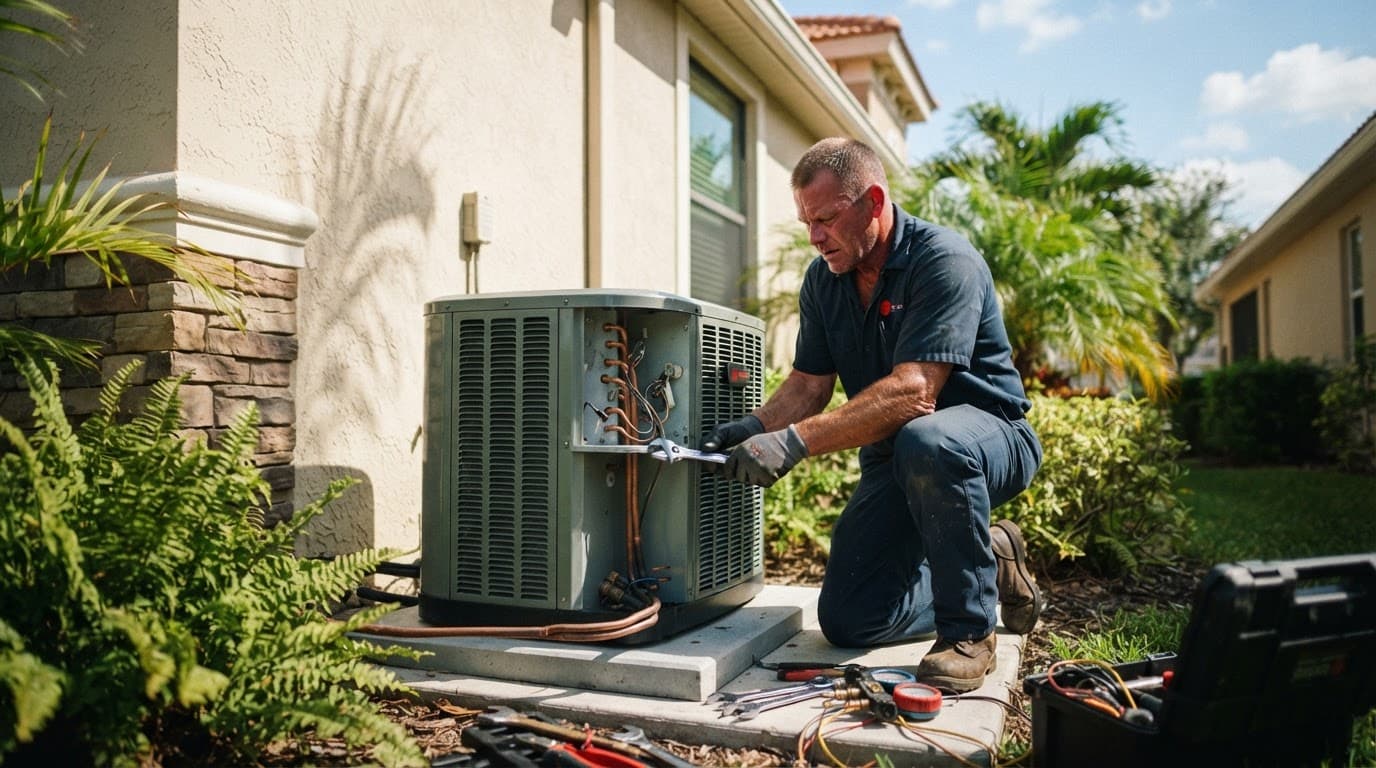
A typical replacement follows this sequence:
- The technician reviews the installation plan. The crew confirms equipment placement, thermostat location, electrical connections, drain routing, and access points before work begins.
- The old equipment is disconnected and removed. Installers shut off power, recover refrigerant according to applicable requirements, disconnect the lines and wiring, and remove the indoor and outdoor components.
- The new equipment is positioned and connected. The outdoor condenser must sit level on a suitable pad. Inside, the evaporator coil or air handler connects to the supply and return ductwork.
- The crew completes the system connections. Refrigerant lines, condensate piping, electrical wiring, thermostat controls, and safety components all need proper connections.
- The system is tested. The technician checks airflow, temperature performance, refrigerant operation, drain function, electrical readings, and thermostat response. The work area should also be cleaned before the crew leaves.
A home may feel warmer during parts of the installation because the system stays off. Once testing is complete, cooling performance can take a short time to stabilize, especially in a humid Cape Coral home.
What can make AC replacement take longer?
The four-to-eight-hour estimate applies to a prepared, accessible installation with compatible equipment. Several conditions can add work. An experienced technician should identify these issues before providing a final schedule.
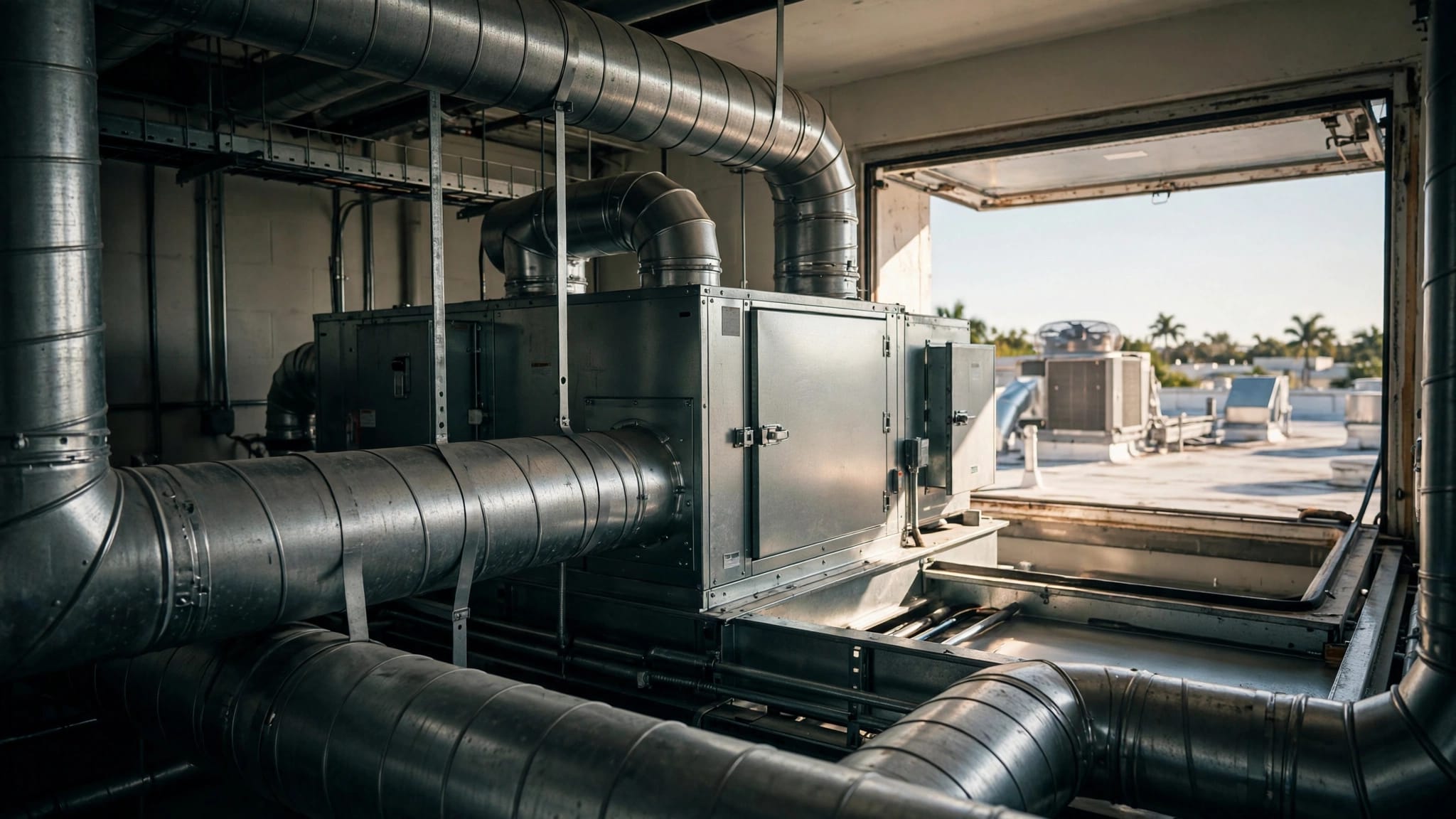
Ductwork and airflow repairs
Old ductwork can affect the installation even when the condenser still has room outside. Crushed flex duct, loose connections, poor insulation, or undersized returns may limit airflow and reduce comfort after the new system starts.
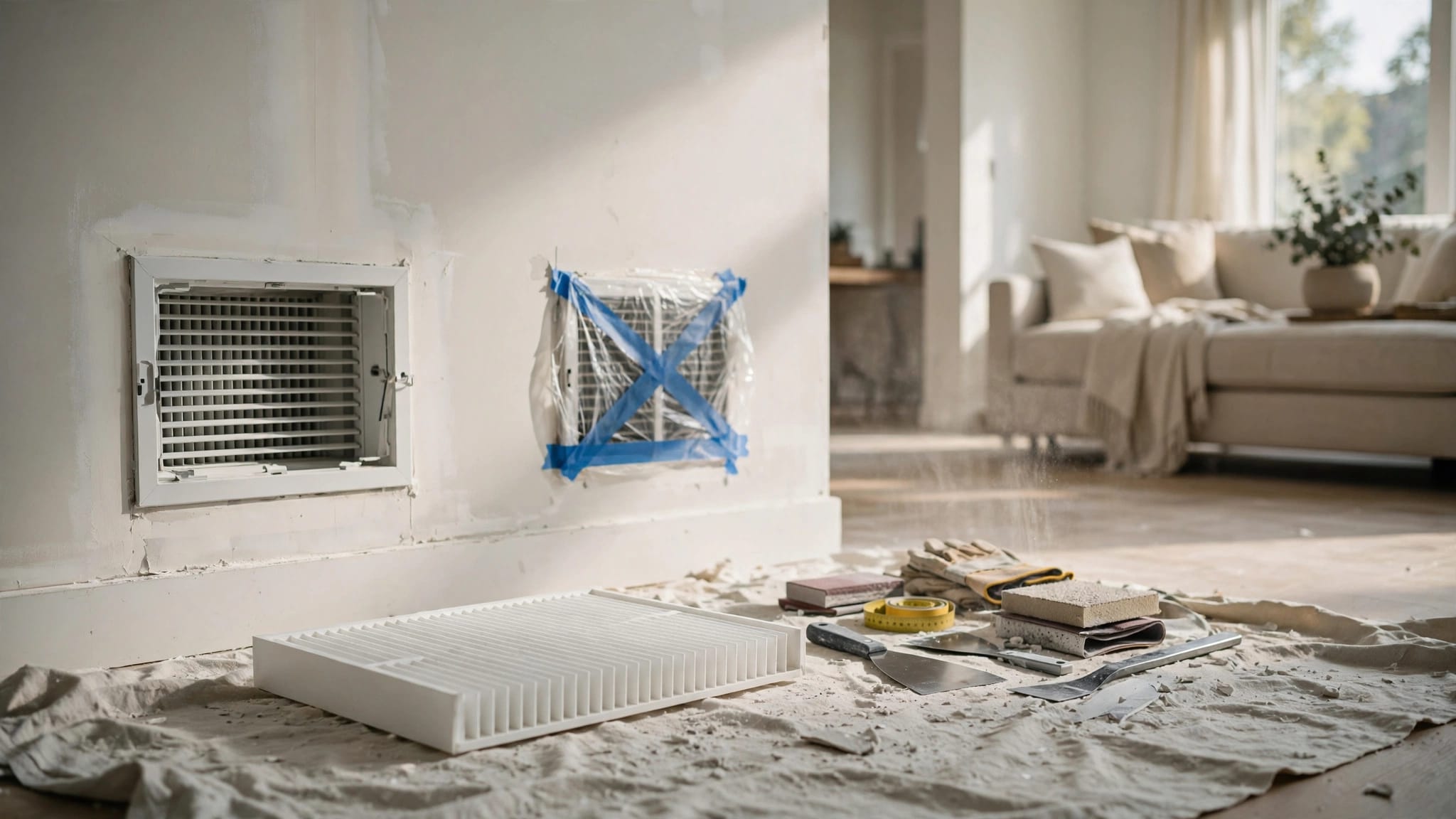
The crew may need to seal joints, replace damaged sections, adjust registers, or improve the return-air path. These tasks add time, but they can prevent the new unit from operating under excessive strain. A larger air conditioner won't solve rooms that receive too little return air.
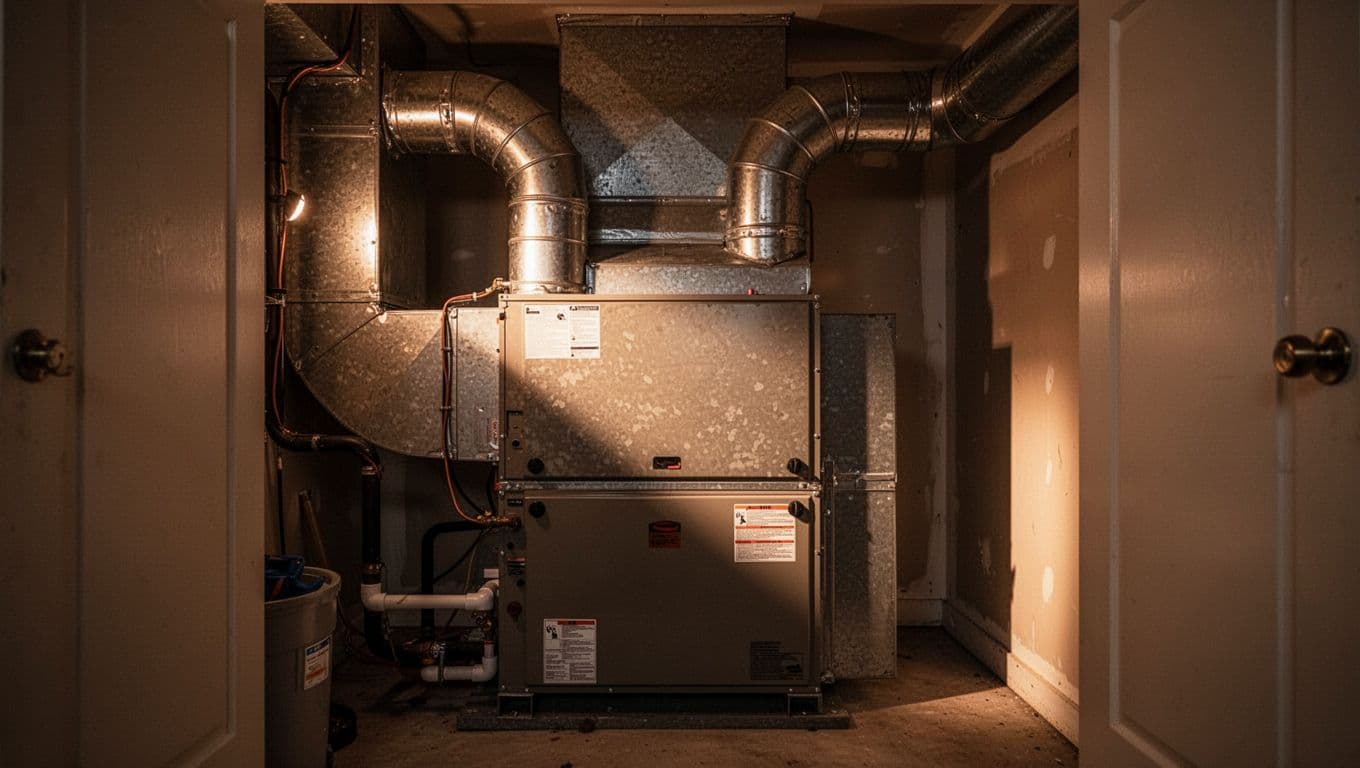
Cape Coral's long cooling season also puts steady demand on duct insulation and condensate management. If the technician finds moisture damage, microbial growth, or deteriorated insulation near the air handler, the project may need additional indoor air-quality or ductwork work.
Electrical, drain, and refrigerant connections
A new system may require different electrical protection than the old equipment. The installer might need to replace a disconnect, correct wiring, adjust the breaker setup, or bring a connection into compliance with current requirements.
Condensate drainage deserves equal attention in Florida. Air conditioning removes moisture from indoor air, and that water must drain safely. A clogged or poorly routed line can lead to overflow, water damage, or repeated shutdowns. The technician may add a safety switch, reroute the drain, or correct its slope.
Refrigerant piping can also affect the timeline. The existing lines may be too small, damaged, contaminated, or incompatible with the selected equipment. Replacing them takes longer than reconnecting a usable line set.
Access, permits, and equipment availability
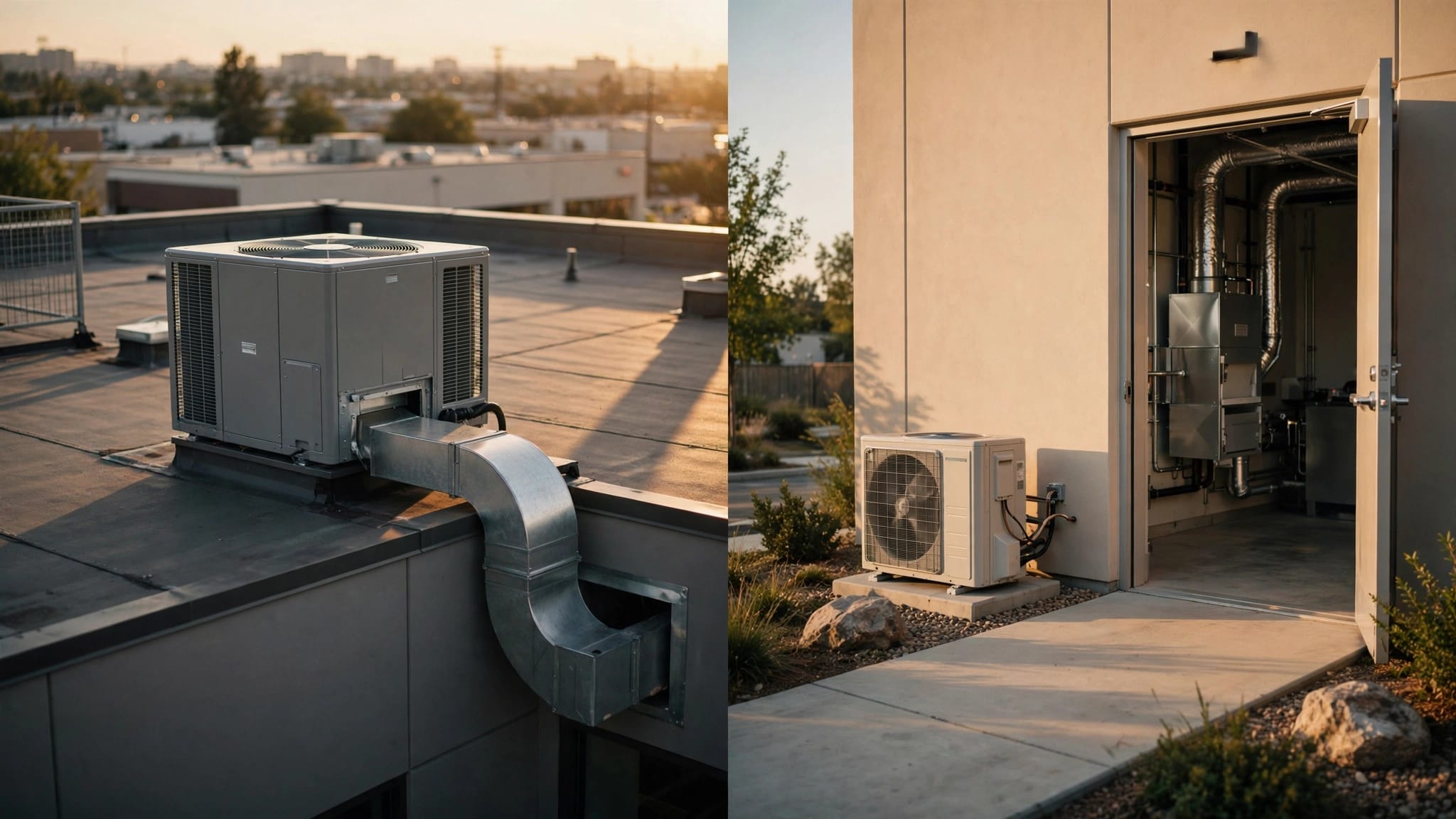
An outdoor condenser beside a garage is usually easy to reach. An air handler in a tight attic, crawl space, or small closet creates a harder installation. Crews may need extra time to remove old equipment without damaging drywall, flooring, ceiling panels, or insulation.
Permitting requirements vary by project and local jurisdiction. Ask who submits the permit and whether an inspection is part of the quoted service. Also confirm that the exact indoor and outdoor models are available before setting an installation date.
How to keep your installation on schedule
You can reduce delays by handling a few practical details before the crew arrives. Start by sharing the symptoms of the old system, including rooms that stay warm, water near the air handler, unusual noises, or rising humidity. These details help the technician plan for more than a basic equipment swap.
Before installation day:
- Clear a safe path to the indoor unit and outdoor condenser.
- Move storage items away from the air handler, electrical panel, and thermostat.
- Keep children and pets away from the work area.
- Confirm whether the quote includes equipment removal and disposal.
- Ask whether the installer will replace the thermostat, pad, disconnect, or drain components.
- Set aside most of the day, even when the expected labor time is shorter.
- Confirm the equipment model, efficiency rating, warranty terms, and payment schedule in writing.
Your estimate should describe the full scope, not only list the condenser's price. A written AC replacement Cape Coral estimate should also explain installation labor, indoor equipment, permits, startup testing, disposal, and any recommended ductwork or electrical repairs.
Back Bay Heating & Cooling offers free replacement-system estimates and same-day service when scheduling and equipment availability allow. For help arranging an assessment or service visit, Contact Us.
Should you repair the AC instead?
Replacement isn't always the right answer. A repair may make more sense when the system is relatively young, the problem is isolated, and the repair cost is reasonable compared with the unit's remaining service life.
Many residential air conditioners reach the later part of their service life after roughly 10 to 15 years. Heavy use in Southwest Florida can add wear, especially when the system runs for long periods during hot weather. Frequent breakdowns, poor humidity control, uneven temperatures, or a failing compressor can make continued repairs harder to justify.
A repair often takes less time than replacement, but fast service doesn't make every repair a good investment. Ask the technician to explain the failure, the expected repair life, and whether other major components show signs of wear. You can review available AC repair services in Cape Coral before choosing between another repair and a new system.
If the existing equipment uses outdated components or needs several expensive repairs, replacement may provide a more predictable long-term cost. The right decision depends on the system's condition, not its age alone.
What to confirm before approving the work
A clear conversation before installation can prevent surprises. Ask these questions before signing an agreement:
- What is the expected on-site installation time?
- Does the proposal include both the indoor and outdoor equipment?
- Will the crew inspect the ductwork, drain, electrical connections, and refrigerant lines?
- Who handles permits and inspections?
- What happens if the technician finds damage after removing the old unit?
- Which labor and manufacturer warranties apply?
- Will the technician test airflow, cooling output, humidity control, and thermostat operation?
The answers should match the written estimate. If the company can't explain what happens when an unexpected problem appears, request more detail before the work begins.
How long will your Cape Coral AC replacement take?
Most residential replacements take four to eight hours, while projects involving ductwork, electrical corrections, difficult access, or permit delays may take longer. The installation itself is only one part of the schedule. Equipment selection and a careful inspection before the work begins often determine whether the crew finishes in one visit.
That means the best answer to "How long does AC replacement take in Cape Coral?" comes from the home's actual conditions. A detailed estimate gives you a realistic timeline, a complete price, and a clearer path to reliable cooling.