An air conditioner can run all afternoon yet leave rooms warm when its blower wheel is coated with dust and pet hair. In Cape Coral, humidity, frequent cooling, and indoor debris can make this problem more common than homeowners expect.
The blower wheel cleaning cost usually depends on access, buildup, the amount of disassembly required, and whether the technician finds related problems. Knowing what the service includes can help you compare quotes and avoid paying for work your system doesn't need.
Blower Wheel Cleaning Cost in Cape Coral: 2026 Pricing
For 2026 planning purposes, Cape Coral homeowners can expect a basic blower wheel cleaning to cost about $125 to $250 when the air handler is accessible and the wheel has moderate buildup. Florida-specific service pricing often reaches $180 to $320 for a single-component cleaning that includes added labor or removal.
| Service scope | Typical planning range |
|---|---|
| Accessible blower wheel cleaning | $125 to $250 |
| Single-component service with removal or deeper cleaning | $180 to $320 |
| Blower wheel plus evaporator coil cleaning | $250 to $420 |
| Full indoor system cleaning | $450 to $650 or more |
These figures are general budgeting ranges, not fixed rates or guarantees. A difficult standalone job can move toward $500 or more when access problems, heavy contamination, repairs, or additional treatment affect the appointment.
A basic blower wheel cleaning
A straightforward service usually involves an accessible air handler, normal dust accumulation, and no damaged parts. The technician may remove the blower assembly, clean the wheel, inspect the motor, and reinstall the assembly.
Some systems allow easier access through a service panel. Others require more time to reach the wheel safely. That difference alone can change the final price.
When the job gets larger
The invoice rises when the blower wheel is heavily caked with debris or when the technician also cleans the evaporator coil, drain pan, drain line, or other areas inside the air handler. Sanitizing or mold-related work can add another charge when conditions call for it.
A quote for the blower wheel alone may not cover coil cleaning or duct repairs. Ask for the complete scope before approving the work.
Why Cape Coral Conditions Create More Buildup
Cape Coral air conditioners work through long stretches of hot weather. That extended run time gives airborne particles more opportunities to collect inside the return, filter, cabinet, coil, and blower assembly.
Humidity and near-year-round cooling
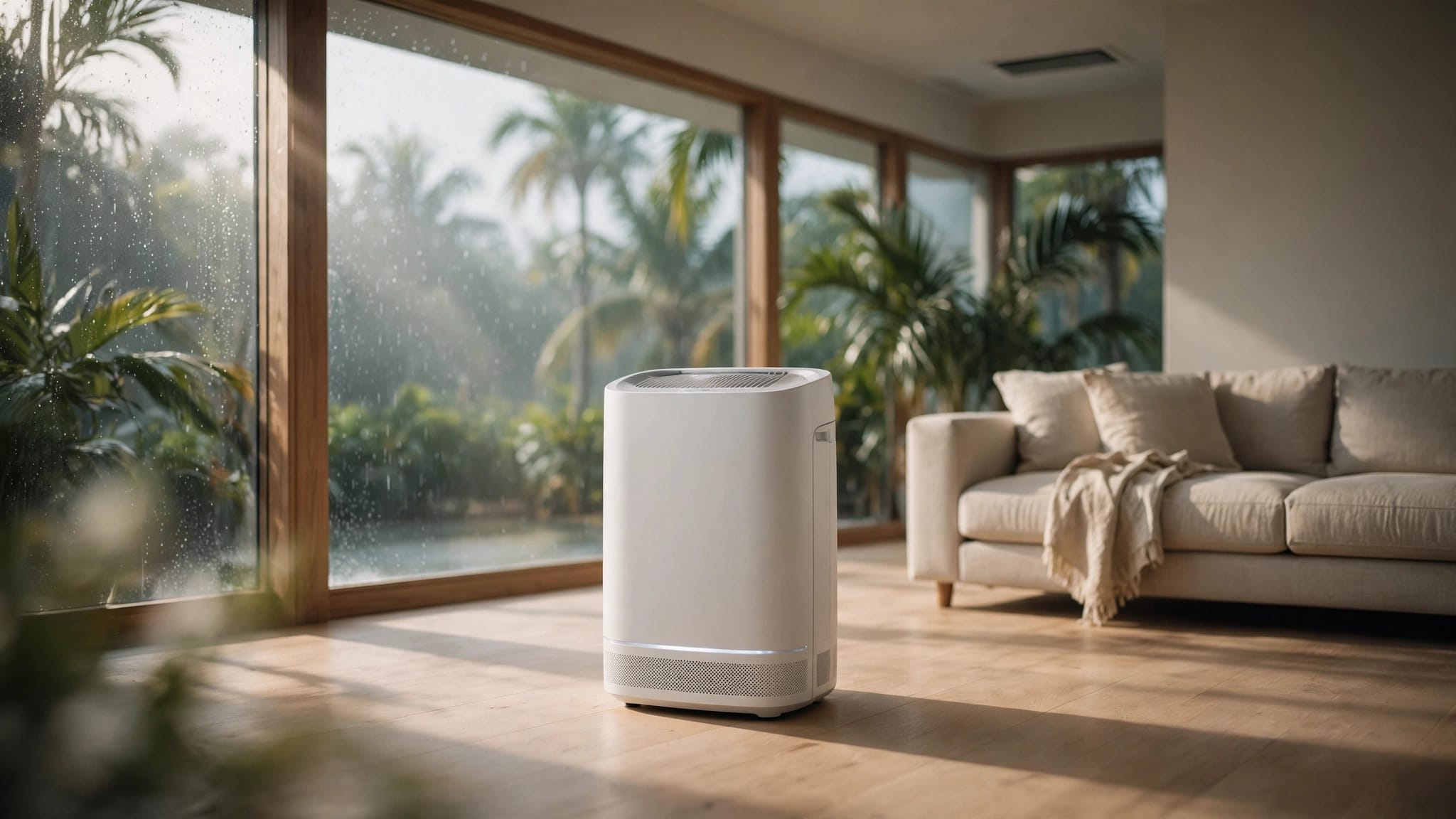
Southwest Florida regularly experiences outdoor humidity above 70%. The U.S. Environmental Protection Agency commonly recommends keeping indoor relative humidity between 30% and 50% to help limit moisture-related problems.
Humidity can make dust and pet particles cling to HVAC surfaces. Moisture also creates conditions where organic debris can collect near the evaporator coil and condensate areas. Since many Cape Coral homes use air conditioning for most of the year, the system has less downtime between cooling cycles.
That combination can create a thick, uneven coating on the blower wheel. The buildup changes the wheel's balance and reduces the amount of air it moves.
Dust, pets, and filter habits
Pet hair and dander can pass through a neglected or poorly fitted filter. Construction dust, open windows, renovation work, and high household traffic can add more debris.
Homes with pets or allergy concerns may need filter changes as often as every 30 days during peak summer use. In milder periods, a 45 to 60-day schedule may work for some systems. The right interval depends on the filter, home conditions, and equipment.
MERV 8 to MERV 13 filters can capture more airborne particles, but a higher rating isn't automatically better for every system. A filter that restricts airflow can create its own problems, so confirm compatibility before changing filter type.
What Happens During a Professional Cleaning Visit
A proper appointment should include more than spraying cleaner into the cabinet. The technician needs to identify the cause of the airflow problem and protect the rest of the system during the work.
Inspection and scope confirmation
The technician typically starts by asking about weak airflow, unusual noise, longer run times, uneven temperatures, or recent filter issues. They may inspect the filter, return area, blower compartment, evaporator coil, drain pan, and condensate line.
Before removing parts, the technician should explain the recommended work and any added cost. This is the right time to ask whether the price covers cleaning in place or removal of the wheel and blower assembly.
A visible coating doesn't always mean the entire HVAC system needs a deep cleaning. The inspection should connect the condition of the wheel to the symptoms inside your home.
Cleaning, reassembly, and testing
After properly de-energizing the equipment, the technician protects the surrounding area and opens the access panels. Depending on the air handler's design, the blower assembly may come out for a more complete cleaning, or the wheel may be cleaned in place with suitable collection equipment.
The work should remove debris without damaging the motor, wiring, housing, or nearby coil fins. For substantial contamination, HEPA-filtered vacuuming and controlled debris collection can help prevent particles from spreading through the home.
After reassembly, the technician should check for abnormal noise, vibration, airflow changes, and proper blower operation. If the original symptom remains, the visit should include a discussion of other possible restrictions instead of treating the cleaning as a guaranteed cure.
When Cleaning May Not Be Enough
A dirty wheel is only one possible cause of weak airflow. Cleaning can improve performance when debris is the main restriction, but it can't repair worn equipment or poorly designed ductwork.
Damaged wheels and failing blower parts
A technician may recommend replacement when the wheel is cracked, badly corroded, bent, or permanently out of balance. Excessive vibration can damage the motor and create additional noise.
The motor itself may also cause trouble. Worn bearings, a failing control board, wiring problems, or a capacitor issue on systems that use one can produce symptoms that look like a dirty wheel. Cleaning the wheel won't solve those failures.
Ask whether the estimate includes parts, diagnosis, removal, installation, and testing. A cleaning-only price should remain separate from a replacement recommendation.
Coils, returns, ducts, and static pressure
A dirty evaporator coil can restrict the air path even after the blower wheel is clean. A blocked return grille, collapsed flex duct, closed damper, or leaking duct can also reduce air delivery.
If airflow remains weak, AC static pressure testing in Florida homes can help identify restrictions that a visual blower inspection may miss. Homeowners with damaged or poorly sealed ducts may also need Cape Coral ductwork repair and replacement.
Freezing, water near the air handler, or repeated short cycling deserves a full diagnostic appointment. Those symptoms can point to coil, refrigerant, drainage, airflow, or control problems.
How to Compare Quotes in Cape Coral
A low blower wheel cleaning price may cover only a quick inspection or surface cleaning. A higher quote may include removal, deep cleaning, coil access, testing, and cleanup. The number matters, but the scope matters more.
Questions to ask before approving service
Request a written or clearly explained quote that answers these questions:
- Is the price for inspection, cleaning, or both?
- Will the technician remove the blower wheel or clean it in place?
- Does the quote include access-panel removal and reassembly?
- Are the evaporator coil, drain pan, and drain line included?
- What happens if the technician finds a damaged wheel or motor?
- Are diagnostic fees, parts, disposal, and follow-up testing separate?
Ask the technician to show you the buildup when possible. Photos can also help you understand whether the wheel needs cleaning now or whether a broader indoor air-quality issue requires attention.
Maintenance plans may cover a check, not a deep cleaning
Many maintenance visits include filter service, electrical checks, coil inspection, condensate drain work, and a blower wheel check. However, "check" doesn't always mean full removal and deep cleaning.
Before enrolling in or using a plan, ask whether blower wheel cleaning is included, discounted, or billed separately. You can review the details of Cape Coral HVAC maintenance agreements and confirm which indoor components receive cleaning during each visit.
Routine maintenance can help identify buildup earlier. It doesn't eliminate the need for occasional cleaning in homes with pets, heavy dust, moisture problems, or continuous AC use.
Safety Advice for Homeowners
The blower wheel sits inside the air handler, near electrical connections and moving equipment. Invasive access requires more than basic household cleaning skills.
Safe upkeep you can handle
You can replace the filter with the correct size and rating, vacuum dust from return grilles, and keep furniture away from supply and return openings. Check for visible obstructions around the system, but don't remove sealed panels to reach internal parts.
Never reach into a blower compartment while the system has power. Turning off the thermostat may stop normal operation, but it doesn't prove that every electrical component is safe to touch.
When to call a trained technician
Schedule professional service when you hear scraping, rattling, or strong vibration; notice a major airflow drop; smell burning; see ice on the coil; or find water around the air handler. A technician can verify the electrical disconnect, protect sensitive components, and use equipment designed for HVAC cleaning.
Avoid pouring water or household cleaners into the cabinet. Moisture can damage electrical parts and spread debris into places you can't inspect. If the AC stops cooling during extreme weather, 24/7 AC repair in Cape Coral is the safer option than opening the system yourself.
Conclusion
For most Cape Coral homes, the blower wheel cleaning cost in 2026 will likely fall between $125 and $320 for a basic or single-component service. Coil cleaning, difficult access, heavy buildup, damaged parts, and broader air-handler work can raise the total to $420, $650, or more.
Florida humidity and long cooling seasons make regular filter care and professional inspection practical, especially in homes with pets. If airflow is weak or the system sounds unbalanced, a clear quote and complete diagnostic check can show whether cleaning is enough. For local scheduling or a service estimate, Contact Us.