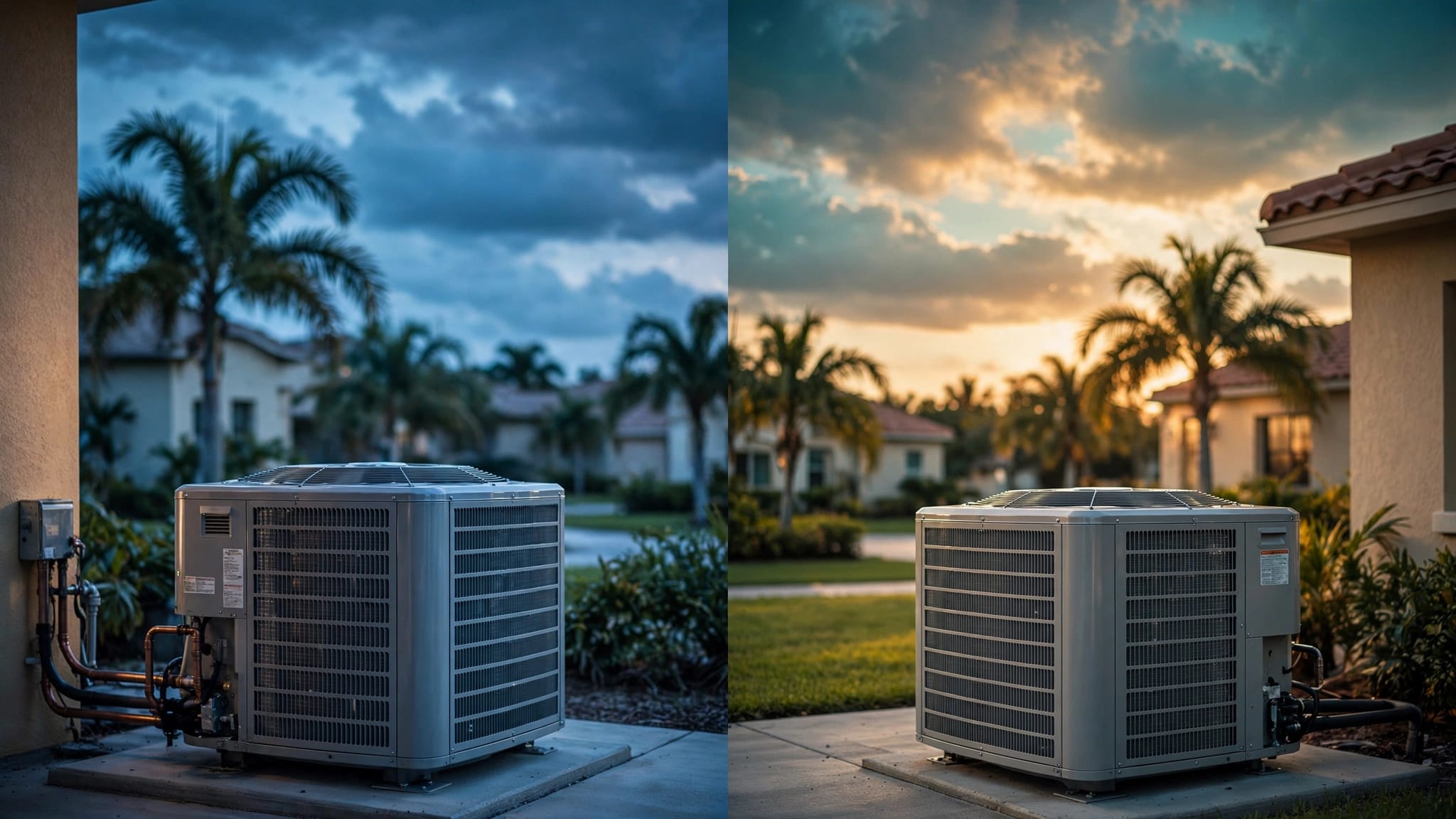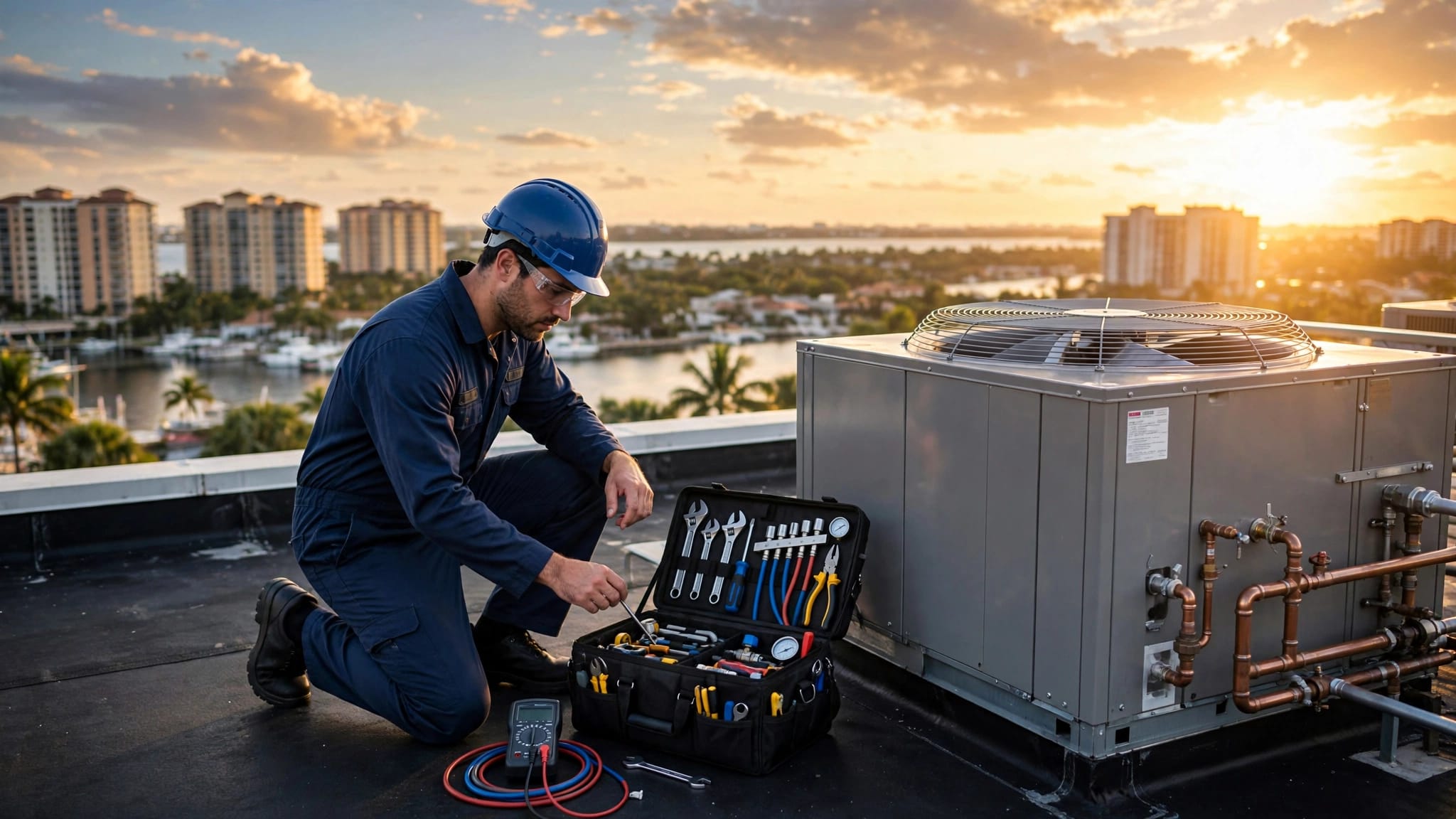
Cape Coral summers hit hard. You flip on the AC, and it struggles against the heat. Before long, you're wondering about your AC unit lifespan . Coastal conditions here cut years off most systems. Homeowners face salt air and nonstop humidity that wear down equipment fast.
National averages promise 15 years. Local reality often halves that. You deserve reliable cooling without surprise breakdowns. Let's break down what shortens life here and how to stretch it.
Average AC Unit Lifespan in Cape Coral Homes
Central AC units last 10 to 15 years across the U.S. In Cape Coral, expect 8 to 12 years. Heat pumps follow suit at 10 to 14 years nationally, but drop to 9 to 13 here. Why the difference? Constant runtime plays a big role.
Your system runs 2,000 to 3,000 hours yearly in Southwest Florida. That's double many inland spots. Manufacturers rate units for milder use. Heavy demands accelerate wear on compressors and coils.
Quality matters too. Top brands like Trane or Carrier hold up better. Budget models fade quicker. Proper sizing from install prevents short-cycling strain. Undersized units overwork and fail early.
Replace around year 10 if repairs pile up. Newer models save 30% on energy. They handle Florida's demands with stronger coatings against corrosion.
Factors Shortening AC Unit Lifespan in Cape Coral
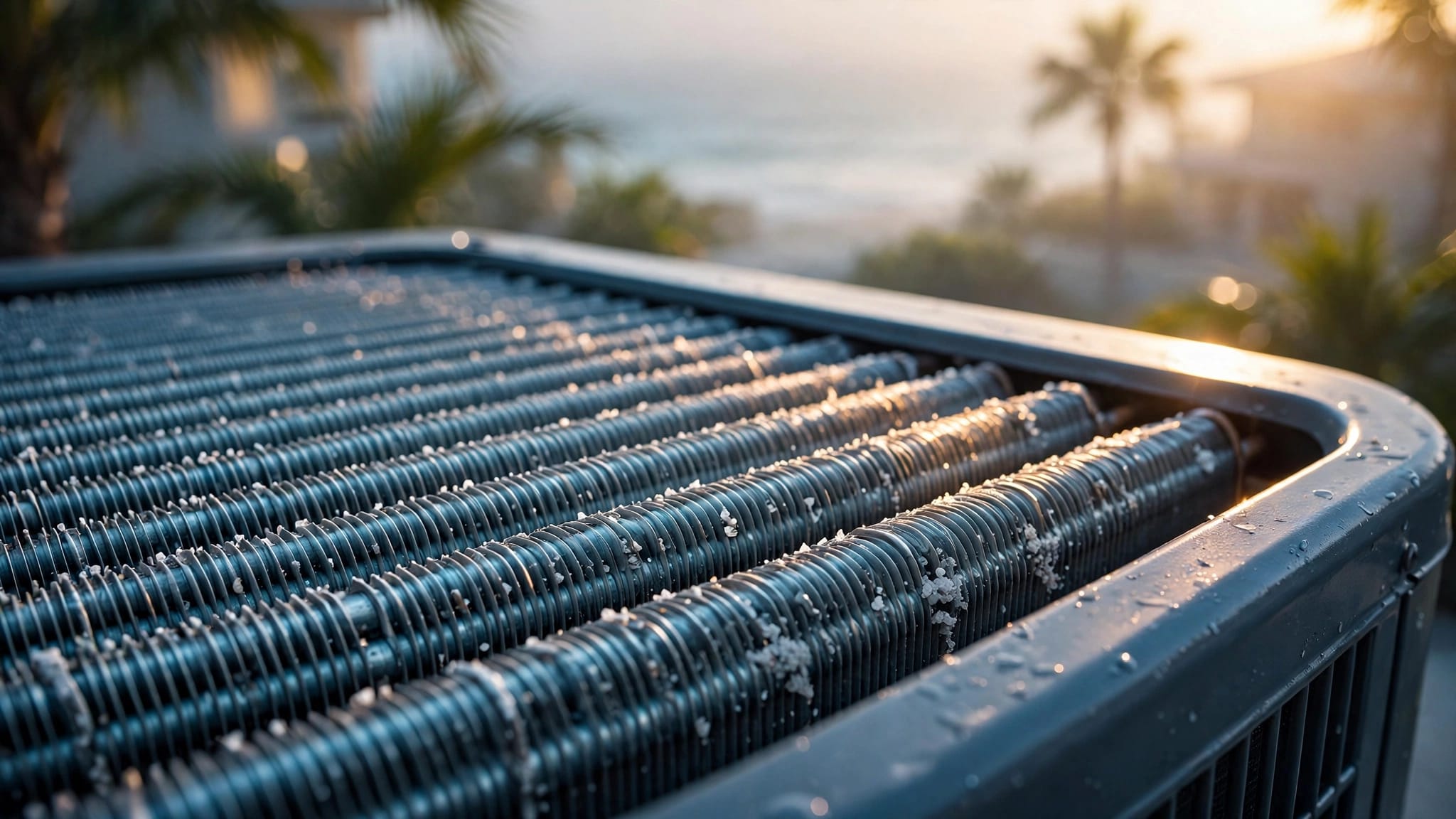
Salt air corrodes outdoor coils fast. Seawater spray clings to fins, eating copper and steel. Florida's coastal climate affects AC lifespan through this constant attack. Units near the water rust twice as quick.
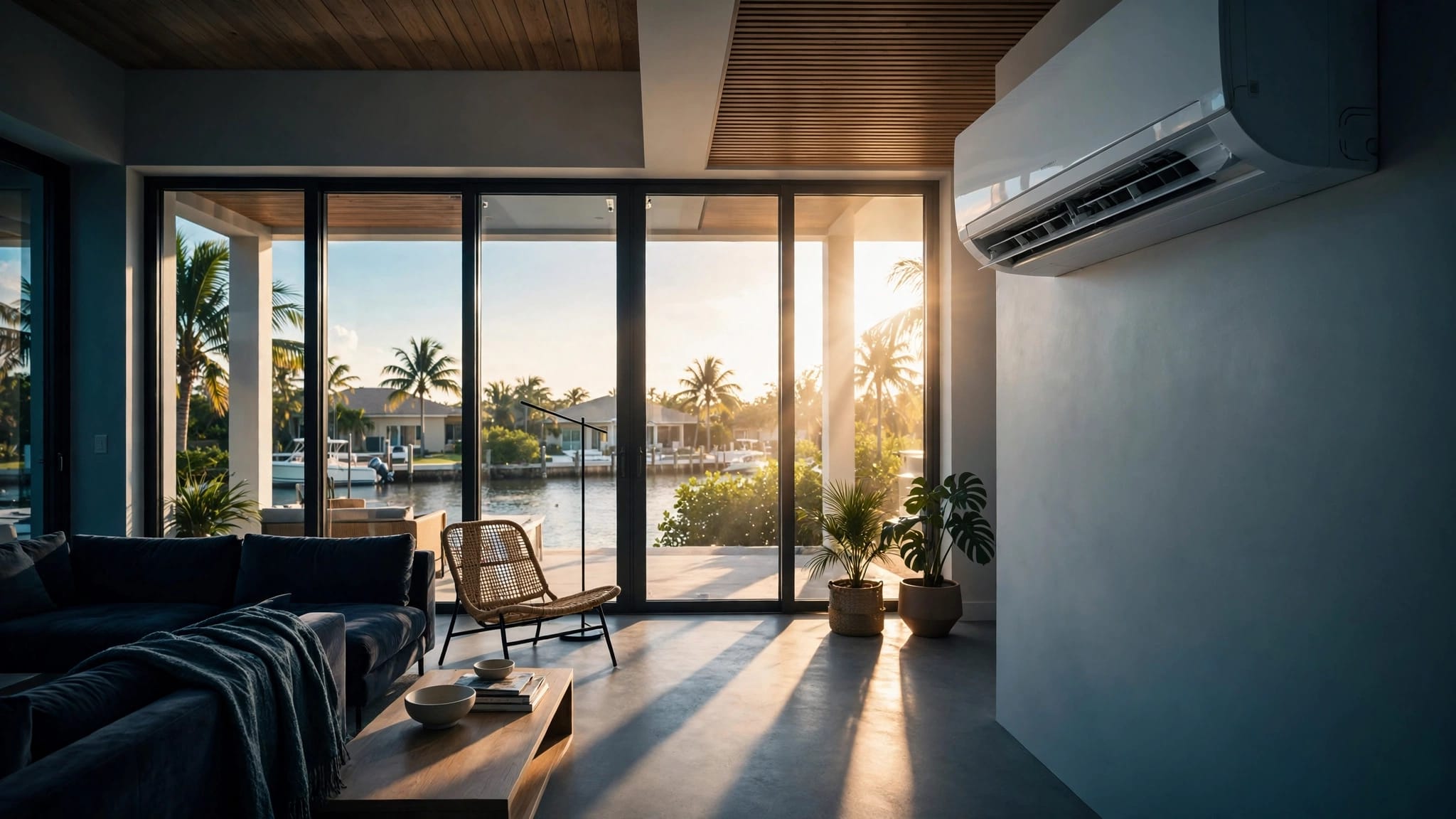
High humidity breeds mold inside. Evaporator coils stay wet, promoting growth that clogs airflow. Systems fight harder, spiking energy use by 20%.
Storms add debris. Palms shed fronds that block condensers. Heavy rain floods drain pans. All force overtime on fans and pumps.
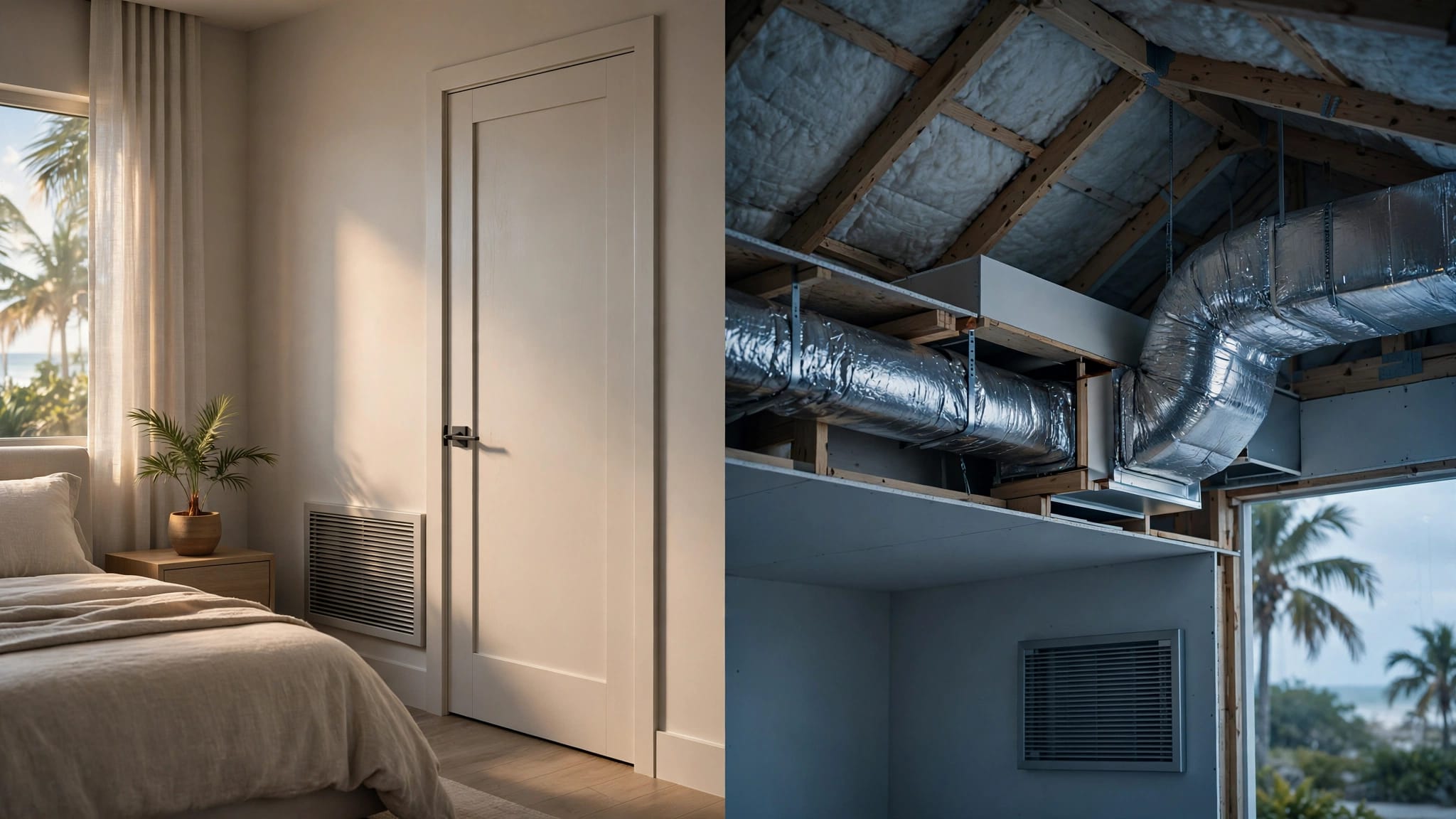
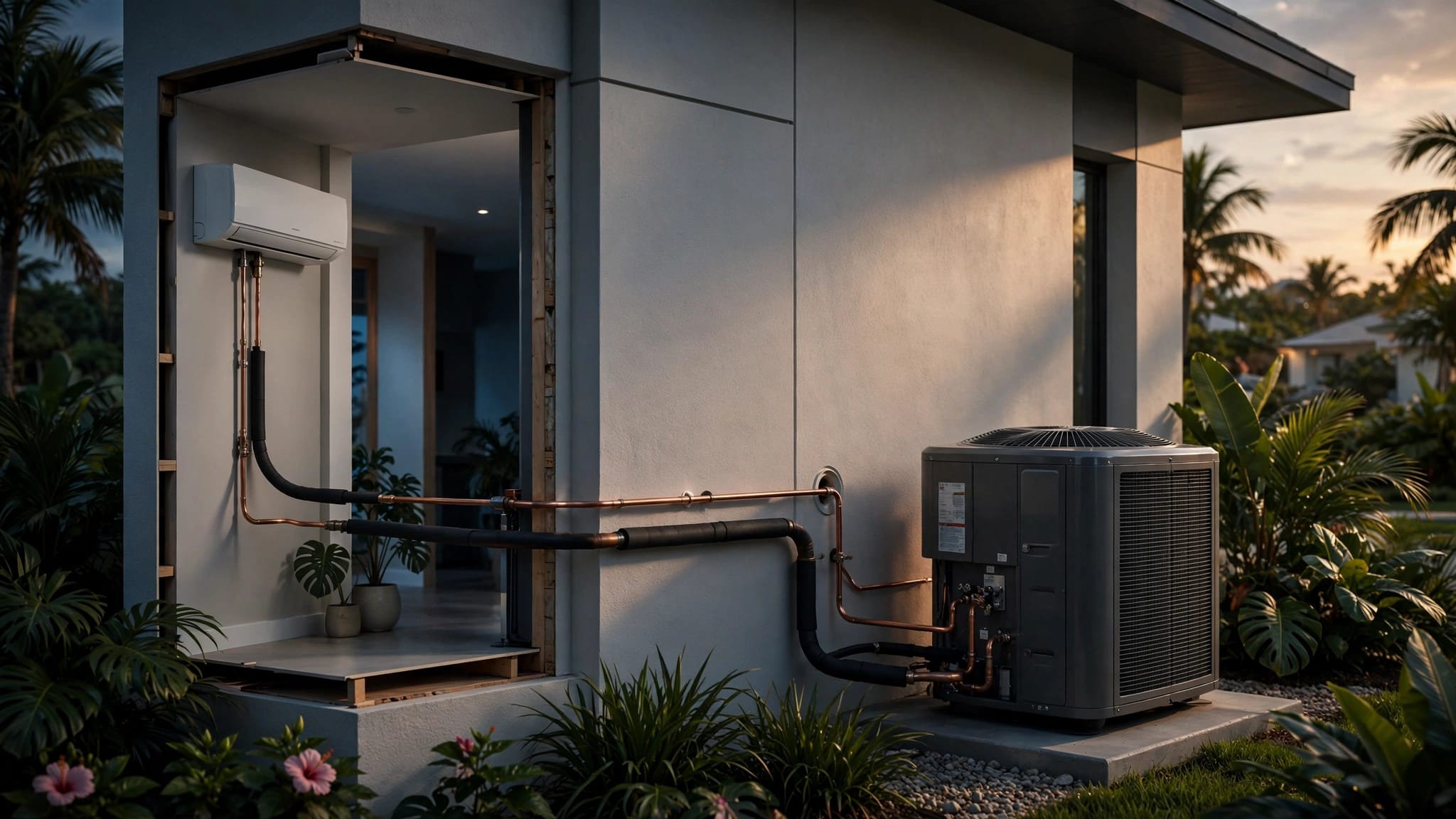
Poor installation worsens it. Leaky ductwork repair Cape Coral loses 20% efficiency. Oversized units cycle too much.
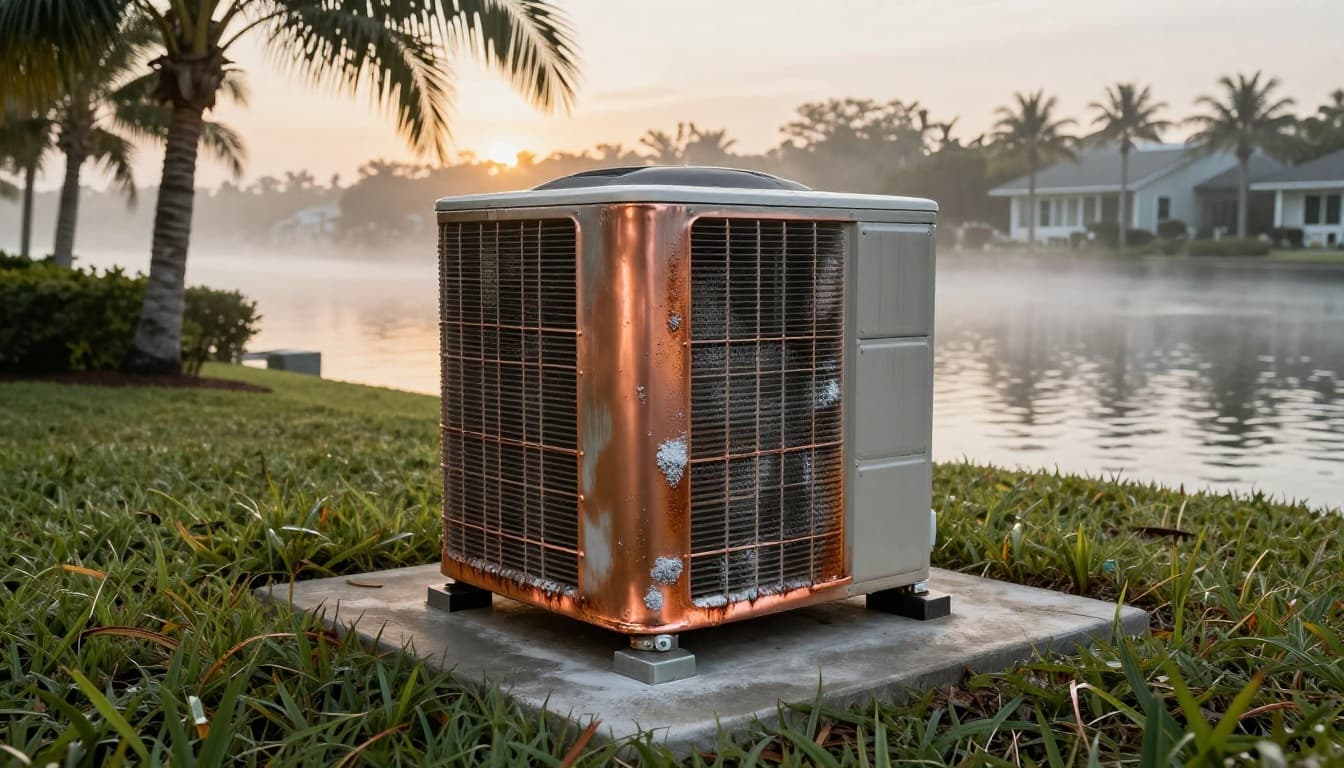
Heat waves push runtime higher. Units over 80% capacity wear compressors. In short, Cape Coral's mix trims AC unit lifespan by two to five years versus dry climates.
Maintenance Tips to Maximize Your AC Lifespan
Tune-ups twice yearly add years. Clean coils shed salt buildup. Techs check refrigerant and tighten connections.
Change filters monthly. Dirty ones cut airflow 15%, straining motors. Use MERV 8 for balance.
Trim bushes around the condenser. Keep 2 feet clear for airflow. Hose fins gently each spring, but skip high pressure.
Seal ducts. Leaks waste cooled air. Our HVAC maintenance agreements cover checks that spot issues early.
Monitor humidity. Indoor levels over 60% signal coil problems. Add UV lights for mold control.
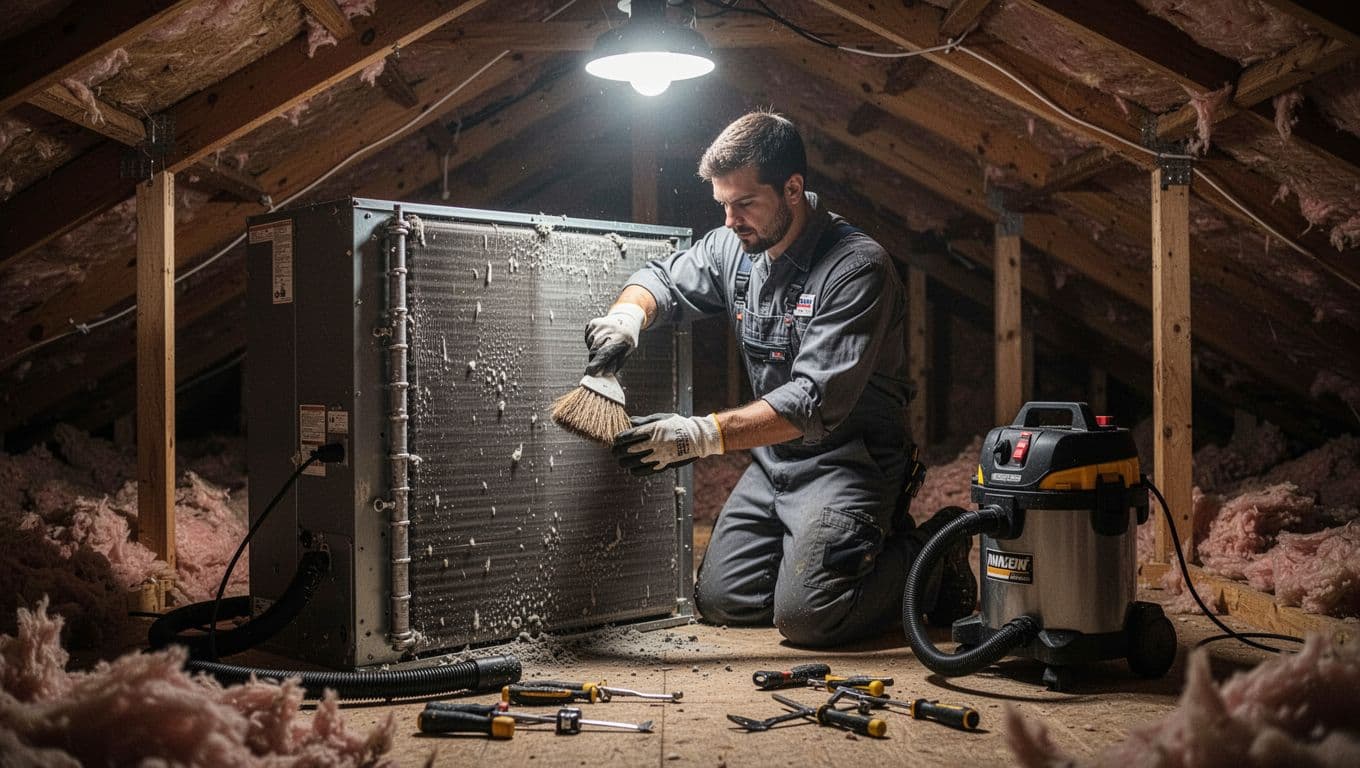
Owners with plans see 20% longer life. Simple steps like these beat neglect. They lower bills too.
Warning Signs It's Time to Replace Your AC
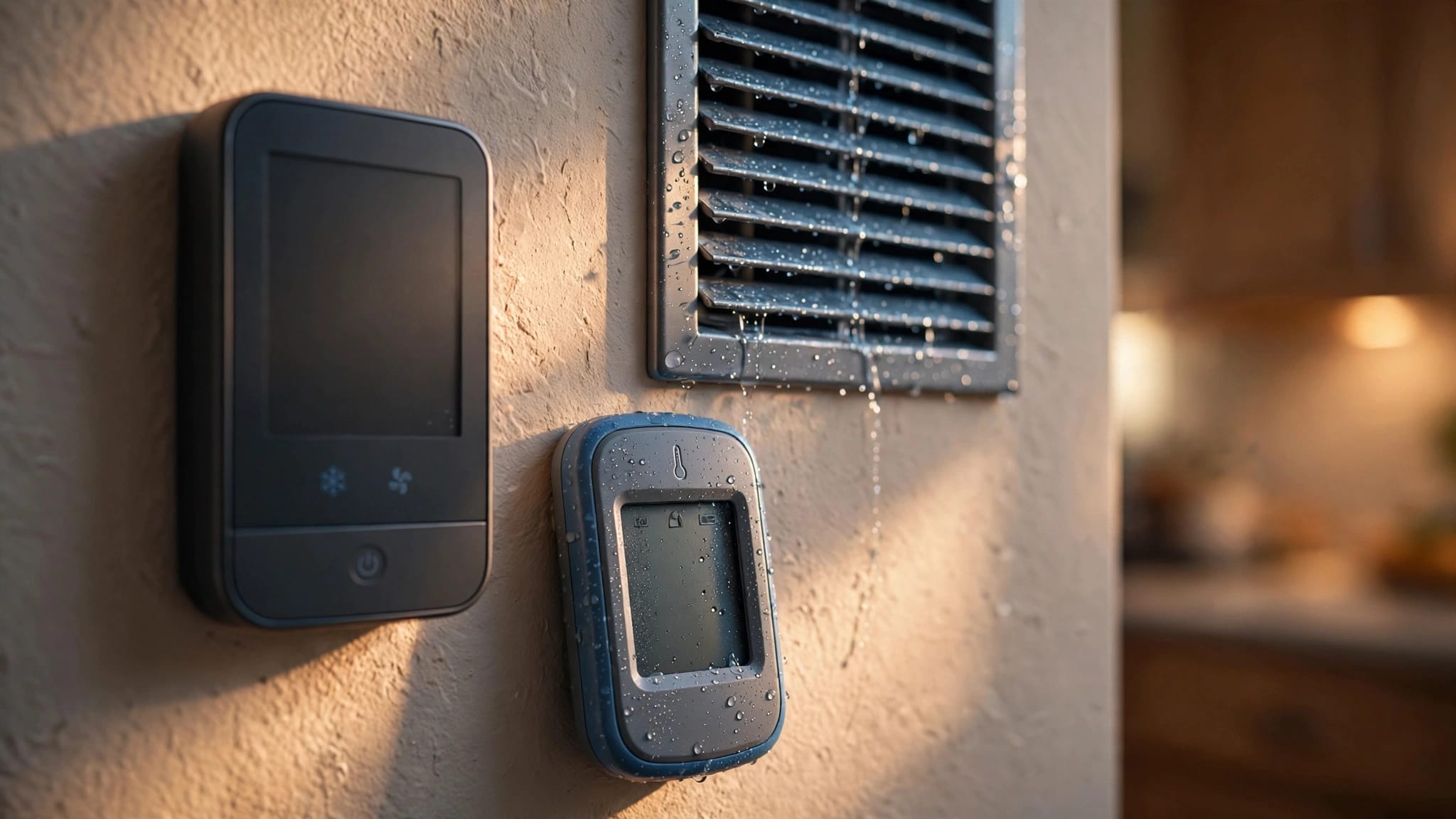
Weak airflow means clogged coils or failing blower. Rooms stay warm despite the thermostat.
Strange noises signal loose parts. Grinding points to bearings; hissing leaks refrigerant.
Bills jump 25%? Efficiency drops as seals wear.
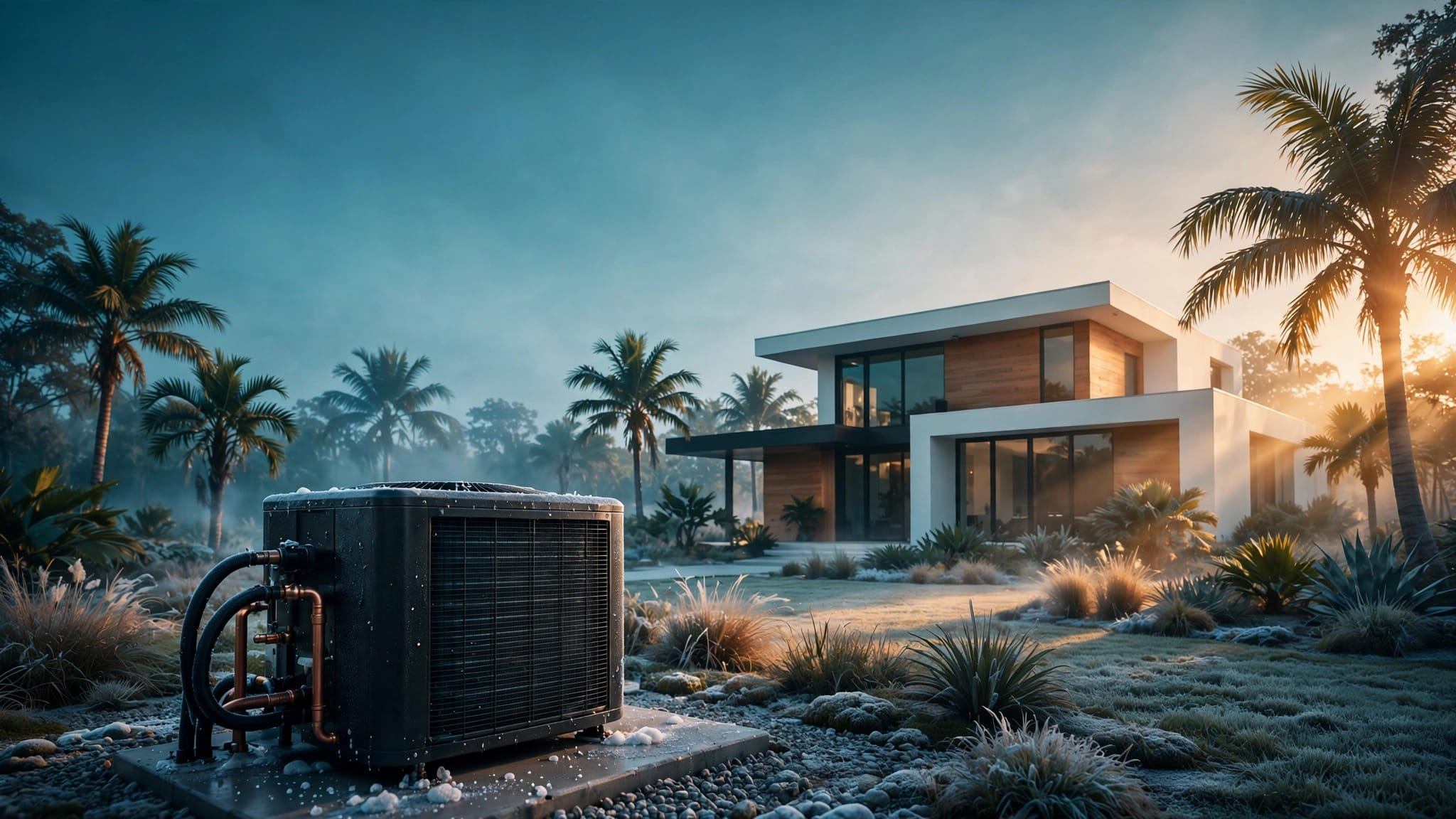
Ice on coils screams low refrigerant. It shuts down the compressor.
Frequent air conditioning repairs cost more than a new unit past year 10. Repairs hit $500 each; installs start under $5,000 with rebates.
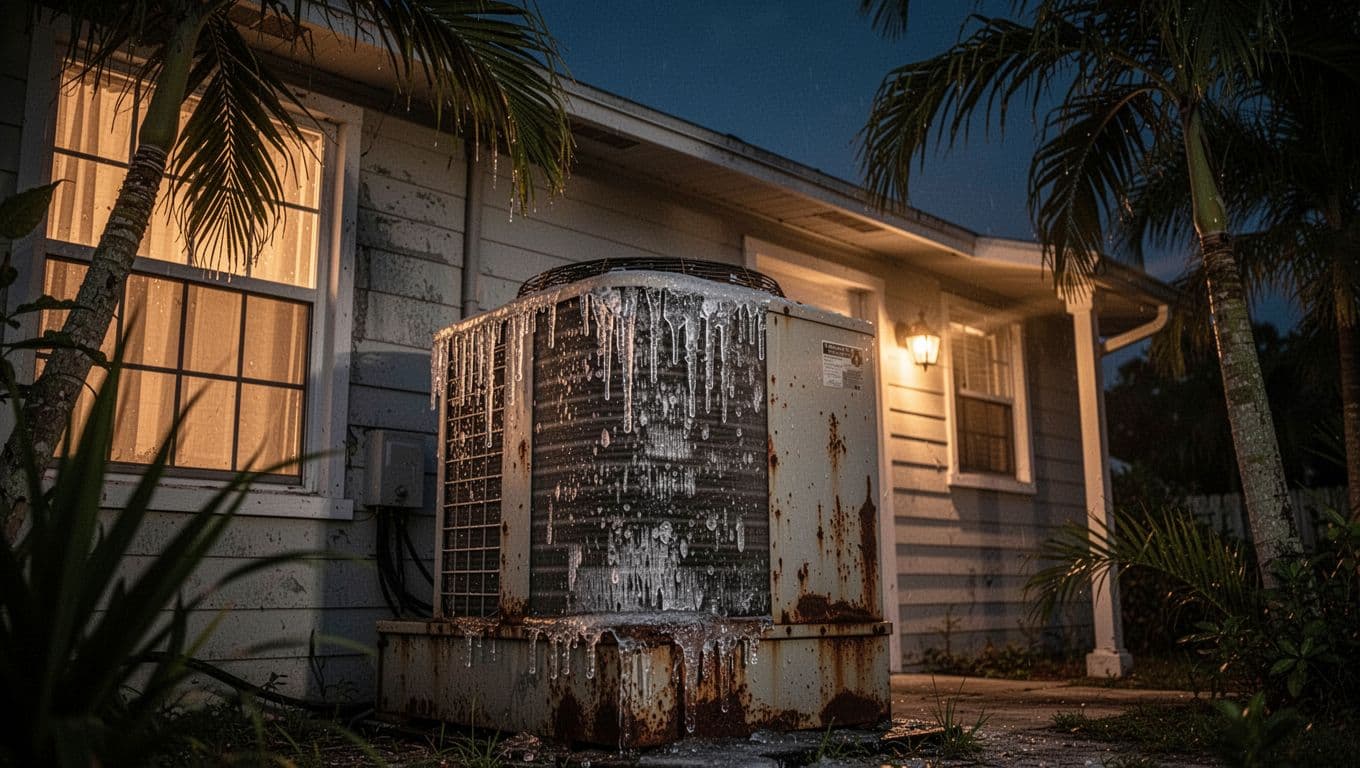
Check our signs your AC needs maintenance. If multiple hit, replacement saves money.
Heat Pumps vs. Central AC: Lifespan Comparison
Heat pumps match central AC here at 9 to 13 years. Both suffer salt and humidity. Heat pumps add heating duty, but mild winters ease that.
Central AC focuses on cooling, so heavy summer use hits hardest. Heat pumps reverse for efficiency.
Choose based on home needs. New installs qualify for tax credits. Go AC installation Cape Coral pros for right fit.
Cape Coral's environment demands vigilance. AC unit lifespan averages shorter, but smart care extends it. Spot signs early. Maintain regularly. Your comfort depends on it.
Contact Us for a check. Stay cool.