Your front door may be harder to open when the AC runs because the system creates an air pressure difference between your home and the outdoors. That difference can push the door against its frame, depending on which way the door swings.
Airflow problems aren't the only possibility. A few simple checks can help you tell whether the blower, the door hardware, or both deserve a closer look.
How Can AC Make a Front Door Hard to Open?
Your AC blower circulates air through supply ducts and draws it back through return pathways. Ideally, air can move freely between rooms and return to the equipment. Leaky ducts or restricted pathways can change the pressure in parts of your home.
For example, a return-side duct leak can draw air from an attic or another space into the system. A supply-side leak can send conditioned air outside the living area. Either situation can contribute to a pressure difference across an exterior door, depending on the home's layout and the location of the leak.
The direction matters. Higher indoor pressure can push an inward-swinging door against its frame. Lower indoor pressure can do the same to an outward-swinging door.
Test the Door With the AC On and Off
A comparison can tell you whether the problem changes with the blower. You don't need to remove equipment panels or adjust the ductwork.
Compare the Door's Movement
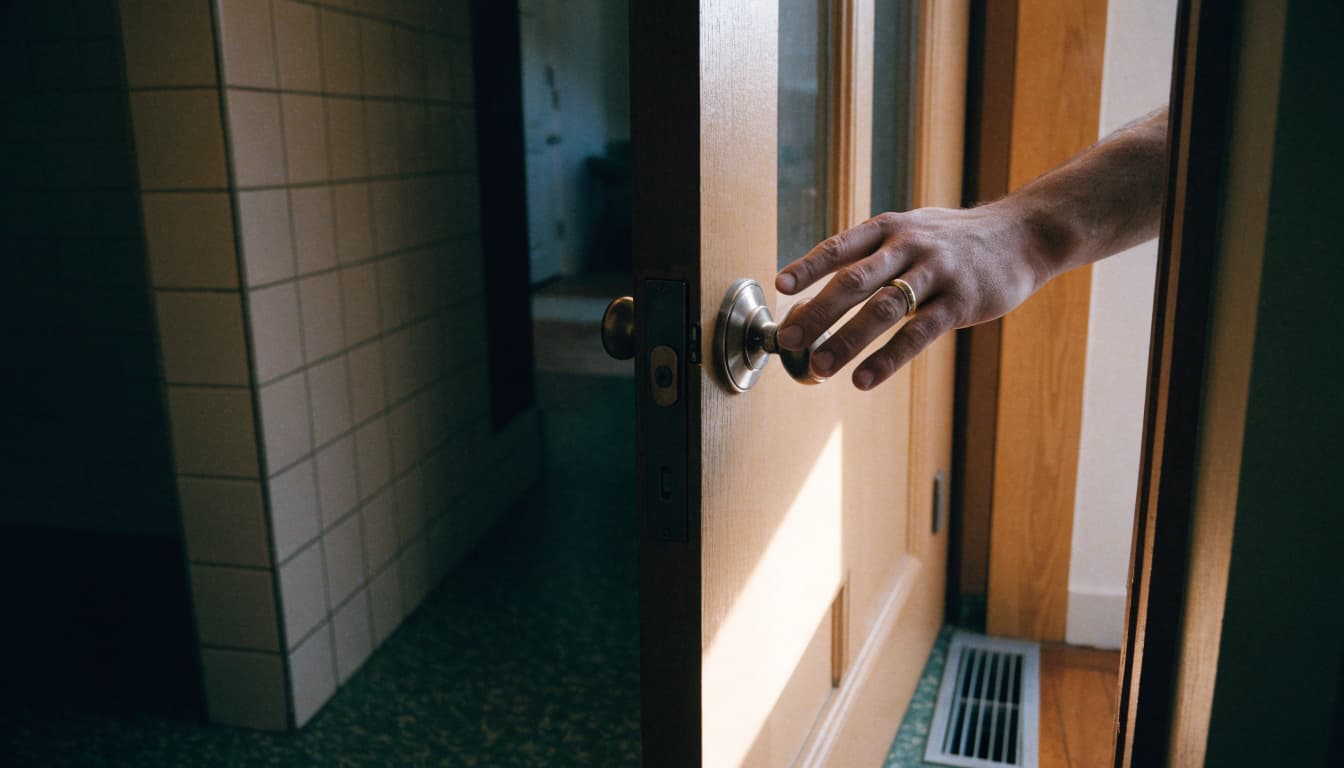
First, open and close the front door while the AC is running. Pay attention to the effort needed after you release the latch.
Next, turn the system off at the thermostat and wait for the indoor blower to stop. Try the door again. If it moves more easily with the blower off, an airflow or pressure issue is worth investigating. The test alone won't identify the cause.
Make the same comparison more than once if conditions change. Wind and other equipment that moves air can also affect the door, so a single test may not give you a clear answer.
Try a Brief Window Test
With the blower running, open a nearby window slightly and try the door again. If the door becomes easier to move, the opening may be relieving a pressure difference between indoors and outdoors.
Close the window after the test. In Southwest Florida's humid climate, leaving it open while the AC runs can bring unwanted moisture inside. A window test is a clue, not a permanent fix or a substitute for measuring pressure.
Check Airflow and Return-Air Pathways
Once you've compared the door's movement, look for anything that keeps air from circulating through the house. These checks can also uncover airflow concerns unrelated to the door.
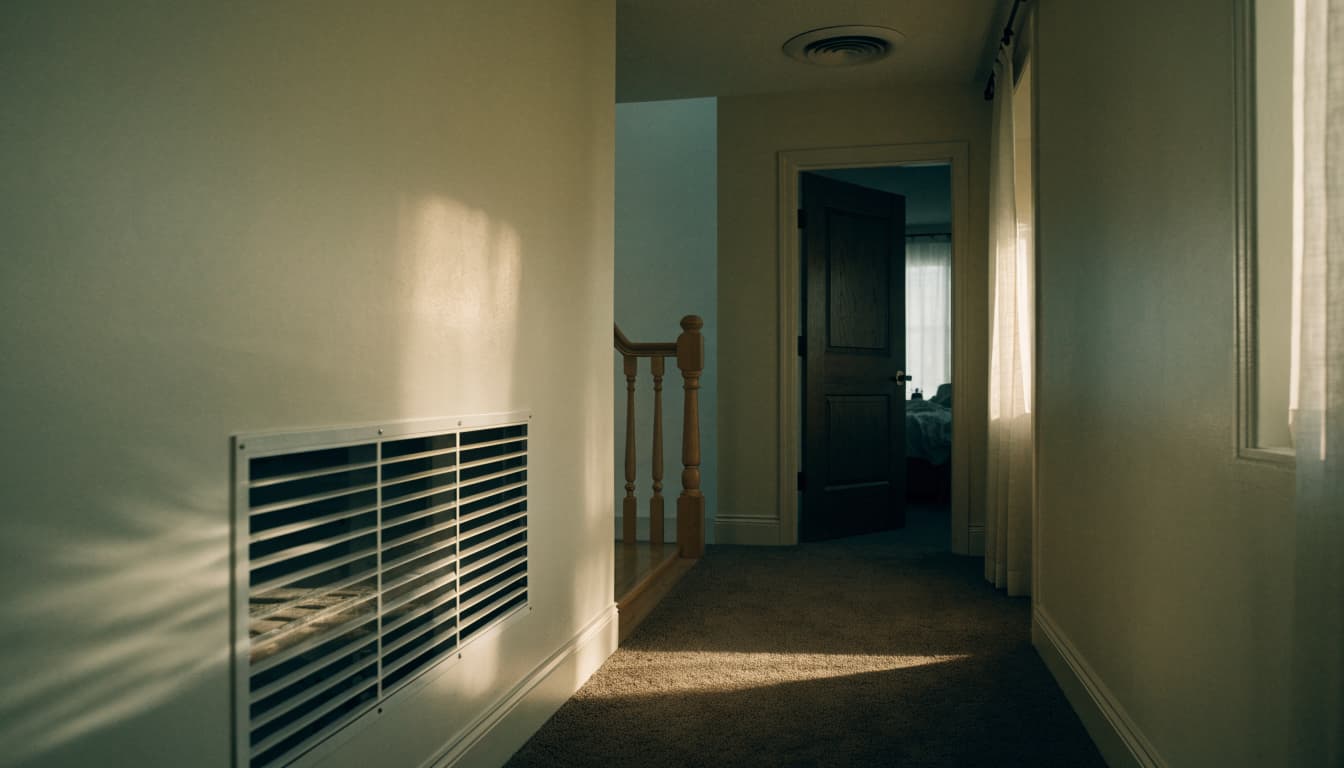
Keep Vents and Filters Clear
Supply vents send conditioned air into rooms. Return grilles draw room air back toward the air handler. Our guide to supply vents and return vents can help you identify each one.
Move furniture, curtains, and stored items away from grilles. Keep supply registers open, and replace a dirty filter with the correct size and type for your system. Don't add a more restrictive filter or close several vents to force air into another room.
While the system runs, compare the airflow you feel at accessible supply vents. Some variation is normal, but a noticeably weak vent is useful information to share with your technician.
Open Interior Doors
A bedroom with a supply vent needs a path for air to return to the system. If the door is closed and that path is too small, pressure can build in the room while airflow elsewhere changes.
Try opening interior doors and repeat the front door test. If that helps, a technician can assess whether the home needs a better return path. Depending on the layout, options may include a transfer grille, jumper duct, or dedicated return. Leave the sizing and installation to a professional.
Inspect the Door and Its Hardware
Check the hinges, latch, and weatherstripping as well. Look for loose or damaged parts, displaced weatherstripping, and places where the door contacts its frame. Make these observations with the blower both running and off.
If you find a hardware issue or the door doesn't move freely even with the system off, arrange a door repair. A door that won't open reliably needs prompt attention so everyone in the home can exit safely.
When to Call an HVAC Technician
If clearing vents and opening interior doors don't help, the issue may be inside the duct system or equipment. A technician can inspect accessible ducts for disconnected joints, crushed sections, and leaks. Our team can also assess whether return pathways are adequate for the home's layout.
Measurements help separate a house pressure difference from a restriction inside the ducts. During AC static pressure testing, a technician can assess duct pressure and airflow alongside the blower, filter, and coil.
The repair depends on what those checks find. It may involve sealing a duct connection, correcting a damaged duct, or improving a return path. Don't cut or enlarge duct openings yourself, since changes can create other airflow problems.
If you need help in Southwest Florida, Contact Us to schedule a service call. We also offer 24/7 emergency service.
Start With the Blower Comparison
A door that's harder to open when the AC runs can point to a pressure difference, but the door's swing direction and the home's airflow both matter. Testing it with the blower on and off gives you a starting point.
Keep vents clear, make room for return air, and note any door hardware concerns. If the problem continues, an airflow assessment can identify the right repair.