Replacing a failing air conditioner in Cape Coral can feel urgent, especially when indoor temperatures climb fast. Yet the equipment quote is only part of the budget. A permit, inspections, electrical changes, and duct repairs can add costs that deserve a clear explanation.
For most homeowners, the HVAC permit cost is modest beside the price of a new system. Still, it matters because a missed permit can create problems during a sale, insurance claim, or future repair.
Use the figures below as a planning guide, then confirm the final total with your contractor and the local permitting office before work begins.
HVAC Permit Cost in Cape Coral: The 2026 Starting Point
Cape Coral's published residential A/C change-out guideline lists a $75 base permit fee and notes that a surcharge applies. Because the city does not show the surcharge amount in the guideline, don't assume $75 is your final receipt total.
A property outside Cape Coral city limits may fall under Lee County instead. Lee County lists its HVAC permit fee at $0.03 per square foot, with a $100 minimum . It also adds a 1.5% administration fee and a 1% radon fee, each with a $2 minimum.
The difference matters. Your street address, project scope, and whether the work is inside city limits determine which office handles the permit.
| Project location or scope | Published base fee | Other possible charges |
|---|---|---|
| Cape Coral residential A/C change-out | $75 | City surcharge may apply |
| Unincorporated Lee County HVAC permit | $0.03 per square foot, $100 minimum | Administration and radon fees |
| Cape Coral commercial A/C change-out | $75 for one unit | Multi-unit pricing and surcharges may apply |
| Ductwork, electrical, or structural changes | Varies | Separate permits or added reviews may apply |
The base charge is only one line item. A written installation quote should state whether permit filing, fees, and inspection scheduling are included.
Which HVAC Jobs Usually Need a Permit?
A permit connects the job to a code review and inspection. It verifies that the new equipment, electrical connections, refrigerant work, condensate drain, and installation details meet local requirements.
Full A/C replacements and new systems
A full central air-conditioning replacement normally needs a mechanical permit. That includes replacing the outdoor condenser and indoor air handler or furnace, even when the new system occupies the same general location.
New construction installations also require permits. These jobs often involve more review because they may include load calculations, new duct design, electrical circuits, equipment stands, and drainage routing.
For a closer look at common local requirements, review these Cape Coral AC replacement permit rules before signing an installation agreement.
Mini-splits, duct changes, and equipment moves
A new mini-split usually requires mechanical approval. It may also need an electrical permit because the installer adds or changes a dedicated circuit.
Duct replacement, duct relocation, and major duct modifications can trigger a rough HVAC inspection before drywall or other finishes hide the work. Moving an air handler, condenser, or return grille can also change the permit scope.
Small repairs are different. Replacing a capacitor, contactor, float switch, or thermostat often doesn't require a permit. However, a repair that becomes a major equipment or electrical change should be reviewed before work starts.
What Can Raise Your Permit-Related Cost?
The simplest change-out removes old equipment and installs compatible new equipment with no changes to ducts, wiring, pad, or drain. Those projects are usually easier to price and inspect.
Costs climb when the home needs work beyond the equipment swap.
Electrical and drainage corrections
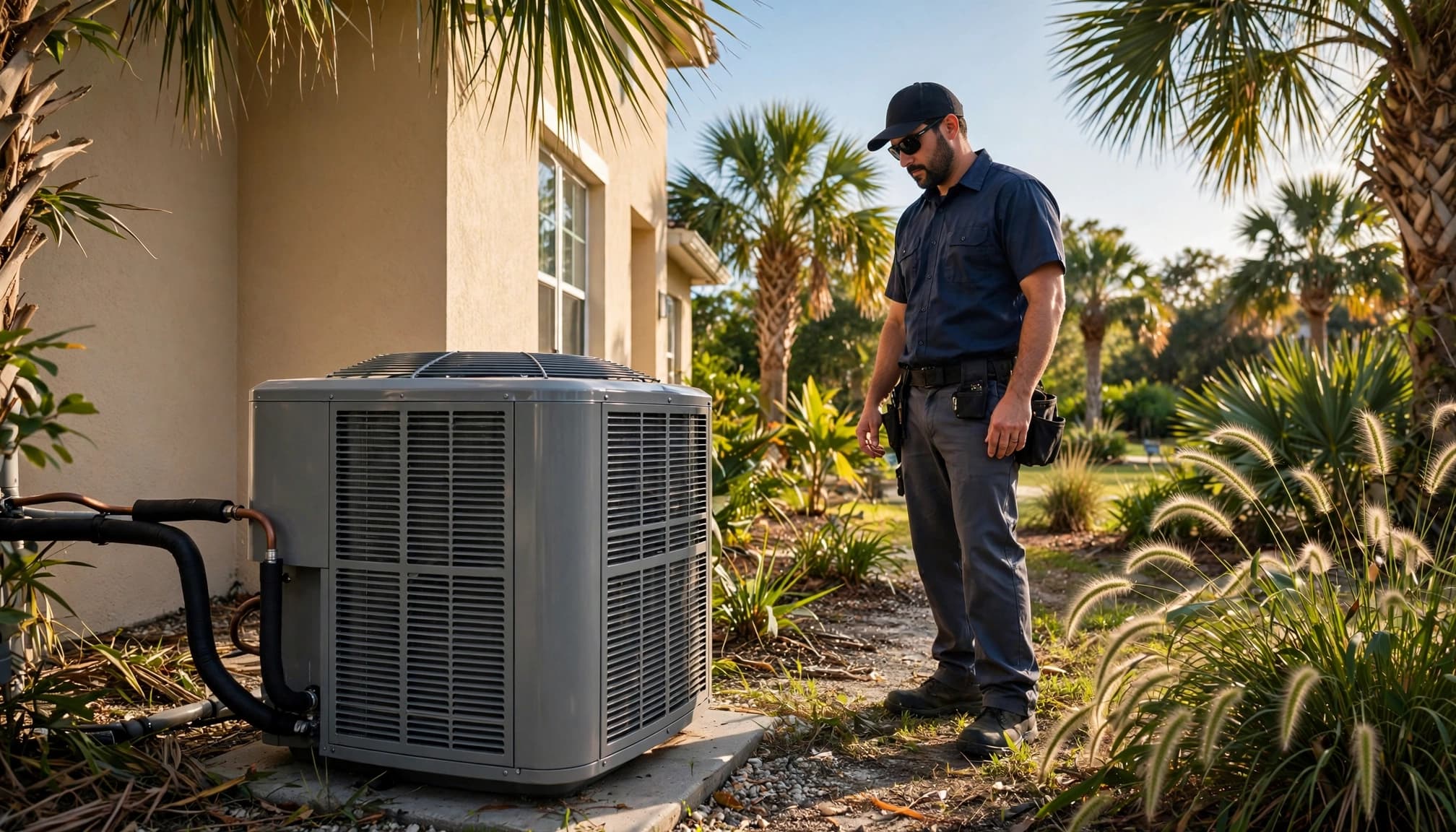
A modern condenser may need a new disconnect, breaker, whip, or exterior receptacle. Those items can require an electrical permit and licensed electrical work.
Condensate drainage also draws attention during inspections. A damaged drain line, missing safety switch, poor slope, or improper termination can require corrections. In Cape Coral's humid climate, a blocked drain can shut down cooling or cause ceiling damage.
Ductwork and site conditions
Leaking flex duct, undersized returns, and damaged insulation can affect system performance. If replacement work opens or reroutes ducts, the project may need a rough inspection before the final HVAC inspection.
Tight attic access, a corroded equipment platform, a raised condenser pad, or a relocation can add labor. Permit fees may remain relatively small, but the work needed to pass inspection can change the total installation cost.
A low permit fee doesn't mean every project has the same permit-related cost. The equipment installation, electrical work, and duct corrections often create the larger difference.
Common Cape Coral Projects and Expected Permit Scope
Homeowners often hear "change-out" and expect every replacement to look alike. In practice, the permit requirements follow the actual work, not the label on a sales quote.
Straight A/C change-out
A standard replacement usually includes removing an old condenser and air handler, setting matched new equipment, connecting refrigerant lines, starting the system, and completing a final inspection.
This project commonly falls under Cape Coral's $75 A/C change-out base fee, plus the applicable surcharge. If the wiring, drainage, pad, and ducts meet requirements, it is usually the most predictable permit path.
Replacement with duct or electrical upgrades
A new system paired with return-air changes, supply duct replacement, or electrical upgrades has a broader scope. The contractor may need to pull additional trade permits and schedule more than one inspection.
Ask whether the quoted HVAC permit cost includes every related permit. A price that lists only the mechanical permit may leave out electrical fees or later correction work.
New system, addition, or garage conversion
New conditioned space needs more planning than a replacement. The contractor may need a Manual J load calculation to size the system, along with duct layout and electrical details.
Don't choose a system size based only on square footage or the old unit's tonnage. Window exposure, insulation, ceiling height, occupancy, and duct condition affect the load.
For a broader pricing picture, compare permit expenses with Cape Coral AC replacement costs.
How the Permit and Inspection Process Works
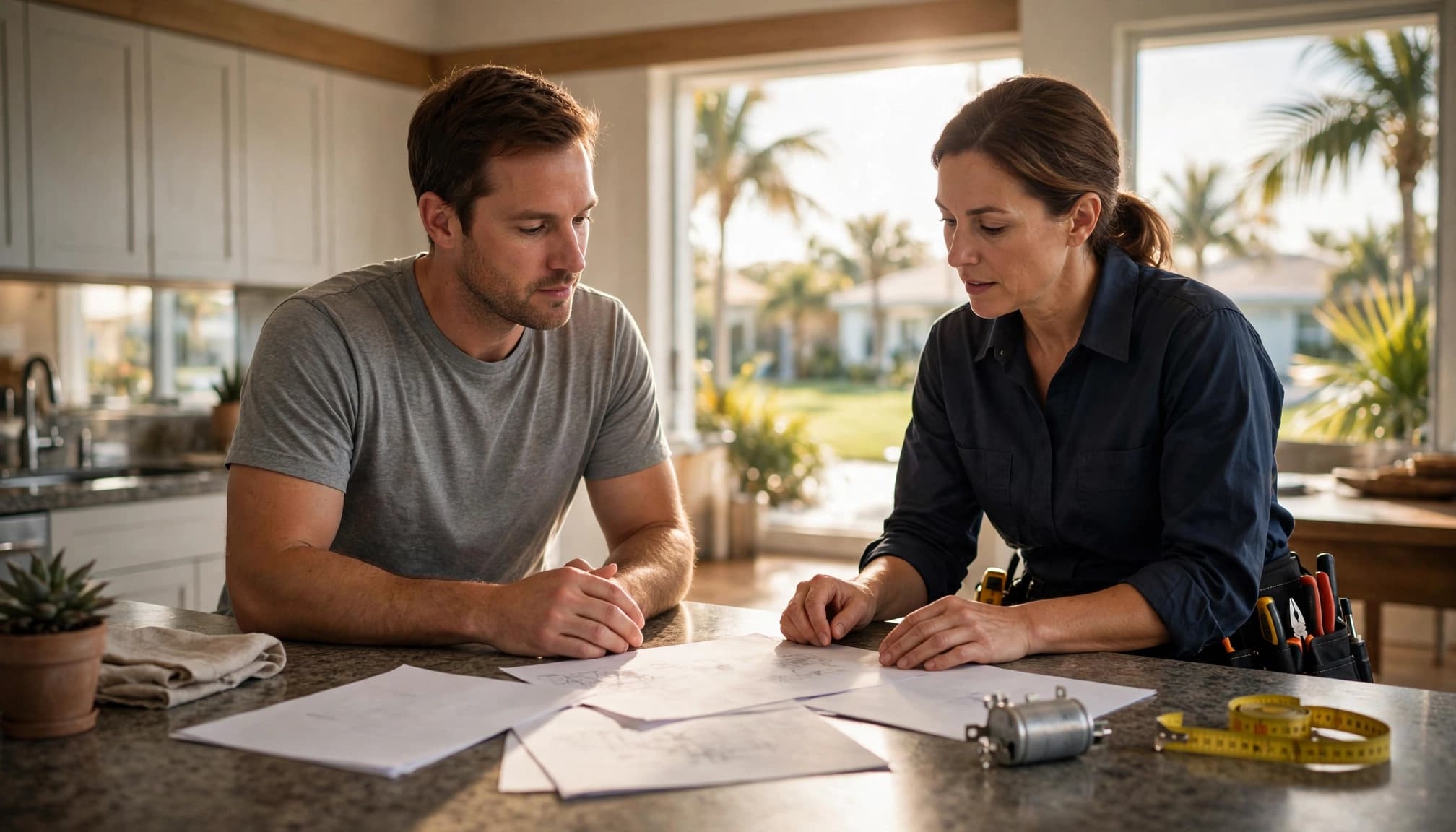
A reputable HVAC contractor handles most of the paperwork. You should still know what is happening under your address and permit number.
Before installation begins
First, the contractor confirms the property jurisdiction and reviews the planned scope. They should verify that the company holds the required license and local registration.
Next, the contractor submits the application and supporting information. Depending on the job, this may include equipment details, duct information, electrical scope, or other documents. The permit should be issued before installation starts.
During work and final approval
For a straightforward change-out, the crew installs the system and schedules a final HVAC inspection. Cape Coral's residential change-out guideline identifies HVAC Final inspection 042.
When ductwork is part of the project, the city guideline also identifies HVAC Rough inspection 012. That inspection happens while the duct work remains visible.
The inspector may require corrections if the work does not meet code. After the contractor completes them, a reinspection may be needed. Keep the final approved permit record with your home documents.
Who Pulls the Permit and Pays for It?
In most cases, the licensed HVAC contractor pulls the permit. Lee County requires licensed, locally registered trade contractors to obtain trade permits for HVAC work, and Cape Coral maintains contractor registration services as part of its permitting process.
The homeowner often pays the permit charge through the installation invoice, but the contractor should file it under the contractor's license. Avoid arrangements where an installer asks you to pull a permit so they can bypass licensing or inspection responsibility.
Before approving a quote, ask these questions:
- Does the price include the permit fee, city surcharge, and inspection scheduling?
- Will your company pull every required mechanical and electrical permit?
- Are duct repairs, electrical corrections, and reinspection fees included or billed separately?
- Will I receive the permit number and final inspection approval?
When reviewing bids, use this guide to compare AC installation quotes. It helps you spot missing scope before a low price becomes an expensive surprise.
Why Skipping an HVAC Permit Can Cost More
Unpermitted work can surface when you sell, refinance, file an insurance claim, or request later repairs. A buyer's inspection may identify the replacement, and a lender or buyer can ask for permit records and final approval.
The city or county may require you to open walls, uncover ducts, correct installation defects, pay added fees, or obtain a permit after the work is complete. You could also face delays if the equipment installation doesn't meet current code.
A permit is not a promise that a system will never fail. It does create a documented inspection trail and requires the installer to meet applicable standards.
If your AC has failed and a replacement can't wait, Contact Us to schedule service and discuss the permit process with a local HVAC team.
A Practical Budget for Your 2026 Project
Set aside the published permit base fee, then leave room for surcharges and scope changes. For an in-city Cape Coral change-out with no added trade work, start with the $75 city fee and confirm the surcharge before installation.
For an address in unincorporated Lee County, plan on at least $104 in published minimum fees when the $100 permit minimum and the two $2 minimum add-ons apply. Larger projects can cost more because the permit calculation, added permits, and project requirements change.
The best quote is not the one with the shortest price list. It names the equipment, labor, permit handling, inspections, electrical work, duct scope, and any exclusions in plain language.
Final Thoughts on Cape Coral HVAC Permits
A Cape Coral HVAC permit cost is usually a manageable part of an equipment replacement budget. The important issue is whether the quoted price covers the complete, permitted job.
Confirm the property jurisdiction, ask who will pull the permit, and get permit-related charges in writing. Those few steps protect your comfort, records, and home value long after the new system starts cooling.
FAQ: Cape Coral HVAC Permit Costs
How much is an HVAC permit in Cape Coral?
Cape Coral lists a $75 base fee for a residential A/C change-out. The city guideline also says a surcharge applies, so confirm the final amount before work begins.
Does every AC repair need a permit?
No. Minor repairs such as replacing a capacitor or contactor often do not need a permit. Full system replacements, new mini-splits, equipment moves, and duct changes commonly do.
Can a homeowner pull an HVAC permit?
Your HVAC contractor should usually pull the permit under its license and local registration. That keeps the contractor responsible for the work and inspection process.
How long does the permit process take?
Timing depends on the project and the permitting office's workload. A simple replacement can move faster than a project with duct, electrical, or structural changes. Ask your installer when they expect to submit, install, and schedule the final inspection.