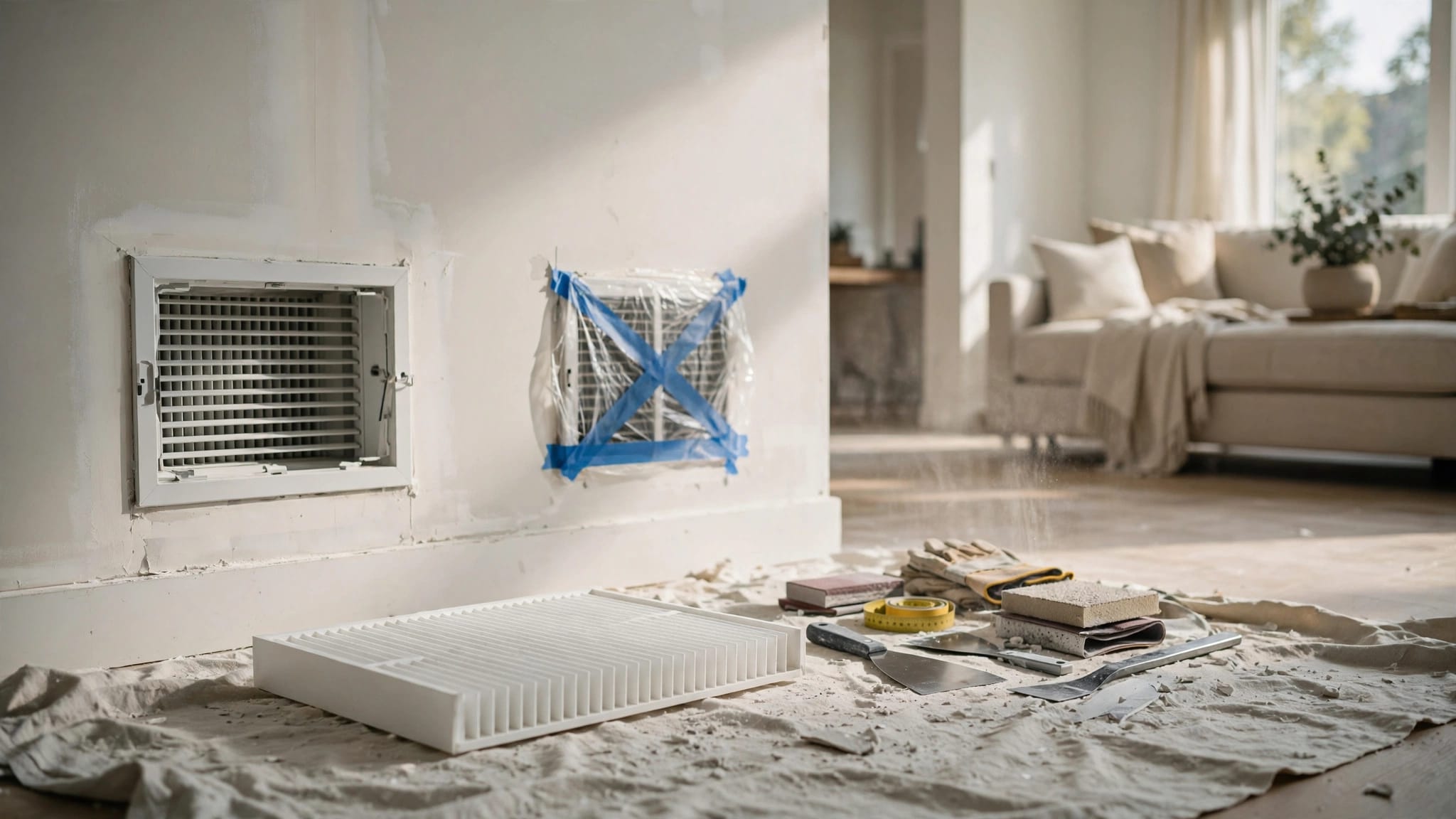
A high electric bill can point to more than an aging rooftop unit. In Cape Coral, long cooling seasons, heavy humidity, salty air, and extended operating hours can expose waste that routine service doesn't always catch.
For commercial property owners, the commercial HVAC audit cost is often easier to budget once the scope is clear. A walk-through of a small retail space costs far less than an engineering study for a medical building or multi-tenant property. The goal is to identify where energy is going before approving repairs or major equipment purchases.
A useful audit gives you a practical action list, not a vague recommendation to replace everything.
Commercial HVAC Audit Cost Ranges in Cape Coral
In 2026, commercial audit pricing is best treated as a planning range rather than a fixed rate. Building size matters, but the number of HVAC systems, access to equipment, available utility data, and testing depth can change the final quote.
Many auditors price commercial work by the project, while others use a square-foot rate. National planning ranges often fall between about $0.05 and $0.50 or more per square foot. Smaller sites can cost more per square foot because the provider still has travel, setup, and reporting time.
| Audit scope | Typical 2026 planning range | Common fit |
|---|---|---|
| Basic walk-through or Level 1 audit | $2,500 to $5,000 | Small offices, retail bays, restaurants, and light commercial sites |
| Detailed Level 2 audit | $5,000 to $12,500 or more | Larger offices, multi-tenant properties, medical spaces, and facilities with several systems |
| Investment-grade or Level 3 study | $50,000 to $100,000+ | Large campuses, complex facilities, multiple meters, or capital projects needing engineering analysis |
These ranges are not guarantees. A small property with several poorly accessible split systems can cost more than a larger building with simple rooftop units and clean records.
The commercial HVAC audit cost should also reflect the report's usefulness. A low price may cover only a quick visual inspection. A higher-priced audit may include equipment testing, utility analysis, recommended upgrades, and estimated savings.
What Raises or Lowers the Audit Price
Cape Coral businesses don't all use their buildings the same way. A retail shop that closes at night has different cooling demands than a restaurant, warehouse, senior living facility, or medical office.
Building size and HVAC system count
Square footage sets a starting point, yet system count often drives the labor. A 15,000-square-foot office with one accessible rooftop unit is a simpler job than a similarly sized property with eight package units, separate tenant meters, and multiple thermostats.
Facilities with chilled-water equipment, variable air volume systems, dedicated outdoor-air units, or building automation controls also need more review time. The auditor may need to trace control sequences, compare setpoints, and inspect more equipment.
Access, records, and testing depth
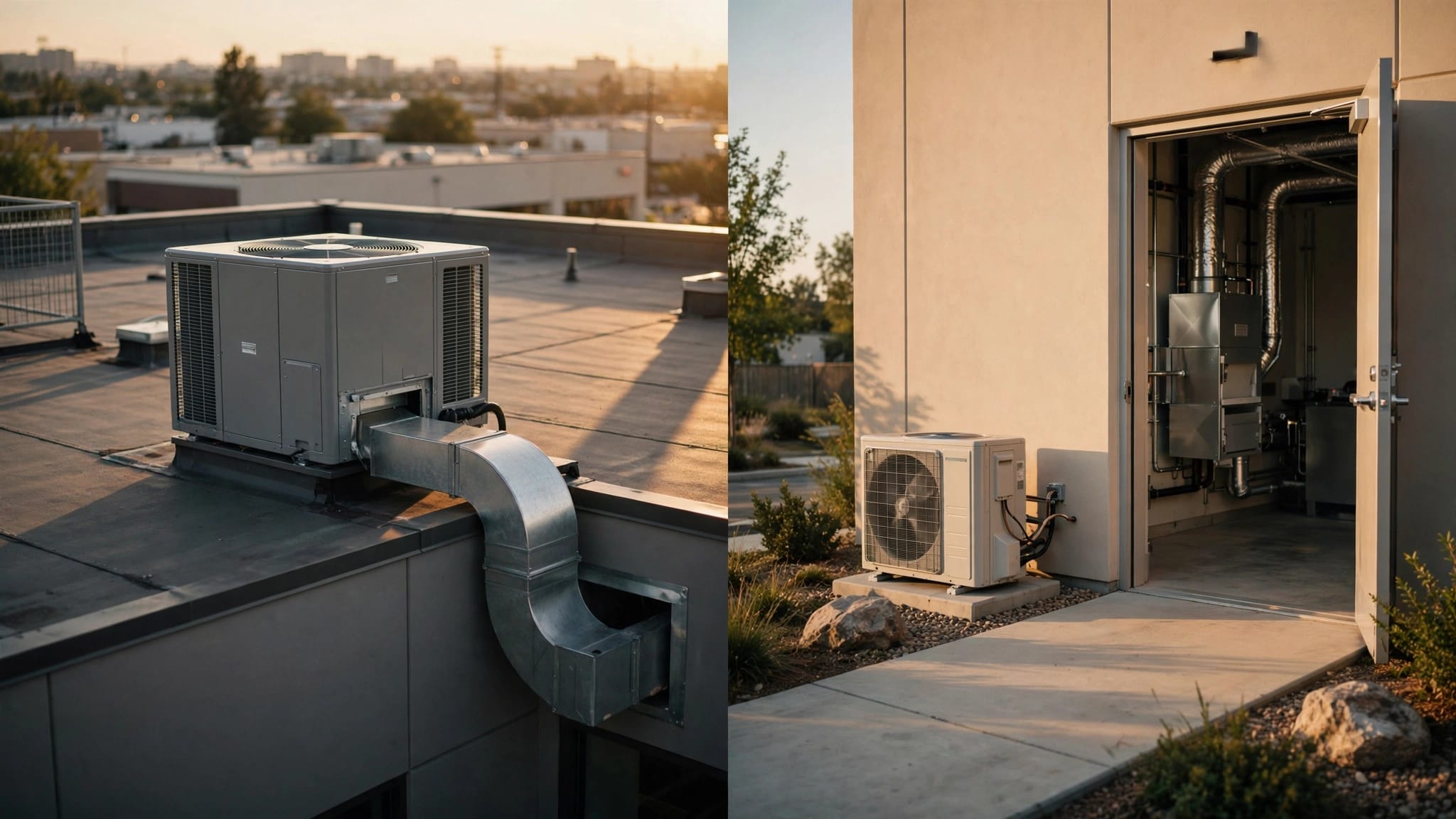
Accessible mechanical rooms and labeled equipment help the work move faster. Locked roof hatches, crowded ceiling spaces, after-hours restrictions, and equipment above occupied areas add time and coordination.
Good utility records also matter. Twelve to 24 months of electric bills can reveal seasonal patterns and unusual spikes. If records are missing, or if the auditor needs temporary data loggers, infrared scans, airflow testing, or detailed energy modeling, the price rises.
An audit quote should state whether it includes site testing, utility-bill analysis, and a written savings estimate. Those items can change the value of the final report more than the headline price.
What a Commercial HVAC Energy Audit Usually Includes
A professional audit looks at how the cooling system performs in the building's daily routine. It doesn't focus only on unit age. A five-year-old system can waste energy if schedules, airflow, ducts, sensors, or controls are off.
Equipment and control review
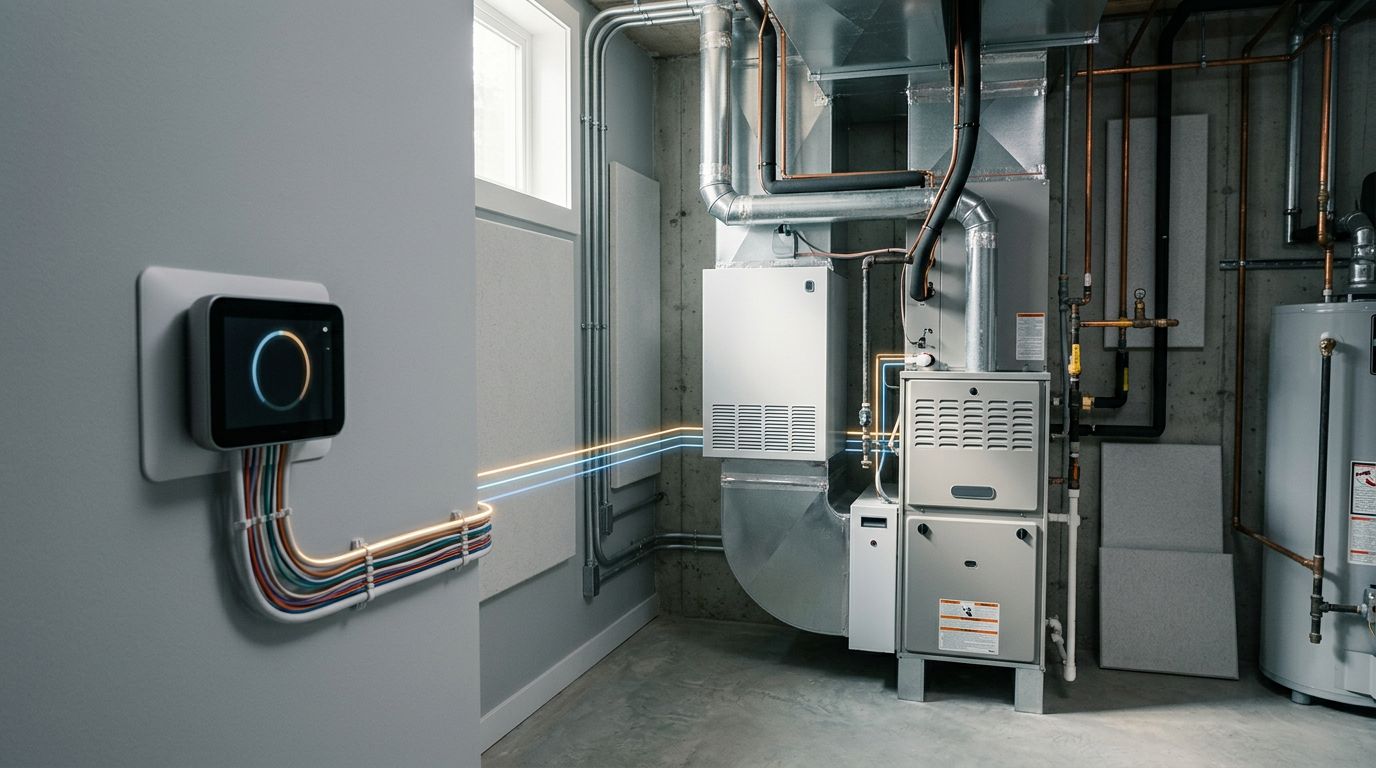
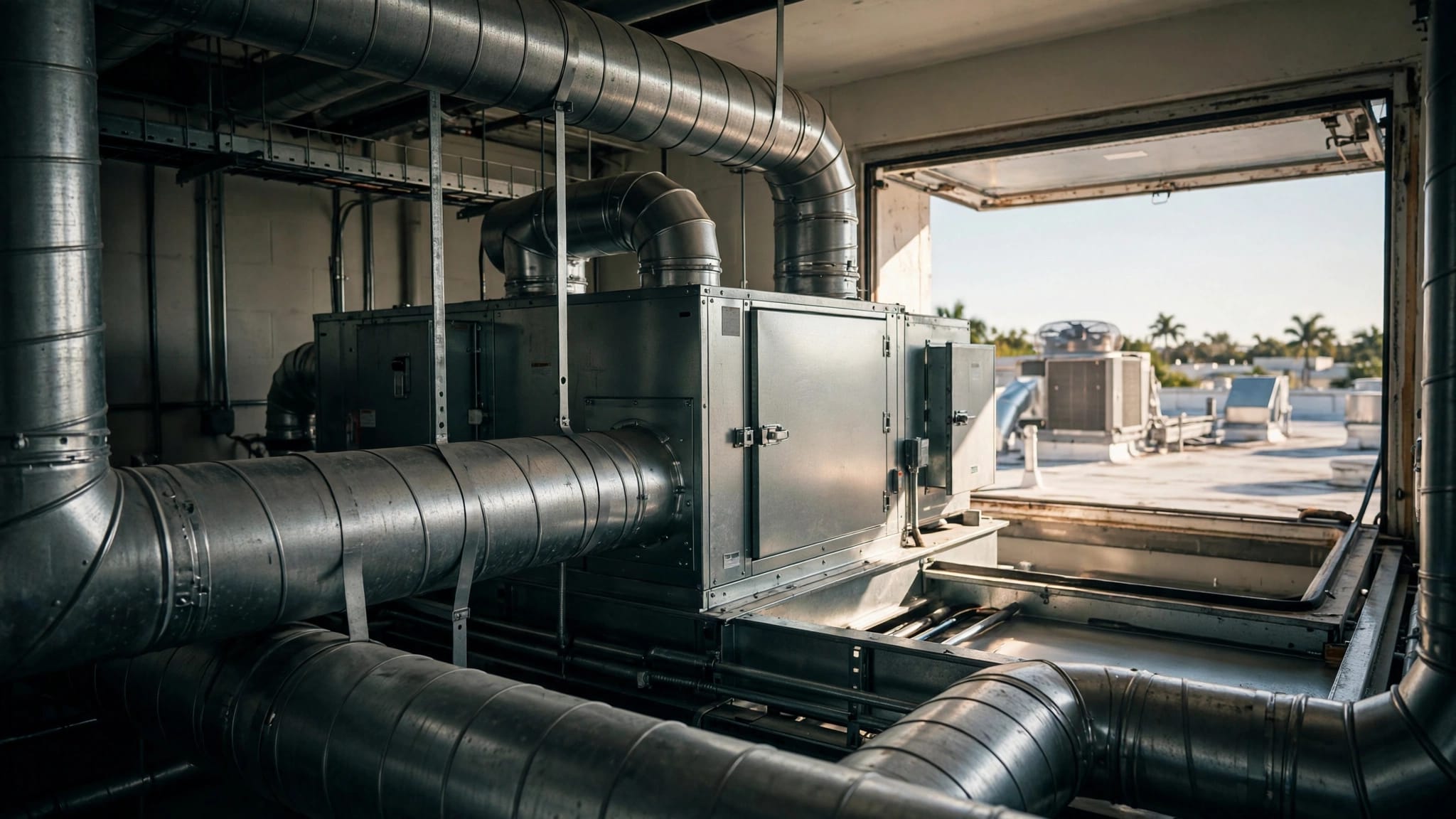
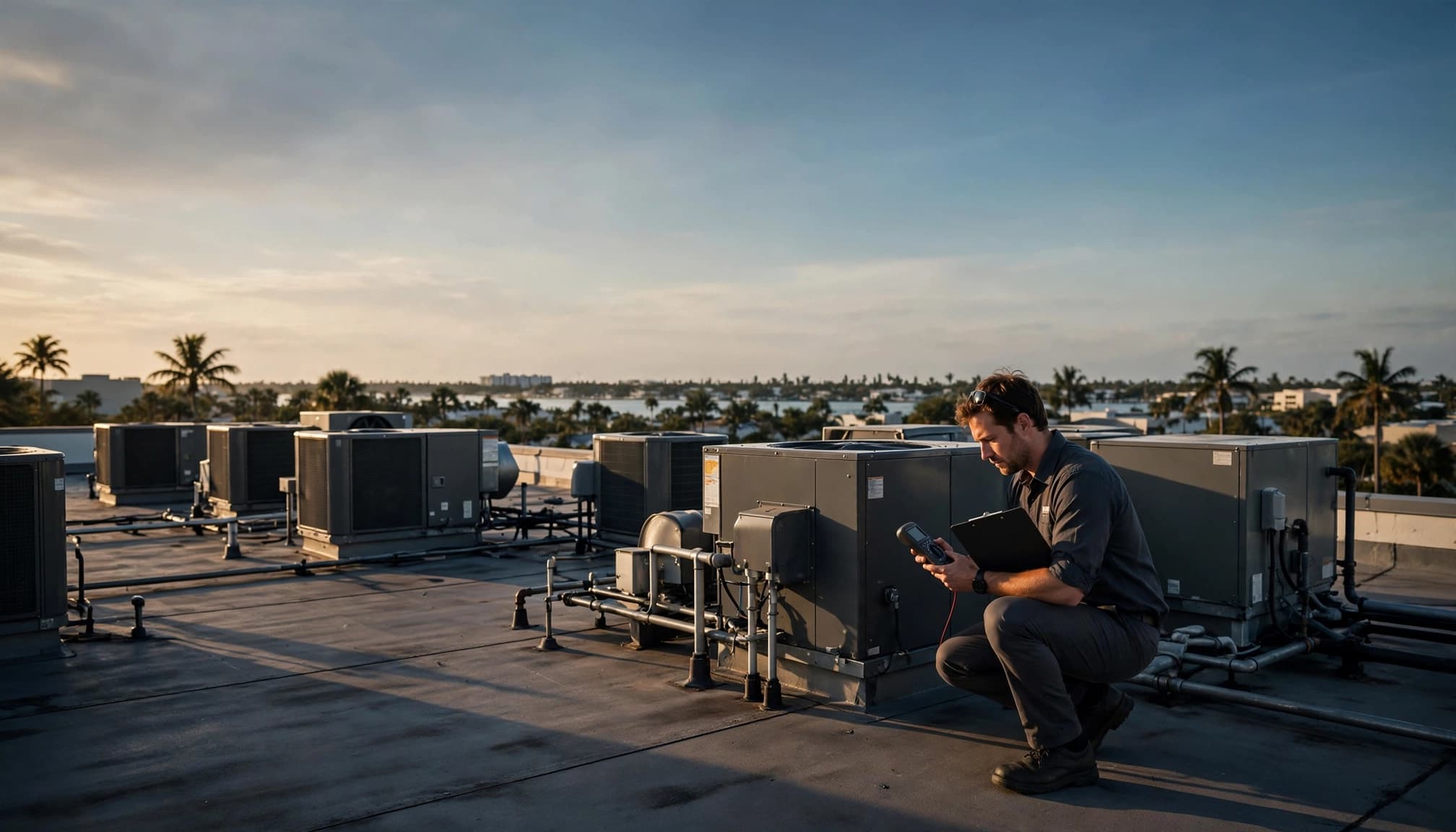
The auditor typically records equipment type, approximate age, capacity, condition, and operating hours. They may inspect rooftop units, air handlers, thermostats, economizers, exhaust fans, ventilation equipment, and accessible ductwork.
Controls deserve close attention in Southwest Florida. A unit that starts too early, runs overnight in an empty suite, or fights a humidistat can consume far more power than expected. Incorrect temperature setbacks, failed sensors, stuck dampers, and high static pressure can also show up during the review.
Utility analysis and recommendations
Most detailed audits compare utility use against the building's size, schedule, and occupancy. The report may also review lighting, insulation, doors, windows, and domestic hot water when those systems affect overall energy use.
Recommendations should rank projects by estimated cost, likely savings, payback period, and operational impact. Some improvements are low-cost adjustments, such as correcting schedules or cleaning coils. Others may involve controls, duct repairs, or replacement planning.
If the audit finds return leaks, crushed flex duct, or missing insulation, commercial HVAC ductwork services may need to happen before new equipment can perform as intended.
An Energy Audit Is Different From Maintenance or Repair
Facility managers sometimes expect a tune-up to answer every efficiency question. Regular service is important, but it has a different purpose.
Maintenance keeps equipment in working order
Preventive maintenance may include coil cleaning, filter changes, drain checks, electrical inspections, thermostat calibration, and checks for accessible duct leaks. In Cape Coral, frequent run time, moisture, debris, and coastal exposure make those tasks important.
A commercial AC maintenance checklist can help keep service visits organized. However, maintenance usually doesn't include a complete utility analysis or a ranked capital plan.
Repairs and replacement solve separate problems
A repair fixes an identified fault, such as a failed capacitor, fan motor, contactor, refrigerant leak, or drain issue. It can restore cooling quickly, yet it doesn't measure whole-building energy performance.
Equipment replacement is a capital project. An audit may support the decision to replace a unit, but the audit itself doesn't include purchasing, permitting, installation, or startup. For owners comparing future projects, review commercial HVAC replacement costs alongside the audit findings.
Retro-commissioning is different as well. It tests and adjusts an existing system to verify that equipment and controls operate as intended. Some detailed audits recommend retro-commissioning after they identify control or performance issues.
Choosing the Right Audit Scope for Your Property
The right scope depends on what you need to decide next. Paying for a Level 3 study to investigate one small suite usually doesn't make sense. On the other hand, a simple walk-through may not give a large property enough data to approve a major upgrade.
Start with the decision you need to make
A basic audit can work when you want a first look at rising bills, uneven temperatures, or obvious operational waste. It often identifies practical items such as schedule changes, dirty coils, blocked airflow, or equipment near the end of its useful life.
Choose a more detailed scope if you need estimated savings, a prioritized retrofit plan, or documentation for ownership approval. Properties with multiple tenants, irregular operating hours, and several HVAC zones often benefit from deeper analysis.
Match testing to the problem
Don't buy testing that won't affect a decision. If the issue is one rooftop unit that fails frequently, a diagnostic repair visit may be more useful than a building-wide energy study.
Still, broader testing can pay off when the building has persistent humidity complaints, inconsistent comfort, unexplained runtime, or utility use that doesn't match occupancy. Cape Coral's humid conditions can magnify small airflow and controls problems over a long cooling season.
Before scheduling work, check your serving utility's current commercial efficiency programs. Incentives and rebate rules change, and no single statewide Florida rebate applies to every audit or upgrade.
Questions to Ask Before Hiring an Auditor
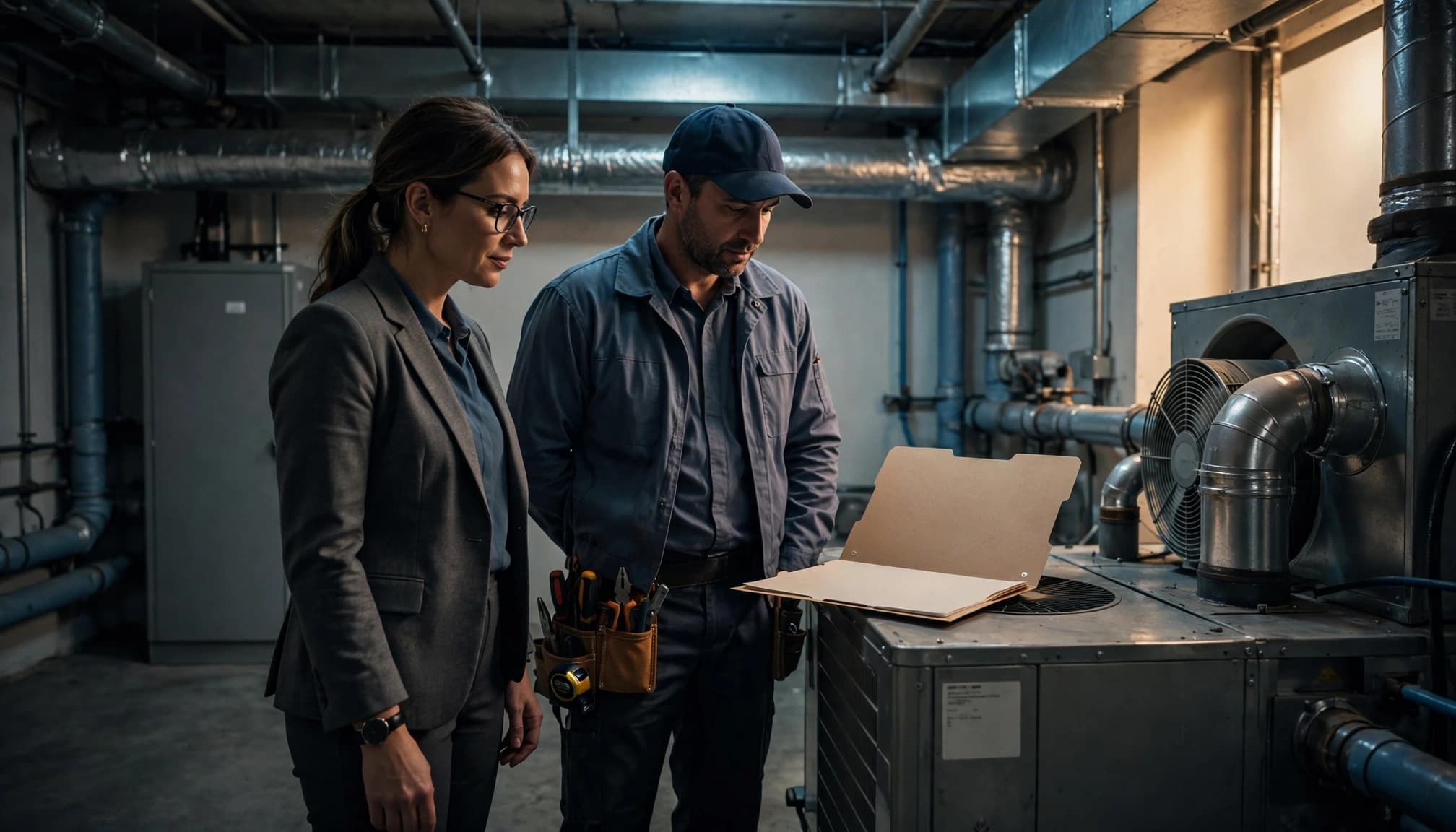
A clear proposal lets you compare providers fairly. Two quotes with the same dollar amount may cover very different levels of inspection and reporting.
Get the scope in writing
Ask these questions before you approve an audit:
- Will the auditor inspect every HVAC unit, thermostat, control, and accessible duct run?
- Does the price include utility-bill review, equipment testing, temporary monitoring, or infrared imaging?
- Will the report estimate project costs, energy savings, payback, and implementation priorities?
- Are lighting, ventilation, building envelope conditions, and humidity concerns part of the scope?
- How will the provider handle roof access, tenant coordination, and after-hours work?
- Will the findings separate urgent repairs from maintenance items and long-term upgrades?
Also ask for proof of the contractor's current license, insurance, and workers' compensation coverage. Rooftop equipment and active commercial spaces create real liability concerns.
Ask how recommendations will be supported
An auditor should be able to explain why each recommendation belongs on the list. For example, a replacement recommendation should identify measured performance issues, repair history, capacity concerns, or operating costs.
A report that says "replace all units" without describing condition, testing, and alternatives doesn't give you much to act on. The best report makes it easier to phase projects, protect tenant comfort, and compare future bids on the same scope.
Federal Section 179D may apply to qualifying energy-efficient commercial building improvements, including certain HVAC and hot-water work. However, an audit is not a tax deduction, and eligibility can depend on project timing and documentation. Review current rules with a qualified tax professional before treating a possible deduction as part of your budget.
Final Thoughts on Audit Costs and Value
A commercial HVAC audit gives Cape Coral property owners a clearer view of where cooling dollars go. The most useful reports connect equipment condition, controls, airflow, operating schedules, and utility use to practical next steps.
The right commercial HVAC audit cost depends on the questions your property needs answered. Ask for a written scope, compare what each proposal includes, and avoid treating a basic walk-through as an investment-grade study.
If an audit uncovers an urgent cooling issue or you need help arranging commercial HVAC service, Contact Us to schedule a service call.