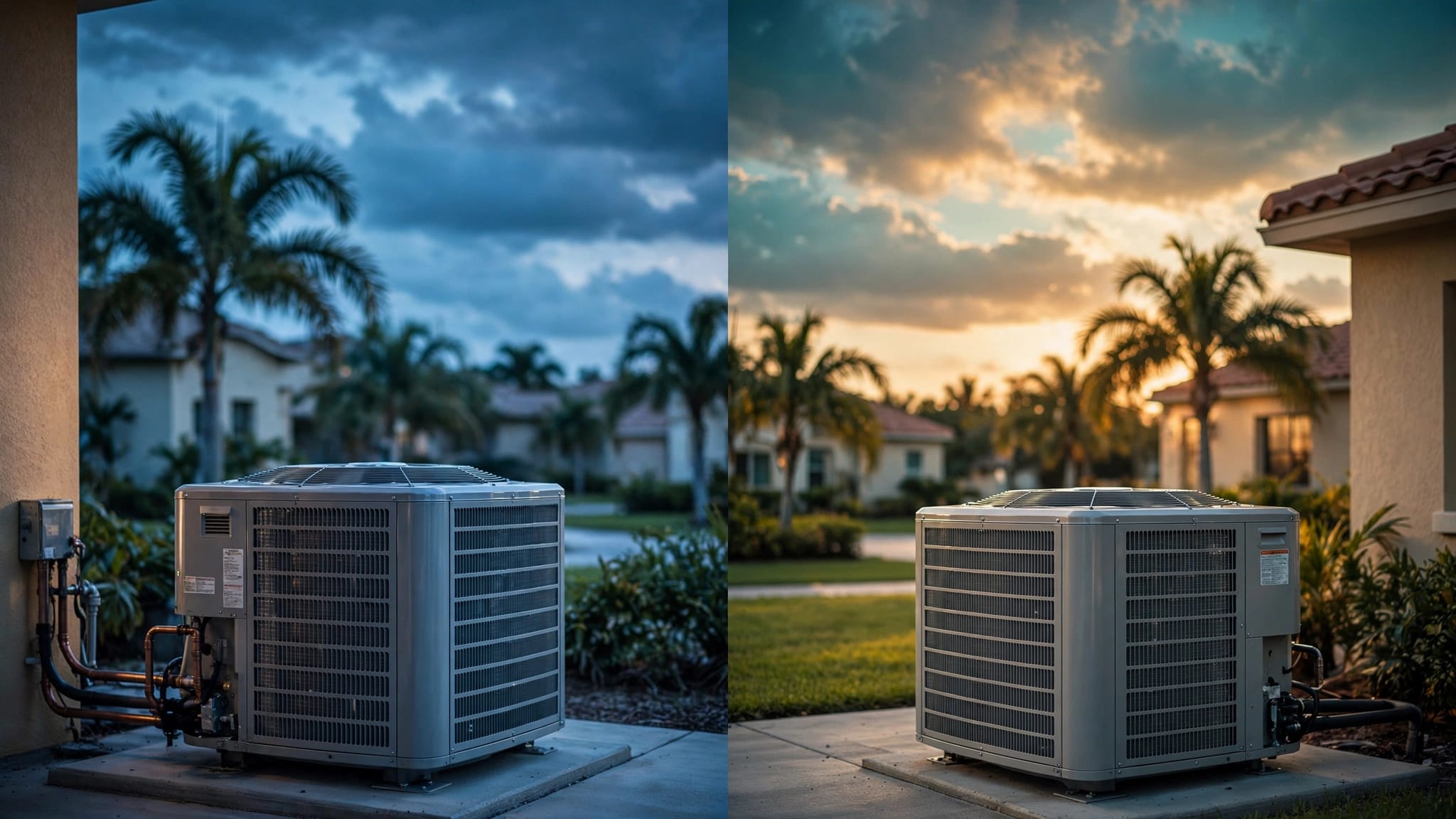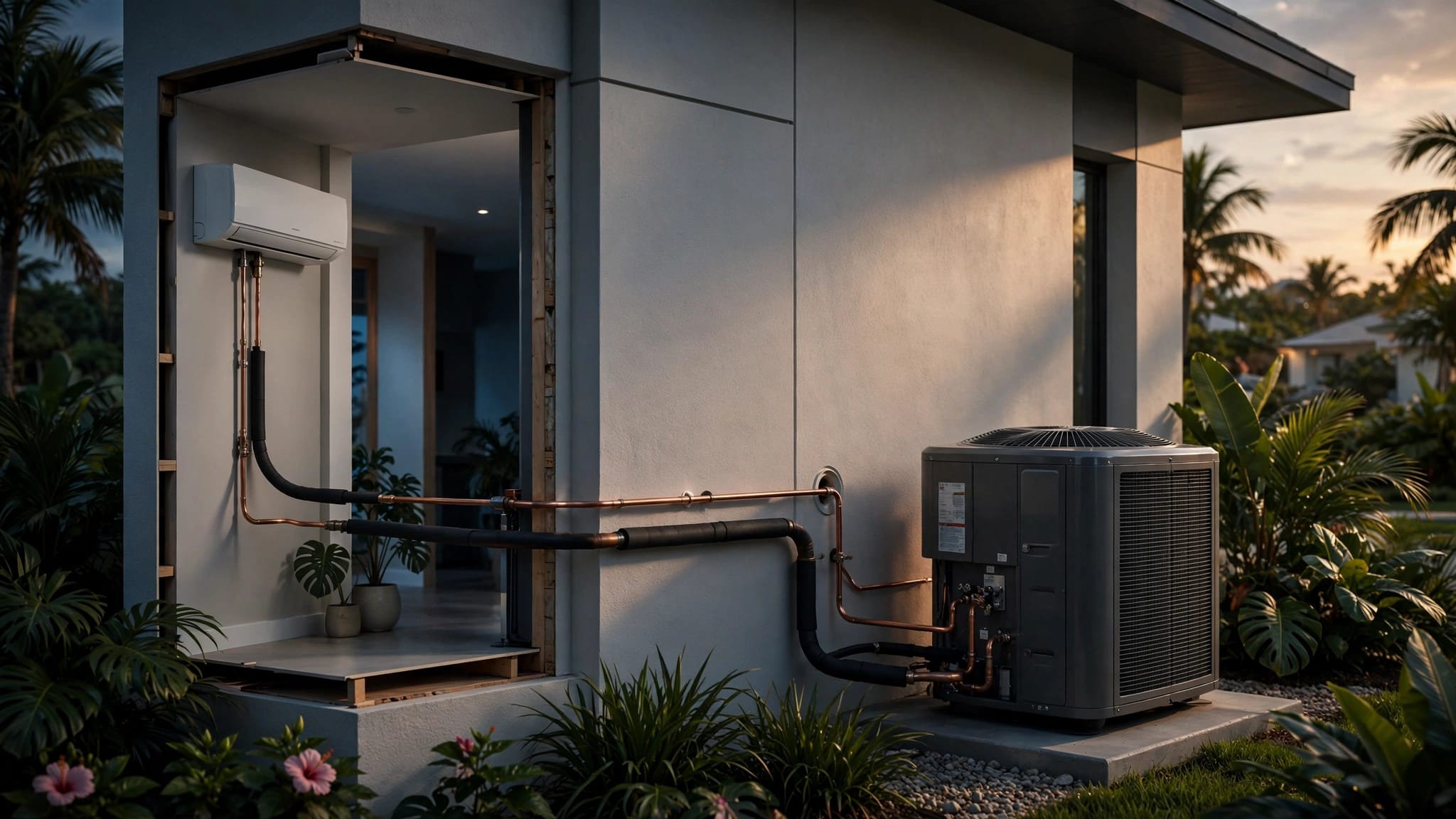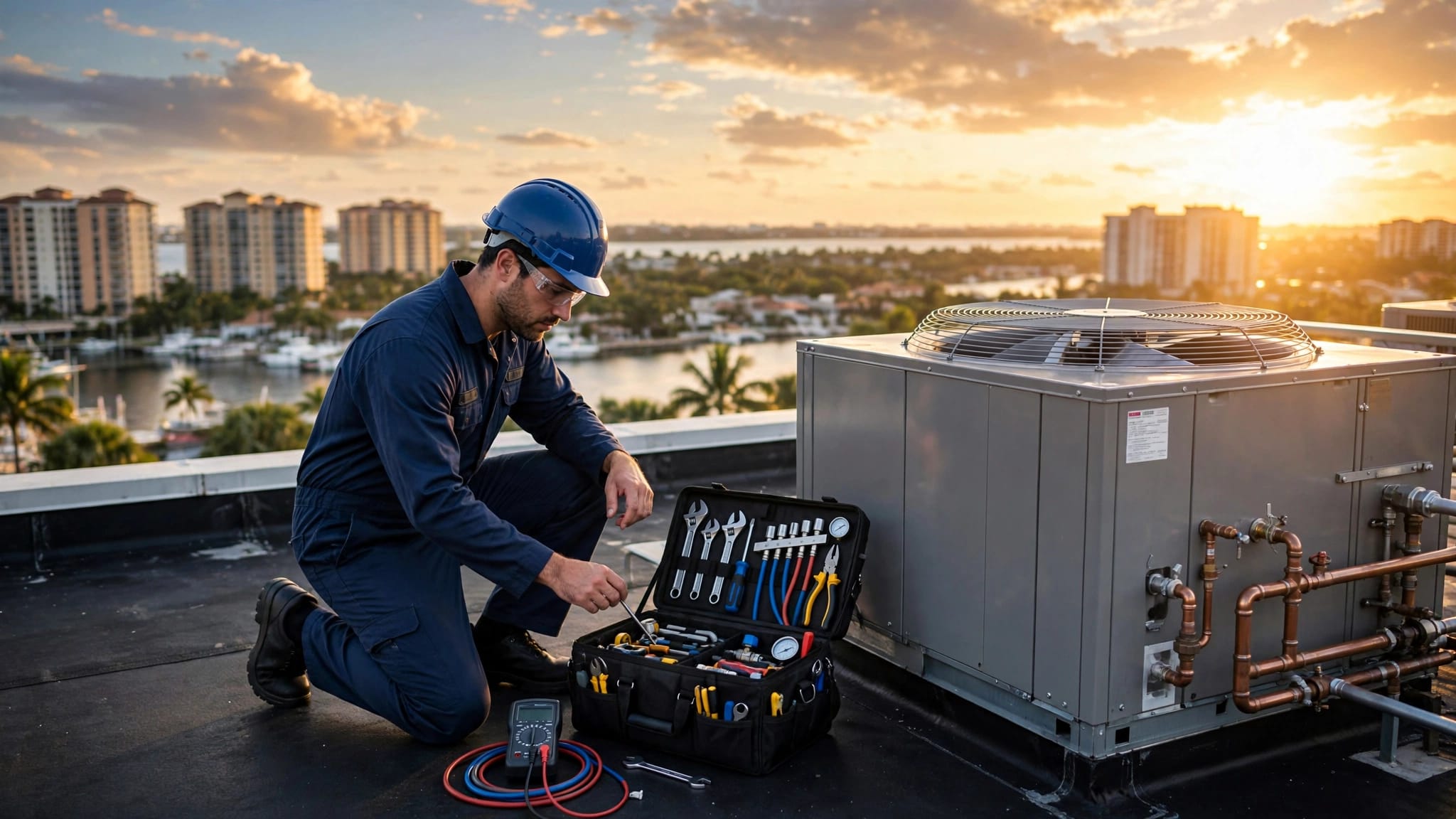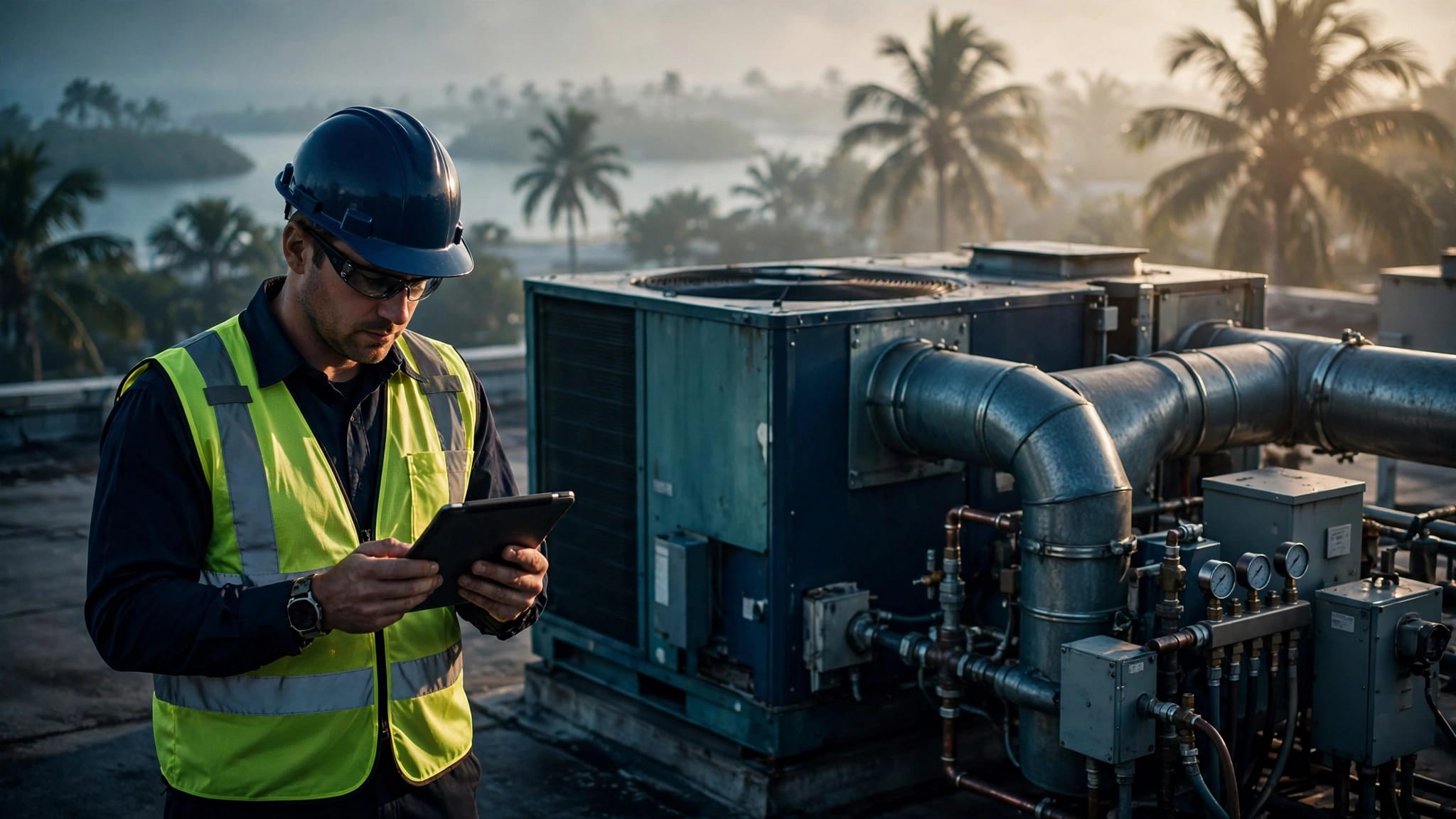
The HVAC records Florida homeowners keep can save time when the air conditioner quits, a storm damages equipment, or a buyer asks for proof of maintenance. In Southwest Florida, long cooling seasons, high humidity, salt air, and hurricane risks make a clear equipment file practical home protection.
A few receipts in a drawer aren't enough. Keep documents that identify your system, show who worked on it, and record its condition before and after a problem. Start with the records that are hardest to replace.
Why HVAC paperwork matters in Florida
Your air conditioner may run for most of the year. That workload makes dates, invoices, and technician findings useful long after a service call ends. A complete file helps a technician understand prior repairs and helps you compare repair costs with replacement options.
Records also separate a manufacturer warranty, an installer labor warranty, and a home warranty or service contract. These are different forms of coverage with different rules, exclusions, and expiration dates.
For coastal homeowners, documentation can be especially helpful when corrosion, water intrusion, or storm debris affects equipment. Florida Statutes section 634.346 limits when a Florida home warranty may exclude coverage due to rust or corrosion. However, the policy or contract still controls the details of any claim.
Keep HVAC documents with other important home records, not beside the air handler, water heater, or garage door.
Key takeaways
- Keep the installation invoice, proof of payment, model and serial numbers, written warranty, and registration confirmation for as long as you own the system.
- Save HVAC maintenance records and repair history for the life of the equipment, especially records from the most recent 24 months.
- Retain permits, approved plans, and final inspection reports permanently with your home file.
- Photograph the outdoor condenser and indoor air handler before hurricane season, then document visible changes after a storm.
- Store paper originals in a waterproof container and keep secure digital copies outside your home.
- Review your file each year before peak cooling weather arrives.
HVAC records Florida homeowners need from day one
The most useful file answers three questions quickly: What equipment is installed? When did it go in? What work has been done since? Put copies of these records in one folder as soon as you buy a home or install a new system.
Installation receipts and equipment details
Save the signed proposal, final paid invoice, financing paperwork if applicable, and proof of payment. Air conditioner receipts show the installation date, installing contractor, equipment included, and the amount paid.
Photograph the data plates on both the outdoor condenser and indoor air handler. Capture the manufacturer, model number, and serial number. The manufacturer often uses those numbers to confirm warranty coverage, and a technician may need them when ordering a part.
If your replacement included matched equipment, keep the AHRI certificate when one was provided. It identifies the tested equipment combination and its listed efficiency ratings. Also save manuals, specification sheets, and a completed-installation photo.
Warranty documents and registration confirmation
Keep the full written manufacturer warranty, not only a summary card. Save proof that you registered the system, including any email confirmation, registration number, and coverage start date.
Read the terms for covered parts, labor, refrigerant, diagnostic fees, corrosion, power surges, and maintenance requirements. A parts warranty doesn't necessarily pay for the entire repair visit.
If you bought a home with an existing system, retain the closing statement, seller disclosures, home inspection report, and any written warranty-transfer confirmation. Coverage may follow the equipment, while installer labor coverage or a service contract may not.
Maintenance invoices and service notes
Keep each tune-up invoice, filter recommendation, drain-cleaning note, and report of measured system performance. Routine service creates a dated history that can clarify whether a problem is new or recurring.
A preventive service plan can make recordkeeping easier because appointments and invoices stay in one place. HVAC maintenance agreements can also help homeowners keep regular service on the calendar during Florida's demanding cooling season.
Permits and inspection reports for HVAC replacement
A full AC replacement commonly involves more paperwork than a repair. Keep permit and inspection documents with your installation invoice because they describe the approved scope of work.
What belongs in the permit file
Save the permit number or permit card, approved plans when applicable, equipment specifications, and every inspection result. If ductwork, electrical upgrades, or a new disconnect were included, retain the documents tied to those changes as well.
The final inspection sign-off matters because it shows the project reached its required local approval stage. A working system can still need a correction if an installation detail or document doesn't match the approved job.
Permit requirements are local. Florida doesn't use one universal HVAC permit rule for every city and county.
For example, Orange County requires a mechanical permit for HVAC equipment replacement or modification. Cape Coral homeowners planning a system changeout can review Cape Coral AC permit requirements before work begins.
Check the records before you need them
Confirm who pulled the permit and where you can view its status. Many jurisdictions offer online property or permit searches, although older records may require a request from the local building department.
Keep a copy even if the contractor handles the permit process. During a future sale, insurance question, or replacement estimate, you may need to show the system's installation date and approved equipment details quickly.
Preserve every repair history record
Repairs often reveal patterns. A single capacitor replacement may be routine, but repeated drain issues, refrigerant leaks, corrosion, or blower problems give useful context when deciding whether to keep repairing an older unit.
Record symptoms before the technician arrives
Write down the date, thermostat setting, indoor temperature if known, unusual sounds, odors, water near the unit, and any displayed error code. Take photos of visible water or ice without opening panels or touching wiring.
These notes help the service company start with a better picture of the problem. They also give you a record of when the issue began, which can matter if a second repair becomes necessary.
Save detailed invoices, not only payment confirmations
Ask for an itemized receipt that identifies the diagnosed issue, work completed, replacement parts, and any warranty on those parts. File it with the technician's recommendations and the invoice.
When a repair becomes urgent, bring your equipment photos and repair history to the call. If your AC stops working during extreme heat, 24/7 emergency HVAC service is available throughout Charlotte, Collier, Hendry, and Lee counties. For a service visit, Contact Us with the model number and any recent service details.
Hurricane and insurance documentation
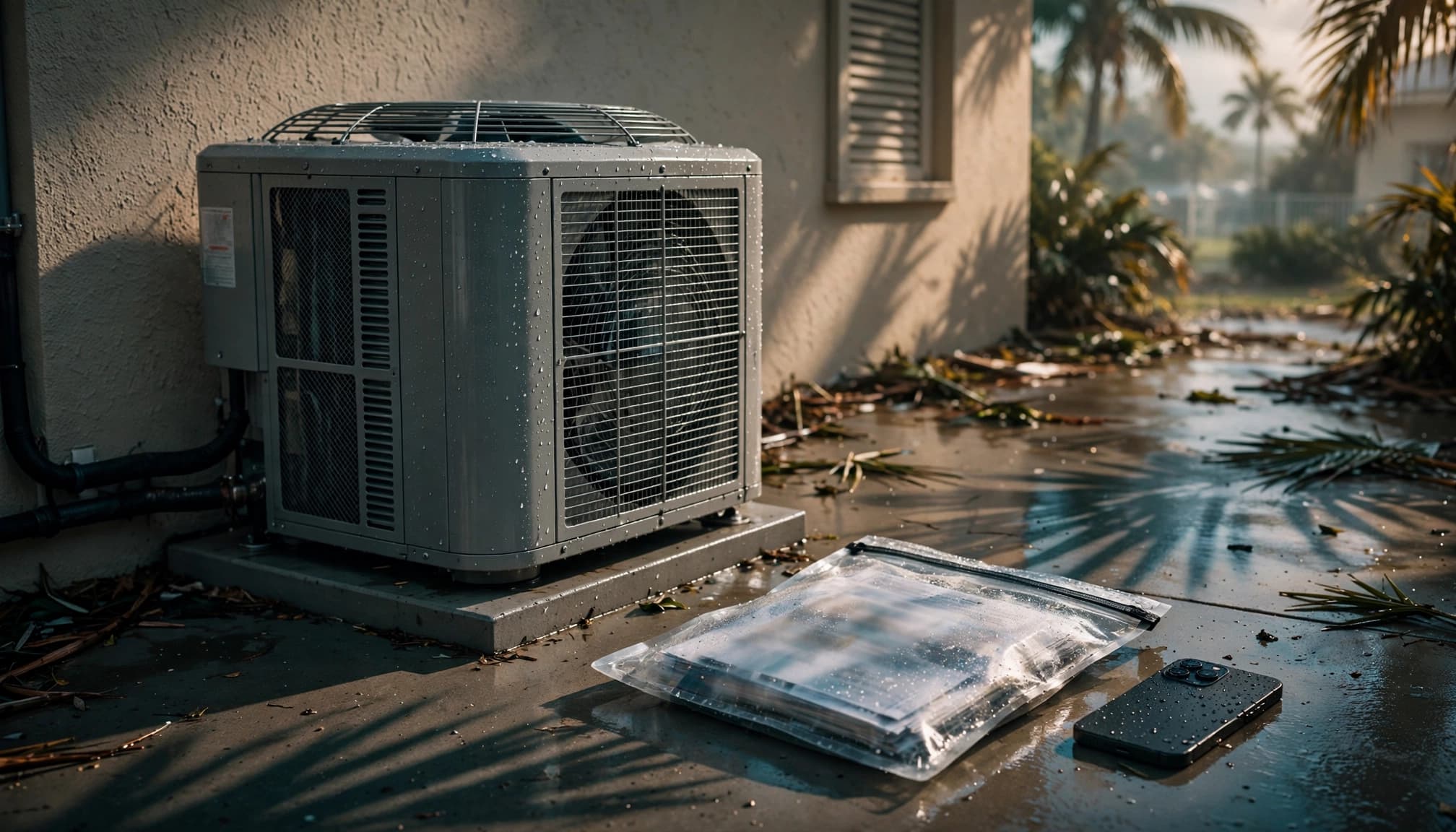
Hurricane preparation should include your HVAC file. Paperwork in a kitchen drawer may not survive a roof leak or flooding, and the only copy should never sit beside mechanical equipment.
Photograph your equipment before storm season
Take wide photos of the condenser, its pad, refrigerant lines, electrical disconnect, and nearby surroundings. Then take clear close-up images of each equipment label. Preserve the original image files because their metadata may show when you took them.
Also photograph the indoor air handler, visible drain lines, electrical panel, and any pre-existing rust or wear. Don't remove access panels or handle electrical components for a better photo.
Review your insurance declarations page before a storm. Know the hurricane or wind deductible that may apply, and confirm how your insurer wants you to report a loss.
Document damage before cleanup or repair
After a storm, don't run equipment that flooded, shifted, or has visible damage. Follow your insurer's instructions and contact a qualified HVAC professional. Take photos and video before debris removal or major repairs when it is safe to do so.
Keep the loss date and approximate time, claim number, adjuster contact details, contractor assessment, repair estimate, and replacement-equivalent estimate. A strong technician report identifies damaged components, inspection date, apparent cause, and whether repair or replacement is recommended.
Storm damage and manufacturer defects are separate issues. Keep insurance claim records apart from warranty documents so each file remains clear.
How long to keep air conditioner records
There is no single statewide retention rule for homeowner HVAC paperwork. The practical approach is to retain records while they can support ownership, maintenance, coverage, a claim, or a future sale.
| Record | Suggested retention period | Why keep it |
|---|---|---|
| Installation invoice, proof of payment, model and serial numbers | Life of system, plus after sale if needed | Confirms age, equipment, and contractor details |
| Written warranty and registration confirmation | Life of coverage, then with system file | Shows coverage terms and registration status |
| Permits and final inspection reports | Permanently | Supports replacement history and future property transactions |
| Maintenance invoices and repair history | Life of system | Tracks service patterns and maintenance |
| Storm photos, claims, estimates, and settlement papers | Until the claim is fully resolved, then retain with home records | Documents loss, repairs, and insurer communication |
| Manuals and equipment specifications | Life of system | Helps with troubleshooting and replacement planning |
Keep older records when a system has recurring issues, active coverage, or unresolved insurance questions. Once you replace the equipment, move the old unit's file into an archived home-improvement folder instead of throwing it away immediately.
Store HVAC records in paper and digital formats
A two-part system gives you access during a service call and protection if your home is damaged. It doesn't have to be complicated.
Build one paper file
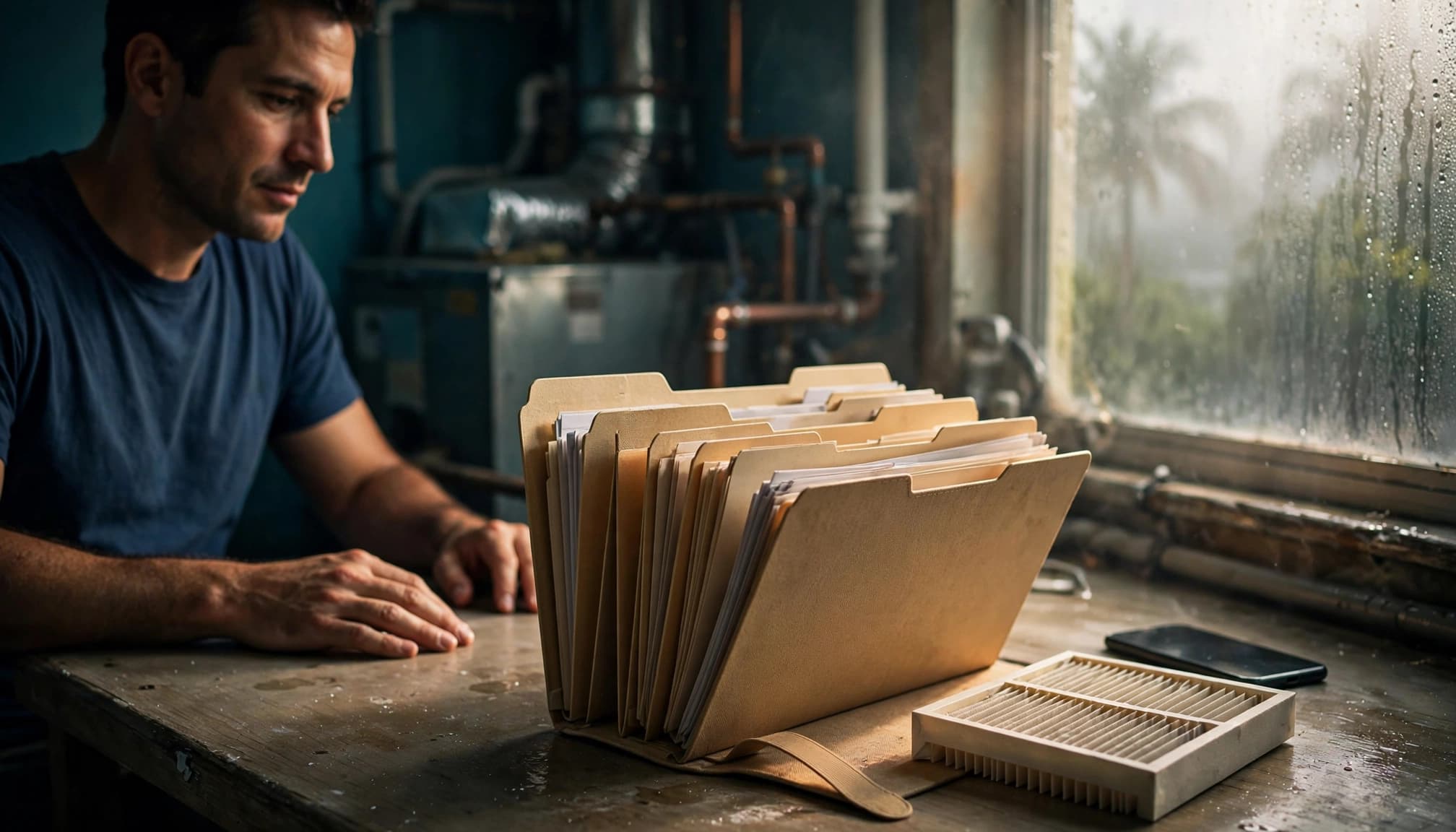
Use a labeled folder or accordion file with sections for installation, warranty, permits, maintenance, repairs, and storm documentation. Place originals in a waterproof document pouch or sealed container.
Store it on a higher shelf away from windows, garage doors, flood-prone areas, and equipment that could leak. Add the HVAC contractor's phone number, but don't put passwords or account credentials in the folder.
Create a secure digital backup
Scan documents or take readable photos, then use consistent names such as "2026-06-15_AC_installation_invoice." Save files in a secure cloud account and send a copy to an email account you can access from your phone.
Keep another copy on an external drive stored away from the home if possible. Test your login and open a few files annually. A missing password or faded receipt can slow down an already stressful claim.
If musty odors, wet ductwork, or visible growth appear after a moisture event, include service reports and photos in the same record system. Mold testing in Cape Coral can help identify an indoor air-quality concern before it spreads.
Frequently asked questions
Should I keep records after selling or replacing my HVAC system?
Keep permanent property records, including permits and final inspections. Archive old installation, service, and warranty documents for several years after replacement or sale in case a question arises about the property's repair history.
Are digital photos of HVAC labels enough?
Photos are important, but they don't replace invoices, warranty terms, registration confirmation, permit records, or service reports. Use photos as a quick reference and preserve the supporting documents in the same folder.
Do small AC repairs need permits in Florida?
Local rules determine that answer. Minor repairs often differ from a full condenser, air handler, ductwork, or electrical change. Check with your local building department or a properly licensed contractor before work starts.
Keep the file current, not complicated
A well-kept HVAC file gives you a clear history when Florida heat, humidity, or storm damage puts your system under pressure. The records that matter most are simple: proof of installation, warranty documents, permits, maintenance history, repair invoices, and current photos.
Review the file once a year before the hottest stretch of the cooling season. Organized records won't prevent an HVAC problem, but they can make the next service call, warranty question, or insurance conversation far easier to handle.