An air conditioner can look properly sized on paper and still leave a Cape Coral home sticky, unevenly cooled, or expensive to run. A Manual J load calculation cost is small beside the price of a new HVAC system, yet the calculation can prevent an oversized or undersized replacement.
For 2026, most homeowners can expect a few hundred dollars for a standalone calculation. The final price depends on the home's layout, available documentation, and whether the work also includes equipment or duct design.
Manual J load calculation cost in Cape Coral
A realistic Manual J load calculation cost in Cape Coral is usually $150 to $400 for a straightforward standalone residential report. Smaller, simple homes with clear floor plans often fall closer to the lower end. Larger homes, multiple AC systems, or a site visit can push the price higher.
This is a planning range, not a fixed fee schedule. Every provider sets prices differently, and a report prepared for permit submission may require more detail than one used only to compare replacement options.
| Calculation scope | Typical 2026 Cape Coral estimate | What is usually included |
|---|---|---|
| Basic standalone Manual J | $150 to $250 | Load calculation for a simple home, often based on supplied plans |
| Detailed standalone Manual J | $250 to $400 | Field measurements, room details, more complex layout, or permit-ready documentation |
| Manual J with Manual S | $300 to $600 | Load calculation plus equipment selection data |
| Manual J, Manual S, and Manual D package | $400 to $800+ | Load, equipment selection, and duct design documentation |
The broader design packages cost more because they answer more questions. Manual S matches a particular air conditioner to the calculated load. Manual D addresses duct sizing and airflow.
A low calculation price is only useful if the report uses accurate information about your actual home, not generic assumptions.
What a Manual J calculation actually measures
A Manual J calculation is the residential HVAC method published by ACCA, the Air Conditioning Contractors of America. It estimates how much cooling and heating a house needs at peak conditions, expressed in BTUs per hour.
Square footage is only one input. Two 2,000-square-foot homes can have very different cooling loads because their windows, ceilings, shade, insulation, and air leakage differ.
The home's envelope drives the result
The provider gathers details about conditioned floor area, ceiling height, wall and attic insulation, window sizes, glass type, door locations, and the direction each window faces. A west-facing room with large glass can gain far more afternoon heat than a shaded bedroom.
Cape Coral's sun exposure and high humidity make those details matter. Impact-rated windows, older single-pane glass, attic insulation, and room additions can all change the result.
Humidity and airflow belong in the calculation
Manual J also considers internal heat from people, lights, and appliances. It separates sensible cooling, which lowers air temperature, from latent cooling, which removes moisture.
That distinction matters in Southwest Florida. An AC unit that cools too quickly may shut off before it removes enough humidity. For more context on choosing the right AC size for your Cape Coral home, look beyond tonnage and ask how the system will handle airflow and moisture.

Why proper sizing matters in Cape Coral homes
Florida HVAC sizing follows a load-calculation approach rather than a rule of thumb. Manual J establishes the home's load, then Manual S helps match equipment capacity to that load.
A contractor shouldn't select a new unit only because it matches the tonnage of the old one. The prior system may have been oversized from the day it was installed. Home upgrades also change the equation. New windows, attic insulation, shade screens, or sealed duct leaks can reduce cooling demand.
Oversizing has a comfort cost
An oversized system can reach the thermostat setting quickly, then cycle off. Short cycles often mean less moisture removal, more temperature swings, and extra wear on components.
On the other hand, an undersized system may run for long periods during intense summer heat and still struggle to catch up. Correct sizing gives the equipment a better chance to run long enough for steady cooling and humidity control.
For permitted replacement work, Cape Coral's mechanical paperwork and inspection process can require accurate supporting details. Ask early whether the contractor will provide the calculation and handle permit documentation.
What changes the price of a Manual J report
Home size affects the time required, but complexity usually affects the price more. A compact, single-story home with reliable plans takes less investigation than a two-story property with additions, vaulted ceilings, and separate systems.
The quality of your information also matters. Clear drawings, window specifications, recent insulation records, and accurate room dimensions reduce guesswork. Missing details may require an on-site visit or extra research.
Simple homes tend to stay near the lower end
A basic calculation often costs less when the home has one central system, a conventional layout, and no major recent changes. Digital delivery with no rush deadline can also keep the fee down.
Some providers can work from construction plans or a detailed floor plan. However, plans that don't show window sizes, ceiling heights, or insulation levels may not provide enough information for a dependable result.
Complex homes need more field work
Expect a higher price when the home has multiple zones, a guest suite, a converted garage, unusual ceiling heights, or several additions. Waterfront homes can also have wide glass areas and strong sun exposure that need close review.
A calculation may cost more when the provider must inspect ductwork, returns, or a poorly documented attic. Those added steps are useful when you are replacing equipment because an airflow problem can undermine a correctly sized unit.

Standalone calculations versus replacement proposals
A standalone Manual J report is a separate service. You pay for the calculation and receive the documentation, whether or not you buy equipment from that provider. This option can make sense for new construction, a major renovation, or homeowners comparing several HVAC bids.
Some HVAC companies include a Manual J as part of a replacement proposal. The report may show no separate line-item charge because the contractor includes the work in the installation planning process. A free replacement estimate is not always the same as a detailed, permit-ready calculation, so ask what the proposal includes.
When a bundled calculation makes sense
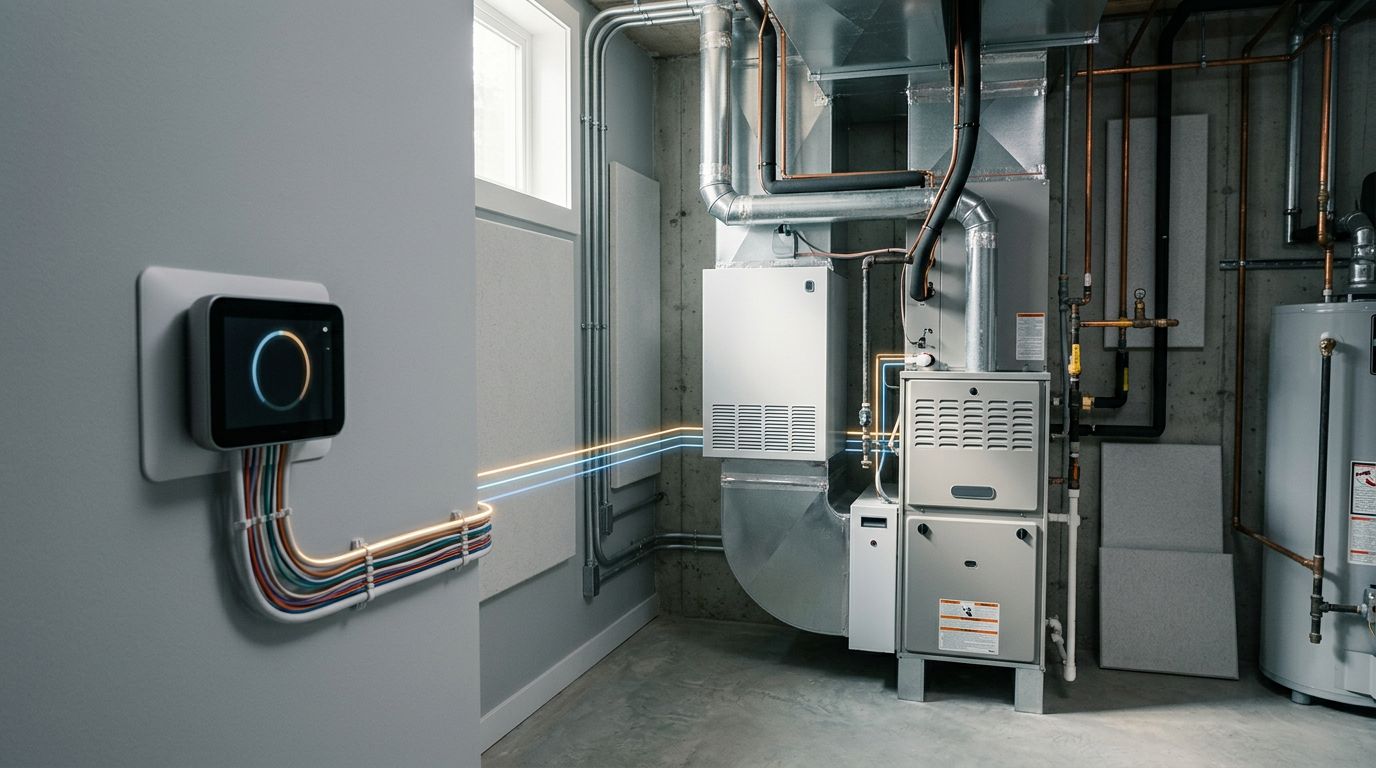
A bundled approach is often practical when you are ready to replace the AC system. The contractor can measure the home, inspect existing equipment, review duct conditions, recommend matched equipment, and include permit steps in one scope.
Manual J plus Manual S is a stronger package than a load number alone. If ductwork needs redesign or replacement, Manual D may also be appropriate. That added design work helps the new system receive the airflow it needs.
When paying separately is the better choice
An independent calculation can help if you want a neutral starting point before requesting proposals. It may also help when an architect, builder, or permit reviewer needs documents before the HVAC contractor is selected.
Still, confirm that the report includes usable assumptions and complete results. A bargain report based on wrong window data or a guessed ceiling height can lead to a poor equipment recommendation.
Ask about costs beyond the calculation
The calculation itself is only one part of an HVAC project. A thorough replacement estimate should state whether it includes permits, equipment selection, electrical changes, thermostat upgrades, condensate drain work, and startup testing.
Duct repairs or replacement can add a substantial amount to the project. Old, undersized, crushed, or leaky ducts may prevent a new unit from delivering the comfort shown in the Manual J report. Review Cape Coral duct replacement costs before treating a duct recommendation as an unexpected add-on.
Questions that make estimates easier to compare
Ask each contractor for the same level of detail:
- Will you perform a Manual J calculation for my home, and will I receive a copy?
- Does the price include Manual S equipment selection or Manual D duct design?
- Are permits, inspections, electrical work, and duct corrections included in the written scope?
- What home measurements, window details, and insulation assumptions will you use?
- If the report changes the recommended tonnage, will the proposal change with it?
When you compare Cape Coral AC installation quotes, match the scope before comparing the total price. A cheaper proposal may omit design work, permits, duct repairs, or other necessary items.
Key takeaways for Cape Coral homeowners
A standalone Manual J calculation generally costs $150 to $400 in Cape Coral during 2026. Full calculation-and-design packages cost more, especially when they include Manual S, Manual D, field measurements, or permit-ready paperwork.
The report should reflect the home's real conditions, including windows, insulation, sun exposure, ceiling heights, occupants, and duct system. Correct sizing supports longer cooling cycles, steadier temperatures, and better humidity removal.
Final thoughts
The right AC size doesn't come from a neighbor's system or a square-footage shortcut. It comes from accurate information about your home and a calculation that turns those details into a clear equipment recommendation.
A detailed Manual J is a modest investment compared with correcting a comfort problem after a new system is installed. For an in-home evaluation or help planning a replacement, Contact Us.
Frequently asked questions
Is a Manual J required for an AC replacement in Cape Coral?
Florida HVAC work commonly relies on Manual J load calculations for proper equipment sizing, and local permitting can require supporting documentation. Requirements can vary with the scope of work, so confirm the paperwork needed for your specific replacement.
Can I use an old Manual J calculation?
Possibly, if the house has not changed and the original report contains accurate details. However, new windows, insulation, additions, altered rooms, duct changes, or a different household schedule can make an older calculation less reliable.
How long does a Manual J load calculation take?
A simple report may take a short turnaround once the provider has complete plans and home details. On-site measurements, multiple systems, missing documentation, permit coordination, or a rush request can take longer and may increase the cost.
Does a Manual J tell me which brand to buy?
No. Manual J calculates the home's cooling and heating load. Manual S uses that result to select compatible equipment capacity and performance. Brand, efficiency rating, warranty, duct condition, and installation quality still affect the final choice.