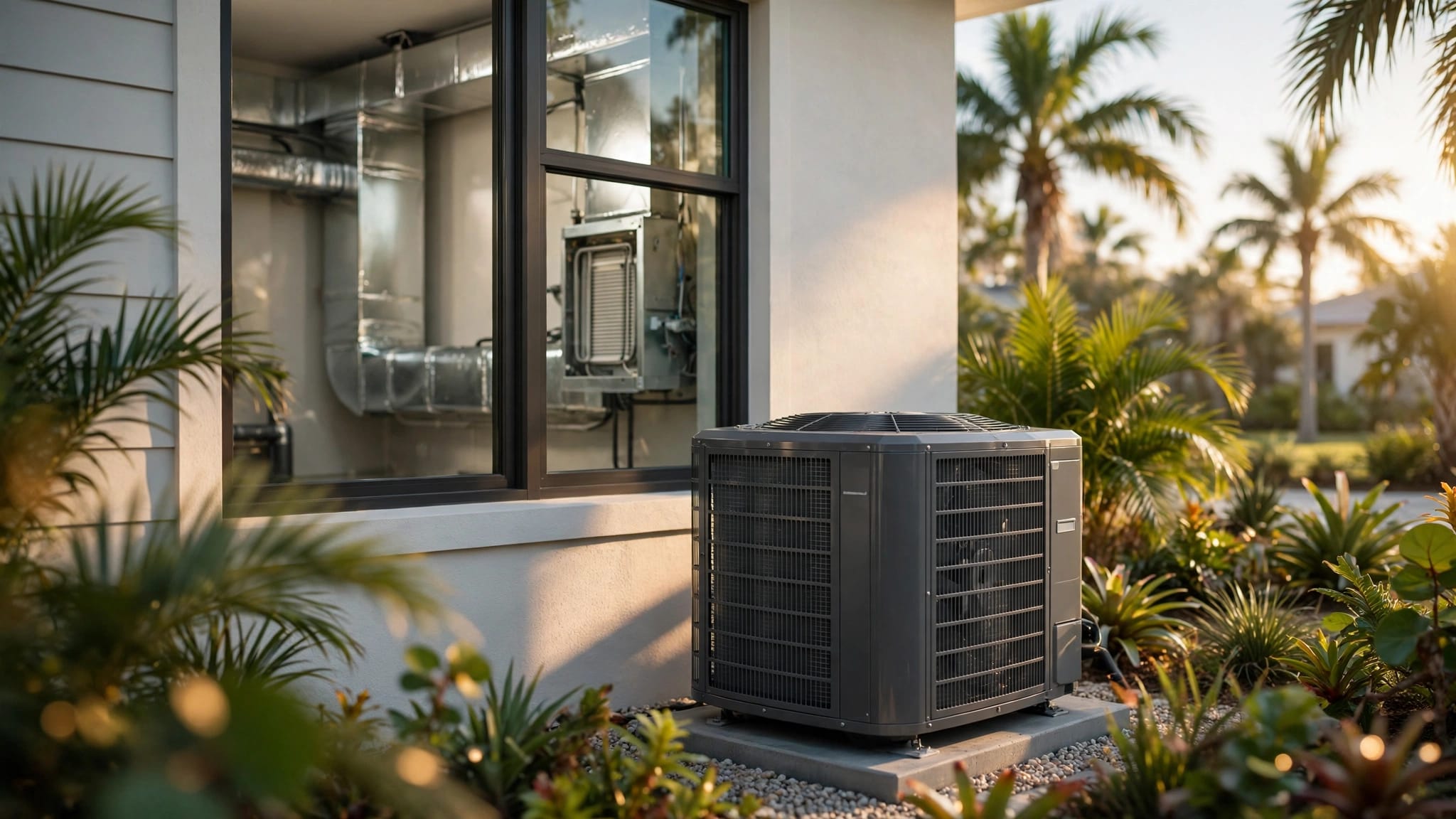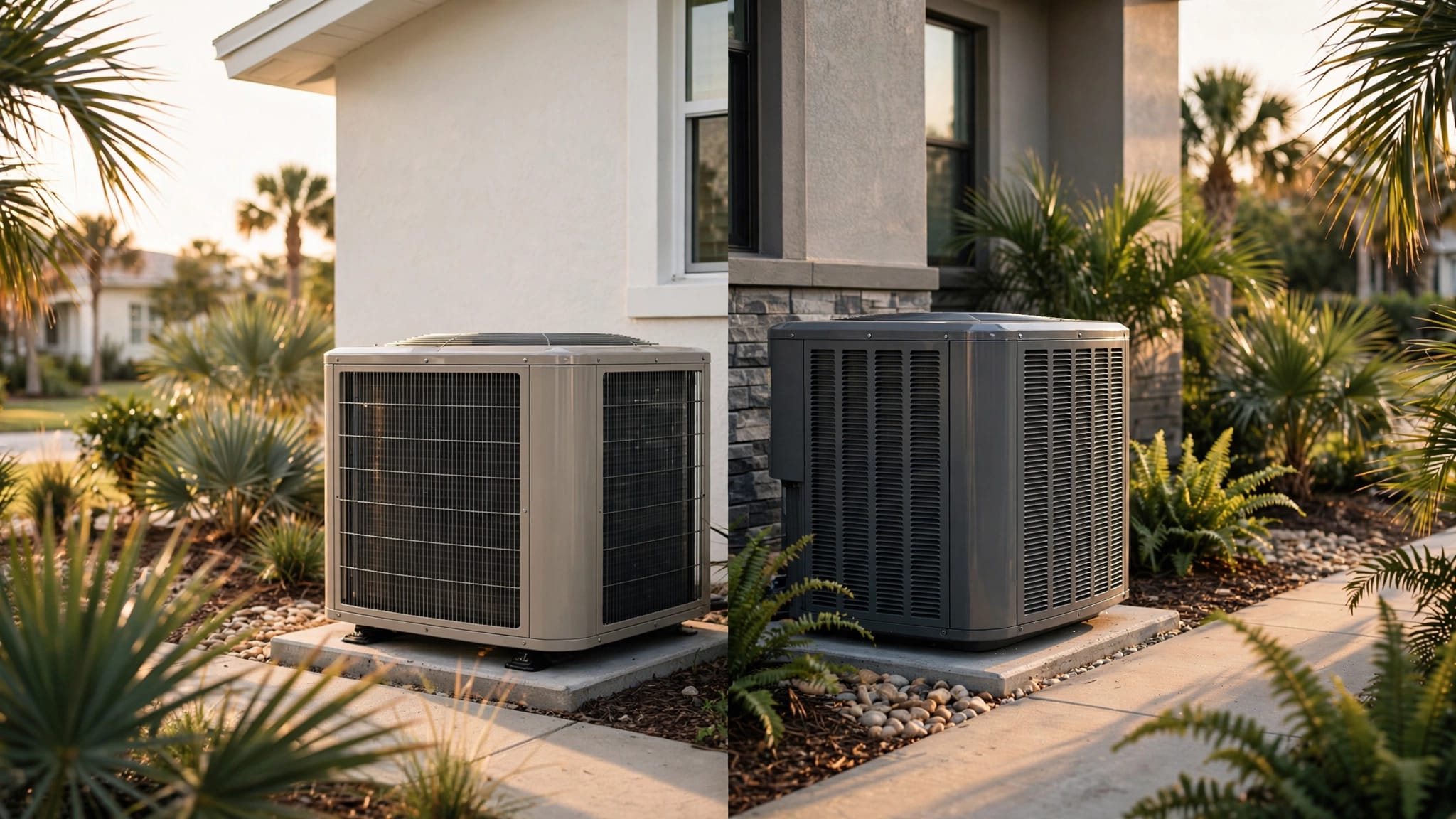
Yes, you can run your air conditioner with windows open, but keeping them closed usually makes more sense during Florida's hot, humid weather. An open window lets outdoor heat and moisture enter the space you're paying to cool.
For a short stretch of mild, less humid weather , opening a window can be a pleasant way to bring in fresh air. The difference comes down to outdoor conditions and how long the window stays open.
How Open Windows Affect Cooling and Energy Use

Your air conditioner removes heat from indoor air and releases it outside. When a window is open on a hot day, warm outdoor air can enter while cooled indoor air escapes. The system then has more heat to remove to reach the thermostat setting.
That added cooling load can mean longer runtime and higher electricity use. The impact depends on the size of the opening, outdoor conditions, and how much air moves through it. A briefly opened window won't have the same effect as several windows left open all afternoon.
An open window doesn't automatically damage an AC unit. However, if the system runs for long periods against an ongoing flow of hot air, it may struggle to keep the room comfortable. Closing the window lets the equipment work on a more manageable cooling load.
Florida Humidity Adds Another Cooling Job
Why Outdoor Moisture Matters
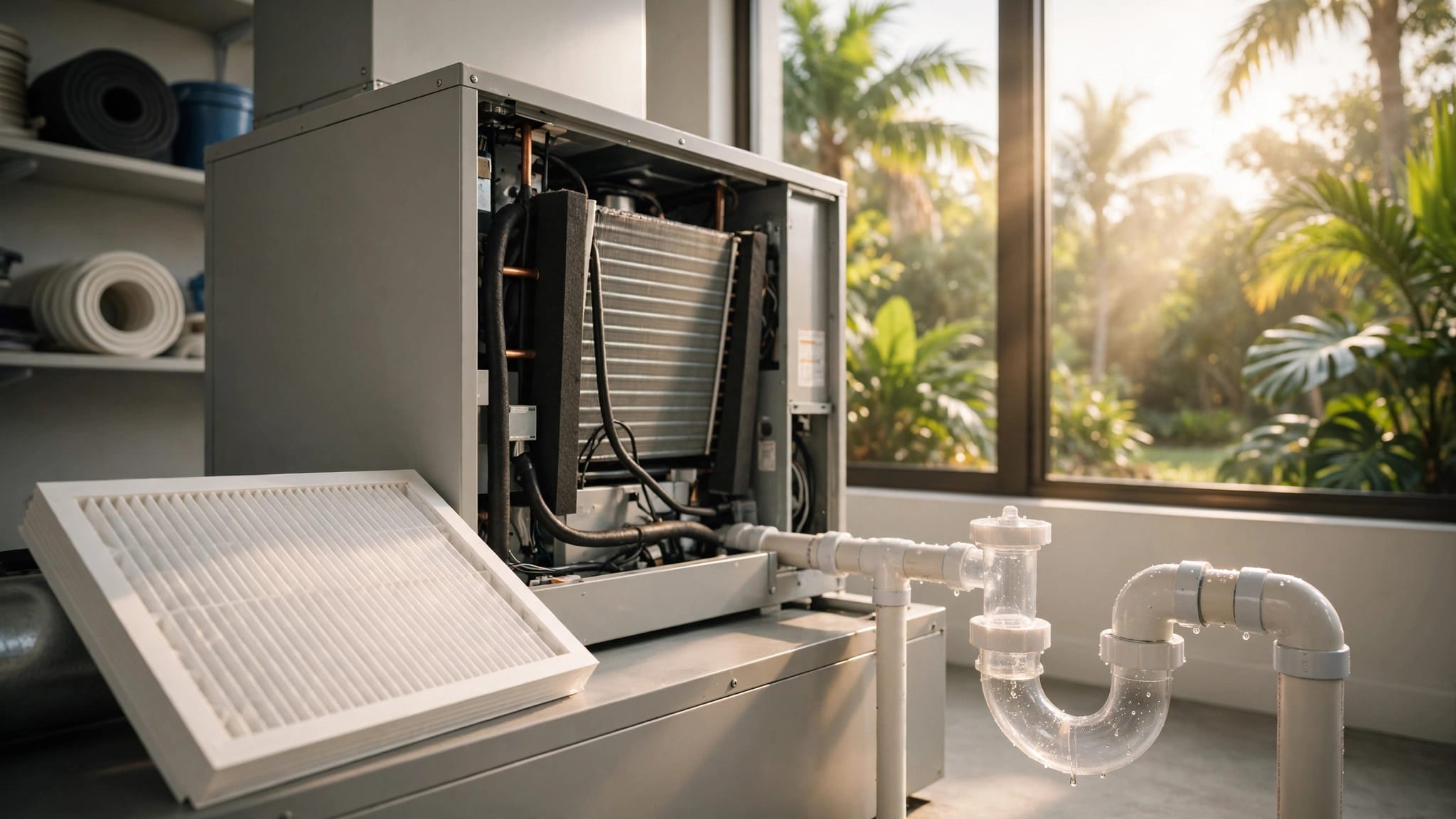
Air conditioners do more than lower temperature. As warm indoor air passes over the cold evaporator coil, some water vapor condenses and drains away.
In Southwest Florida, outdoor air often carries a substantial amount of moisture. When that air enters through an open window, the AC has more moisture to remove along with the heat. Your home may feel sticky even when the thermostat reads a comfortable temperature.
A longer cooling cycle can remove moisture, but it doesn't guarantee the system will keep up with a steady supply of humid outdoor air. Water vapor can also reach cooler surfaces and contribute to condensation.
What Indoor Humidity Can Tell You
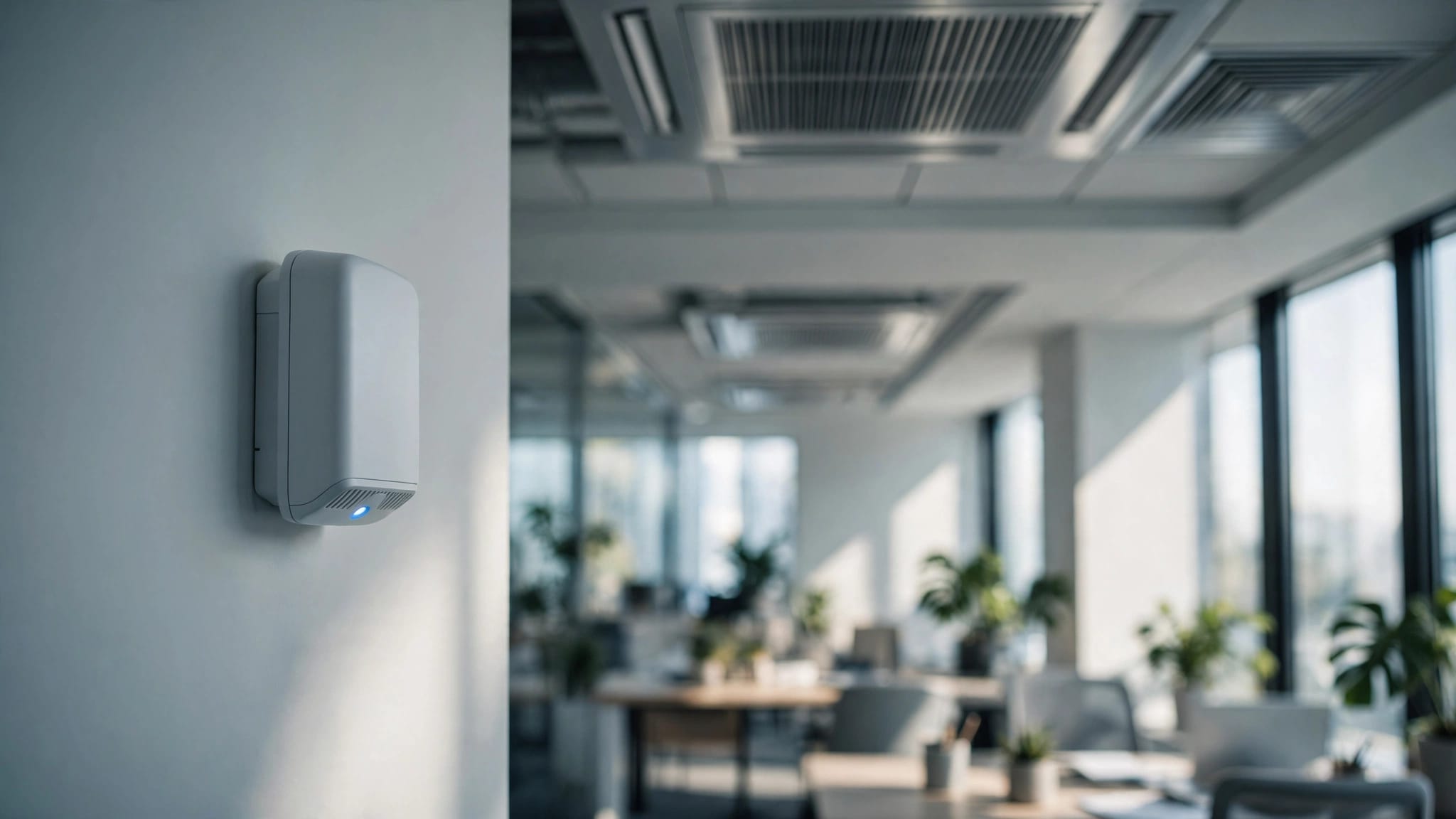
A small indoor humidity meter can help you distinguish a damp room from one that's simply warm. Many Florida homeowners find relative humidity around 45% to 55% comfortable, although the appropriate level varies with the home and weather.
The Florida Department of Health advises having a central AC system checked if it can't keep indoor humidity below 60%. If humidity remains high after you close the windows, the cause may involve airflow, duct leakage, equipment sizing, or another moisture source.
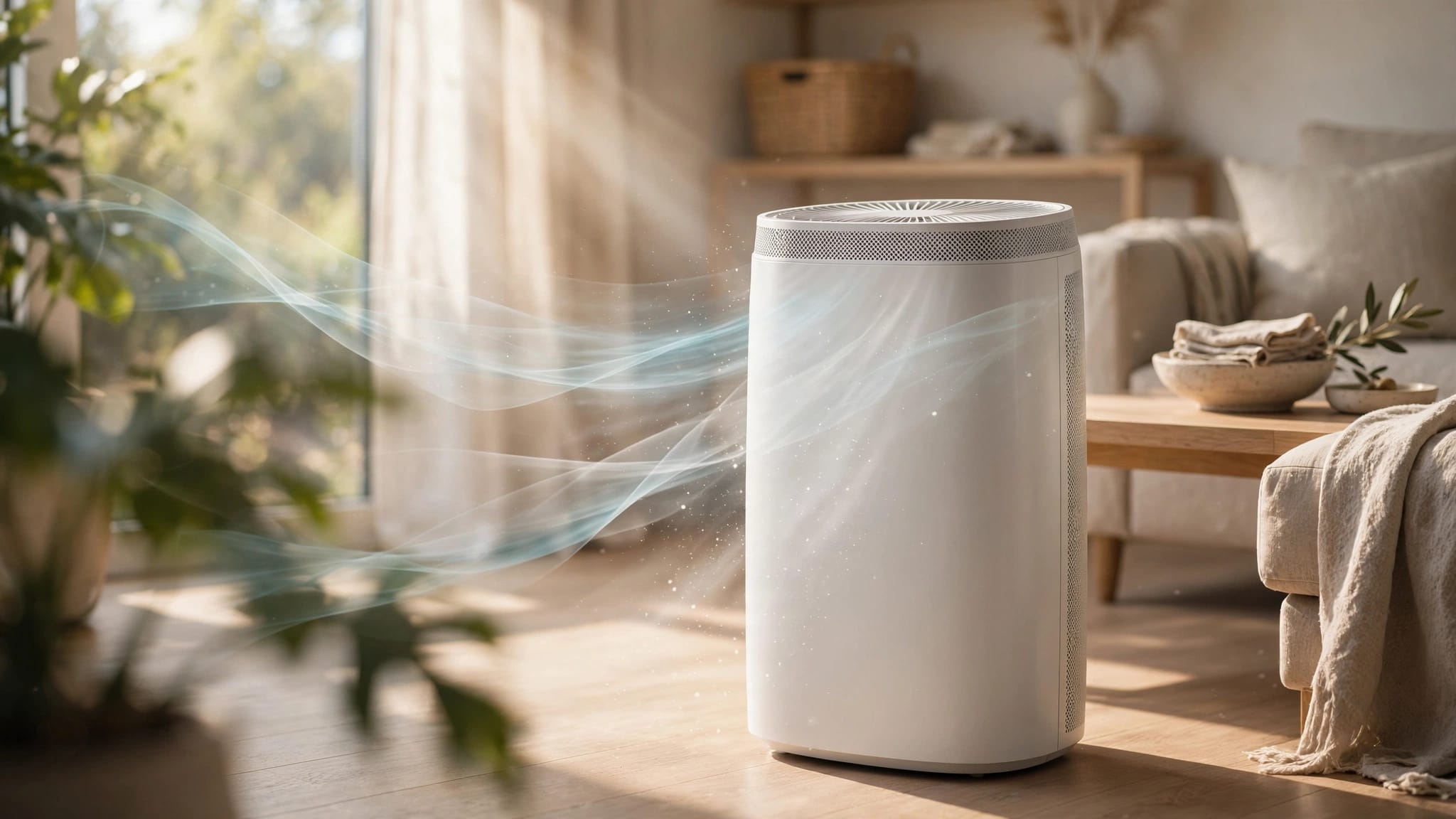
For homes that cool well but still feel damp, compare the humidity control options for your home. A whole-home dehumidifier can address moisture even when the thermostat doesn't call for cooling.
Central AC and Window Units Need Different Attention
Running Central Air With Windows Open
Central air conditioning cools rooms through a network of ducts. An open window in one room can introduce heat and moisture that affect the system's overall workload, although the effect depends on airflow and the home's layout.
The thermostat may reach its setting while the room with the open window stays warm. Closing the window helps keep conditioned air indoors and gives the system a better chance of cooling rooms consistently.
Running a Window Unit
A window air conditioner is designed to sit in a window opening, but the space around the unit should be sealed. The unit cools the room while its outdoor section releases heat outside.
If the side panels or gaps around the frame let hot, humid air pass through, the unit has more work to do. Keep the window secured around the unit and seal gaps according to the manufacturer's instructions. There's no need to open another window while the unit is cooling.
When Opening Windows Makes Sense
On a mild day with less humid outdoor air, opening windows can provide fresh air without making the house uncomfortable. Turning cooling off while you air out the home avoids having the AC cool air that's moving outdoors.
Temperature alone doesn't tell the whole story. A cooler morning can still feel muggy, and humid air can leave indoor surfaces feeling damp. Close the windows and resume cooling if the house starts to feel warm or sticky.
Ventilation matters, too. Closed windows don't replace a home's mechanical ventilation, kitchen exhaust, or bathroom exhaust. Use those systems as appropriate, especially when cooking or showering adds moisture indoors.
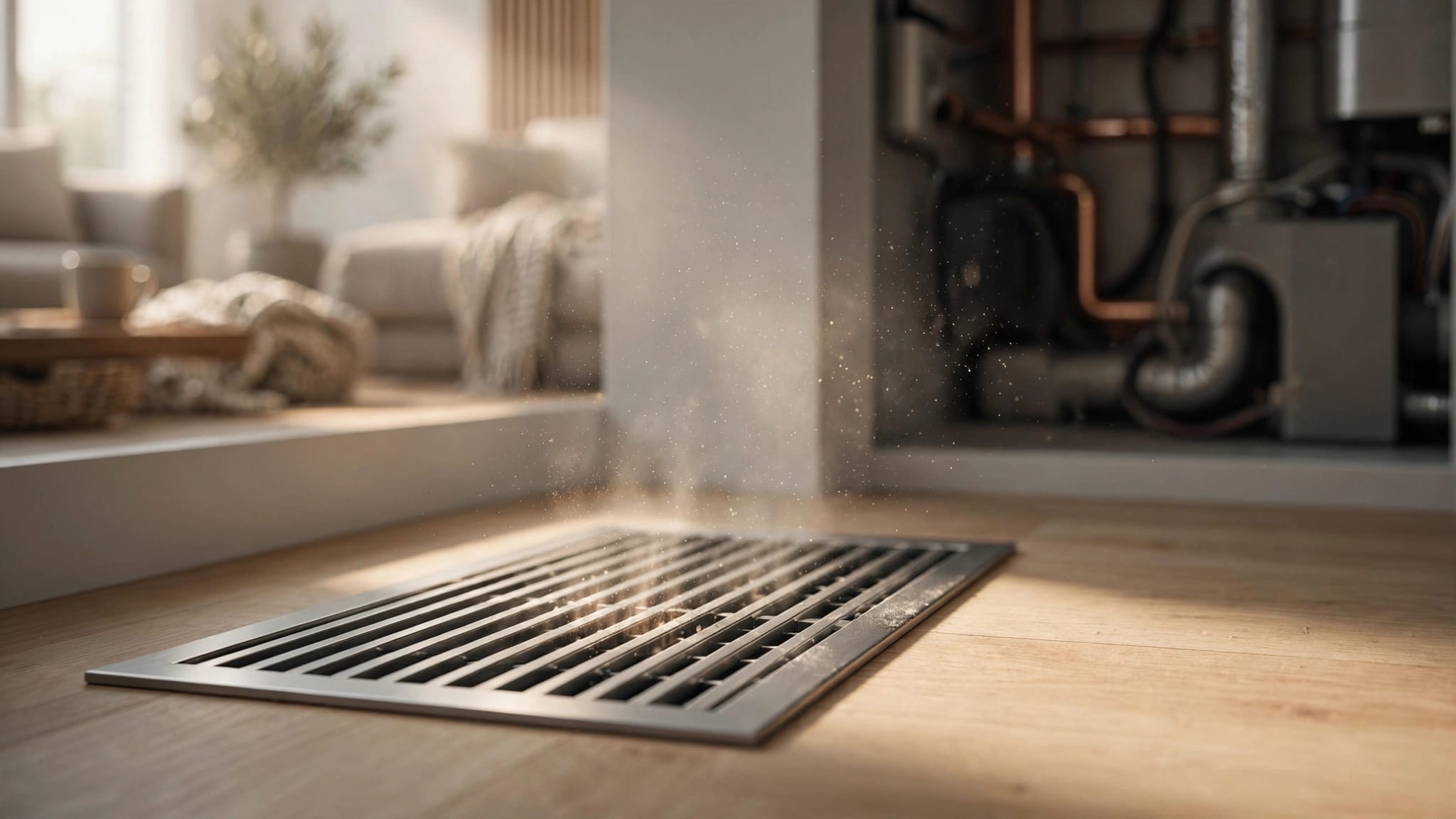
If odors or other air-quality concerns continue after normal ventilation, indoor air quality testing may help identify what needs attention.
What to Do if Your Home Stays Warm or Damp
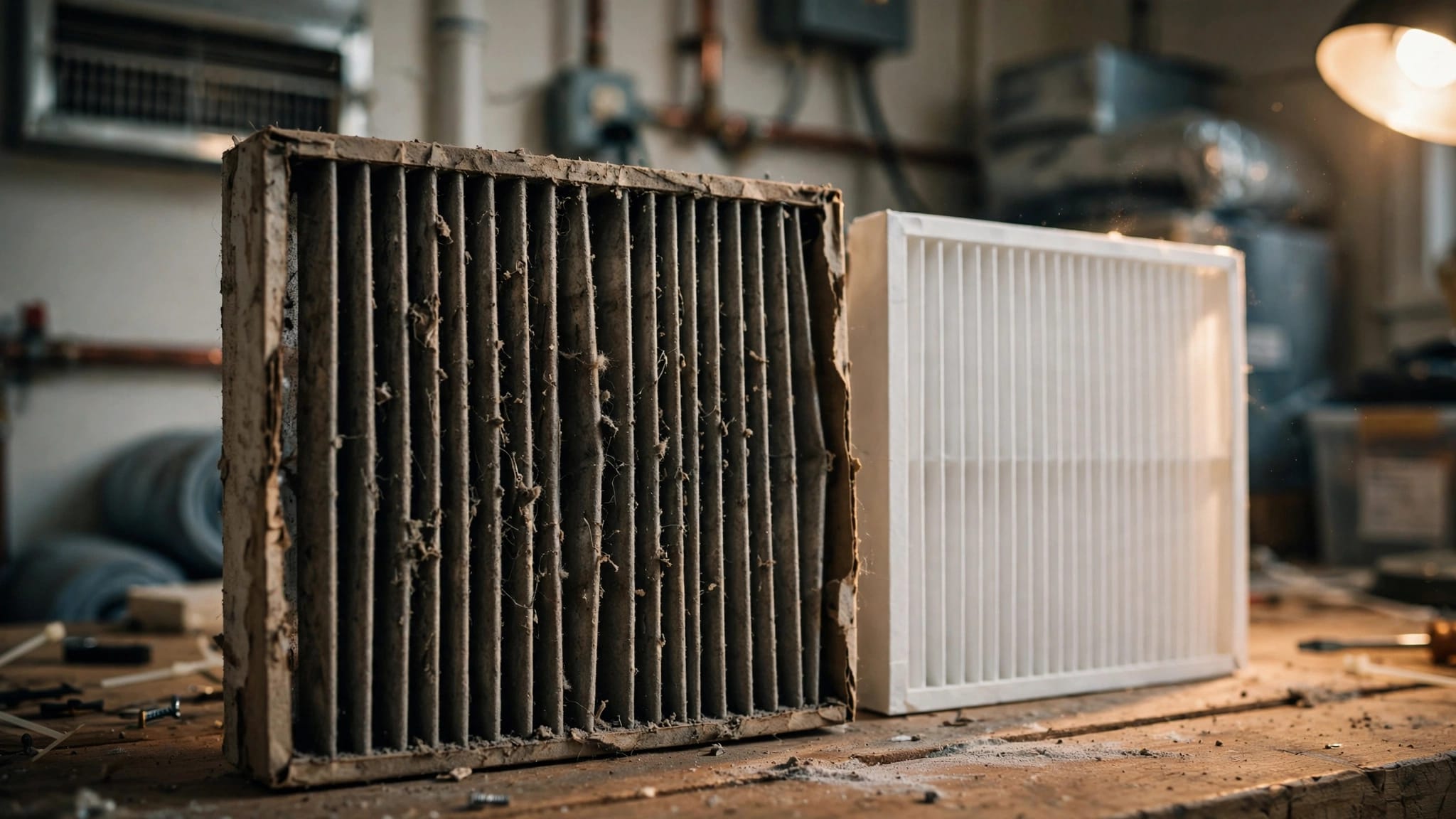
First, close the windows and give the system time to cool the home. Check the filter monthly and replace it when dirty. A restricted filter can reduce airflow across the coil and interfere with cooling and moisture removal.
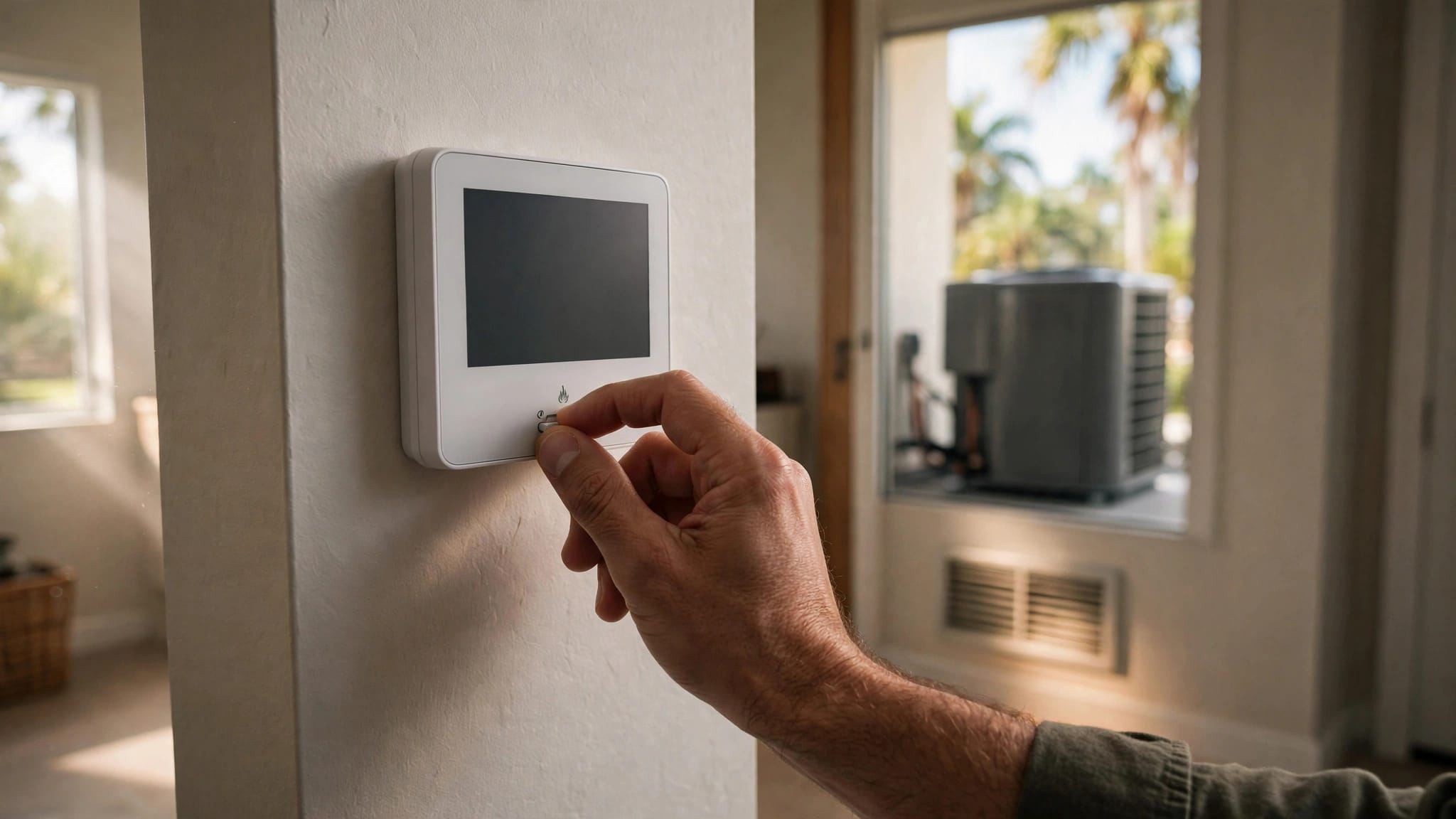
Set the thermostat fan to AUTO unless your technician recommends another setting. With the fan running continuously, some moisture left on the coil can return to the air after cooling stops.
If the house remains clammy, airflow is weak, or you notice water near the indoor unit, the problem may need a closer look. Our team can provide air conditioning repair when the system isn't performing as it should. You can also Contact Us to schedule a service call; we're available for emergency service 24/7.
Keep the Cool Air In
Running your AC with an open window is possible, but Florida's outdoor heat and moisture can make cooling less efficient. For everyday comfort, close the windows while the system runs.
When outdoor air is mild and less humid, opening a window for fresh air is a reasonable exception. Pay attention to how the house feels, then close it before extra heat and moisture become a problem.