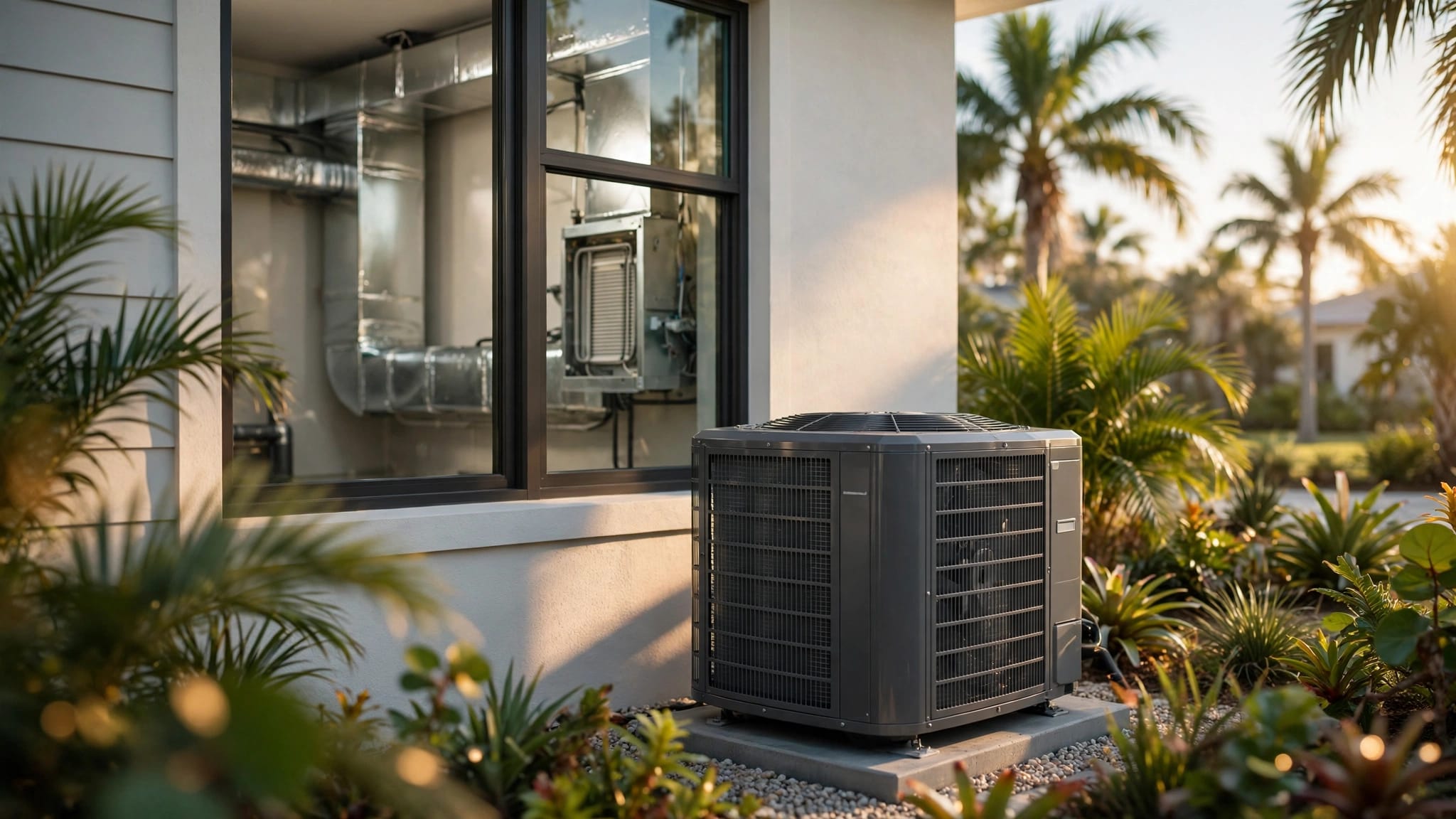
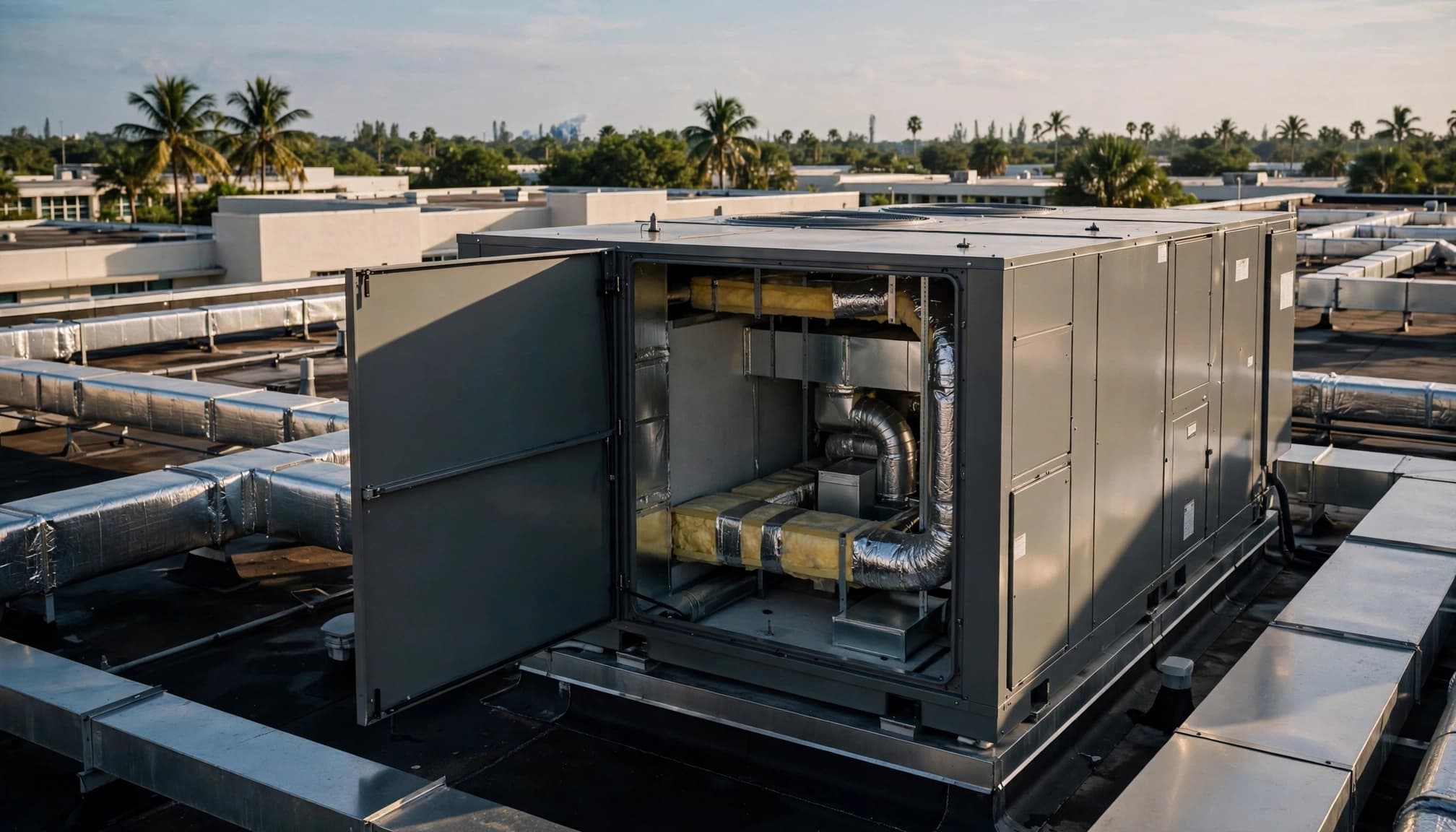
A dedicated outdoor air system, or DOAS, is one option to consider when planning ventilation alongside heating and cooling. For homeowners, the right starting point is understanding how much fresh air the home needs and how the HVAC system handles humidity.
In Southwest Florida, bringing in outdoor air also means accounting for moisture. A closer look at occupancy, ductwork, and the existing AC can help you plan for both ventilation and comfort.
Key Takeaways
- Outdoor-air ventilation and air conditioning address different needs. A comfortable thermostat reading doesn't guarantee adequate fresh air.
- Florida's humid climate makes moisture control an important part of any ventilation plan.
- Duct condition, equipment access, and drainage matter when adding or changing HVAC equipment.
- A ventilation upgrade should address the cause of the problem, rather than replace repairs for leaks or damaged ducts.
What Affects a Building's Ventilation Needs?
Ventilation needs vary with the building and how people use it. A tightly sealed home with frequent guests has different needs than one with fewer occupants. Cooking, showering, and indoor laundry also affect indoor air conditions.
Occupancy and daily activity
People add carbon dioxide and moisture to indoor air. When occupancy changes, the amount of outdoor air needed can change too. A home office used by one person during the week, for example, may have different ventilation demands when it fills with visitors.
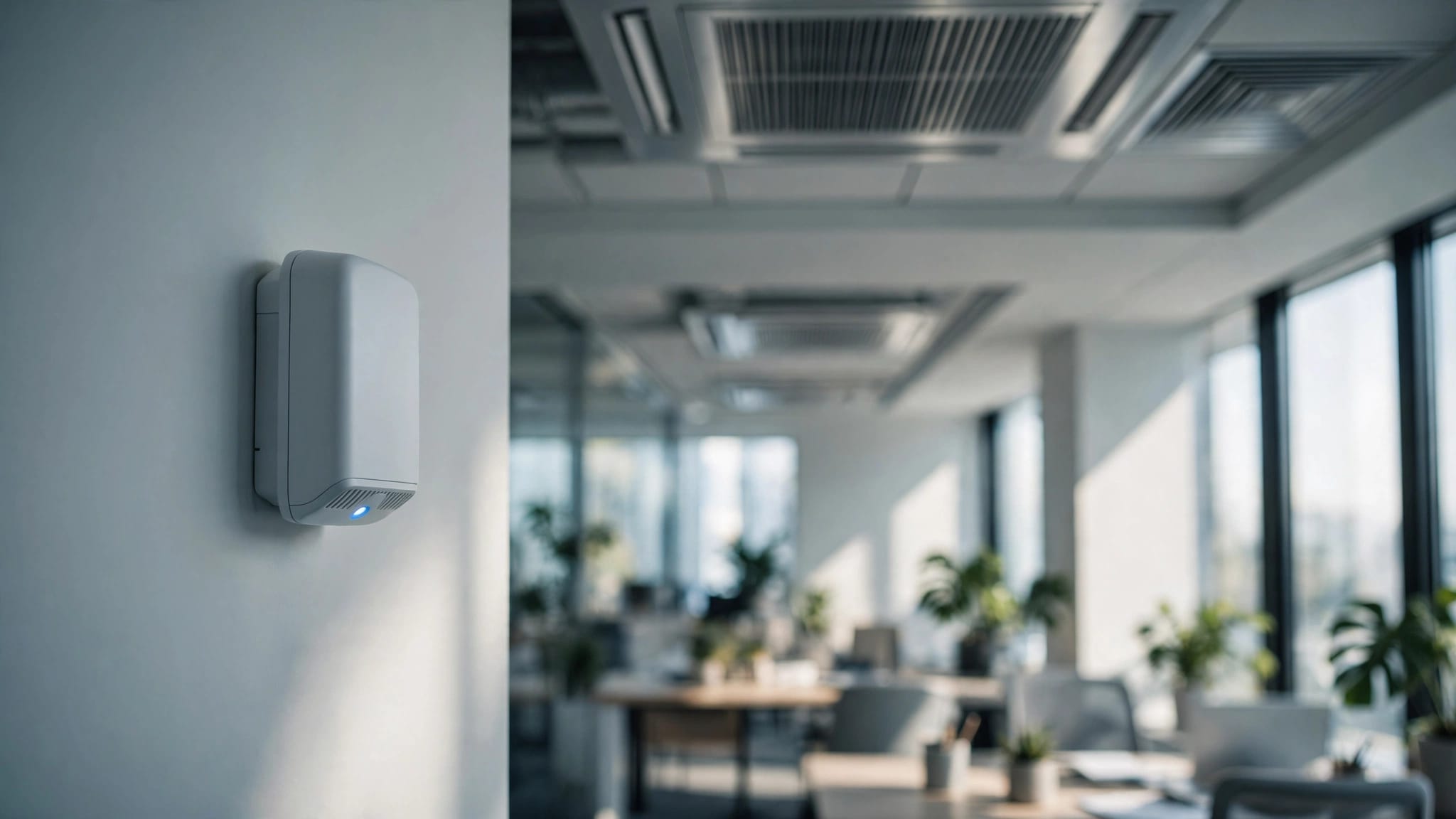
A carbon dioxide monitor can offer clues about ventilation in occupied rooms. However, a single reading doesn't measure every indoor pollutant. Our guide to indoor air quality and carbon dioxide explains what those readings can and can't tell you.
The building envelope
Windows, doors, insulation, and air leaks affect how outdoor air enters a home. A tight home can benefit from a planned approach to ventilation rather than relying on unpredictable leakage.
Air leaks also matter in humid weather. Gaps around the building or leaks in attic ductwork can introduce warm, damp air that the cooling system must handle.
Why Florida Humidity Matters
Outdoor air brings moisture with it, particularly during Southwest Florida's humid weather. An air conditioner removes some moisture as air passes over its indoor cooling coil, but its primary job is to meet the thermostat's temperature setting.
That difference matters on a mild, rainy day. Your home may feel damp even when the thermostat doesn't call for much cooling. An oversized AC can also reach its temperature setting quickly and shut off before it has removed enough moisture.
For Cape Coral homes, our general guidance is to maintain indoor relative humidity between 45% and 55% , and below 60% whenever possible. A hygrometer gives you a humidity reading that the thermostat alone may not show. See our advice on indoor humidity levels in Cape Coral for more ways to track moisture.
Persistent dampness also calls for a look beyond the HVAC equipment. Roof leaks, plumbing leaks, and water intrusion need their own repairs.
How Existing HVAC Equipment Affects Your Options
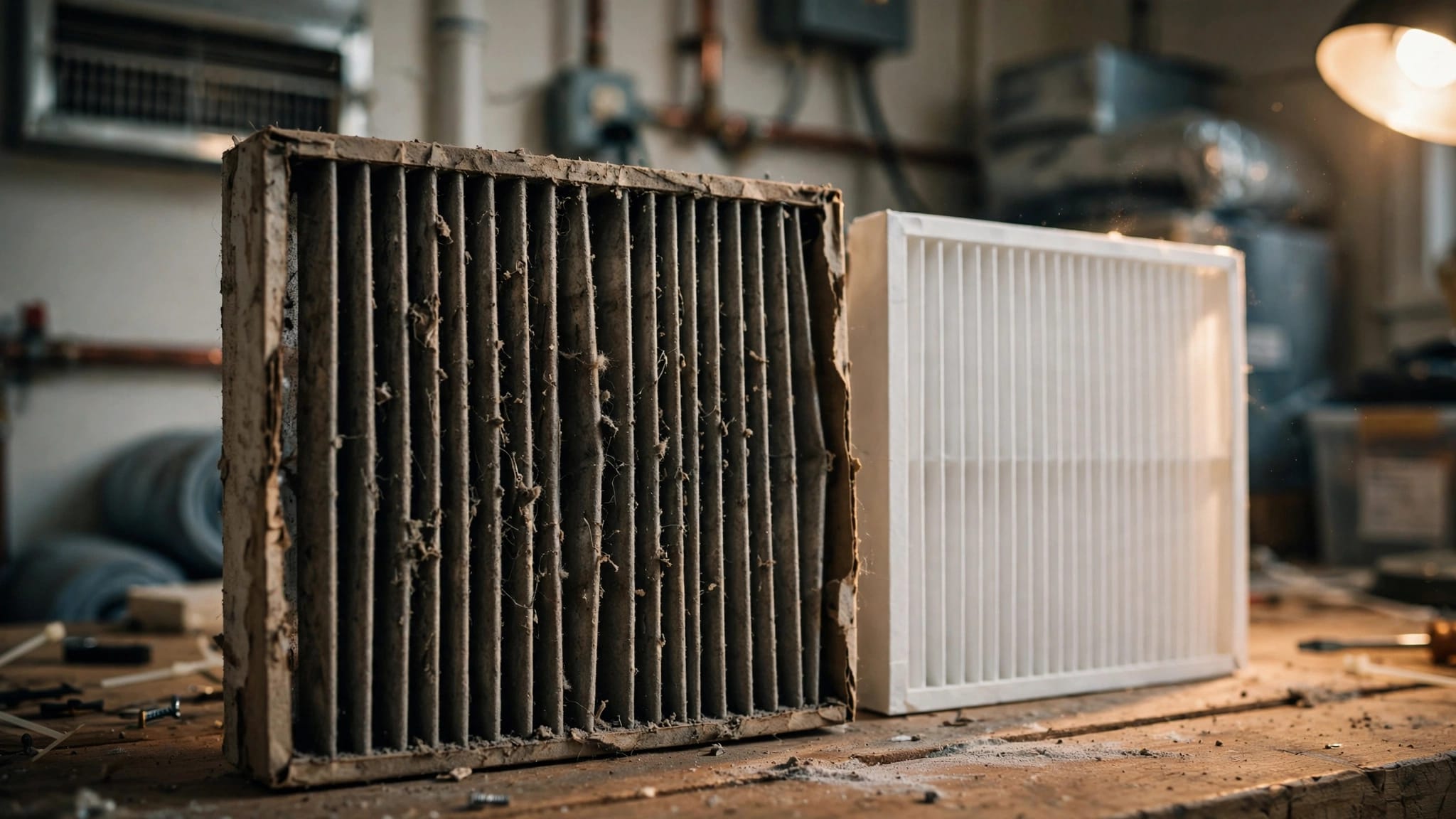
Many residential air conditioners circulate indoor air through the system. The indoor coil cools that air and removes some moisture, while the ductwork distributes it back to the rooms. A standard AC filter can capture particles, but it doesn't remove carbon dioxide.
Ducts and airflow
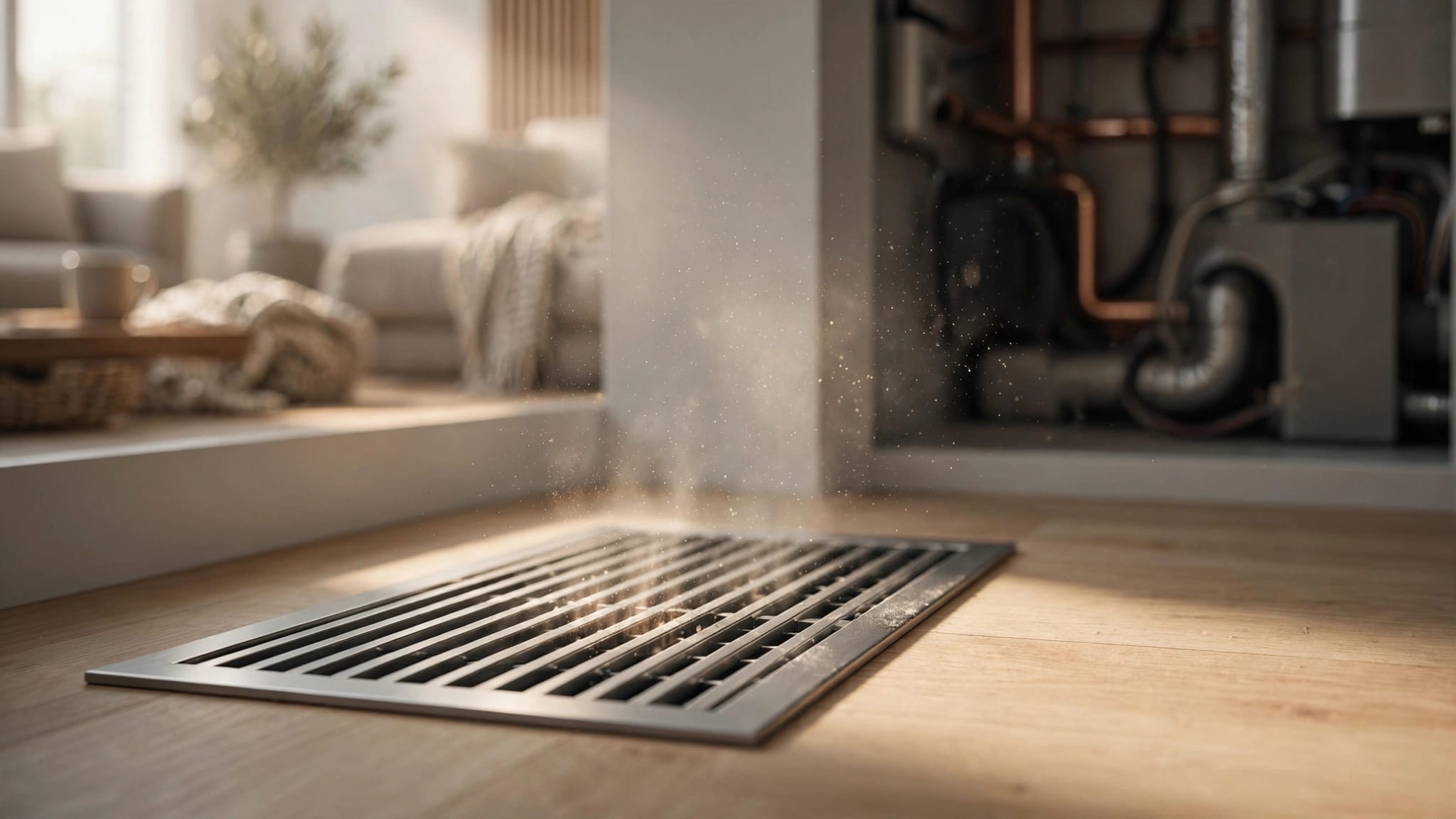
Existing ducts may be reusable, but their condition and layout matter. Leaks, damaged insulation, restricted airflow, or inadequate return paths can contribute to comfort problems. Closed bedroom doors can also limit circulation when air has no effective path back to the air handler.
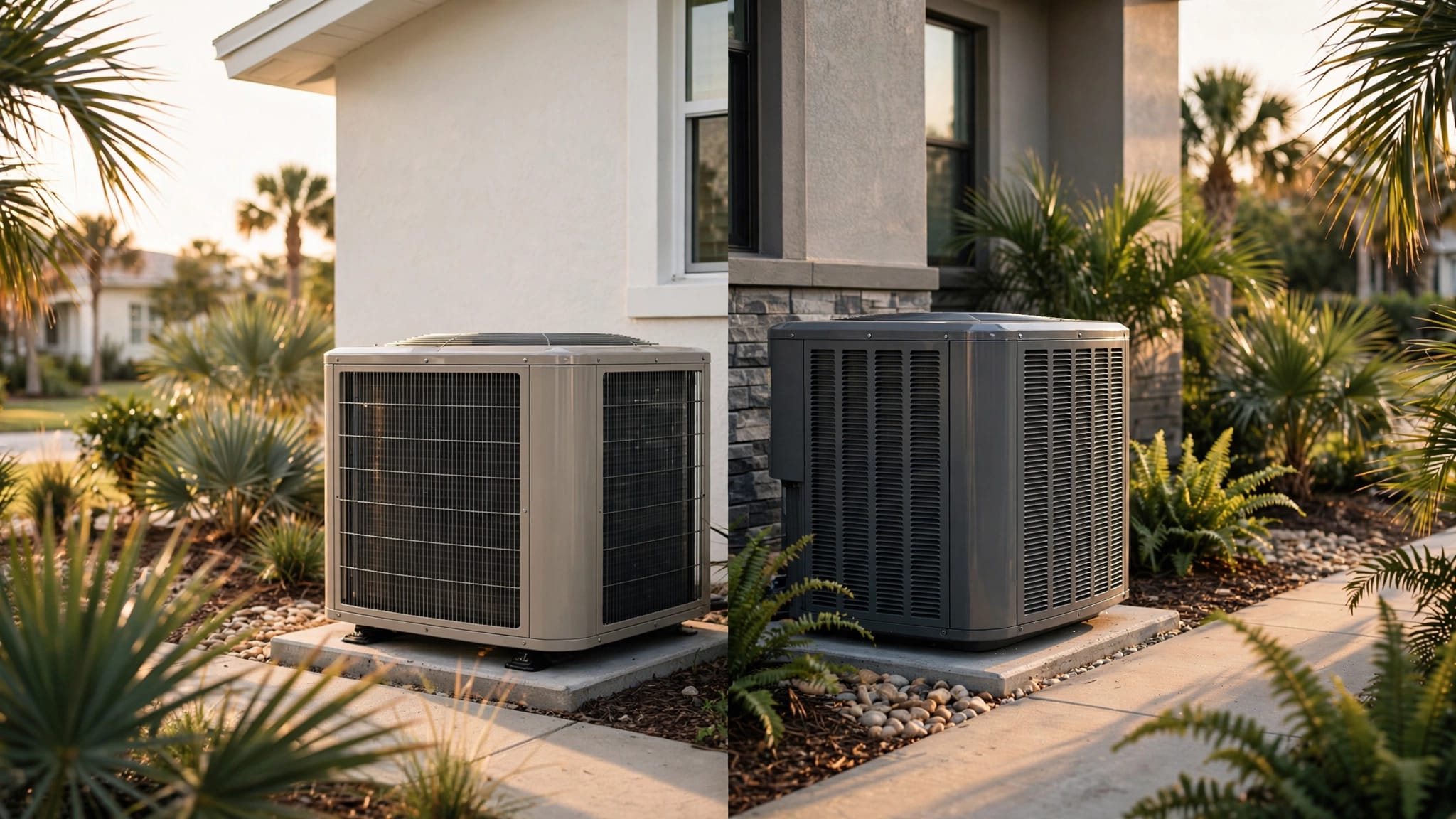
During an AC replacement, proper duct design helps connect equipment selection to the airflow each room needs. Replacing the outdoor unit alone won't correct a duct problem.
Space, drainage, and controls
Any added equipment needs a suitable location and access for service. In a Florida attic, limited space can make duct changes or drain routing more difficult.
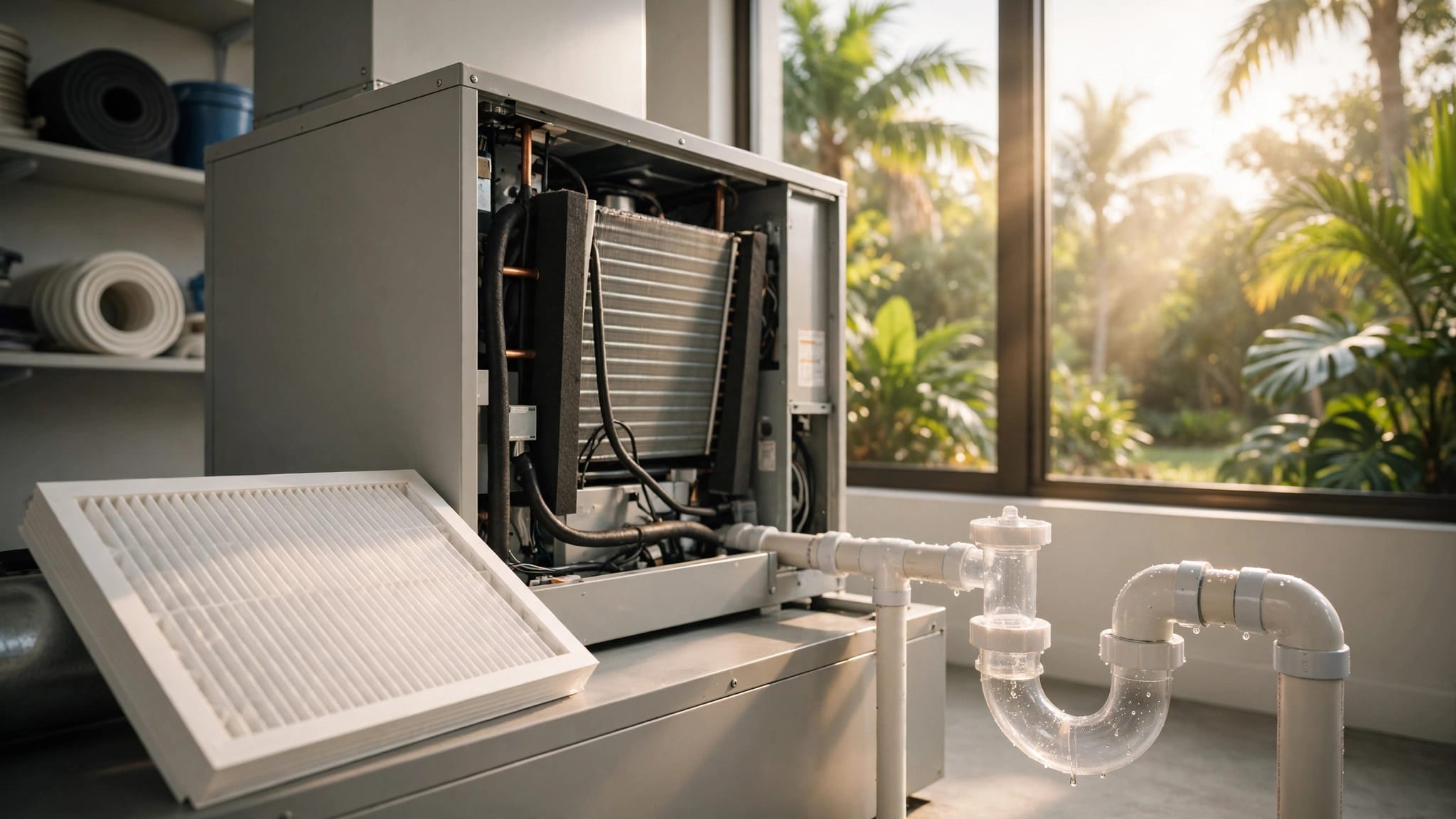
Equipment that removes moisture also needs a reliable condensate drain. Controls should coordinate with the existing blower and other equipment so that the system operates as intended.
Other Ways to Address Fresh Air and Humidity
A dedicated outdoor air system is one option within a broader ventilation plan. For a home, the choice depends on the source of the problem as well as the existing equipment.
An energy recovery ventilator, or ERV, exchanges indoor and outdoor air while transferring some heat and moisture. In a humid climate, that moisture transfer can be helpful, although it doesn't correct every humidity issue. Our comparison of ERV and HRV systems for Florida homes covers the differences.
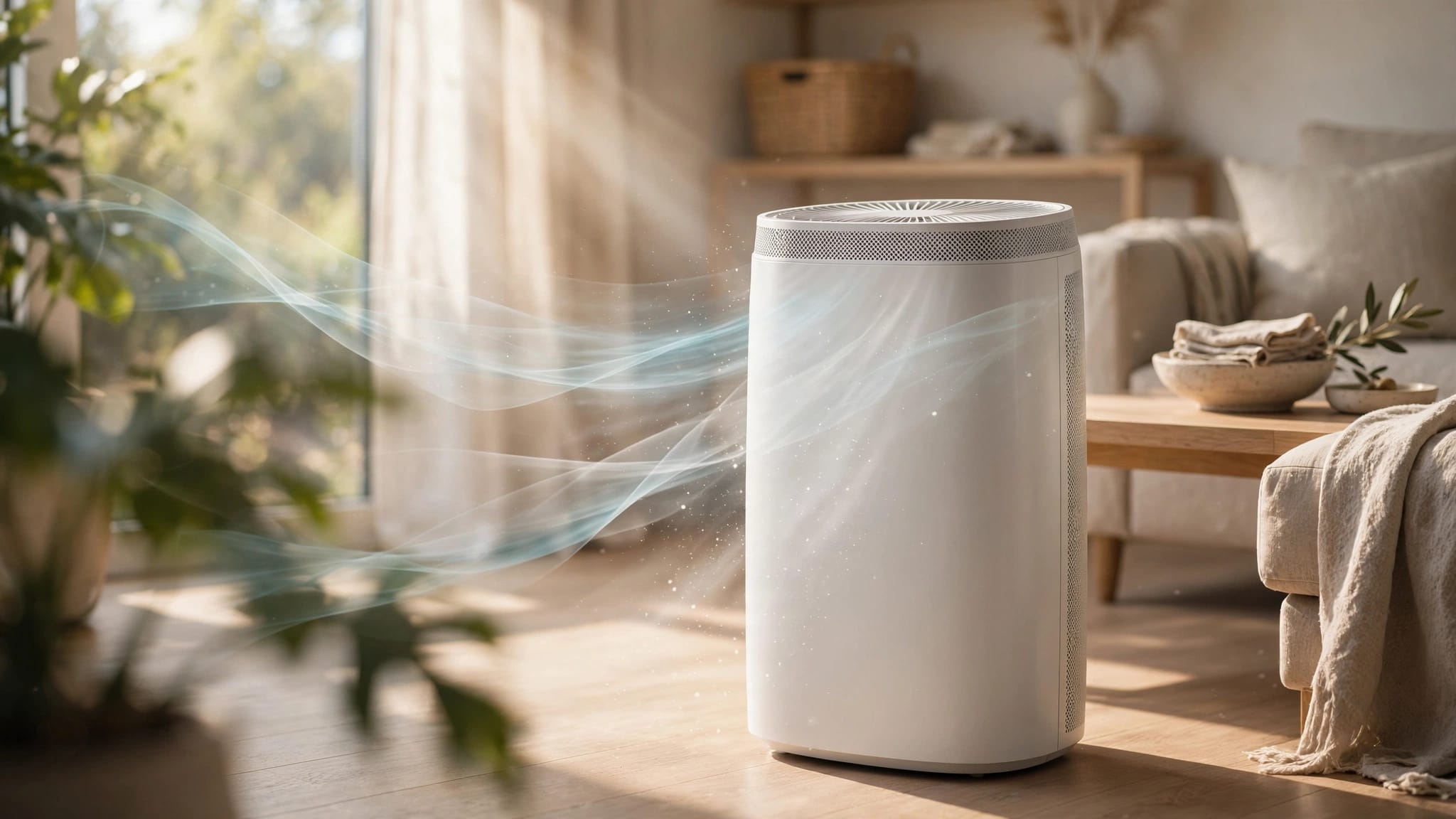
If the home has enough ventilation but remains damp, a whole-home dehumidifier may address the moisture problem. It doesn't replace outdoor-air ventilation or fix a roof or plumbing leak. A diagnosis helps separate those issues before equipment is selected.
What to Include in a Proposal
A useful HVAC proposal covers the work around the equipment as well as the equipment itself. The written scope should identify any duct changes, condensate drainage, electrical work, controls, permits, and startup testing.
For an AC replacement, a room-by-room Manual J load calculation gives the contractor a basis for selecting equipment. The proposal should also explain whether existing ducts will be reused or changed and how airflow will be measured after installation.
Comparing that scope helps you see what each proposal includes. It also makes it easier to identify work that may need to be addressed separately.
Frequently Asked Questions
Does running the AC fan bring in outdoor air?
In many homes, running the AC fan circulates indoor air through the ducts. It doesn't necessarily bring in outdoor air.
Can a dehumidifier replace ventilation?
A dehumidifier removes moisture from the air it treats. It doesn't provide the outdoor-air exchange needed for ventilation.
Plan for Fresh Air and Humidity Together
A comfortable home needs attention to both ventilation and moisture. In Southwest Florida, the existing AC, ductwork, and sources of dampness all belong in that assessment.
If your home feels humid or has airflow concerns, Contact Us to schedule a service call. We can help you address your heating, cooling, and indoor-air concerns.