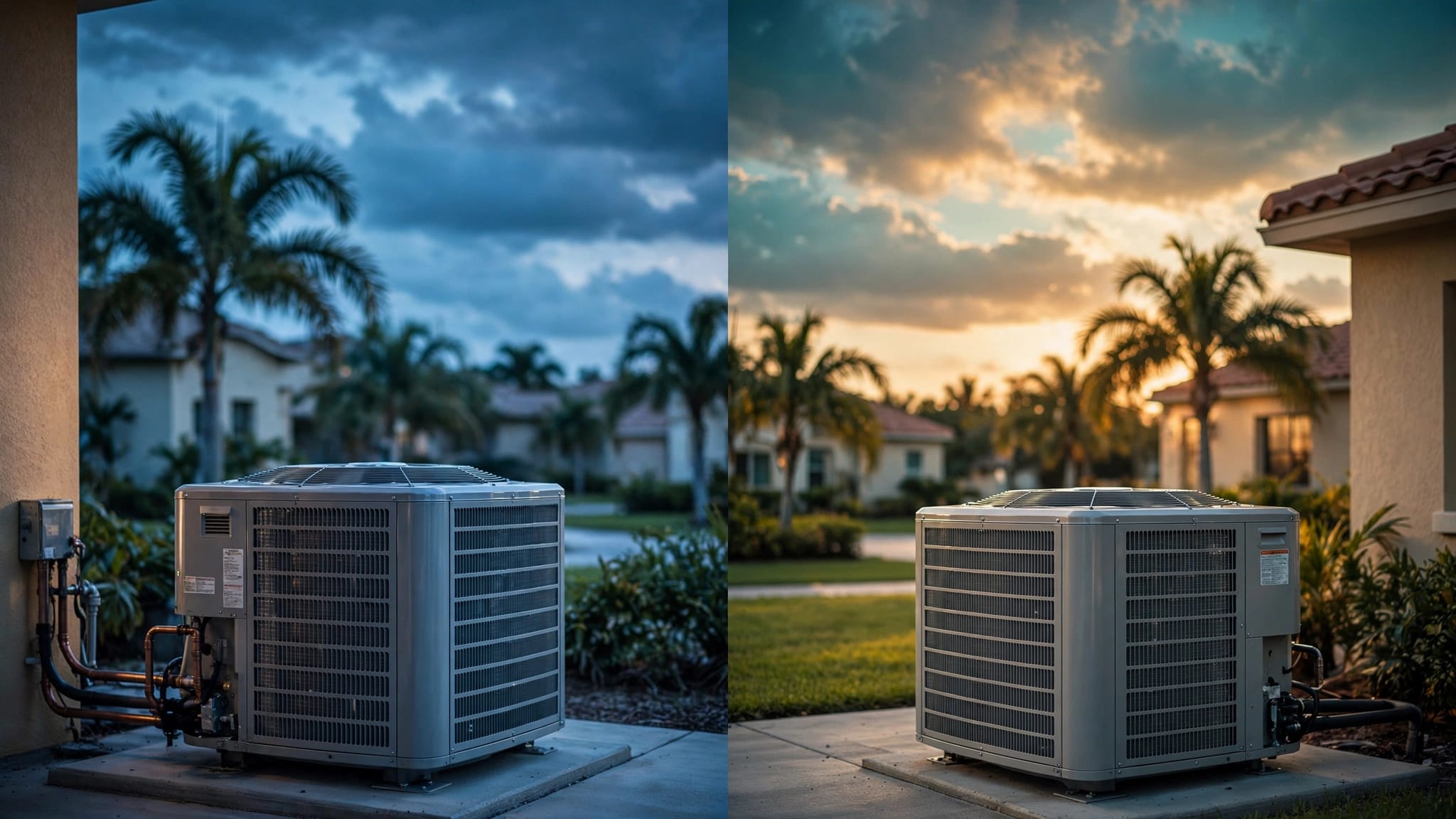
A heat pump can cool your Florida home for months, but its heating performance still matters during cooler weather. The HSPF2 heat pump rating shows how efficiently the system produces heat across a standardized heating season.
Unlike a simple efficiency score measured at one temperature, HSPF2 reflects seasonal operation under laboratory conditions. It can help you compare equipment, but your actual results will also depend on electricity rates, system sizing, ductwork, thermostat settings, and installation quality.
Key Takeaways
- HSPF2 measures seasonal heating efficiency in Btu per watt-hour.
- The rating comes from the newer DOE Appendix M1 test procedure.
- A higher HSPF2 rating indicates better tested heating efficiency, but it doesn't guarantee a specific bill reduction.
- Florida homeowners should compare HSPF2 with SEER2, which measures cooling efficiency.
- Correct sizing, airflow, duct condition, and backup heat use can affect real-world performance more than a small rating difference.
- The reported minimums are 7.5 HSPF2 for split-system residential heat pumps and 6.7 HSPF2 for single-package systems.
How to Read an HSPF2 Heat Pump Rating
HSPF2 is short for Heating Seasonal Performance Factor 2. It estimates how much heat a heat pump delivers during the DOE Region IV heating season compared with the electricity it uses.
What the HSPF2 number measures
The calculation divides total seasonal heating output by total electrical consumption. The result is expressed in Btu per watt-hour. A higher number means the equipment delivered more tested heat for each unit of electricity.
The rating is useful because a heat pump does not operate at one fixed outdoor temperature. Its heating load changes as outdoor conditions rise and fall. HSPF2 provides one seasonal figure that helps you compare similar systems.
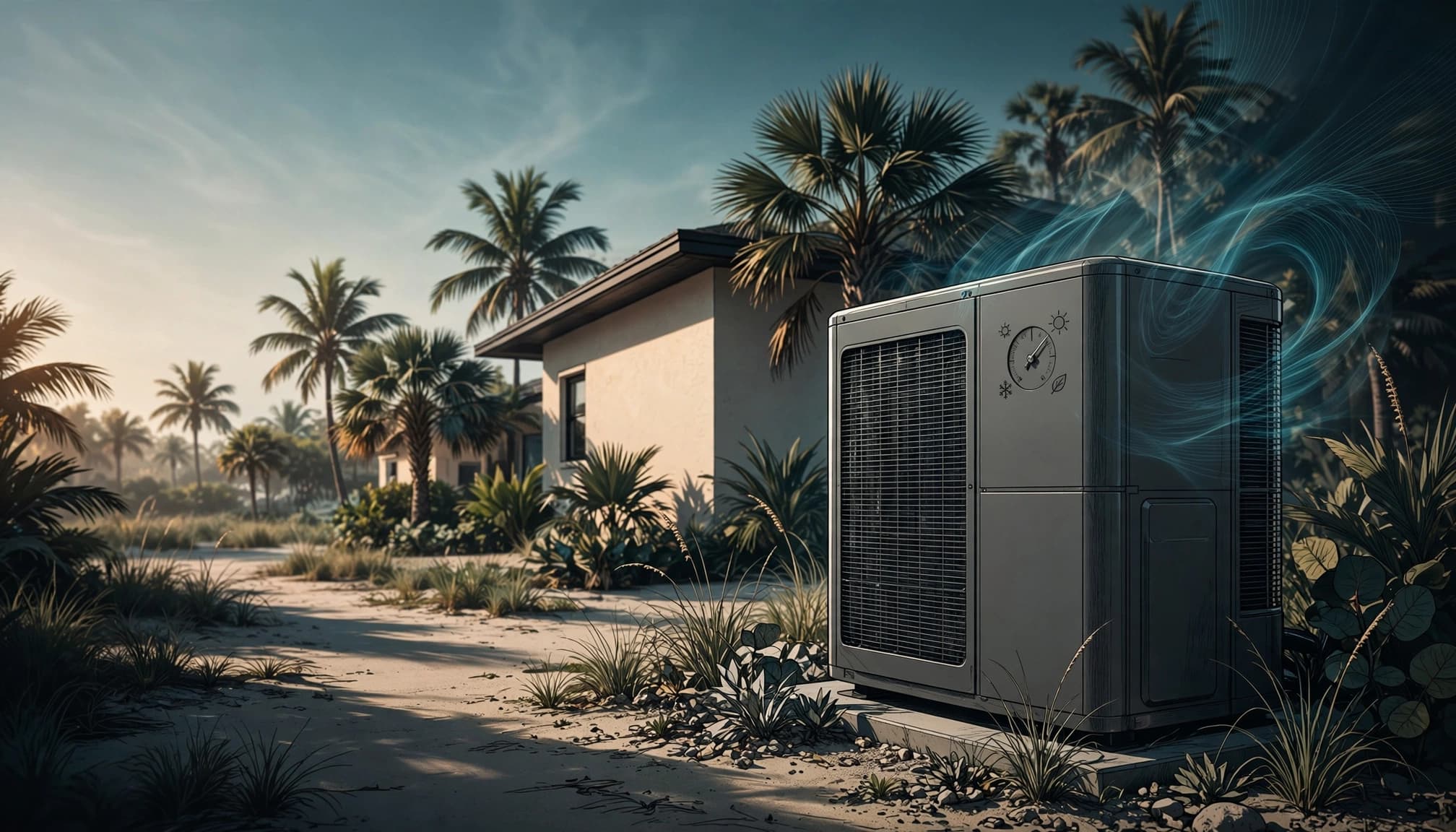
However, HSPF2 is not an annual utility-bill prediction. The test season and operating assumptions won't match every Florida home. Your system may run less often, use more backup heat, or face different humidity and temperature conditions.
HSPF2 is different from older HSPF
The "2" matters. HSPF2 uses the updated Appendix M1 testing procedure, while the older HSPF rating came from Appendix M. Because the test methods differ, don't compare an old HSPF number with an HSPF2 number as if they were identical.
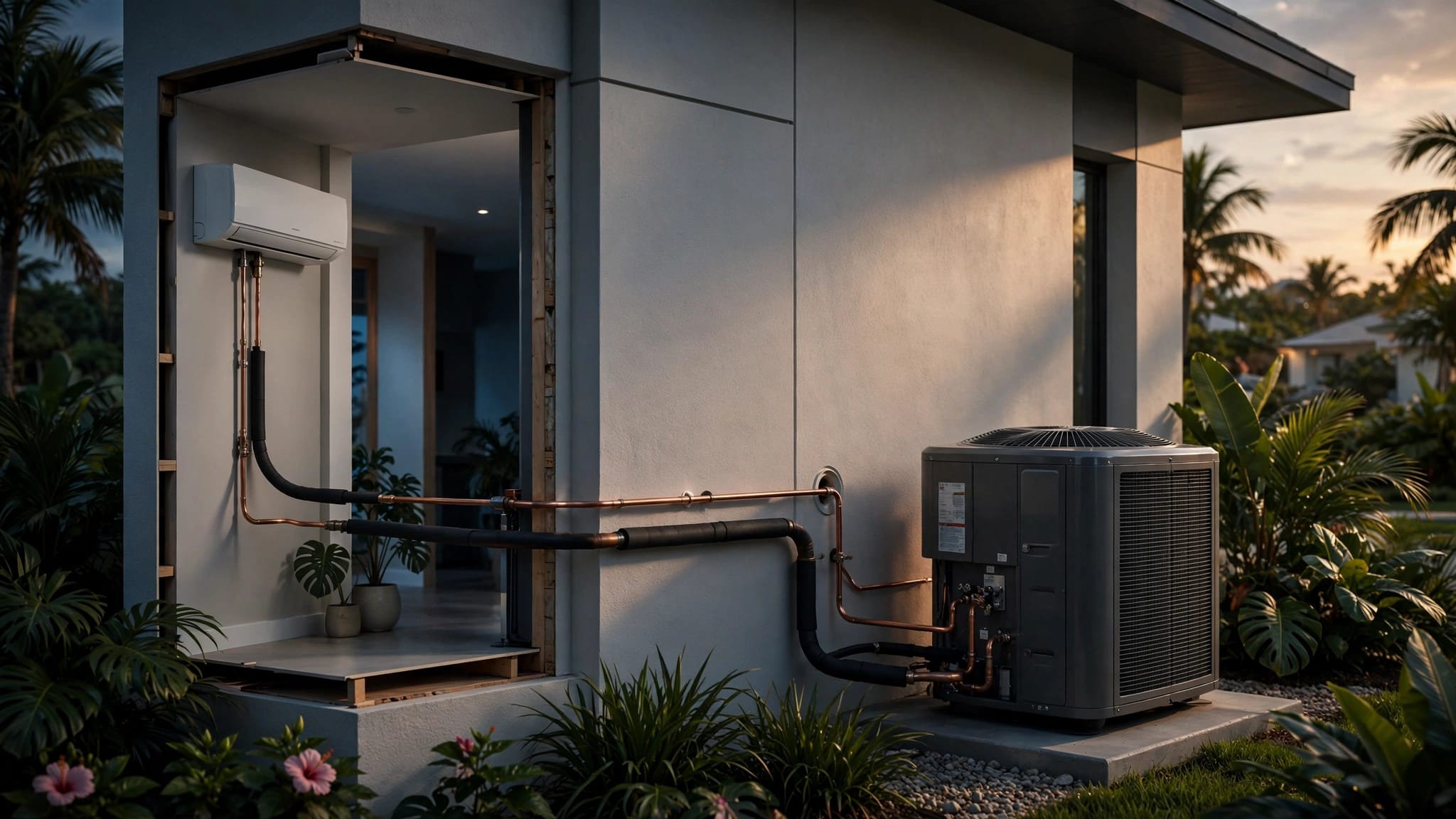
When reviewing a replacement proposal, confirm that the ratings belong to the complete matched system. The outdoor unit, indoor coil, blower, and controls work together to produce the published result.
Why HSPF2 Matters in Florida
Florida is a cooling-dominated state, but heat pumps still provide useful heating during cool mornings and winter weather. HSPF2 helps show how efficiently the system handles that heating demand.
Heating efficiency is only part of the decision
An HSPF2 heat pump with a stronger rating may use less electricity during heating operation under comparable conditions. That advantage matters most when your home uses the heat pump regularly in winter or during extended cool periods.
Still, many Southwest Florida homes spend far more time cooling than heating. A rating that looks excellent on the heating side may not be the best overall choice if its cooling performance, humidity control, or installation doesn't fit the home.
Compare HSPF2 with SEER2
SEER2 measures average cooling efficiency across a cooling season. EER2 measures performance at a fixed, high-load condition, which can be useful during intense afternoon heat.
For Florida homeowners, SEER2 often deserves significant attention because air conditioning runs for much of the year. You can review how to compare SEER2 ratings in Cape Coral when evaluating the cooling side of a heat-pump replacement.
A balanced comparison considers HSPF2 for heating, SEER2 for seasonal cooling, and EER2 for demanding peak conditions.
Comparing HSPF2 Values Without Overpaying
A rating comparison works best when you compare similar systems with similar capacities and certified matched components.
Know the baseline
The reported federal minimum is 7.5 HSPF2 for split-system residential heat pumps. Single-package heat pumps have a reported minimum of 6.7 HSPF2. These figures provide a reference point, not a promise about what every Florida home should purchase.
A model above the minimum has a higher tested heating-efficiency rating. Yet the difference between two nearby ratings may matter less than proper sizing, reliable airflow, and how often your household runs heating equipment.
Is a higher HSPF2 rating worth the added cost?
Sometimes, but not always. A higher rating is more likely to make financial sense when you heat often, pay a higher electric rate, expect to keep the system for many years, or have a home where heating demand is significant.
The added cost may be harder to justify when heating use is limited and the higher-rated system also requires expensive electrical, ductwork, or control changes. Ask for equipment options at different efficiency levels and compare the complete installed price.
No universal savings figure applies to every Florida home. Local utility rates, thermostat settings, heating runtime, system capacity, and auxiliary electric heat all affect the outcome.
Installation Quality Changes Real-World Efficiency
Published ratings assume a properly matched and correctly installed system. Problems in the home or installation can keep an efficient heat pump from reaching its expected performance.
Sizing and ductwork affect comfort
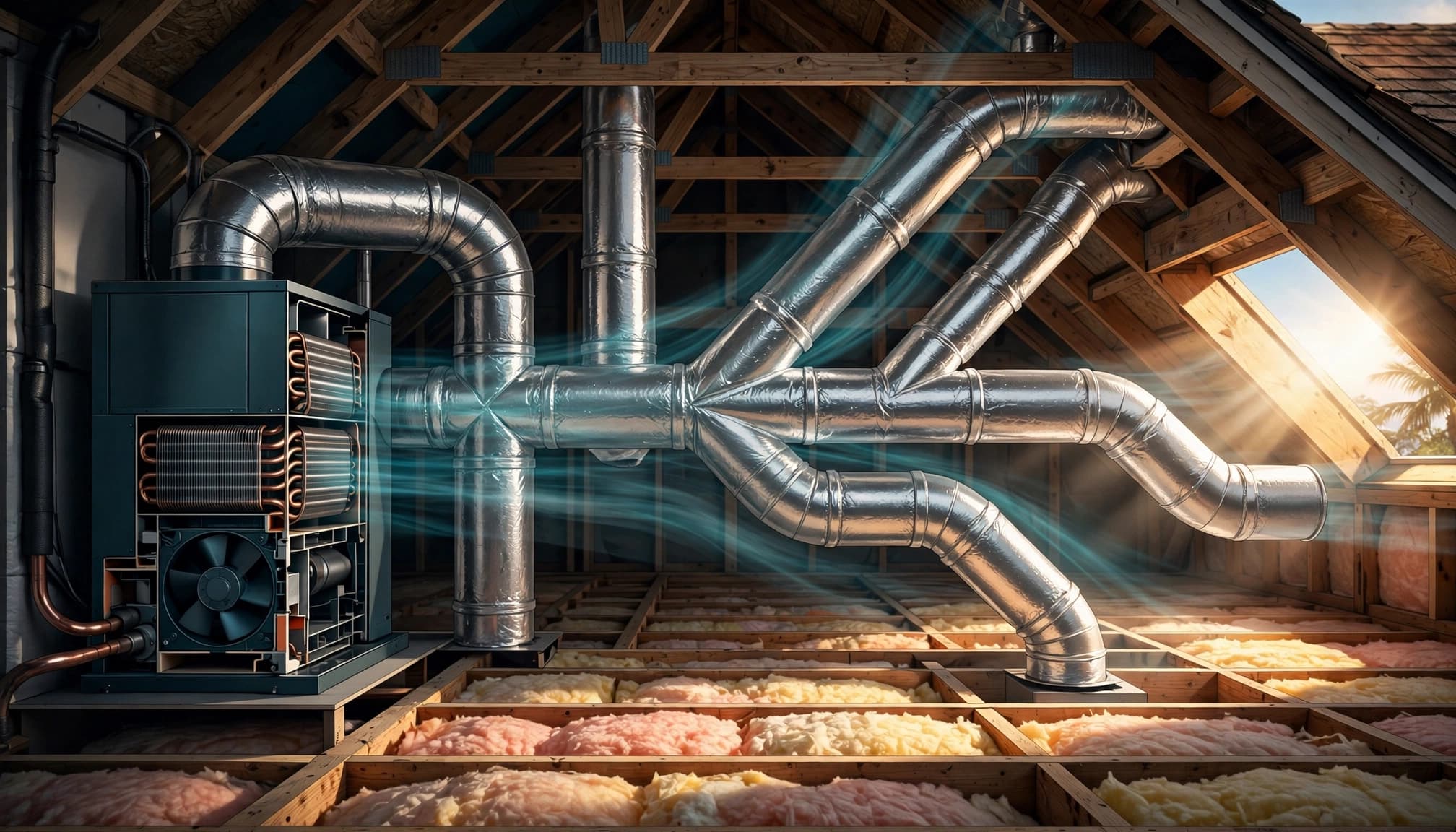
An oversized system may cycle too quickly during cooling and remove less moisture. An undersized system may run for long periods without maintaining the set temperature. Both conditions can increase operating strain.
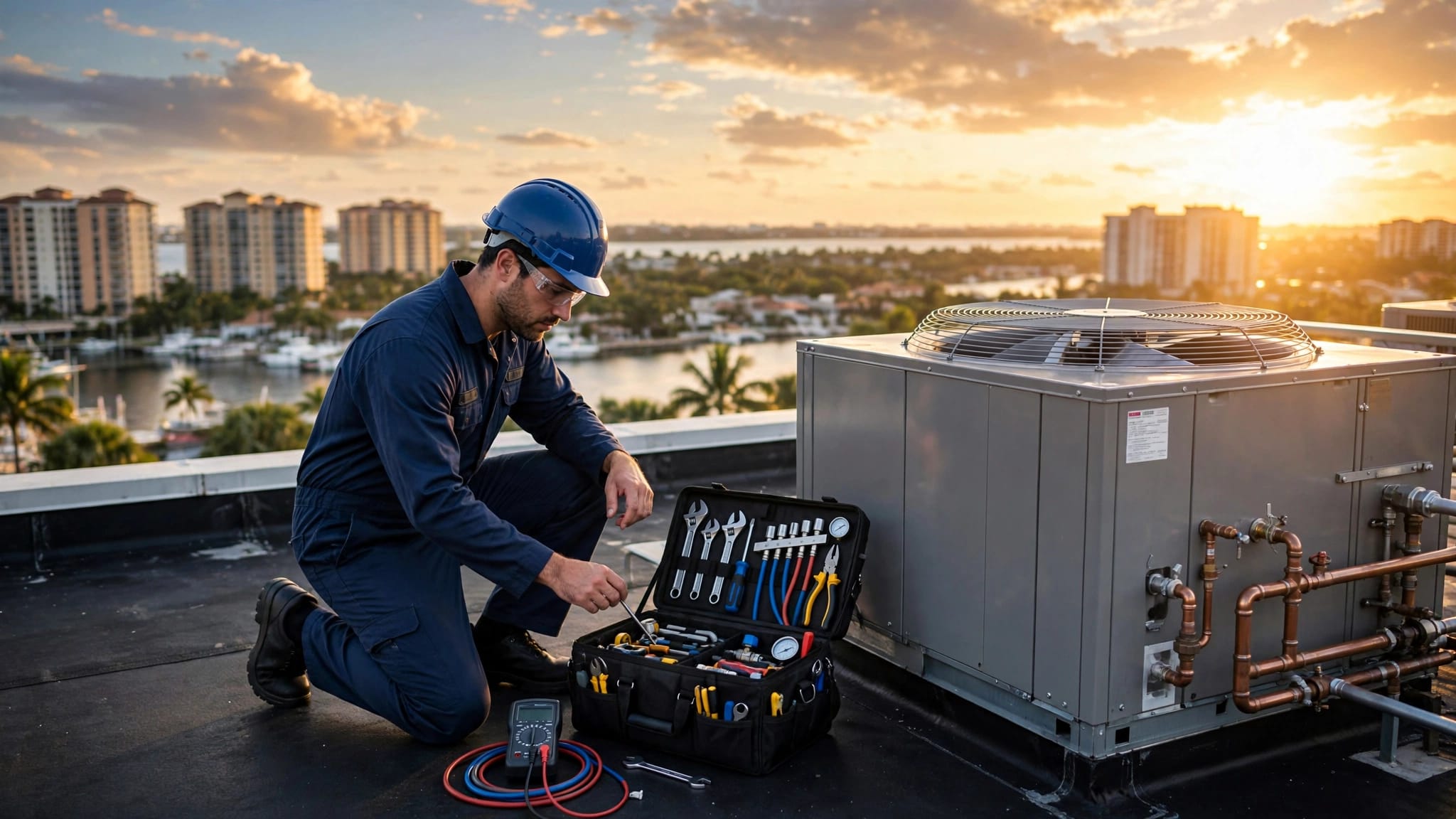
Leaky ducts, restricted airflow, dirty coils, and incorrect refrigerant charge can also reduce capacity and efficiency. A proper load calculation and equipment selection process gives the contractor a better basis for choosing the system.
For more detail, review Manual S equipment selection for Florida homes before approving a replacement.
Controls and backup heat matter
Heat pumps may use auxiliary electric resistance heat when outdoor conditions or indoor demand call for it. Resistance heat can consume substantially more electricity than normal heat-pump operation, so control settings and system condition matter.
Thermostat settings, defrost operation, filter condition, and maintenance also affect runtime. Coastal air can add stress to outdoor components, making regular inspections useful in Cape Coral and nearby communities.
HSPF2 Heat Pump FAQ
Does HSPF2 predict my electric bill?
No. HSPF2 is a standardized seasonal test result. Your bill depends on electricity rates, weather, thermostat settings, home insulation, equipment sizing, duct performance, and backup heat use.
Should Florida homeowners focus more on HSPF2 or SEER2?
That depends on how the home operates. Since Florida homes usually cool for much longer than they heat, SEER2 often carries more weight. HSPF2 still matters when comparing heat pumps that will provide regular winter heating.
What should a replacement quote include?
Ask for the complete model numbers, matched indoor and outdoor components, HSPF2 and SEER2 ratings, capacity, installation scope, warranty details, ductwork changes, and permit responsibilities. If the proposal is unclear, Contact Us to schedule a professional evaluation.
Choosing the Right Heat Pump for Your Florida Home
HSPF2 gives you a useful way to compare heating efficiency, but it shouldn't make the decision by itself. Look at the complete system, including cooling performance, size, ductwork, controls, installation quality, and expected heating use.
A higher rating can help, yet the best value is the system that matches your home and operates correctly. In Florida, careful equipment selection matters more than choosing the biggest number on the label.