Your heat pump's O/B thermostat setting needs to match the equipment for heating and cooling to work as expected. If it's configured incorrectly, your system may deliver warm air when you want cooling or cool air when you want heat.
That can be confusing after a thermostat replacement, especially if the fan and outdoor unit still run. Understanding how the reversing valve works can help you recognize when the thermostat setup deserves attention.
Heat Pump O/B Wire and Thermostat Setup
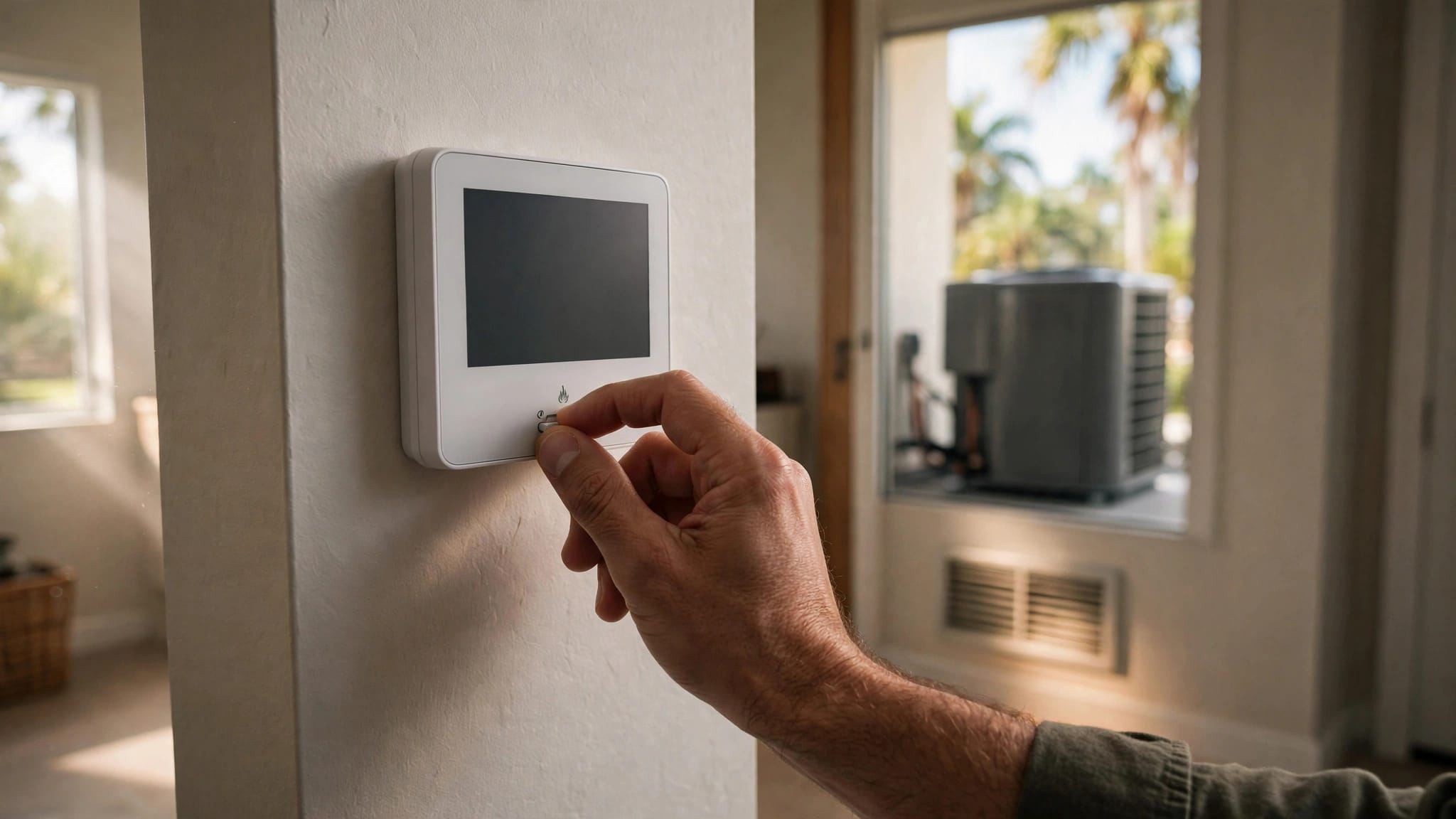
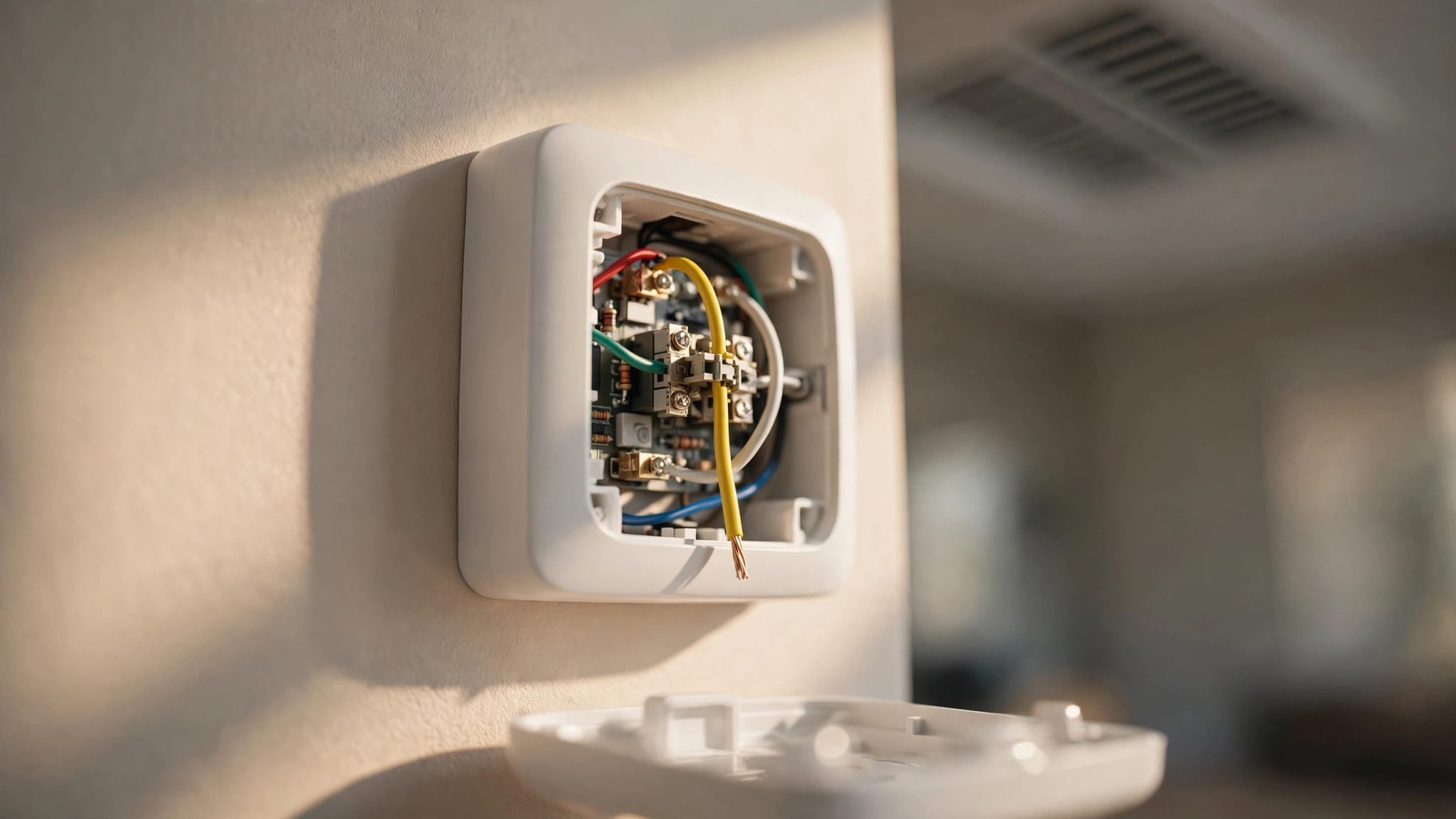
The heat pump O/B wire is part of the system's thermostat control setup. The thermostat's O/B setting needs to match the heat pump's reversing-valve controls.
If the setting doesn't match the equipment, the system may run in the opposite mode from the one you selected. The issue can appear after a new thermostat is installed or its setup is changed.
A heat pump also needs a thermostat that supports its heating and cooling functions. Some systems need controls for auxiliary heat or emergency heat, too. Our guide to heat pump thermostat compatibility explains why a replacement needs to suit the equipment.
How the Reversing Valve Switches Modes
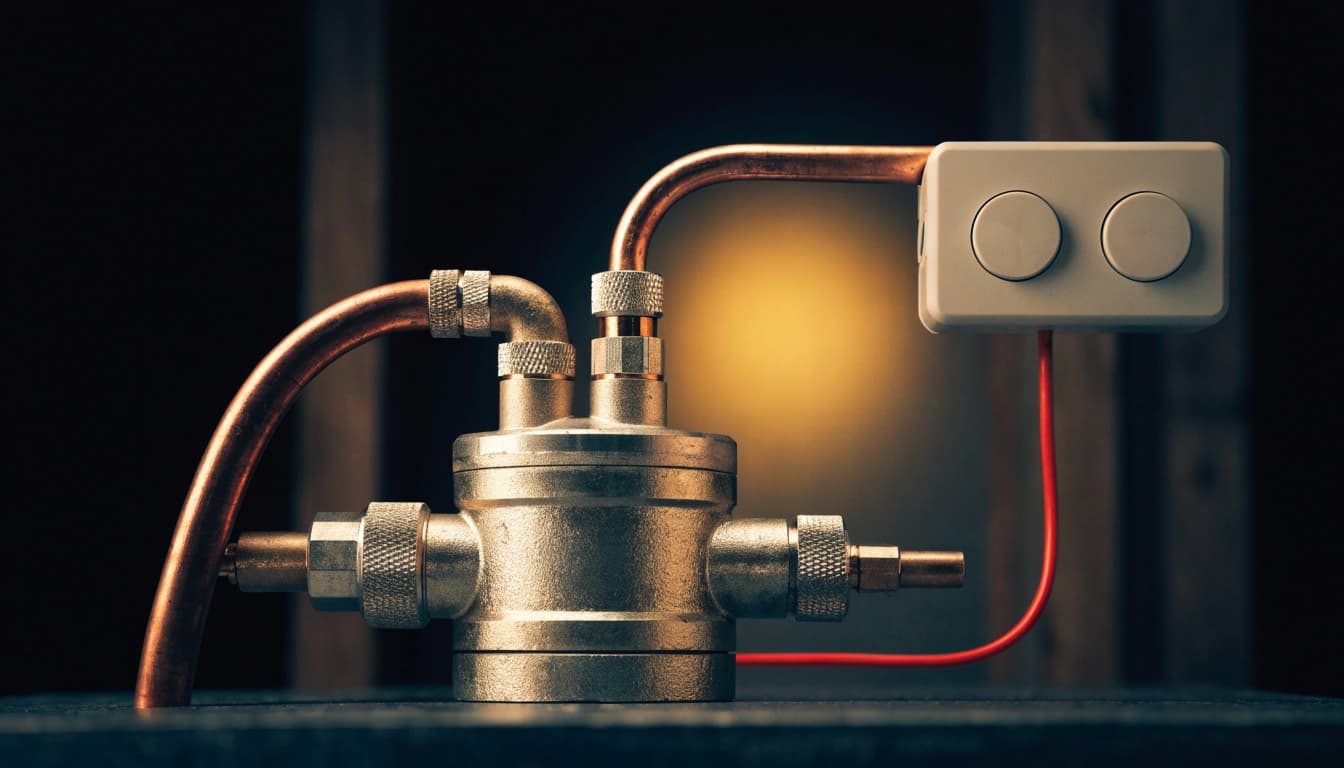
A heat pump moves heat between your home and the outdoors. Its reversing valve changes the direction of refrigerant flow so the same equipment can provide cooling and heating.
Cooling removes heat from your home
In cooling mode, the indoor coil absorbs heat from indoor air. Refrigerant carries that heat to the outdoor unit, where the system releases it.
The indoor blower then circulates the cooled air through your home. The system runs until the thermostat's cooling demand is satisfied or another control stops it.
Heating moves heat indoors
In heating mode, the valve changes the refrigerant flow. The outdoor coil collects heat from outside air, and the indoor coil releases that heat into your home.
The reversing valve is usually a four-way component connected to the refrigerant lines. A small solenoid coil controls its position. If the valve or its controls develop a problem, the system may have trouble changing modes.
Signs the O/B Setting May Be Wrong
The clearest clue is a system that appears to do the opposite of what the thermostat requests. A setup problem is especially worth considering if the behavior started immediately after a thermostat change.
The air temperature doesn't match the mode
In Cool mode, your home may get warmer instead of cooler. In Heat mode, the air may remain cool while the room temperature falls.
Allow the system time to start and run before judging its performance. Also, watch the room temperature rather than relying only on how the air feels against your hand. Heat pump air can feel less hot than air from some other heating systems.
The system runs but misses the target
A heat pump with an incorrect setting may continue running without reaching the selected temperature. You might notice longer run times or a growing difference between the room temperature and the thermostat setting.
These symptoms aren't proof of an O/B problem. Airflow restrictions, refrigerant issues, a control fault, or a problem with the reversing valve can cause similar results.
How to Identify the Right Thermostat Setting
If your old thermostat operated both heating and cooling correctly, its saved heat pump setup can give an installer a useful starting point. Keep any records of that setup when you replace the thermostat.
When the previous setting isn't available, or the equipment has changed, an HVAC technician can determine the appropriate configuration for your system. That's also a good time to address unusual controls or a thermostat that doesn't support the heat pump's features.
Once the setup is complete, both heating and cooling should be tested. A successful cooling cycle alone doesn't show how the system will perform when you need heat.
Other Reasons a Heat Pump May Blow Cool Air
Before assuming the thermostat setup is wrong, consider what the system is doing and how long the symptom lasts. A temporary change in vent temperature can have a different cause than a home that keeps losing heat.
Defrost can change vent temperatures briefly
A heat pump can enter defrost mode to clear frost from its outdoor coil. During that cycle, the air at the vents may feel cooler before normal heating resumes.
Some systems use auxiliary heat to reduce the change in indoor comfort. Our article on heat pump defrost mode explains what homeowners may notice during a cycle.
Airflow and equipment problems can look similar
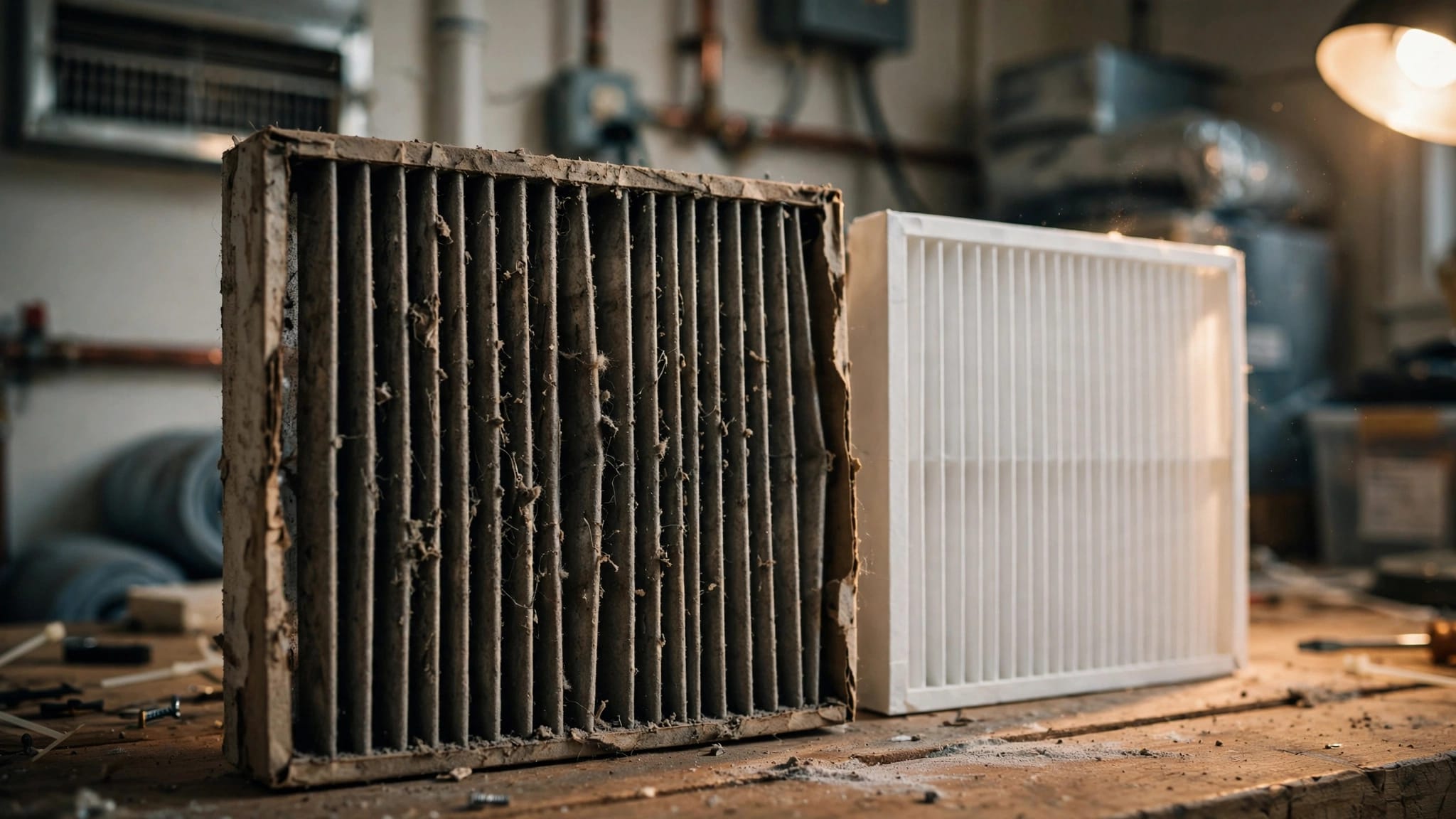
A dirty filter or blocked register can affect airflow. A compressor, outdoor fan, refrigerant, or control problem can also prevent the heat pump from heating properly.
For a safe first step, set the fan to Auto and select Heat with a target above the displayed room temperature. With the system off, inspect the accessible filter and replace it if it's dirty. Leave equipment cabinets closed and electrical or refrigerant testing to a technician.
When to Schedule Heat Pump Service
Schedule service if the system continues blowing the wrong-temperature air, the room isn't reaching its setting, or the problem began after a thermostat replacement. Tell the technician when you first noticed it and whether it affects heating, cooling, or both.
A diagnosis matters before replacing parts. A thermostat issue and a reversing valve problem can produce similar symptoms, but they don't call for the same repair.
If you need help in Southwest Florida, Contact Us to schedule a service call. We also offer 24/7 emergency service.
Keep Your Heat Pump in the Right Mode
The O/B setting is one part of a heat pump thermostat setup. When it doesn't match the equipment, heating and cooling may not work as you expect.
A proper diagnosis can distinguish a setup issue from a valve, airflow, or equipment problem. That gives you a clearer path to restoring comfort without replacing a part based on symptoms alone.