Sensible heat ratio helps explain why an air conditioner can cool your Florida home without making it feel comfortable. It relates to how cooling equipment handles both air temperature and moisture.
That distinction matters when your thermostat reads 73 degrees but your rooms still feel sticky. Understanding temperature and humidity together can help you recognize when your AC needs attention.
What sensible heat ratio tells you about AC performance
Air conditioners have two jobs during a cooling cycle: lowering the temperature and removing some water vapor. Sensible heat ratio, or SHR, is one factor used when considering how equipment will handle those jobs.
Sensible heat affects temperature
Sensible heat is the heat you notice on a thermometer. When your AC pulls warm indoor air across its cold evaporator coil, the air loses heat and its temperature drops.
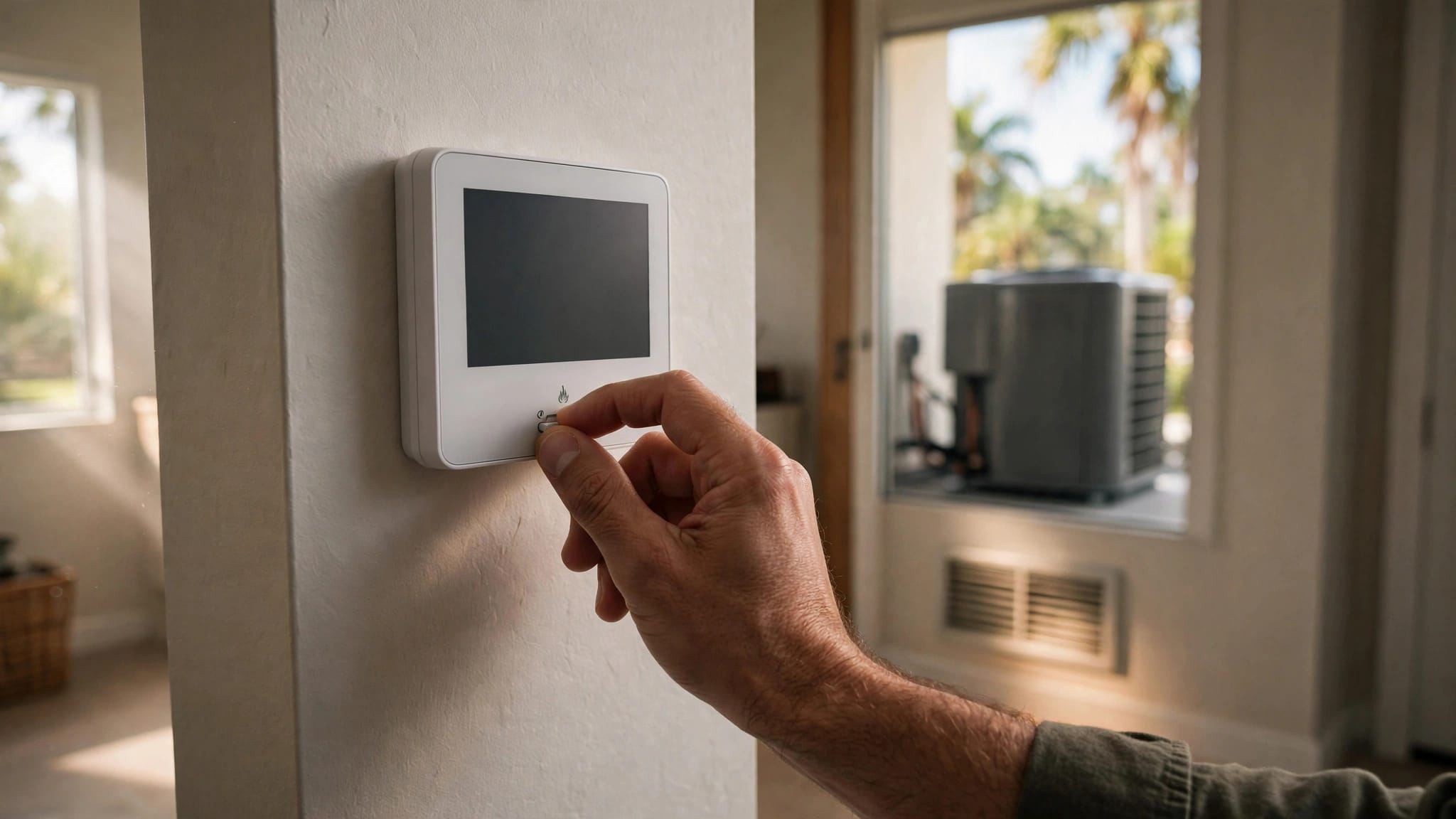
The thermostat responds to that temperature change. Once your home reaches the set point, a conventional system stops cooling, even if the air still feels damp.
Latent heat involves moisture
Latent heat is associated with the water vapor in your indoor air. When the evaporator coil is cold enough, some of that vapor condenses into liquid water and drains away.
This process removes moisture while the AC runs. However, the amount removed depends on conditions such as airflow, coil temperature, runtime and how much moisture enters the home.
Why Florida homes need moisture control
Southwest Florida's hot, humid weather gives air conditioners plenty of work. Moisture can enter through open doors, air leaks and ductwork. Showers, cooking and laundry add water vapor indoors too.
The balance between cooling and moisture removal changes with the weather. On a hot afternoon, the AC may run long enough to remove substantial moisture. During a rainy period with milder temperatures, your home can feel damp even though the thermostat doesn't call for much cooling.
That's why sensible heat ratio is useful in equipment selection, but it doesn't predict comfort by itself. The home's moisture sources, duct condition and equipment operation all affect the result.
How AC runtime and sizing affect humidity
An AC needs enough running time to collect moisture on its indoor coil. The right equipment capacity helps provide that time while still keeping up with Florida heat.
An oversized unit may stop too soon
A unit that's too large can lower the temperature quickly and shut off before it removes enough moisture. You may feel cool air from the vents but notice that bedding or furniture still feels damp.
Frequent short cycles can have other causes, so they don't automatically mean the unit is oversized. Thermostat placement, controls and equipment problems can also affect cycling.
An undersized unit can struggle to cool
A system that's too small may run for long periods and still fall behind on a hot day. Long runtime alone doesn't guarantee comfort if the equipment can't meet the home's cooling needs.
Proper selection starts with a load calculation that considers windows, insulation, shade, ductwork and other features. Manual S equipment selection helps match a system's cooling and moisture-removal capacity to those needs.
Signs your AC may not be controlling humidity
A cool but clammy room is a common clue. Other signs can include:
- Musty odors, especially in closets or rooms with limited airflow.
- Sheets, towels or furnishings that feel damp.
- Condensation on the inside of windows.
- The thermostat reaching its setting while the AC runs in frequent, short cycles.

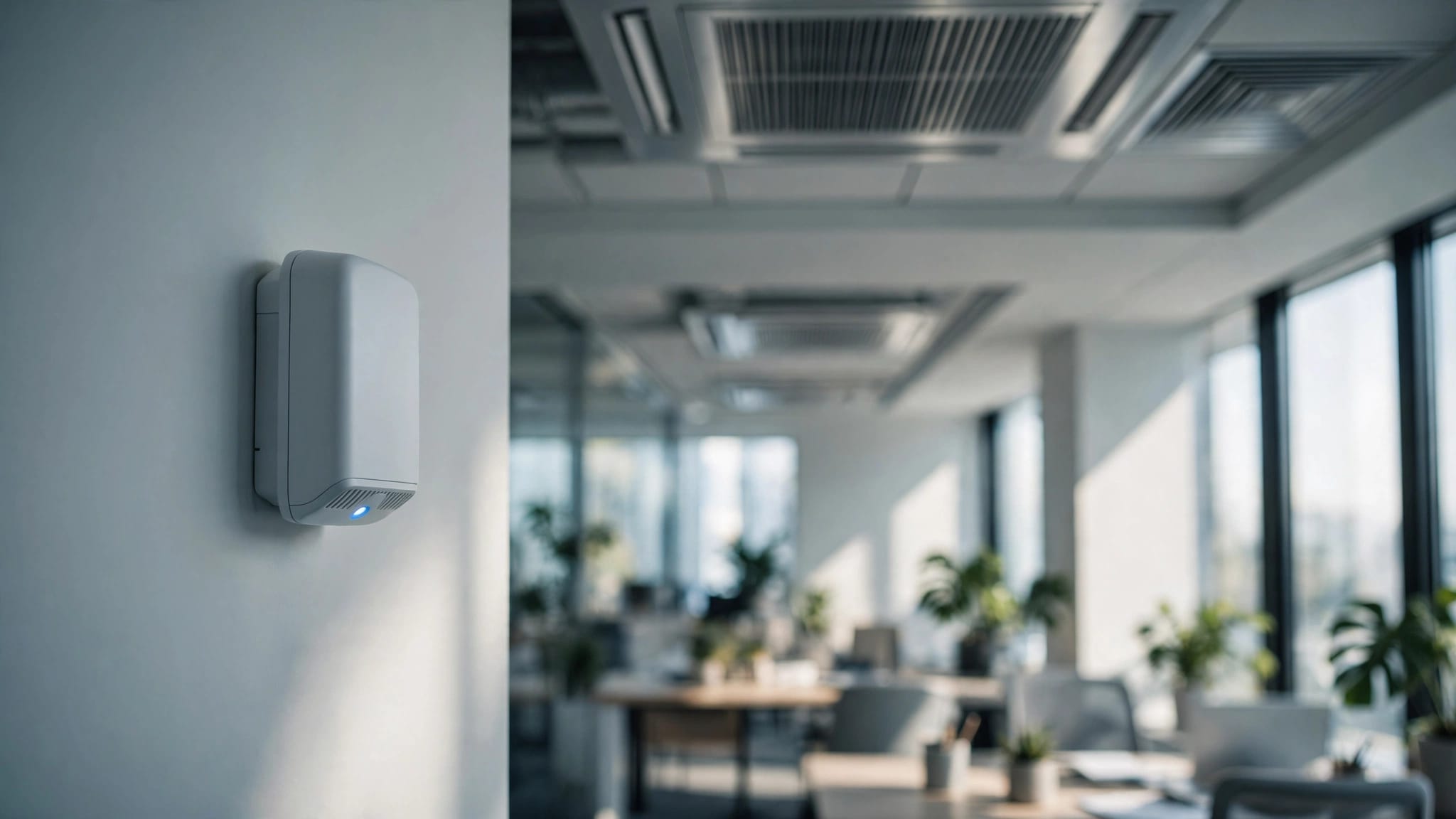
A small hygrometer can help you monitor relative humidity. Place it away from an AC vent and look for a persistent pattern rather than relying on one reading. For many homes, around 45% to 55% feels comfortable; the Florida Department of Health recommends keeping indoor humidity below 60%.
A meter can't identify the cause of a problem. A roof or plumbing leak, for example, needs attention even if the AC is working properly.
Ways to improve moisture removal
The right solution depends on whether your home has an equipment problem, excess moisture entering the house or too little cooling demand for the AC to run often.
Start with airflow and maintenance
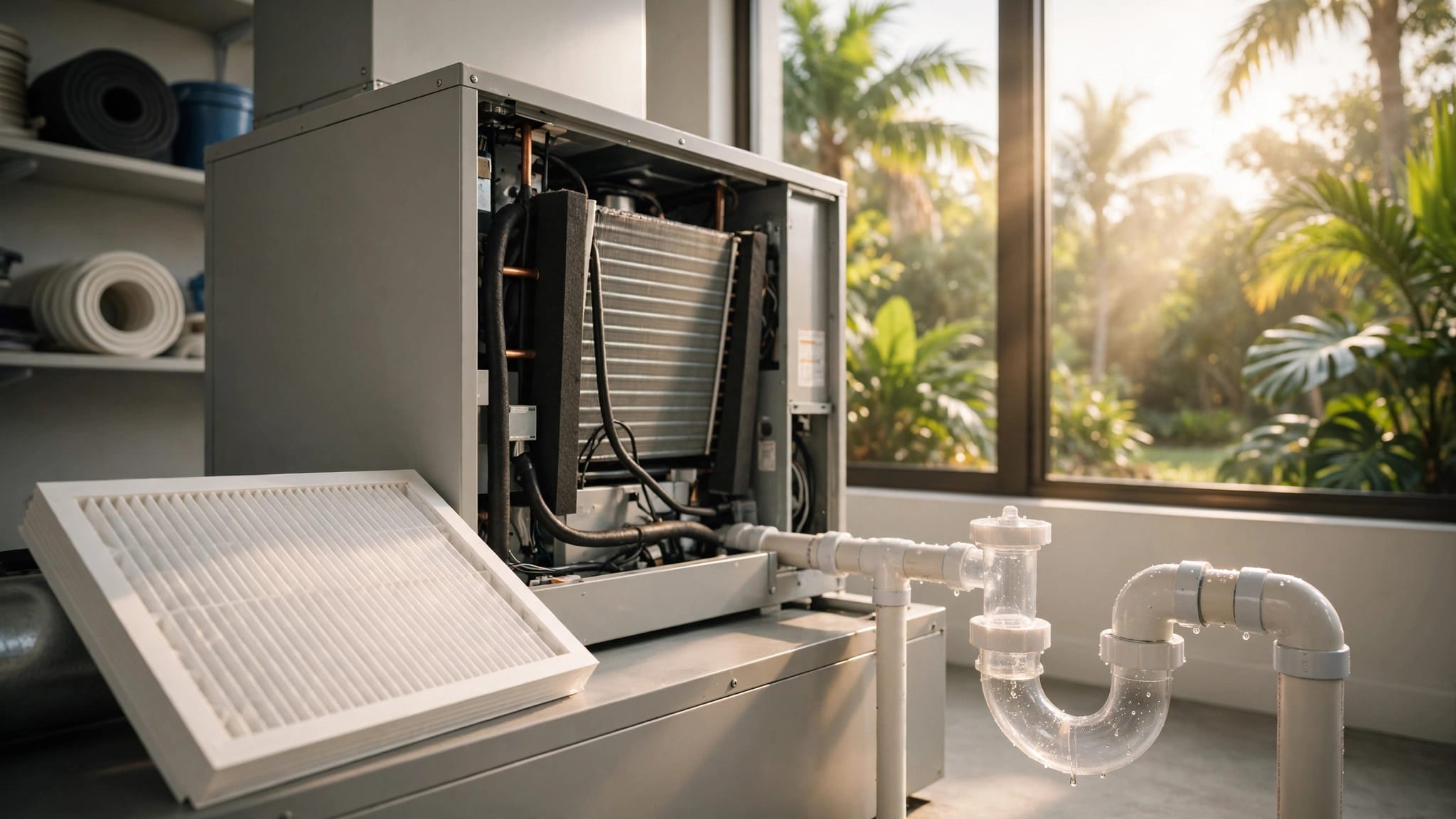
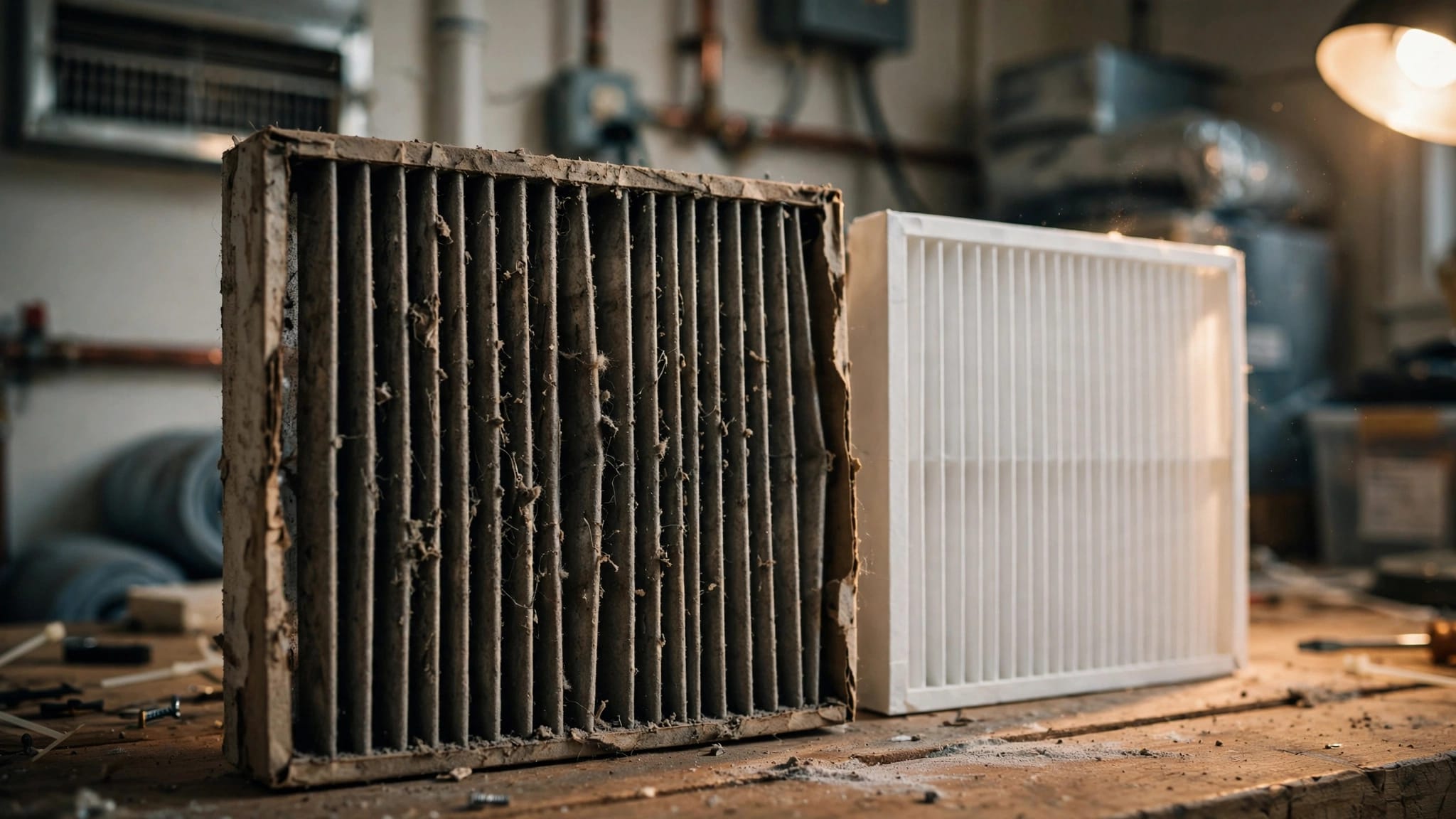
A dirty filter or coil can interfere with airflow and cooling performance. A blocked condensate drain can also cause water to back up near the indoor unit. Meanwhile, leaking return ducts may pull humid air into the system.
Look at the filter monthly and replace it when dirty. Keep supply and return vents clear, and use the thermostat's AUTO fan setting unless a technician recommends otherwise. A continuously running fan can return some moisture from a wet coil to the air after cooling stops. Our Florida AC maintenance tips cover more tasks homeowners can handle safely.
Consider separate dehumidification
A variable-capacity AC can run at a lower cooling output for longer periods, which may improve moisture removal. However, even a properly sized system may not run enough during mild, humid weather.
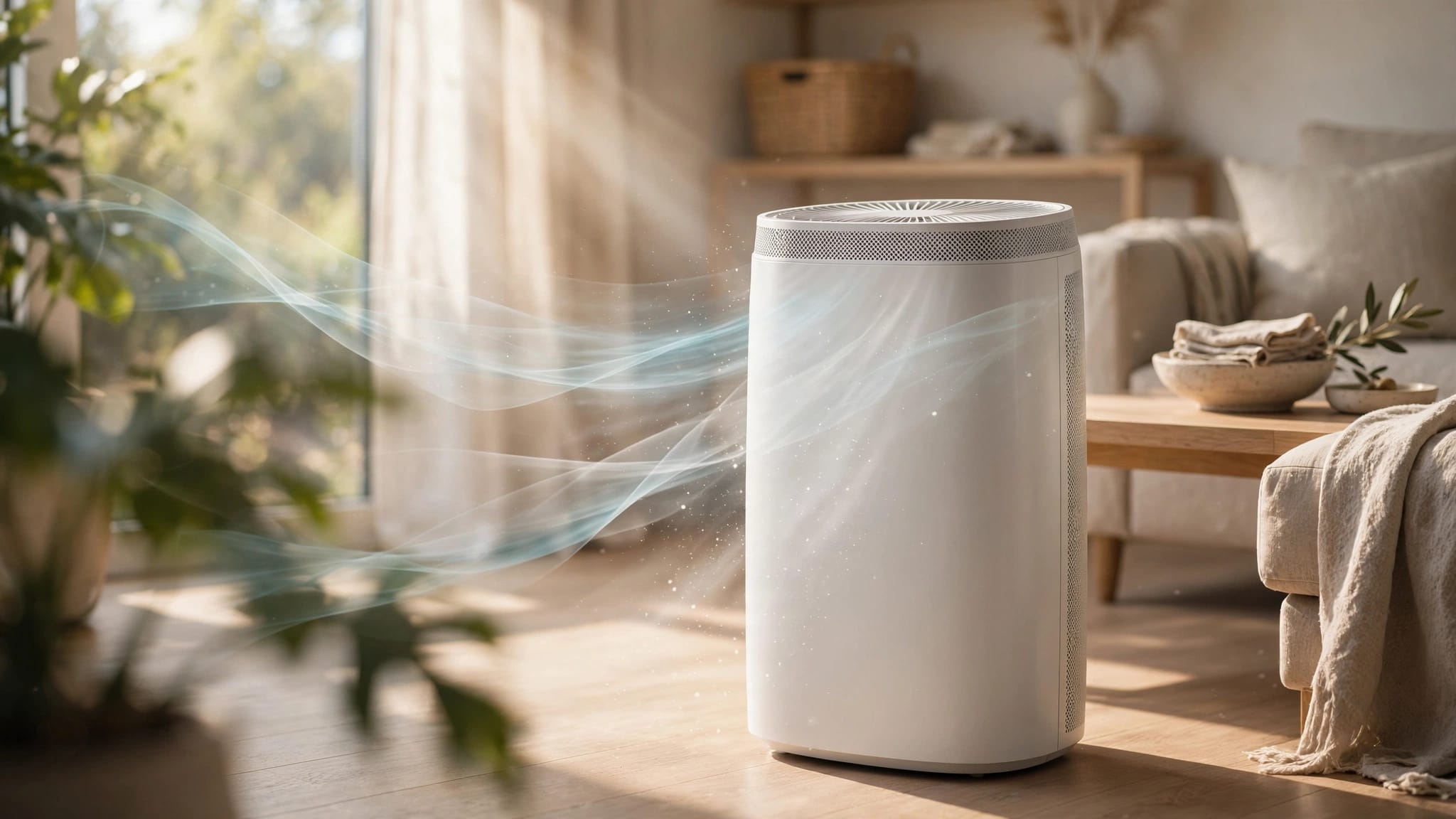
A dehumidifier can remove moisture when the thermostat isn't calling for cooling. A portable unit may help one damp room, while a whole-home system can address a broader problem. Our comparison of dehumidifiers and variable-speed AC explains where each option fits.
A comfortable home needs more than cool air
Sensible heat ratio is part of choosing equipment for Florida's humidity, but the system must also suit your home's cooling and moisture needs. If your rooms stay damp, a service assessment can identify whether the cause is maintenance, sizing, ductwork or another moisture source.
Contact Us to schedule a service call or reach our team for 24/7 emergency service.