A single Florida thunderstorm can disrupt power, damage electrical components, and leave your home without cooling during dangerous heat. AC lightning protection can lower the risk, but no device can guarantee that an air conditioner will survive a direct lightning strike.
The strongest plan combines properly installed surge protection, safe storm procedures, routine maintenance, and a professional inspection after suspicious power events. Start by understanding which protection your home needs and what you should never attempt during a storm.
Key Takeaways
- Whole-home surge protection is installed at the electrical panel and helps protect many circuits throughout the house.
- An HVAC-specific surge protector focuses on the air conditioner, including expensive controls and compressor components.
- Using both types may provide layered protection, but neither guarantees safety from a direct lightning strike.
- A plug-in power strip cannot protect an outdoor condenser, compressor, or disconnect.
- Never rush outside during lightning to unplug or reset equipment.
- After a storm, leave damaged, flooded, wet, or unusual-looking equipment off until a licensed professional inspects it.
- A written diagnosis and photographs may help when reviewing a possible homeowners insurance claim.
How AC Lightning Protection Reduces Risk
Florida homes face frequent thunderstorms, utility interruptions, and rapid power changes during the summer. Lightning can affect an air conditioner through a direct strike, a nearby strike, or a surge that travels through utility lines.
Power surges can damage several AC components
The control board is often one of the most vulnerable parts because it contains sensitive electronics. A surge can also damage the compressor, blower motor, capacitor, contactor, disconnect, or wiring.
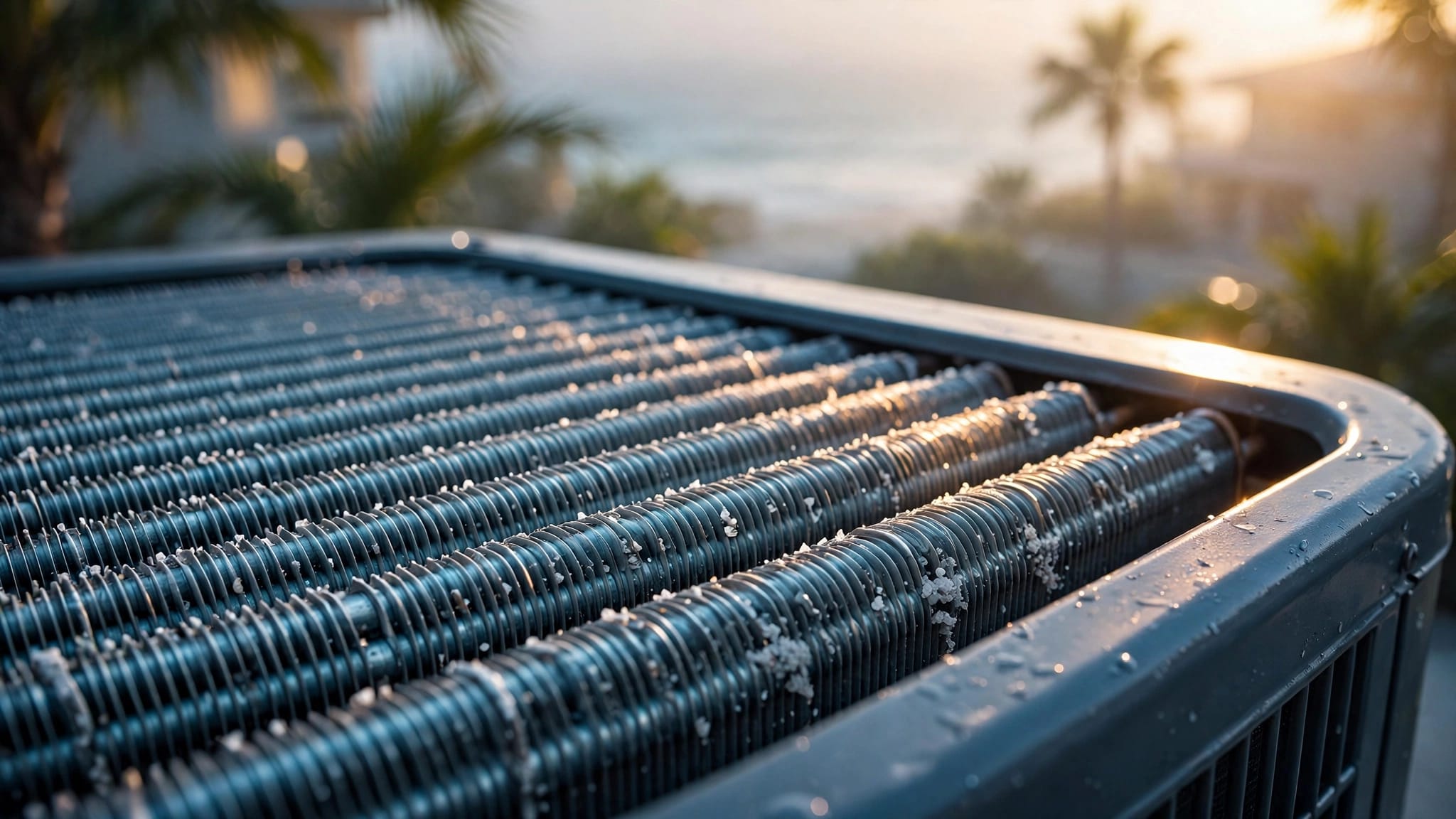
Storm-related voltage changes are not the only source of stress. Repeated power flickers can force the compressor to start and stop under poor conditions. High outdoor temperatures, long cooling cycles, and coastal salt air can add wear to electrical connections and capacitors.
A surge protector may reduce the chance of damage reaching these components. It cannot absorb every possible event or promise that the system will remain unharmed.
A power strip does not protect the outdoor unit
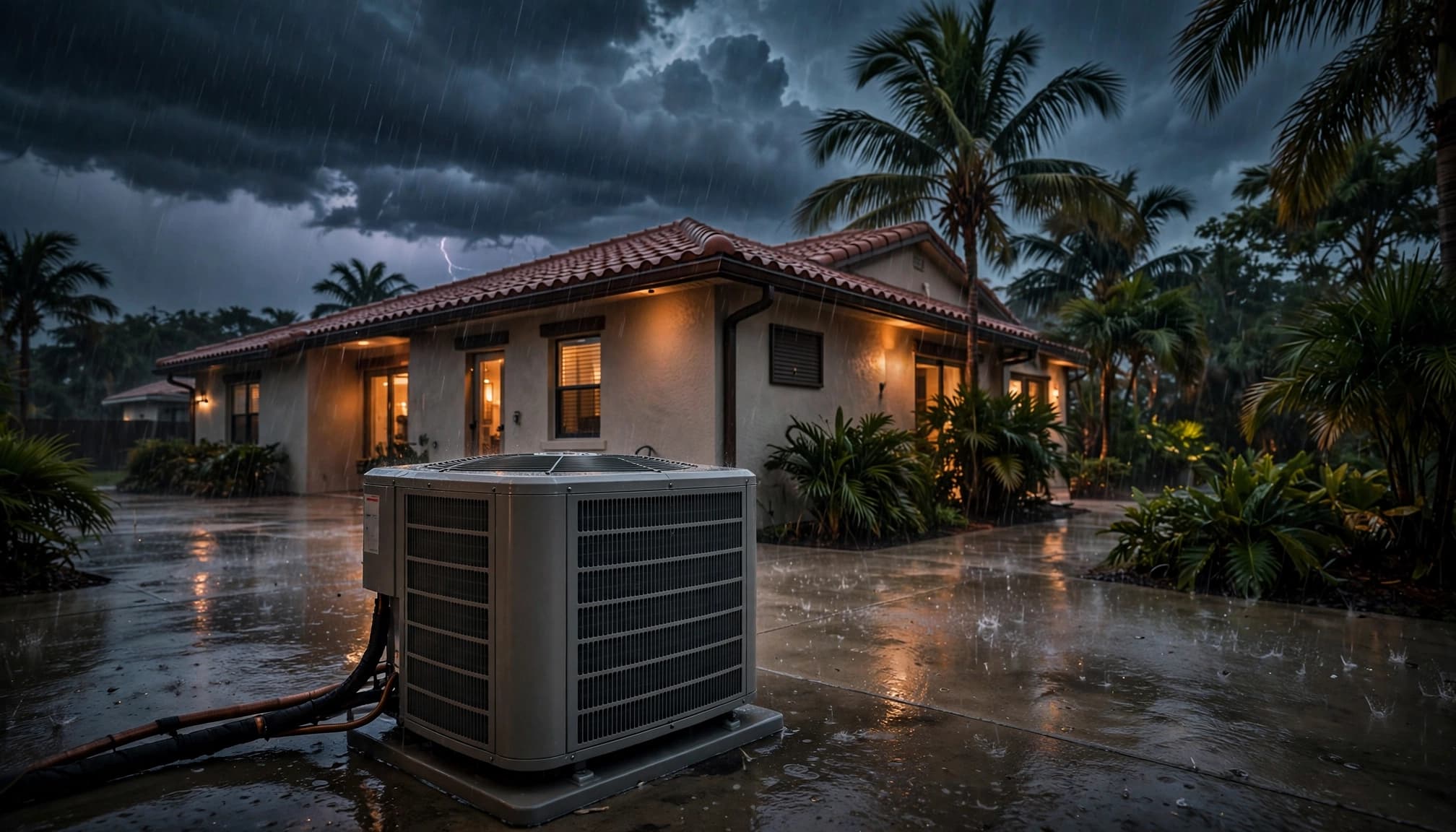
A plug-in strip protects devices connected to that strip inside the home. Your outdoor condenser is connected through its own circuit, disconnect, wiring, and electrical panel.
That means a power bar beside a television cannot protect the compressor or control board outside. The protection must be installed at the panel, near the air conditioner, or at both locations, depending on the home's electrical design.
Back Bay Heating & Cooling's AC surge protection before a hurricane guidance also warns that outdoor equipment needs protection at the panel or equipment, not through an indoor strip.
Whole-Home vs. HVAC-Specific Surge Protection
These two options address different parts of the electrical system. A licensed professional can determine whether one or both make sense for your panel, equipment, and storm exposure.
Whole-home protection covers more circuits
A whole-home surge protector is installed at or near the main electrical panel. It helps redirect certain voltage surges before they travel through branch circuits to appliances and equipment.
This approach can protect more than your air conditioner. Refrigerators, televisions, pool equipment, garage-door openers, computers, and other connected devices may also benefit from panel-level protection.
However, whole-home protection does not mean every appliance has identical protection. The device, installation, grounding, panel condition, and electrical layout all matter. A professional may recommend additional protection for equipment with expensive controls or a dedicated outdoor circuit.
An HVAC protector adds equipment-level defense
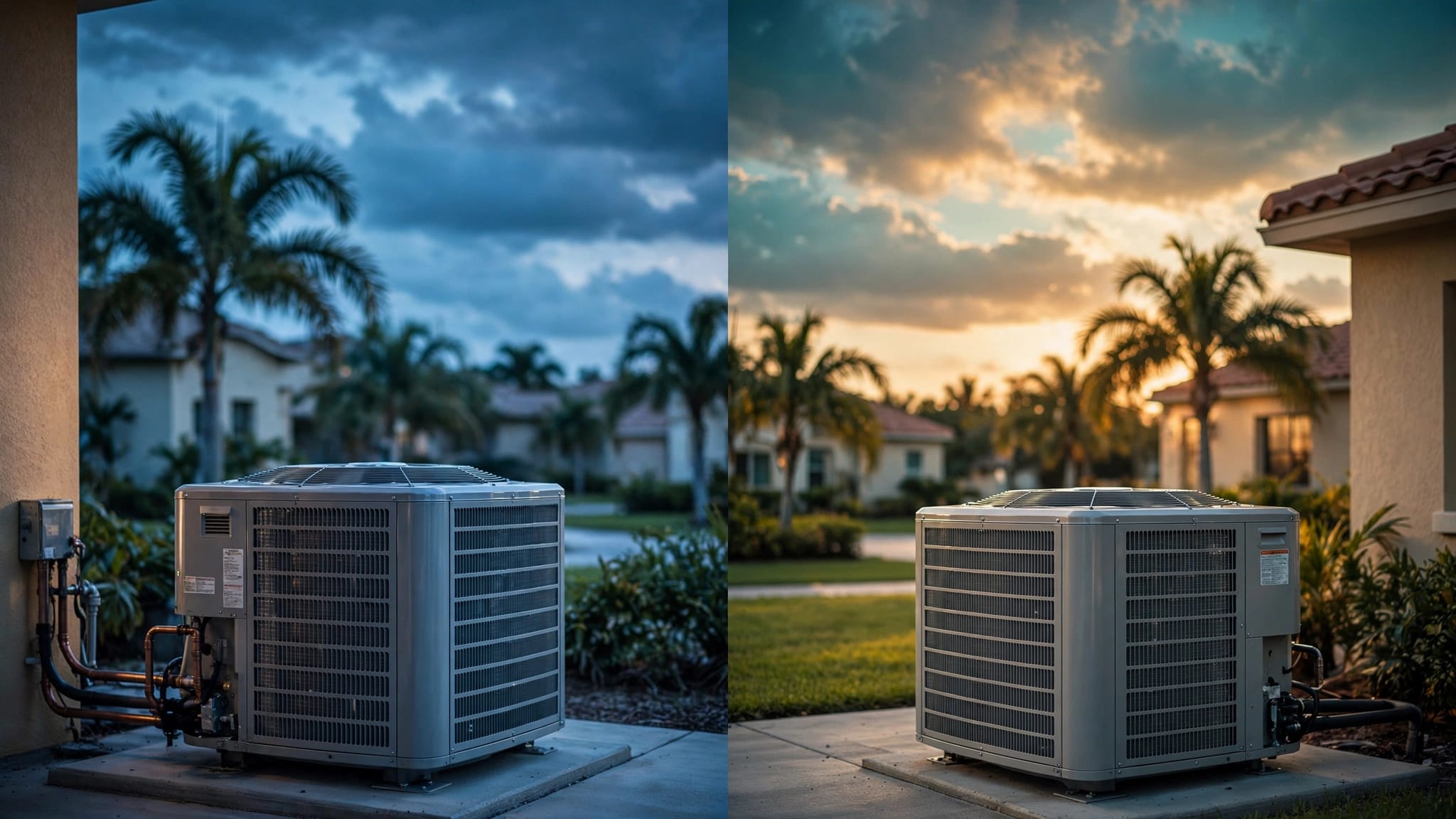
An HVAC-specific surge protector is installed on the air conditioner's circuit, commonly near the disconnect or outdoor equipment. It gives the cooling system its own protective layer.
This can be useful when the air conditioner contains costly electronics, inverter controls, or a replacement control board would create a significant expense. Some homes use whole-home protection as the first layer and an HVAC protector as a second layer.
Correct grounding is essential. A device that is poorly bonded, incorrectly sized, or installed on a damaged circuit may not perform as intended. Professional installation also helps identify loose connections, an outdated disconnect, or panel issues that could increase risk.
Choosing and Installing AC Surge Protection
Surge protection is an electrical installation, not a simple accessory that every homeowner can attach safely. The exact device and location depend on the existing system.
Ask for a site-specific recommendation
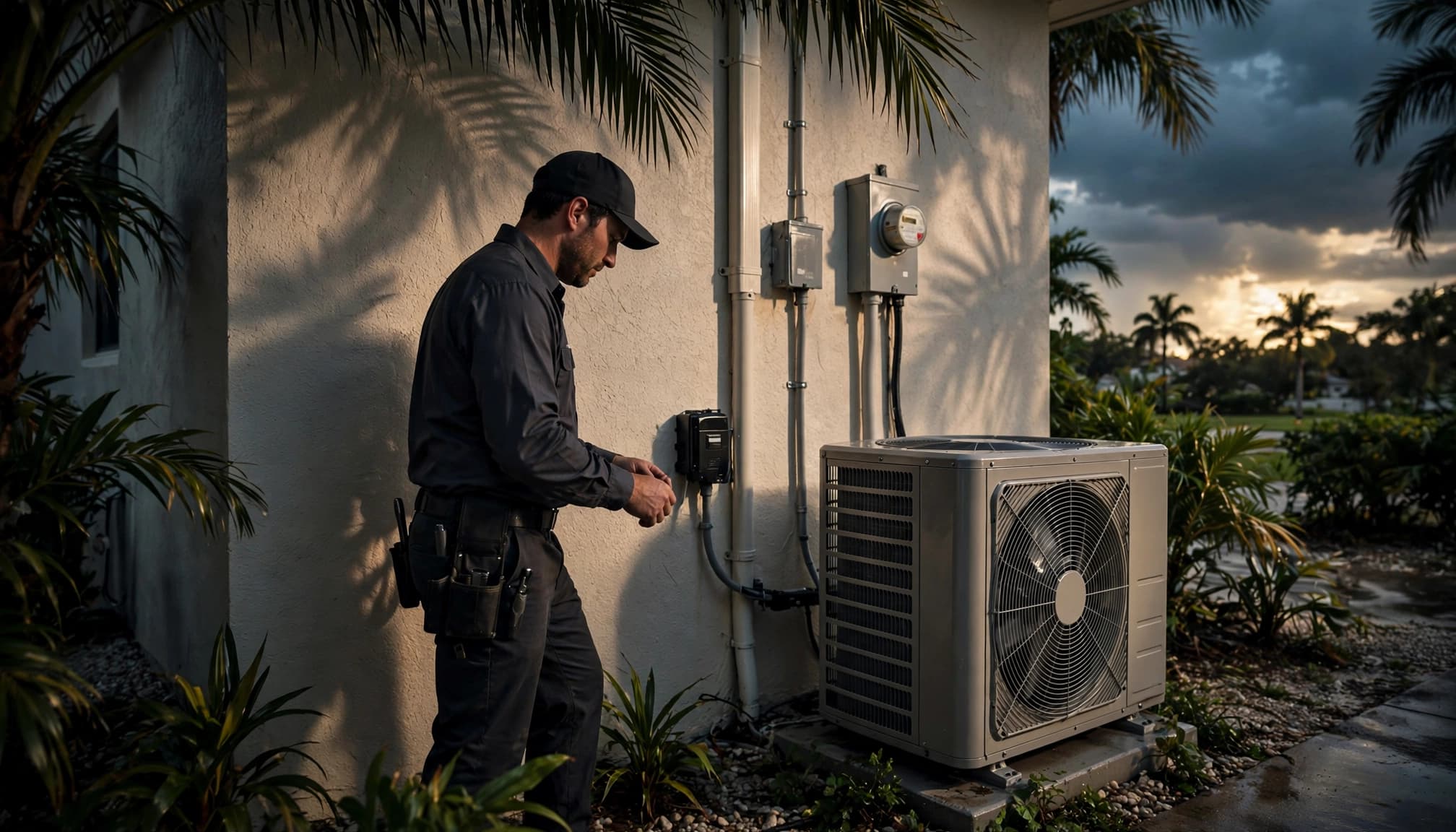
A technician should review the main panel, air conditioner circuit, disconnect, grounding, wiring, and available space before recommending equipment. The age and design of the air conditioner also matter.
Ask what the device protects, where it will be installed, how its status is checked, and what happens if the protector absorbs a major surge. Some devices have an indicator that shows whether the protective component remains active, but that indicator does not replace professional inspection.
Installation pricing varies with panel access, electrical layout, device type, and mounting location. Back Bay's AC surge protector installation cost in Cape Coral guide explains why two homes can receive different estimates.
Use licensed professionals for electrical work
Do not open the electrical panel, remove the condenser disconnect, or work around wiring because a storm is approaching. Even when the thermostat is off, parts of the electrical system may remain energized.
Choose a qualified, licensed professional for installation and ask for a clear description of the work. The installation should include proper grounding and bonding, secure connections, suitable equipment placement, and testing according to applicable requirements.
A surge protector also works best as part of a broader maintenance plan. Keeping the condenser clear, checking drainage, and repairing corroded connections can reduce other causes of failure.
What to Do Before and During a Lightning Storm
Storm preparation should happen while conditions are calm. Once lightning is nearby, personal safety takes priority over protecting equipment.
Don't chase unstable power
If the power flickers repeatedly, avoid forcing the air conditioner to keep running. Repeated starts can place additional stress on the compressor and electrical components.
When possible, follow the manufacturer's shutdown guidance before the storm arrives. A licensed HVAC or electrical professional can explain whether your system has a recommended disconnect procedure.
Unplugging a central air conditioner usually isn't practical because the outdoor unit is hardwired. Turning off a breaker or disconnect during active lightning can also expose you to electrical hazards. Never go outdoors or handle electrical equipment during unsafe conditions simply to shut down the AC.
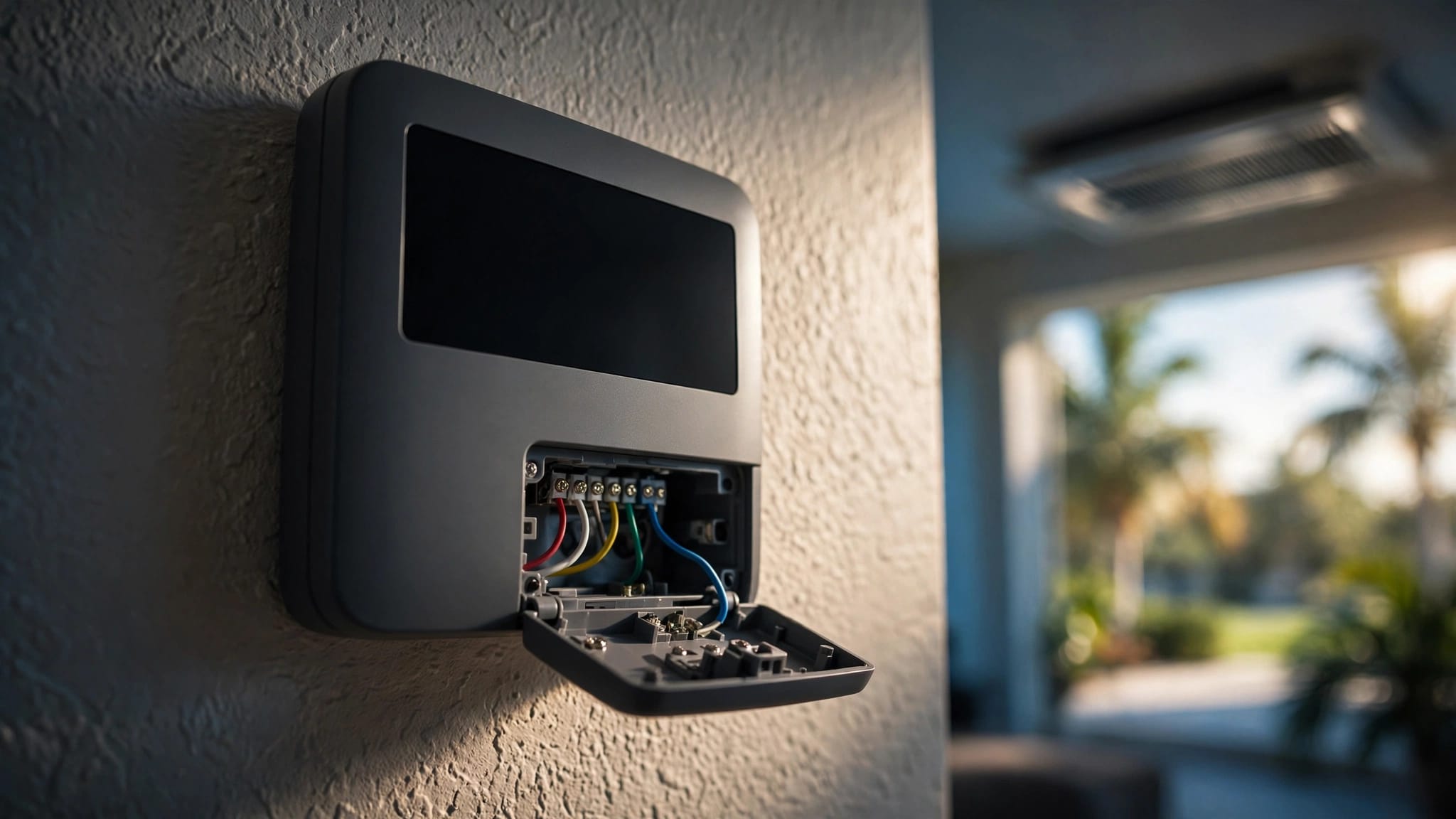
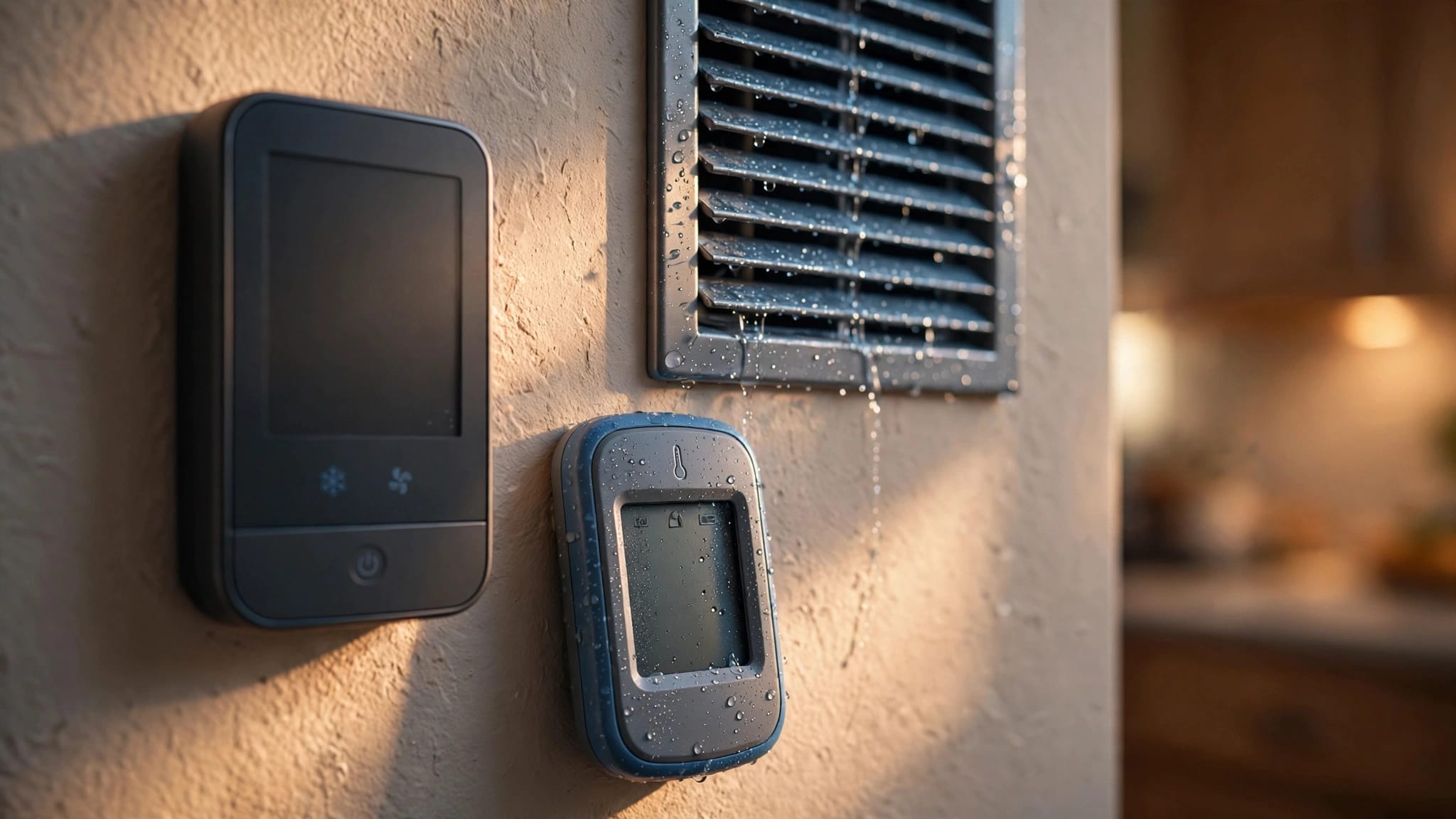
If the system stops after an outage, wait for utility power to stabilize before attempting normal operation. A smart thermostat or surge protector does not eliminate the need for safe judgment.
Keep people away from outdoor equipment
Stay indoors when thunder and lightning are present. Don't inspect, cover, hose off, or reset the condenser during the storm.
Before severe weather, secure loose yard items, trim vegetation away from the unit, and keep the condenser's airflow clear. Don't wrap the equipment in a tarp while it is operating. A loose cover can trap moisture or become airborne in high winds.
If floodwater is likely, ask a licensed contractor about safe shutdown planning, equipment elevation, anchoring, and local requirements. Raised equipment can reduce some flood risk, but no pad or barrier guarantees survival in major flooding.
What to Do After a Lightning Storm
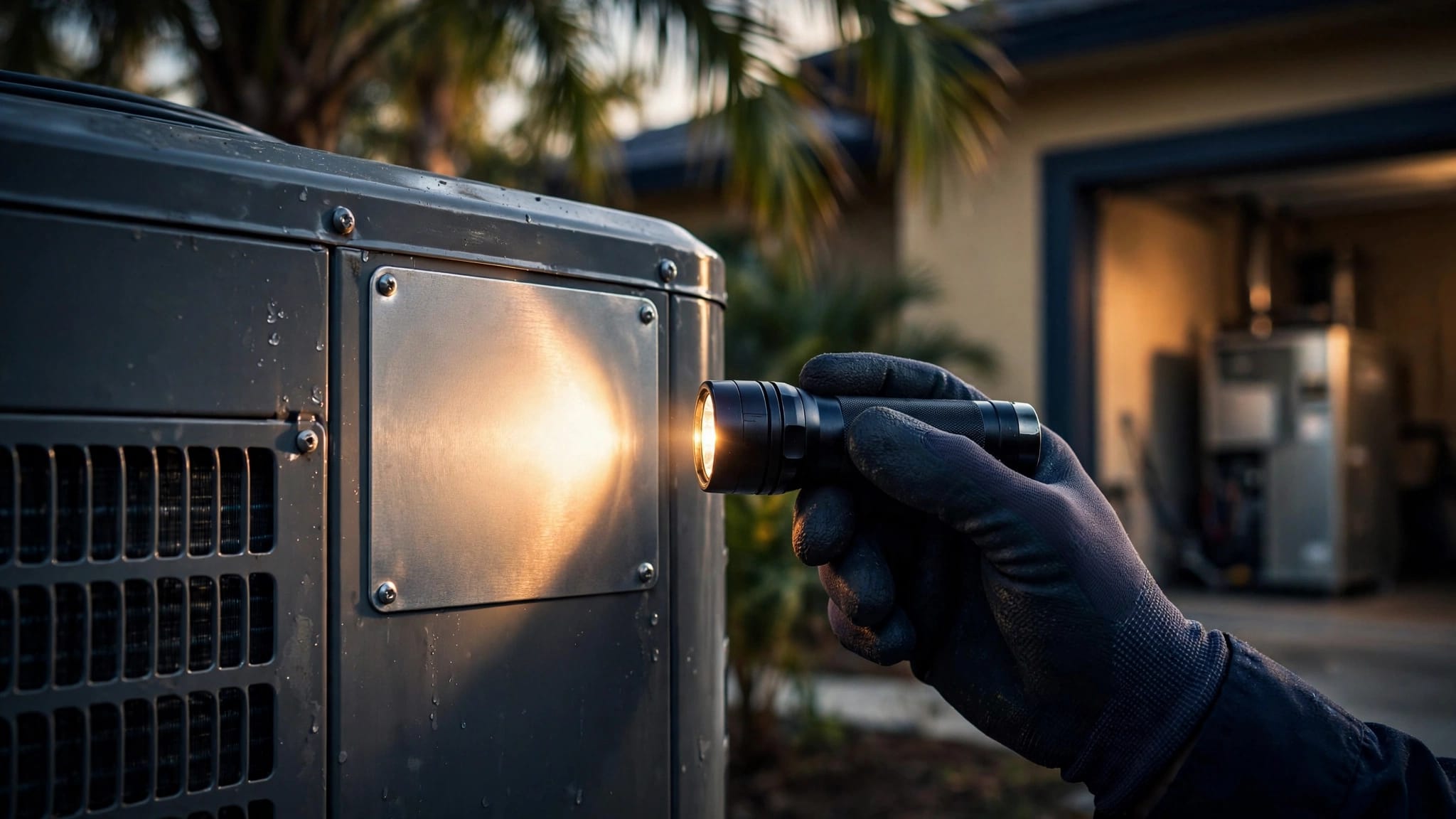
Wait until weather conditions are safe before approaching the system. Then inspect from a distance without removing panels or touching electrical components.
Look for signs that require professional service
Leave the air conditioner off if you see standing water, exposed wiring, a shifted pad, loose panels, burning odors, repeated breaker trips, or visible damage. Also keep away from equipment that makes new buzzing, grinding, scraping, or rattling sounds.
Water may reach the disconnect, control box, capacitor, fan motor, air handler, or ductwork even when the cabinet looks normal. Do not energize flooded or visibly damaged equipment.
Take photographs of the condenser, disconnect, surrounding debris, pad, refrigerant lines, and visible damage before cleanup when it is safe to do so. Document the storm date and approximate time as well.
Have the full system inspected
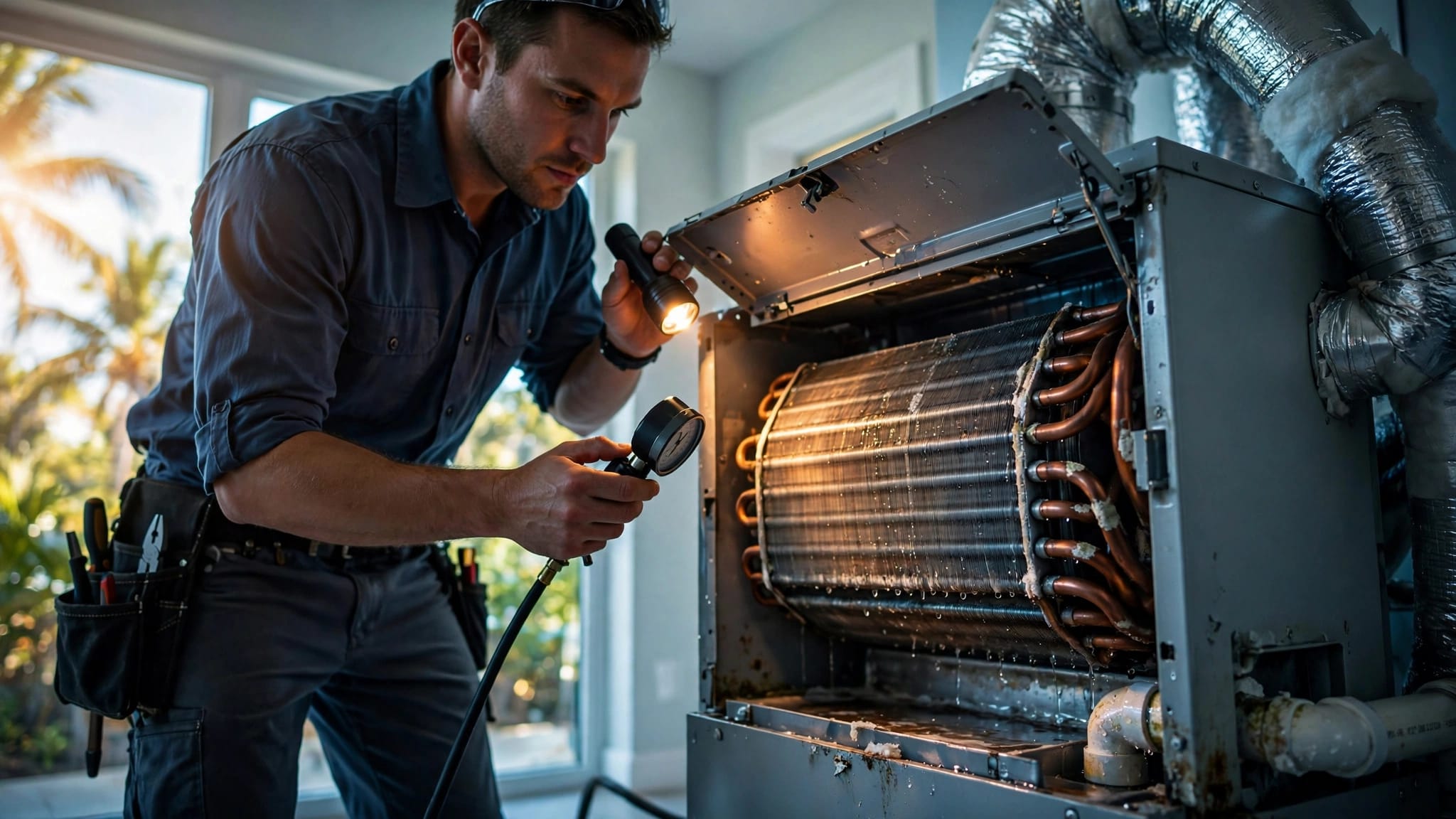
A post-storm inspection should cover more than the outdoor cabinet. A qualified HVAC technician can examine the coil, fan motor, capacitor, electrical connections, refrigerant lines, filters, drain pan, condensate piping, controls, and ductwork.
An electrician may need to inspect a wet panel, conduit, breaker, disconnect, or other electrical equipment. In some cases, the HVAC contractor and electrician must coordinate before the system can safely return to service.
The protecting AC circuit boards from power surges information from Back Bay explains why a unit can appear intact while internal controls have suffered electrical damage.
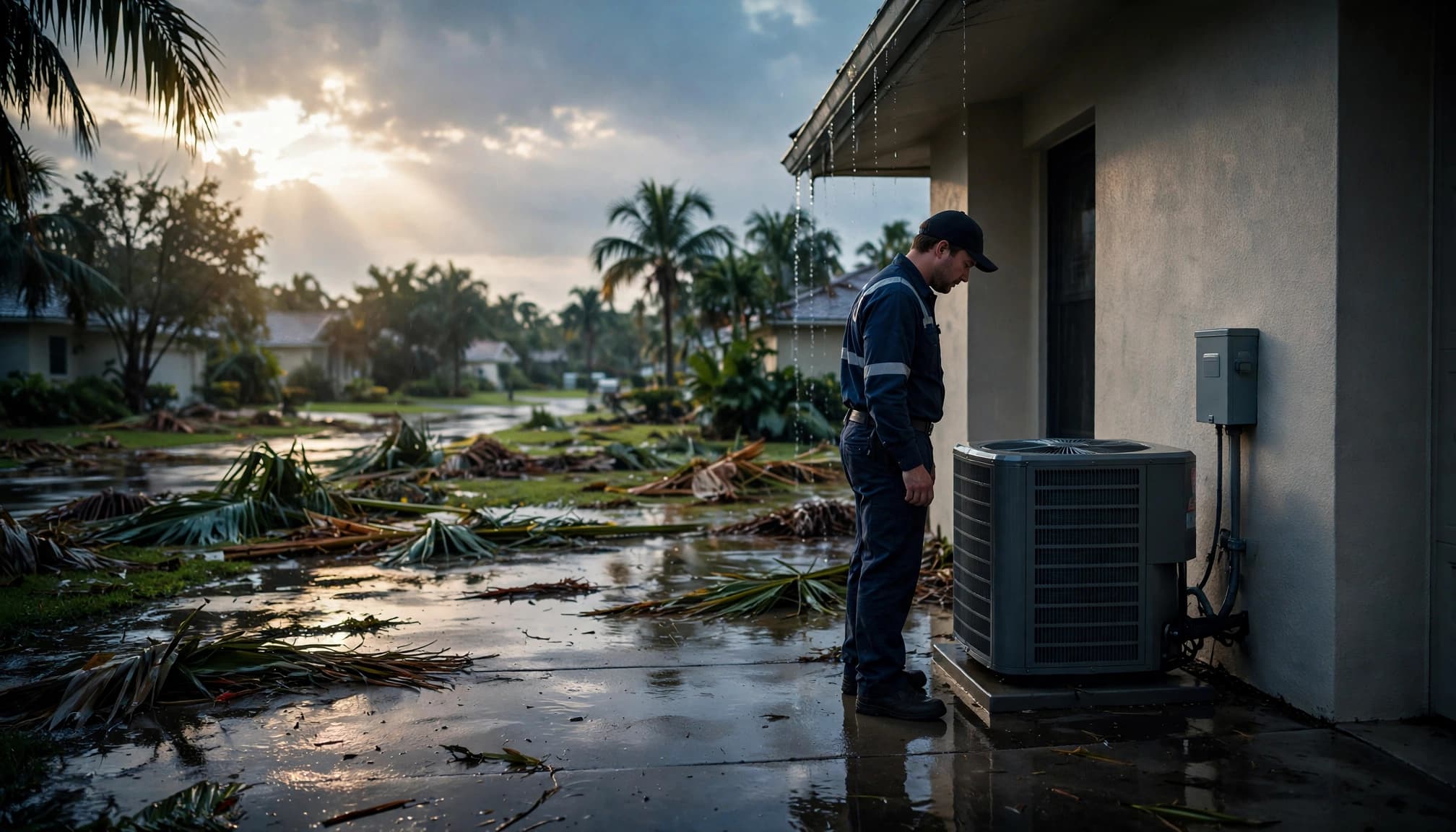
If water reached electrical parts, keep the system off until qualified professionals approve the restart.
Insurance, Documentation, and Repair Decisions
Lightning, wind, hail, and falling branches may qualify as covered causes under some homeowners policies. Coverage depends on the policy language, exclusions, deductible, and documented source of damage.
Florida homeowners should check whether a hurricane or named-storm deductible applies. Flooding, corrosion, poor maintenance, normal wear, and mechanical breakdown may be treated differently from sudden storm damage.
Photograph the equipment before moving debris when possible. Keep service reports, estimates, receipts, utility notices, and contractor findings. Ask your insurer whether an adjuster must inspect the unit before major repairs or replacement.
A licensed technician can identify failed components and explain whether repair is practical. Avoid permanent repairs or disposal before speaking with the insurer unless immediate action is necessary to prevent a safety hazard or additional damage.
For urgent cooling problems after conditions are safe, 24/7 AC repair in Cape Coral can help restore service and identify storm-related failures.
FAQ About AC Lightning Protection
Is AC surge protection required in Florida?
Usually, no. Florida homeowners often choose it because thunderstorms, lightning, and power fluctuations can damage expensive HVAC components. Local electrical conditions and the home's equipment should guide the decision.
Is whole-home protection enough for an air conditioner?
Whole-home protection can reduce surge exposure across many circuits, but it may not provide the same equipment-level protection as a dedicated HVAC device. A professional may recommend both layers, especially for systems with expensive electronic controls.
Can I unplug my air conditioner during a storm?
Most central air conditioners are hardwired, so unplugging them is not practical. Never go outside during active lightning to reach the condenser or disconnect. If the manufacturer provides a shutdown procedure, follow it before the storm and only when you can do so safely.
What should I do if lightning damages my AC?
Keep the system off if you notice water, burning odors, exposed wiring, visible damage, unusual sounds, or repeated breaker trips. Stay away from wet electrical equipment and contact a licensed HVAC professional. An electrician may also need to inspect the electrical supply.
Can a surge protector stop a direct lightning strike?
No device can guarantee protection from a direct strike. Proper surge protection may reduce the chance of damage from some surges, but it cannot eliminate every electrical risk.
Conclusion
Effective AC lightning protection combines panel-level planning, equipment-specific protection, proper grounding, and safe storm habits. A power strip is not enough for an outdoor condenser, and rushing outside to shut off equipment can create a greater danger.
Have a licensed professional install and inspect protective devices. After a storm, document damage, keep questionable equipment off, and arrange a full HVAC and electrical evaluation before restarting the system. For a service assessment in Southwest Florida, Contact Us to schedule a visit.