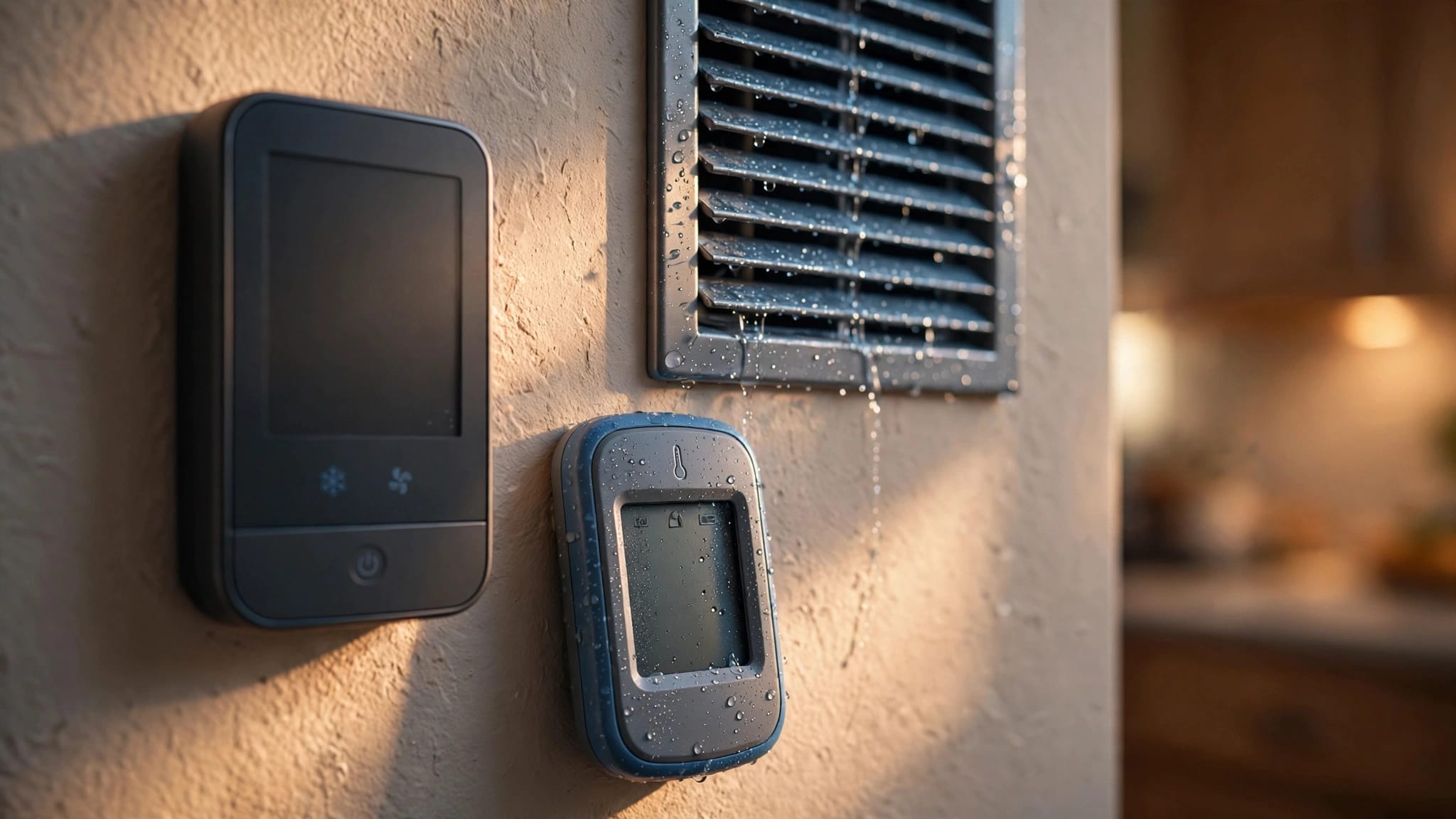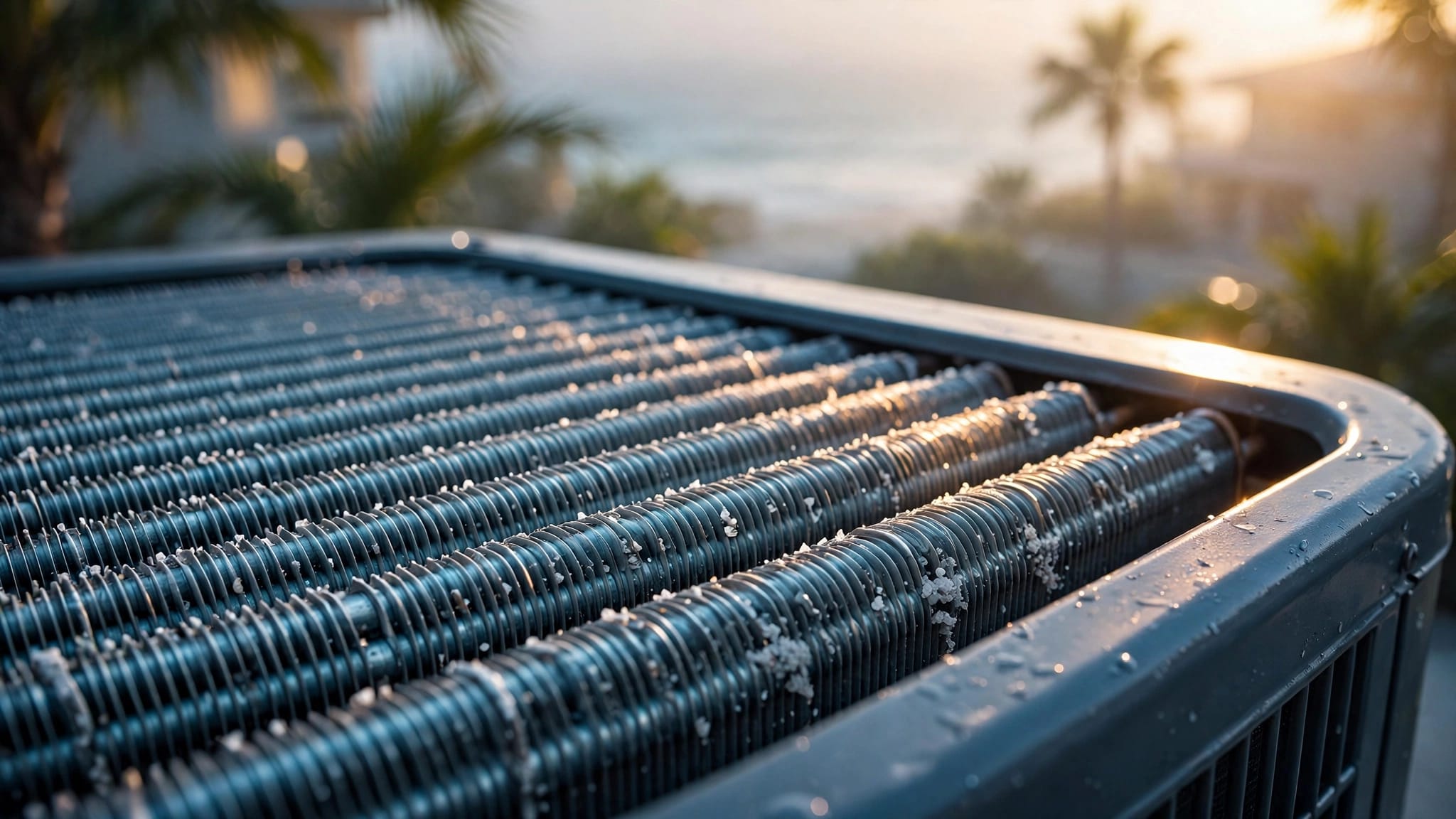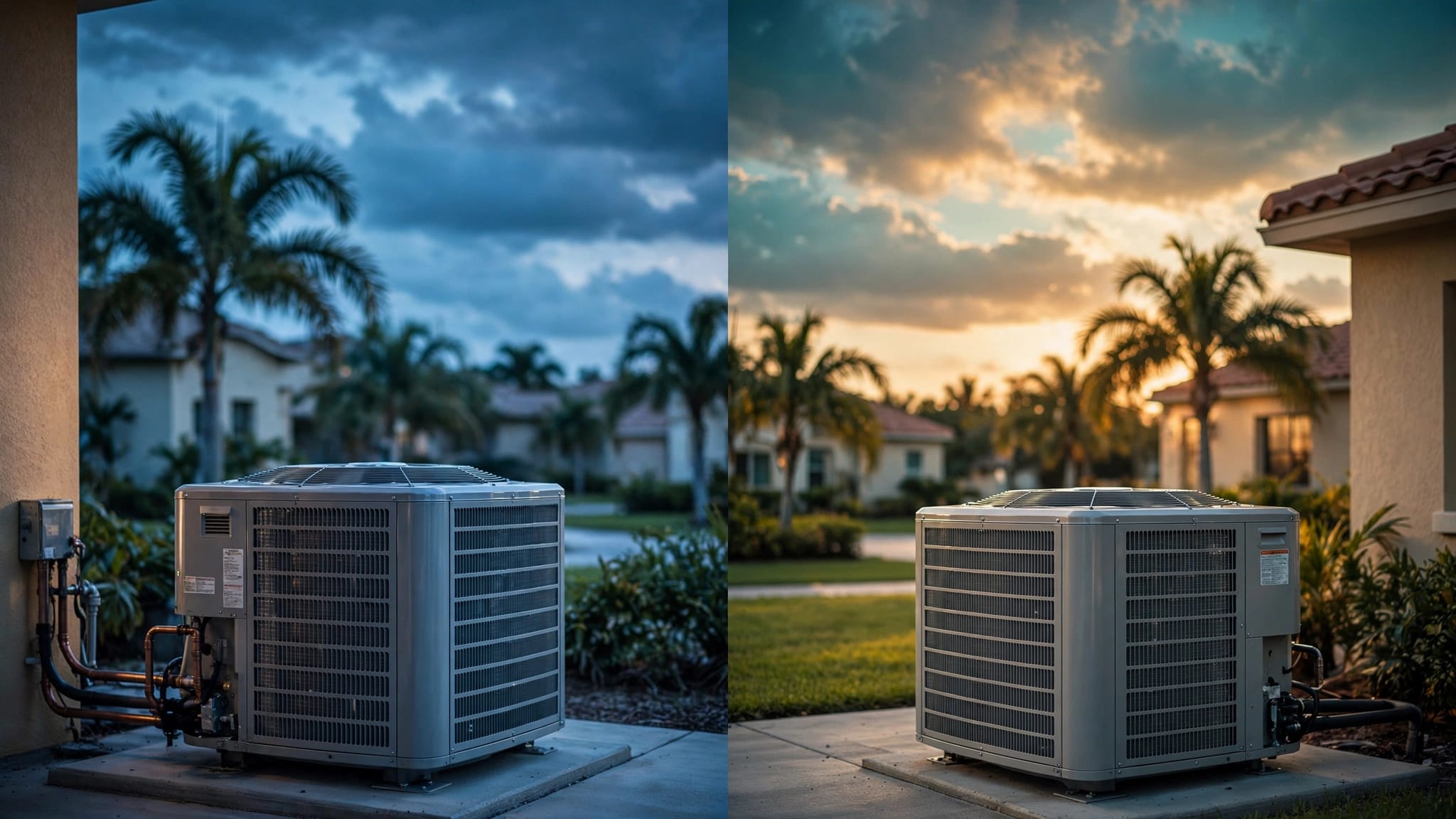
Seeing AC refrigerant lines sweating can make any Florida homeowner worry about a leak. However, some moisture on the large, insulated suction line is normal when humid indoor or outdoor air meets cold copper tubing.
The real concern is a combination of symptoms, such as heavy dripping, damaged insulation, ice, weak cooling, water damage, or unusual sounds. Understanding the difference helps you avoid unnecessary panic while recognizing problems that need professional attention.
Why AC Refrigerant Lines Sweating Happens in Florida
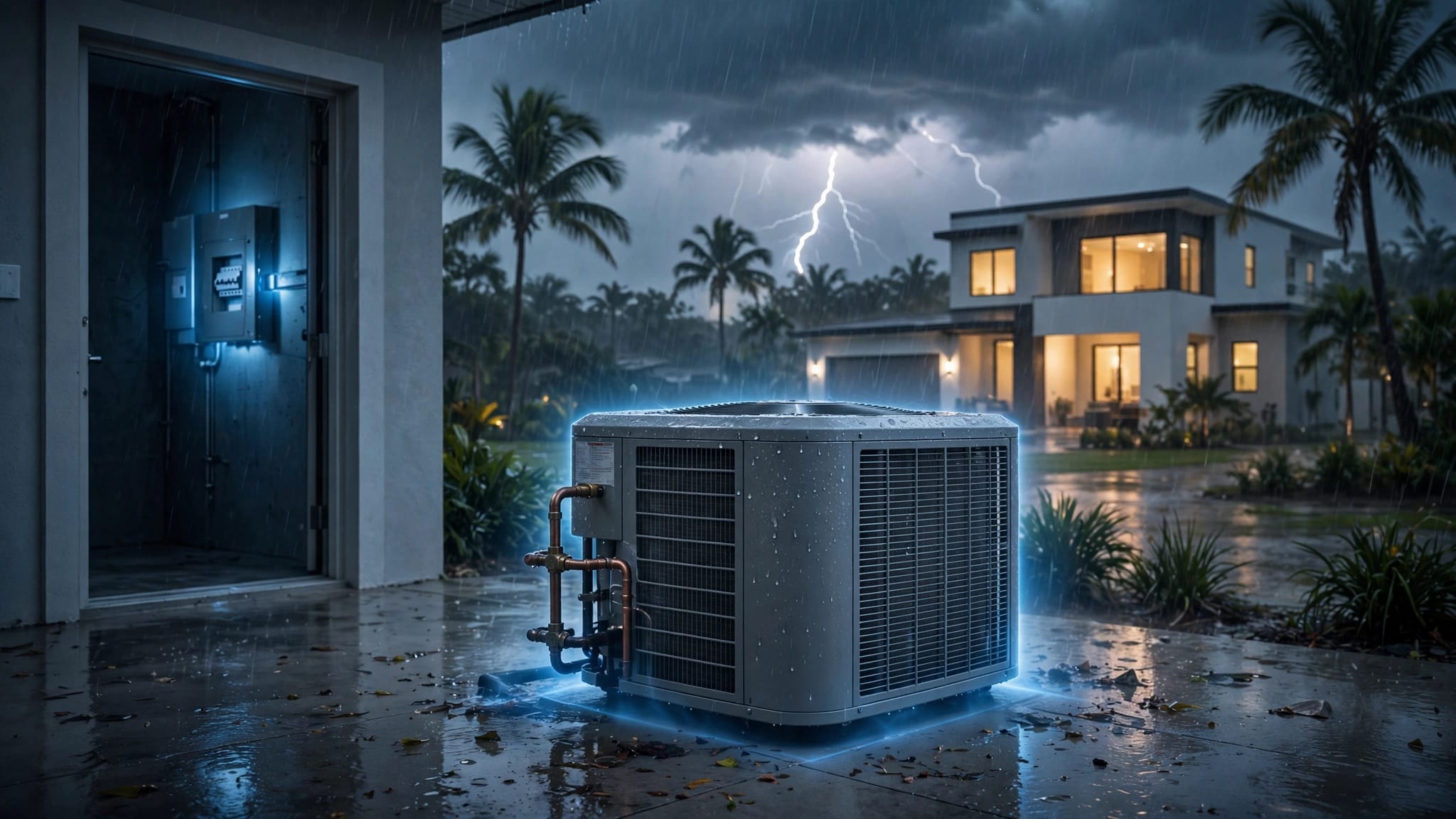
Florida's warm, moisture-heavy air creates ideal conditions for condensation. Air conditioners also run for long periods, especially during the cooling season in Cape Coral and throughout Southwest Florida.
Humidity meets a cold suction line
An AC line set usually contains two copper lines. The larger insulated line carries refrigerant vapor back toward the outdoor condenser. The smaller line carries liquid refrigerant toward the indoor evaporator coil.
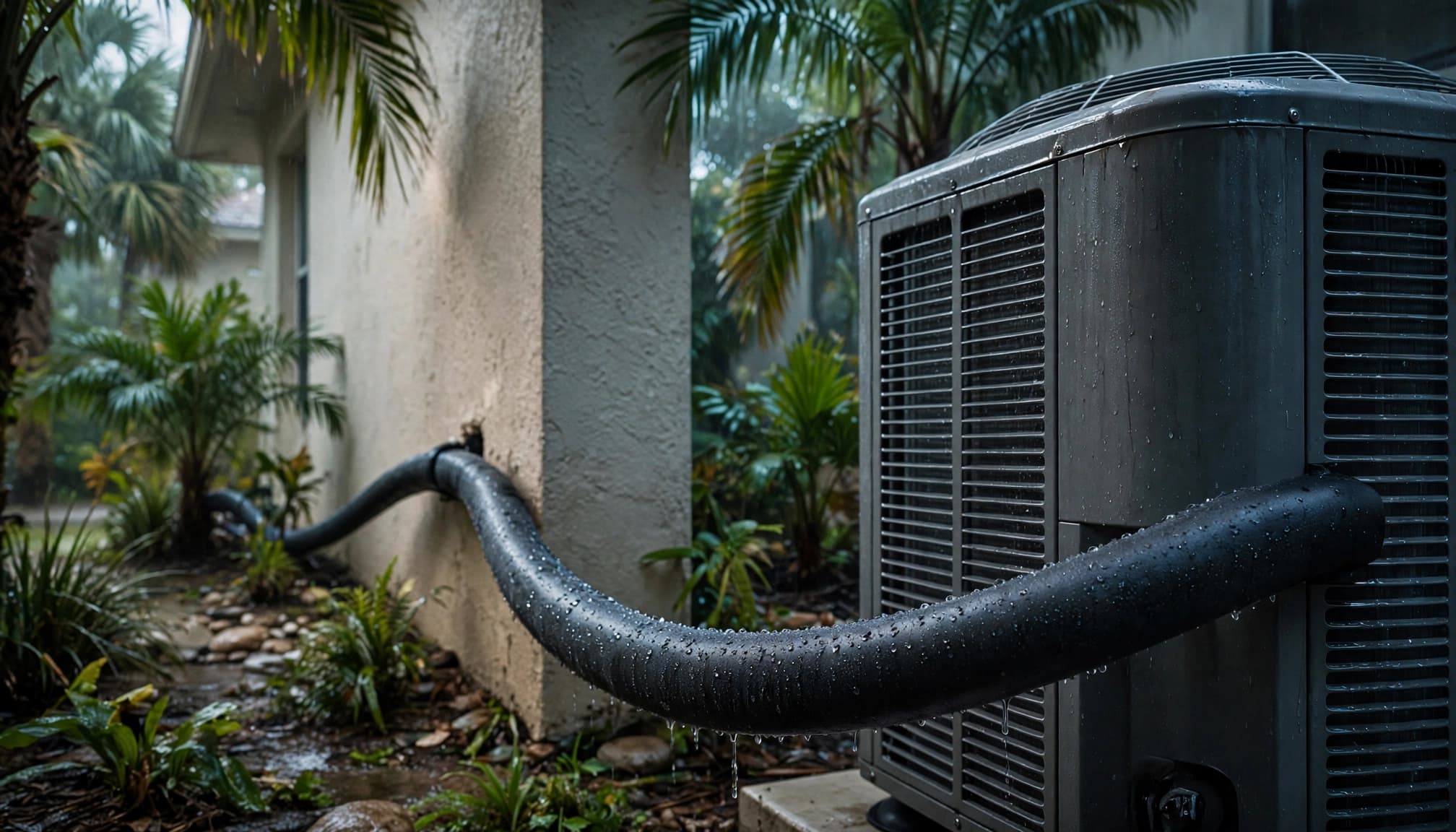
The larger suction line is cold during normal operation. When humid air touches its surface, water vapor can condense into small droplets. This is similar to moisture forming on a cold drink during a hot Florida afternoon.
A light layer of beads on the outside of the insulation may be completely normal. You may notice more condensation after rain, during a humid afternoon, or when the system has been running for an extended period.
Insulation controls where moisture forms
The suction line should have continuous, well-sealed insulation. That insulation helps keep the cold surface from directly contacting warm, humid air.
Cracked, loose, thin, or missing insulation allows more heat transfer. As a result, the line may sweat heavily, drip onto nearby surfaces, or leave damp spots around wall penetrations.
AC refrigerant line length and system performance also depends on correct routing, sizing, and insulation. A line that was installed poorly or damaged by animals, weather, or age may create comfort and moisture problems even when the system still runs.
When Sweating Is Usually Normal
Normal line sweating tends to be limited and predictable. You may see small droplets on the insulated section while the AC runs, but the surrounding wall, floor, and equipment should remain dry.
The condensate drain is a separate component. It carries water removed from indoor air away from the air handler. During humid weather, water may drip from the outdoor end of that drain. That often means the system is removing moisture normally.
A normal situation usually has these characteristics:
- The AC cools the home as expected.
- The line has intact insulation.
- There is no frost or ice.
- Water does not collect near the indoor unit.
- No oily residue appears around the tubing.
- The system does not make new hissing or bubbling sounds.
The amount of water can vary with runtime, indoor humidity, airflow, and thermostat settings. A long cooling cycle may produce more condensate than a short cycle.
Still, normal condensation should not be confused with water damage. Peeling paint, stained ceilings, wet flooring, musty odors, or repeated puddles deserve attention.
When AC Refrigerant Lines Sweating Signals a Problem
Sweating by itself doesn't prove that refrigerant is leaking. The concern rises when condensation appears with poor cooling or visible changes in the line, insulation, or indoor equipment.
Ice, residue, and damaged insulation need attention
Frost or ice on the suction line is different from ordinary sweating. Ice may form when refrigerant pressure drops, airflow becomes restricted, or the evaporator coil gets too cold.
A dirty filter, blocked return, dirty coil, or blower problem can reduce airflow enough to create freezing. Low refrigerant can also cause the coil and line to freeze.
Look for oily residue around fittings, connections, or damaged sections of tubing. Refrigerant oil may escape with refrigerant from a leak, although residue alone cannot confirm the cause.
If you see ice, turn the cooling system off and set the thermostat fan to "On" if that option is available. Allow the system to thaw naturally. Don't chip away the ice, open panels, or touch extremely cold copper tubing.
Weak cooling often points to a larger issue
Warm air from the vents, long run times, rising humidity, and higher energy use can accompany refrigerant trouble. Hissing or bubbling sounds may also occur when refrigerant and air move through a small leak.
These symptoms can have other causes. A clogged filter, duct leak, dirty coil, failing blower, or thermostat problem can look similar. That is why signs your AC is leaking refrigerant should be evaluated as a group rather than judged from one wet line.
A frozen system often cools worse, not better. Continuing to run it can stress the compressor and create a large amount of meltwater when the ice releases.
Safe Checks Florida Homeowners Can Make
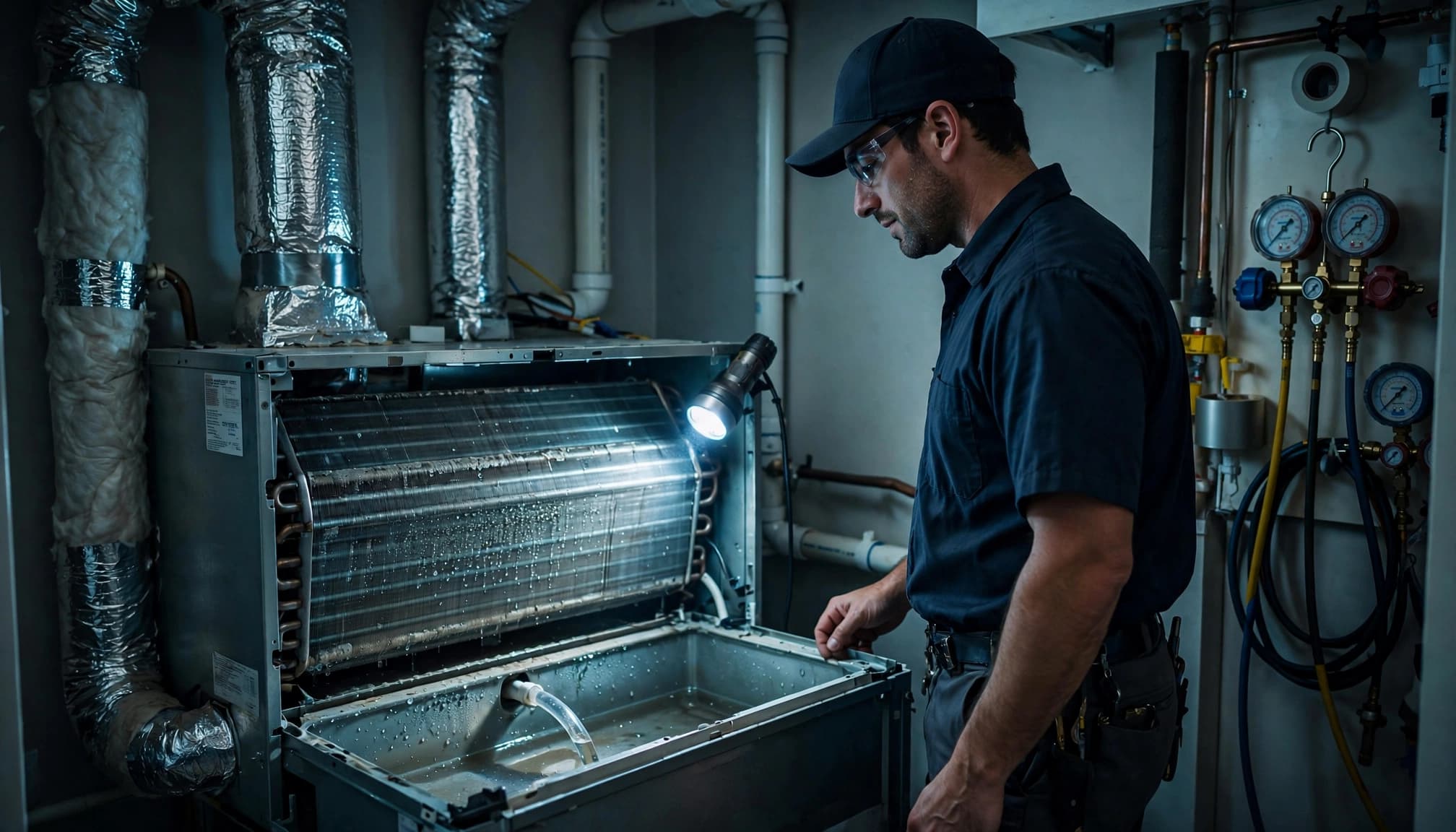
Homeowners can observe several parts of the system without handling refrigerant, wiring, or sealed components. These checks can give a technician useful information and may identify simple airflow restrictions.
Inspect the visible insulation from a safe distance
Look at the exposed insulated line near the outdoor condenser and where the line enters the home. Check for gaps, tears, loose sections, animal damage, or areas where insulation has pulled away.
Don't touch the copper tubing, loosen fittings, or replace insulation near connections. Refrigerant lines can be cold, hot, pressurized, or damaged. If the insulation is badly deteriorated, arrange professional service.
During routine care, inspect the insulation every few months and after severe weather. Keep photographs of changes if moisture appears in a new location.
Check airflow, drainage, and outdoor clearance
Replace a dirty filter. Make sure supply registers and return grilles remain open and aren't blocked by furniture, rugs, or curtains. Weak airflow can make a coil too cold and contribute to freezing.
Also check the visible condensate drain outlet outside. Keep plants, mulch, and debris away from it, and don't seal or cap the pipe. Avoid pouring random chemicals into the drain because strong cleaners may damage components or fail to clear a deeper blockage.
You can find more homeowner-safe steps in this guide to safe AC maintenance tasks for Florida homeowners. Before inspecting near an outdoor unit, turn off power at the appropriate disconnect or breaker, and never reach through the grille while power is connected.
Why Condensate Drain Maintenance Matters
Florida air conditioners remove moisture almost every day. That steady condensate flow puts extra demand on the drain pan, PVC line, trap, and safety switch.
Algae and weak fittings can cause water damage
Warm, damp drain lines can develop algae and sludge. The buildup narrows the passage and may cause water to back up into the pan. A loose fitting, poor slope, or damaged pipe can create similar problems.
When the pan fills, a float switch may shut the system off. That interruption can be frustrating, but it may prevent water from reaching a ceiling, wall, or floor.
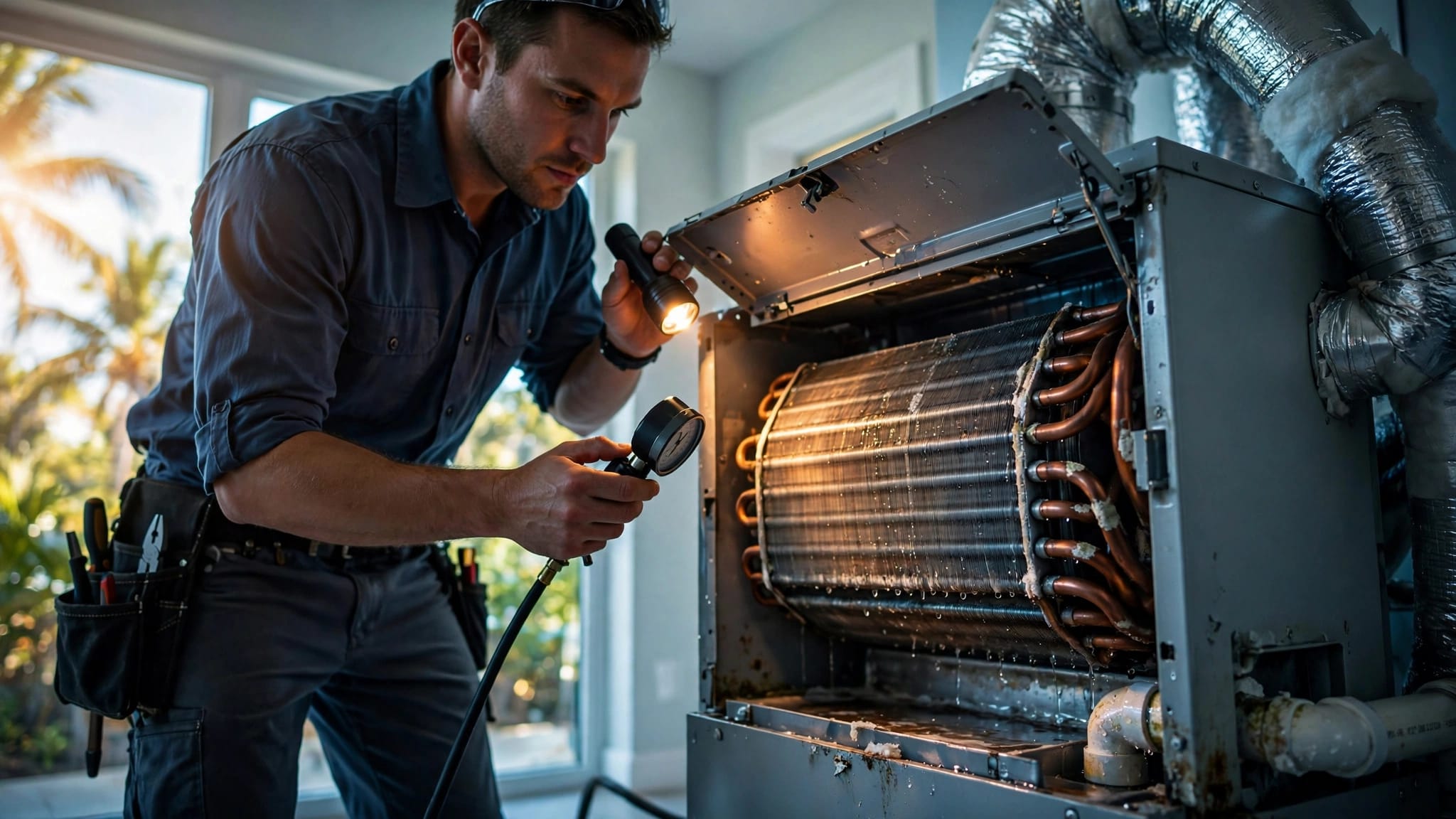
A professional maintenance visit should include checking the pan, clearing the drain line, inspecting the trap, and confirming that safety controls work. Some maintenance plans also include drain treatment to slow algae growth.
Keep the outdoor unit open and clean
Leaves, grass clippings, mulch, and salt air can affect the outdoor condenser. Restricted airflow makes the system work harder and may contribute to longer runtimes.
Keep the area around the cabinet clear according to the manufacturer's requirements. After yard work or storms, remove loose debris only when power is off and the equipment is dry and undamaged.
A tune-up can also identify dirty coils, airflow restrictions, electrical wear, drainage problems, and refrigerant concerns. One local maintenance guide notes that Florida systems may operate for eight to ten months each year, while a professional tune-up commonly takes one to two hours.
Key Takeaways
- Light moisture on an insulated suction line can be normal in Florida's humid weather.
- Heavy dripping, damaged insulation, ice, oily residue, or water damage needs professional evaluation.
- Warm air, weak airflow, long runtimes, hissing, bubbling, and rising humidity may indicate a system problem.
- A dirty filter or restricted airflow can create symptoms that resemble low refrigerant.
- The condensate drain line is separate from the refrigerant lines and needs regular attention.
- Homeowners should never add refrigerant or loosen sealed-system connections.
- Turn the AC off if the line or indoor coil freezes, then arrange service after the system begins to thaw.
FAQ About Sweating AC Refrigerant Lines
Is it normal for an AC refrigerant line to sweat in Florida?
Yes, light condensation on the insulated suction line can be normal. Florida's humid air makes moisture more likely when it contacts a cold line. The condition becomes more concerning when the insulation is damaged or the system also has ice, poor cooling, or water damage.
Does sweating mean the AC is low on refrigerant?
Not by itself. Damaged insulation can cause excessive condensation without a refrigerant leak. Low refrigerant may produce several other signs, including warm air, long runtimes, ice, hissing, bubbling, or declining cooling performance. A technician must test the system and check for leaks.
What should I do if I see ice on the refrigerant line?
Turn off cooling and set the thermostat fan to "On" if possible. Let the ice thaw naturally, and don't scrape it away. Avoid restarting the system repeatedly because the underlying issue may damage the equipment.
Can I wrap the line or add refrigerant myself?
Don't handle refrigerant or sealed connections yourself. Refrigerant work requires specialized tools, training, and leak checks. Adding refrigerant without finding the cause can leave the original problem unresolved.
When should I schedule service?
Arrange service when condensation is excessive, the AC drips indoors, cooling becomes weak, the system runs nearly nonstop, or ice returns after thawing. If water threatens electrical parts or building materials, shut down the system and Contact Us to schedule a service call.
Conclusion
Some AC refrigerant lines sweating is expected in Florida, especially when the suction line is cold and the air is humid. The important details are the amount of moisture, the condition of the insulation, and whether the system still cools properly.
Watch for ice, oily residue, weak airflow, warm vents, unusual sounds, and water damage. Safe filter, vent, drain, and outdoor-area checks can help, but refrigerant diagnosis and sealed-system repairs belong with a qualified HVAC professional.